

































Iran says US demands hinder progress on 14-point peace plan
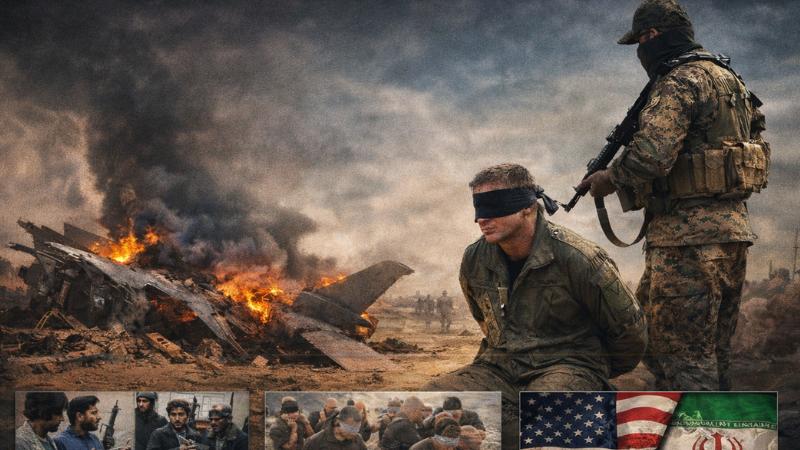
Iran reviews US response to peace proposal as tensions with Washington continue to shape the future of diplomacy and conflict in the region. In a recent press briefing, Iran’s Foreign Ministry confirmed that it has received Washington’s reply to a 14-point peace proposal, but officials say the response includes demands that could complicate progress. The development highlights key areas such as peace negotiations, diplomatic efforts, and the ongoing conflict resolution process.
Iran says US demands hinder progress on 14-point peace plan
Iran reviews US response to peace proposal as tensions with Washington continue to shape the future of diplomacy and conflict in the region. In a recent press briefing, Iran’s Foreign Ministry confirmed that it has received Washington’s reply to a 14-point peace proposal, but officials say the response includes demands that could complicate progress. The development highlights key areas such as peace negotiations, diplomatic efforts, and the ongoing conflict resolution process.
Star Wars Day: how “May the Fourth” became a global fan tradition
Star Wars Day, observed on May 4, is a global fan-driven celebration inspired by the famous line from Star Wars, “May the Force be with you.” The phrase sounds similar to “May the Fourth be with you,” which is why fans chose this date. Today, May 4 represents a worldwide celebration of storytelling, imagination, and the lasting popularity of the Star Wars universe. The origin of this tradition dates back to 1979, when a British newspaper used the phrase “May the Fourth Be With You, Maggie” to congratulate Margaret Thatcher after she became Prime Minister. At the time, it was simply a witty headline. However, as Star Wars gained a massive global following, fans recognized the clever connection and began using it to mark the day. Over time, the celebration grew organically without any official planning. Fans across different countries started sharing content, organizing events, and rewatching Star Wars movies. What began as a small idea eventually gained global attention. Recognizing its popularity, Lucasfilm and later The Walt Disney Company joined in to support and promote the celebration. Today, May 4 is celebrated with great enthusiasm worldwide. Fans dress up as their favorite characters, participate in themed events, and revisit iconic moments from the films. Theme parks host special activities, and online platforms see a surge in discussions, quizzes, and fan creations. In a notable moment, astronauts aboard the International Space Station even celebrated by watching Star Wars while orbiting Earth. What keeps Star Wars Day popular every year? The continued success of Star Wars Day lies in its ability to bring people together. New generations discover the story, while longtime fans relive their favorite memories. The celebration also extends to May 5, known as “Revenge of the Fifth,” inspired by Star Wars: Episode III – Revenge of the Sith, where attention shifts to darker characters. Star Wars Day stands out because it was created by fans, not institutions. Its growth reflects the power of shared passion and creativity. What started as a simple play on words has evolved into a global cultural event that continues to thrive year after year.
Star Wars Day: how “May the Fourth” became a global fan tradition
Star Wars Day, observed on May 4, is a global fan-driven celebration inspired by the famous line from Star Wars, “May the Force be with you.” The phrase sounds similar to “May the Fourth be with you,” which is why fans chose this date. Today, May 4 represents a worldwide celebration of storytelling, imagination, and the lasting popularity of the Star Wars universe. The origin of this tradition dates back to 1979, when a British newspaper used the phrase “May the Fourth Be With You, Maggie” to congratulate Margaret Thatcher after she became Prime Minister. At the time, it was simply a witty headline. However, as Star Wars gained a massive global following, fans recognized the clever connection and began using it to mark the day. Over time, the celebration grew organically without any official planning. Fans across different countries started sharing content, organizing events, and rewatching Star Wars movies. What began as a small idea eventually gained global attention. Recognizing its popularity, Lucasfilm and later The Walt Disney Company joined in to support and promote the celebration. Today, May 4 is celebrated with great enthusiasm worldwide. Fans dress up as their favorite characters, participate in themed events, and revisit iconic moments from the films. Theme parks host special activities, and online platforms see a surge in discussions, quizzes, and fan creations. In a notable moment, astronauts aboard the International Space Station even celebrated by watching Star Wars while orbiting Earth. What keeps Star Wars Day popular every year? The continued success of Star Wars Day lies in its ability to bring people together. New generations discover the story, while longtime fans relive their favorite memories. The celebration also extends to May 5, known as “Revenge of the Fifth,” inspired by Star Wars: Episode III – Revenge of the Sith, where attention shifts to darker characters. Star Wars Day stands out because it was created by fans, not institutions. Its growth reflects the power of shared passion and creativity. What started as a simple play on words has evolved into a global cultural event that continues to thrive year after year.
Diljit Dosanjh Stops Canada Concert, Responds To Pro Khalistan Protesters
During his live concert in Calgary, Canada, Diljit Dosanjh paused his performance midway to address a group of protesters raising pro-Khalistan slogans. The incident took place during his Aura Tour in May 2026 and quickly gained attention due to his calm and controlled response on stage. Rather than reacting emotionally, Diljit acknowledged the protesters and told them they were free to wa
Diljit Dosanjh Stops Canada Concert, Responds To Pro Khalistan Protesters
During his live concert in Calgary, Canada, Diljit Dosanjh paused his performance midway to address a group of protesters raising pro-Khalistan slogans. The incident took place during his Aura Tour in May 2026 and quickly gained attention due to his calm and controlled response on stage. Rather than reacting emotionally, Diljit acknowledged the protesters and told them they were free to wa
The Cube Chicago: Inside the High-Tech Gaming Experience Opening This June
Chicago is about to level up its entertainment scene—and not in a small way. Inspired by the hit TV show The Cube, a real-life interactive gaming arena is opening its first-ever U.S. location this June. Called The Cube, this high-t
The Cube Chicago: Inside the High-Tech Gaming Experience Opening This June
Chicago is about to level up its entertainment scene—and not in a small way. Inspired by the hit TV show The Cube, a real-life interactive gaming arena is opening its first-ever U.S. location this June. Called The Cube, this high-t
Hema Malini gets emotional remembering Dharmendra
Hema Malini breaks down remembering Dharmendra: ‘Don’t know how I’ll cope’ as veteran actress Hema Malini became emotional while speaking about her late husband during a tribute event in Mumbai, reflecting on his legacy, life, and deep connection with audiences across generations. The tribute was held on Thursday at the National Gallery of Modern Art during the opening of “Lens & Legacy: Bollywood in Focus,” where Hema Malini spoke about Dharmendra??
Hema Malini gets emotional remembering Dharmendra
Hema Malini breaks down remembering Dharmendra: ‘Don’t know how I’ll cope’ as veteran actress Hema Malini became emotional while speaking about her late husband during a tribute event in Mumbai, reflecting on his legacy, life, and deep connection with audiences across generations. The tribute was held on Thursday at the National Gallery of Modern Art during the opening of “Lens & Legacy: Bollywood in Focus,” where Hema Malini spoke about Dharmendra??
Luxury Car Oil Shortage Could Hit Soon: What the Global Base Oil Crisis Means for You
The global base oil shortage is no longer just an industry headline—it’s becoming a real concern for luxury car owners worldwide. As supply chains tighten due to geopolitical tensions around the Strait of Hormuz, the availability of high-performance engine oils used in premium vehicles is under pressure. For owners of brands like BMW, Mercedes-Benz, and Audi, this could soon translate into higher maintenance costs, limited oil availability, and delayed servicing. What’s Causing the Global Base Oil Shortage? At the heart of the issue is the ongoing instability linked to tensions involving Iran and critical oil transit routes. The Strait of Hormuz handles a significant portion of the world’s petroleum shipments—not just crude oil, but also refined products like base oils, which are essential for lubricant production. Base oils form the foundation of: Synthetic engine oils Industrial lubricants High-performance automotive fluids With shipping disruptions, delayed tankers, and rising insurance risks, the supply of these materials has tightened globally. Why Luxury Cars Are Hit Harder Not all vehicles are affected equally. Luxury and high-performance cars rely heavily on Group III and Group IV base oils, including advanced formulations like polyalphaolefins (PAO). These oils are designed to: Handle extreme temperatures Protect high-speed engines Maintain performance under pressure Unlike regular vehicles, luxury cars cannot easily switch to cheaper alternatives without risking engine damage or reduced efficiency. That’s why this shortage hits premium segments first—and hardest. Rising Prices and Supply Pressure The numbers already show stress in the system: The Gulf region contributes around 20% of global Group III base oil production It accounted for nearly half of U.S. imports in recent periods Prices in some markets have nearly doubled since the crisis began With inventories shrinking and delivery times increasing, lubricant manufacturers are struggling to keep up. If disruptions continue, experts warn that: Oil prices could rise further Service costs for luxury vehicles may spike Availability could become inconsistent in certain regions What This Means for Luxury Car Owners If you own a premium vehicle, here’s what you might notice in the coming weeks or months: Higher Maintenance Costs Synthetic oil changes could become significantly more expensive. Service Delays Workshops may face shortages or longer wait times for specific oil grades. Risk of Substitutes Some service centers might use alternative oils—potentially affecting performance if not approved. Should You Be Worried Right Now? Not immediately—but it’s something to watch closely. There’s no need to panic or stockpile engine oil. However: Stick to authorized service centers Ensure correct oil specifications are used Avoid delaying essential maintenance Being proactive now can help you avoid bigger issues later. A Bigger Energy and Supply Chain Problem This isn’t just about cars—it reflects a deeper issue in the global energy ecosystem. Heavy reliance on specific regions like the Persian Gulf makes supply chains vulnerable. Alongside geopolitical tensions, factors like: Refinery disruptions Export restrictions Seasonal risks (like hurricanes in U.S. Gulf Coast) are amplifying the pressure. Industry experts see this as a warning sign of long-term structural risks in the oil and automotive sectors. What Happens Next? If shipping routes stabilize and production resumes, the situation could ease within months. But if disruptions persist: Prices may remain elevated Supply chains could tighten further Luxury vehicle ownership costs may rise globally For now, both manufacturers and consumers are bracing for continued uncertainty. Final Takeaway The global base oil shortage is quietly building into a significant challenge—especially for luxury car owners. While it may not yet be visible at every service center, the signs are clear: tightening supply, rising costs, and growing dependence on fragile global networks. Staying informed—and maintaining your vehicle responsibly—will be key in navigating what could become one of the most overlooked automotive disruptions of the year.
Luxury Car Oil Shortage Could Hit Soon: What the Global Base Oil Crisis Means for You
The global base oil shortage is no longer just an industry headline—it’s becoming a real concern for luxury car owners worldwide. As supply chains tighten due to geopolitical tensions around the Strait of Hormuz, the availability of high-performance engine oils used in premium vehicles is under pressure. For owners of brands like BMW, Mercedes-Benz, and Audi, this could soon translate into higher maintenance costs, limited oil availability, and delayed servicing. What’s Causing the Global Base Oil Shortage? At the heart of the issue is the ongoing instability linked to tensions involving Iran and critical oil transit routes. The Strait of Hormuz handles a significant portion of the world’s petroleum shipments—not just crude oil, but also refined products like base oils, which are essential for lubricant production. Base oils form the foundation of: Synthetic engine oils Industrial lubricants High-performance automotive fluids With shipping disruptions, delayed tankers, and rising insurance risks, the supply of these materials has tightened globally. Why Luxury Cars Are Hit Harder Not all vehicles are affected equally. Luxury and high-performance cars rely heavily on Group III and Group IV base oils, including advanced formulations like polyalphaolefins (PAO). These oils are designed to: Handle extreme temperatures Protect high-speed engines Maintain performance under pressure Unlike regular vehicles, luxury cars cannot easily switch to cheaper alternatives without risking engine damage or reduced efficiency. That’s why this shortage hits premium segments first—and hardest. Rising Prices and Supply Pressure The numbers already show stress in the system: The Gulf region contributes around 20% of global Group III base oil production It accounted for nearly half of U.S. imports in recent periods Prices in some markets have nearly doubled since the crisis began With inventories shrinking and delivery times increasing, lubricant manufacturers are struggling to keep up. If disruptions continue, experts warn that: Oil prices could rise further Service costs for luxury vehicles may spike Availability could become inconsistent in certain regions What This Means for Luxury Car Owners If you own a premium vehicle, here’s what you might notice in the coming weeks or months: Higher Maintenance Costs Synthetic oil changes could become significantly more expensive. Service Delays Workshops may face shortages or longer wait times for specific oil grades. Risk of Substitutes Some service centers might use alternative oils—potentially affecting performance if not approved. Should You Be Worried Right Now? Not immediately—but it’s something to watch closely. There’s no need to panic or stockpile engine oil. However: Stick to authorized service centers Ensure correct oil specifications are used Avoid delaying essential maintenance Being proactive now can help you avoid bigger issues later. A Bigger Energy and Supply Chain Problem This isn’t just about cars—it reflects a deeper issue in the global energy ecosystem. Heavy reliance on specific regions like the Persian Gulf makes supply chains vulnerable. Alongside geopolitical tensions, factors like: Refinery disruptions Export restrictions Seasonal risks (like hurricanes in U.S. Gulf Coast) are amplifying the pressure. Industry experts see this as a warning sign of long-term structural risks in the oil and automotive sectors. What Happens Next? If shipping routes stabilize and production resumes, the situation could ease within months. But if disruptions persist: Prices may remain elevated Supply chains could tighten further Luxury vehicle ownership costs may rise globally For now, both manufacturers and consumers are bracing for continued uncertainty. Final Takeaway The global base oil shortage is quietly building into a significant challenge—especially for luxury car owners. While it may not yet be visible at every service center, the signs are clear: tightening supply, rising costs, and growing dependence on fragile global networks. Staying informed—and maintaining your vehicle responsibly—will be key in navigating what could become one of the most overlooked automotive disruptions of the year.
Banksy's secret statue installation in London: guerrilla tactics at play
In a bold move that once again showcases his trademark guerrilla tactics, street artist Banksy installed a giant statue in Central London's Waterloo Place. The sculpture appeared in the early hours of a Wednesday morning, and by Thursday, Banksy himself confirmed in a playful Instagram video that he was behind the installation. The video also included behind-the-scenes footage of the sculpture’s setup. Before the artist’s confirmation, pedestrians had already gathered around the piece, sp
Banksy's secret statue installation in London: guerrilla tactics at play
In a bold move that once again showcases his trademark guerrilla tactics, street artist Banksy installed a giant statue in Central London's Waterloo Place. The sculpture appeared in the early hours of a Wednesday morning, and by Thursday, Banksy himself confirmed in a playful Instagram video that he was behind the installation. The video also included behind-the-scenes footage of the sculpture’s setup. Before the artist’s confirmation, pedestrians had already gathered around the piece, sp
Veteran Korean actor Park Dong-bin found dead at 56 in South Korea
South Korean actor Park Dong-bin was found dead at age 56 in Pyeongtaek on Wednesday, April 29, 2026, at 4:25 PM KST. Police reported no signs of foul play and are investigating. Known for a viral K-drama meme, he is survived by his wife and daughter. Veteran Korean actor Park Dong-bin found dead at 56 in South Korea as authorities confirmed the longtime performer was discovered deceased at a restaurant he was preparing to open in Pyeongtaek, Gyeonggi Province. The incident occurred at approximately 4:25 PM local time (KST) on Wednesday, April 29, 2026, according to reports citing the Pyeongtaek Police Station. Officials responding to the scene reported no immediate signs of foul play or forced entry, indicating that the circumstances surrounding the actor’s death remain unclear. Authorities have launched an ongoing investigation to determine the exact cause and sequence of events leading to his death. Further details have not yet been released as of this writing. Park Dong-bin, 56, was a familiar figure in South Korea’s entertainment industry and gained renewed international recognition in recent years after a scene from the 2012 television drama It Was Love went viral online. The clip, which showed him humorously spitting out orange juice in reaction to shocking news, circulated widely on social media and earned him the nickname “Juice Guy,” introducing his work to a younger, global audience. His passing has drawn attention not only for his acting career but also for his recent entrepreneurial efforts. Reports indicate that he had been in the process of opening a new restaurant in Pyeongtaek, where he was found. Funeral arrangements were scheduled for the morning of Friday, May 1, 2026 (KST). According to local reports, his remains were to pass through the Yongin Forest of Peace before being laid to rest at Woosung Memorial Park. Park is survived by his wife, Lee Sang-yi, and their young daughter, Ji-yoo, who was born in 2023 and has reportedly been undergoing treatment for a congenital heart condition.
Veteran Korean actor Park Dong-bin found dead at 56 in South Korea
South Korean actor Park Dong-bin was found dead at age 56 in Pyeongtaek on Wednesday, April 29, 2026, at 4:25 PM KST. Police reported no signs of foul play and are investigating. Known for a viral K-drama meme, he is survived by his wife and daughter. Veteran Korean actor Park Dong-bin found dead at 56 in South Korea as authorities confirmed the longtime performer was discovered deceased at a restaurant he was preparing to open in Pyeongtaek, Gyeonggi Province. The incident occurred at approximately 4:25 PM local time (KST) on Wednesday, April 29, 2026, according to reports citing the Pyeongtaek Police Station. Officials responding to the scene reported no immediate signs of foul play or forced entry, indicating that the circumstances surrounding the actor’s death remain unclear. Authorities have launched an ongoing investigation to determine the exact cause and sequence of events leading to his death. Further details have not yet been released as of this writing. Park Dong-bin, 56, was a familiar figure in South Korea’s entertainment industry and gained renewed international recognition in recent years after a scene from the 2012 television drama It Was Love went viral online. The clip, which showed him humorously spitting out orange juice in reaction to shocking news, circulated widely on social media and earned him the nickname “Juice Guy,” introducing his work to a younger, global audience. His passing has drawn attention not only for his acting career but also for his recent entrepreneurial efforts. Reports indicate that he had been in the process of opening a new restaurant in Pyeongtaek, where he was found. Funeral arrangements were scheduled for the morning of Friday, May 1, 2026 (KST). According to local reports, his remains were to pass through the Yongin Forest of Peace before being laid to rest at Woosung Memorial Park. Park is survived by his wife, Lee Sang-yi, and their young daughter, Ji-yoo, who was born in 2023 and has reportedly been undergoing treatment for a congenital heart condition.
Trump shifts stance on Iran conflict, calls it a military operation
Trump redefines Iran conflict as military operation As the War Powers Resolution deadline approached on May 1, US President Donald Trump made a sharp shift in stance by stating that the ongoing Trump Iran conflict would not be labeled as a war but instead as a military operation. This move comes just days before a legal deadline that could have required congressional approval or forced the US to halt militar
Trump shifts stance on Iran conflict, calls it a military operation
Trump redefines Iran conflict as military operation As the War Powers Resolution deadline approached on May 1, US President Donald Trump made a sharp shift in stance by stating that the ongoing Trump Iran conflict would not be labeled as a war but instead as a military operation. This move comes just days before a legal deadline that could have required congressional approval or forced the US to halt militar
Rafael Nadal RAFA Documentary Release Date Posters and Career Story
Streaming giant Netflix is set to release RAFA, a highly anticipated documentary series centered on tennis legend Rafael Nadal, with its global premiere scheduled for May 29. The newly revealed posters highlight themes of endurance, physical limits, and emotional resilience, offering a raw glimpse into the
Rafael Nadal RAFA Documentary Release Date Posters and Career Story
Streaming giant Netflix is set to release RAFA, a highly anticipated documentary series centered on tennis legend Rafael Nadal, with its global premiere scheduled for May 29. The newly revealed posters highlight themes of endurance, physical limits, and emotional resilience, offering a raw glimpse into the
US missile stockpile concerns grow amid iran conflict scrutiny
US missile stockpile concerns during Iran war
US missile stockpile concerns grow amid iran conflict scrutiny
US missile stockpile concerns during Iran war
Statewide Kerala Protest After Nithin Raj Death Affects Buses, Patients And Students
A statewide hartal called in Kerala on April 28, 2026, has significantly disrupted daily life, with public transport services coming to a near standstill and thousands of commuters stranded across the state. The protest was triggered by the death of Nithin Raj, which has sparked widespread outrage and led to demonstrations in multiple districts. According to reports, private buses, taxis, and auto-rickshaws largely stayed off the roads as protestors enforced the hartal. Shops, comme
Statewide Kerala Protest After Nithin Raj Death Affects Buses, Patients And Students
A statewide hartal called in Kerala on April 28, 2026, has significantly disrupted daily life, with public transport services coming to a near standstill and thousands of commuters stranded across the state. The protest was triggered by the death of Nithin Raj, which has sparked widespread outrage and led to demonstrations in multiple districts. According to reports, private buses, taxis, and auto-rickshaws largely stayed off the roads as protestors enforced the hartal. Shops, comme
Indonesia Train Crash Triggers Rescue Efforts After Jakarta Collision
A deadly train collision near Jakarta has left at least four people dead and dozens injured, prompting an extensive emergency response in one of the region’s busiest rail corridors. The accident occurred around 8 pm local time at Bekasi Timur railway station, where a long-distance train struck a stationary commuter service on the tracks. According to state-owned operator Kereta Api Indonesia, the Argo Bromo Anggrek train, traveling from Gambir to Surabaya, collided with the rear of a halted KRL Commuterline train. Officials said the commuter train had stopped after being struck by a taxi at a level crossing, leaving it immobilized before the impact occurred. Authorities confirmed that all fatalities were passengers on the commuter train, with the collision primarily affecting the final carriage, designated as a women-only coach. Meanwhile, approximately 240 passengers aboard the long-distance train were safely evacuated without serious injury. Emergency teams were deployed quickly, working to extract passengers trapped inside damaged compartments while ambulances and medical personnel responded to the scene. Eyewitness accounts described confusion and urgency, with rescue workers navigating wreckage to reach those in need. Several train cars sustained significant structural damage, complicating efforts to access injured passengers. Oxygen supplies and immediate medical care were administered as part of the rescue operation. The incident has renewed concerns about rail safety in Indonesia, following previous accidents in recent years. Authorities have launched a formal investigation to determine the sequence of events and identify contributing factors. Officials are expected to review both the level crossing incident and operational procedures to prevent similar accidents in the future.
Indonesia Train Crash Triggers Rescue Efforts After Jakarta Collision
A deadly train collision near Jakarta has left at least four people dead and dozens injured, prompting an extensive emergency response in one of the region’s busiest rail corridors. The accident occurred around 8 pm local time at Bekasi Timur railway station, where a long-distance train struck a stationary commuter service on the tracks. According to state-owned operator Kereta Api Indonesia, the Argo Bromo Anggrek train, traveling from Gambir to Surabaya, collided with the rear of a halted KRL Commuterline train. Officials said the commuter train had stopped after being struck by a taxi at a level crossing, leaving it immobilized before the impact occurred. Authorities confirmed that all fatalities were passengers on the commuter train, with the collision primarily affecting the final carriage, designated as a women-only coach. Meanwhile, approximately 240 passengers aboard the long-distance train were safely evacuated without serious injury. Emergency teams were deployed quickly, working to extract passengers trapped inside damaged compartments while ambulances and medical personnel responded to the scene. Eyewitness accounts described confusion and urgency, with rescue workers navigating wreckage to reach those in need. Several train cars sustained significant structural damage, complicating efforts to access injured passengers. Oxygen supplies and immediate medical care were administered as part of the rescue operation. The incident has renewed concerns about rail safety in Indonesia, following previous accidents in recent years. Authorities have launched a formal investigation to determine the sequence of events and identify contributing factors. Officials are expected to review both the level crossing incident and operational procedures to prevent similar accidents in the future.
Iran offers Strait of Hormuz reopening if US lifts blockade, delays nuclear talks
Iran offered to reopen the Strait of Hormuz if the U.S. lifts its blockade and ends hostilities, but Washington insists any deal must address Tehran’s nuclear program, leaving tensions high and global energy markets under strain. Iran has proposed reopening the Strait of Hormuz if the United States lifts its blockade and agrees to end hostilities, according to regional officials familiar with negotiations disclosed on Monday, April 28, 2026. The proposal, deliver
Iran offers Strait of Hormuz reopening if US lifts blockade, delays nuclear talks
Iran offered to reopen the Strait of Hormuz if the U.S. lifts its blockade and ends hostilities, but Washington insists any deal must address Tehran’s nuclear program, leaving tensions high and global energy markets under strain. Iran has proposed reopening the Strait of Hormuz if the United States lifts its blockade and agrees to end hostilities, according to regional officials familiar with negotiations disclosed on Monday, April 28, 2026. The proposal, deliver
Are you visiting India? Digi Yatra could change your airport experience
Digi Yatra could change your airport experience India’s push toward seamless air travel is being led by Digi Yatra, a government-backed initiative that uses facial recognition to streamline passenger movement through airports. Developed under the Ministry of Civil Aviation, the system allows travelers to bypass repeated document checks by using biometric verification instead of physical boarding passes and identification. How Digi Yatra is transforming airport travel in India Digi Yatra enables passengers to create a digital identity through the Digi Yatra App by uploading ID credentials and flight details before arriving at the airport. Once enrolled, travelers can pass through entry gates, security checkpoints, and boarding areas using facial scans. The system is currently operational at major hubs such as Kempegowda International Airport and Indira Gandhi International Airport, with plans for wider adoption across the country. The initiative is voluntary and emphasizes speed, convenience, and reduced physical contact in crowded terminals. Biometric travel systems already in use across US airports In the United States, similar biometric technologies are already deployed, primarily for international travel. Agencies such as the Transportation Security Administration and U.S. Customs and Border Protection operate facial recognition systems that match a traveler’s live image with passport or visa databases. These systems are commonly used at immigration checkpoints and boarding gates for international flights, and in some cases at security screening through programs like TSA’s touchless identity verification. Unlike Digi Yatra, enrollment is not typically handled through a consumer-facing app, and the process is largely managed through government databases. Key differences between Digi Yatra and US biometric systems Feature Digi Yatra (India) United States Systems Control User-controlled via app Government-controlled databases Enrollment Voluntary, app-based Mostly automatic or backend Primary Use Domestic travel International travel focus Documents Replaced by facial ID Linked to passport/visa User Role Active participation required Passive participation Data Handling User uploads data Govt retrieves from records Experience Fully contactless journey Partial contactless process What global travelers should know about evolving airport technology As airports worldwide adopt digital identity solutions, the contrast between India’s Digi Yatra and US biometric programs highlights broader questions around privacy, convenience, and control. For US-based travelers heading to India, understanding how Digi Yatra works can help streamline the airport experience, while also offering insight into how biometric travel technology may continue to evolve globally.
Are you visiting India? Digi Yatra could change your airport experience
Digi Yatra could change your airport experience India’s push toward seamless air travel is being led by Digi Yatra, a government-backed initiative that uses facial recognition to streamline passenger movement through airports. Developed under the Ministry of Civil Aviation, the system allows travelers to bypass repeated document checks by using biometric verification instead of physical boarding passes and identification. How Digi Yatra is transforming airport travel in India Digi Yatra enables passengers to create a digital identity through the Digi Yatra App by uploading ID credentials and flight details before arriving at the airport. Once enrolled, travelers can pass through entry gates, security checkpoints, and boarding areas using facial scans. The system is currently operational at major hubs such as Kempegowda International Airport and Indira Gandhi International Airport, with plans for wider adoption across the country. The initiative is voluntary and emphasizes speed, convenience, and reduced physical contact in crowded terminals. Biometric travel systems already in use across US airports In the United States, similar biometric technologies are already deployed, primarily for international travel. Agencies such as the Transportation Security Administration and U.S. Customs and Border Protection operate facial recognition systems that match a traveler’s live image with passport or visa databases. These systems are commonly used at immigration checkpoints and boarding gates for international flights, and in some cases at security screening through programs like TSA’s touchless identity verification. Unlike Digi Yatra, enrollment is not typically handled through a consumer-facing app, and the process is largely managed through government databases. Key differences between Digi Yatra and US biometric systems Feature Digi Yatra (India) United States Systems Control User-controlled via app Government-controlled databases Enrollment Voluntary, app-based Mostly automatic or backend Primary Use Domestic travel International travel focus Documents Replaced by facial ID Linked to passport/visa User Role Active participation required Passive participation Data Handling User uploads data Govt retrieves from records Experience Fully contactless journey Partial contactless process What global travelers should know about evolving airport technology As airports worldwide adopt digital identity solutions, the contrast between India’s Digi Yatra and US biometric programs highlights broader questions around privacy, convenience, and control. For US-based travelers heading to India, understanding how Digi Yatra works can help streamline the airport experience, while also offering insight into how biometric travel technology may continue to evolve globally.
Iran Proposes Strait of Hormuz Deal While Delaying Nuclear Talks
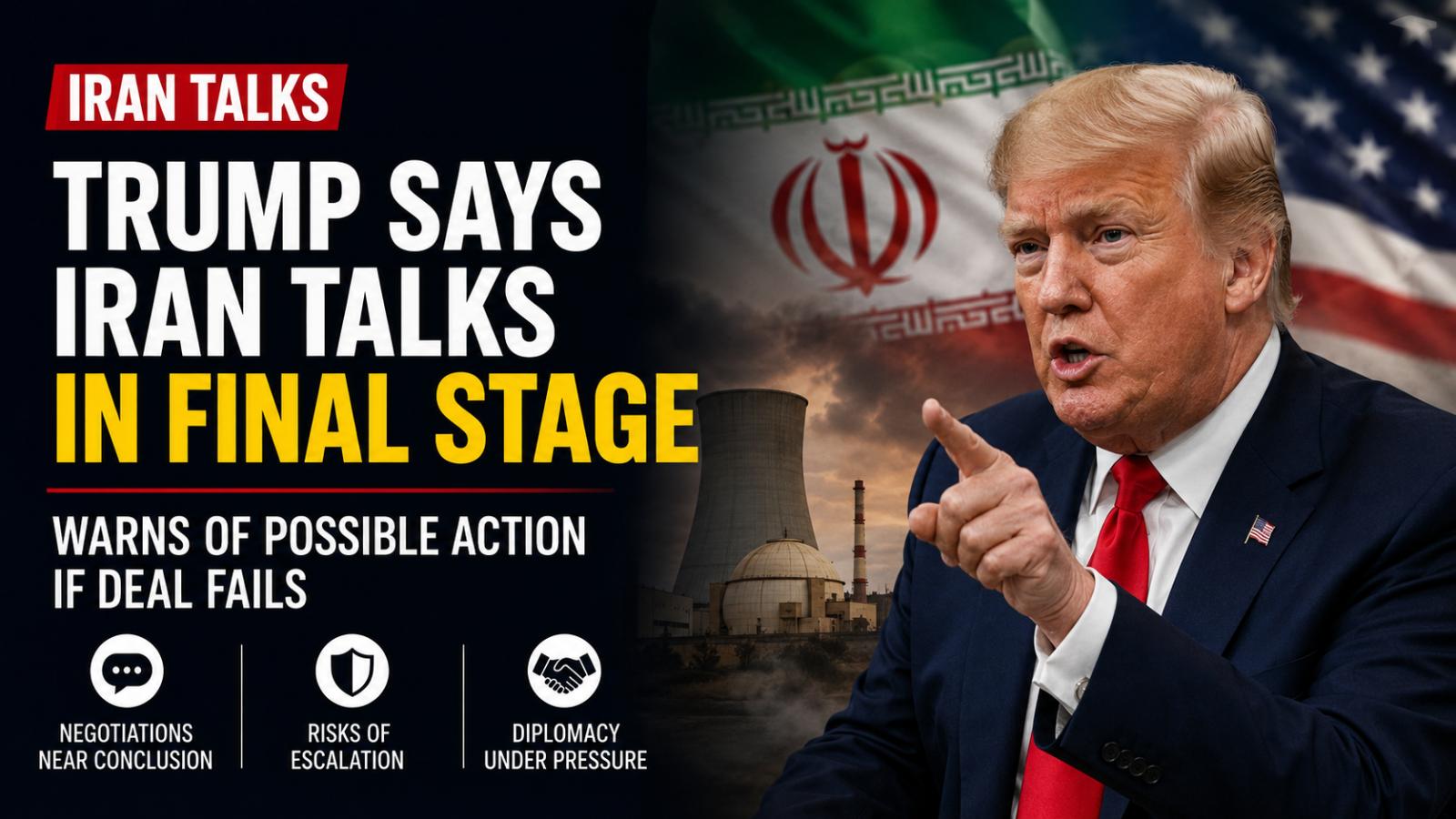
Iran has reportedly put forward a new proposal aimed at reopening the Strait of Hormuz and easing ongoing tensions, while suggesting that nuclear negotiations be postponed. The development comes as US officials review the offer, with President Donald Trump expected to meet with senior national security advisers to assess the situation and determine next steps. According to sources familiar with the discussions, the proposal was conveyed through intermediaries and focuses on de-escalation measures tied to maritime security and regional stability. However, Iranian officials have indicated that broader nuclear negotiations should be deferred until key issues, including economic restrictions and security concerns, are addressed. There has been no official confirmation from either side regarding the specifics of the proposal. The latest diplomatic activity follows a series of engagements by Abbas Araghchi, who recently traveled between Pakistan and Oman in an effort to facilitate dialogue. Iranian authorities emphasized that no direct meetings with US representatives were scheduled during his visit to Islamabad. Earlier, planned discussions involving US envoys were canceled, adding to the uncertainty surrounding the negotiation process. Tensions have been further complicated by differing expectations between Washington and Tehran. US officials have reiterated that any agreement must include strict limitations on Iran’s nuclear capabilities, including restrictions on enrichment activities. Iranian leaders, meanwhile, have maintained that negotiations cannot proceed under pressure, citing concerns over ongoing restrictions and security measures affecting the country. The situation remains fluid as diplomatic channels continue to operate through regional mediators. Iran’s leadership has also engaged with international partners, including Russia, as part of broader efforts to manage the crisis. While the proposal to reopen the Strait of Hormuz signals a potential pathway toward de-escalation, the delay in nuclear talks underscores the challenges that remain in reaching a comprehensive agreement.
Iran Proposes Strait of Hormuz Deal While Delaying Nuclear Talks
Iran has reportedly put forward a new proposal aimed at reopening the Strait of Hormuz and easing ongoing tensions, while suggesting that nuclear negotiations be postponed. The development comes as US officials review the offer, with President Donald Trump expected to meet with senior national security advisers to assess the situation and determine next steps. According to sources familiar with the discussions, the proposal was conveyed through intermediaries and focuses on de-escalation measures tied to maritime security and regional stability. However, Iranian officials have indicated that broader nuclear negotiations should be deferred until key issues, including economic restrictions and security concerns, are addressed. There has been no official confirmation from either side regarding the specifics of the proposal. The latest diplomatic activity follows a series of engagements by Abbas Araghchi, who recently traveled between Pakistan and Oman in an effort to facilitate dialogue. Iranian authorities emphasized that no direct meetings with US representatives were scheduled during his visit to Islamabad. Earlier, planned discussions involving US envoys were canceled, adding to the uncertainty surrounding the negotiation process. Tensions have been further complicated by differing expectations between Washington and Tehran. US officials have reiterated that any agreement must include strict limitations on Iran’s nuclear capabilities, including restrictions on enrichment activities. Iranian leaders, meanwhile, have maintained that negotiations cannot proceed under pressure, citing concerns over ongoing restrictions and security measures affecting the country. The situation remains fluid as diplomatic channels continue to operate through regional mediators. Iran’s leadership has also engaged with international partners, including Russia, as part of broader efforts to manage the crisis. While the proposal to reopen the Strait of Hormuz signals a potential pathway toward de-escalation, the delay in nuclear talks underscores the challenges that remain in reaching a comprehensive agreement.
What is driving Iran’s cooking oil trade surge? Inflation and shortages at the border
On Turkey’s bustling border crossing with Iran, inflation and shortages are driving a surge in cooking oil trade as economic pressures deepen inside Iran. At the Kapikoy crossing near Van in eastern Turkey, merchants and travelers described a growing demand for basic goods, particularly cooking oil, as Iranian consumers grapple with soaring prices and limited supply. Shopkeepers at the crossing said demand has risen sharply in recent days, with dozens of individuals carrying multiple large bottles of oil back into Iran. The trade has become a small but vital source of income for both Turkish vendors and Iranian buyers seeking to resell or use the goods domestically. Rising food prices and subsidy reforms reshape consumer behavior Iran’s inflation crisis, projected by the International Monetary Fund to approach 70 percent in 2026, has significantly eroded purchasing power. Cooking oil prices surged after the government removed subsidies on certain essential imports in January, a move intended to reduce state spending amid ongoing sanctions. Iranian officials, including President Masoud Pezeshkian, have defended the policy, arguing that subsidies were being exploited without effectively lowering prices. However, many consumers report difficulty finding affordable cooking oil in local markets, forcing them to look beyond the country’s borders. Border trade becomes a lifeline for struggling households For some Iranians, cross-border trade offers a modest financial cushion. Individuals interviewed at the crossing described buying cooking oil in Turkey for just over $10 per five-liter bottle and reselling it in Iran at slightly lower prices than domestic shops, earning small profits. The Kapikoy crossing has remained one of the few consistent links between Iran and the outside world during recent disruptions, including airspace closures and an ongoing internet shutdown that has limited access to information within the country. Economic strain intensifies amid conflict and job losses Beyond inflation, Iran’s economy is facing additional strain from conflict-related disruptions and layoffs. The country’s minimum wage, roughly $108 per month, has failed to keep pace with rising living costs, leaving many households under severe financial pressure. Recent protests driven by economic discontent have been met with government crackdowns, adding to an atmosphere of uncertainty. While the government has introduced monthly cash payments equivalent to about $7 to offset rising costs, analysts say the measure is unlikely to significantly ease the burden on most families. Limited relief despite growing cross-border activity Although the increase in cross-border trade highlights the resilience of individuals adapting to economic hardship, the overall impact remains limited. The modest profits generated by transporting goods like cooking oil do little to offset the broader challenges posed by inflation, unemployment, and supply shortages. For many Iranians, the scenes at the Turkey-Iran border underscore a deeper economic crisis, where even basic necessities require creative—and often difficult—solutions to obtain.
What is driving Iran’s cooking oil trade surge? Inflation and shortages at the border
On Turkey’s bustling border crossing with Iran, inflation and shortages are driving a surge in cooking oil trade as economic pressures deepen inside Iran. At the Kapikoy crossing near Van in eastern Turkey, merchants and travelers described a growing demand for basic goods, particularly cooking oil, as Iranian consumers grapple with soaring prices and limited supply. Shopkeepers at the crossing said demand has risen sharply in recent days, with dozens of individuals carrying multiple large bottles of oil back into Iran. The trade has become a small but vital source of income for both Turkish vendors and Iranian buyers seeking to resell or use the goods domestically. Rising food prices and subsidy reforms reshape consumer behavior Iran’s inflation crisis, projected by the International Monetary Fund to approach 70 percent in 2026, has significantly eroded purchasing power. Cooking oil prices surged after the government removed subsidies on certain essential imports in January, a move intended to reduce state spending amid ongoing sanctions. Iranian officials, including President Masoud Pezeshkian, have defended the policy, arguing that subsidies were being exploited without effectively lowering prices. However, many consumers report difficulty finding affordable cooking oil in local markets, forcing them to look beyond the country’s borders. Border trade becomes a lifeline for struggling households For some Iranians, cross-border trade offers a modest financial cushion. Individuals interviewed at the crossing described buying cooking oil in Turkey for just over $10 per five-liter bottle and reselling it in Iran at slightly lower prices than domestic shops, earning small profits. The Kapikoy crossing has remained one of the few consistent links between Iran and the outside world during recent disruptions, including airspace closures and an ongoing internet shutdown that has limited access to information within the country. Economic strain intensifies amid conflict and job losses Beyond inflation, Iran’s economy is facing additional strain from conflict-related disruptions and layoffs. The country’s minimum wage, roughly $108 per month, has failed to keep pace with rising living costs, leaving many households under severe financial pressure. Recent protests driven by economic discontent have been met with government crackdowns, adding to an atmosphere of uncertainty. While the government has introduced monthly cash payments equivalent to about $7 to offset rising costs, analysts say the measure is unlikely to significantly ease the burden on most families. Limited relief despite growing cross-border activity Although the increase in cross-border trade highlights the resilience of individuals adapting to economic hardship, the overall impact remains limited. The modest profits generated by transporting goods like cooking oil do little to offset the broader challenges posed by inflation, unemployment, and supply shortages. For many Iranians, the scenes at the Turkey-Iran border underscore a deeper economic crisis, where even basic necessities require creative—and often difficult—solutions to obtain.
How did Western music begin in Athens? It started with mathematics and philosophy
Western music traces back to ancient Athens, where philosophy and mathematics defined sound and structure. In this early period, music was not merely entertainment but an intellectual discipline deeply connected to science and education. The ideas developed in Athens would later influence the foundations of Western music, shaping how sound is understood and organized. Mathematical foundations of musical sound Ancient Greek thinkers explored the relationship between numbers and sound, establishing principles that continue to influence music theory. Pythagoras, a key figure in this development, discovered that harmonious tones could be produced through simple mathematical ratios. By observing vibrating strings, he demonstrated that pitch changes were directly related to numerical relationships, laying the groundwork for structured scales and harmony. Music as part of education and philosophy In Athens, music was considered essential to intellectual and moral development. Philosophers such as Plato argued that music could influence human behavior, emotions, and character. As a result, music education became an integral part of learning, reinforcing the idea that sound had both scientific and psychological significance. Performance traditions in Greek theater Music also played a central role in public life, particularly in theatrical performances. Greek dramas incorporated choruses that combined singing, poetry, and movement to convey stories. These performances represented one of the earliest forms of organized musical storytelling, demonstrating how music functioned as both an artistic and communal experience. Lasting influence on Western musical systems Although ancient Greek compositions have not survived in their original form, the theoretical framework developed in Athens continues to shape Western music. Concepts such as scales, harmony, and structured composition evolved from these early discoveries. The emphasis on mathematical order and philosophical meaning established a foundation that later cultures expanded upon. The legacy of Athens highlights how music evolved from a study of numbers and ideas into a complex artistic system. This transition marks the beginning of a tradition that continues to influence modern music across the world.
How did Western music begin in Athens? It started with mathematics and philosophy
Western music traces back to ancient Athens, where philosophy and mathematics defined sound and structure. In this early period, music was not merely entertainment but an intellectual discipline deeply connected to science and education. The ideas developed in Athens would later influence the foundations of Western music, shaping how sound is understood and organized. Mathematical foundations of musical sound Ancient Greek thinkers explored the relationship between numbers and sound, establishing principles that continue to influence music theory. Pythagoras, a key figure in this development, discovered that harmonious tones could be produced through simple mathematical ratios. By observing vibrating strings, he demonstrated that pitch changes were directly related to numerical relationships, laying the groundwork for structured scales and harmony. Music as part of education and philosophy In Athens, music was considered essential to intellectual and moral development. Philosophers such as Plato argued that music could influence human behavior, emotions, and character. As a result, music education became an integral part of learning, reinforcing the idea that sound had both scientific and psychological significance. Performance traditions in Greek theater Music also played a central role in public life, particularly in theatrical performances. Greek dramas incorporated choruses that combined singing, poetry, and movement to convey stories. These performances represented one of the earliest forms of organized musical storytelling, demonstrating how music functioned as both an artistic and communal experience. Lasting influence on Western musical systems Although ancient Greek compositions have not survived in their original form, the theoretical framework developed in Athens continues to shape Western music. Concepts such as scales, harmony, and structured composition evolved from these early discoveries. The emphasis on mathematical order and philosophical meaning established a foundation that later cultures expanded upon. The legacy of Athens highlights how music evolved from a study of numbers and ideas into a complex artistic system. This transition marks the beginning of a tradition that continues to influence modern music across the world.
Rihanna Returns To India After 2 Years, Captures Crowd During Mumbai Arrival
Global pop icon Rihanna returned to India on April 24, 2026, marking her second visit to the country. The singer was spotted arriving in Mumbai, where she received an enthusiastic welcome from fans and paparazzi at Kalina Airport. Dressed in an all-black outfit, Rihanna completed her look with a sleek ponytail, dark sunglasses, and gold jewellery, making a striking appearance as she stepped out of a private jet. As she made her way through the airport under tight security, photographers greeted her with chants of “RiRi,” to which she responded warmly by waving, smiling, and even blowing kisses. Her brief yet engaging interaction with the media quickly became a highlight of her arrival, reflecting her strong connection with fans in India. Videos circulating on social media captured a unique moment during her arrival, showing Rihanna recording the crowd gathered around her car on her phone. The clip, which has since gone viral, shows the singer documenting the excitement of fans who had gathered in large numbers to catch a glimpse of her. This visit comes two years after Rihanna’s much-talked-about trip to India in 2024, when she performed at the pre-wedding celebrations of Anant Ambani and Radhika Merchant in Jamnagar. Her performance at the event marked her first-ever live show in India and became one of the most memorable highlights of the grand celebration. The Jamnagar festivities were attended by several global personalities, including Mark Zuckerberg, Bill Gates, and Ivanka Trump, making it a star-studded international affair. Rihanna’s latest visit has once again generated significant buzz, with fans eagerly sharing videos and photos across social media platforms. While the purpose of her current trip remains undisclosed, her presence in Mumbai has already created excitement among fans and the entertainment industry alike.
Rihanna Returns To India After 2 Years, Captures Crowd During Mumbai Arrival
Global pop icon Rihanna returned to India on April 24, 2026, marking her second visit to the country. The singer was spotted arriving in Mumbai, where she received an enthusiastic welcome from fans and paparazzi at Kalina Airport. Dressed in an all-black outfit, Rihanna completed her look with a sleek ponytail, dark sunglasses, and gold jewellery, making a striking appearance as she stepped out of a private jet. As she made her way through the airport under tight security, photographers greeted her with chants of “RiRi,” to which she responded warmly by waving, smiling, and even blowing kisses. Her brief yet engaging interaction with the media quickly became a highlight of her arrival, reflecting her strong connection with fans in India. Videos circulating on social media captured a unique moment during her arrival, showing Rihanna recording the crowd gathered around her car on her phone. The clip, which has since gone viral, shows the singer documenting the excitement of fans who had gathered in large numbers to catch a glimpse of her. This visit comes two years after Rihanna’s much-talked-about trip to India in 2024, when she performed at the pre-wedding celebrations of Anant Ambani and Radhika Merchant in Jamnagar. Her performance at the event marked her first-ever live show in India and became one of the most memorable highlights of the grand celebration. The Jamnagar festivities were attended by several global personalities, including Mark Zuckerberg, Bill Gates, and Ivanka Trump, making it a star-studded international affair. Rihanna’s latest visit has once again generated significant buzz, with fans eagerly sharing videos and photos across social media platforms. While the purpose of her current trip remains undisclosed, her presence in Mumbai has already created excitement among fans and the entertainment industry alike.
What does the Warner-Paramount merger approval mean? It moves a $111B deal closer to closing
Shareholder vote advances historic media consolidation Warner Bros. Discovery shareholders voted on Thursday, April 23, 2026, to approve a proposed sale of the company to Paramount, marking a major step toward finalizing one of the largest media mergers in recent history. According to preliminary results released the same day, a strong majority supported the $31-per-share offer, placing the total transaction value at nearly $111 billion, including debt. The vote signals significant investor backing for a deal that would reshape the structure of the global entertainment industry. Combined assets could redefine streaming and legacy media If completed, the merger would unite Warner’s portfolio — including HBO Max, CNN, and the Harry Potter franchise — with Paramount’s holdings such as CBS, Paramount+, and major film properties like Top Gun. The combined entity would bring together two of Hollywood’s remaining major studios while consolidating major streaming platforms under one corporate umbrella. Executives argue that the integration could deliver expanded content libraries and potentially streamline consumer offerings through unified services. Rival bids and shifting alliances shaped the outcome The path to shareholder approval followed months of intense competition and shifting strategies. Warner had previously rejected Paramount’s initial approach in favor of a $72 billion proposal from Netflix focused on studio and streaming assets. Paramount later pursued a direct appeal to shareholders with a broader acquisition plan, eventually increasing its bid. Netflix ultimately withdrew, allowing Paramount to secure board support and shareholder approval. Industry backlash and political scrutiny intensify Despite corporate backing, the merger has drawn strong opposition from industry professionals and policymakers. Thousands of actors, writers, and directors have warned that further consolidation could reduce job opportunities and limit creative diversity. U.S. Senator Cory Booker raised concerns during a recent hearing in Washington, questioning the broader implications for control over news and entertainment content. Regulatory agencies, including the Department of Justice, are continuing their review, with additional scrutiny expected from state and international authorities. Uncertainty remains over jobs, pricing, and editorial direction Paramount leadership has pledged to maintain theatrical releases and invest in film production, while also acknowledging the likelihood of cost-cutting measures, including layoffs. Analysts and critics caution that consolidation could lead to higher subscription costs and fewer content choices over time. Questions have also emerged regarding editorial direction at major news outlets like CNN and CBS, particularly as ownership changes intersect with political and financial influences. Warner has indicated the deal could close in the third fiscal quarter of 2026, pending regulatory approvals.
What does the Warner-Paramount merger approval mean? It moves a $111B deal closer to closing
Shareholder vote advances historic media consolidation Warner Bros. Discovery shareholders voted on Thursday, April 23, 2026, to approve a proposed sale of the company to Paramount, marking a major step toward finalizing one of the largest media mergers in recent history. According to preliminary results released the same day, a strong majority supported the $31-per-share offer, placing the total transaction value at nearly $111 billion, including debt. The vote signals significant investor backing for a deal that would reshape the structure of the global entertainment industry. Combined assets could redefine streaming and legacy media If completed, the merger would unite Warner’s portfolio — including HBO Max, CNN, and the Harry Potter franchise — with Paramount’s holdings such as CBS, Paramount+, and major film properties like Top Gun. The combined entity would bring together two of Hollywood’s remaining major studios while consolidating major streaming platforms under one corporate umbrella. Executives argue that the integration could deliver expanded content libraries and potentially streamline consumer offerings through unified services. Rival bids and shifting alliances shaped the outcome The path to shareholder approval followed months of intense competition and shifting strategies. Warner had previously rejected Paramount’s initial approach in favor of a $72 billion proposal from Netflix focused on studio and streaming assets. Paramount later pursued a direct appeal to shareholders with a broader acquisition plan, eventually increasing its bid. Netflix ultimately withdrew, allowing Paramount to secure board support and shareholder approval. Industry backlash and political scrutiny intensify Despite corporate backing, the merger has drawn strong opposition from industry professionals and policymakers. Thousands of actors, writers, and directors have warned that further consolidation could reduce job opportunities and limit creative diversity. U.S. Senator Cory Booker raised concerns during a recent hearing in Washington, questioning the broader implications for control over news and entertainment content. Regulatory agencies, including the Department of Justice, are continuing their review, with additional scrutiny expected from state and international authorities. Uncertainty remains over jobs, pricing, and editorial direction Paramount leadership has pledged to maintain theatrical releases and invest in film production, while also acknowledging the likelihood of cost-cutting measures, including layoffs. Analysts and critics caution that consolidation could lead to higher subscription costs and fewer content choices over time. Questions have also emerged regarding editorial direction at major news outlets like CNN and CBS, particularly as ownership changes intersect with political and financial influences. Warner has indicated the deal could close in the third fiscal quarter of 2026, pending regulatory approvals.


