






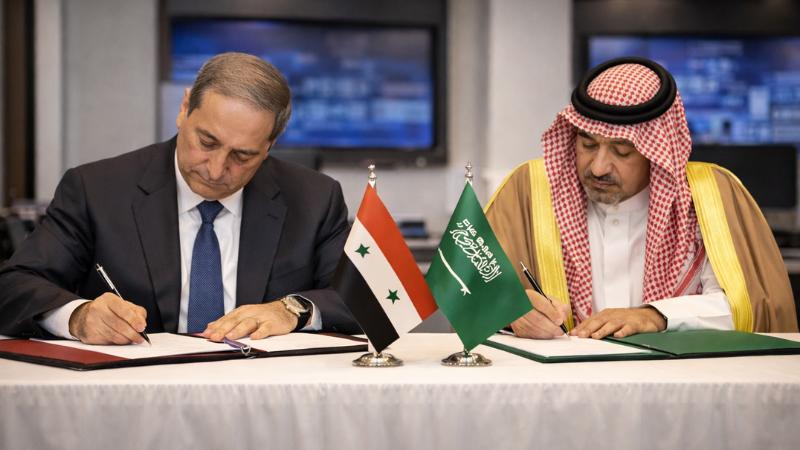
Syria and Saudi Arabia sign major investment deals to boost reconstruction
Syria and Saudi Arabia have signed a series of major economic and infrastructure agreements aimed at accelerating Syria’s post-war reconstruction and strengthening bilateral ties, marking one of the most significant rounds of cooperation between the two countries in recent years. Officials said the deals span aviation, telecommunications, energy, and development projects, with billions of dollars expected to flow into key sectors of the Syrian economy. The agreements include the l
Syria and Saudi Arabia sign major investment deals to boost reconstruction
Syria and Saudi Arabia have signed a series of major economic and infrastructure agreements aimed at accelerating Syria’s post-war reconstruction and strengthening bilateral ties, marking one of the most significant rounds of cooperation between the two countries in recent years. Officials said the deals span aviation, telecommunications, energy, and development projects, with billions of dollars expected to flow into key sectors of the Syrian economy. The agreements include the l

Report charts Indian migration waves shaping UK economy and tech sector
A new white paper has underscored the deep and lasting contribution of the Indian diaspora to modern Britain, describing the community as the country’s most economically successful migrant group and a central force in national growth. The report, launched at the House of Lords on 5 February, traces decades of migration and documents how successive generations of Indian migrants have supported Britain’s recovery, innovation and competitiveness across multiple sectors of the economy.
Report charts Indian migration waves shaping UK economy and tech sector
A new white paper has underscored the deep and lasting contribution of the Indian diaspora to modern Britain, describing the community as the country’s most economically successful migrant group and a central force in national growth. The report, launched at the House of Lords on 5 February, traces decades of migration and documents how successive generations of Indian migrants have supported Britain’s recovery, innovation and competitiveness across multiple sectors of the economy.
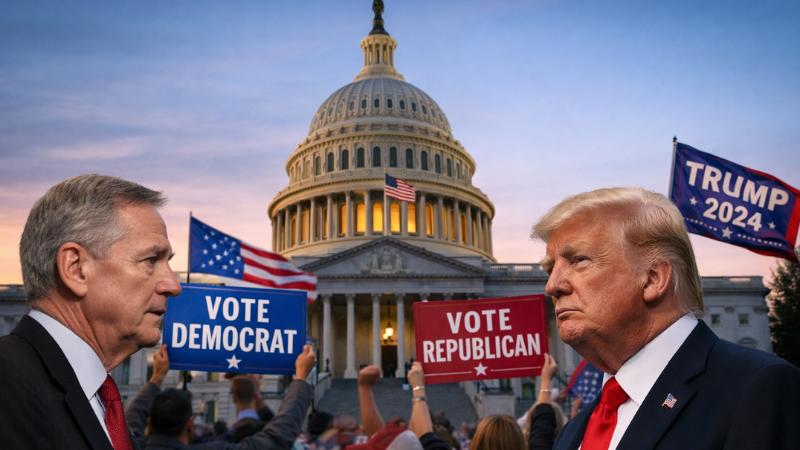
Republicans fear midterm losses as democratic momentum grows in senate races
Senior Republicans are expressing growing concern about the political landscape ahead of the upcoming midterm elections, as internal polling and recent contests suggest that Democrats could make significant gains in both chambers of Congress. Party strategists warn that a surge in Democratic voter enthusiasm could threaten not only control of the House but also the party’s narrow hold on the Senate, raising the stakes for an election cycle already viewed as pivotal for President Donald Trump’s final years in office. According to lawmakers and advisers familiar with the data, private surveys indicate that voter sentiment has shifted in several competitive states, with independents and moderate voters increasingly critical of the administration’s handling of economic conditions and immigration enforcement. While Republicans currently maintain a 53-47 advantage in the Senate, even a modest swing could erase that margin. With Democrats needing a net gain of four seats to reclaim control, strategists say several Republican-leaning states are now firmly in play. President Trump has cautioned allies that losing the House could open the door to renewed investigations and the possibility of another impeachment effort. Party leaders also acknowledge that a Democratic takeover of the Senate would dramatically limit the administration’s legislative agenda, judicial confirmations, and broader influence over federal policy. As a result, the midterms are increasingly being framed within Republican circles as a referendum not only on Congress but on the president’s governing approach. Recent electoral setbacks have intensified these worries. A closely watched special election in North Texas saw a Democratic candidate capture a state Senate seat in a district Trump had previously won comfortably. The upset has been described by several GOP senators as a warning sign that traditional strongholds may no longer be secure. Party officials view the result as evidence that turnout dynamics and shifting voter priorities could reshape races once considered safe. Battleground-state senators have also raised alarms during internal discussions. Lawmakers from Maine and North Carolina, among others, have cautioned colleagues that dissatisfaction with rising costs of living and strict border policies is resonating beyond the Democratic base. They argue that without a clear economic message and improved outreach to independents, the party risks losing ground in suburban and swing districts that often determine control of Congress. Republican leaders are now emphasizing the importance of mobilizing their core supporters. In Texas, Sen. Ted Cruz characterized the recent defeat in Tarrant County as a difficult outcome and stressed that strong turnout will be critical in November. Still, many strategists concede that enthusiasm gaps and evolving demographics could complicate those efforts. With control of the House, Senate seats, and the broader balance of power at stake, both parties are preparing for an intensely competitive campaign season. For Republicans, the coming months may determine whether they can preserve their congressional majority or face a political shift that reshapes the final stretch of the Trump presidency.
Republicans fear midterm losses as democratic momentum grows in senate races
Senior Republicans are expressing growing concern about the political landscape ahead of the upcoming midterm elections, as internal polling and recent contests suggest that Democrats could make significant gains in both chambers of Congress. Party strategists warn that a surge in Democratic voter enthusiasm could threaten not only control of the House but also the party’s narrow hold on the Senate, raising the stakes for an election cycle already viewed as pivotal for President Donald Trump’s final years in office. According to lawmakers and advisers familiar with the data, private surveys indicate that voter sentiment has shifted in several competitive states, with independents and moderate voters increasingly critical of the administration’s handling of economic conditions and immigration enforcement. While Republicans currently maintain a 53-47 advantage in the Senate, even a modest swing could erase that margin. With Democrats needing a net gain of four seats to reclaim control, strategists say several Republican-leaning states are now firmly in play. President Trump has cautioned allies that losing the House could open the door to renewed investigations and the possibility of another impeachment effort. Party leaders also acknowledge that a Democratic takeover of the Senate would dramatically limit the administration’s legislative agenda, judicial confirmations, and broader influence over federal policy. As a result, the midterms are increasingly being framed within Republican circles as a referendum not only on Congress but on the president’s governing approach. Recent electoral setbacks have intensified these worries. A closely watched special election in North Texas saw a Democratic candidate capture a state Senate seat in a district Trump had previously won comfortably. The upset has been described by several GOP senators as a warning sign that traditional strongholds may no longer be secure. Party officials view the result as evidence that turnout dynamics and shifting voter priorities could reshape races once considered safe. Battleground-state senators have also raised alarms during internal discussions. Lawmakers from Maine and North Carolina, among others, have cautioned colleagues that dissatisfaction with rising costs of living and strict border policies is resonating beyond the Democratic base. They argue that without a clear economic message and improved outreach to independents, the party risks losing ground in suburban and swing districts that often determine control of Congress. Republican leaders are now emphasizing the importance of mobilizing their core supporters. In Texas, Sen. Ted Cruz characterized the recent defeat in Tarrant County as a difficult outcome and stressed that strong turnout will be critical in November. Still, many strategists concede that enthusiasm gaps and evolving demographics could complicate those efforts. With control of the House, Senate seats, and the broader balance of power at stake, both parties are preparing for an intensely competitive campaign season. For Republicans, the coming months may determine whether they can preserve their congressional majority or face a political shift that reshapes the final stretch of the Trump presidency.
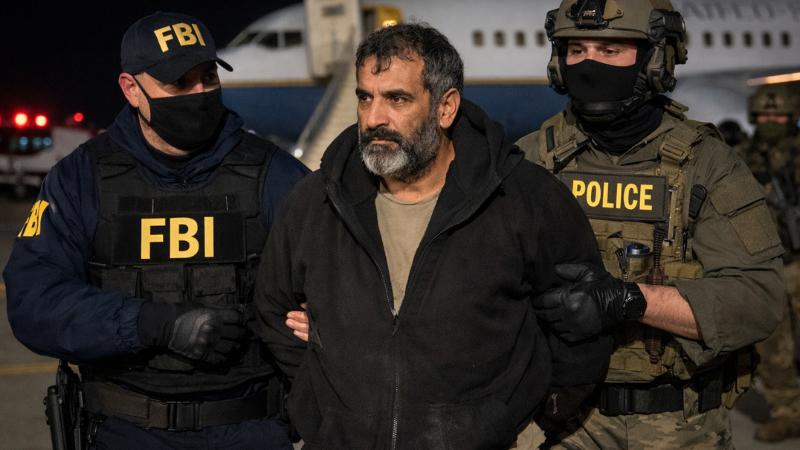
Benghazi attack suspect captured, to face trial in the United States
An alleged key participant in the 2012 Benghazi attack has been taken into custody and is expected to face federal charges in the United States, the Justice Department confirmed on Friday. The arrest marks the latest development in a long-running terrorism case stemming from the deadly assault on American facilities in Libya that left four U.S. officials dead, including Ambassador J. Christopher Stevens. Attorney General Pam Bondi, District of Columbia Attorney Jeannie Pirro, and FB
Benghazi attack suspect captured, to face trial in the United States
An alleged key participant in the 2012 Benghazi attack has been taken into custody and is expected to face federal charges in the United States, the Justice Department confirmed on Friday. The arrest marks the latest development in a long-running terrorism case stemming from the deadly assault on American facilities in Libya that left four U.S. officials dead, including Ambassador J. Christopher Stevens. Attorney General Pam Bondi, District of Columbia Attorney Jeannie Pirro, and FB
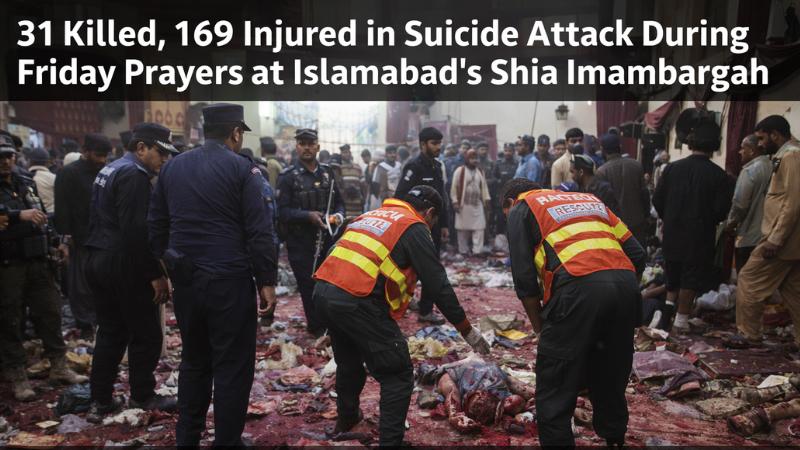
31 Killed, 169 Injured in Suicide Attack During Friday Prayers at Islamabad's Shia Imambargah
On February 6, 2026, a suicide attack rocked the Tarlai Imambargah, located in Islamabad’s Shehzad Town area, during the Friday prayers. At least 31 people were killed, and 169 others sustained injuries in the blast, which targeted a Shia Muslim gathering. The explosion occurred just as worshippers were deep into their prayers at the mosque. Disturbing videos from the site showed severe devastation, with severed limbs and debris scattered across the area. Locals and family members of the vi
31 Killed, 169 Injured in Suicide Attack During Friday Prayers at Islamabad's Shia Imambargah
On February 6, 2026, a suicide attack rocked the Tarlai Imambargah, located in Islamabad’s Shehzad Town area, during the Friday prayers. At least 31 people were killed, and 169 others sustained injuries in the blast, which targeted a Shia Muslim gathering. The explosion occurred just as worshippers were deep into their prayers at the mosque. Disturbing videos from the site showed severe devastation, with severed limbs and debris scattered across the area. Locals and family members of the vi

Gulf Nations: India's Next Big Trade Market, Mega FTA Deal in Progress
India's relationship with the Gulf Cooperation Council (GCC) nations is evolving into a major trade partnership. In 2024-25, the bilateral trade between India and the six-nation bloc reached a substantial $179 billion, driven by strong exports such as gems, metals, electronics, and chemicals. With an existing free trade pact with the UAE since 2022, and a recent agreement with Oman, India is now focused on formalizing a comprehensive free trade agreement (FTA) with the GCC. This new agreement
Gulf Nations: India's Next Big Trade Market, Mega FTA Deal in Progress
India's relationship with the Gulf Cooperation Council (GCC) nations is evolving into a major trade partnership. In 2024-25, the bilateral trade between India and the six-nation bloc reached a substantial $179 billion, driven by strong exports such as gems, metals, electronics, and chemicals. With an existing free trade pact with the UAE since 2022, and a recent agreement with Oman, India is now focused on formalizing a comprehensive free trade agreement (FTA) with the GCC. This new agreement
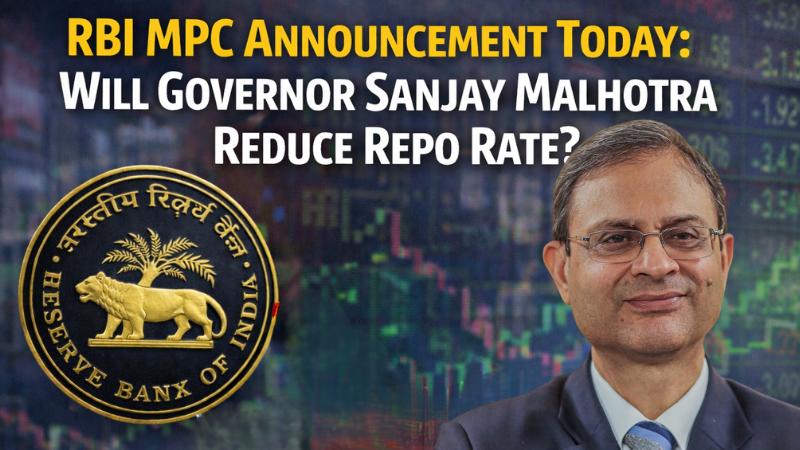
RBI MPC Announcement Today: Will Governor Sanjay Malhotra Reduce Repo Rate?
The Reserve Bank of India (RBI) will announce its latest monetary policy decision today, February 6, 2026, with markets largely expecting the central bank to keep the repo rate unchanged. This announcement follows a series of rate cuts, with the last one made in December 2025, reducing the repo rate from 5.50% to 5.25%. Experts predict that the RBI will maintain a pause in rate cuts as it assesses the impacts of the previous changes on inflation and growth. RBI Governor Sanjay Malho
RBI MPC Announcement Today: Will Governor Sanjay Malhotra Reduce Repo Rate?
The Reserve Bank of India (RBI) will announce its latest monetary policy decision today, February 6, 2026, with markets largely expecting the central bank to keep the repo rate unchanged. This announcement follows a series of rate cuts, with the last one made in December 2025, reducing the repo rate from 5.50% to 5.25%. Experts predict that the RBI will maintain a pause in rate cuts as it assesses the impacts of the previous changes on inflation and growth. RBI Governor Sanjay Malho
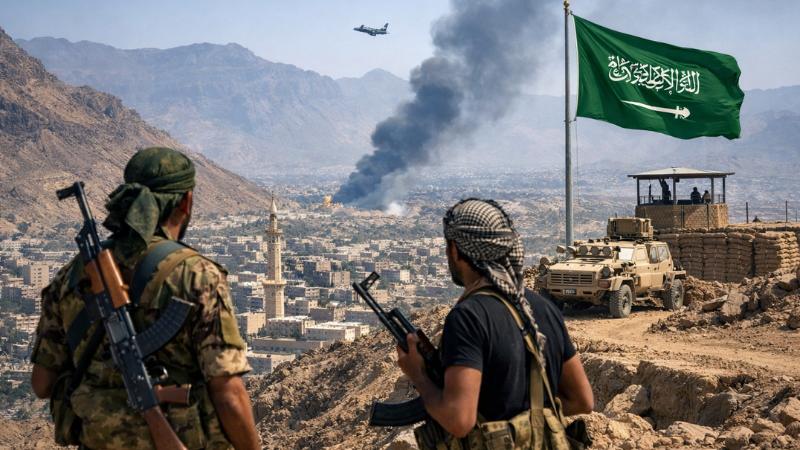
Saudi Arabia expands political and financial push to stabilize Yemen amid fragile truce
Saudi Arabia is deploying significant political influence and billions of dollars in financial support in an effort to stabilize Yemen and consolidate control over areas held by the internationally recognized government, marking a renewed regional focus after years of concentrating on domestic reforms. Officials familiar with the strategy say Riyadh aims to unify fragmented armed groups, strengthen state institutions and create conditions that could eventually pressure Houthi rebels into nego
Saudi Arabia expands political and financial push to stabilize Yemen amid fragile truce
Saudi Arabia is deploying significant political influence and billions of dollars in financial support in an effort to stabilize Yemen and consolidate control over areas held by the internationally recognized government, marking a renewed regional focus after years of concentrating on domestic reforms. Officials familiar with the strategy say Riyadh aims to unify fragmented armed groups, strengthen state institutions and create conditions that could eventually pressure Houthi rebels into nego
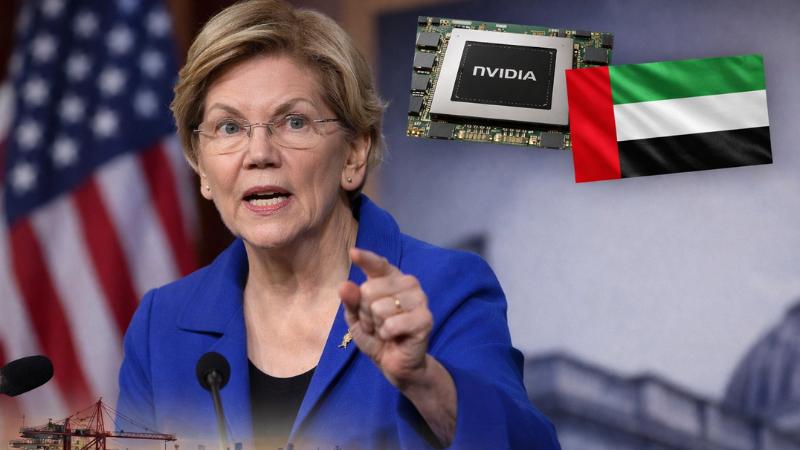
Warren moves to block sale of U.S. AI chips to UAE over security concerns
Sen. Elizabeth Warren of Massachusetts is preparing to introduce a Senate resolution that would formally condemn and seek the reversal of a proposed sale of 500,000 advanced artificial intelligence chips annually to the United Arab Emirates, arguing the transaction could threaten U.S. national security and raise serious ethical questions about conflicts of interest. The measure is expected to be brought to the Senate floor on Thursday, where Warren plans to call for lawmakers to block the exp
Warren moves to block sale of U.S. AI chips to UAE over security concerns
Sen. Elizabeth Warren of Massachusetts is preparing to introduce a Senate resolution that would formally condemn and seek the reversal of a proposed sale of 500,000 advanced artificial intelligence chips annually to the United Arab Emirates, arguing the transaction could threaten U.S. national security and raise serious ethical questions about conflicts of interest. The measure is expected to be brought to the Senate floor on Thursday, where Warren plans to call for lawmakers to block the exp
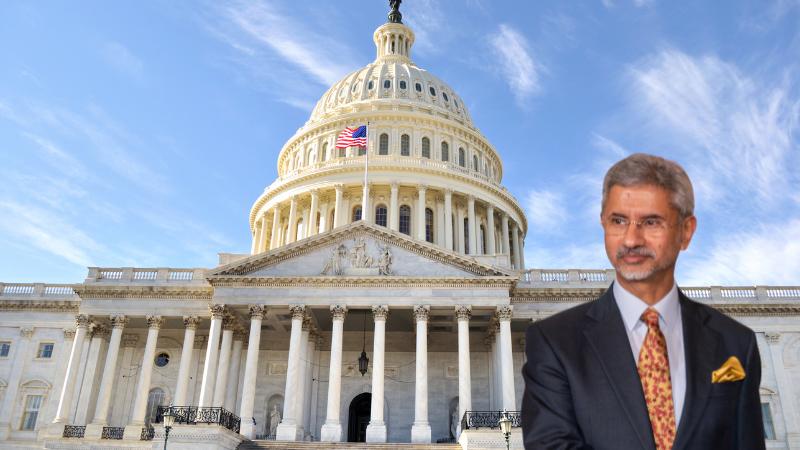
India and US near historic trade pact as tariff cuts and mineral ties advance
India and the United States are moving closer to concluding what officials describe as a landmark trade agreement, with External Affairs Minister S. Jaishankar indicating that the final details are being worked out and an announcement could come soon. Speaking at the conclusion of his visit to Washington on February 5, Jaishankar said negotiations had reached an advanced stage and expressed confidence that the pact would usher in a new phase of cooperation between the two countries.
India and US near historic trade pact as tariff cuts and mineral ties advance
India and the United States are moving closer to concluding what officials describe as a landmark trade agreement, with External Affairs Minister S. Jaishankar indicating that the final details are being worked out and an announcement could come soon. Speaking at the conclusion of his visit to Washington on February 5, Jaishankar said negotiations had reached an advanced stage and expressed confidence that the pact would usher in a new phase of cooperation between the two countries.
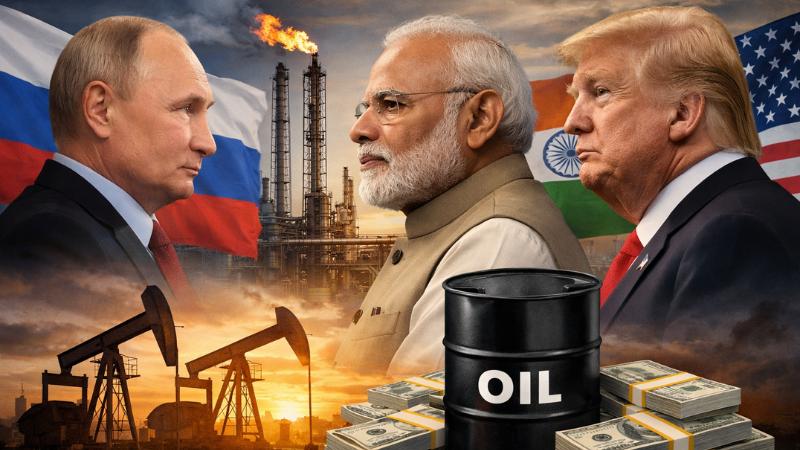
Russia questions India’s pledge to stop Russian crude after U.S. tariff agreement
Russia has said it has not received any official confirmation from India that the country plans to halt purchases of Russian oil, a day after U.S. President Donald Trump claimed New Delhi agreed to scale back those imports as part of a new trade agreement with Washington. Kremlin spokesperson Dmitry Peskov stated that Moscow had yet to hear directly from Indian authorities regarding any change in energy flows. While acknowledging the evolving relationship between the United States a
Russia questions India’s pledge to stop Russian crude after U.S. tariff agreement
Russia has said it has not received any official confirmation from India that the country plans to halt purchases of Russian oil, a day after U.S. President Donald Trump claimed New Delhi agreed to scale back those imports as part of a new trade agreement with Washington. Kremlin spokesperson Dmitry Peskov stated that Moscow had yet to hear directly from Indian authorities regarding any change in energy flows. While acknowledging the evolving relationship between the United States a
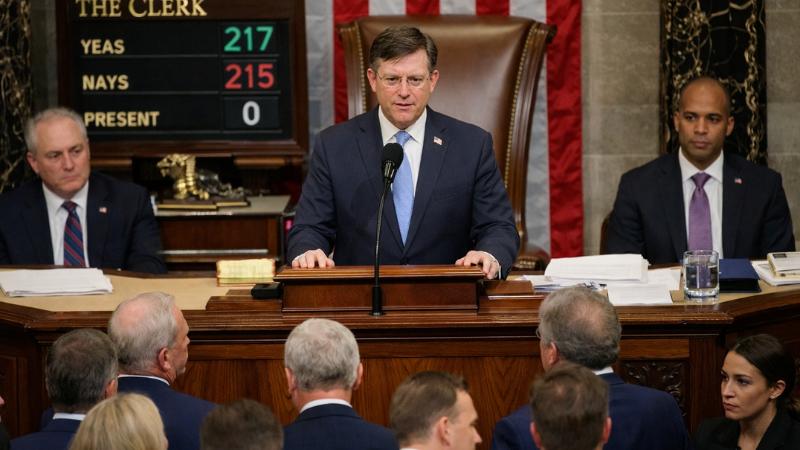
House advances funding bill as Johnson averts shutdown
The US House of Representatives moved closer to preventing a government shutdown on Tuesday after Speaker Mike Johnson rallied Republican lawmakers behind a sweeping government funding bill, setting the stage for final passage of legislation designed to keep federal agencies operating through the end of the fiscal year. The procedural victory marked a critical step in advancing the appropriations package and reflected intense negotiations within the Republican conference to maintain unity ahe
House advances funding bill as Johnson averts shutdown
The US House of Representatives moved closer to preventing a government shutdown on Tuesday after Speaker Mike Johnson rallied Republican lawmakers behind a sweeping government funding bill, setting the stage for final passage of legislation designed to keep federal agencies operating through the end of the fiscal year. The procedural victory marked a critical step in advancing the appropriations package and reflected intense negotiations within the Republican conference to maintain unity ahe
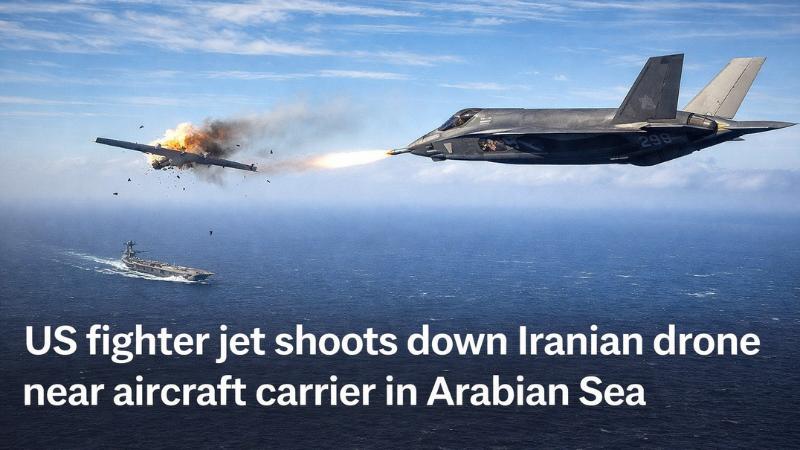
US fighter jet downs Iranian drone near aircraft carrier in Arabian Sea
A United States Navy fighter jet shot down an Iranian drone after it approached an American aircraft carrier operating in the Arabian Sea, according to US Central Command, marking the latest escalation in a period of heightened military tensions across the Middle East. The incident occurred as the unmanned aircraft moved toward the USS Abraham Lincoln with what officials described as unclear intent, despite attempts by US forces to deter it. Military authorities said the drone “ag
US fighter jet downs Iranian drone near aircraft carrier in Arabian Sea
A United States Navy fighter jet shot down an Iranian drone after it approached an American aircraft carrier operating in the Arabian Sea, according to US Central Command, marking the latest escalation in a period of heightened military tensions across the Middle East. The incident occurred as the unmanned aircraft moved toward the USS Abraham Lincoln with what officials described as unclear intent, despite attempts by US forces to deter it. Military authorities said the drone “ag
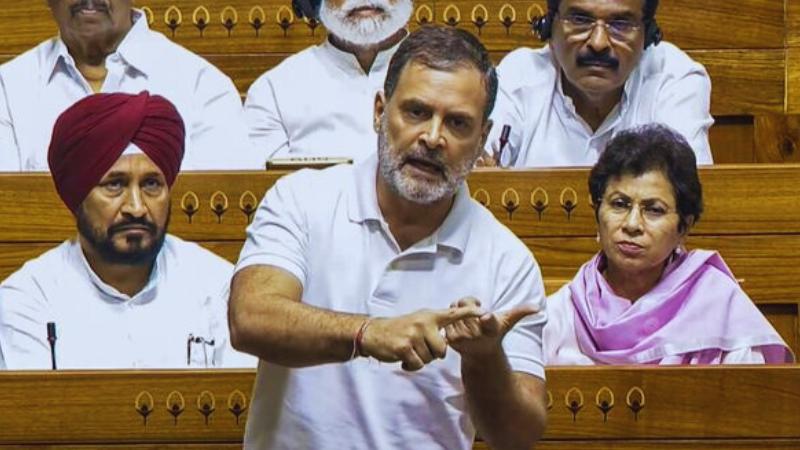
Lok Sabha Disruptions Over Rahul Gandhi's Memoir Reference: 8 MPs Suspended Amid Tensions
The Lok Sabha session on Tuesday was thrown into chaos after Rahul Gandhi, Leader of the Opposition, attempted to refer to an article based on former Army chief M M Naravane’s unpublished memoir. The reference ignited a fierce confrontation between the opposition Congress and the ruling BJP, which ultimately led to the adjournment of the proceedings. The tension arose when Gandhi, speaking on the Motion of Thanks to the President’s address, insisted on citing an article he claimed was lin
Lok Sabha Disruptions Over Rahul Gandhi's Memoir Reference: 8 MPs Suspended Amid Tensions
The Lok Sabha session on Tuesday was thrown into chaos after Rahul Gandhi, Leader of the Opposition, attempted to refer to an article based on former Army chief M M Naravane’s unpublished memoir. The reference ignited a fierce confrontation between the opposition Congress and the ruling BJP, which ultimately led to the adjournment of the proceedings. The tension arose when Gandhi, speaking on the Motion of Thanks to the President’s address, insisted on citing an article he claimed was lin
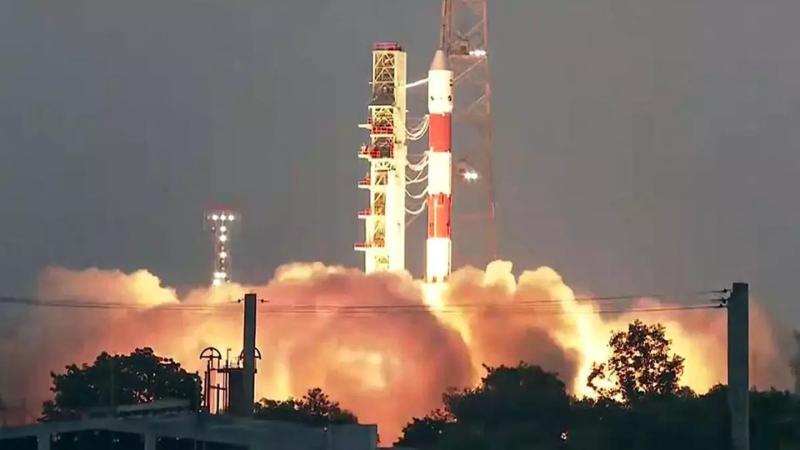
ISRO rules out sabotage amid repeated strategic mission failures
India’s Space Minister Dr. Jitendra Singh has said that there is no indication of sabotage behind a series of recent failures involving the Indian Space Research Organisation, even as repeated setbacks to strategic missions have triggered concern within policy and defence circles. The remarks come after three out of six ISRO missions launched from Indian soil over the past year failed, all of them linked to national security and strategic objectives. Speaking at a press briefing in New Delhi, Dr. Singh said that no report pointing to sabotage has been received so far. He clarified that while he is responsible for overseeing space launches, investigations related to sabotage or hostile interference fall under the purview of other ministries such as defence, home affairs, or external affairs. The minister added that, as of now, there is no information to suggest external interference in the recent launch failures. The comments follow two rare back-to-back mid-flight failures of ISRO’s Polar Satellite Launch Vehicle, a rocket that has long been considered the agency’s most dependable platform. Over a 33-year operational history, the PSLV had suffered only four major failures prior to 2025. The failures in May 2025 and January 2026, both occurring during the third stage of flight, have therefore raised serious questions about reliability and corrective action. Dr. Singh addressed public speculation that ISRO may have failed to rectify earlier faults, stating that the two PSLV failures had different technical causes despite occurring at the same stage. He expressed confidence in ISRO’s internal failure appraisal process, describing it as thorough and analytical. Traditionally, ISRO has publicly released summaries of mission failure analyses, contributing to its image as a transparent space agency. However, in recent cases, that practice has not been consistently followed. The failure analysis report of the PSLV-C61 mission in May 2025 was submitted to the Prime Minister’s Office but not released publicly. Similarly, no detailed technical update has been shared regarding the PSLV-C62 failure in January 2026 beyond ministerial statements. January 2026 – PSLV-C62 / EOS-N1 The PSLV-C62 mission on January 12, 2026, was ISRO’s first launch of the year and marked the PSLV’s return to flight after a setback in May 2025. The primary payload was EOS-N1, also known as Anvesha, a hyperspectral Earth observation satellite developed by the Defence Research and Development Organisation. The satellite was designed to operate at an altitude of 511 kilometres and provide advanced material identification capabilities by analysing reflected light across multiple wavelengths. The mission also carried 15 co-passenger satellites. A mid-flight failure during the third stage of the PSLV resulted in the loss of the rocket and all onboard satellites, ending the mission prematurely. May 2025 – PSLV-C61 / EOS-09 On May 18, 2025, ISRO’s PSLV-C61 mission failed approximately six minutes after liftoff. According to ISRO officials, performance was normal up to the second stage before an anomaly was observed during third-stage operation. The EOS-09 satellite, a radar imaging platform capable of all-weather, day-and-night surveillance, was lost along with the launch vehicle. Despite the strategic importance of the mission, ISRO did not release a public failure analysis, a departure from past practice. January 2025 – GSLV-F15 / NVS-02 On January 29, 2025, ISRO launched the NVS-02 navigation satellite aboard the GSLV-F15 rocket during the 100th launch from the Sriharikota spaceport. While the rocket successfully placed the satellite into its initial orbit, the satellite failed to fire its onboard engines, preventing it from reaching its designated operational orbit. The failure rendered NVS-02 unusable for its intended role within India’s NAVIC regional navigation system, which serves both civilian agencies and the armed forces. August 2021 – GSLV-F10 / EOS-03 In August 2021, ISRO launched the EOS-03 satellite, previously known as GISAT-1, aboard the GSLV-F10 rocket. Designed for near real-time Earth observation and disaster monitoring, the mission failed due to a malfunction in the cryogenic upper stage. ISRO later identified a valve leak in the liquid hydrogen tank as the cause of the failure. August 2017 – PSLV-C39 / IRNSS-1H The PSLV-C39 mission in August 2017 failed after the satellite remained trapped inside the rocket’s heat shield due to a separation failure. Although all other flight events proceeded as planned, the navigation satellite could not be deployed, resulting in the loss of a critical component of the Indian Regional Navigation Satellite System. The cumulative impact of these strategic mission failures over the past nine years is significant. Financial estimates suggest losses amounting to several hundred million dollars, excluding the cost of rebuilding and relaunching replacement missions. Beyond monetary loss, delays in deploying indigenous navigation and surveillance satellites force greater reliance on foreign systems, affecting strategic autonomy. ISRO has indicated that each failure was caused by a different subsystem or component, reinforcing the reality that spaceflight is a zero-error domain where even minor defects can have catastrophic consequences. While each failure contributes valuable lessons, the repeated setbacks have slowed the deployment of key space-based capabilities developed by Indian scientists, placing renewed focus on reliability, transparency, and long-term mission planning.
ISRO rules out sabotage amid repeated strategic mission failures
India’s Space Minister Dr. Jitendra Singh has said that there is no indication of sabotage behind a series of recent failures involving the Indian Space Research Organisation, even as repeated setbacks to strategic missions have triggered concern within policy and defence circles. The remarks come after three out of six ISRO missions launched from Indian soil over the past year failed, all of them linked to national security and strategic objectives. Speaking at a press briefing in New Delhi, Dr. Singh said that no report pointing to sabotage has been received so far. He clarified that while he is responsible for overseeing space launches, investigations related to sabotage or hostile interference fall under the purview of other ministries such as defence, home affairs, or external affairs. The minister added that, as of now, there is no information to suggest external interference in the recent launch failures. The comments follow two rare back-to-back mid-flight failures of ISRO’s Polar Satellite Launch Vehicle, a rocket that has long been considered the agency’s most dependable platform. Over a 33-year operational history, the PSLV had suffered only four major failures prior to 2025. The failures in May 2025 and January 2026, both occurring during the third stage of flight, have therefore raised serious questions about reliability and corrective action. Dr. Singh addressed public speculation that ISRO may have failed to rectify earlier faults, stating that the two PSLV failures had different technical causes despite occurring at the same stage. He expressed confidence in ISRO’s internal failure appraisal process, describing it as thorough and analytical. Traditionally, ISRO has publicly released summaries of mission failure analyses, contributing to its image as a transparent space agency. However, in recent cases, that practice has not been consistently followed. The failure analysis report of the PSLV-C61 mission in May 2025 was submitted to the Prime Minister’s Office but not released publicly. Similarly, no detailed technical update has been shared regarding the PSLV-C62 failure in January 2026 beyond ministerial statements. January 2026 – PSLV-C62 / EOS-N1 The PSLV-C62 mission on January 12, 2026, was ISRO’s first launch of the year and marked the PSLV’s return to flight after a setback in May 2025. The primary payload was EOS-N1, also known as Anvesha, a hyperspectral Earth observation satellite developed by the Defence Research and Development Organisation. The satellite was designed to operate at an altitude of 511 kilometres and provide advanced material identification capabilities by analysing reflected light across multiple wavelengths. The mission also carried 15 co-passenger satellites. A mid-flight failure during the third stage of the PSLV resulted in the loss of the rocket and all onboard satellites, ending the mission prematurely. May 2025 – PSLV-C61 / EOS-09 On May 18, 2025, ISRO’s PSLV-C61 mission failed approximately six minutes after liftoff. According to ISRO officials, performance was normal up to the second stage before an anomaly was observed during third-stage operation. The EOS-09 satellite, a radar imaging platform capable of all-weather, day-and-night surveillance, was lost along with the launch vehicle. Despite the strategic importance of the mission, ISRO did not release a public failure analysis, a departure from past practice. January 2025 – GSLV-F15 / NVS-02 On January 29, 2025, ISRO launched the NVS-02 navigation satellite aboard the GSLV-F15 rocket during the 100th launch from the Sriharikota spaceport. While the rocket successfully placed the satellite into its initial orbit, the satellite failed to fire its onboard engines, preventing it from reaching its designated operational orbit. The failure rendered NVS-02 unusable for its intended role within India’s NAVIC regional navigation system, which serves both civilian agencies and the armed forces. August 2021 – GSLV-F10 / EOS-03 In August 2021, ISRO launched the EOS-03 satellite, previously known as GISAT-1, aboard the GSLV-F10 rocket. Designed for near real-time Earth observation and disaster monitoring, the mission failed due to a malfunction in the cryogenic upper stage. ISRO later identified a valve leak in the liquid hydrogen tank as the cause of the failure. August 2017 – PSLV-C39 / IRNSS-1H The PSLV-C39 mission in August 2017 failed after the satellite remained trapped inside the rocket’s heat shield due to a separation failure. Although all other flight events proceeded as planned, the navigation satellite could not be deployed, resulting in the loss of a critical component of the Indian Regional Navigation Satellite System. The cumulative impact of these strategic mission failures over the past nine years is significant. Financial estimates suggest losses amounting to several hundred million dollars, excluding the cost of rebuilding and relaunching replacement missions. Beyond monetary loss, delays in deploying indigenous navigation and surveillance satellites force greater reliance on foreign systems, affecting strategic autonomy. ISRO has indicated that each failure was caused by a different subsystem or component, reinforcing the reality that spaceflight is a zero-error domain where even minor defects can have catastrophic consequences. While each failure contributes valuable lessons, the repeated setbacks have slowed the deployment of key space-based capabilities developed by Indian scientists, placing renewed focus on reliability, transparency, and long-term mission planning.
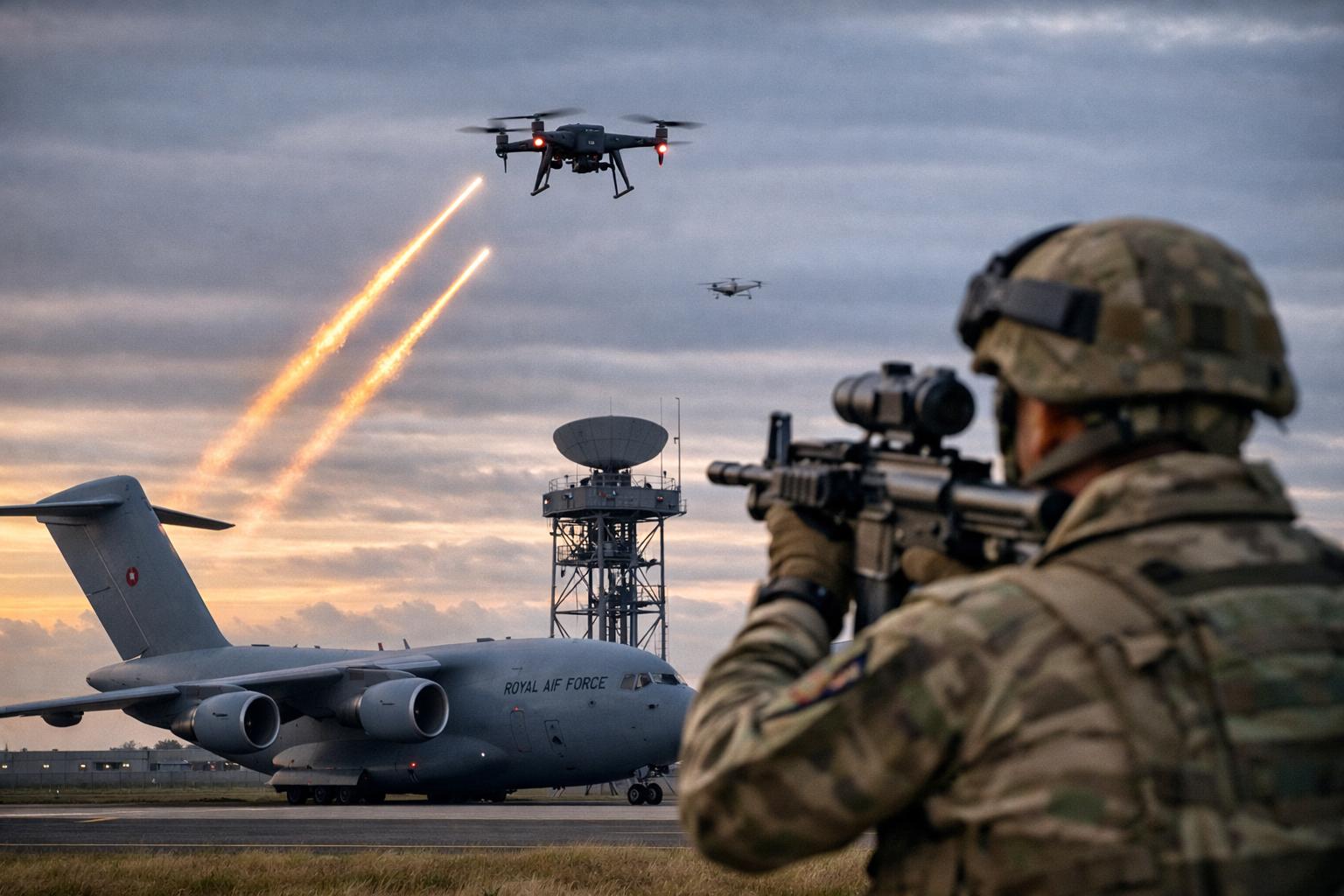
UK plans new military powers as rogue drone sightings near bases double
The number of reported sightings of rogue drones operating near military installations in the United Kingdom has more than doubled over the past year, raising fresh concerns over national security and prompting the government to consider significant changes to military powers. Official figures show that incidents increased from 126 in 2024 to 266 in 2025, representing a rise of more than 100 per cent and highlighting what ministers describe as an evolving and increasingly complex threat envir
UK plans new military powers as rogue drone sightings near bases double
The number of reported sightings of rogue drones operating near military installations in the United Kingdom has more than doubled over the past year, raising fresh concerns over national security and prompting the government to consider significant changes to military powers. Official figures show that incidents increased from 126 in 2024 to 266 in 2025, representing a rise of more than 100 per cent and highlighting what ministers describe as an evolving and increasingly complex threat envir
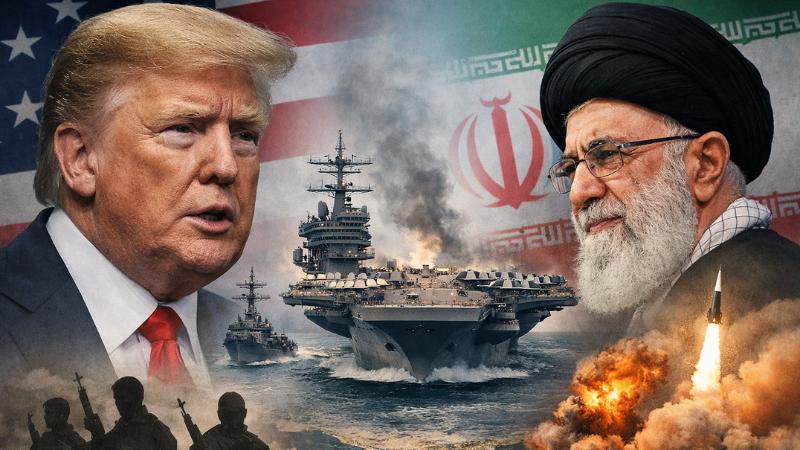
Uncertainty grows over possible US action against Iran amid naval buildup
Uncertainty continues to surround Washington’s approach toward Tehran as President Donald Trump sends conflicting signals on whether the United States is moving closer to military action or renewed diplomacy with Iran. Speaking ahead of his first Cabinet meeting of 2026, the president indicated he was open to communication with Iranian leaders, even as the US expanded its military presence in West Asia and senior defense officials stressed readiness to act on presidential orders.
Uncertainty grows over possible US action against Iran amid naval buildup
Uncertainty continues to surround Washington’s approach toward Tehran as President Donald Trump sends conflicting signals on whether the United States is moving closer to military action or renewed diplomacy with Iran. Speaking ahead of his first Cabinet meeting of 2026, the president indicated he was open to communication with Iranian leaders, even as the US expanded its military presence in West Asia and senior defense officials stressed readiness to act on presidential orders.
Trump threatens 50% tariffs on Canadian aircraft amid certification dispute
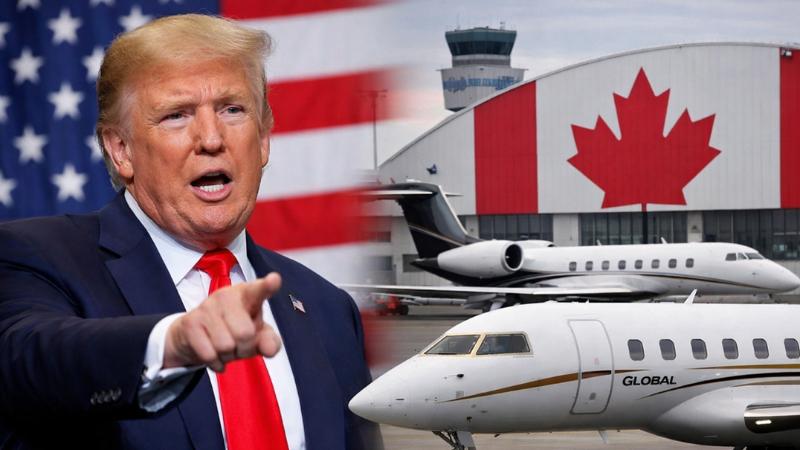
US President Donald Trump has intensified trade tensions with Canada by threatening to impose sweeping tariffs on Canadian-made aircraft, opening a new chapter in an already strained bilateral relationship. In a statement issued on Thursday, Trump said the United States could levy tariffs of up to 50 per cent on aircraft sold from Canada into the US market, citing what he described as Canada’s refusal to certify American-made business jets. The president also announced plans to decertify all aircraft manufactured in Canada for use in the United States, a move he said would remain in effect until Canadian regulators approve a series of jets produced by Gulfstream Aerospace. The warning was delivered through a post on Truth Social, where Trump accused Canadian authorities of erecting regulatory barriers that unfairly block American products. In his remarks, Trump singled out the Bombardier Global Express business jet, which is manufactured in Quebec, arguing that Ottawa has benefited from access to the US market while allegedly denying similar treatment to American manufacturers. He claimed Canada had “wrongfully and illegally” refused to certify the Gulfstream 500, 600, 700, and 800 models, which he described as among the most advanced aircraft in the world. According to Trump, the lack of certification effectively prevents Gulfstream from selling its jets in Canada. Trump warned that unless the situation is resolved immediately, the United States would move forward with punitive tariffs on all aircraft imported from Canada. He framed the threat as a matter of fairness and reciprocity, asserting that American companies should not face obstacles abroad while foreign competitors enjoy broad access to the US market. The aircraft dispute is the latest flashpoint in a broader deterioration of relations between the United States and Canada since Trump returned to office last year. Political and economic friction between the two long-time allies has grown steadily, with trade policy emerging as a central source of conflict. Earlier the same day as Trump’s comments, Canadian Prime Minister Mark Carney publicly urged Washington to respect Canadian sovereignty, following reports of contacts between US officials and Alberta separatist groups. Trade tensions have also been fueled by Canada’s recent diplomatic engagement with China. Trump has repeatedly warned Ottawa against deepening economic ties with Beijing, arguing that such moves could undermine US interests. He has threatened to impose tariffs as high as 100 per cent on Canadian goods if Canada proceeds with a trade agreement with China, a warning he reiterated over the weekend. In a series of earlier social media posts, Trump mocked Carney by referring to him as “Governor” and cautioned that Canada should not act as a conduit for Chinese goods entering the US market. He claimed that closer ties with Beijing would leave Canada economically vulnerable and pledged swift retaliation if such an agreement were finalized. The remarks came shortly after Carney visited Beijing, marking the first visit by a Canadian leader to China in nearly a decade. The escalating rhetoric underscores the growing uncertainty surrounding North American trade and the aerospace sector in particular. With aircraft manufacturing representing a significant industry for both countries, analysts say prolonged disputes over certification and tariffs could have far-reaching economic consequences. For now, the standoff highlights how regulatory disagreements and geopolitical concerns are increasingly shaping trade relations between Washington and Ottawa.
Trump threatens 50% tariffs on Canadian aircraft amid certification dispute
US President Donald Trump has intensified trade tensions with Canada by threatening to impose sweeping tariffs on Canadian-made aircraft, opening a new chapter in an already strained bilateral relationship. In a statement issued on Thursday, Trump said the United States could levy tariffs of up to 50 per cent on aircraft sold from Canada into the US market, citing what he described as Canada’s refusal to certify American-made business jets. The president also announced plans to decertify all aircraft manufactured in Canada for use in the United States, a move he said would remain in effect until Canadian regulators approve a series of jets produced by Gulfstream Aerospace. The warning was delivered through a post on Truth Social, where Trump accused Canadian authorities of erecting regulatory barriers that unfairly block American products. In his remarks, Trump singled out the Bombardier Global Express business jet, which is manufactured in Quebec, arguing that Ottawa has benefited from access to the US market while allegedly denying similar treatment to American manufacturers. He claimed Canada had “wrongfully and illegally” refused to certify the Gulfstream 500, 600, 700, and 800 models, which he described as among the most advanced aircraft in the world. According to Trump, the lack of certification effectively prevents Gulfstream from selling its jets in Canada. Trump warned that unless the situation is resolved immediately, the United States would move forward with punitive tariffs on all aircraft imported from Canada. He framed the threat as a matter of fairness and reciprocity, asserting that American companies should not face obstacles abroad while foreign competitors enjoy broad access to the US market. The aircraft dispute is the latest flashpoint in a broader deterioration of relations between the United States and Canada since Trump returned to office last year. Political and economic friction between the two long-time allies has grown steadily, with trade policy emerging as a central source of conflict. Earlier the same day as Trump’s comments, Canadian Prime Minister Mark Carney publicly urged Washington to respect Canadian sovereignty, following reports of contacts between US officials and Alberta separatist groups. Trade tensions have also been fueled by Canada’s recent diplomatic engagement with China. Trump has repeatedly warned Ottawa against deepening economic ties with Beijing, arguing that such moves could undermine US interests. He has threatened to impose tariffs as high as 100 per cent on Canadian goods if Canada proceeds with a trade agreement with China, a warning he reiterated over the weekend. In a series of earlier social media posts, Trump mocked Carney by referring to him as “Governor” and cautioned that Canada should not act as a conduit for Chinese goods entering the US market. He claimed that closer ties with Beijing would leave Canada economically vulnerable and pledged swift retaliation if such an agreement were finalized. The remarks came shortly after Carney visited Beijing, marking the first visit by a Canadian leader to China in nearly a decade. The escalating rhetoric underscores the growing uncertainty surrounding North American trade and the aerospace sector in particular. With aircraft manufacturing representing a significant industry for both countries, analysts say prolonged disputes over certification and tariffs could have far-reaching economic consequences. For now, the standoff highlights how regulatory disagreements and geopolitical concerns are increasingly shaping trade relations between Washington and Ottawa.
Iranian foreign minister to visit Turkey for talks on security, trade and regional tensions
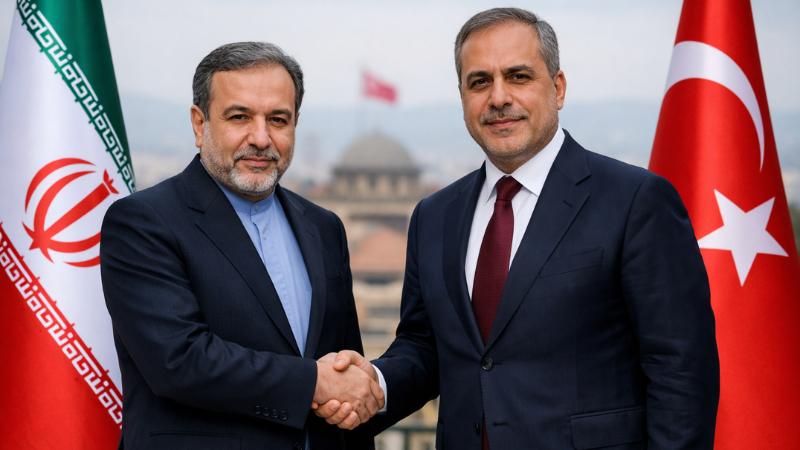
Iranian Foreign Minister Abbas Araghchi is scheduled to travel to Turkey on Friday for high-level talks with Turkish Foreign Minister Hakan Fidan, as the two neighboring countries seek to strengthen cooperation across security, economic and regional issues. The visit comes amid heightened regional tensions and renewed diplomatic efforts to manage sensitive developments affecting the Middle East. According to Turkish Foreign Ministry sources cited in media reports, Fidan is expected
Iranian foreign minister to visit Turkey for talks on security, trade and regional tensions
Iranian Foreign Minister Abbas Araghchi is scheduled to travel to Turkey on Friday for high-level talks with Turkish Foreign Minister Hakan Fidan, as the two neighboring countries seek to strengthen cooperation across security, economic and regional issues. The visit comes amid heightened regional tensions and renewed diplomatic efforts to manage sensitive developments affecting the Middle East. According to Turkish Foreign Ministry sources cited in media reports, Fidan is expected
Senate Democrats threaten DHS funding block as shutdown risk rises
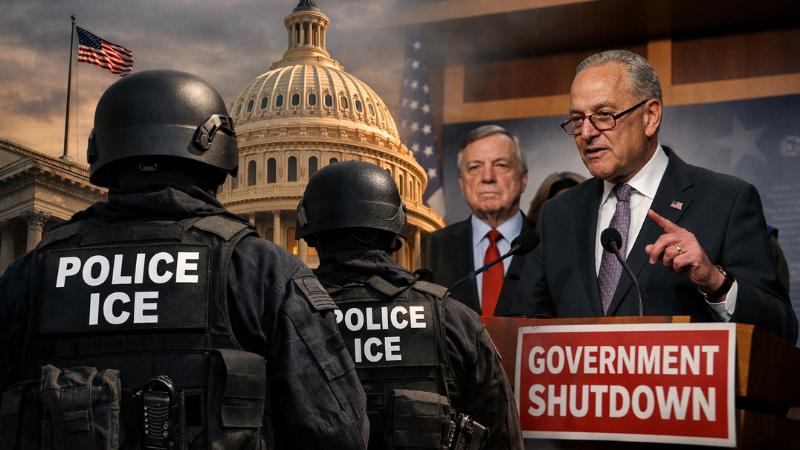
Senate Democrats signaled they are prepared to block a sweeping federal spending measure that includes funding for the Department of Homeland Security, escalating a budget standoff that could bring the federal government closer to a partial shutdown by the end of the week. The dispute centers on Democratic demands for new limits on the administration’s expanded immigration enforcement operations, which Republicans and the White House have so far resisted. The legislation, scheduled for a key procedural vote Thursday morning, would finance Homeland Security along with several other federal agencies. Without Democratic support, the bill lacks the votes needed to advance, setting the stage for a lapse in funding at midnight Friday. Democrats have made clear that unless changes are made to immigration enforcement practices, they will withhold their backing even if it means triggering a shutdown. Late Wednesday, there were indications that negotiations could still yield a temporary solution. According to a person familiar with the private discussions, the White House expressed openness to separating Homeland Security funding from the broader spending package. Under the idea being explored, Homeland Security would receive short-term funding while negotiations continue on Democratic demands, while other agencies covered by the bill would be funded through the end of September. The source spoke on condition of anonymity due to the sensitive nature of the talks. The confrontation has intensified following the deaths of two protesters in Minneapolis, who were fatally shot during encounters with federal agents. The incident has sharpened Democratic criticism of immigration enforcement tactics and added urgency to their push for new restrictions. In response, Senate Democrats outlined specific conditions they want included before allowing the funding bill to move forward. These include requirements for officers to remove face coverings, clearly identify themselves, and obtain warrants before making arrests. Democratic leaders argue that these measures are necessary to restore public trust and ensure accountability. They say support for border security and law enforcement does not extend to practices they describe as excessive or opaque. Without agreement on these points, Democrats insist they are willing to block the bill, even as the deadline to keep the government open approaches. Republicans counter that tying immigration enforcement conditions to must-pass funding legislation risks unnecessary disruption and uncertainty for federal agencies. They maintain that existing laws already provide appropriate oversight and warn that a shutdown would have far-reaching consequences, including delayed services and furloughed workers. The current impasse recalls a government shutdown earlier this year, when lawmakers failed to reach consensus over expiring federal health care subsidies. That standoff resulted in a 43-day shutdown after negotiations collapsed. Although a small group of moderates eventually brokered a deal to reopen the government, party leaders acknowledge that the political dynamics are different this time. Democrats appear more unified, galvanized by recent events and determined to force changes to immigration policy through the budget process. With hours remaining before the funding deadline, the outcome remains uncertain. Negotiators on both sides continue to weigh whether a short-term compromise can avert another shutdown or whether the standoff will once again disrupt federal operations nationwide.
Senate Democrats threaten DHS funding block as shutdown risk rises
Senate Democrats signaled they are prepared to block a sweeping federal spending measure that includes funding for the Department of Homeland Security, escalating a budget standoff that could bring the federal government closer to a partial shutdown by the end of the week. The dispute centers on Democratic demands for new limits on the administration’s expanded immigration enforcement operations, which Republicans and the White House have so far resisted. The legislation, scheduled for a key procedural vote Thursday morning, would finance Homeland Security along with several other federal agencies. Without Democratic support, the bill lacks the votes needed to advance, setting the stage for a lapse in funding at midnight Friday. Democrats have made clear that unless changes are made to immigration enforcement practices, they will withhold their backing even if it means triggering a shutdown. Late Wednesday, there were indications that negotiations could still yield a temporary solution. According to a person familiar with the private discussions, the White House expressed openness to separating Homeland Security funding from the broader spending package. Under the idea being explored, Homeland Security would receive short-term funding while negotiations continue on Democratic demands, while other agencies covered by the bill would be funded through the end of September. The source spoke on condition of anonymity due to the sensitive nature of the talks. The confrontation has intensified following the deaths of two protesters in Minneapolis, who were fatally shot during encounters with federal agents. The incident has sharpened Democratic criticism of immigration enforcement tactics and added urgency to their push for new restrictions. In response, Senate Democrats outlined specific conditions they want included before allowing the funding bill to move forward. These include requirements for officers to remove face coverings, clearly identify themselves, and obtain warrants before making arrests. Democratic leaders argue that these measures are necessary to restore public trust and ensure accountability. They say support for border security and law enforcement does not extend to practices they describe as excessive or opaque. Without agreement on these points, Democrats insist they are willing to block the bill, even as the deadline to keep the government open approaches. Republicans counter that tying immigration enforcement conditions to must-pass funding legislation risks unnecessary disruption and uncertainty for federal agencies. They maintain that existing laws already provide appropriate oversight and warn that a shutdown would have far-reaching consequences, including delayed services and furloughed workers. The current impasse recalls a government shutdown earlier this year, when lawmakers failed to reach consensus over expiring federal health care subsidies. That standoff resulted in a 43-day shutdown after negotiations collapsed. Although a small group of moderates eventually brokered a deal to reopen the government, party leaders acknowledge that the political dynamics are different this time. Democrats appear more unified, galvanized by recent events and determined to force changes to immigration policy through the budget process. With hours remaining before the funding deadline, the outcome remains uncertain. Negotiators on both sides continue to weigh whether a short-term compromise can avert another shutdown or whether the standoff will once again disrupt federal operations nationwide.










