Obsession CBFC Cuts Upset Horror Fans
Obsession India Release Sparks Debate
Curry Barker’s supernatural horror-thriller Obsession opened in Indian theatres on May 29, but its release quickly turned into a censorship debate. The film received an A certificate from the CBFC, yet 38 seconds of footage were removed before its Indian release.
What CBFC Removed From Obsession
The Obsession mov
Obsession CBFC Cuts Upset Horror Fans
Obsession India Release Sparks Debate
Curry Barker’s supernatural horror-thriller Obsession opened in Indian theatres on May 29, but its release quickly turned into a censorship debate. The film received an A certificate from the CBFC, yet 38 seconds of footage were removed before its Indian release.
What CBFC Removed From Obsession
The Obsession mov
Six horses were seized in West Texas after a traffic stop in Presidio County raised concerns about suspected livestock smuggling and possible animal health risks.
Deputies stopped a vehicle on FM 170 to verify required Coggins test documentation for the horses, according to the supplied report. The date of the traffic stop was not provided in the source material.
USDA Quarantine Ordered After West Texas Horse Seizure
During the stop, the driver
Six horses were seized in West Texas after a traffic stop in Presidio County raised concerns about suspected livestock smuggling and possible animal health risks.
Deputies stopped a vehicle on FM 170 to verify required Coggins test documentation for the horses, according to the supplied report. The date of the traffic stop was not provided in the source material.
USDA Quarantine Ordered After West Texas Horse Seizure
During the stop, the driver
Recent developments in Iran have sent shockwaves through global financial markets. Investors are recalibrating portfolios as oil prices climb, geopolitical uncertainty rises, and economic pressures mount. While energy producers, defense companies, and AI-driven technology firms see gains, sectors like airlines and energy-importing economies face increasing strain. The US dollar and other safe-haven assets are also attracting attention amid market volatility.
Recent developments in Iran have sent shockwaves through global financial markets. Investors are recalibrating portfolios as oil prices climb, geopolitical uncertainty rises, and economic pressures mount. While energy producers, defense companies, and AI-driven technology firms see gains, sectors like airlines and energy-importing economies face increasing strain. The US dollar and other safe-haven assets are also attracting attention amid market volatility.
Tamil Nadu Government Polytechnics Report Near-Total Placements
Government polytechnic colleges in Tamil Nadu have recorded near-total placements this year, showing strong demand for diploma students in technical and vocational sectors. According to officials, the main reason for this strong placement performance is the practical nature of diploma courses. These programmes focus on hands-on training, worksho
Tamil Nadu Government Polytechnics Report Near-Total Placements
Government polytechnic colleges in Tamil Nadu have recorded near-total placements this year, showing strong demand for diploma students in technical and vocational sectors. According to officials, the main reason for this strong placement performance is the practical nature of diploma courses. These programmes focus on hands-on training, worksho
What Happened Near The White House
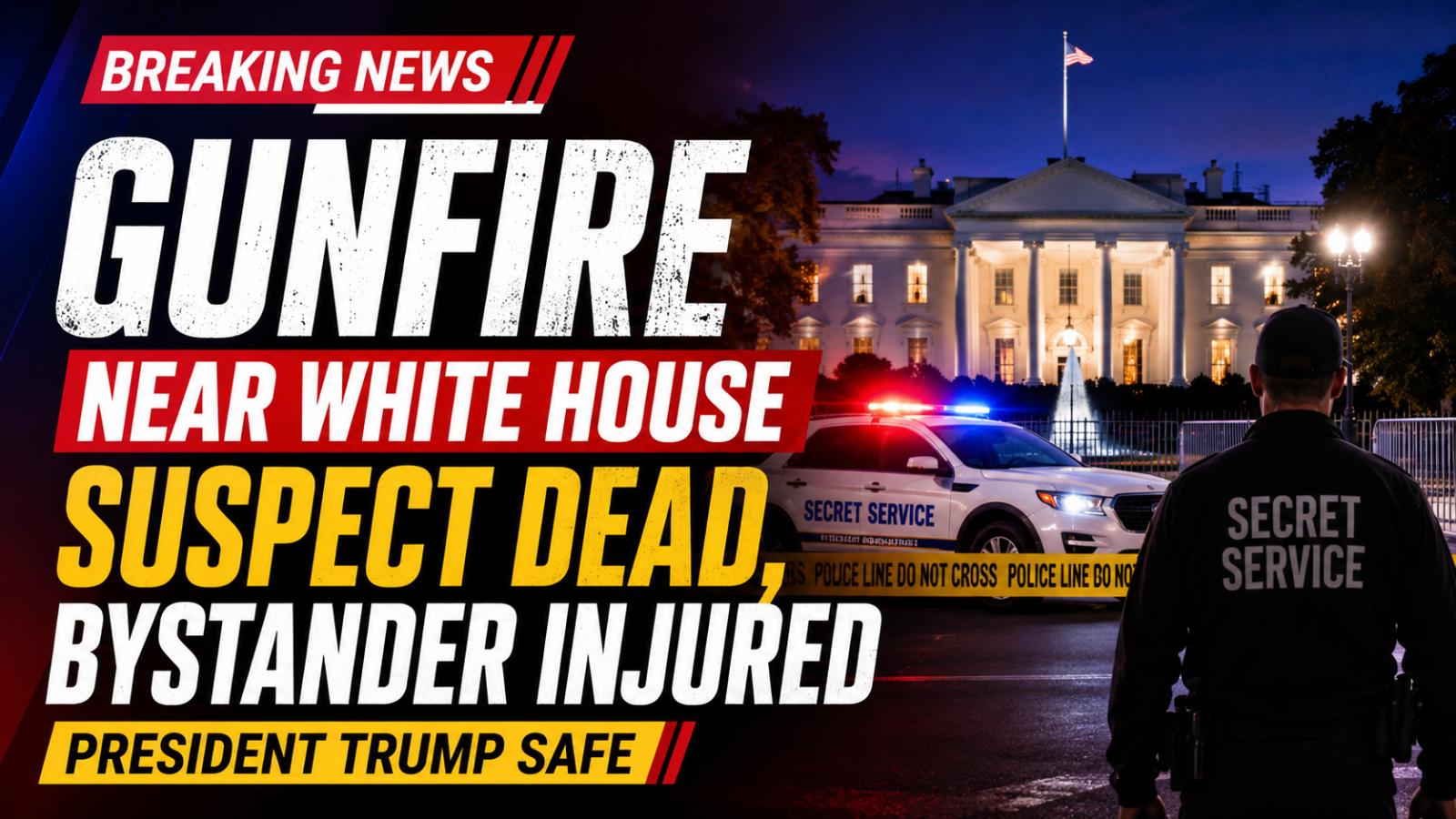
A shooting near the White House on Saturday evening, May 23, 2026, triggered a major security response after a suspect allegedly opened fire at a Secret Service checkpoint. The incident happened shortly after 6 pm ET near 17th Street and Pennsylvania Avenue NW in Washington, DC, an area close to the White House complex. According to the US Secret Service, the person approached the checkpoint, removed a weapon from a bag and began
What Happened Near The White House
A shooting near the White House on Saturday evening, May 23, 2026, triggered a major security response after a suspect allegedly opened fire at a Secret Service checkpoint. The incident happened shortly after 6 pm ET near 17th Street and Pennsylvania Avenue NW in Washington, DC, an area close to the White House complex. According to the US Secret Service, the person approached the checkpoint, removed a weapon from a bag and began
Trump Rally in Suffern, New York
President Donald Trump held a rally in Suffern, New York, on Friday,May 22,2026 aiming to energize Republican supporters ahead of the midterm elections. Speaking at Rockland Community College, Trump emphasized economic issues, recent Republican victories, and tax cuts while frequently targeting Democratic policies and leaders. At one point, he referred to the Democratic National Commit
Trump Rally in Suffern, New York
President Donald Trump held a rally in Suffern, New York, on Friday,May 22,2026 aiming to energize Republican supporters ahead of the midterm elections. Speaking at Rockland Community College, Trump emphasized economic issues, recent Republican victories, and tax cuts while frequently targeting Democratic policies and leaders. At one point, he referred to the Democratic National Commit
Niagara Falls, one of the world’s most iconic waterfalls, spans the border of New York, USA, and Ontario, Canada. The landmark features three distinct waterfalls—Horseshoe Falls, American Falls, and Bridal Veil Falls—along the Niagara River. Formed about 12,000 years ago after the last Ice Age, the falls are a powerful symbol of natural force. With a height of 167 feet and an average flow rate of 85,000 cubic feet per second, Niagara Falls showcases immense water power while attracting
Niagara Falls, one of the world’s most iconic waterfalls, spans the border of New York, USA, and Ontario, Canada. The landmark features three distinct waterfalls—Horseshoe Falls, American Falls, and Bridal Veil Falls—along the Niagara River. Formed about 12,000 years ago after the last Ice Age, the falls are a powerful symbol of natural force. With a height of 167 feet and an average flow rate of 85,000 cubic feet per second, Niagara Falls showcases immense water power while attracting
IIT Madras has invited applications for its web-enabled MTech and postgraduate diploma courses for 2026, with the last date to apply set as May 31. The programmes are aimed at working professionals and graduates who want to improve their technical skills through flexible learning. Candidates applying for MTech programmes must have a relevant educational qualification and at least two years of work experience, while the postgraduate diploma courses are open to graduates, including freshers. In
IIT Madras has invited applications for its web-enabled MTech and postgraduate diploma courses for 2026, with the last date to apply set as May 31. The programmes are aimed at working professionals and graduates who want to improve their technical skills through flexible learning. Candidates applying for MTech programmes must have a relevant educational qualification and at least two years of work experience, while the postgraduate diploma courses are open to graduates, including freshers. In
Amazon fashion deals under $10 are drawing attention from shoppers looking for affordable summer wardrobe updates, with dresses, tops, sandals, bags and accessories among the highlighted sale picks.
The latest under-$10 selection includes casual outfits, warm-weather basics and small accessories, with several items listed between $7 and $10. Prices and availability may change, so shoppers should check the final product page before purchasing. The deal list was published Friday, May
Amazon fashion deals under $10 are drawing attention from shoppers looking for affordable summer wardrobe updates, with dresses, tops, sandals, bags and accessories among the highlighted sale picks.
The latest under-$10 selection includes casual outfits, warm-weather basics and small accessories, with several items listed between $7 and $10. Prices and availability may change, so shoppers should check the final product page before purchasing. The deal list was published Friday, May
Families searching for tabla classes in Parsippany, New Jersey, are usually looking for a teacher address, class location, phone details or a reliable public listing before visiting. Public directory listings show tabla-related music classes in Parsippany connected with TaalSadhana School of Indian Classical Music and Anil Khare Tabla Artist at 31 Emily Pl / 31 Emily Place, Parsippany, NJ 07054. Students and parents should confirm the latest class schedule, teacher availability, fees and visitin
Families searching for tabla classes in Parsippany, New Jersey, are usually looking for a teacher address, class location, phone details or a reliable public listing before visiting. Public directory listings show tabla-related music classes in Parsippany connected with TaalSadhana School of Indian Classical Music and Anil Khare Tabla Artist at 31 Emily Pl / 31 Emily Place, Parsippany, NJ 07054. Students and parents should confirm the latest class schedule, teacher availability, fees and visitin
Hannah Harper Wins "American Idol" 2026
On May 11, 2026, Hannah Harper, a stay-at-home mother of three from Willow Springs, Missouri, was crowned the winner of American Idol Season 24. The 25-year-old country singer made history as the first female country artist to win the competition since Carrie Underwood in 2005. Harper’s victory came after a thrilling finale, where she faced off against 27-year-old Jordan McCullough, a worship dire
Hannah Harper Wins "American Idol" 2026
On May 11, 2026, Hannah Harper, a stay-at-home mother of three from Willow Springs, Missouri, was crowned the winner of American Idol Season 24. The 25-year-old country singer made history as the first female country artist to win the competition since Carrie Underwood in 2005. Harper’s victory came after a thrilling finale, where she faced off against 27-year-old Jordan McCullough, a worship dire
Trump Defends Pakistan's Role in Iran Talks
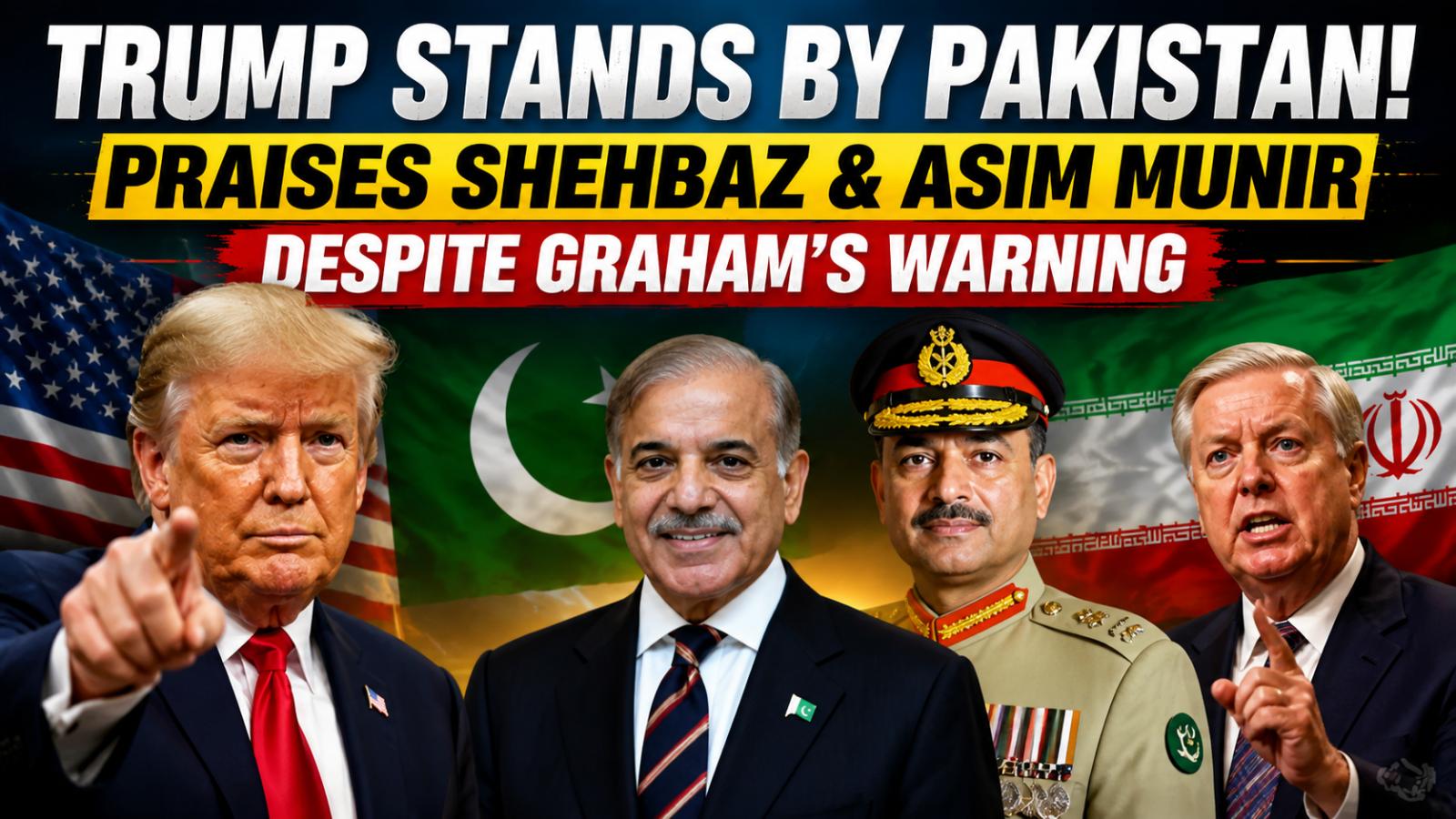
President Donald Trump reaffirmed his trust in Pakistan’s role as a mediator in the ongoing talks with Iran, dismissing concerns raised by Senator Lindsey Graham. Trump praised Prime Minister Shehbaz Sharif and Pakistan's Army Chief, General Asim Munir, calling them “absolutely great” for their efforts in facilitating diplomatic discussions between the United States and Iran. His comments came on Ma
Trump Defends Pakistan's Role in Iran Talks
President Donald Trump reaffirmed his trust in Pakistan’s role as a mediator in the ongoing talks with Iran, dismissing concerns raised by Senator Lindsey Graham. Trump praised Prime Minister Shehbaz Sharif and Pakistan's Army Chief, General Asim Munir, calling them “absolutely great” for their efforts in facilitating diplomatic discussions between the United States and Iran. His comments came on Ma
The Delhi government is preparing to introduce mandatory Pink Saheli Cards for women commuters to continue availing free bus rides across the capital starting this July. The move is part of a broader plan to encourage digital ticketing and reduce manual processing in public transport services.
NEW DELHI: Women travelling on Delhi government buses may soon need a Pink Saheli Card to continue enjoying free rides under the state’s public transport welfare scheme. Acco
The Delhi government is preparing to introduce mandatory Pink Saheli Cards for women commuters to continue availing free bus rides across the capital starting this July. The move is part of a broader plan to encourage digital ticketing and reduce manual processing in public transport services.
NEW DELHI: Women travelling on Delhi government buses may soon need a Pink Saheli Card to continue enjoying free rides under the state’s public transport welfare scheme. Acco
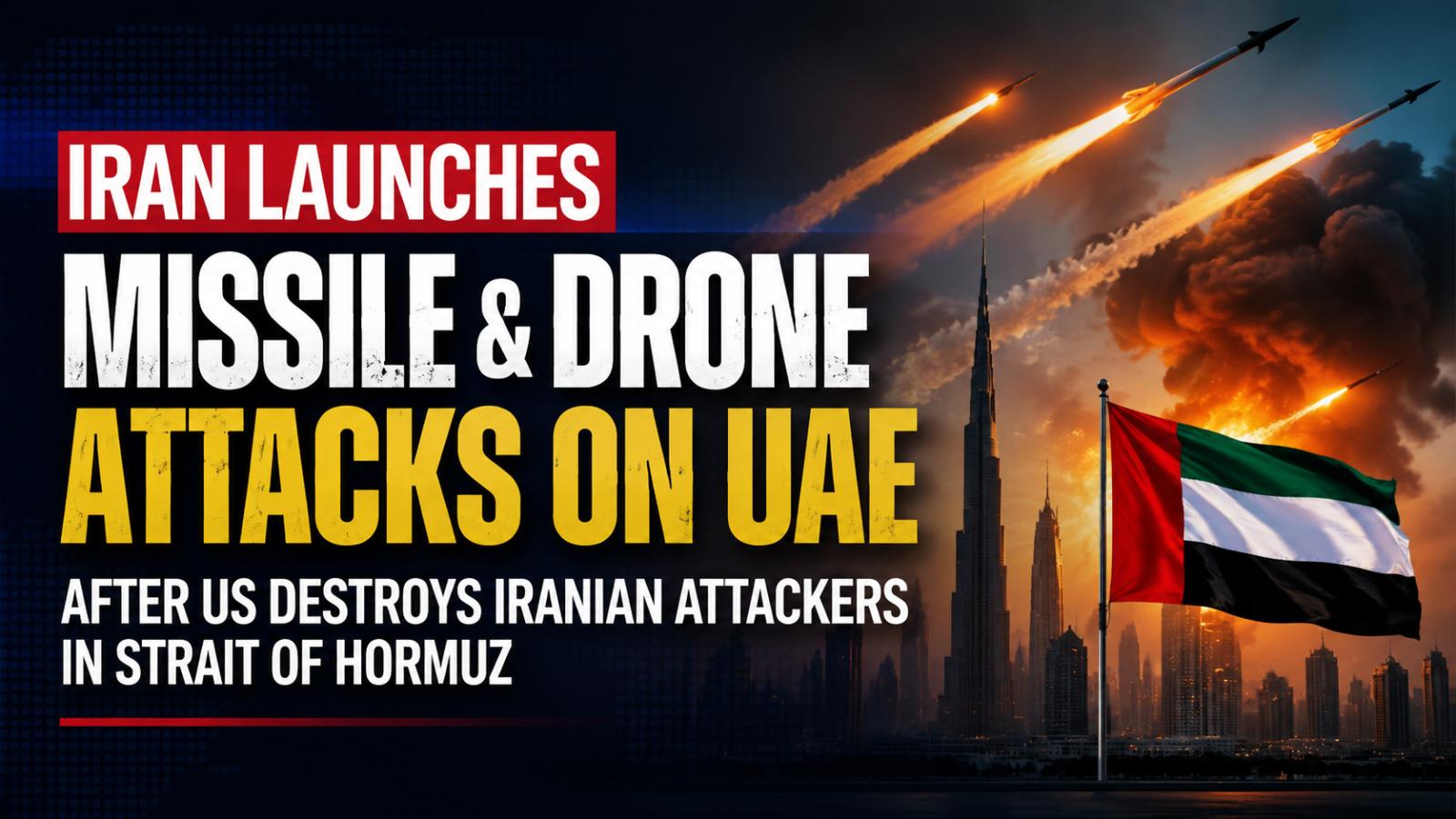
On May 8, Iran launched missile and drone attacks targeting the United Arab Emirates (UAE), hours after American forces destroyed Iranian attackers targeting US Navy destroyers in the Strait of Hormuz. The UAE Ministry of Defense confirmed that the country’s air defense systems were actively engaging the incoming threats. The attack prompted authorities to issue a public advisory, urging the public not to approach, photograph, or touch any debris from the successful interceptions.
On May 8, Iran launched missile and drone attacks targeting the United Arab Emirates (UAE), hours after American forces destroyed Iranian attackers targeting US Navy destroyers in the Strait of Hormuz. The UAE Ministry of Defense confirmed that the country’s air defense systems were actively engaging the incoming threats. The attack prompted authorities to issue a public advisory, urging the public not to approach, photograph, or touch any debris from the successful interceptions.
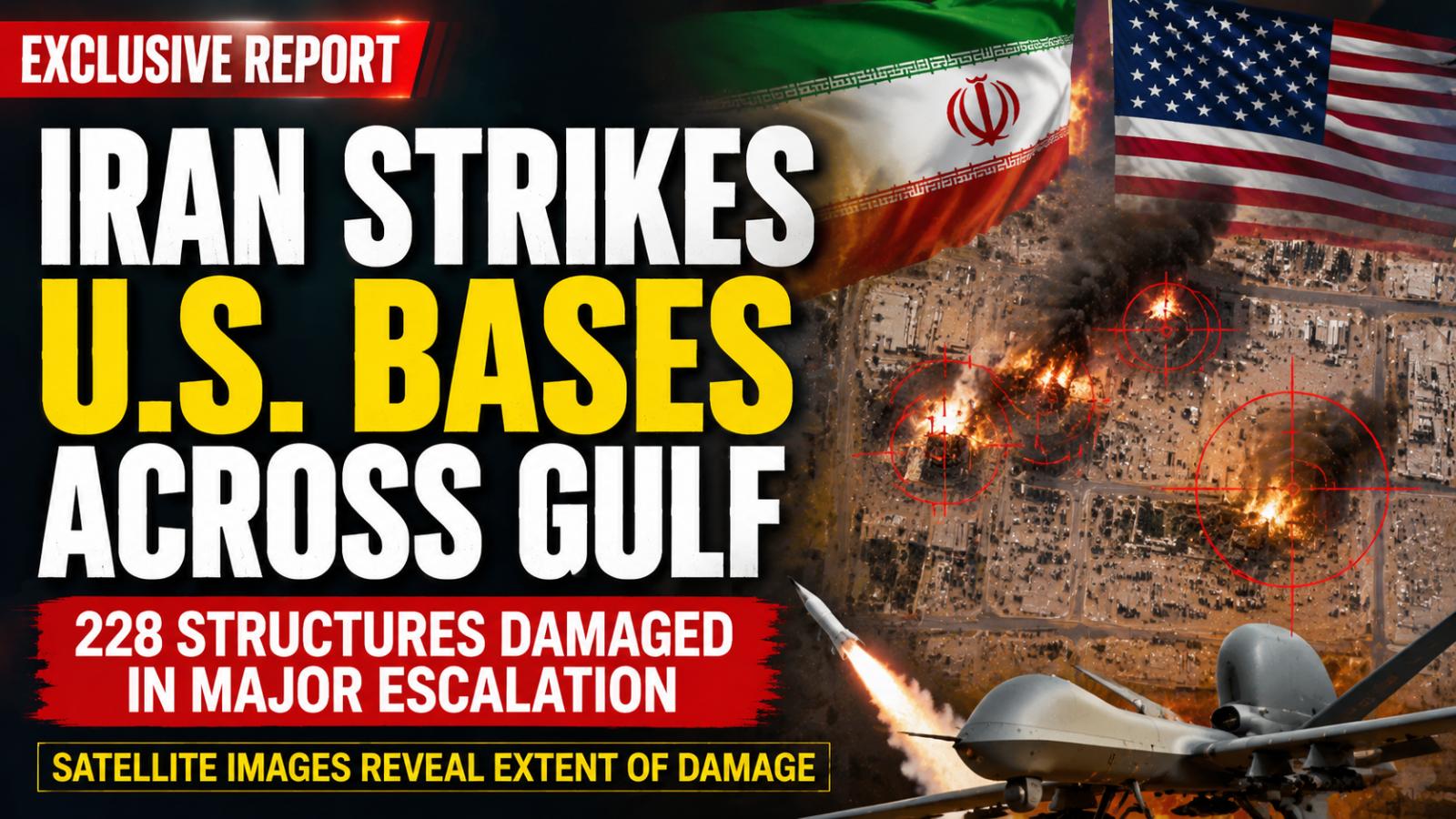
The Washington Post has reported, based on satellite imagery analysis, that Iranian airstrikes have severely damaged or destroyed at least 228 structures and pieces of equipment at U.S. military sites across the Gulf region since the conflict began on February 28. This number far exceeds the figures acknowledged by the U.S. government. The strikes affected 15 U.S. military sites in Kuwait, Bahrain, Qatar, Saudi Arabia, Jordan, and the UAE.
Satellite images from Iranian state-affiliated media, along with 109 images from the EU's Copernicus satellite system and commercial sources, provided evidence of the scale of the damage. The investigation uncovered damage to 217 structures and 11 pieces of equipment, including hangars, barracks, fuel depots, aircraft, radar systems, and air defense equipment. In total, seven U.S. service members were killed in attacks on regional bases, six in Kuwait and one in Saudi Arabia, while more than 400 troops were injured by late April. Of the injured, 12 sustained serious injuries.
More than half of the documented damage occurred at the U.S. 5th Fleet headquarters in Bahrain and major U.S. facilities in Kuwait. Iranian forces targeted critical infrastructure, including fuel bladders and Patriot missile defense systems at Ali al-Salem Air Base in Kuwait. Attacks also hit barracks, power infrastructure, and operational facilities at Camp Arifjan and Camp Buehring in Kuwait. Other U.S. sites, such as Al-Udeid Air Base in Qatar and naval facilities in Bahrain, saw significant damage to satellite communications infrastructure.
Iran’s airstrikes have demonstrated a higher degree of precision than expected. Mark Cancian of the Center for Strategic and International Studies noted that "there are no random craters indicating misses," suggesting that the attacks were highly targeted.
This precision has placed considerable strain on U.S.-made defense systems in the Gulf. Between February 28 and April 8, U.S. forces used at least 190 THAAD interceptors, nearly 53% of their pre-war inventory, and 1,060 Patriot interceptors, about 43% of their pre-war stock. Despite these efforts, U.S. air defenses have struggled to cope with modern drone warfare, where one-way attack drones are difficult to intercept yet highly accurate.
The strikes have forced U.S. commanders to relocate personnel from bases at risk, with some U.S. officials describing the damage at the Naval Support Activity Bahrain as “extensive.” Personnel from the site have been relocated to MacDill Air Force Base in Tampa, Florida. The U.S. Central Command declined to provide further counter-assessments, citing the need for a complete evaluation after the conflict ends.
This extensive damage underscores the ongoing challenges faced by U.S. forces in the Gulf and highlights the evolving nature of modern warfare.
The Washington Post has reported, based on satellite imagery analysis, that Iranian airstrikes have severely damaged or destroyed at least 228 structures and pieces of equipment at U.S. military sites across the Gulf region since the conflict began on February 28. This number far exceeds the figures acknowledged by the U.S. government. The strikes affected 15 U.S. military sites in Kuwait, Bahrain, Qatar, Saudi Arabia, Jordan, and the UAE.
Satellite images from Iranian state-affiliated media, along with 109 images from the EU's Copernicus satellite system and commercial sources, provided evidence of the scale of the damage. The investigation uncovered damage to 217 structures and 11 pieces of equipment, including hangars, barracks, fuel depots, aircraft, radar systems, and air defense equipment. In total, seven U.S. service members were killed in attacks on regional bases, six in Kuwait and one in Saudi Arabia, while more than 400 troops were injured by late April. Of the injured, 12 sustained serious injuries.
More than half of the documented damage occurred at the U.S. 5th Fleet headquarters in Bahrain and major U.S. facilities in Kuwait. Iranian forces targeted critical infrastructure, including fuel bladders and Patriot missile defense systems at Ali al-Salem Air Base in Kuwait. Attacks also hit barracks, power infrastructure, and operational facilities at Camp Arifjan and Camp Buehring in Kuwait. Other U.S. sites, such as Al-Udeid Air Base in Qatar and naval facilities in Bahrain, saw significant damage to satellite communications infrastructure.
Iran’s airstrikes have demonstrated a higher degree of precision than expected. Mark Cancian of the Center for Strategic and International Studies noted that "there are no random craters indicating misses," suggesting that the attacks were highly targeted.
This precision has placed considerable strain on U.S.-made defense systems in the Gulf. Between February 28 and April 8, U.S. forces used at least 190 THAAD interceptors, nearly 53% of their pre-war inventory, and 1,060 Patriot interceptors, about 43% of their pre-war stock. Despite these efforts, U.S. air defenses have struggled to cope with modern drone warfare, where one-way attack drones are difficult to intercept yet highly accurate.
The strikes have forced U.S. commanders to relocate personnel from bases at risk, with some U.S. officials describing the damage at the Naval Support Activity Bahrain as “extensive.” Personnel from the site have been relocated to MacDill Air Force Base in Tampa, Florida. The U.S. Central Command declined to provide further counter-assessments, citing the need for a complete evaluation after the conflict ends.
This extensive damage underscores the ongoing challenges faced by U.S. forces in the Gulf and highlights the evolving nature of modern warfare.
In a notable move, Vijay, the leader of the Tamilaga Vettri Kazhagam (TVK), rejected the police convoy vehicles assigned to him after his party secured 108 seats in the Tamil Nadu Assembly elections. Despite the official protocol, which typically provides the Chief Minister-elect with security convoy vehicles, Vijay made a personal request to return the convoy vehicles until after his swearing-in ceremony. His party clarified that Vijay would accept the official chief minister-level security
In a notable move, Vijay, the leader of the Tamilaga Vettri Kazhagam (TVK), rejected the police convoy vehicles assigned to him after his party secured 108 seats in the Tamil Nadu Assembly elections. Despite the official protocol, which typically provides the Chief Minister-elect with security convoy vehicles, Vijay made a personal request to return the convoy vehicles until after his swearing-in ceremony. His party clarified that Vijay would accept the official chief minister-level security
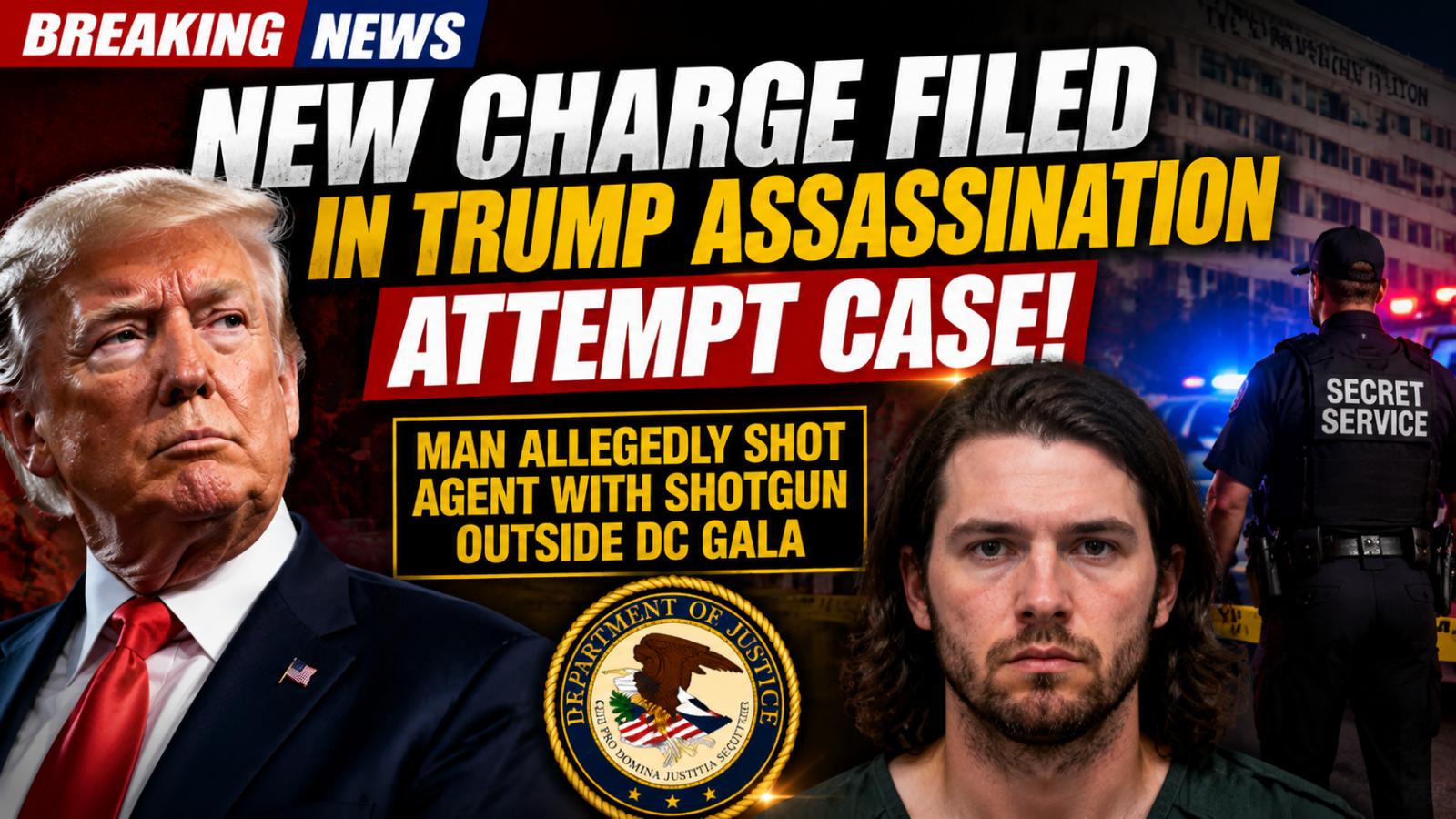
On May 5, federal prosecutors filed an additional charge against Cole Allen, the man accused of attempting to assassinate President Trump. The new indictment alleges that Allen assaulted a Secret Service officer with a shotgun while rushing through a security checkpoint outside a Washington press gala last month. The grand jury indictment now includes a fourth charge, adding to the original charges of attempting to assassinate President Trump and two firearms-related offenses, including discharging a weapon during a violent crime. Allen, 31, was arrested at the Washington Hilton after the incident.
Acting Attorney General Todd Blanche, who was present at the White House Correspondents’ Dinner, condemned the attack, stating that Allen was heavily armed and attempted to assassinate the President. However, Blanche praised the quick and courageous response from law enforcement, which prevented further harm. “Under the leadership of President Trump, violent political actors will never win; we will prosecute anyone who engages in these horrific acts to the fullest extent of the law,” Blanche said in a statement.
The indictment follows earlier uncertainties about whether the bullet that struck the Secret Service officer was fired by Allen or a fellow officer. US Attorney Jeanine Pirro clarified on social media that there was no evidence suggesting the officer was injured by friendly fire. Secret Service Director Sean Curran also confirmed that evidence showed Allen fired the shot before being apprehended. The officer, who was shot at point-blank range in the chest, heroically returned fire and managed to shoot five times, according to Curran.
Allen’s jail conditions have raised concerns, with Magistrate Judge Zia Faruqui expressing worry about reports of Allen being held on suicide watch and in a constantly lit padded cell. Faruqui, troubled by these conditions, questioned whether they were excessively punitive. Allen had reportedly told FBI agents that he did not expect to survive the attack, raising further concerns about his mental state. Assistant US Attorney Jocelyn Ballantine highlighted that this raised potential concerns regarding suicide risk.
The case has now been assigned to U.S. District Judge Trevor McFadden, a Trump appointee who previously served as a police officer. As the case progresses, the additional charges against Allen reflect the severity of the attempted assassination and the significant impact on law enforcement and national security.
On May 5, federal prosecutors filed an additional charge against Cole Allen, the man accused of attempting to assassinate President Trump. The new indictment alleges that Allen assaulted a Secret Service officer with a shotgun while rushing through a security checkpoint outside a Washington press gala last month. The grand jury indictment now includes a fourth charge, adding to the original charges of attempting to assassinate President Trump and two firearms-related offenses, including discharging a weapon during a violent crime. Allen, 31, was arrested at the Washington Hilton after the incident.
Acting Attorney General Todd Blanche, who was present at the White House Correspondents’ Dinner, condemned the attack, stating that Allen was heavily armed and attempted to assassinate the President. However, Blanche praised the quick and courageous response from law enforcement, which prevented further harm. “Under the leadership of President Trump, violent political actors will never win; we will prosecute anyone who engages in these horrific acts to the fullest extent of the law,” Blanche said in a statement.
The indictment follows earlier uncertainties about whether the bullet that struck the Secret Service officer was fired by Allen or a fellow officer. US Attorney Jeanine Pirro clarified on social media that there was no evidence suggesting the officer was injured by friendly fire. Secret Service Director Sean Curran also confirmed that evidence showed Allen fired the shot before being apprehended. The officer, who was shot at point-blank range in the chest, heroically returned fire and managed to shoot five times, according to Curran.
Allen’s jail conditions have raised concerns, with Magistrate Judge Zia Faruqui expressing worry about reports of Allen being held on suicide watch and in a constantly lit padded cell. Faruqui, troubled by these conditions, questioned whether they were excessively punitive. Allen had reportedly told FBI agents that he did not expect to survive the attack, raising further concerns about his mental state. Assistant US Attorney Jocelyn Ballantine highlighted that this raised potential concerns regarding suicide risk.
The case has now been assigned to U.S. District Judge Trevor McFadden, a Trump appointee who previously served as a police officer. As the case progresses, the additional charges against Allen reflect the severity of the attempted assassination and the significant impact on law enforcement and national security.
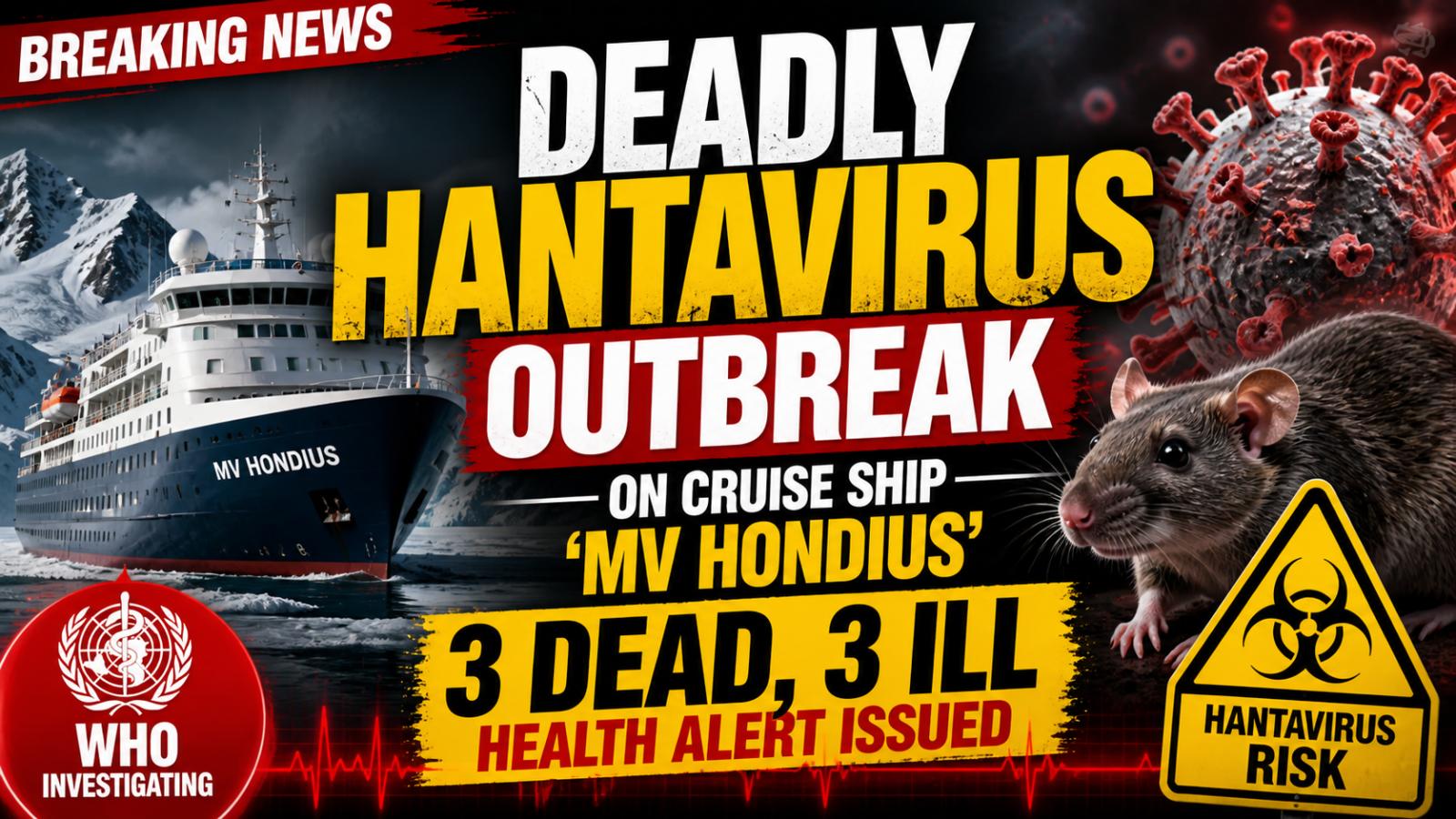
A suspected outbreak of hantavirus on board the cruise vessel MV Hondius has resulted in three deaths and several serious illnesses, raising concerns among global health authorities. The ship, operated by a Netherlands-based expedition company, was sailing near Cape Verde when the medical situation emerged, prompting urgent response measures and international coordination.
Officials confirmed that at least three passengers died, while others showed symptoms consistent with a hantavi
A suspected outbreak of hantavirus on board the cruise vessel MV Hondius has resulted in three deaths and several serious illnesses, raising concerns among global health authorities. The ship, operated by a Netherlands-based expedition company, was sailing near Cape Verde when the medical situation emerged, prompting urgent response measures and international coordination.
Officials confirmed that at least three passengers died, while others showed symptoms consistent with a hantavi
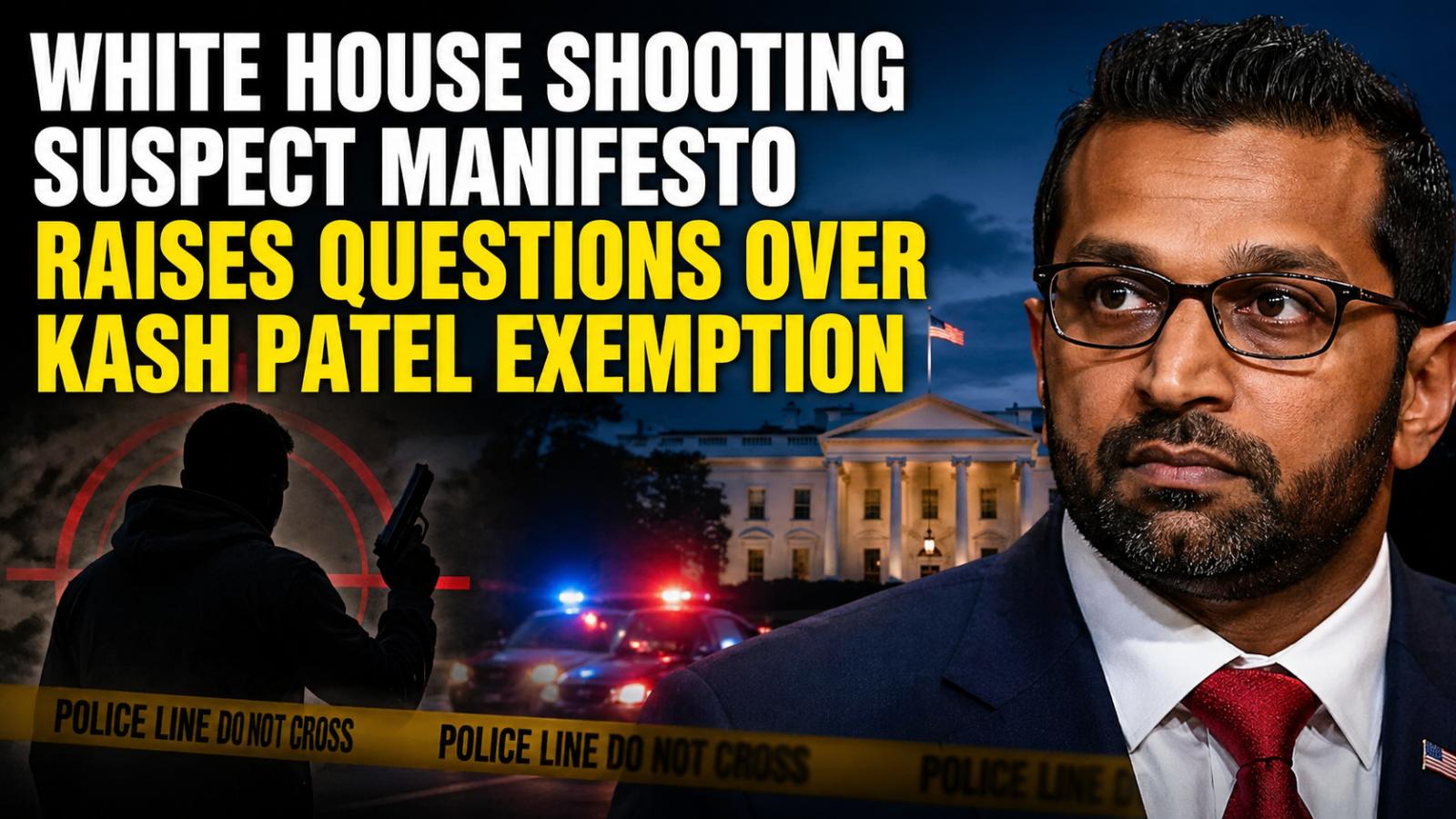
White House shooting investigation: why was Kash Patel excluded?
Investigators are analysing a White House shooting incident after a suspect’s manifesto revealed that FBI Director Kash Patel was excluded from his target list. The suspect, Cole Tomas Allen, allegedly opened fire at a high-profile event linked to Donald Trump, targeting administration officials while avoiding law enforcement personnel. The manifesto described “rules of engagement,” and authorities believe this document is key to understanding the motive behind the attack.
What does the manifesto reveal?
The manifesto written by Allen clearly states that administration officials were his intended targets, but it specifically excluded Kash Patel. The document also outlined that law enforcement agencies such as the Secret Service and police should only be engaged if necessary and preferably in a non-lethal manner. This has led investigators to consider that the suspect may have deliberately avoided targeting individuals connected to law enforcement.
Why was Kash Patel excluded?
One major question investigators are asking is why Kash Patel was singled out for exemption.
Answer: Authorities believe the most likely explanation is the suspect’s stated reluctance to harm law enforcement officials. Since Patel leads the FBI, he may have been seen as part of that category. Another possible theory being explored is whether ideological beliefs played a role, as early reports suggest the suspect may have held strong anti-Christian views. However, officials have stressed that this remains speculative due to lack of cooperation from the accused.
What happened during the attack?
Prosecutors say Allen opened fire at the Washington Hilton during a major gathering of officials and media figures. The shooting caused panic, and one law enforcement officer was struck but survived due to a bulletproof vest. Authorities confirmed that the swift response of the Secret Service and other agencies prevented a potentially larger tragedy.
What charges does the suspect face?
Allen has been charged with attempting to assassinate the president along with firearms-related offences, which could lead to life imprisonment if convicted. During his initial court appearance, officials confirmed that he has refused to cooperate, making it difficult to determine his exact motive.
What happens next in the investigation?
Investigators are now reviewing the suspect’s manifesto, digital footprint, and personal background to understand the full motive behind the attack. Authorities continue to examine whether the act was driven by ideology, personal grievances, or a combination of factors. The manifesto remains a crucial piece of evidence, but many questions, including the reason behind Kash Patel’s exclusion, are still unanswered.
White House shooting investigation: why was Kash Patel excluded?
Investigators are analysing a White House shooting incident after a suspect’s manifesto revealed that FBI Director Kash Patel was excluded from his target list. The suspect, Cole Tomas Allen, allegedly opened fire at a high-profile event linked to Donald Trump, targeting administration officials while avoiding law enforcement personnel. The manifesto described “rules of engagement,” and authorities believe this document is key to understanding the motive behind the attack.
What does the manifesto reveal?
The manifesto written by Allen clearly states that administration officials were his intended targets, but it specifically excluded Kash Patel. The document also outlined that law enforcement agencies such as the Secret Service and police should only be engaged if necessary and preferably in a non-lethal manner. This has led investigators to consider that the suspect may have deliberately avoided targeting individuals connected to law enforcement.
Why was Kash Patel excluded?
One major question investigators are asking is why Kash Patel was singled out for exemption.
Answer: Authorities believe the most likely explanation is the suspect’s stated reluctance to harm law enforcement officials. Since Patel leads the FBI, he may have been seen as part of that category. Another possible theory being explored is whether ideological beliefs played a role, as early reports suggest the suspect may have held strong anti-Christian views. However, officials have stressed that this remains speculative due to lack of cooperation from the accused.
What happened during the attack?
Prosecutors say Allen opened fire at the Washington Hilton during a major gathering of officials and media figures. The shooting caused panic, and one law enforcement officer was struck but survived due to a bulletproof vest. Authorities confirmed that the swift response of the Secret Service and other agencies prevented a potentially larger tragedy.
What charges does the suspect face?
Allen has been charged with attempting to assassinate the president along with firearms-related offences, which could lead to life imprisonment if convicted. During his initial court appearance, officials confirmed that he has refused to cooperate, making it difficult to determine his exact motive.
What happens next in the investigation?
Investigators are now reviewing the suspect’s manifesto, digital footprint, and personal background to understand the full motive behind the attack. Authorities continue to examine whether the act was driven by ideology, personal grievances, or a combination of factors. The manifesto remains a crucial piece of evidence, but many questions, including the reason behind Kash Patel’s exclusion, are still unanswered.
Debate over rhetoric intensifies after Washington shooting
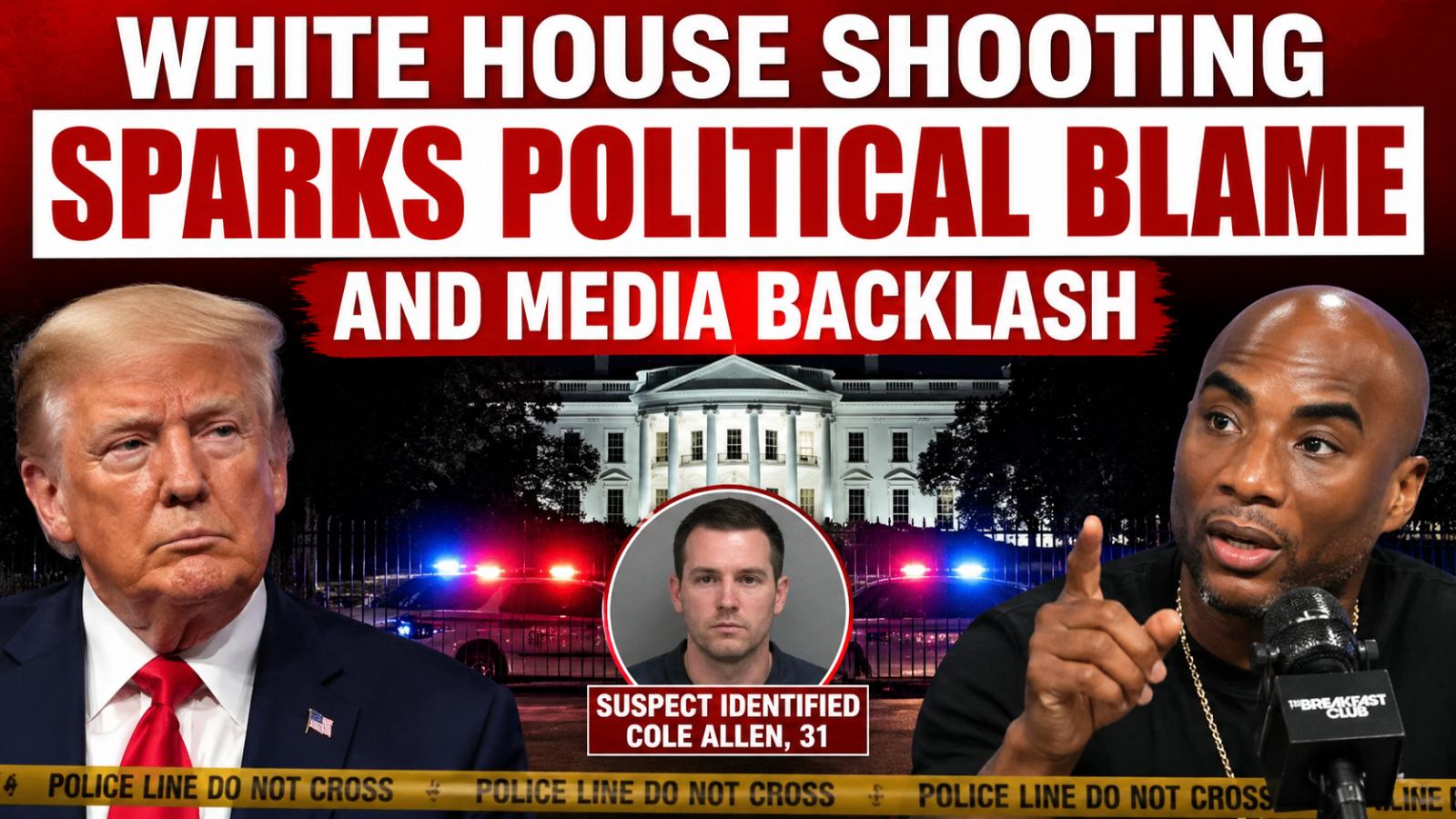
White House shooting sparks political blame and media backlash as a weekend incident tied to threats against President Donald Trump fueled a sharp exchange between media figures and administration officials. The shooting occurred Saturday night, though authorities have not publicly released a precise time.
Debate over rhetoric intensifies after Washington shooting
White House shooting sparks political blame and media backlash as a weekend incident tied to threats against President Donald Trump fueled a sharp exchange between media figures and administration officials. The shooting occurred Saturday night, though authorities have not publicly released a precise time.