SpaceX plans $1 trillion IPO in historic public listing move
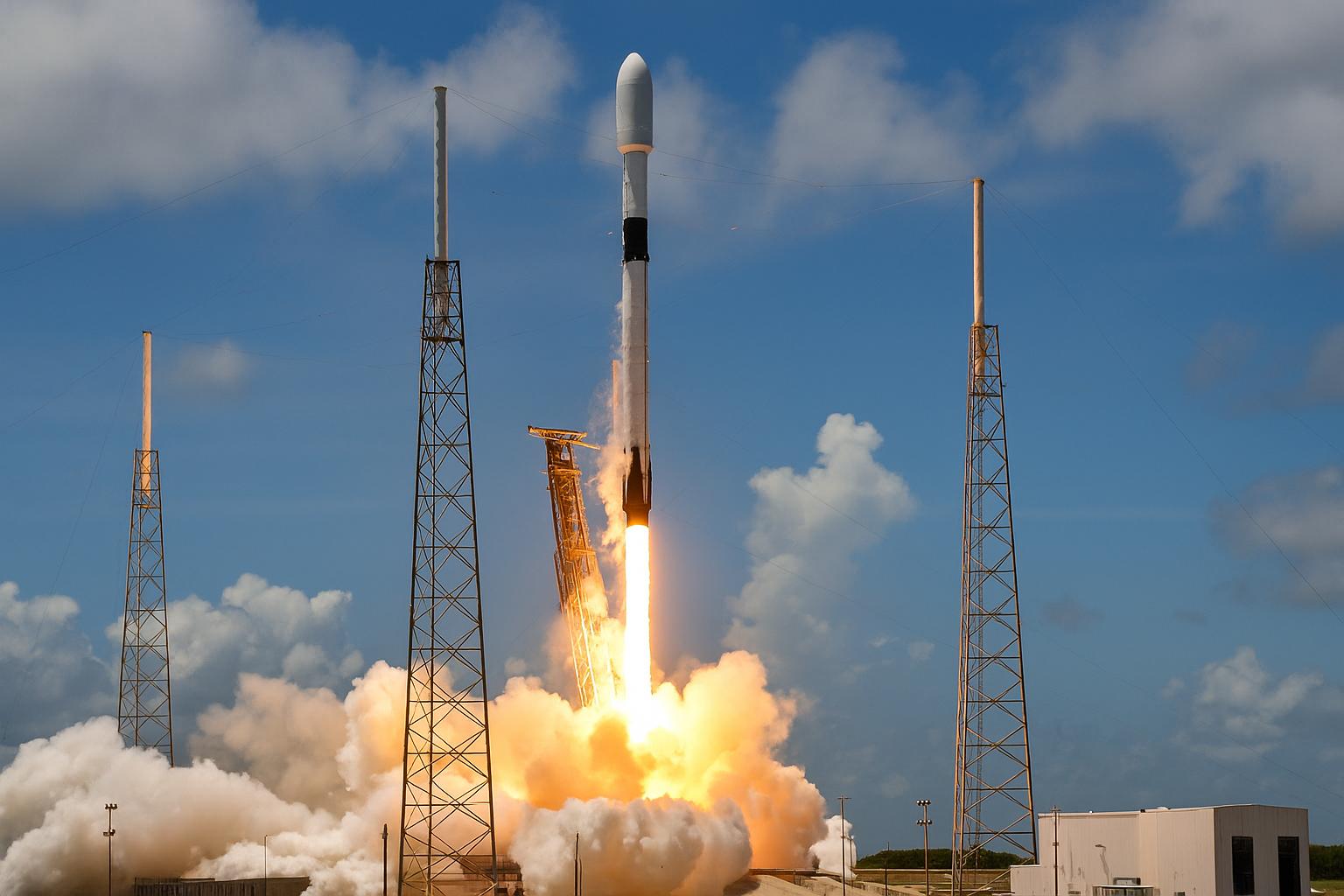
Elon Musk’s SpaceX has taken a major step toward becoming a publicly traded company, filing confidentially for an initial public offering on Wednesday, April 1, 2026. The move could position the aerospace and technology firm among the most valuable companies globally, with an expected valuation exceeding $1 trillion. The IPO filing allows SpaceX to begin discussions with regulators while keeping detailed financial disclosures private during the early stages. Reports indicate the c
SpaceX plans $1 trillion IPO in historic public listing move
Elon Musk’s SpaceX has taken a major step toward becoming a publicly traded company, filing confidentially for an initial public offering on Wednesday, April 1, 2026. The move could position the aerospace and technology firm among the most valuable companies globally, with an expected valuation exceeding $1 trillion. The IPO filing allows SpaceX to begin discussions with regulators while keeping detailed financial disclosures private during the early stages. Reports indicate the c
NASA Artemis II mission set to take astronauts around the Moon after 50 years
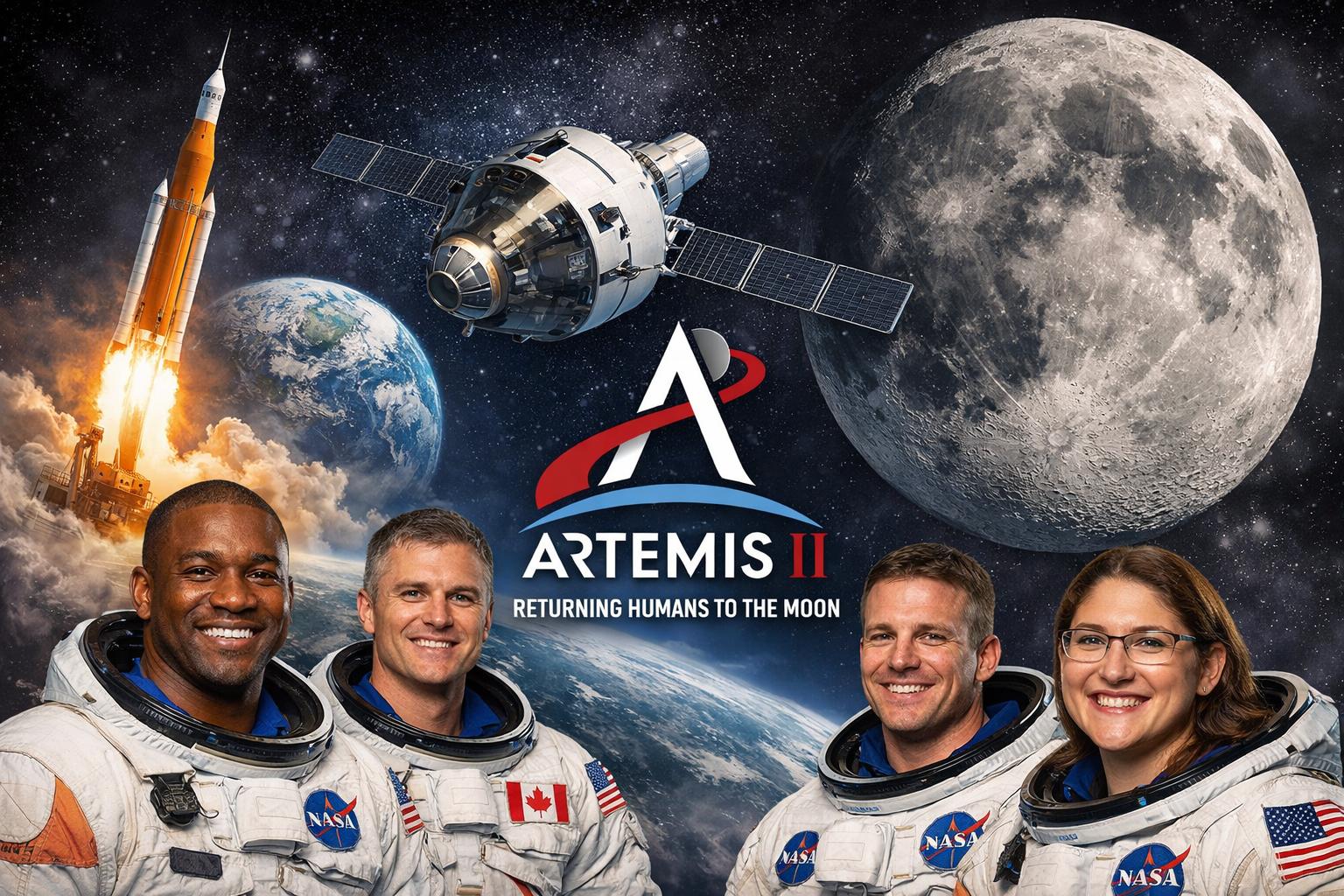
The world is once again looking at the Moon with excitement. After more than 50 years, humans are preparing to travel around the Moon again, and the NASA Artemis II mission is ready to make history. This mission will send four astronauts into space, taking them around the Moon and back to Earth. It is not just a space journey—it is the beginning of a new era of space exploration. What is Artemis II Mission?
NASA Artemis II mission set to take astronauts around the Moon after 50 years
The world is once again looking at the Moon with excitement. After more than 50 years, humans are preparing to travel around the Moon again, and the NASA Artemis II mission is ready to make history. This mission will send four astronauts into space, taking them around the Moon and back to Earth. It is not just a space journey—it is the beginning of a new era of space exploration. What is Artemis II Mission?
NASA satellite Van Allen Probe A expected to reenter Earth’s atmosphere Tuesday
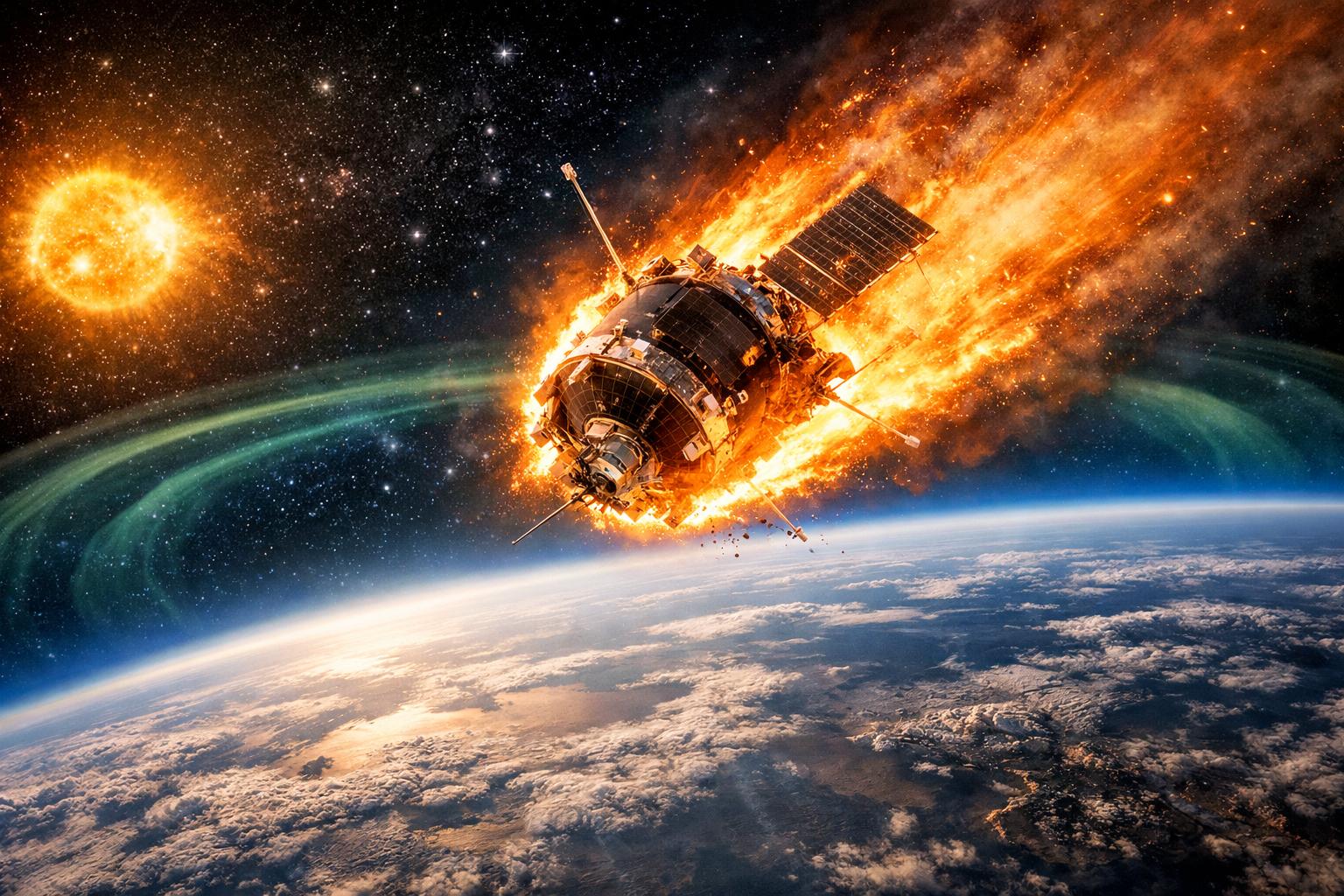
A decommissioned NASA satellite that once helped scientists understand how Earth’s magnetic field protects the planet from harmful cosmic radiation is expected to reenter Earth’s atmosphere on Tuesday evening. According to NASA, the spacecraft known as Van Allen Probe A could make atmospheric reentry around 7:45 p.m. Eastern Time, though officials note that predicting the exact moment remains difficult. Space agencies say the timing of the event carries uncertainty, with the act
NASA satellite Van Allen Probe A expected to reenter Earth’s atmosphere Tuesday
A decommissioned NASA satellite that once helped scientists understand how Earth’s magnetic field protects the planet from harmful cosmic radiation is expected to reenter Earth’s atmosphere on Tuesday evening. According to NASA, the spacecraft known as Van Allen Probe A could make atmospheric reentry around 7:45 p.m. Eastern Time, though officials note that predicting the exact moment remains difficult. Space agencies say the timing of the event carries uncertainty, with the act
Elon Musk proposes space-based AI data centres powered by solar energy
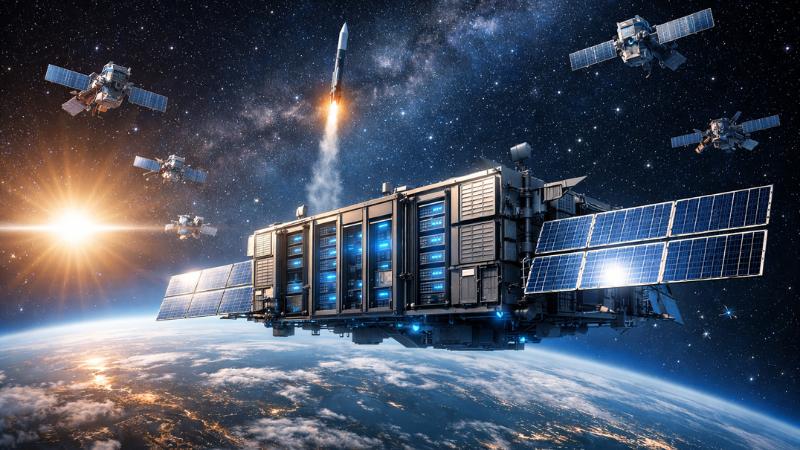
Elon Musk’s long-standing reputation for advancing unconventional technological ideas has taken another ambitious turn, with SpaceX formally proposing to build an orbital network of artificial intelligence data centres powered by solar energy. What initially appeared to be an eccentric concept has quickly moved into the regulatory phase, supported by official filings and public statements that suggest the company is serious about relocating a significant share of AI computing capacity beyon
Elon Musk proposes space-based AI data centres powered by solar energy
Elon Musk’s long-standing reputation for advancing unconventional technological ideas has taken another ambitious turn, with SpaceX formally proposing to build an orbital network of artificial intelligence data centres powered by solar energy. What initially appeared to be an eccentric concept has quickly moved into the regulatory phase, supported by official filings and public statements that suggest the company is serious about relocating a significant share of AI computing capacity beyon
ISRO rules out sabotage amid repeated strategic mission failures
India’s Space Minister Dr. Jitendra Singh has said that there is no indication of sabotage behind a series of recent failures involving the Indian Space Research Organisation, even as repeated setbacks to strategic missions have triggered concern within policy and defence circles. The remarks come after three out of six ISRO missions launched from Indian soil over the past year failed, all of them linked to national security and strategic objectives. Speaking at a press briefing in New Delhi, Dr. Singh said that no report pointing to sabotage has been received so far. He clarified that while he is responsible for overseeing space launches, investigations related to sabotage or hostile interference fall under the purview of other ministries such as defence, home affairs, or external affairs. The minister added that, as of now, there is no information to suggest external interference in the recent launch failures. The comments follow two rare back-to-back mid-flight failures of ISRO’s Polar Satellite Launch Vehicle, a rocket that has long been considered the agency’s most dependable platform. Over a 33-year operational history, the PSLV had suffered only four major failures prior to 2025. The failures in May 2025 and January 2026, both occurring during the third stage of flight, have therefore raised serious questions about reliability and corrective action. Dr. Singh addressed public speculation that ISRO may have failed to rectify earlier faults, stating that the two PSLV failures had different technical causes despite occurring at the same stage. He expressed confidence in ISRO’s internal failure appraisal process, describing it as thorough and analytical. Traditionally, ISRO has publicly released summaries of mission failure analyses, contributing to its image as a transparent space agency. However, in recent cases, that practice has not been consistently followed. The failure analysis report of the PSLV-C61 mission in May 2025 was submitted to the Prime Minister’s Office but not released publicly. Similarly, no detailed technical update has been shared regarding the PSLV-C62 failure in January 2026 beyond ministerial statements. January 2026 – PSLV-C62 / EOS-N1 The PSLV-C62 mission on January 12, 2026, was ISRO’s first launch of the year and marked the PSLV’s return to flight after a setback in May 2025. The primary payload was EOS-N1, also known as Anvesha, a hyperspectral Earth observation satellite developed by the Defence Research and Development Organisation. The satellite was designed to operate at an altitude of 511 kilometres and provide advanced material identification capabilities by analysing reflected light across multiple wavelengths. The mission also carried 15 co-passenger satellites. A mid-flight failure during the third stage of the PSLV resulted in the loss of the rocket and all onboard satellites, ending the mission prematurely. May 2025 – PSLV-C61 / EOS-09 On May 18, 2025, ISRO’s PSLV-C61 mission failed approximately six minutes after liftoff. According to ISRO officials, performance was normal up to the second stage before an anomaly was observed during third-stage operation. The EOS-09 satellite, a radar imaging platform capable of all-weather, day-and-night surveillance, was lost along with the launch vehicle. Despite the strategic importance of the mission, ISRO did not release a public failure analysis, a departure from past practice. January 2025 – GSLV-F15 / NVS-02 On January 29, 2025, ISRO launched the NVS-02 navigation satellite aboard the GSLV-F15 rocket during the 100th launch from the Sriharikota spaceport. While the rocket successfully placed the satellite into its initial orbit, the satellite failed to fire its onboard engines, preventing it from reaching its designated operational orbit. The failure rendered NVS-02 unusable for its intended role within India’s NAVIC regional navigation system, which serves both civilian agencies and the armed forces. August 2021 – GSLV-F10 / EOS-03 In August 2021, ISRO launched the EOS-03 satellite, previously known as GISAT-1, aboard the GSLV-F10 rocket. Designed for near real-time Earth observation and disaster monitoring, the mission failed due to a malfunction in the cryogenic upper stage. ISRO later identified a valve leak in the liquid hydrogen tank as the cause of the failure. August 2017 – PSLV-C39 / IRNSS-1H The PSLV-C39 mission in August 2017 failed after the satellite remained trapped inside the rocket’s heat shield due to a separation failure. Although all other flight events proceeded as planned, the navigation satellite could not be deployed, resulting in the loss of a critical component of the Indian Regional Navigation Satellite System. The cumulative impact of these strategic mission failures over the past nine years is significant. Financial estimates suggest losses amounting to several hundred million dollars, excluding the cost of rebuilding and relaunching replacement missions. Beyond monetary loss, delays in deploying indigenous navigation and surveillance satellites force greater reliance on foreign systems, affecting strategic autonomy. ISRO has indicated that each failure was caused by a different subsystem or component, reinforcing the reality that spaceflight is a zero-error domain where even minor defects can have catastrophic consequences. While each failure contributes valuable lessons, the repeated setbacks have slowed the deployment of key space-based capabilities developed by Indian scientists, placing renewed focus on reliability, transparency, and long-term mission planning.
ISRO rules out sabotage amid repeated strategic mission failures
India’s Space Minister Dr. Jitendra Singh has said that there is no indication of sabotage behind a series of recent failures involving the Indian Space Research Organisation, even as repeated setbacks to strategic missions have triggered concern within policy and defence circles. The remarks come after three out of six ISRO missions launched from Indian soil over the past year failed, all of them linked to national security and strategic objectives. Speaking at a press briefing in New Delhi, Dr. Singh said that no report pointing to sabotage has been received so far. He clarified that while he is responsible for overseeing space launches, investigations related to sabotage or hostile interference fall under the purview of other ministries such as defence, home affairs, or external affairs. The minister added that, as of now, there is no information to suggest external interference in the recent launch failures. The comments follow two rare back-to-back mid-flight failures of ISRO’s Polar Satellite Launch Vehicle, a rocket that has long been considered the agency’s most dependable platform. Over a 33-year operational history, the PSLV had suffered only four major failures prior to 2025. The failures in May 2025 and January 2026, both occurring during the third stage of flight, have therefore raised serious questions about reliability and corrective action. Dr. Singh addressed public speculation that ISRO may have failed to rectify earlier faults, stating that the two PSLV failures had different technical causes despite occurring at the same stage. He expressed confidence in ISRO’s internal failure appraisal process, describing it as thorough and analytical. Traditionally, ISRO has publicly released summaries of mission failure analyses, contributing to its image as a transparent space agency. However, in recent cases, that practice has not been consistently followed. The failure analysis report of the PSLV-C61 mission in May 2025 was submitted to the Prime Minister’s Office but not released publicly. Similarly, no detailed technical update has been shared regarding the PSLV-C62 failure in January 2026 beyond ministerial statements. January 2026 – PSLV-C62 / EOS-N1 The PSLV-C62 mission on January 12, 2026, was ISRO’s first launch of the year and marked the PSLV’s return to flight after a setback in May 2025. The primary payload was EOS-N1, also known as Anvesha, a hyperspectral Earth observation satellite developed by the Defence Research and Development Organisation. The satellite was designed to operate at an altitude of 511 kilometres and provide advanced material identification capabilities by analysing reflected light across multiple wavelengths. The mission also carried 15 co-passenger satellites. A mid-flight failure during the third stage of the PSLV resulted in the loss of the rocket and all onboard satellites, ending the mission prematurely. May 2025 – PSLV-C61 / EOS-09 On May 18, 2025, ISRO’s PSLV-C61 mission failed approximately six minutes after liftoff. According to ISRO officials, performance was normal up to the second stage before an anomaly was observed during third-stage operation. The EOS-09 satellite, a radar imaging platform capable of all-weather, day-and-night surveillance, was lost along with the launch vehicle. Despite the strategic importance of the mission, ISRO did not release a public failure analysis, a departure from past practice. January 2025 – GSLV-F15 / NVS-02 On January 29, 2025, ISRO launched the NVS-02 navigation satellite aboard the GSLV-F15 rocket during the 100th launch from the Sriharikota spaceport. While the rocket successfully placed the satellite into its initial orbit, the satellite failed to fire its onboard engines, preventing it from reaching its designated operational orbit. The failure rendered NVS-02 unusable for its intended role within India’s NAVIC regional navigation system, which serves both civilian agencies and the armed forces. August 2021 – GSLV-F10 / EOS-03 In August 2021, ISRO launched the EOS-03 satellite, previously known as GISAT-1, aboard the GSLV-F10 rocket. Designed for near real-time Earth observation and disaster monitoring, the mission failed due to a malfunction in the cryogenic upper stage. ISRO later identified a valve leak in the liquid hydrogen tank as the cause of the failure. August 2017 – PSLV-C39 / IRNSS-1H The PSLV-C39 mission in August 2017 failed after the satellite remained trapped inside the rocket’s heat shield due to a separation failure. Although all other flight events proceeded as planned, the navigation satellite could not be deployed, resulting in the loss of a critical component of the Indian Regional Navigation Satellite System. The cumulative impact of these strategic mission failures over the past nine years is significant. Financial estimates suggest losses amounting to several hundred million dollars, excluding the cost of rebuilding and relaunching replacement missions. Beyond monetary loss, delays in deploying indigenous navigation and surveillance satellites force greater reliance on foreign systems, affecting strategic autonomy. ISRO has indicated that each failure was caused by a different subsystem or component, reinforcing the reality that spaceflight is a zero-error domain where even minor defects can have catastrophic consequences. While each failure contributes valuable lessons, the repeated setbacks have slowed the deployment of key space-based capabilities developed by Indian scientists, placing renewed focus on reliability, transparency, and long-term mission planning.
2026 Solar Eclipse: Ring of Fire to Occur on February 17, Visible in Southern Hemisphere
The 2026 Solar Eclipse will occur on February 17, and it is set to be a remarkable celestial event. This eclipse will be an annular solar eclipse, often referred to as the Ring of Fire eclipse. Here's everything you need to know about this rare event: Eclipse Type: The eclipse will be an annular solar eclipse. In this type of eclipse, the Moon will cover about 96% of the Sun, but due to the Moon being farther from Earth, it will appear slightly smaller than the Sun. As a
2026 Solar Eclipse: Ring of Fire to Occur on February 17, Visible in Southern Hemisphere
The 2026 Solar Eclipse will occur on February 17, and it is set to be a remarkable celestial event. This eclipse will be an annular solar eclipse, often referred to as the Ring of Fire eclipse. Here's everything you need to know about this rare event: Eclipse Type: The eclipse will be an annular solar eclipse. In this type of eclipse, the Moon will cover about 96% of the Sun, but due to the Moon being farther from Earth, it will appear slightly smaller than the Sun. As a
Iran blocks internet nationwide as military jammers disrupt Starlink satellite access
Iran has once again imposed sweeping restrictions on internet access, escalating its long-standing campaign of digital control by reportedly disrupting even satellite-based connectivity such as Starlink. The latest shutdown marks a significant development, as Starlink has long been considered resistant to conventional censorship and network blocking methods used by state authorities. Digital rights researchers monitoring the situation say the government has deployed military-grade G
Iran blocks internet nationwide as military jammers disrupt Starlink satellite access
Iran has once again imposed sweeping restrictions on internet access, escalating its long-standing campaign of digital control by reportedly disrupting even satellite-based connectivity such as Starlink. The latest shutdown marks a significant development, as Starlink has long been considered resistant to conventional censorship and network blocking methods used by state authorities. Digital rights researchers monitoring the situation say the government has deployed military-grade G
PSLV-C62 launch faces anomaly in third stage, ISRO begins detailed analysis
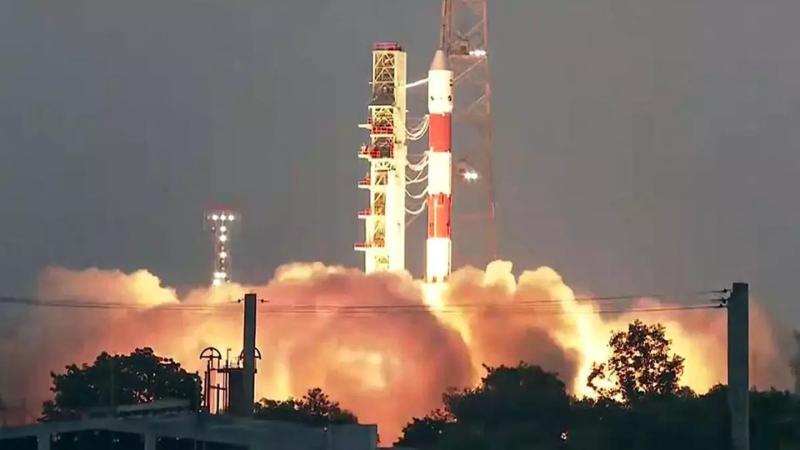
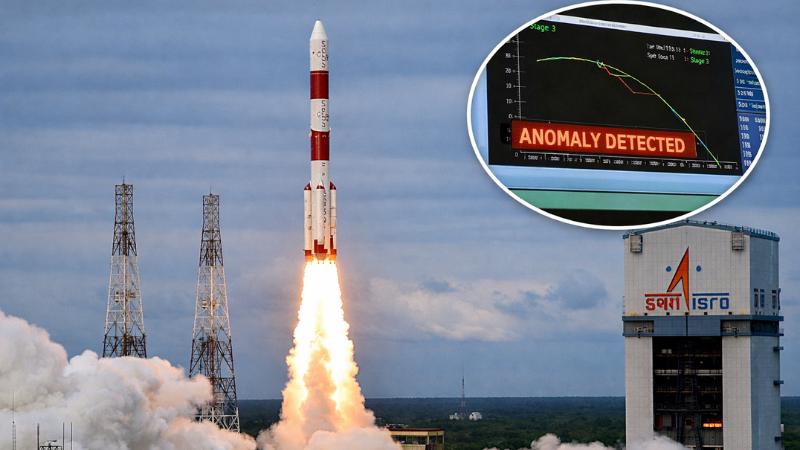
The Indian Space Research Organisation experienced a tense morning on Tuesday after the Polar Satellite Launch Vehicle C62 lifted off from the Satish Dhawan Space Centre in Sriharikota at 10.18 am carrying a total of 16 satellites. The mission initially appeared to progress as planned, with scientists closely monitoring each phase of the flight. However, around 30 minutes after liftoff, ISRO confirmed that the mission had encountered an anomaly during the third stage of the launch sequence, r
PSLV-C62 launch faces anomaly in third stage, ISRO begins detailed analysis
The Indian Space Research Organisation experienced a tense morning on Tuesday after the Polar Satellite Launch Vehicle C62 lifted off from the Satish Dhawan Space Centre in Sriharikota at 10.18 am carrying a total of 16 satellites. The mission initially appeared to progress as planned, with scientists closely monitoring each phase of the flight. However, around 30 minutes after liftoff, ISRO confirmed that the mission had encountered an anomaly during the third stage of the launch sequence, r
How science breakthroughs in 2025 reshaped medicine, space research, and climate reality
A century ago, the notion of restoring lost senses or detecting ancient life beyond Earth belonged firmly to science fiction. In 2025, such ideas moved decisively into reality as a series of scientific breakthroughs reshaped long-standing assumptions across medicine, space science, climate research, and artificial intelligence. These advances did not arrive as distant promises or speculative theories, but as working solutions that delivered measurable results and altered how science interacts
How science breakthroughs in 2025 reshaped medicine, space research, and climate reality
A century ago, the notion of restoring lost senses or detecting ancient life beyond Earth belonged firmly to science fiction. In 2025, such ideas moved decisively into reality as a series of scientific breakthroughs reshaped long-standing assumptions across medicine, space science, climate research, and artificial intelligence. These advances did not arrive as distant promises or speculative theories, but as working solutions that delivered measurable results and altered how science interacts
Astronauts aboard space station to welcome new year 16 times in orbit
As people across the globe prepare to welcome the New Year with countdowns, fireworks, and celebrations across different time zones, a small group of astronauts orbiting far above Earth will experience the arrival of the new year in a way unlike anyone on the planet. Aboard the International Space Station, astronauts currently in orbit will celebrate the New Year an astonishing 16 times, highlighting the extraordinary reality of life in space and the unique way time is experienced beyond Earth.
Astronauts aboard space station to welcome new year 16 times in orbit
As people across the globe prepare to welcome the New Year with countdowns, fireworks, and celebrations across different time zones, a small group of astronauts orbiting far above Earth will experience the arrival of the new year in a way unlike anyone on the planet. Aboard the International Space Station, astronauts currently in orbit will celebrate the New Year an astonishing 16 times, highlighting the extraordinary reality of life in space and the unique way time is experienced beyond Earth.
Isro launches heaviest foreign satellite from Indian soil aboard Lvm3
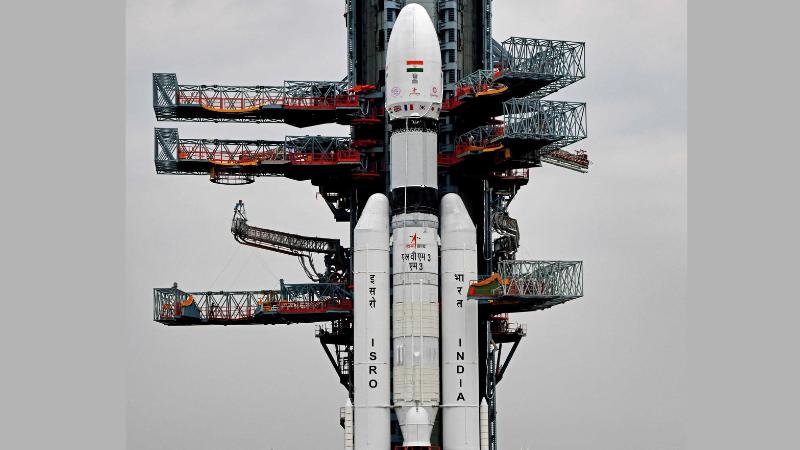
India’s space journey reached another landmark moment as Indian Space Research Organisation successfully launched the heaviest foreign satellite ever placed into orbit from Indian soil. The mission was carried out using the powerful LVM3 launch vehicle from the Satish Dhawan Space Centre in Sriharikota, reinforcing India’s growing reputation as a reliable and competitive space launch destination
Isro launches heaviest foreign satellite from Indian soil aboard Lvm3
India’s space journey reached another landmark moment as Indian Space Research Organisation successfully launched the heaviest foreign satellite ever placed into orbit from Indian soil. The mission was carried out using the powerful LVM3 launch vehicle from the Satish Dhawan Space Centre in Sriharikota, reinforcing India’s growing reputation as a reliable and competitive space launch destination
US court clears Elon Musk’s $56 billion Tesla pay package, boosting his net worth
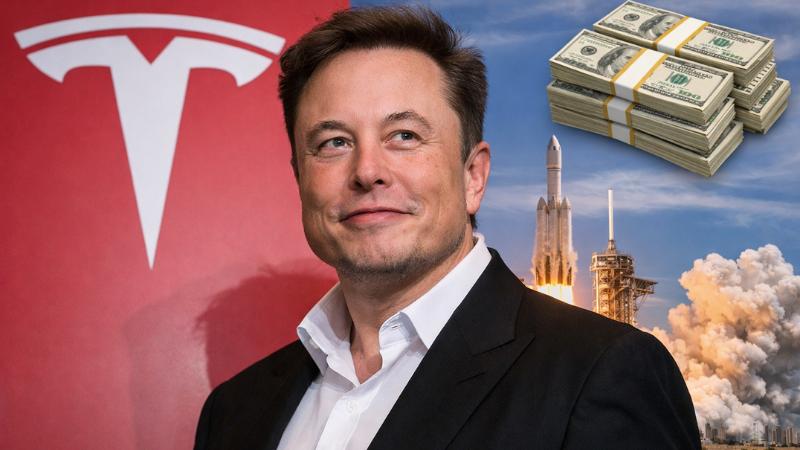
The world’s richest individual added significantly to his fortune after a major legal reversal in the United States. The Delaware Supreme Court on Friday cleared Elon Musk’s long-disputed $56 billion compensation package from Tesla, overturning a lower court ruling that had invalidated the 2018 pay plan. The decision marked a pivotal moment in a case that has drawn global attention to executive compensation, corporate governance, and shareholder rights at one of the world’s most valuabl
US court clears Elon Musk’s $56 billion Tesla pay package, boosting his net worth
The world’s richest individual added significantly to his fortune after a major legal reversal in the United States. The Delaware Supreme Court on Friday cleared Elon Musk’s long-disputed $56 billion compensation package from Tesla, overturning a lower court ruling that had invalidated the 2018 pay plan. The decision marked a pivotal moment in a case that has drawn global attention to executive compensation, corporate governance, and shareholder rights at one of the world’s most valuabl
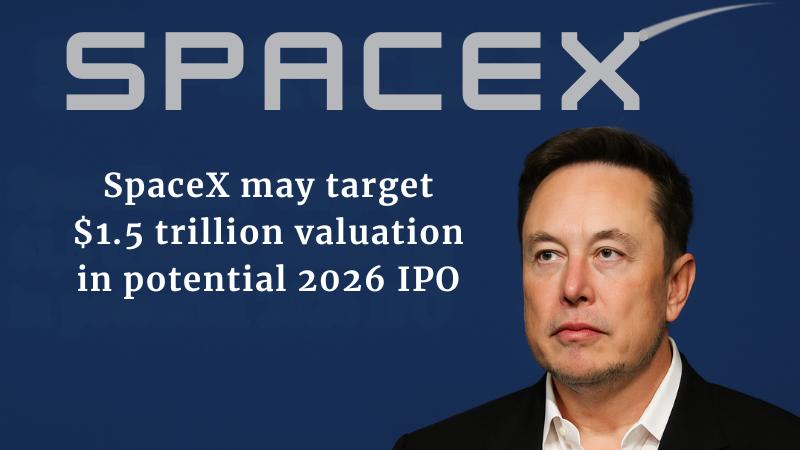
Spacex may target $1.5 trillion valuation in potential 2026 ipo
A recent report has indicated that SpaceX, the aerospace company led by Elon Musk, could be poised for one of the largest public listings in history, with a potential valuation approaching $1.5 trillion. The report, based on information attributed to individuals familiar with ongoing internal discussions, suggests that the company may consider launching an initial public offering in 2026, depending on overall market stability and strategic readiness. If pursued at the scale projected, the listing would position SpaceX among the highest-valued companies ever to enter public markets, reflecting widespread investor confidence in the growing commercial space sector and in the company’s expanding operational footprint. The report indicated that SpaceX is exploring the possibility of raising more than $30 billion through the offering, a figure notably higher than earlier expectations. Such a fundraising effort would place the company’s valuation close to levels only seen in a few landmark listings, including major energy and technology offerings of previous years. Sources cited in the report noted that the company may adjust the timeline, potentially moving the offering into 2027, should financial or regulatory conditions make a delay more favourable. The expected proceeds would support the expansion of space-based data centres, a growing area of interest for SpaceX as it works to increase global connectivity and strengthen the infrastructure supporting its satellite-driven services. Financial projections referenced in the report show that SpaceX may generate around $15 billion in revenue during 2025, with estimates rising to between $22 billion and $24 billion in 2026. Much of this anticipated growth is attributed to Starlink, the satellite-internet service that has rapidly expanded its global user base. The company is also conducting a secondary share sale that allows employees to sell stock at a price suggesting a valuation exceeding $800 billion, demonstrating continued private-market demand for SpaceX shares. Previous internal transactions have placed the company’s value near the $800 billion level, but the higher valuation discussed in the latest report reflects expectations tied specifically to an eventual public listing. Musk has commented in the past that some earlier valuation figures were inaccurate, although he acknowledged that employee share sales have occurred periodically. He has not yet addressed the newly reported projections regarding a possible IPO. Musk has often expressed caution about taking SpaceX public, emphasising that the company’s long-term ambitions, including advancing human exploration of Mars, require flexibility that may not always align with public-market demands. Despite this reluctance, the company has maintained strong cash flow, according to Musk’s earlier statements, and has been able to conduct internal share buybacks without seeking external funding. As of now, neither Musk nor SpaceX has confirmed any details related to the potential listing. The timeline, valuation and structure of the offering remain subject to change, and any future decision will likely depend on economic conditions, regulatory considerations and the company’s strategic priorities. Nonetheless, the prospect of a record-setting valuation continues to draw significant attention, underscoring SpaceX’s influence within the global space economy and the broader technology landscape.




Spacex may target $1.5 trillion valuation in potential 2026 ipo
A recent report has indicated that SpaceX, the aerospace company led by Elon Musk, could be poised for one of the largest public listings in history, with a potential valuation approaching $1.5 trillion. The report, based on information attributed to individuals familiar with ongoing internal discussions, suggests that the company may consider launching an initial public offering in 2026, depending on overall market stability and strategic readiness. If pursued at the scale projected, the listing would position SpaceX among the highest-valued companies ever to enter public markets, reflecting widespread investor confidence in the growing commercial space sector and in the company’s expanding operational footprint. The report indicated that SpaceX is exploring the possibility of raising more than $30 billion through the offering, a figure notably higher than earlier expectations. Such a fundraising effort would place the company’s valuation close to levels only seen in a few landmark listings, including major energy and technology offerings of previous years. Sources cited in the report noted that the company may adjust the timeline, potentially moving the offering into 2027, should financial or regulatory conditions make a delay more favourable. The expected proceeds would support the expansion of space-based data centres, a growing area of interest for SpaceX as it works to increase global connectivity and strengthen the infrastructure supporting its satellite-driven services. Financial projections referenced in the report show that SpaceX may generate around $15 billion in revenue during 2025, with estimates rising to between $22 billion and $24 billion in 2026. Much of this anticipated growth is attributed to Starlink, the satellite-internet service that has rapidly expanded its global user base. The company is also conducting a secondary share sale that allows employees to sell stock at a price suggesting a valuation exceeding $800 billion, demonstrating continued private-market demand for SpaceX shares. Previous internal transactions have placed the company’s value near the $800 billion level, but the higher valuation discussed in the latest report reflects expectations tied specifically to an eventual public listing. Musk has commented in the past that some earlier valuation figures were inaccurate, although he acknowledged that employee share sales have occurred periodically. He has not yet addressed the newly reported projections regarding a possible IPO. Musk has often expressed caution about taking SpaceX public, emphasising that the company’s long-term ambitions, including advancing human exploration of Mars, require flexibility that may not always align with public-market demands. Despite this reluctance, the company has maintained strong cash flow, according to Musk’s earlier statements, and has been able to conduct internal share buybacks without seeking external funding. As of now, neither Musk nor SpaceX has confirmed any details related to the potential listing. The timeline, valuation and structure of the offering remain subject to change, and any future decision will likely depend on economic conditions, regulatory considerations and the company’s strategic priorities. Nonetheless, the prospect of a record-setting valuation continues to draw significant attention, underscoring SpaceX’s influence within the global space economy and the broader technology landscape.
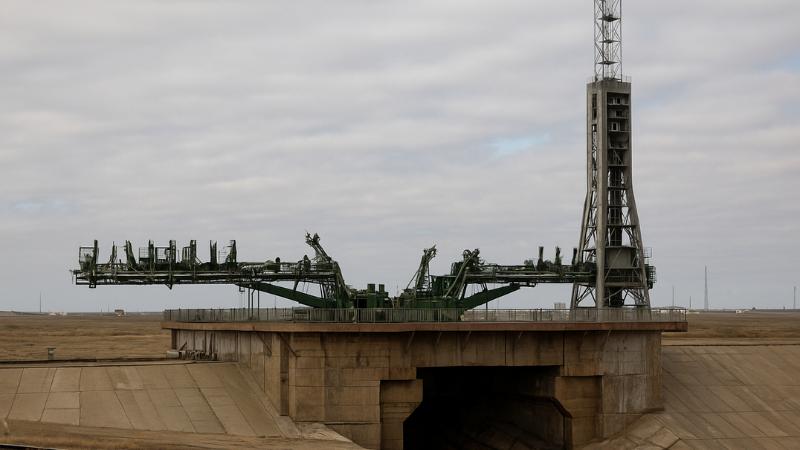
Russia halts crewed launches after major damage to Baikonur launch pad
Russia is confronting an unexpected challenge in its human spaceflight program after significant damage was discovered at the country’s primary crewed launch facility in Kazakhstan. The incident occurred moments after the successful liftoff of the Soyuz MS-28 spacecraft, which departed from the Baikonur Cosmodrome on November 27 carrying two Russian cosmonauts and a NASA astronaut to the International Space Station. Although the mission reached orbit without complications, the condition of
Russia halts crewed launches after major damage to Baikonur launch pad
Russia is confronting an unexpected challenge in its human spaceflight program after significant damage was discovered at the country’s primary crewed launch facility in Kazakhstan. The incident occurred moments after the successful liftoff of the Soyuz MS-28 spacecraft, which departed from the Baikonur Cosmodrome on November 27 carrying two Russian cosmonauts and a NASA astronaut to the International Space Station. Although the mission reached orbit without complications, the condition of
Elon Musk to appear on Nikhil Kamath’s upcoming podcast episode
Zerodha co-founder Nikhil Kamath has confirmed that entrepreneur Elon Musk will be featured in an upcoming episode of his increasingly prominent podcast, “WTF.” The announcement arrived through a monochrome teaser posted on social media, quickly drawing widespread attention and amplifying conversations across multiple platforms. The short clip offered audiences their first brief look at the two figures together, igniting immediate curiosity about what the full interview may contain.
Elon Musk to appear on Nikhil Kamath’s upcoming podcast episode
Zerodha co-founder Nikhil Kamath has confirmed that entrepreneur Elon Musk will be featured in an upcoming episode of his increasingly prominent podcast, “WTF.” The announcement arrived through a monochrome teaser posted on social media, quickly drawing widespread attention and amplifying conversations across multiple platforms. The short clip offered audiences their first brief look at the two figures together, igniting immediate curiosity about what the full interview may contain.
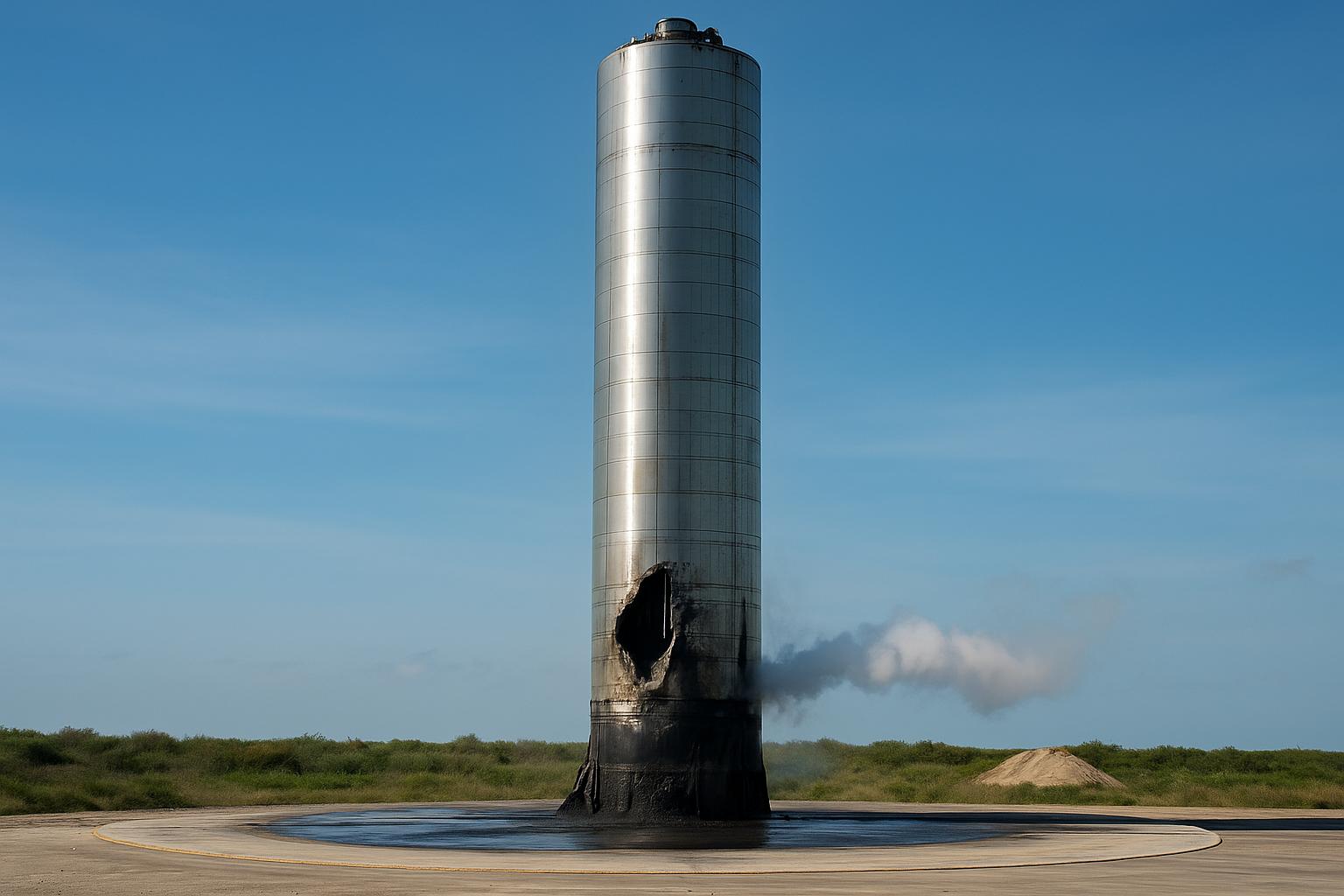
SpaceX Booster 18 suffers damage after test anomaly at South Texas site
A major phase in SpaceX’s Starship test program faced an unexpected setback on Friday when Booster 18, the company’s first next-generation Block 3 Super Heavy booster, sustained significant structural damage during a ground test in South Texas. The incident occurred at SpaceX’s Massey test facility near Starbase, where the vehicle was undergoing routine gas-system pressure checks ahead of more rigorous structural proofing. Shortly after 4 a.m. local time, livestream footage captured the
SpaceX Booster 18 suffers damage after test anomaly at South Texas site
A major phase in SpaceX’s Starship test program faced an unexpected setback on Friday when Booster 18, the company’s first next-generation Block 3 Super Heavy booster, sustained significant structural damage during a ground test in South Texas. The incident occurred at SpaceX’s Massey test facility near Starbase, where the vehicle was undergoing routine gas-system pressure checks ahead of more rigorous structural proofing. Shortly after 4 a.m. local time, livestream footage captured the
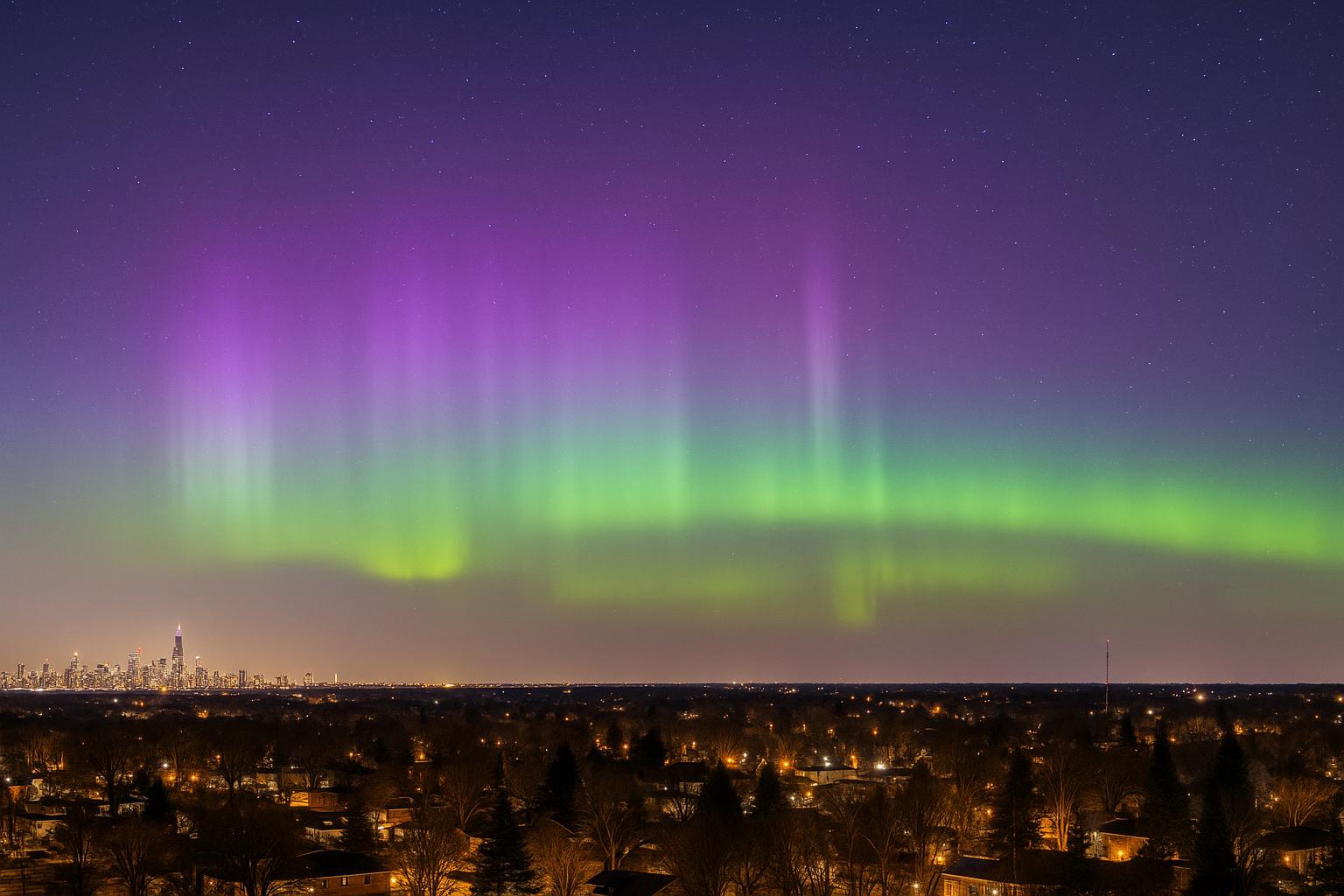
Northern Lights Dazzle Chicago Skies After Powerful Solar Flare
On Tuesday night, residents throughout the Chicago metropolitan area were treated to a rare celestial display as the multi-hued ribbons of the aurora borealis lit up the sky following a powerful solar flare. From the heart of the city to suburban neighbourhoods, witnesses described vivid shades of pink, purple, green and yellow drifting across the horizon, signalling the arrival of an energetic stream of solar particles. Meteorologists and space-weather experts attribute the spectac
Northern Lights Dazzle Chicago Skies After Powerful Solar Flare
On Tuesday night, residents throughout the Chicago metropolitan area were treated to a rare celestial display as the multi-hued ribbons of the aurora borealis lit up the sky following a powerful solar flare. From the heart of the city to suburban neighbourhoods, witnesses described vivid shades of pink, purple, green and yellow drifting across the horizon, signalling the arrival of an energetic stream of solar particles. Meteorologists and space-weather experts attribute the spectac
November 2025 supermoon dazzles sky as the biggest and brightest of the year
The night sky turned into a spectacular display on Wednesday as the November 2025 supermoon — also known as the Beaver Moon — rose in its full brilliance, becoming the largest and brightest full moon of the year. This remarkable celestial event, visible across much of the world, drew stargazers and sky enthusiasts to open fields, terraces, and observatories to witness its glowing beauty. The November supermoon is the second in a sequence of three supermoons occurring in 2025, an
November 2025 supermoon dazzles sky as the biggest and brightest of the year
The night sky turned into a spectacular display on Wednesday as the November 2025 supermoon — also known as the Beaver Moon — rose in its full brilliance, becoming the largest and brightest full moon of the year. This remarkable celestial event, visible across much of the world, drew stargazers and sky enthusiasts to open fields, terraces, and observatories to witness its glowing beauty. The November supermoon is the second in a sequence of three supermoons occurring in 2025, an
Hemvati Nandan Bahuguna University scientist selected for ISRO’s Shukrayaan-1 mission
In a remarkable achievement for Indian academia and space research, Assistant Professor Alok Sagar Gautam from the Department of Physics at Hemvati Nandan Bahuguna Garhwal University has been selected to join the Indian Space Research Organisation’s upcoming Venus Orbiter Mission, officially known as Shukrayaan-1. This marks a significant moment in India’s pursuit of interplanetary exploration, as the mission represents the nation’s first dedicated effort to study Venus, often referred
Hemvati Nandan Bahuguna University scientist selected for ISRO’s Shukrayaan-1 mission
In a remarkable achievement for Indian academia and space research, Assistant Professor Alok Sagar Gautam from the Department of Physics at Hemvati Nandan Bahuguna Garhwal University has been selected to join the Indian Space Research Organisation’s upcoming Venus Orbiter Mission, officially known as Shukrayaan-1. This marks a significant moment in India’s pursuit of interplanetary exploration, as the mission represents the nation’s first dedicated effort to study Venus, often referred
SpaceX sets 2025 launch record with over 2,500 Starlink satellites
SpaceX has achieved a record-breaking milestone in 2025, marking one of the most prolific years in the history of spaceflight. The company’s unparalleled launch cadence, coupled with rapid rocket turnaround times, has redefined modern rocketry. With more than two months remaining in the year, SpaceX has already surpassed its 2024 total of 138 missions, setting a new benchmark for global orbital launches and solidifying its position as the dominant force in the commercial space sector.
SpaceX sets 2025 launch record with over 2,500 Starlink satellites
SpaceX has achieved a record-breaking milestone in 2025, marking one of the most prolific years in the history of spaceflight. The company’s unparalleled launch cadence, coupled with rapid rocket turnaround times, has redefined modern rocketry. With more than two months remaining in the year, SpaceX has already surpassed its 2024 total of 138 missions, setting a new benchmark for global orbital launches and solidifying its position as the dominant force in the commercial space sector.