Dulcinea Panadería brings authentic Oaxacan flavors to San Jose
The rich, inviting aroma that greets customers at Dulcinea Panadería Oaxaqueña in downtown San Jose is often enough to draw them in before they even reach the display cases. Inside, visitors are met with an extensive selection of more than 100 varieties of cookies, pastries, breads, and cakes, most prepared fresh each day. The bustling bakery represents years of persistence and reinvention by owner Monse Barrita, whose journey into the food business has been anything but conventional.
Dulcinea Panadería brings authentic Oaxacan flavors to San Jose
The rich, inviting aroma that greets customers at Dulcinea Panadería Oaxaqueña in downtown San Jose is often enough to draw them in before they even reach the display cases. Inside, visitors are met with an extensive selection of more than 100 varieties of cookies, pastries, breads, and cakes, most prepared fresh each day. The bustling bakery represents years of persistence and reinvention by owner Monse Barrita, whose journey into the food business has been anything but conventional.
Amazon surpasses Walmart in annual revenue for the first time
Amazon has overtaken Walmart to become the world’s largest company by annual revenue, marking a historic shift in the long-running rivalry between the two retail giants. Walmart reported revenue of $713.2 billion for its most recent fiscal year, narrowly trailing Amazon’s $716.9 billion. The development had been anticipated for months after Amazon first exceeded Walmart in quarterly sales roughly a year ago, signaling a gradual but decisive change in the competitive landscape. W
Amazon surpasses Walmart in annual revenue for the first time
Amazon has overtaken Walmart to become the world’s largest company by annual revenue, marking a historic shift in the long-running rivalry between the two retail giants. Walmart reported revenue of $713.2 billion for its most recent fiscal year, narrowly trailing Amazon’s $716.9 billion. The development had been anticipated for months after Amazon first exceeded Walmart in quarterly sales roughly a year ago, signaling a gradual but decisive change in the competitive landscape. W
Gold And Silver Futures Trading Gets Cheaper As MCX, NSE Remove Extra Margins
Trading gold and silver futures on India’s major commodity exchanges has become more affordable after the Multi Commodity Exchange (MCX) and the National Stock Exchange (NSE) removed additional margin requirements that were imposed earlier due to market volatility. This move is expected to make futures trading more accessible, especially for retail traders and smaller investors, as it reduces the amount of upfront capital required to enter these contracts. The decision reflects stabilizing
Gold And Silver Futures Trading Gets Cheaper As MCX, NSE Remove Extra Margins
Trading gold and silver futures on India’s major commodity exchanges has become more affordable after the Multi Commodity Exchange (MCX) and the National Stock Exchange (NSE) removed additional margin requirements that were imposed earlier due to market volatility. This move is expected to make futures trading more accessible, especially for retail traders and smaller investors, as it reduces the amount of upfront capital required to enter these contracts. The decision reflects stabilizing
Gold Drops Rs 2500 Silver Falls Rs 6000 Bigger Cuts Ahead
Gold and silver prices saw a sharp correction on February 17, rattling investors after weeks of strong gains. Gold dropped by Rs 2,561 or 1.65% to Rs 1,52,199, while silver fell by Rs 6,241 or 2.6% to Rs 2,33,650 at the time of writing. The sudden decline comes amid reduced global trading activity and rising volatility in the bullion market. A major reason behind the decline is low participation from key global markets. Chinese markets remain closed from February 15 to February 23 f
Gold Drops Rs 2500 Silver Falls Rs 6000 Bigger Cuts Ahead
Gold and silver prices saw a sharp correction on February 17, rattling investors after weeks of strong gains. Gold dropped by Rs 2,561 or 1.65% to Rs 1,52,199, while silver fell by Rs 6,241 or 2.6% to Rs 2,33,650 at the time of writing. The sudden decline comes amid reduced global trading activity and rising volatility in the bullion market. A major reason behind the decline is low participation from key global markets. Chinese markets remain closed from February 15 to February 23 f
No Tax Refund Even After 90 Days? Here's the Reason Behind the Delay
Many taxpayers are facing a frustrating wait for their tax refunds as nearly 24 lakh income tax returns (ITRs) for the Assessment Year 2025–26 have been pending for more than 90 days. According to the Minister of State for Finance, Pankaj Chaudhary, as of February 4, 2026, out of 8.79 crore ITRs filed, approximately 24.64 lakh were yet to be processed, leaving millions of individuals waiting for their refunds. The large backlog has triggered concerns, especially for senior citizen
No Tax Refund Even After 90 Days? Here's the Reason Behind the Delay
Many taxpayers are facing a frustrating wait for their tax refunds as nearly 24 lakh income tax returns (ITRs) for the Assessment Year 2025–26 have been pending for more than 90 days. According to the Minister of State for Finance, Pankaj Chaudhary, as of February 4, 2026, out of 8.79 crore ITRs filed, approximately 24.64 lakh were yet to be processed, leaving millions of individuals waiting for their refunds. The large backlog has triggered concerns, especially for senior citizen
India–US trade pact to cut tariffs on food, wine, tech and vehicles
A broad range of American goods, including wines, spirits, dry fruits, technology products and select industrial items, are set to enter the Indian market at zero or reduced import duties under the first phase of a new trade pact between India and the United States. The move is expected to lower retail prices for consumers, expand market access for businesses and strengthen bilateral trade ties between the two economies. Officials from both countries confirmed that they have finalised the framework for the initial phase of a bilateral trade agreement aimed at cutting tariffs and easing barriers that have historically slowed cross-border commerce. The framework will now be converted into a legally binding agreement, with signing expected by mid-March. Duty concessions are likely to come into effect immediately upon implementation, while some reductions will be introduced in stages. Under the arrangement, India will eliminate or reduce tariffs on several categories of US industrial and agricultural goods. These include dried distillers’ grains, red sorghum used for animal feed, soybean oil, fresh and processed fruits, and a variety of tree nuts. Almonds, walnuts, pistachios and certain lentils are among the products that will benefit from lower import duties. Alcoholic beverages such as wine and spirits are also expected to become more competitively priced in the Indian market as tariffs decline. The concessions extend beyond food and farm products. High-end cars and motorcycles, along with aircraft, semiconductor components and specialised machinery, will receive duty benefits. Medical and healthcare products, including select medicines for neurological, cardiac and diabetes treatment, as well as medical devices, diagnostic reagents, pacemakers, imaging equipment, hearing aids and artificial joints, are also covered under the pact. Both sides have agreed to address non-tariff barriers that affect trade flows. India has committed to easing restrictions that have delayed market access for US medical devices and to simplifying import licensing procedures for information and communication technology goods. These products are considered essential for India’s expanding data centres and industrial infrastructure. At the same time, New Delhi said it will adopt a calibrated approach to protect domestic producers, including small and medium enterprises and farmers. Minimum import prices on certain products, such as apples, have been fixed to safeguard local interests. In return, a wide basket of Indian exports will gain duty-free or preferential access to the US market. Spices, tea, coffee, coconut-based products, cashews, fruits such as mangoes, bananas, guavas and pineapples, along with bakery goods, cocoa products, seeds, vegetable planting material and processed foods, are among the items set to attract zero reciprocal tariffs. Officials said the measures could provide a significant boost to India’s agriculture and food processing sectors. Trade experts view the agreement as a step toward deeper economic integration between the two countries, with the potential to diversify supply chains and stimulate two-way investment. By reducing tariff and non-tariff barriers, the pact is expected to increase trade volumes, enhance competitiveness and create new opportunities for exporters and consumers on both sides.
India–US trade pact to cut tariffs on food, wine, tech and vehicles
A broad range of American goods, including wines, spirits, dry fruits, technology products and select industrial items, are set to enter the Indian market at zero or reduced import duties under the first phase of a new trade pact between India and the United States. The move is expected to lower retail prices for consumers, expand market access for businesses and strengthen bilateral trade ties between the two economies. Officials from both countries confirmed that they have finalised the framework for the initial phase of a bilateral trade agreement aimed at cutting tariffs and easing barriers that have historically slowed cross-border commerce. The framework will now be converted into a legally binding agreement, with signing expected by mid-March. Duty concessions are likely to come into effect immediately upon implementation, while some reductions will be introduced in stages. Under the arrangement, India will eliminate or reduce tariffs on several categories of US industrial and agricultural goods. These include dried distillers’ grains, red sorghum used for animal feed, soybean oil, fresh and processed fruits, and a variety of tree nuts. Almonds, walnuts, pistachios and certain lentils are among the products that will benefit from lower import duties. Alcoholic beverages such as wine and spirits are also expected to become more competitively priced in the Indian market as tariffs decline. The concessions extend beyond food and farm products. High-end cars and motorcycles, along with aircraft, semiconductor components and specialised machinery, will receive duty benefits. Medical and healthcare products, including select medicines for neurological, cardiac and diabetes treatment, as well as medical devices, diagnostic reagents, pacemakers, imaging equipment, hearing aids and artificial joints, are also covered under the pact. Both sides have agreed to address non-tariff barriers that affect trade flows. India has committed to easing restrictions that have delayed market access for US medical devices and to simplifying import licensing procedures for information and communication technology goods. These products are considered essential for India’s expanding data centres and industrial infrastructure. At the same time, New Delhi said it will adopt a calibrated approach to protect domestic producers, including small and medium enterprises and farmers. Minimum import prices on certain products, such as apples, have been fixed to safeguard local interests. In return, a wide basket of Indian exports will gain duty-free or preferential access to the US market. Spices, tea, coffee, coconut-based products, cashews, fruits such as mangoes, bananas, guavas and pineapples, along with bakery goods, cocoa products, seeds, vegetable planting material and processed foods, are among the items set to attract zero reciprocal tariffs. Officials said the measures could provide a significant boost to India’s agriculture and food processing sectors. Trade experts view the agreement as a step toward deeper economic integration between the two countries, with the potential to diversify supply chains and stimulate two-way investment. By reducing tariff and non-tariff barriers, the pact is expected to increase trade volumes, enhance competitiveness and create new opportunities for exporters and consumers on both sides.
Super Bowl absenteeism set to hit new high with millions planning time off
A record number of employees across the United States are expected to miss work on the morning following the Super Bowl, according to a new survey that highlights growing concerns about workplace attendance and productivity after one of the country’s most-watched sporting events. The annual absenteeism survey conducted by workforce management company UKG estimates that approximately 26.2 million workers plan to be absent the day after the game, marking one of the highest projected totals since the study began tracking post-event workplace trends. The findings suggest that many employees are planning their time away in advance rather than calling off unexpectedly. Most respondents indicated they intend to use paid time off or swap shifts with colleagues to accommodate late-night celebrations tied to the Super Bowl. These planned absences reflect a broader effort by workers to manage personal schedules responsibly while still participating in the festivities surrounding the NFL championship. However, the survey also found that not all absences will be scheduled. Roughly five million people reported they may call in sick or simply not report to work without prior notice. Such last-minute absenteeism can present operational challenges for businesses, particularly in industries that rely on hourly employees or strict staffing levels, including retail, hospitality, healthcare, and manufacturing. Employers in these sectors often experience increased strain when shifts must be covered unexpectedly. Human resources professionals note that the Super Bowl has increasingly become an unofficial national event, with celebrations often extending late into the night. As a result, attendance patterns the following Monday have become a predictable concern. Companies have responded in various ways, including offering flexible scheduling, remote work options, or encouraging employees to request PTO ahead of time to minimize disruptions. These strategies aim to maintain productivity while recognizing the cultural significance of the event. The projected absenteeism figures also underscore broader workplace trends related to employee engagement and work-life balance. Experts say that when organizations provide clear policies and flexible options, employees are more likely to communicate their needs and plan time off responsibly, reducing the impact of unscheduled absences. As millions tune in to watch the Super Bowl each year, businesses may need to continue adapting their staffing and attendance practices to accommodate the reality that the day after the game has become one of the most challenging for workplace attendance nationwide.
Super Bowl absenteeism set to hit new high with millions planning time off
A record number of employees across the United States are expected to miss work on the morning following the Super Bowl, according to a new survey that highlights growing concerns about workplace attendance and productivity after one of the country’s most-watched sporting events. The annual absenteeism survey conducted by workforce management company UKG estimates that approximately 26.2 million workers plan to be absent the day after the game, marking one of the highest projected totals since the study began tracking post-event workplace trends. The findings suggest that many employees are planning their time away in advance rather than calling off unexpectedly. Most respondents indicated they intend to use paid time off or swap shifts with colleagues to accommodate late-night celebrations tied to the Super Bowl. These planned absences reflect a broader effort by workers to manage personal schedules responsibly while still participating in the festivities surrounding the NFL championship. However, the survey also found that not all absences will be scheduled. Roughly five million people reported they may call in sick or simply not report to work without prior notice. Such last-minute absenteeism can present operational challenges for businesses, particularly in industries that rely on hourly employees or strict staffing levels, including retail, hospitality, healthcare, and manufacturing. Employers in these sectors often experience increased strain when shifts must be covered unexpectedly. Human resources professionals note that the Super Bowl has increasingly become an unofficial national event, with celebrations often extending late into the night. As a result, attendance patterns the following Monday have become a predictable concern. Companies have responded in various ways, including offering flexible scheduling, remote work options, or encouraging employees to request PTO ahead of time to minimize disruptions. These strategies aim to maintain productivity while recognizing the cultural significance of the event. The projected absenteeism figures also underscore broader workplace trends related to employee engagement and work-life balance. Experts say that when organizations provide clear policies and flexible options, employees are more likely to communicate their needs and plan time off responsibly, reducing the impact of unscheduled absences. As millions tune in to watch the Super Bowl each year, businesses may need to continue adapting their staffing and attendance practices to accommodate the reality that the day after the game has become one of the most challenging for workplace attendance nationwide.
Bitcoin Drops to 16-Month Low: Is a Fall Below $60,000 Imminent?
Bitcoin, the world’s largest cryptocurrency, faced a dramatic price drop on February 6, 2026, hitting an intraday low of $60,008.52 during volatile trading. This marks the lowest point for Bitcoin since October 2024. The decline occurred amid a broader selloff across global markets, especially in technology stocks, metals, and other riskier assets, raising concerns about whether Bitcoin could fall below the $60,000 mark in the coming days. After touching this 16-month low, Bitcoin
Bitcoin Drops to 16-Month Low: Is a Fall Below $60,000 Imminent?
Bitcoin, the world’s largest cryptocurrency, faced a dramatic price drop on February 6, 2026, hitting an intraday low of $60,008.52 during volatile trading. This marks the lowest point for Bitcoin since October 2024. The decline occurred amid a broader selloff across global markets, especially in technology stocks, metals, and other riskier assets, raising concerns about whether Bitcoin could fall below the $60,000 mark in the coming days. After touching this 16-month low, Bitcoin
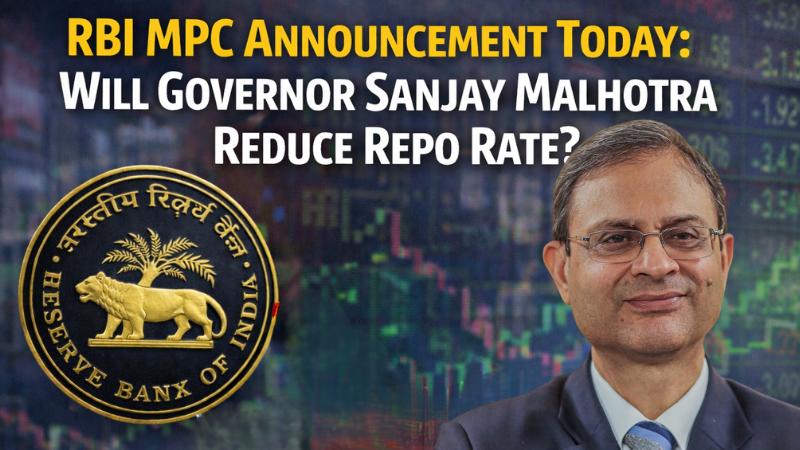
RBI MPC Announcement Today: Will Governor Sanjay Malhotra Reduce Repo Rate?
The Reserve Bank of India (RBI) will announce its latest monetary policy decision today, February 6, 2026, with markets largely expecting the central bank to keep the repo rate unchanged. This announcement follows a series of rate cuts, with the last one made in December 2025, reducing the repo rate from 5.50% to 5.25%. Experts predict that the RBI will maintain a pause in rate cuts as it assesses the impacts of the previous changes on inflation and growth. RBI Governor Sanjay Malho
RBI MPC Announcement Today: Will Governor Sanjay Malhotra Reduce Repo Rate?
The Reserve Bank of India (RBI) will announce its latest monetary policy decision today, February 6, 2026, with markets largely expecting the central bank to keep the repo rate unchanged. This announcement follows a series of rate cuts, with the last one made in December 2025, reducing the repo rate from 5.50% to 5.25%. Experts predict that the RBI will maintain a pause in rate cuts as it assesses the impacts of the previous changes on inflation and growth. RBI Governor Sanjay Malho
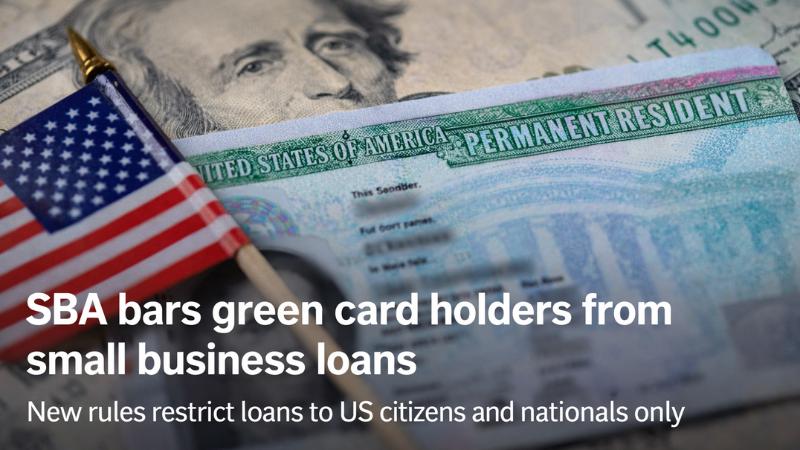
Green card holders barred from SBA small business loans under new US rules
Green card holders will no longer be eligible for government-backed small business loans in the United States beginning March 1, 2026, following a policy change by the US Small Business Administration that tightens citizenship and residency requirements for borrowers. The revised rules limit access to key SBA lending programs exclusively to US citizens and nationals who maintain their principal residence within the country or its territories, effectively barring lawful permanent residents from participation. According to an official policy notice issued in early February, the agency updated its Standard Operating Procedure 50 10 8, the framework that governs lender and development company loan programs. The revision rescinds earlier procedural guidance that permitted limited ownership by foreign nationals or certain residents living outside the United States. Under the new language, every direct and indirect owner of a small business applicant must meet the citizenship criteria. The SBA said the updated rules require 100 percent of ownership interests in any applicant or borrowing entity to be held by eligible US citizens or nationals. As a result, even minority ownership by a legal permanent resident will disqualify a company from receiving SBA-backed financing. The policy applies broadly to applicants, operating companies, and entities tied to the loan structure, leaving little flexibility for mixed-ownership businesses. The change is expected to affect a wide range of small and early-stage firms that rely on SBA loans for working capital, equipment purchases, and expansion. Many startups and family-owned enterprises depend on these lending programs because they offer lower interest rates and government guarantees that make financing more accessible. With the new restrictions in place, businesses that include green card holders among their owners may need to reconsider ownership arrangements or seek alternative sources of credit from private lenders. Agency officials indicated that the revisions align loan eligibility standards with existing federal regulations and a recent executive directive emphasizing stricter residency compliance. The policy will take effect for all new applications submitted on or after the effective date. Existing and prospective borrowers are being advised to review their ownership structures carefully to ensure continued eligibility under the updated requirements. The move marks a significant shift in how federal small business lending programs define qualification, narrowing access to public funds and reshaping the financing landscape for immigrant entrepreneurs. As the implementation date approaches, legal and financial advisers expect increased demand for guidance from affected business owners who must evaluate their options within the new framework.
Green card holders barred from SBA small business loans under new US rules
Green card holders will no longer be eligible for government-backed small business loans in the United States beginning March 1, 2026, following a policy change by the US Small Business Administration that tightens citizenship and residency requirements for borrowers. The revised rules limit access to key SBA lending programs exclusively to US citizens and nationals who maintain their principal residence within the country or its territories, effectively barring lawful permanent residents from participation. According to an official policy notice issued in early February, the agency updated its Standard Operating Procedure 50 10 8, the framework that governs lender and development company loan programs. The revision rescinds earlier procedural guidance that permitted limited ownership by foreign nationals or certain residents living outside the United States. Under the new language, every direct and indirect owner of a small business applicant must meet the citizenship criteria. The SBA said the updated rules require 100 percent of ownership interests in any applicant or borrowing entity to be held by eligible US citizens or nationals. As a result, even minority ownership by a legal permanent resident will disqualify a company from receiving SBA-backed financing. The policy applies broadly to applicants, operating companies, and entities tied to the loan structure, leaving little flexibility for mixed-ownership businesses. The change is expected to affect a wide range of small and early-stage firms that rely on SBA loans for working capital, equipment purchases, and expansion. Many startups and family-owned enterprises depend on these lending programs because they offer lower interest rates and government guarantees that make financing more accessible. With the new restrictions in place, businesses that include green card holders among their owners may need to reconsider ownership arrangements or seek alternative sources of credit from private lenders. Agency officials indicated that the revisions align loan eligibility standards with existing federal regulations and a recent executive directive emphasizing stricter residency compliance. The policy will take effect for all new applications submitted on or after the effective date. Existing and prospective borrowers are being advised to review their ownership structures carefully to ensure continued eligibility under the updated requirements. The move marks a significant shift in how federal small business lending programs define qualification, narrowing access to public funds and reshaping the financing landscape for immigrant entrepreneurs. As the implementation date approaches, legal and financial advisers expect increased demand for guidance from affected business owners who must evaluate their options within the new framework.
Budget 2026: Jewellery industry seeks GST cut, duty relief and simpler tax rules
As the Union Budget 2026 draws closer, India’s gems and jewellery industry has stepped up its demands for policy reforms aimed at reviving demand, supporting employment and improving transparency. Industry leaders believe the upcoming Budget can play a decisive role in restoring consumer confidence at a time when global trade uncertainty and high prices have made buyers cautious. With jewellery being both a cultural and economic mainstay, the sector is urging the government to adopt growth-
Budget 2026: Jewellery industry seeks GST cut, duty relief and simpler tax rules
As the Union Budget 2026 draws closer, India’s gems and jewellery industry has stepped up its demands for policy reforms aimed at reviving demand, supporting employment and improving transparency. Industry leaders believe the upcoming Budget can play a decisive role in restoring consumer confidence at a time when global trade uncertainty and high prices have made buyers cautious. With jewellery being both a cultural and economic mainstay, the sector is urging the government to adopt growth-
Silver crosses Rs 4 lakh per kg as global shortage fears and weak rupee fuel rally
Silver prices in India have surged to a historic high, crossing the Rs 4 lakh per kilogram mark in futures trading and pushing up spot prices across major cities. The sudden spike has caught many buyers by surprise, especially as silver was trading at much lower levels just weeks ago. The rally has been sharp and swift, making silver one of the strongest-performing commodities in recent times and raising questions among consumers and investors about whether prices will continue to rise or cor
Silver crosses Rs 4 lakh per kg as global shortage fears and weak rupee fuel rally
Silver prices in India have surged to a historic high, crossing the Rs 4 lakh per kilogram mark in futures trading and pushing up spot prices across major cities. The sudden spike has caught many buyers by surprise, especially as silver was trading at much lower levels just weeks ago. The rally has been sharp and swift, making silver one of the strongest-performing commodities in recent times and raising questions among consumers and investors about whether prices will continue to rise or cor
Indian rupee hits record low of 91.99 vs dollar as tariffs and US yields weigh
The Indian rupee weakened to a fresh all-time low of 91.99 against the US dollar on January 29, extending its recent slide amid persistent pressure from global and domestic factors. The currency has now fallen 2 percent so far this year and nearly 5 percent since the United States imposed higher tariffs on Indian merchandise exports. The sharp decline reflects continued weakness in foreign capital inflows and a surge in corporate demand for dollar hedging, which have outweighed the positive i
Indian rupee hits record low of 91.99 vs dollar as tariffs and US yields weigh
The Indian rupee weakened to a fresh all-time low of 91.99 against the US dollar on January 29, extending its recent slide amid persistent pressure from global and domestic factors. The currency has now fallen 2 percent so far this year and nearly 5 percent since the United States imposed higher tariffs on Indian merchandise exports. The sharp decline reflects continued weakness in foreign capital inflows and a surge in corporate demand for dollar hedging, which have outweighed the positive i
Keurig recalls over 80,000 decaf coffee pods that may contain caffeine
Keurig has issued a voluntary recall of more than 80,000 decaf coffee pods after discovering that the products may contain caffeine. The recall applies specifically to K-Cup pods labeled as McCafe Premium Roast Decaf Coffee, with a best-by date of November 17, 2026, and a UPC code of 043000073438. Consumers who purchased these pods are advised to check their inventory, as the product may not meet its labeled decaf specifications. The recall was initially announced on December 6, 2025,
Keurig recalls over 80,000 decaf coffee pods that may contain caffeine
Keurig has issued a voluntary recall of more than 80,000 decaf coffee pods after discovering that the products may contain caffeine. The recall applies specifically to K-Cup pods labeled as McCafe Premium Roast Decaf Coffee, with a best-by date of November 17, 2026, and a UPC code of 043000073438. Consumers who purchased these pods are advised to check their inventory, as the product may not meet its labeled decaf specifications. The recall was initially announced on December 6, 2025,
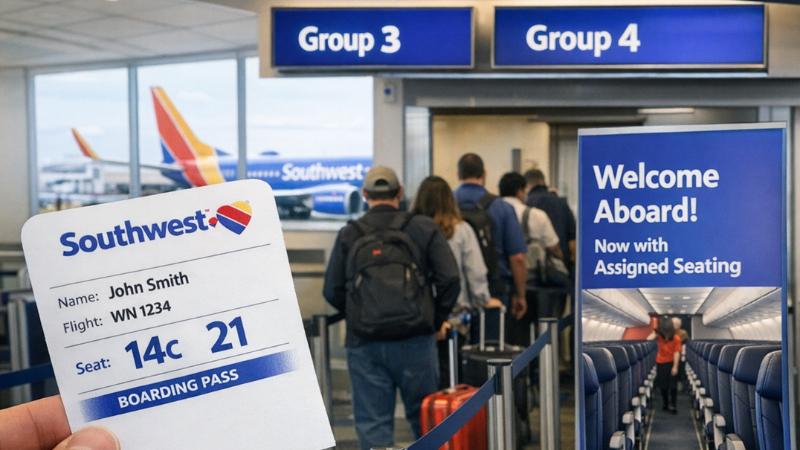
Southwest Airlines ends open seating as assigned seats begin across its network
Southwest Airlines passengers completed their final boarding-day routines under the carrier’s open seating model on Monday, closing a chapter on a system that defined the airline for more than five decades. Beginning Tuesday, Southwest officially transitioned to assigned seating, a move that places the Dallas-based airline closer to industry norms followed by most major U.S. carriers. Under the new approach, customers flying Southwest will receive designated seat assignments and m

Southwest Airlines ends open seating as assigned seats begin across its network
Southwest Airlines passengers completed their final boarding-day routines under the carrier’s open seating model on Monday, closing a chapter on a system that defined the airline for more than five decades. Beginning Tuesday, Southwest officially transitioned to assigned seating, a move that places the Dallas-based airline closer to industry norms followed by most major U.S. carriers. Under the new approach, customers flying Southwest will receive designated seat assignments and m


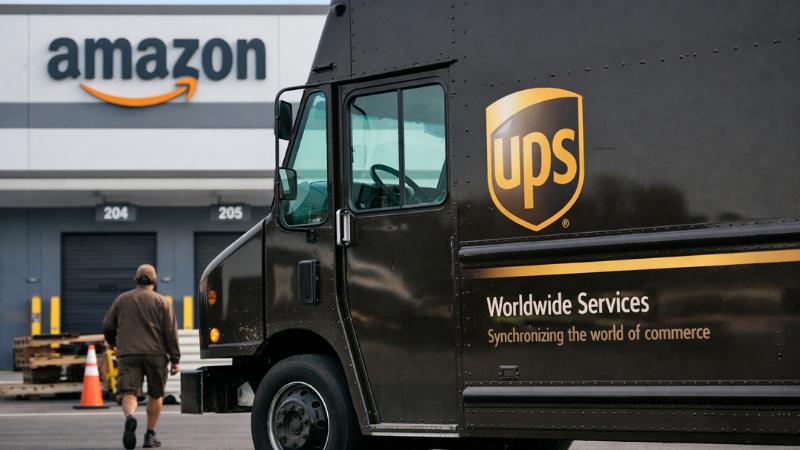
UPS plans 30,000 job cuts in 2026 as Amazon partnership winds down
United Parcel Service announced Tuesday that it plans to eliminate approximately 30,000 positions during the current year as the company continues to wind down its longstanding business relationship with Amazon and executes a broader, multi-year turnaround strategy. The workforce reduction is expected to be driven primarily by lower shipping volumes connected to the gradual exit from Amazon-related operations. Speaking during a conference call with analysts following the release of

UPS plans 30,000 job cuts in 2026 as Amazon partnership winds down
United Parcel Service announced Tuesday that it plans to eliminate approximately 30,000 positions during the current year as the company continues to wind down its longstanding business relationship with Amazon and executes a broader, multi-year turnaround strategy. The workforce reduction is expected to be driven primarily by lower shipping volumes connected to the gradual exit from Amazon-related operations. Speaking during a conference call with analysts following the release of
Newark chef redefines street dining with inventive food truck cuisine
A Newark-based chef is challenging traditional perceptions of food trucks by delivering a refined, restaurant-style experience from a mobile kitchen, blending culinary creativity with accessibility. Nyreek Aliuthmar, professionally known as Chef Hub, operates Hitting Ur Belly, a food truck that has become known for inventive combinations and a rotating menu that keeps customers returning for new flavors. Unlike conventional food trucks that rely on a fixed set of popular items, Hitt
Newark chef redefines street dining with inventive food truck cuisine
A Newark-based chef is challenging traditional perceptions of food trucks by delivering a refined, restaurant-style experience from a mobile kitchen, blending culinary creativity with accessibility. Nyreek Aliuthmar, professionally known as Chef Hub, operates Hitting Ur Belly, a food truck that has become known for inventive combinations and a rotating menu that keeps customers returning for new flavors. Unlike conventional food trucks that rely on a fixed set of popular items, Hitt
Dallas weather disrupts flights as winter storm grounds over 1,000 at dfw
Dallas-Fort Worth International Airport is leading the United States in flight disruptions as North Texas prepares for a powerful winter storm bringing snow, ice and dangerously cold temperatures. Airlines operating in the region have proactively reduced flight schedules as a Winter Storm Warning and an Extreme Cold Warning remain in effect. The developing weather system is expected to significantly impact air travel through the weekend, prompting widespread cancellations across the region’s t
Dallas weather disrupts flights as winter storm grounds over 1,000 at dfw
Dallas-Fort Worth International Airport is leading the United States in flight disruptions as North Texas prepares for a powerful winter storm bringing snow, ice and dangerously cold temperatures. Airlines operating in the region have proactively reduced flight schedules as a Winter Storm Warning and an Extreme Cold Warning remain in effect. The developing weather system is expected to significantly impact air travel through the weekend, prompting widespread cancellations across the region’s t
Tesla CEO Musk Predicts Widespread Robotaxis Across U.S. by End of 2026
Tesla CEO Elon Musk announced that the company’s robotaxi service will be “widespread” across the United States by the end of 2026, signaling a major milestone in autonomous vehicle technology. Musk stated that Tesla has begun rolling out its driverless ride-sharing network after launching the first robotaxi service in Austin in 2025. Initially, vehicles operated with human safety supervisors on board, following years of postponed promises regarding fully autonomous cars. The company later
Tesla CEO Musk Predicts Widespread Robotaxis Across U.S. by End of 2026
Tesla CEO Elon Musk announced that the company’s robotaxi service will be “widespread” across the United States by the end of 2026, signaling a major milestone in autonomous vehicle technology. Musk stated that Tesla has begun rolling out its driverless ride-sharing network after launching the first robotaxi service in Austin in 2025. Initially, vehicles operated with human safety supervisors on board, following years of postponed promises regarding fully autonomous cars. The company later
Ohio’s first Buc-ee’s grand opening set for April 6 in Huber Heights
Ohio is set to welcome its first Buc-ee’s, with officials announcing the grand opening date and schedule for the highly anticipated store. Located at 8000 State Route 235 in Huber Heights, the new Buc-ee’s will officially open to the public at 6 a.m. on Monday, April 6. The announcement has generated excitement among residents and travelers eager to experience the popular convenience store and gas station chain for the first time in the state. Ahead of the public opening, a specia
Ohio’s first Buc-ee’s grand opening set for April 6 in Huber Heights
Ohio is set to welcome its first Buc-ee’s, with officials announcing the grand opening date and schedule for the highly anticipated store. Located at 8000 State Route 235 in Huber Heights, the new Buc-ee’s will officially open to the public at 6 a.m. on Monday, April 6. The announcement has generated excitement among residents and travelers eager to experience the popular convenience store and gas station chain for the first time in the state. Ahead of the public opening, a specia