Iran Rejects UAE Drone Strike Accusations, Points to US Adventurism
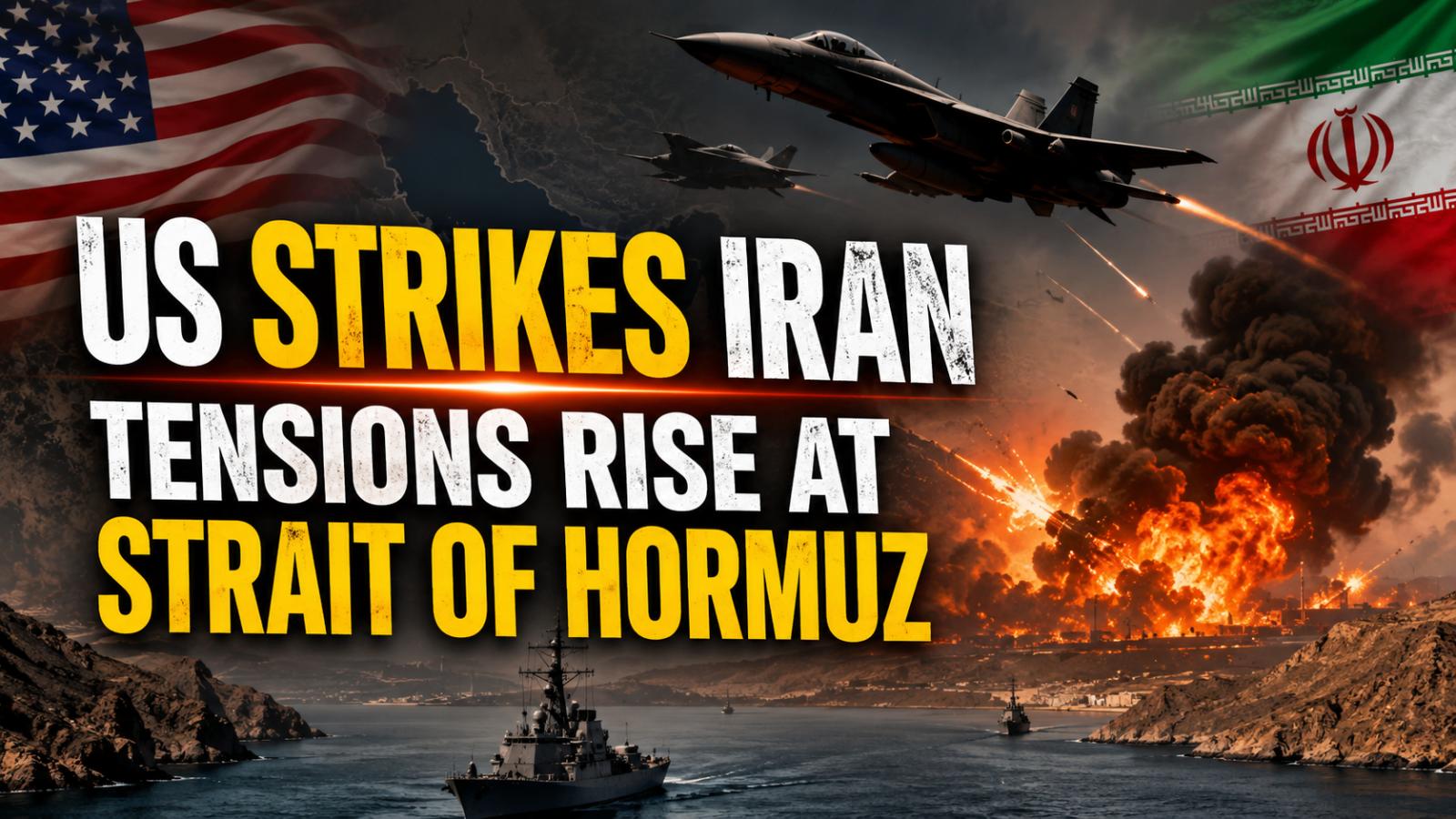
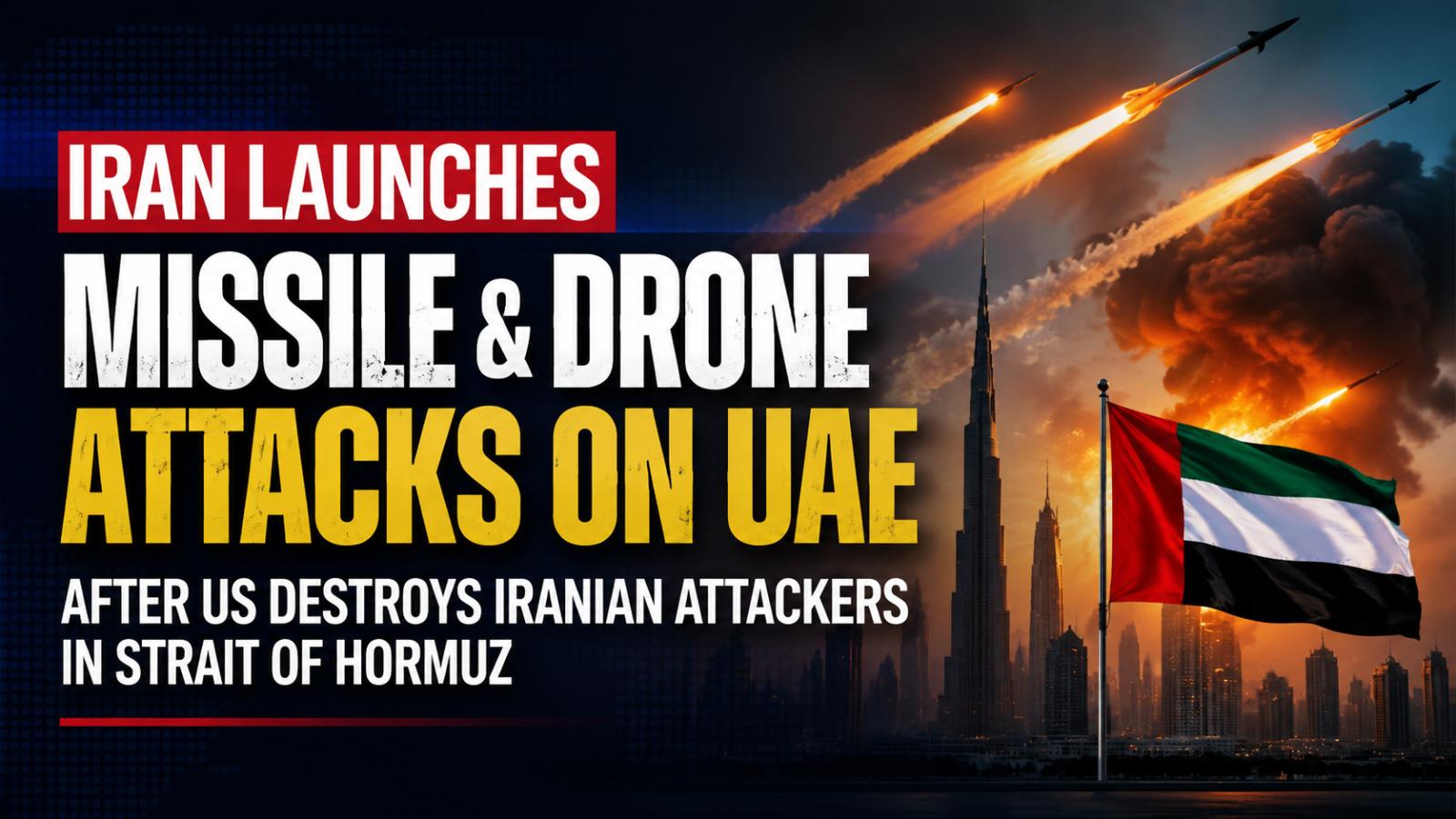
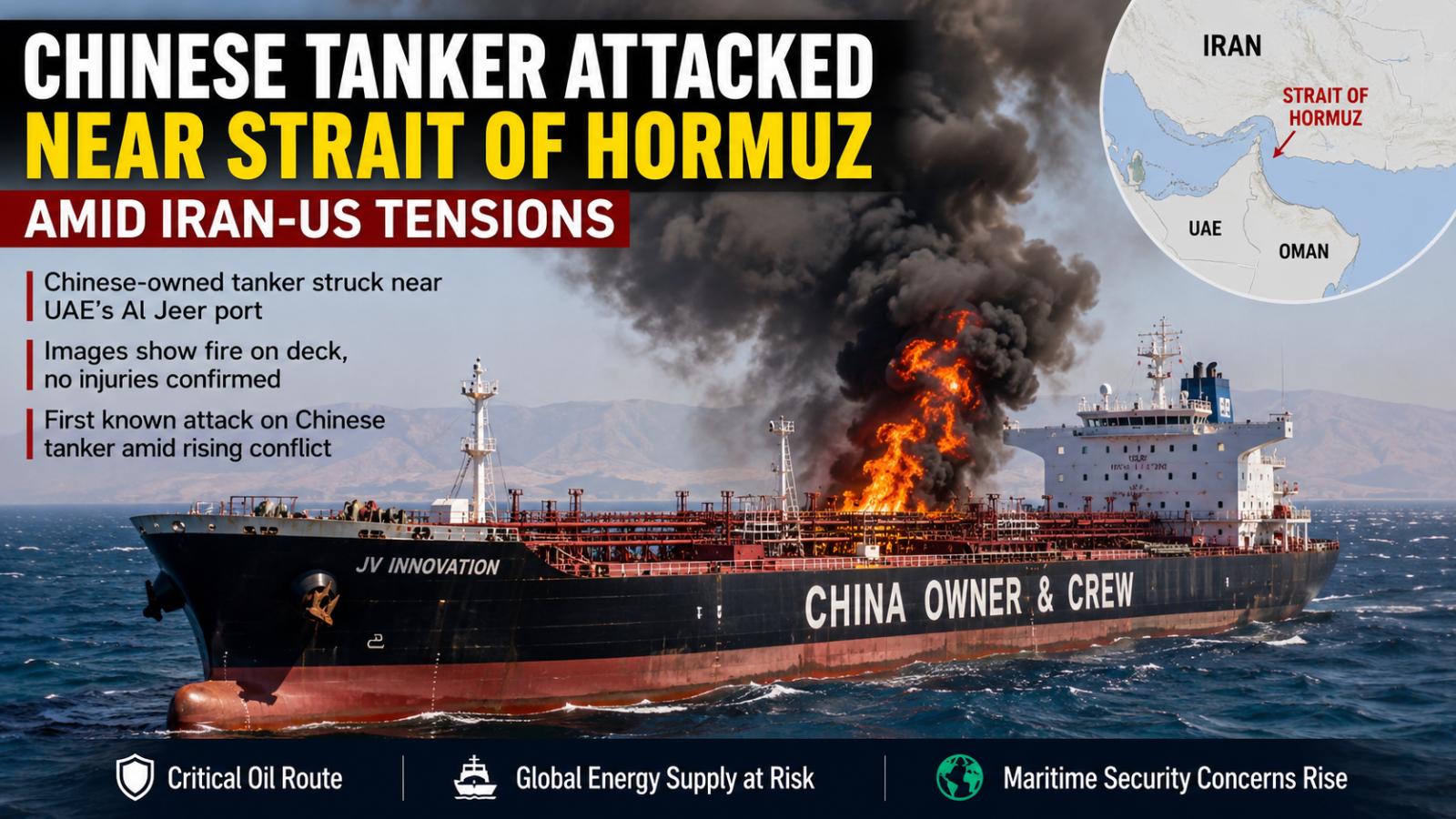
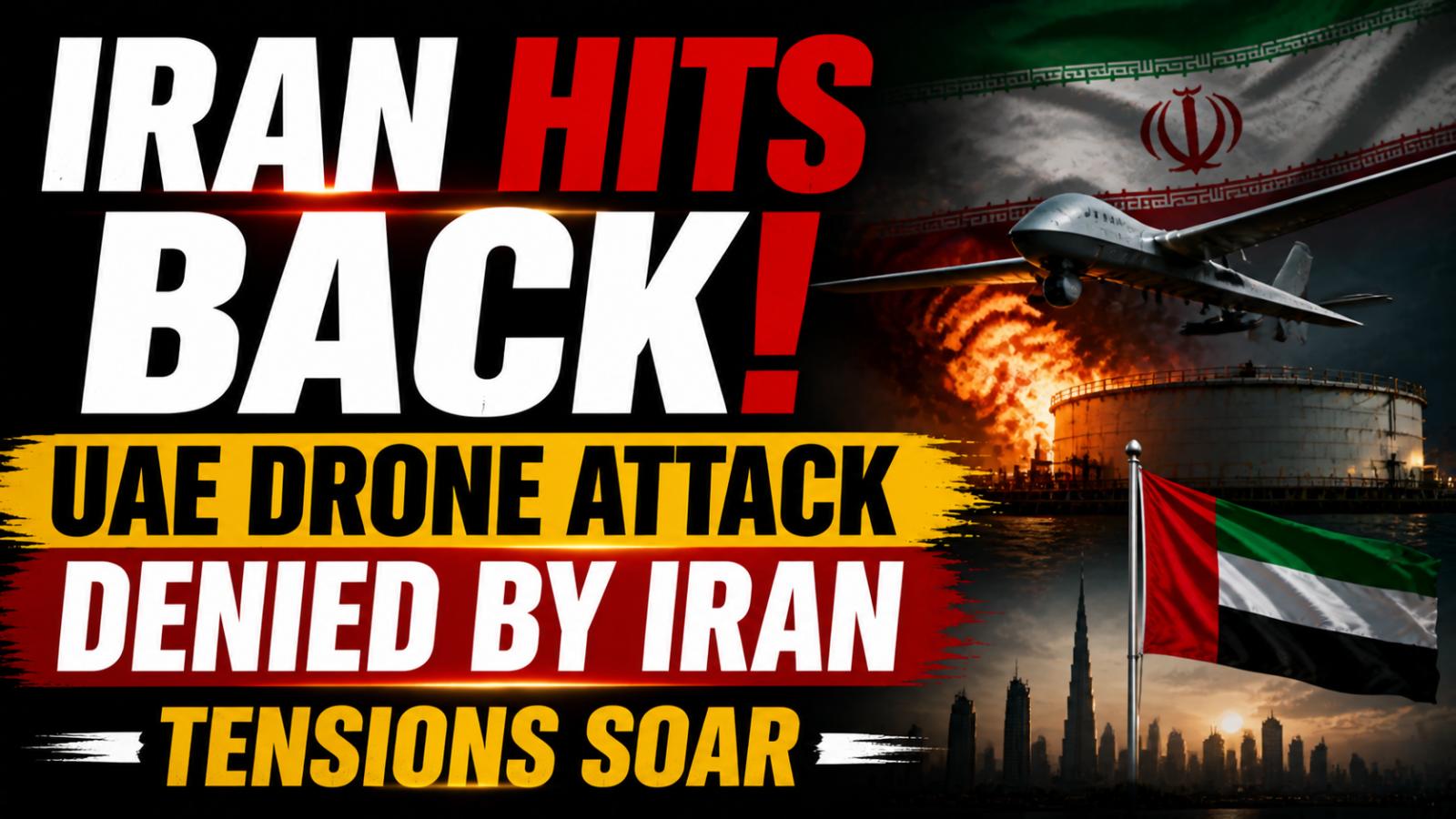
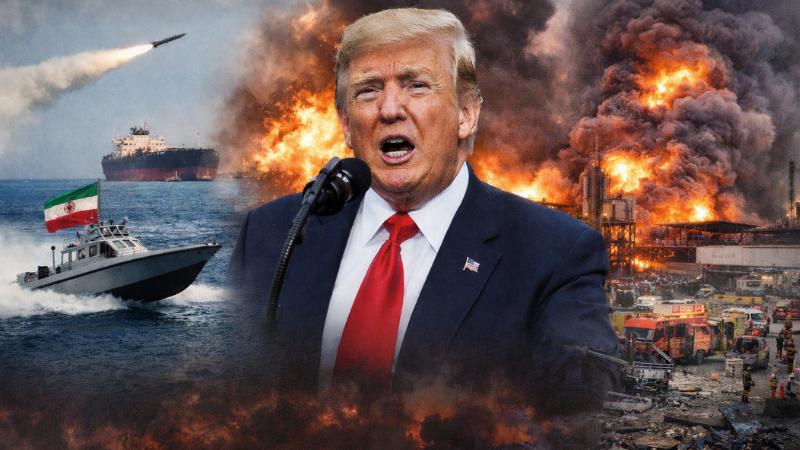
Iran has strongly denied accusations from the United Arab Emirates that it was behind a drone strike targeting oil facilities in Fujairah, calling the attack a product of US military adventurism. UAE authorities reported the attack on Monday, saying that three Indian nationals were injured in the strike and were hospitalized. The UAE also described the attack as a “dangerous escalation” amid growing tensions in the region. Iran's military officials, speaking on state television, insisted that the Islamic Republic had no plans to target UAE oil infrastructure. They argued that the attack was part of a broader geopolitical game in which the US was attempting to create a passage for ships to unlawfully pass through the Strait of Hormuz, a key oil shipping lane. Iranian officials called on the US to cease its military actions in the region, accusing Washington of destabilizing the area and holding the US accountable for the escalation. In the aftermath of the strike, US President Donald Trump announced a new maritime operation, Project Freedom, aimed at guiding neutral ships safely through the Gulf. The initiative, which Trump described as a humanitarian effort, is seen as a response to the increasing number of incidents in the Strait of Hormuz. US officials reported engaging with Iranian small boats in the Gulf, claiming that US forces had destroyed several Iranian vessels. Iran, however, denied these claims, stating that none of its boats had been sunk. Iran's Foreign Minister, Seyed Abbas Araghchi, emphasized the need for a political resolution to the ongoing tensions, cautioning against further military action. He called for greater diplomatic efforts, including mediation by countries like Pakistan, to prevent a deeper conflict. Araghchi also warned the UAE and other regional actors against further escalation, urging them to avoid external interference that could destabilize the region further. As the situation continues to develop, both Iran and the US remain at odds over their military presence in the vital Strait of Hormuz.
Iran Rejects UAE Drone Strike Accusations, Points to US Adventurism
Iran has strongly denied accusations from the United Arab Emirates that it was behind a drone strike targeting oil facilities in Fujairah, calling the attack a product of US military adventurism. UAE authorities reported the attack on Monday, saying that three Indian nationals were injured in the strike and were hospitalized. The UAE also described the attack as a “dangerous escalation” amid growing tensions in the region. Iran's military officials, speaking on state television, insisted that the Islamic Republic had no plans to target UAE oil infrastructure. They argued that the attack was part of a broader geopolitical game in which the US was attempting to create a passage for ships to unlawfully pass through the Strait of Hormuz, a key oil shipping lane. Iranian officials called on the US to cease its military actions in the region, accusing Washington of destabilizing the area and holding the US accountable for the escalation. In the aftermath of the strike, US President Donald Trump announced a new maritime operation, Project Freedom, aimed at guiding neutral ships safely through the Gulf. The initiative, which Trump described as a humanitarian effort, is seen as a response to the increasing number of incidents in the Strait of Hormuz. US officials reported engaging with Iranian small boats in the Gulf, claiming that US forces had destroyed several Iranian vessels. Iran, however, denied these claims, stating that none of its boats had been sunk. Iran's Foreign Minister, Seyed Abbas Araghchi, emphasized the need for a political resolution to the ongoing tensions, cautioning against further military action. He called for greater diplomatic efforts, including mediation by countries like Pakistan, to prevent a deeper conflict. Araghchi also warned the UAE and other regional actors against further escalation, urging them to avoid external interference that could destabilize the region further. As the situation continues to develop, both Iran and the US remain at odds over their military presence in the vital Strait of Hormuz.
Why the US Rushed $8.6B Arms Deal to Middle East Allies Amid Iran Crisis
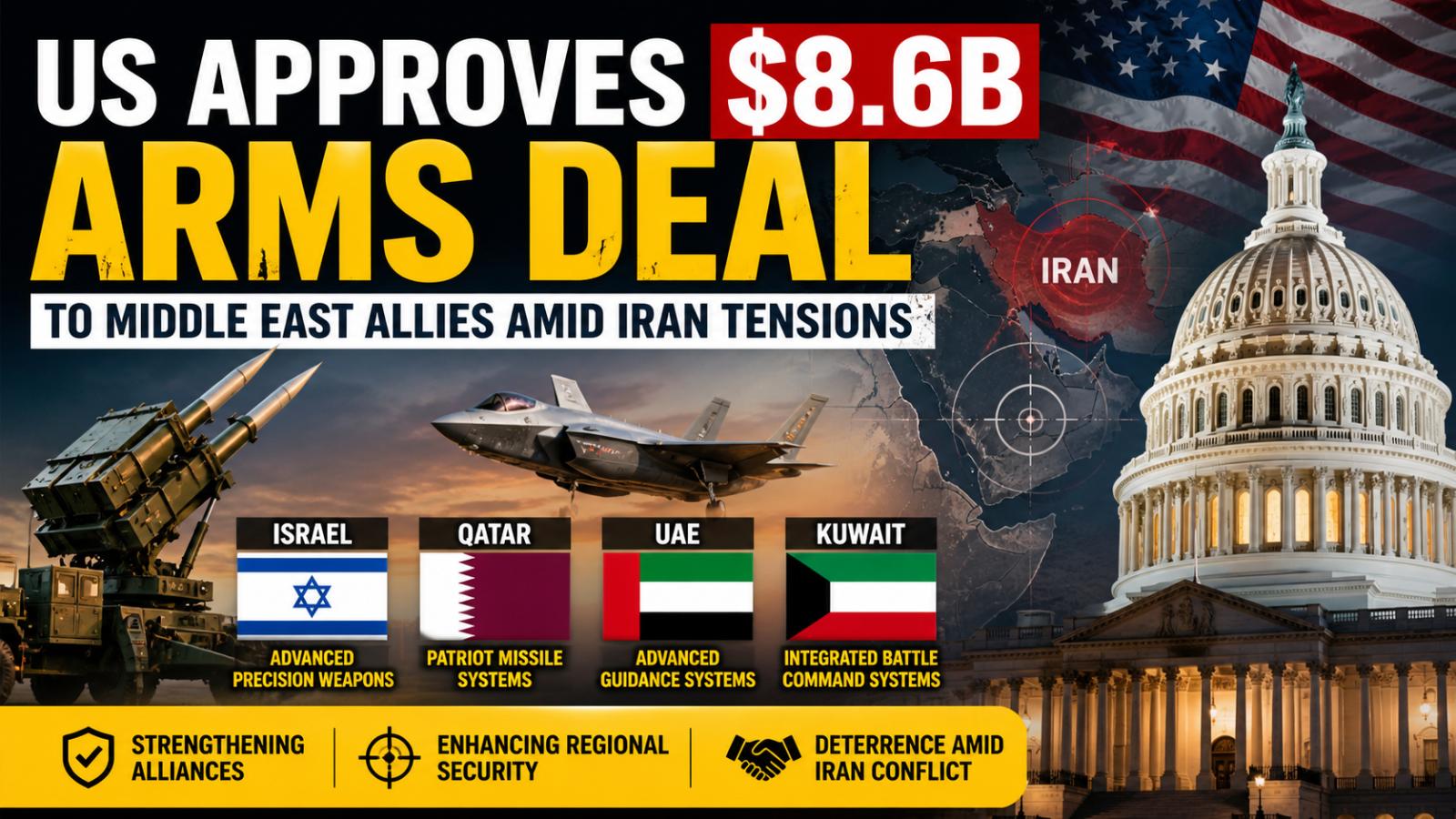
The United States has fast-tracked more than $8.6 billion in arms sales to key Middle East allies, signaling a sharp escalation in its response to rising tensions with Iran. Approved under emergency powers, the move bypasses Congress and reflects Washington’s urgency to strengthen regional defenses as the conflict enters a critical phase. Emergency Approval Signals Rising Urgency The decision, issued on Friday, invokes a rarely used em
Why the US Rushed $8.6B Arms Deal to Middle East Allies Amid Iran Crisis
The United States has fast-tracked more than $8.6 billion in arms sales to key Middle East allies, signaling a sharp escalation in its response to rising tensions with Iran. Approved under emergency powers, the move bypasses Congress and reflects Washington’s urgency to strengthen regional defenses as the conflict enters a critical phase. Emergency Approval Signals Rising Urgency The decision, issued on Friday, invokes a rarely used em
US fast-tracks $9 billion arms deals to Middle East allies
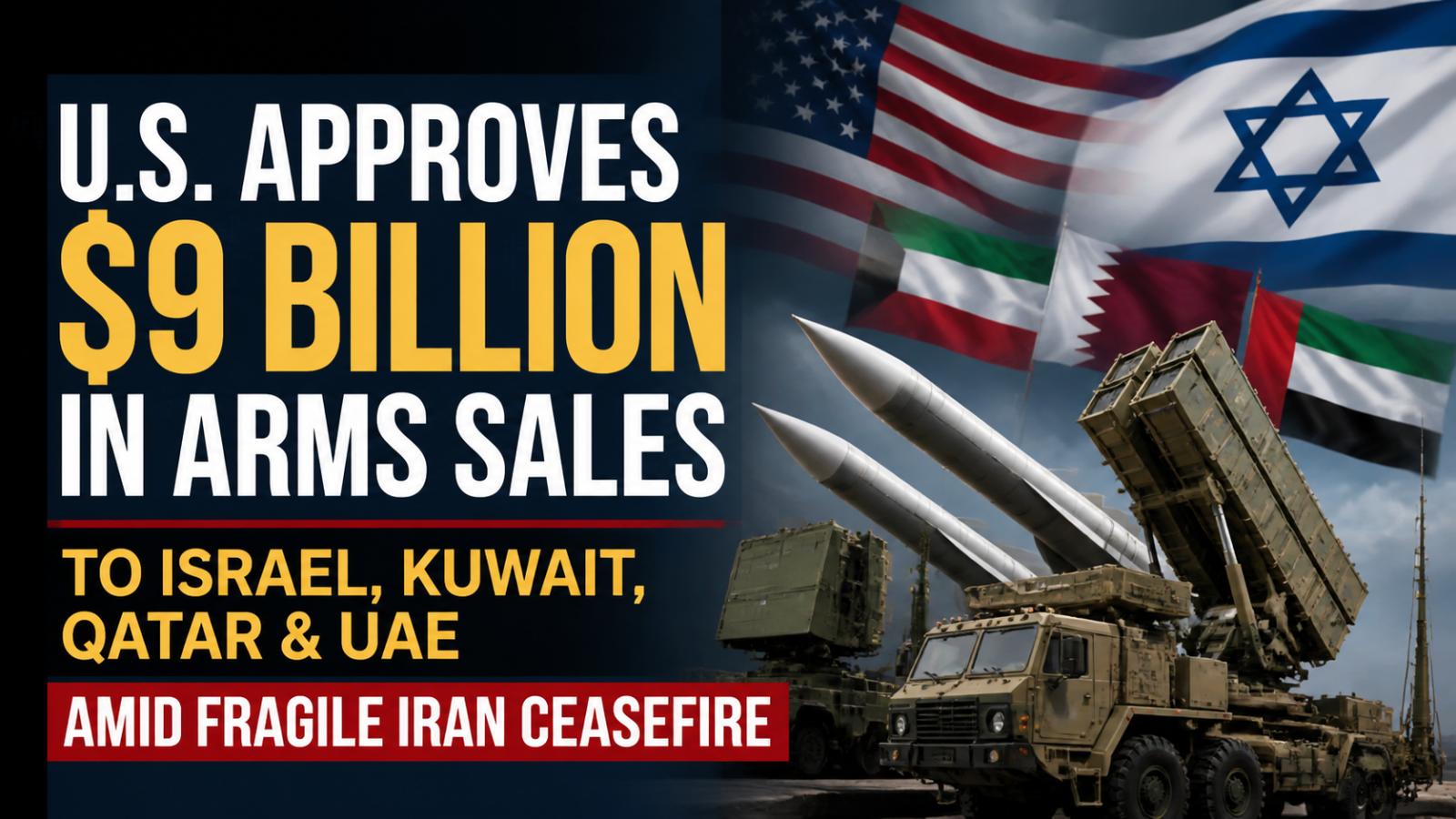
US Authorizes $9 Billion in Arms Sales to Middle East Allies The United States has authorized the expedited sale of arms to Israel, Kuwait, Qatar, and the UAE, totaling nearly $9 billion. This decision, approved by Secretary of State Marco Rubio, bypasses the standard congressional review process and is designed t
US fast-tracks $9 billion arms deals to Middle East allies
US Authorizes $9 Billion in Arms Sales to Middle East Allies The United States has authorized the expedited sale of arms to Israel, Kuwait, Qatar, and the UAE, totaling nearly $9 billion. This decision, approved by Secretary of State Marco Rubio, bypasses the standard congressional review process and is designed t
UAE issues travel ban amid rising tensions with Iran and missile threats
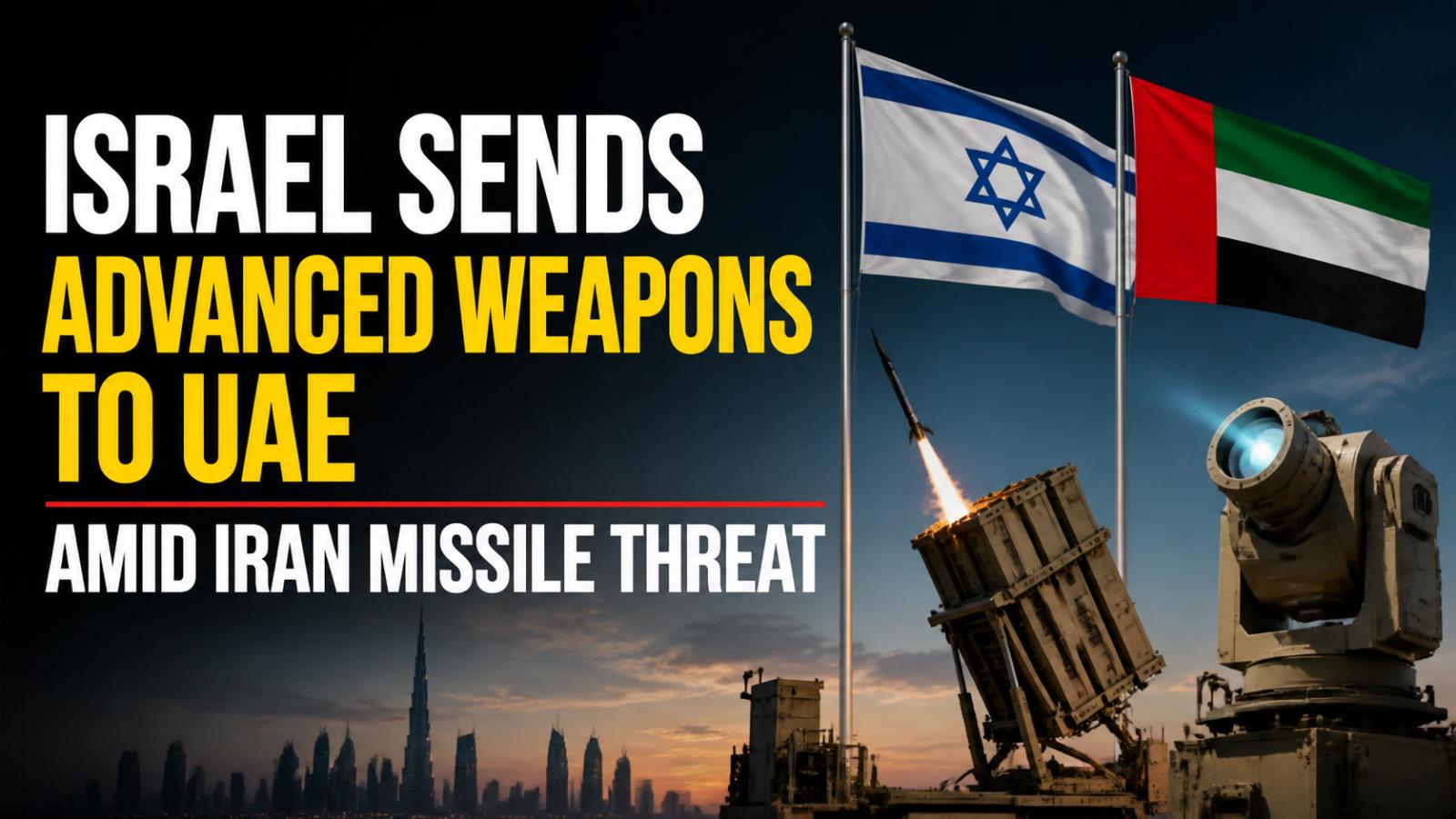
Israel warns UAE of missile threat from Iran, provides air defense systems Israel has reportedly warned the United Arab Emirates (UAE) of an imminent missile threat from Iran, signaling that short-range missiles could be launched towards the country. In response to this threat, Israel has provided advanced air defense systems to the UAE, including a newly operational laser-based defense system to
UAE issues travel ban amid rising tensions with Iran and missile threats
Israel warns UAE of missile threat from Iran, provides air defense systems Israel has reportedly warned the United Arab Emirates (UAE) of an imminent missile threat from Iran, signaling that short-range missiles could be launched towards the country. In response to this threat, Israel has provided advanced air defense systems to the UAE, including a newly operational laser-based defense system to
UAE travel ban to Iran, Lebanon, Iraq amid rising Middle East tensions
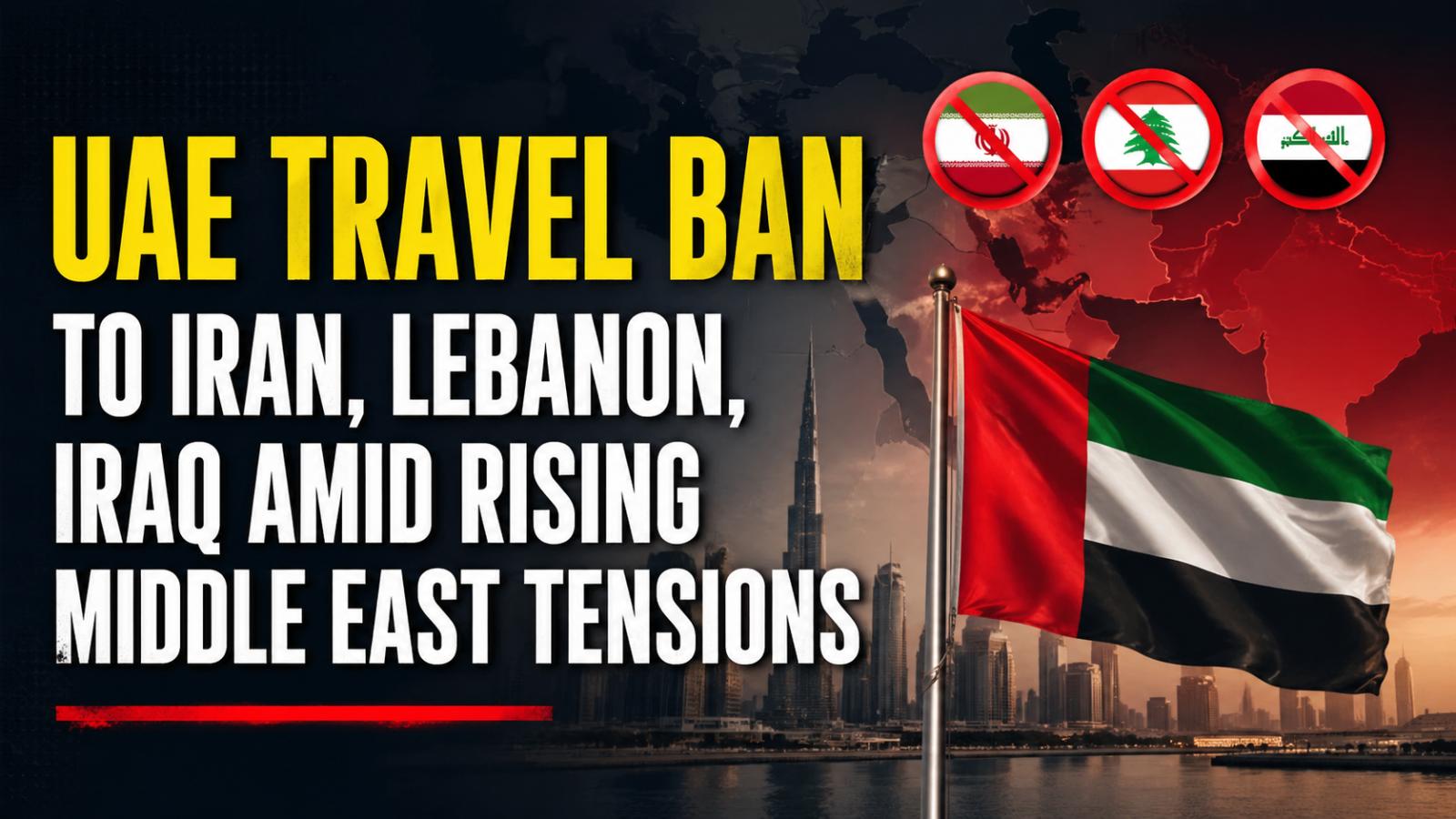
UAE issues immediate travel ban amid rising tensions The United Arab Emirates has imposed an immediate travel ban to Iran, Lebanon, and Iraq starting April 30, ordering its citizens to avoid travel and urging those currently in these countries to return without delay as regional tensions intensify. The move comes as security risks grow across West Asia, with increasing military activity and stalled diplomatic efforts. The UAE Ministry of Foreign Affairs confirmed that the travel ban came into effect immediately from Thursday (April 30). Travel to Iran, Lebanon, and Iraq is now restricted, and citizens already present there have been strongly advised to leave at the earliest opportunity, highlighting the government’s focus on citizen safety. What triggered the UAE travel ban? The decision follows rising instability, security threats, and reports of missile and drone risks in the region. Earlier advisories had warned of possible attacks, and although some alerts were later eased, authorities stress that the situation remains volatile and unpredictable. What role is the United States playing? The United States continues to maintain a strategic presence. Reports indicate that Donald Trump is reviewing military strategies presented by United States Central Command. These include short, targeted strikes aimed at pressuring Iran into negotiations, particularly around the Strait of Hormuz, a critical global oil route. CENTCOM also confirmed that US Air Force fighter jets are conducting routine patrols to support regional stability, signaling heightened readiness amid ongoing tensions. Are advanced defense systems deployed in the UAE? Yes. Reports suggest that Israel has provided support through advanced systems similar to the Iron Dome. These defense systems are designed to intercept missiles and drones, adding a layer of protection. Surveillance technologies capable of detecting threats at long range have also reportedly been deployed, indicating a coordinated regional defense strategy. What is happening with Iran-US talks? Diplomatic talks between Iran and the United States have stalled again. Iran proposed a three-stage plan involving ending hostilities, lifting maritime restrictions, and negotiating its nuclear program, but the proposal has not been accepted. Disagreements, especially regarding Hezbollah, have further complicated the process. Despite earlier ceasefire discussions, tensions have resurfaced, affecting key areas like the Strait of Hormuz and increasing global concern. The breakdown in negotiations has added to uncertainty across the region. What does this mean for UAE citizens? The UAE government has emphasized that citizen safety is the top priority, and the immediate travel ban is a precautionary step. By urging citizens to return quickly, authorities aim to minimize exposure to potential conflict zones. Residents are advised to stay updated and follow official guidance closely as the situation continues to evolve.
UAE travel ban to Iran, Lebanon, Iraq amid rising Middle East tensions
UAE issues immediate travel ban amid rising tensions The United Arab Emirates has imposed an immediate travel ban to Iran, Lebanon, and Iraq starting April 30, ordering its citizens to avoid travel and urging those currently in these countries to return without delay as regional tensions intensify. The move comes as security risks grow across West Asia, with increasing military activity and stalled diplomatic efforts. The UAE Ministry of Foreign Affairs confirmed that the travel ban came into effect immediately from Thursday (April 30). Travel to Iran, Lebanon, and Iraq is now restricted, and citizens already present there have been strongly advised to leave at the earliest opportunity, highlighting the government’s focus on citizen safety. What triggered the UAE travel ban? The decision follows rising instability, security threats, and reports of missile and drone risks in the region. Earlier advisories had warned of possible attacks, and although some alerts were later eased, authorities stress that the situation remains volatile and unpredictable. What role is the United States playing? The United States continues to maintain a strategic presence. Reports indicate that Donald Trump is reviewing military strategies presented by United States Central Command. These include short, targeted strikes aimed at pressuring Iran into negotiations, particularly around the Strait of Hormuz, a critical global oil route. CENTCOM also confirmed that US Air Force fighter jets are conducting routine patrols to support regional stability, signaling heightened readiness amid ongoing tensions. Are advanced defense systems deployed in the UAE? Yes. Reports suggest that Israel has provided support through advanced systems similar to the Iron Dome. These defense systems are designed to intercept missiles and drones, adding a layer of protection. Surveillance technologies capable of detecting threats at long range have also reportedly been deployed, indicating a coordinated regional defense strategy. What is happening with Iran-US talks? Diplomatic talks between Iran and the United States have stalled again. Iran proposed a three-stage plan involving ending hostilities, lifting maritime restrictions, and negotiating its nuclear program, but the proposal has not been accepted. Disagreements, especially regarding Hezbollah, have further complicated the process. Despite earlier ceasefire discussions, tensions have resurfaced, affecting key areas like the Strait of Hormuz and increasing global concern. The breakdown in negotiations has added to uncertainty across the region. What does this mean for UAE citizens? The UAE government has emphasized that citizen safety is the top priority, and the immediate travel ban is a precautionary step. By urging citizens to return quickly, authorities aim to minimize exposure to potential conflict zones. Residents are advised to stay updated and follow official guidance closely as the situation continues to evolve.
Oil prices surge over 6% as Trump maintains naval blockade on Iran
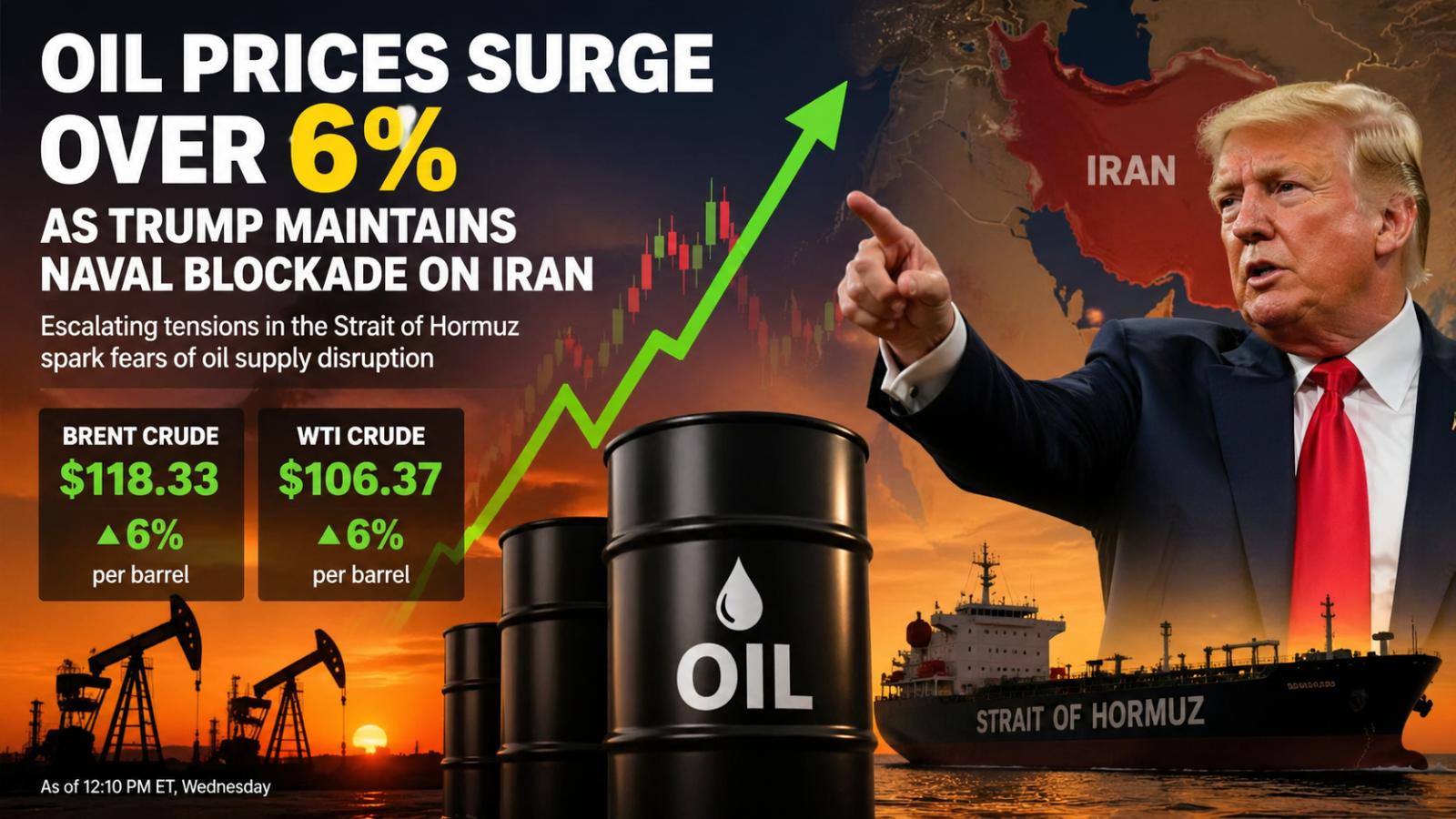
Oil prices jumped over 6% after President Donald Trump confirmed the U.S. will maintain its blockade on Iran, raising concerns over disrupted supply and escalating tensions in the Strait of Hormuz. Oil prices surge over 6% as Trump maintains naval blockade on Iran, sending shockwaves through global energy markets and intensifying concerns about supply disruptions in the Middle East. By 12:10 PM Eastern Time on Wednesday April 29, 2026, international benchmark Brent crude futures climbed more than 6% to $118.33 per barrel, while U.S. West Texas Intermediate futures rose over 6% to $106.37 per barrel. The sharp increase followed comments from Donald Trump, who confirmed that the United States would continue its naval blockade against Iran until a nuclear agreement is reached. Trump described the blockade as highly effective, signaling a firm stance amid stalled diplomatic efforts. Negotiations aimed at easing tensions have made little progress in recent days, further escalating uncertainty in global markets. Iran has refused to reopen the Strait of Hormuz—a critical passage for global oil shipments—unless the United States lifts its blockade. Tehran’s control over the strait has significantly restricted oil exports from the region, tightening supply and driving prices higher. Market analysts note that developments in the Persian Gulf remain the dominant factor influencing oil price volatility. Adding to market complexity, the United Arab Emirates recently announced its decision to exit OPEC. While strategists at ING described the move as a substantial setback for the producer alliance, they indicated its immediate impact on prices would likely be limited compared to ongoing geopolitical tensions. Analysts suggest that while the UAE’s departure could weaken OPEC’s long-term influence, the near-term trajectory of oil markets will depend largely on whether oil flows resume through the Strait of Hormuz. Until then, geopolitical risks and supply constraints are expected to keep prices elevated and markets volatile.


Oil prices surge over 6% as Trump maintains naval blockade on Iran
Oil prices jumped over 6% after President Donald Trump confirmed the U.S. will maintain its blockade on Iran, raising concerns over disrupted supply and escalating tensions in the Strait of Hormuz. Oil prices surge over 6% as Trump maintains naval blockade on Iran, sending shockwaves through global energy markets and intensifying concerns about supply disruptions in the Middle East. By 12:10 PM Eastern Time on Wednesday April 29, 2026, international benchmark Brent crude futures climbed more than 6% to $118.33 per barrel, while U.S. West Texas Intermediate futures rose over 6% to $106.37 per barrel. The sharp increase followed comments from Donald Trump, who confirmed that the United States would continue its naval blockade against Iran until a nuclear agreement is reached. Trump described the blockade as highly effective, signaling a firm stance amid stalled diplomatic efforts. Negotiations aimed at easing tensions have made little progress in recent days, further escalating uncertainty in global markets. Iran has refused to reopen the Strait of Hormuz—a critical passage for global oil shipments—unless the United States lifts its blockade. Tehran’s control over the strait has significantly restricted oil exports from the region, tightening supply and driving prices higher. Market analysts note that developments in the Persian Gulf remain the dominant factor influencing oil price volatility. Adding to market complexity, the United Arab Emirates recently announced its decision to exit OPEC. While strategists at ING described the move as a substantial setback for the producer alliance, they indicated its immediate impact on prices would likely be limited compared to ongoing geopolitical tensions. Analysts suggest that while the UAE’s departure could weaken OPEC’s long-term influence, the near-term trajectory of oil markets will depend largely on whether oil flows resume through the Strait of Hormuz. Until then, geopolitical risks and supply constraints are expected to keep prices elevated and markets volatile.
UAE leaves OPEC bloc amid Gulf tensions and shifting global currency trends
UAE exits OPEC and reshapes global oil and currency dynamics The decision by the United Arab Emirates to exit OPEC and OPEC+ marks a major shift in global energy markets. This move could increase oil price volatility, weaken OPEC’s control, and challenge the dominance of the US dollar in global oil trade. The timing is critical, coming amid rising oil prices, a growing dollar shortage in Gulf countries, and escalating tensions around the Strait of Hormuz. What does thi
UAE leaves OPEC bloc amid Gulf tensions and shifting global currency trends
UAE exits OPEC and reshapes global oil and currency dynamics The decision by the United Arab Emirates to exit OPEC and OPEC+ marks a major shift in global energy markets. This move could increase oil price volatility, weaken OPEC’s control, and challenge the dominance of the US dollar in global oil trade. The timing is critical, coming amid rising oil prices, a growing dollar shortage in Gulf countries, and escalating tensions around the Strait of Hormuz. What does thi
Is UAE leaving OPEC to counter Saudi influence? Yes, it signals strategic independence
Is UAE leaving OPEC to counter Saudi influence? Yes, it signals strategic independence. The United Arab Emirates’ decision to exit the Organization of the Petroleum Exporting Countries marks a pivotal shift in Gulf geopolitics, reflecting rising tensions with Saudi Arabia and broader regional realignments. Escalating tensions following Iran strikes on UAE infrastructure As of Tuesday, April 8, 2026, the UAE reported intercepting 537 ballistic missiles,
Is UAE leaving OPEC to counter Saudi influence? Yes, it signals strategic independence
Is UAE leaving OPEC to counter Saudi influence? Yes, it signals strategic independence. The United Arab Emirates’ decision to exit the Organization of the Petroleum Exporting Countries marks a pivotal shift in Gulf geopolitics, reflecting rising tensions with Saudi Arabia and broader regional realignments. Escalating tensions following Iran strikes on UAE infrastructure As of Tuesday, April 8, 2026, the UAE reported intercepting 537 ballistic missiles,
Why did the UN grant Iran a leadership role? It reflects procedural voting dynamics despite criticism
It reflects procedural voting dynamics despite criticism The United States, joined by the United Arab Emirates and supported by several European governments, condemned a United Nations decision made on Monday, April 28, 2026, to appoint Iran as one of the vice presidents at a major nuclear treaty conference in New York. Iran’s appointment through Non-Aligned Movement voting bloc The controversy emerged as the 11th Review Conference of
Why did the UN grant Iran a leadership role? It reflects procedural voting dynamics despite criticism
It reflects procedural voting dynamics despite criticism The United States, joined by the United Arab Emirates and supported by several European governments, condemned a United Nations decision made on Monday, April 28, 2026, to appoint Iran as one of the vice presidents at a major nuclear treaty conference in New York. Iran’s appointment through Non-Aligned Movement voting bloc The controversy emerged as the 11th Review Conference of
Can India benefit from UAE exiting OPEC? Yes, through better crude access and pricing
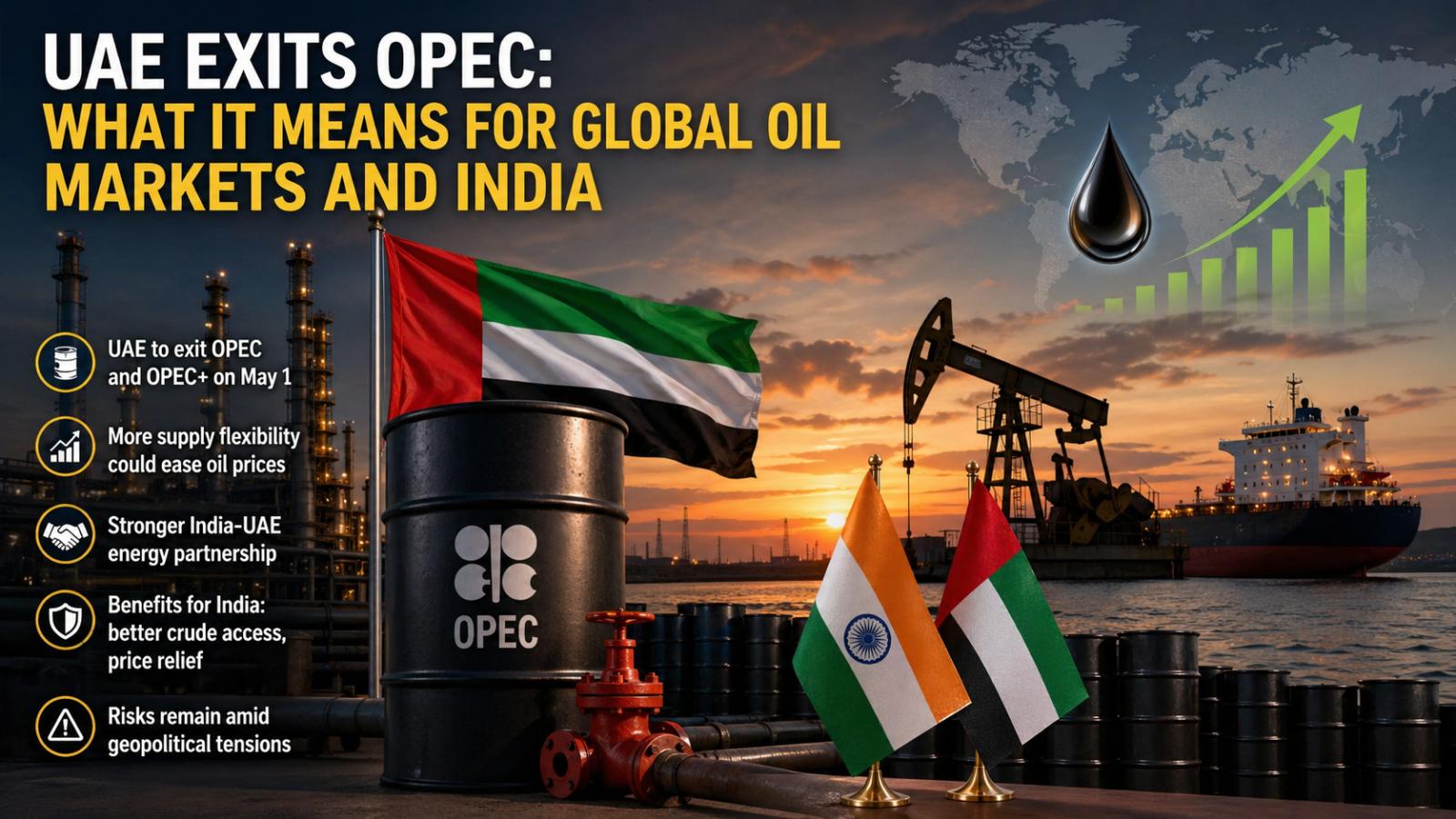
UAE’s exit from OPEC may boost oil supply, ease prices, and strengthen India energy ties, while raising volatility risks in global markets amid geopolitical tensions. Will UAE leaving OPEC lower oil prices? Yes, it could ease global supply pressure as the United Arab Emirates prepares to formally exit Organization of the Petroleum Exporting Countries and OPEC+ on May 1,
Can India benefit from UAE exiting OPEC? Yes, through better crude access and pricing
UAE’s exit from OPEC may boost oil supply, ease prices, and strengthen India energy ties, while raising volatility risks in global markets amid geopolitical tensions. Will UAE leaving OPEC lower oil prices? Yes, it could ease global supply pressure as the United Arab Emirates prepares to formally exit Organization of the Petroleum Exporting Countries and OPEC+ on May 1,
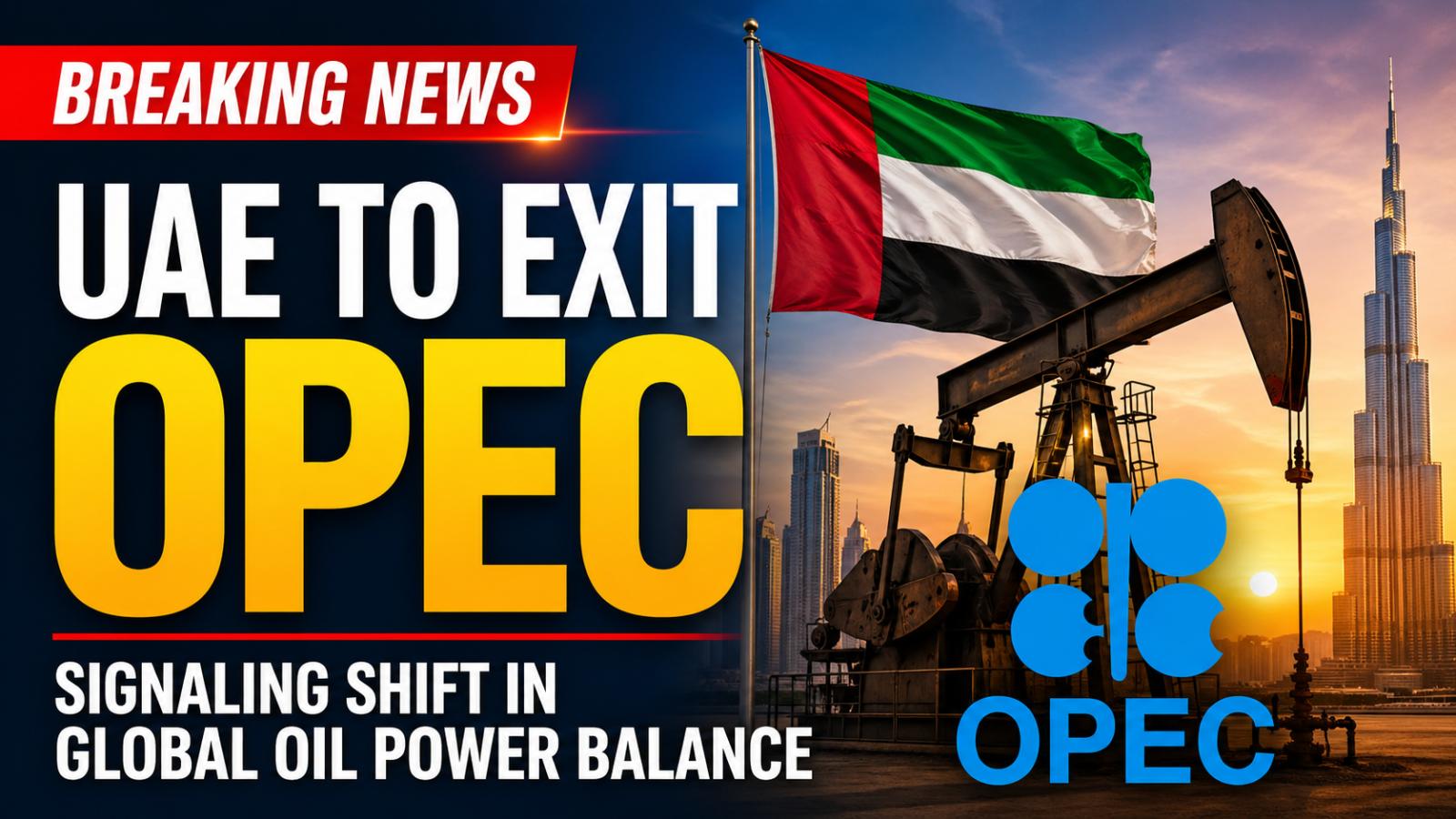
UAE to exit OPEC, signaling shift in global oil power balance
The UAE will exit OPEC on May 1 after nearly six decades, aiming for greater control over oil production and energy strategy. The move may weaken OPEC’s influence, raise concerns about supply coordination, and reshape global oil market dynamics. UAE to exit OPEC, signaling shift in global oil power balance is set to take effect May 1, marking a major change in the structure of global energy coordination. The decision reflects Abu Dhabi’s broader strategy to gai
UAE to exit OPEC, signaling shift in global oil power balance
The UAE will exit OPEC on May 1 after nearly six decades, aiming for greater control over oil production and energy strategy. The move may weaken OPEC’s influence, raise concerns about supply coordination, and reshape global oil market dynamics. UAE to exit OPEC, signaling shift in global oil power balance is set to take effect May 1, marking a major change in the structure of global energy coordination. The decision reflects Abu Dhabi’s broader strategy to gai
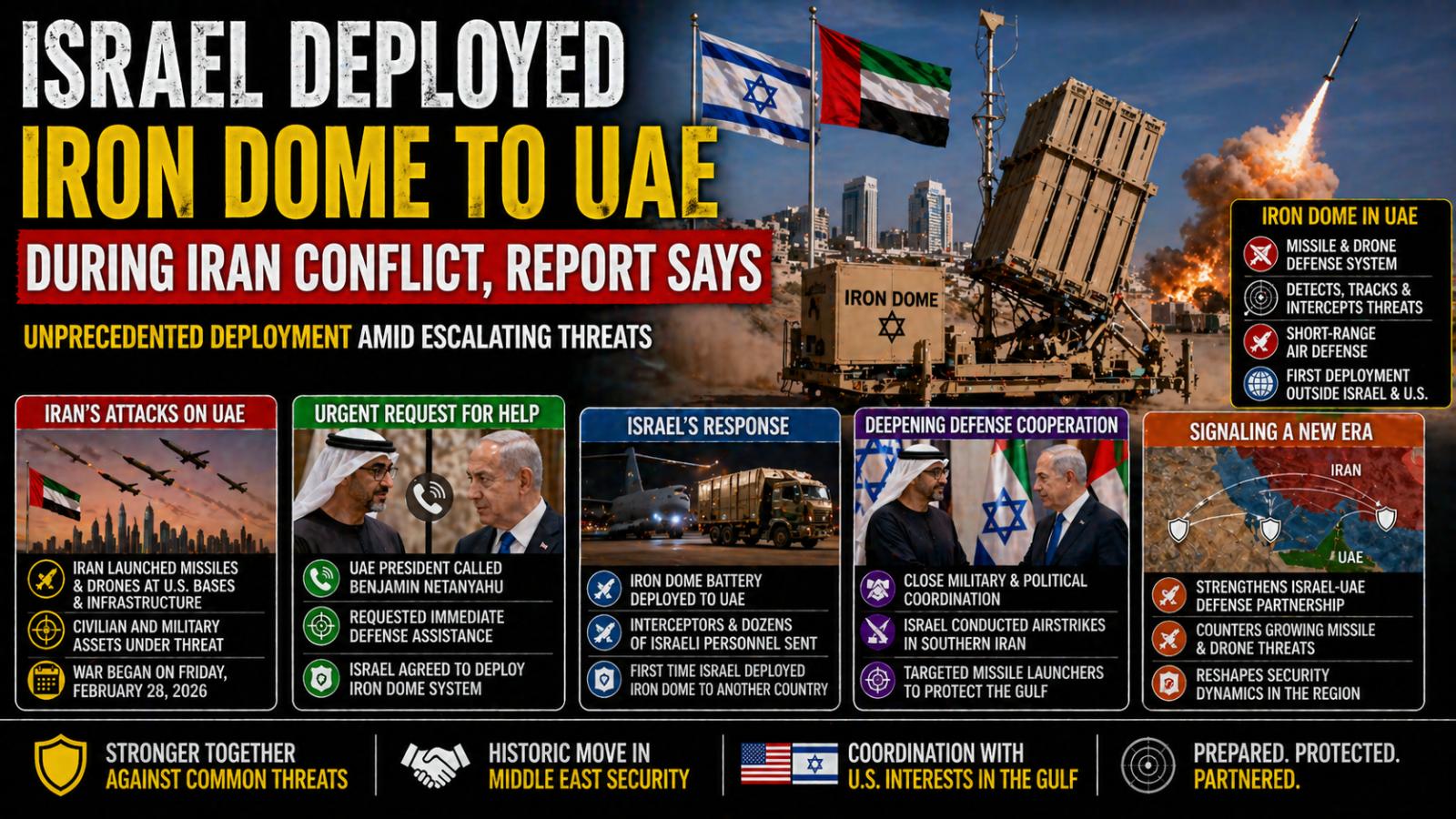
Israel deployed Iron Dome to UAE during Iran conflict, report says
Israel deployed Iron Dome to UAE during Iran conflict, report says, underscoring a previously undisclosed military move that signals deepening defense cooperation between the two countries during heightened tensions in the Gulf. According to a report citing U.S. and Israeli officials, the deployment occurred in the early phase of the war that began on Friday, February 28, 2026, when the United Arab Emirate
Israel deployed Iron Dome to UAE during Iran conflict, report says
Israel deployed Iron Dome to UAE during Iran conflict, report says, underscoring a previously undisclosed military move that signals deepening defense cooperation between the two countries during heightened tensions in the Gulf. According to a report citing U.S. and Israeli officials, the deployment occurred in the early phase of the war that began on Friday, February 28, 2026, when the United Arab Emirate
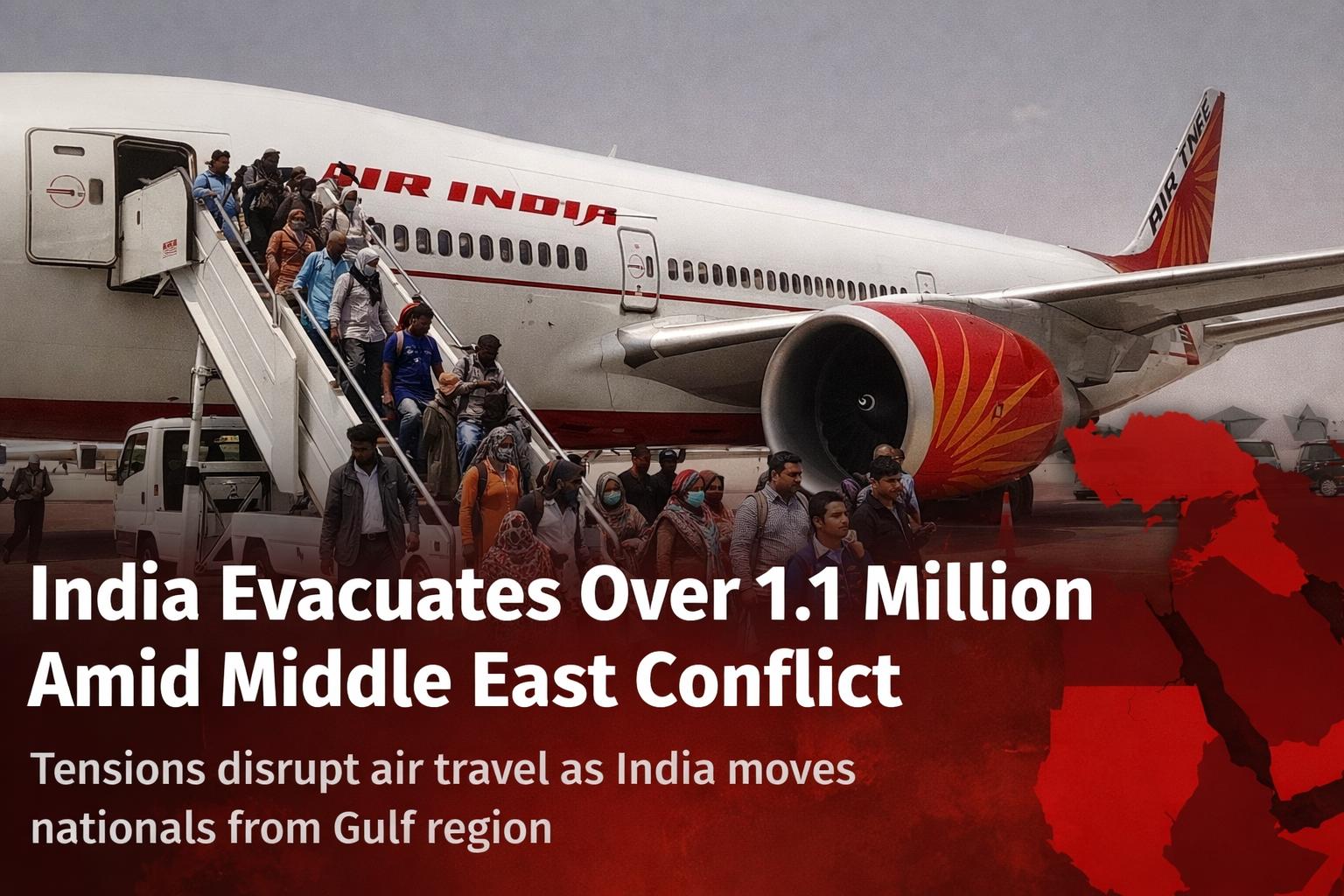
India moves over 1.1 million people from Gulf region during ceasefire window
India has evacuated more than 1.1 million people from West Asia as regional tensions and airspace restrictions continue to disrupt commercial travel, officials said during a government briefing in New Delhi. The large-scale movement has been carried out through sustained flight operations from multiple countries, with authorities relying on alternate routes where airspace remains accessible. Officials said that since February 28, approximately 1,130,000 passengers have traveled fro
India moves over 1.1 million people from Gulf region during ceasefire window
India has evacuated more than 1.1 million people from West Asia as regional tensions and airspace restrictions continue to disrupt commercial travel, officials said during a government briefing in New Delhi. The large-scale movement has been carried out through sustained flight operations from multiple countries, with authorities relying on alternate routes where airspace remains accessible. Officials said that since February 28, approximately 1,130,000 passengers have traveled fro
Rising fuel costs push UAE and UK consumers toward electric cars
Tensions involving Iran and disruptions in the Strait of Hormuz, a critical shipping route connecting the Persian Gulf to the Gulf of Oman, have placed significant strain on the global economy. The obstruction of oil tanker traffic has led to a sharp rise in oil prices worldwide, increasing transportation costs and placing added financial pressure on both businesses and private vehicle owners reliant on fuel. While the broader economic impact has been negative, the situation has creat
Rising fuel costs push UAE and UK consumers toward electric cars
Tensions involving Iran and disruptions in the Strait of Hormuz, a critical shipping route connecting the Persian Gulf to the Gulf of Oman, have placed significant strain on the global economy. The obstruction of oil tanker traffic has led to a sharp rise in oil prices worldwide, increasing transportation costs and placing added financial pressure on both businesses and private vehicle owners reliant on fuel. While the broader economic impact has been negative, the situation has creat
West Asia Crisis: Jaishankar Holds Key Talks with Qatar PM, UAE Foreign Minister
On April 5, 2026, Subrahmanyam Jaishankar held crucial telephonic discussions with Sheikh Mohammed bin Abdulrahman bin Jassim Al Thani and
West Asia Crisis: Jaishankar Holds Key Talks with Qatar PM, UAE Foreign Minister
On April 5, 2026, Subrahmanyam Jaishankar held crucial telephonic discussions with Sheikh Mohammed bin Abdulrahman bin Jassim Al Thani and
Trump Warns Iran on Strait of Hormuz as Fires Erupt Across Gulf Region
The Gulf region is facing rising tensions, with a series of drone attacks, fires, and infrastructure damage being reported across multiple countries, including Kuwait, Bahrain, and the UAE. The situation has been exacerbated by a warning from U.S. President Donald Trump, who set a deadline for Iran to reopen the Strait of Hormuz by 7th April 2026 evening. If Iran fails to comply, Trump has indicated that the U.S. will target critical infrastructure in retaliation. This escalation is of global
Trump Warns Iran on Strait of Hormuz as Fires Erupt Across Gulf Region
The Gulf region is facing rising tensions, with a series of drone attacks, fires, and infrastructure damage being reported across multiple countries, including Kuwait, Bahrain, and the UAE. The situation has been exacerbated by a warning from U.S. President Donald Trump, who set a deadline for Iran to reopen the Strait of Hormuz by 7th April 2026 evening. If Iran fails to comply, Trump has indicated that the U.S. will target critical infrastructure in retaliation. This escalation is of global
UAE Prepares to Join US-Iran Conflict Over Strait of Hormuz
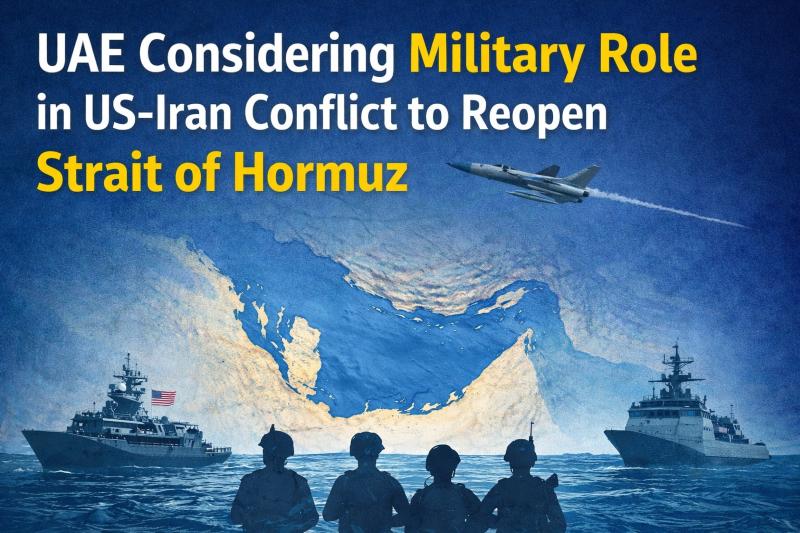
The United Arab Emirates (UAE) is reportedly preparing to join the US in its ongoing conflict with Iran, marking a significant shift in the region. According to Arab officials, the UAE is considering military action to help reopen the Strait of Hormuz, a vital waterway for global oil trade, after Iran's continued attacks on the UAE and other Gulf states. This would make the UAE the first country from the Persian Gulf to directly enter the conflict. The move follows increasing tensions after US President Donald Trump's recent criticism of Gulf allies for not doing more to support the US's war effort against Iran. Trump had previously stated that securing the Strait of Hormuz was not America's responsibility, urging other nations to step up their involvement. The UAE is reportedly pushing for a United Nations Security Council (UNSC) resolution that would authorize military action against Iran. According to The Wall Street Journal, UAE officials have called on the US, along with military powers in Europe and Asia, to form a coalition to clear the Strait of Hormuz. However, it is anticipated that Russia and China could block the UNSC resolution. Even without UN approval, the UAE is prepared to offer support, including possible involvement in mine clearance operations. The UAE has also suggested that the US take control of islands in the Strait of Hormuz, particularly Abu Musa, which Iran has controlled for decades but is also claimed by the UAE. In response, the UAE's foreign ministry emphasized the importance of preserving freedom of navigation in the Strait and noted the international consensus condemning Iran's actions and the closure of the waterway. This development signals the UAE's willingness to take a more active role in the ongoing tensions in the Gulf, which could significantly impact the region's security dynamics.
UAE Prepares to Join US-Iran Conflict Over Strait of Hormuz
The United Arab Emirates (UAE) is reportedly preparing to join the US in its ongoing conflict with Iran, marking a significant shift in the region. According to Arab officials, the UAE is considering military action to help reopen the Strait of Hormuz, a vital waterway for global oil trade, after Iran's continued attacks on the UAE and other Gulf states. This would make the UAE the first country from the Persian Gulf to directly enter the conflict. The move follows increasing tensions after US President Donald Trump's recent criticism of Gulf allies for not doing more to support the US's war effort against Iran. Trump had previously stated that securing the Strait of Hormuz was not America's responsibility, urging other nations to step up their involvement. The UAE is reportedly pushing for a United Nations Security Council (UNSC) resolution that would authorize military action against Iran. According to The Wall Street Journal, UAE officials have called on the US, along with military powers in Europe and Asia, to form a coalition to clear the Strait of Hormuz. However, it is anticipated that Russia and China could block the UNSC resolution. Even without UN approval, the UAE is prepared to offer support, including possible involvement in mine clearance operations. The UAE has also suggested that the US take control of islands in the Strait of Hormuz, particularly Abu Musa, which Iran has controlled for decades but is also claimed by the UAE. In response, the UAE's foreign ministry emphasized the importance of preserving freedom of navigation in the Strait and noted the international consensus condemning Iran's actions and the closure of the waterway. This development signals the UAE's willingness to take a more active role in the ongoing tensions in the Gulf, which could significantly impact the region's security dynamics.
Indian killed in Abu Dhabi by falling missile debris, another Pakistani dies
ABU DHABI — March 26, 2026 (Thursday): An Indian national was among two people killed on Thursday, March 26, 2026, in Abu Dhabi after debris from a missile interception struck the city. The second victim was a Pakistani citizen, while three others — including another Indian national and a Jordanian — were injured. The incident occurred on Sweihan Street, where debris fell following the successful interception of a ballistic
Indian killed in Abu Dhabi by falling missile debris, another Pakistani dies
ABU DHABI — March 26, 2026 (Thursday): An Indian national was among two people killed on Thursday, March 26, 2026, in Abu Dhabi after debris from a missile interception struck the city. The second victim was a Pakistani citizen, while three others — including another Indian national and a Jordanian — were injured. The incident occurred on Sweihan Street, where debris fell following the successful interception of a ballistic
Rising Tensions: Kuwait, Bahrain, Saudi Arabia, UAE Targeted by Drones and Missiles
Tensions in the Middle East are escalating as multiple nations, including Kuwait, Bahrain, Saudi Arabia, and the UAE, face a series of drone and missile attacks. At Kuwait International Airport, a fuel tank was targeted, sparking a fire, but no casualties were reported. Bahrain also suffered a fire at a company facility due to missile strikes, allegedly launched by Iran. Kuwait’s military and other regional air defense systems have been actively intercepting these threats, with explosion so
Rising Tensions: Kuwait, Bahrain, Saudi Arabia, UAE Targeted by Drones and Missiles
Tensions in the Middle East are escalating as multiple nations, including Kuwait, Bahrain, Saudi Arabia, and the UAE, face a series of drone and missile attacks. At Kuwait International Airport, a fuel tank was targeted, sparking a fire, but no casualties were reported. Bahrain also suffered a fire at a company facility due to missile strikes, allegedly launched by Iran. Kuwait’s military and other regional air defense systems have been actively intercepting these threats, with explosion so
Modi, UAE president discuss West Asia tensions and Strait of Hormuz security
Indian Prime Minister Narendra Modi held a telephone conversation on Tuesday with Sheikh Mohamed bin Zayed Al Nahyan, President of the United Arab Emirates, as tensions continue to escalate across the West Asian region. The discussion focused on regional stability, recent developments in the Middle East crisis, and the importance of safeguarding critical global energy routes. During the call, both leaders underscored the need to ensure safe and uninterrupted navigation through the Strait of
Modi, UAE president discuss West Asia tensions and Strait of Hormuz security
Indian Prime Minister Narendra Modi held a telephone conversation on Tuesday with Sheikh Mohamed bin Zayed Al Nahyan, President of the United Arab Emirates, as tensions continue to escalate across the West Asian region. The discussion focused on regional stability, recent developments in the Middle East crisis, and the importance of safeguarding critical global energy routes. During the call, both leaders underscored the need to ensure safe and uninterrupted navigation through the Strait of