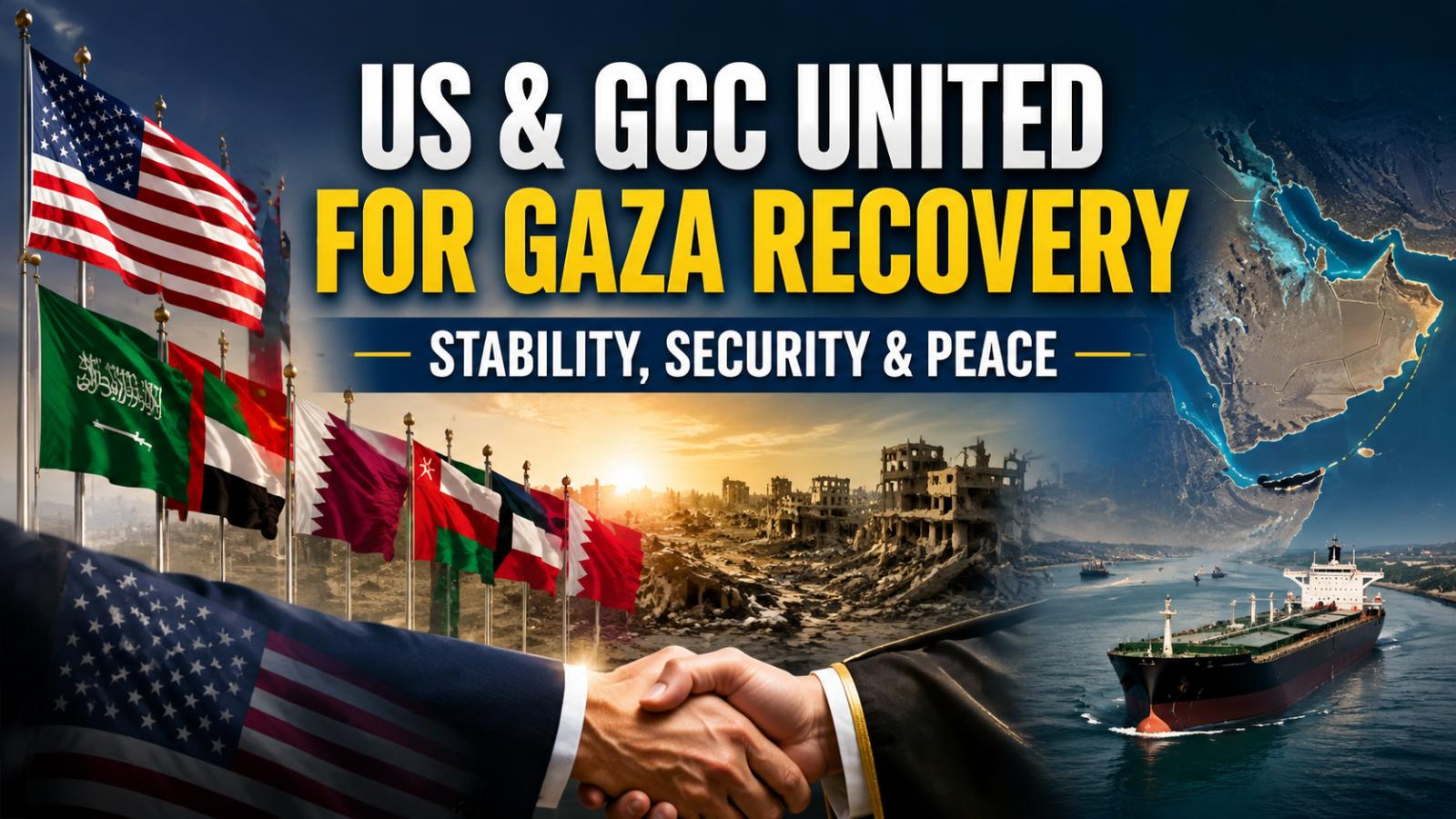
A recent round of discussions between the United States and Gulf Cooperation Council members centered on the future of Gaza, with a strong emphasis on preventing forced displacement and prioritizing civilian safety. The participating sides underscored that any population movement must remain voluntary and reversible, rejecting any framework that would permanently alter the demographic structure of the territory.
The talks also reflected growin
A recent round of discussions between the United States and Gulf Cooperation Council members centered on the future of Gaza, with a strong emphasis on preventing forced displacement and prioritizing civilian safety. The participating sides underscored that any population movement must remain voluntary and reversible, rejecting any framework that would permanently alter the demographic structure of the territory.
The talks also reflected growin
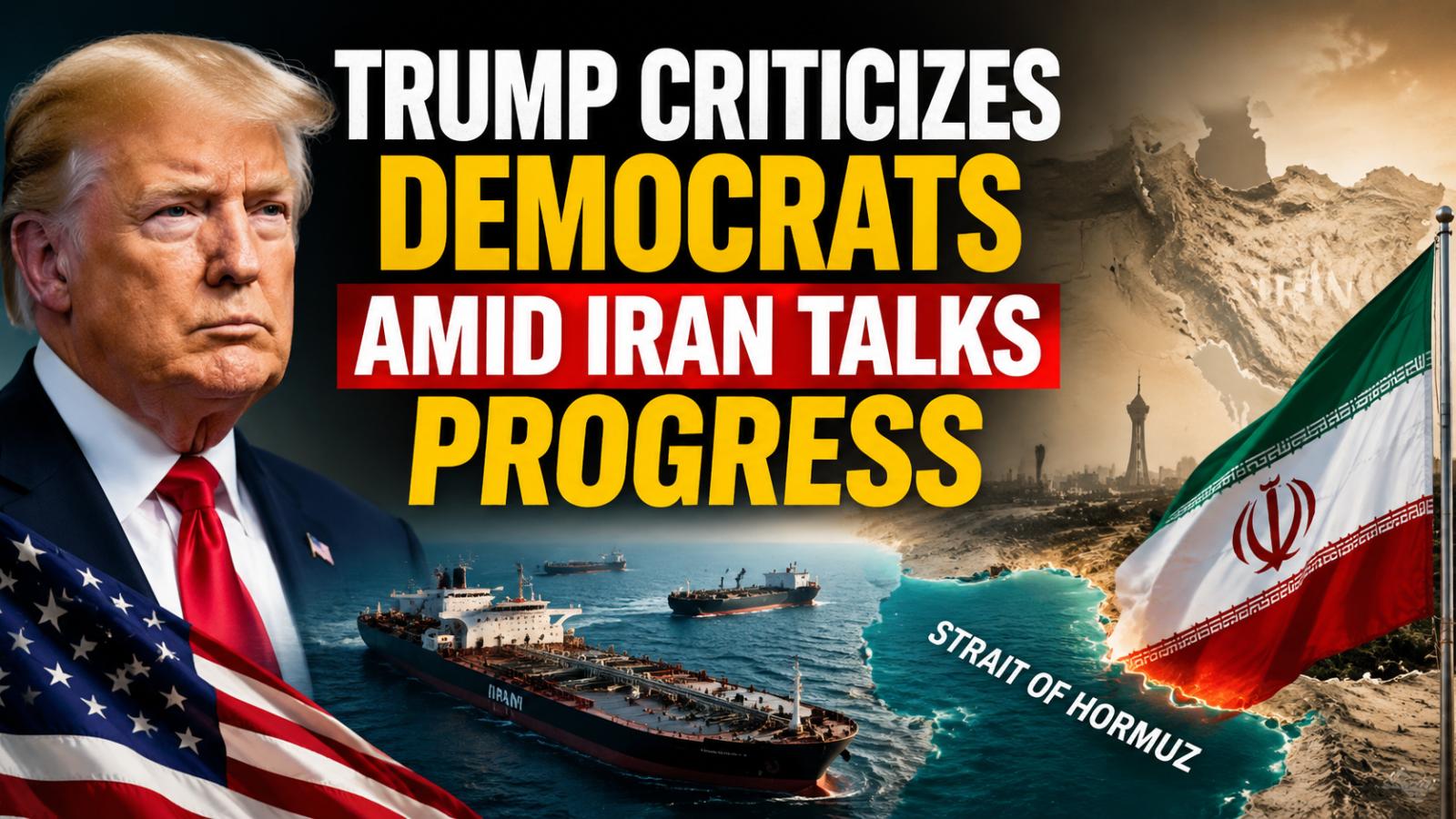
US President Donald Trump intensified political debate around ongoing Iran negotiations while addressing broader security and trade concerns tied to global energy routes. Speaking alongside NATO Secretary General Mark Rutte, he presented the current stage of Iran discussions as advancing, while sharply criticizing domestic political opponents for their foreign policy stance.
I
US President Donald Trump intensified political debate around ongoing Iran negotiations while addressing broader security and trade concerns tied to global energy routes. Speaking alongside NATO Secretary General Mark Rutte, he presented the current stage of Iran discussions as advancing, while sharply criticizing domestic political opponents for their foreign policy stance.
I
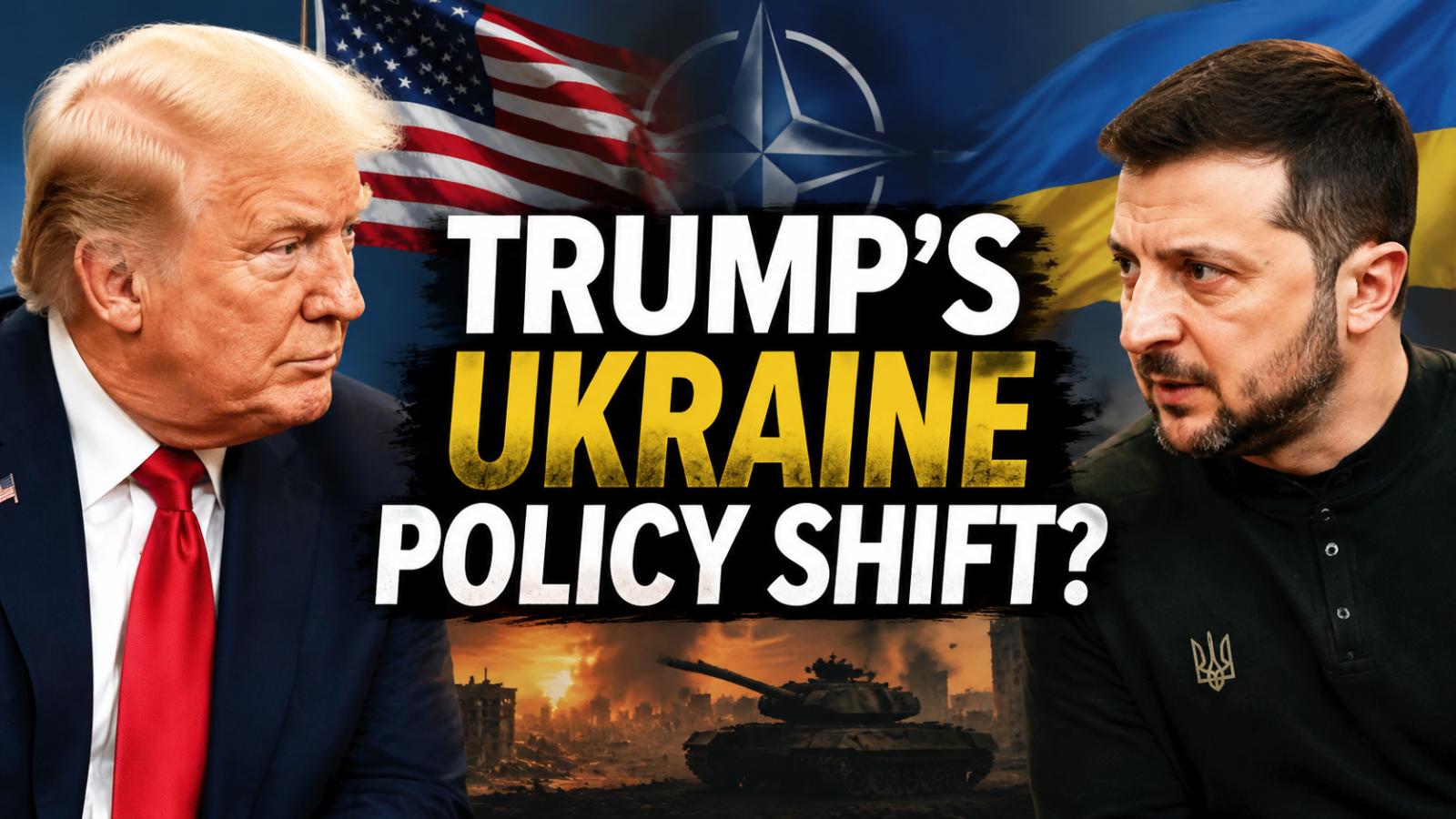
US President Donald Trump has recently shown a more measured tone when speaking about Ukrainian President Volodymyr Zelensky. During a public engagement alongside NATO leadership, Trump acknowledged Ukraine’s continued resistance in the war, describing its position as steady despite ongoing conflict. The comments mark a shift in tone compared to his earlier criticism and reflect a more cautious diplomatic posture from Washington.
G7 coordination shapes US approach
Recent discussions among G7 member nations have contributed to renewed alignment on Russia-related sanctions and energy strategy. Allied countries have been pushing for tighter coordination on restricting oil revenues linked to Moscow. This collective pressure has influenced US policy thinking, encouraging a more structured approach rather than isolated action. The focus remains on balancing economic pressure with long-term stability in global energy markets.
Battlefield situation influences political messaging
Developments on the ground in Ukraine continue to play a key role in shaping international responses. Reports of Ukraine expanding its operational reach and sustaining defensive positions have strengthened its bargaining position in diplomatic discussions. These battlefield realities are increasingly reflected in political messaging, as Western leaders reassess how the conflict may evolve over time.
Energy markets and global risks remain central
Global energy stability remains a key factor in foreign policy decisions. Earlier concerns linked to Middle East tensions and potential disruptions in key shipping routes had raised oil market uncertainty. As conditions show signs of stabilisation, policymakers are gaining more room to consider stricter measures on Russian energy exports without immediate economic disruption.
Diplomatic outlook remains uncertain
Despite continued international engagement, progress toward direct peace negotiations between Russia and Ukraine remains limited. Positions on territorial control and security guarantees continue to block meaningful breakthroughs. While diplomatic channels remain open, there is no clear indication of a near-term resolution. The current US approach reflects a balance between maintaining pressure and keeping space for future negotiations.
US President Donald Trump has recently shown a more measured tone when speaking about Ukrainian President Volodymyr Zelensky. During a public engagement alongside NATO leadership, Trump acknowledged Ukraine’s continued resistance in the war, describing its position as steady despite ongoing conflict. The comments mark a shift in tone compared to his earlier criticism and reflect a more cautious diplomatic posture from Washington.
G7 coordination shapes US approach
Recent discussions among G7 member nations have contributed to renewed alignment on Russia-related sanctions and energy strategy. Allied countries have been pushing for tighter coordination on restricting oil revenues linked to Moscow. This collective pressure has influenced US policy thinking, encouraging a more structured approach rather than isolated action. The focus remains on balancing economic pressure with long-term stability in global energy markets.
Battlefield situation influences political messaging
Developments on the ground in Ukraine continue to play a key role in shaping international responses. Reports of Ukraine expanding its operational reach and sustaining defensive positions have strengthened its bargaining position in diplomatic discussions. These battlefield realities are increasingly reflected in political messaging, as Western leaders reassess how the conflict may evolve over time.
Energy markets and global risks remain central
Global energy stability remains a key factor in foreign policy decisions. Earlier concerns linked to Middle East tensions and potential disruptions in key shipping routes had raised oil market uncertainty. As conditions show signs of stabilisation, policymakers are gaining more room to consider stricter measures on Russian energy exports without immediate economic disruption.
Diplomatic outlook remains uncertain
Despite continued international engagement, progress toward direct peace negotiations between Russia and Ukraine remains limited. Positions on territorial control and security guarantees continue to block meaningful breakthroughs. While diplomatic channels remain open, there is no clear indication of a near-term resolution. The current US approach reflects a balance between maintaining pressure and keeping space for future negotiations.
Iran Criticises Contradictory US Statements on MoU
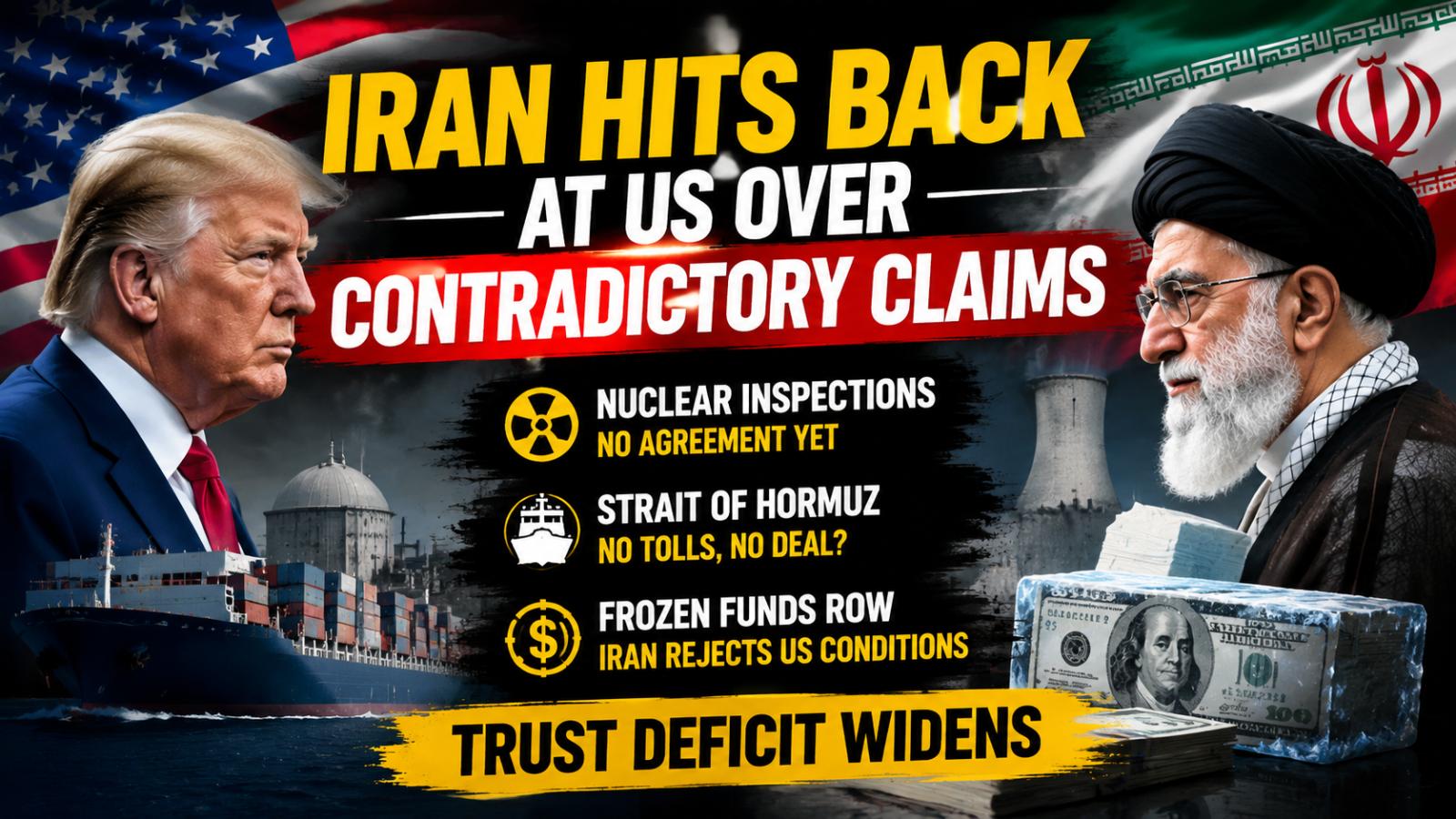
Iran’s Foreign Ministry has raised concerns over what it described as inconsistent statements from US officials regarding a memorandum of understanding aimed at ending recent conflict-related tensions. According to Foreign Ministry spokesperson Esmaeil Baghaei, the differing positions from Washington are reinforcing
Iran Criticises Contradictory US Statements on MoU
Iran’s Foreign Ministry has raised concerns over what it described as inconsistent statements from US officials regarding a memorandum of understanding aimed at ending recent conflict-related tensions. According to Foreign Ministry spokesperson Esmaeil Baghaei, the differing positions from Washington are reinforcing
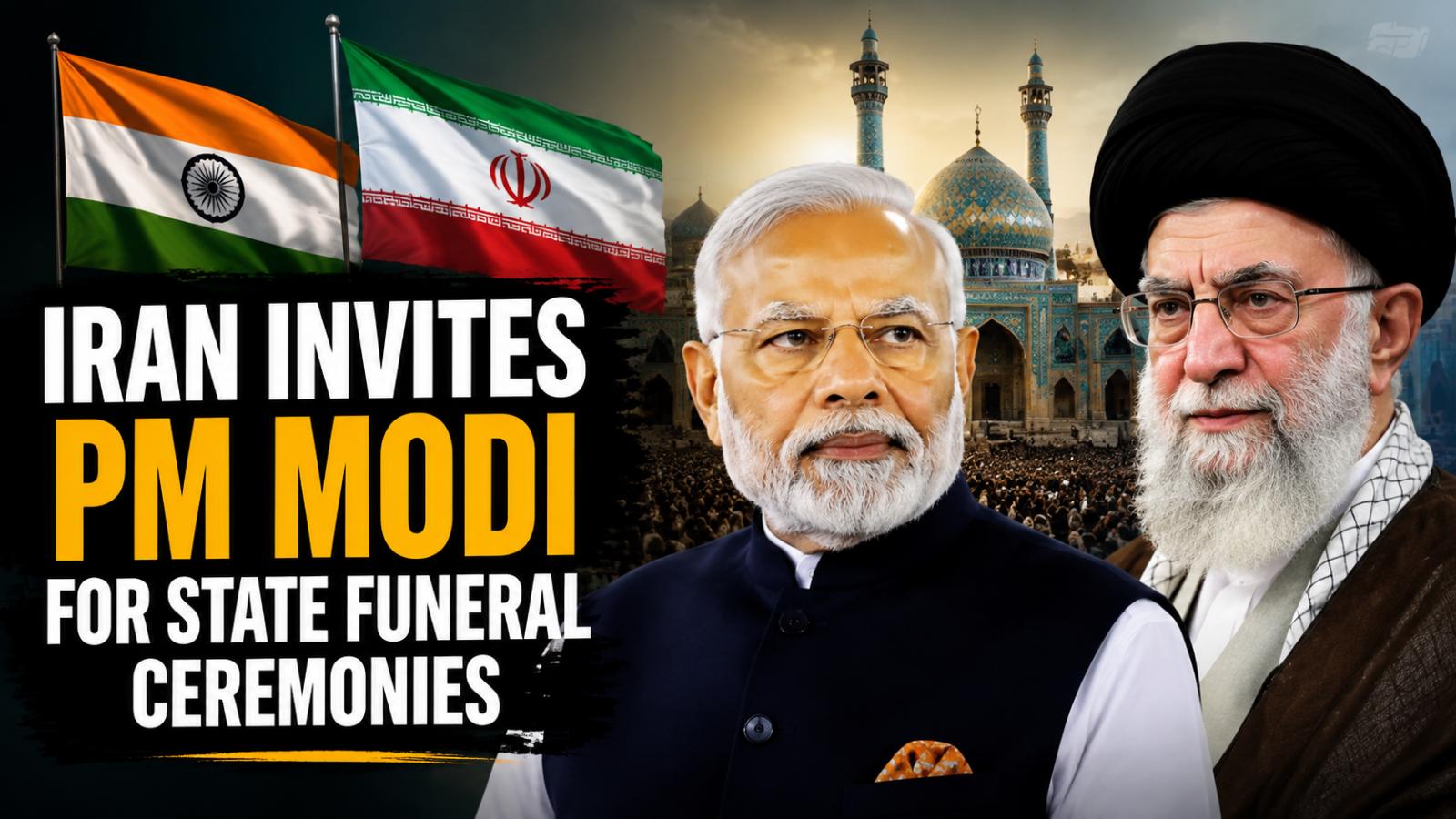
Reports emerging from diplomatic channels suggest that Iran has extended formal communication to India regarding participation in upcoming state-level funeral and memorial ceremonies linked to its top leadership structure. While official confirmation from either government remains limited, the development is being viewed as part of ongoing West Asia diplomatic engagement.
India reviews representation strategy
Reports emerging from diplomatic channels suggest that Iran has extended formal communication to India regarding participation in upcoming state-level funeral and memorial ceremonies linked to its top leadership structure. While official confirmation from either government remains limited, the development is being viewed as part of ongoing West Asia diplomatic engagement.
India reviews representation strategy
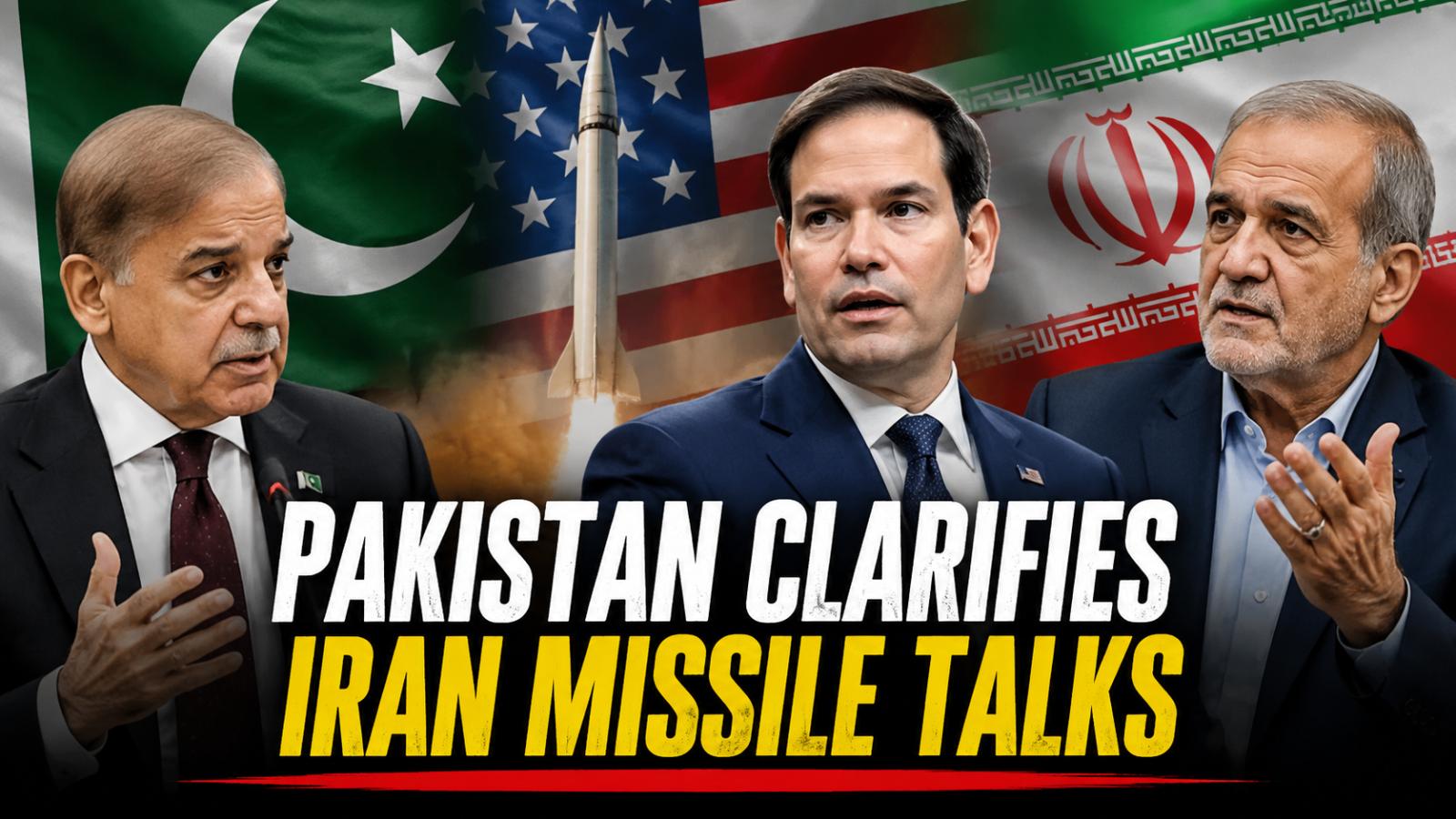
Confusion over alleged discussions involving Iran’s missile capabilities in US–Iran diplomatic engagement was addressed by Pakistan after multiple conflicting interpretations surfaced from international officials. Prime Minister Shehbaz Sharif clarified that no such subject was included in any current structured understanding between Washington and Tehran, pushing back against circulating claims that had gained attention in diplomatic circles.
Confusion over alleged discussions involving Iran’s missile capabilities in US–Iran diplomatic engagement was addressed by Pakistan after multiple conflicting interpretations surfaced from international officials. Prime Minister Shehbaz Sharif clarified that no such subject was included in any current structured understanding between Washington and Tehran, pushing back against circulating claims that had gained attention in diplomatic circles.
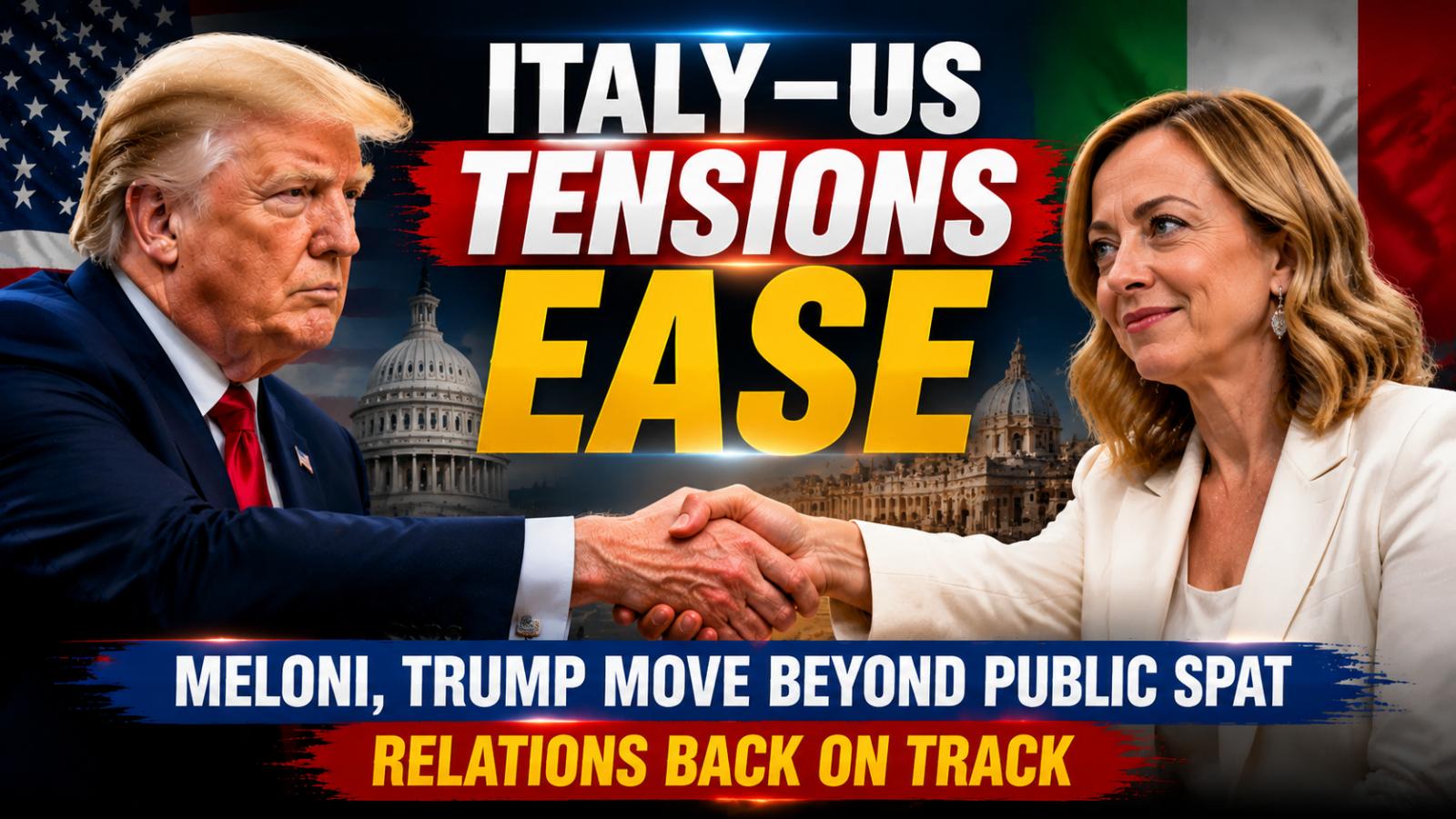
Diplomatic tensions begin to cool between Italy and US
Relations between Italy and the United States showed signs of stabilisation following several days of public disagreement between Italian Prime Minister Giorgia Meloni and US President Donald Trump. Speaking at a public event in Rome, Meloni indicated that she was not interested in extending the dispute and expressed a preference for moving forward, sign
Diplomatic tensions begin to cool between Italy and US
Relations between Italy and the United States showed signs of stabilisation following several days of public disagreement between Italian Prime Minister Giorgia Meloni and US President Donald Trump. Speaking at a public event in Rome, Meloni indicated that she was not interested in extending the dispute and expressed a preference for moving forward, sign
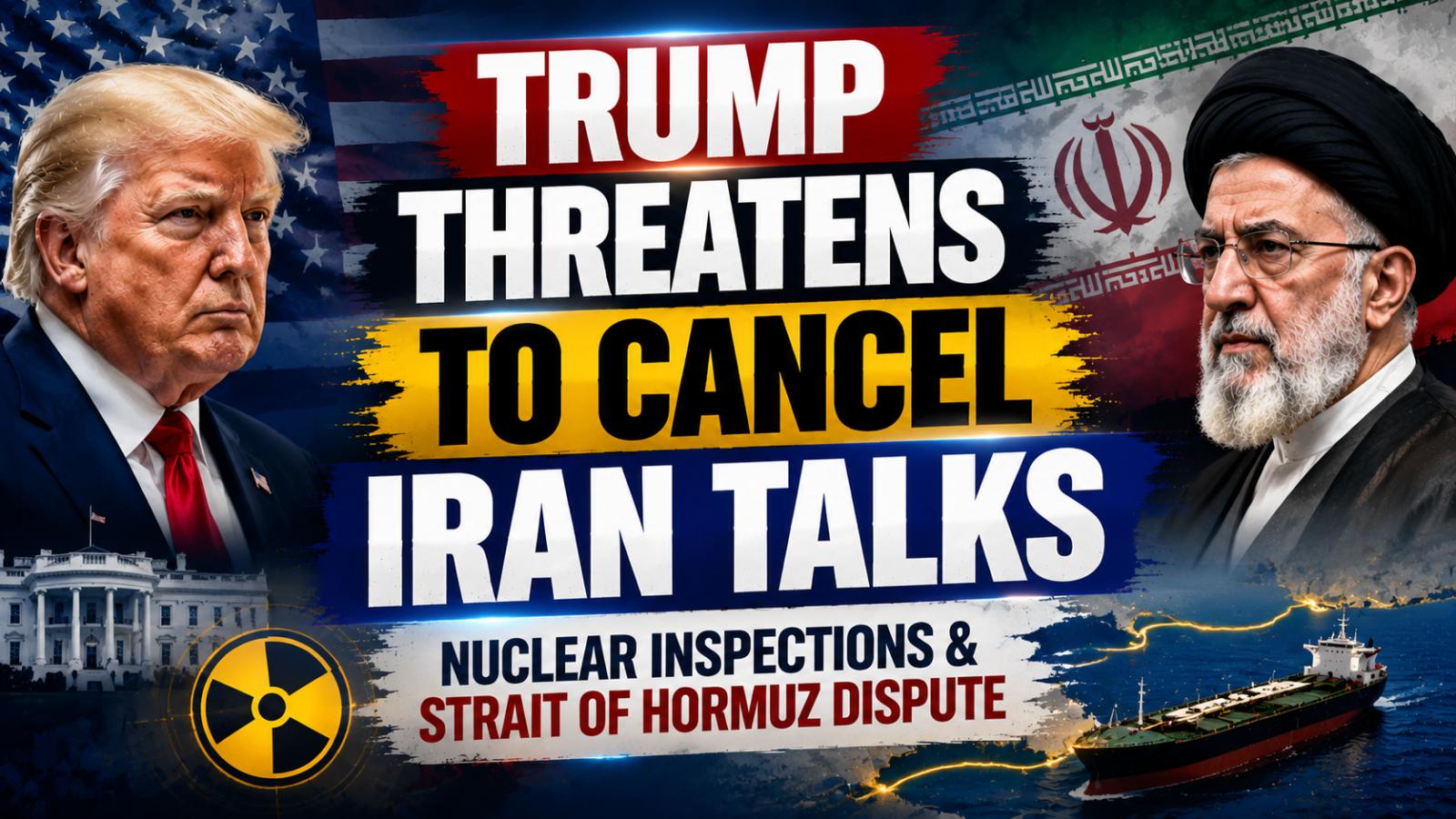
Trump signals pressure over nuclear inspections
US President Donald Trump has stated that he is prepared to cancel ongoing technical discussions with Iran if Tehran refuses to allow full inspections by the International Atomic Energy Agency. He emphasized that Washington already believes an agreement on inspection access has been reached and dismissed concerns raised about Iran’s willingness to comply with
Trump signals pressure over nuclear inspections
US President Donald Trump has stated that he is prepared to cancel ongoing technical discussions with Iran if Tehran refuses to allow full inspections by the International Atomic Energy Agency. He emphasized that Washington already believes an agreement on inspection access has been reached and dismissed concerns raised about Iran’s willingness to comply with
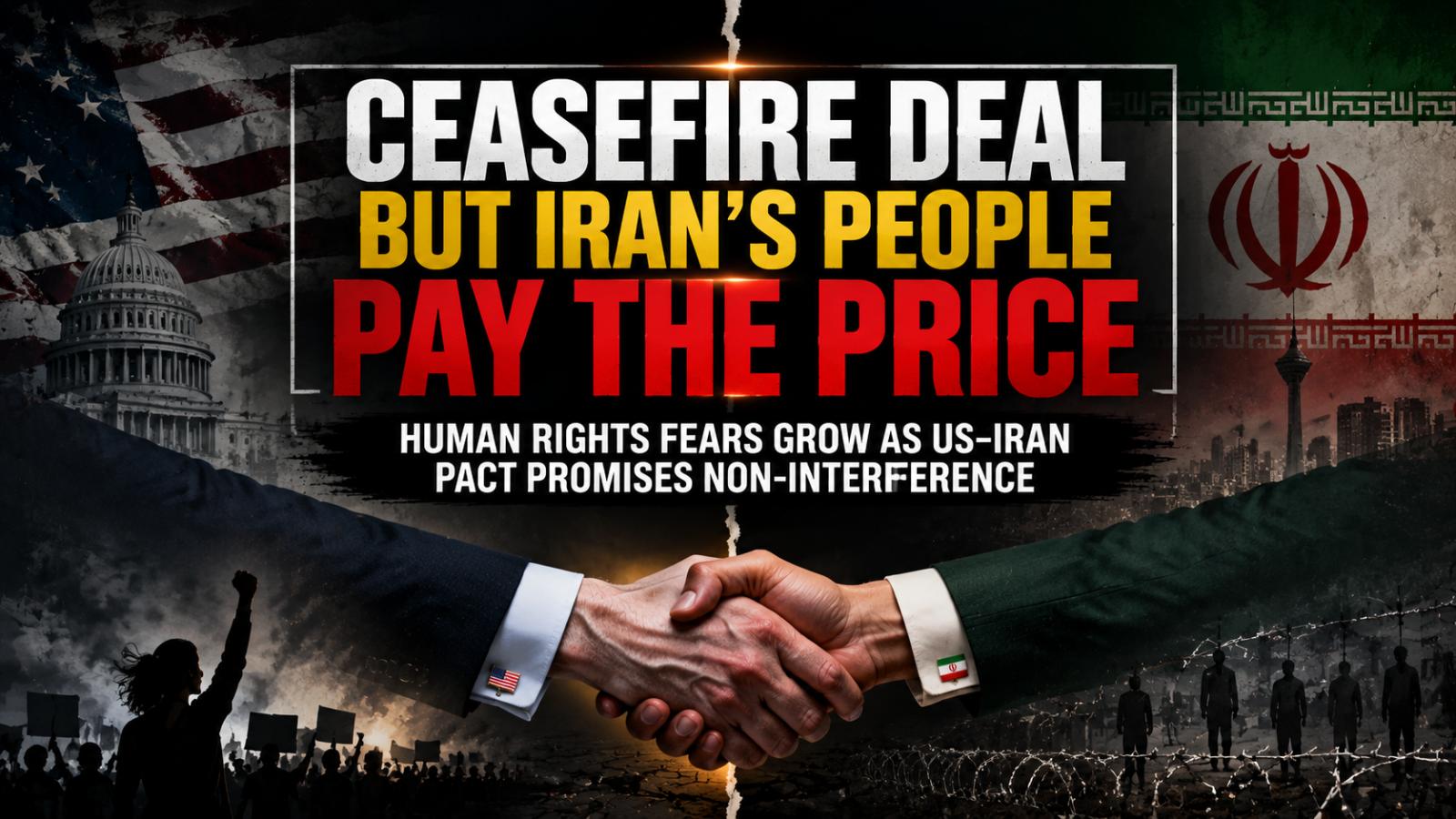
Ceasefire agreement raises human rights concerns
The recent ceasefire understanding between the United States and Iran has triggered debate over its wider political and humanitarian implications. While the agreement aims to stabilize relations after months of conflict, critics argue that its language on non-interference could limit external pressure on Iran’s internal human rights situation. The inclusion of sovereignty clauses has been interpreted by analysts as a significant shift in diplomatic posture compared to earlier US positions.
Debate over sovereignty and internal affairs
The memorandum reportedly emphasizes mutual respect for sovereignty and non-interference in domestic matters. Observers note that this marks a departure from previous rhetoric that supported political change within Iran through public pressure and international condemnation. Human rights groups have expressed concern that such provisions may reduce accountability mechanisms at a time when reports of arrests, executions, and suppression of dissent continue to emerge.
Humanitarian impact and ongoing instability
Independent reports referenced in international discussions point to continued unrest and a heavy human cost during and after the conflict period. Allegations of mass detentions and restrictions on civil liberties have further intensified scrutiny of the ceasefire framework. Advocacy organizations warn that stabilizing military conditions without parallel human rights safeguards risks entrenching existing governance structures without addressing underlying grievances.
Regional conflict and global economic disruption
The broader conflict, including disruptions in the Strait of Hormuz, has had significant consequences for global energy flows and maritime trade. Temporary closure of key shipping routes led to economic pressure across multiple regions dependent on oil and liquefied natural gas supplies. While diplomatic mediation involving regional actors helped establish a pathway toward de-escalation, analysts caution that long-term stability will depend on sustained negotiations and enforcement clarity within the agreement framework.
Ceasefire agreement raises human rights concerns
The recent ceasefire understanding between the United States and Iran has triggered debate over its wider political and humanitarian implications. While the agreement aims to stabilize relations after months of conflict, critics argue that its language on non-interference could limit external pressure on Iran’s internal human rights situation. The inclusion of sovereignty clauses has been interpreted by analysts as a significant shift in diplomatic posture compared to earlier US positions.
Debate over sovereignty and internal affairs
The memorandum reportedly emphasizes mutual respect for sovereignty and non-interference in domestic matters. Observers note that this marks a departure from previous rhetoric that supported political change within Iran through public pressure and international condemnation. Human rights groups have expressed concern that such provisions may reduce accountability mechanisms at a time when reports of arrests, executions, and suppression of dissent continue to emerge.
Humanitarian impact and ongoing instability
Independent reports referenced in international discussions point to continued unrest and a heavy human cost during and after the conflict period. Allegations of mass detentions and restrictions on civil liberties have further intensified scrutiny of the ceasefire framework. Advocacy organizations warn that stabilizing military conditions without parallel human rights safeguards risks entrenching existing governance structures without addressing underlying grievances.
Regional conflict and global economic disruption
The broader conflict, including disruptions in the Strait of Hormuz, has had significant consequences for global energy flows and maritime trade. Temporary closure of key shipping routes led to economic pressure across multiple regions dependent on oil and liquefied natural gas supplies. While diplomatic mediation involving regional actors helped establish a pathway toward de-escalation, analysts caution that long-term stability will depend on sustained negotiations and enforcement clarity within the agreement framework.
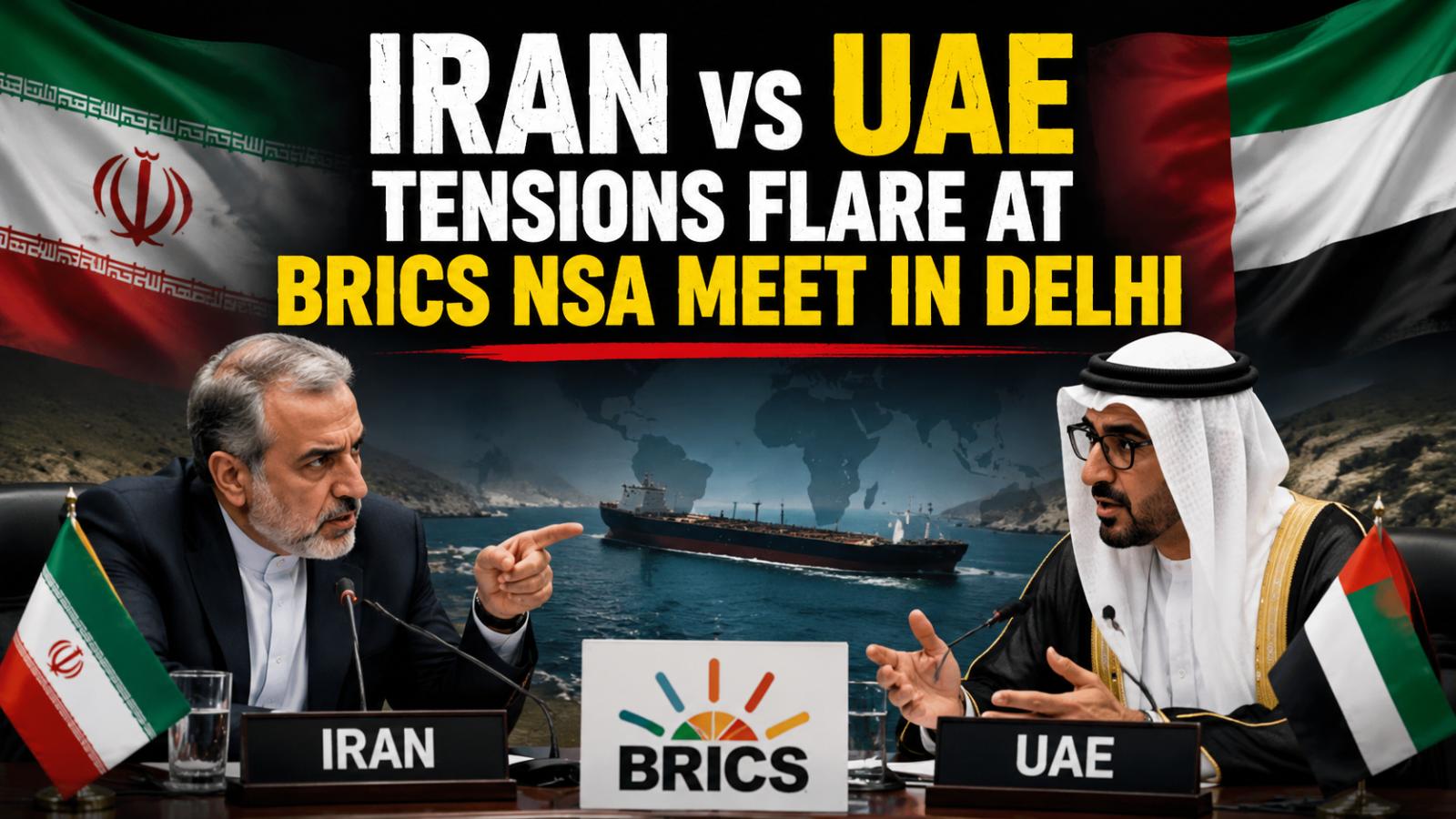
A BRICS National Security Advisers meeting in New Delhi turned tense after Iran and the United Arab Emirates exchanged strong political accusations over regional security concerns. The discussion, chaired by India’s National Security Advisor Ajit Doval, was intended to focus on cooperation in maritime safety and counterterrorism, but quickly exposed deep disagreements within the group on West Asia dynamics.
Iran raises concerns over regional strikes and external involvement
Iran’s delegation raised allegations linking recent regional strikes to external military coordination, suggesting that operations affecting Iranian interests were enabled through logistical and strategic support networks in the Gulf region. Tehran argued that such developments have increased risks for civilians and undermined stability across key transit zones.
Strait of Hormuz remains central pressure point
The Strait of Hormuz once again emerged as the most sensitive flashpoint in the discussion. Iranian representatives warned that continued military escalation near the waterway threatens global energy flows and could destabilize shipping routes that carry a significant share of the world’s oil supply. The issue highlighted how maritime security concerns are increasingly tied to broader geopolitical rivalries in the region.
UAE pushes back and defends its position
The UAE rejected the allegations and reiterated that it does not support or participate in hostile operations against any state. Emirati officials maintained that the country itself remains exposed to regional security threats and emphasized the need for de-escalation rather than blame-based diplomacy. Past BRICS discussions had already seen similar disagreements without consensus outcomes.
BRICS unity tested by West Asia fault lines
The confrontation underscored growing strain within BRICS as it expands its membership and geopolitical scope. While India has pushed for the bloc to act as a platform for dialogue and stability, persistent conflicts between member and partner states are limiting progress on unified security statements. The Iran–UAE exchange reflected how regional rivalries are increasingly shaping multilateral forums meant for cooperation rather than confrontation.
A BRICS National Security Advisers meeting in New Delhi turned tense after Iran and the United Arab Emirates exchanged strong political accusations over regional security concerns. The discussion, chaired by India’s National Security Advisor Ajit Doval, was intended to focus on cooperation in maritime safety and counterterrorism, but quickly exposed deep disagreements within the group on West Asia dynamics.
Iran raises concerns over regional strikes and external involvement
Iran’s delegation raised allegations linking recent regional strikes to external military coordination, suggesting that operations affecting Iranian interests were enabled through logistical and strategic support networks in the Gulf region. Tehran argued that such developments have increased risks for civilians and undermined stability across key transit zones.
Strait of Hormuz remains central pressure point
The Strait of Hormuz once again emerged as the most sensitive flashpoint in the discussion. Iranian representatives warned that continued military escalation near the waterway threatens global energy flows and could destabilize shipping routes that carry a significant share of the world’s oil supply. The issue highlighted how maritime security concerns are increasingly tied to broader geopolitical rivalries in the region.
UAE pushes back and defends its position
The UAE rejected the allegations and reiterated that it does not support or participate in hostile operations against any state. Emirati officials maintained that the country itself remains exposed to regional security threats and emphasized the need for de-escalation rather than blame-based diplomacy. Past BRICS discussions had already seen similar disagreements without consensus outcomes.
BRICS unity tested by West Asia fault lines
The confrontation underscored growing strain within BRICS as it expands its membership and geopolitical scope. While India has pushed for the bloc to act as a platform for dialogue and stability, persistent conflicts between member and partner states are limiting progress on unified security statements. The Iran–UAE exchange reflected how regional rivalries are increasingly shaping multilateral forums meant for cooperation rather than confrontation.
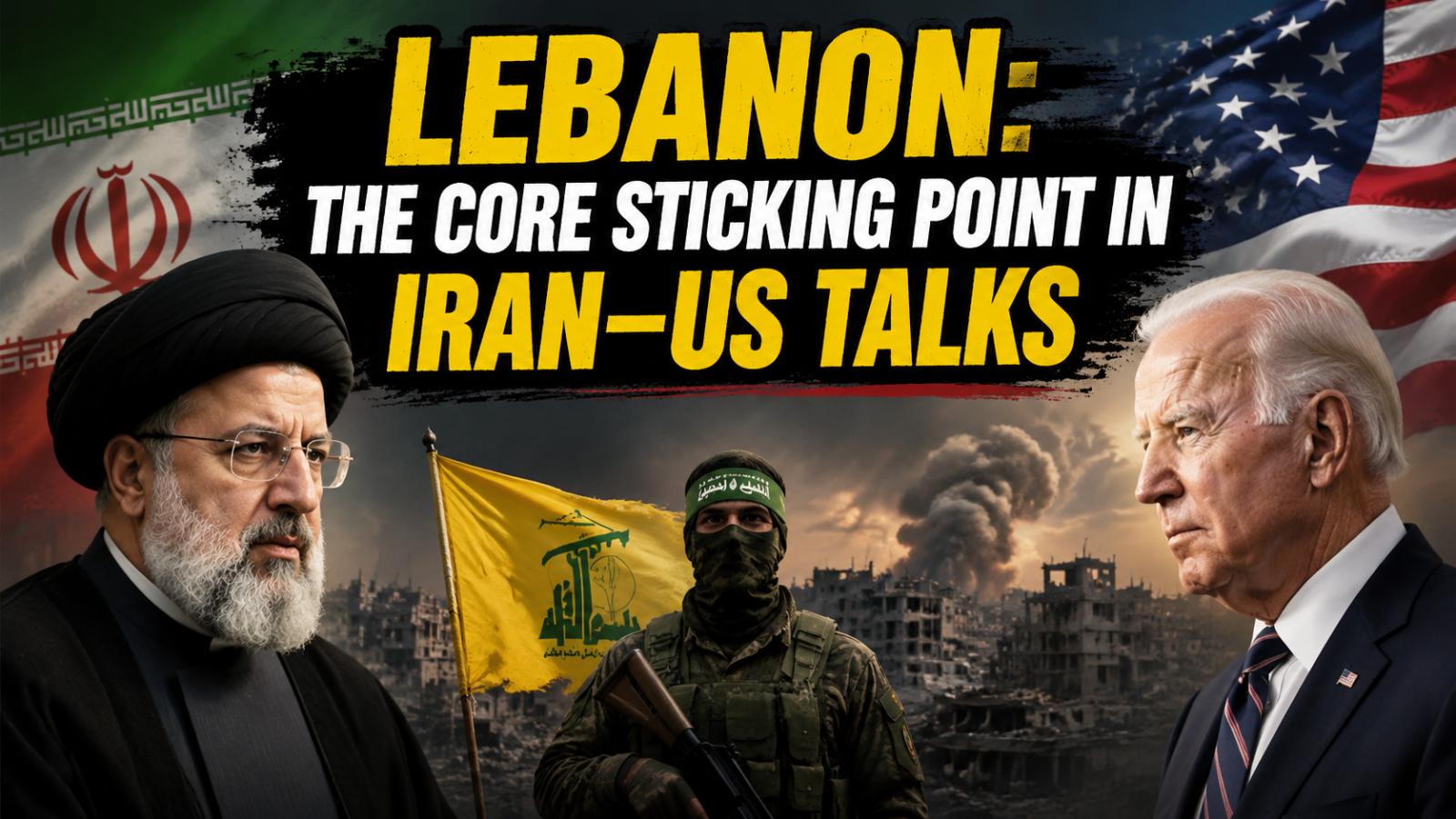
Negotiations between Iran and the United States are increasingly being shaped by events in Lebanon, where Hezbollah’s presence has turned a local conflict into a regional negotiation barrier. What was once a narrow security issue has evolved into a wider political and military deadlock involving multiple state and non-state actors.
Hezbollah’s dual structure complicates negotiations
Hezbolla
Negotiations between Iran and the United States are increasingly being shaped by events in Lebanon, where Hezbollah’s presence has turned a local conflict into a regional negotiation barrier. What was once a narrow security issue has evolved into a wider political and military deadlock involving multiple state and non-state actors.
Hezbollah’s dual structure complicates negotiations
Hezbolla
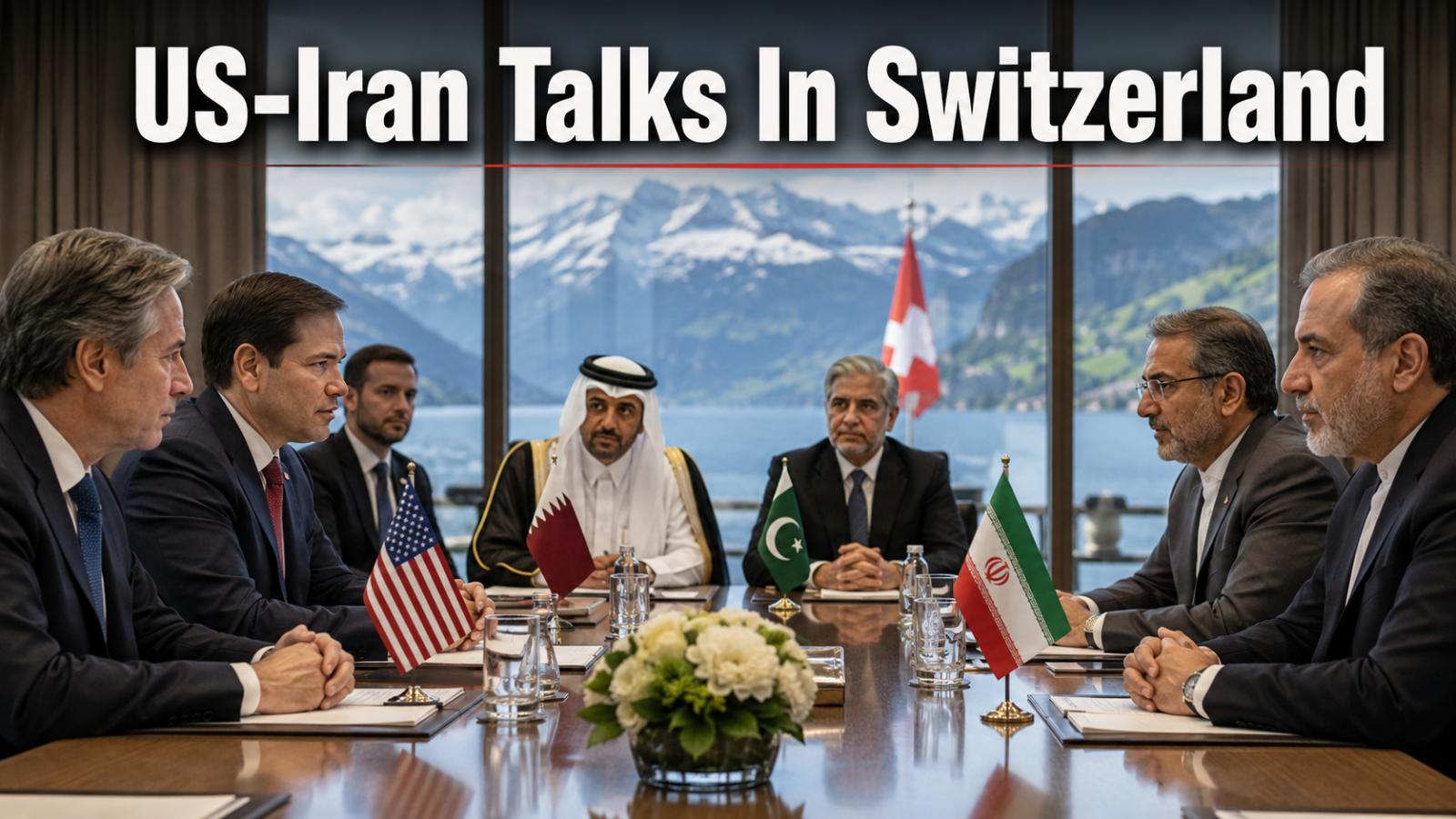
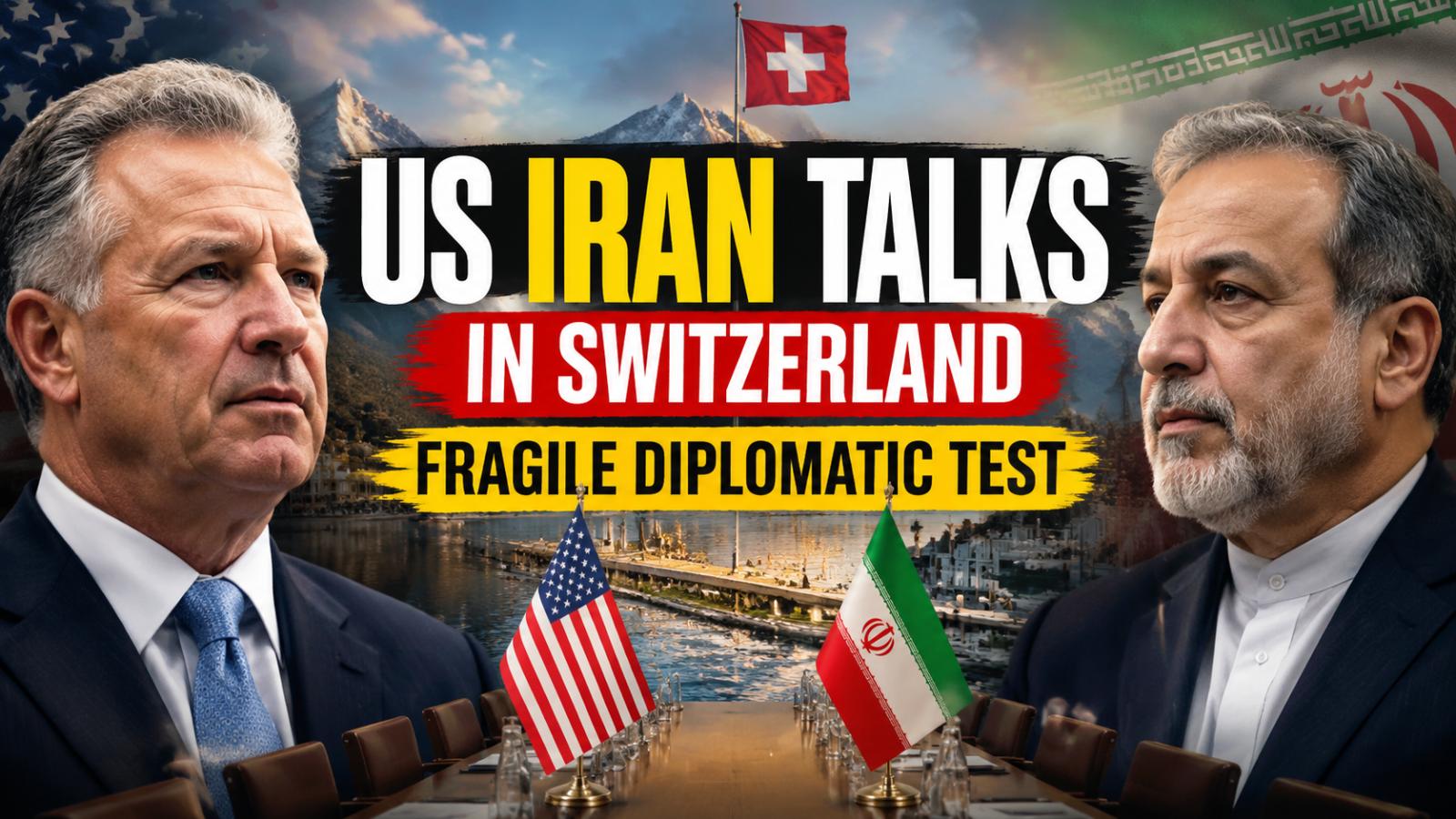
US Iran peace talks in Switzerland have drawn fresh attention as Qatar and Pakistan take a more visible role in efforts to reduce regional tensions. The discussions, held near Lake Lucerne, brought together senior representatives linked to Washington, Tehran, Doha and Islamabad at a time when the Middle East remains under pressure from nuclear concerns, shipping risks and ceasefire disputes.
The talks are being watched closely because they
US Iran peace talks in Switzerland have drawn fresh attention as Qatar and Pakistan take a more visible role in efforts to reduce regional tensions. The discussions, held near Lake Lucerne, brought together senior representatives linked to Washington, Tehran, Doha and Islamabad at a time when the Middle East remains under pressure from nuclear concerns, shipping risks and ceasefire disputes.
The talks are being watched closely because they
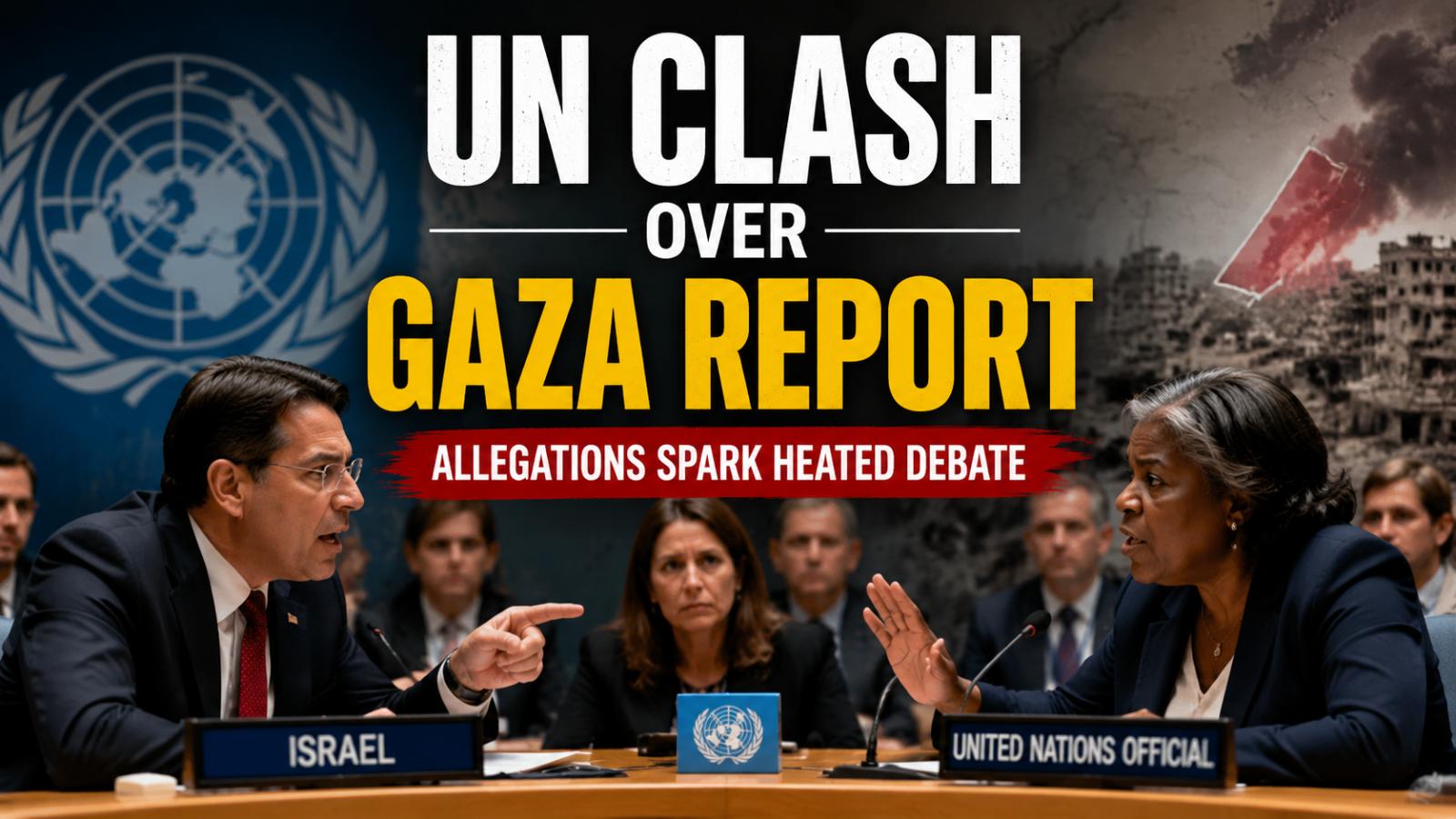
A United Nations discussion intended to review conflict-related sexual violence and child protection issues turned sharply contentious in New York, as disagreements over a Gaza-focused report escalated between Israel’s delegation and senior UN officials. What began as a policy review quickly shifted into a direct diplomatic exchange over credibility, methodology, and political framing of the findings.
Dispute over credibility of conflict data
The tension intensified when Israel’s representative, Danny Danon, challenged the validity of a UN monitoring report that documented violations affecting children in multiple conflict zones, including Gaza. He argued that the findings reflected institutional bias and selective interpretation of incidents involving Israeli forces and related actors. His remarks prompted immediate pushback from UN officials present in the session.
Sharp exchange between diplomats and UN officials
UN representative Vanessa Frazier responded by rejecting the criticism of the report’s integrity, stressing that the data was compiled through established verification mechanisms used in conflict monitoring worldwide. She objected to what she described as personal accusations directed at UN personnel, which further escalated the exchange. The discussion momentarily lost procedural focus as both sides defended their positions more forcefully.
Findings highlight scale of child impact in conflict zones
The report at the center of the debate outlined thousands of grave violations affecting children across active conflict regions during the year. It attributed a significant portion of documented incidents to multiple parties operating in high-intensity zones, while also calling attention to the broader deterioration of child safety in war-affected areas. UN Secretary-General António Guterres has previously expressed concern over rising figures and warned that persistent patterns of violations could trigger stronger international accountability measures.
Broader diplomatic divide over accountability frameworks
The confrontation reflects a continuing divide between Israel and United Nations institutions regarding how conflict data is collected, interpreted, and publicly presented. Israel has consistently rejected allegations of bias in UN reporting, while UN bodies maintain that standardized monitoring systems are essential for documenting humanitarian conditions in active war zones. The latest exchange underscores how reporting on civilian harm has become a recurring point of friction in international diplomacy, particularly in relation to Gaza.
A United Nations discussion intended to review conflict-related sexual violence and child protection issues turned sharply contentious in New York, as disagreements over a Gaza-focused report escalated between Israel’s delegation and senior UN officials. What began as a policy review quickly shifted into a direct diplomatic exchange over credibility, methodology, and political framing of the findings.
Dispute over credibility of conflict data
The tension intensified when Israel’s representative, Danny Danon, challenged the validity of a UN monitoring report that documented violations affecting children in multiple conflict zones, including Gaza. He argued that the findings reflected institutional bias and selective interpretation of incidents involving Israeli forces and related actors. His remarks prompted immediate pushback from UN officials present in the session.
Sharp exchange between diplomats and UN officials
UN representative Vanessa Frazier responded by rejecting the criticism of the report’s integrity, stressing that the data was compiled through established verification mechanisms used in conflict monitoring worldwide. She objected to what she described as personal accusations directed at UN personnel, which further escalated the exchange. The discussion momentarily lost procedural focus as both sides defended their positions more forcefully.
Findings highlight scale of child impact in conflict zones
The report at the center of the debate outlined thousands of grave violations affecting children across active conflict regions during the year. It attributed a significant portion of documented incidents to multiple parties operating in high-intensity zones, while also calling attention to the broader deterioration of child safety in war-affected areas. UN Secretary-General António Guterres has previously expressed concern over rising figures and warned that persistent patterns of violations could trigger stronger international accountability measures.
Broader diplomatic divide over accountability frameworks
The confrontation reflects a continuing divide between Israel and United Nations institutions regarding how conflict data is collected, interpreted, and publicly presented. Israel has consistently rejected allegations of bias in UN reporting, while UN bodies maintain that standardized monitoring systems are essential for documenting humanitarian conditions in active war zones. The latest exchange underscores how reporting on civilian harm has become a recurring point of friction in international diplomacy, particularly in relation to Gaza.
US Iran negotiations in Switzerland have entered a renewed phase, but the environment remains unstable as regional conflicts continue to shape the direction of talks. Diplomatic representatives from both sides are attempting to revive stalled communication lines, with mediation support from regional actors working behind the scenes to prevent another breakdown.
The discussions are being positioned as an attempt to rebuild trust after repeated interruptions, though expectations remai
US Iran negotiations in Switzerland have entered a renewed phase, but the environment remains unstable as regional conflicts continue to shape the direction of talks. Diplomatic representatives from both sides are attempting to revive stalled communication lines, with mediation support from regional actors working behind the scenes to prevent another breakdown.
The discussions are being positioned as an attempt to rebuild trust after repeated interruptions, though expectations remai
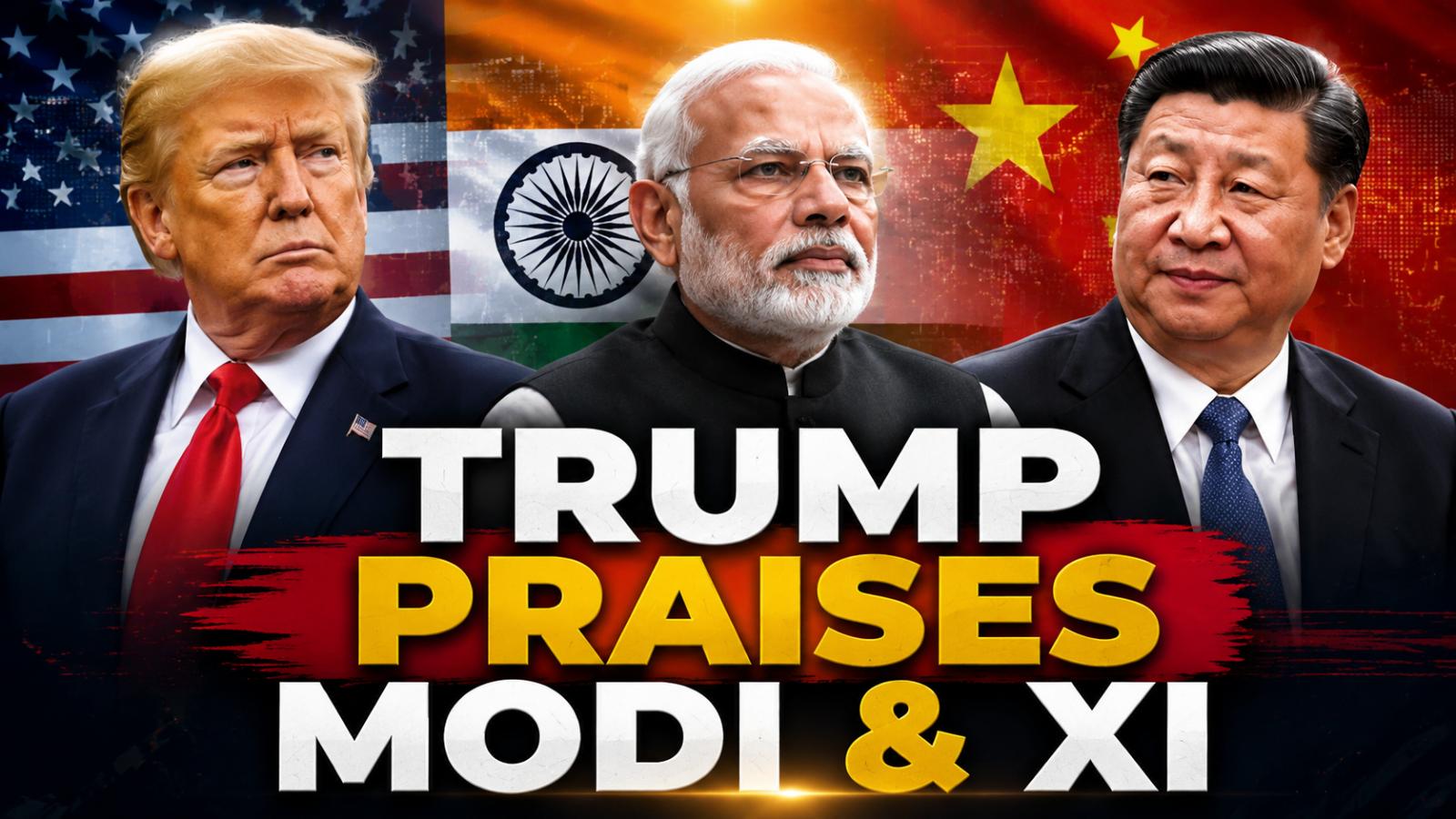
Trump’s remarks draw attention on global stage
US President Donald Trump recently made notable comments about global leadership while speaking in an Axios interview. During the conversation, he referred to Indian Prime Minister Narendra Modi and Chinese President Xi Jinping as influential figures shaping international politics and economic direction.
The remarks come at a time when global allianc
Trump’s remarks draw attention on global stage
US President Donald Trump recently made notable comments about global leadership while speaking in an Axios interview. During the conversation, he referred to Indian Prime Minister Narendra Modi and Chinese President Xi Jinping as influential figures shaping international politics and economic direction.
The remarks come at a time when global allianc
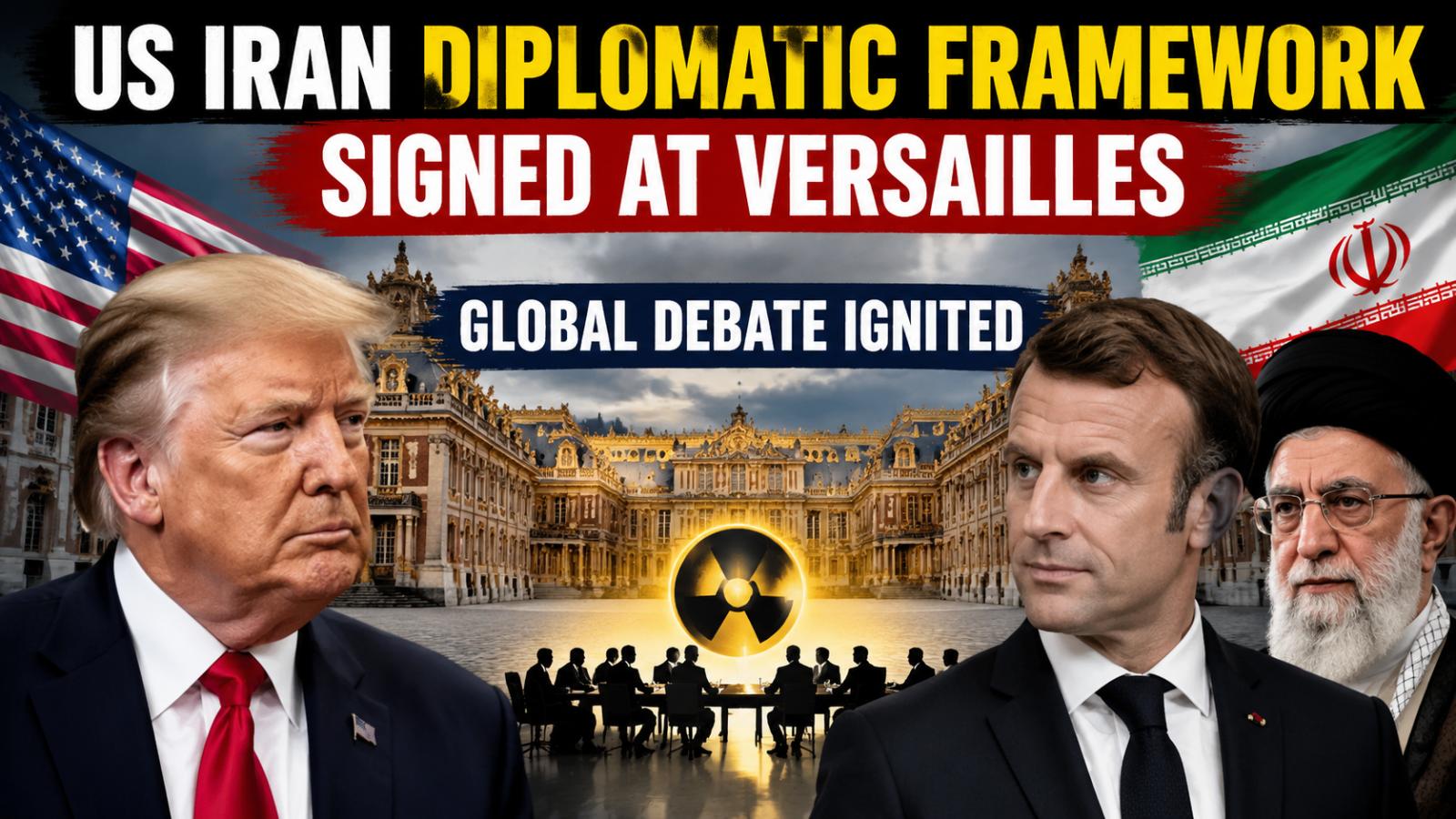
A high-level diplomatic engagement involving the United States and Iran, held in Versailles, has triggered widespread discussion across international policy circles. The meeting, attended by senior representatives including Donald Trump and Emmanuel Macron, focused on a proposed framework addressing Iran’s nuclear activities, sanctions policy, and regional stability concerns.
Rather than being presented as a finalized agreement, officials described the discussions as an early-stag
A high-level diplomatic engagement involving the United States and Iran, held in Versailles, has triggered widespread discussion across international policy circles. The meeting, attended by senior representatives including Donald Trump and Emmanuel Macron, focused on a proposed framework addressing Iran’s nuclear activities, sanctions policy, and regional stability concerns.
Rather than being presented as a finalized agreement, officials described the discussions as an early-stag
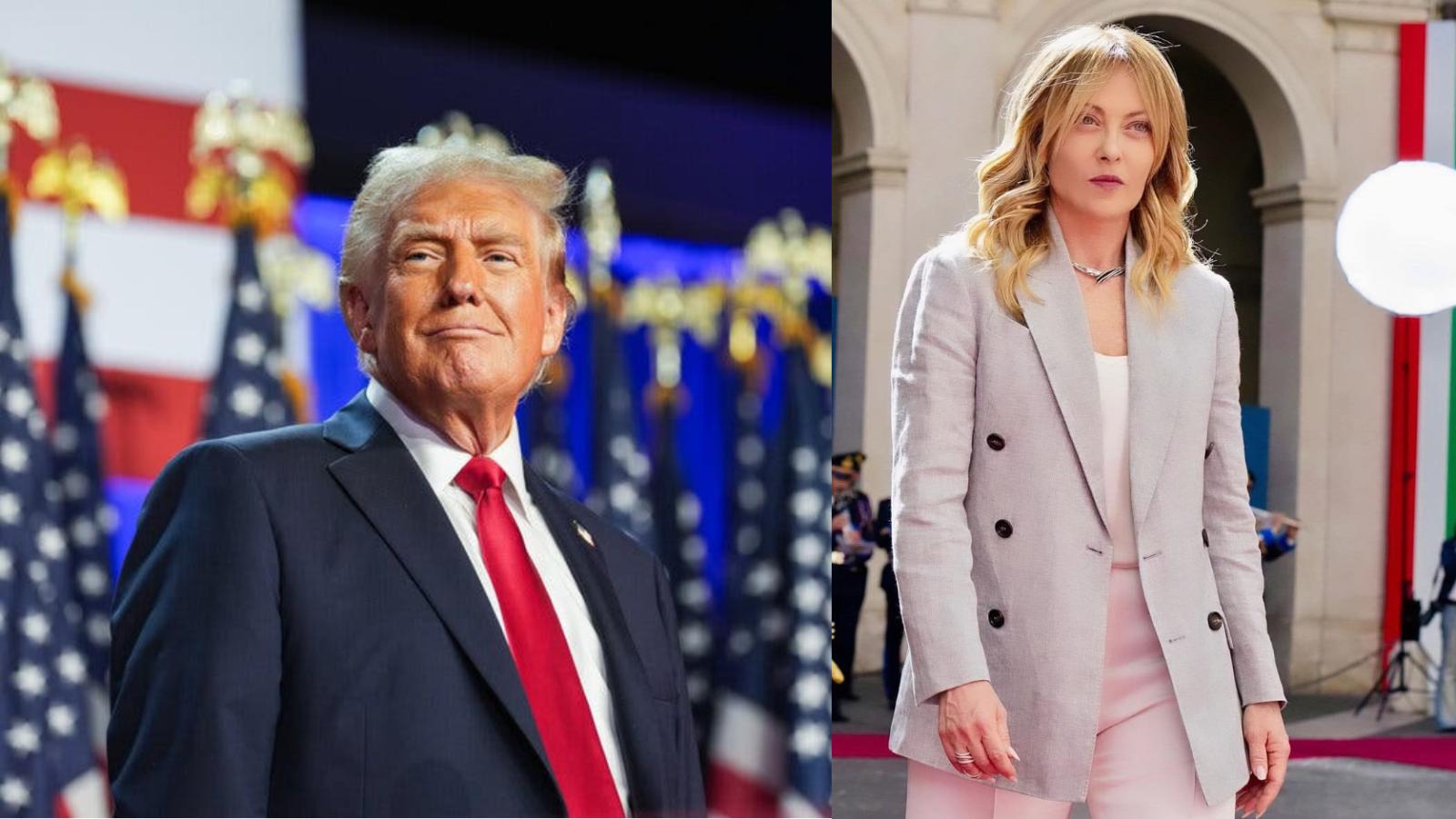
Giorgia Meloni rejected Donald Trump’s G7 photo claim on Friday, June 19, 2026, calling the account “completely made up.” The dispute has since moved beyond a personal exchange, with Italy’s foreign minister canceling a planned visit to the United States.
The Italian prime minister responded after Trump told Italian broadcaster La7 that she had strongly wanted a photograph with him during the G7 summit in Évian-les-Bains, France, held from Monday, June 15, through Wednesday
Giorgia Meloni rejected Donald Trump’s G7 photo claim on Friday, June 19, 2026, calling the account “completely made up.” The dispute has since moved beyond a personal exchange, with Italy’s foreign minister canceling a planned visit to the United States.
The Italian prime minister responded after Trump told Italian broadcaster La7 that she had strongly wanted a photograph with him during the G7 summit in Évian-les-Bains, France, held from Monday, June 15, through Wednesday
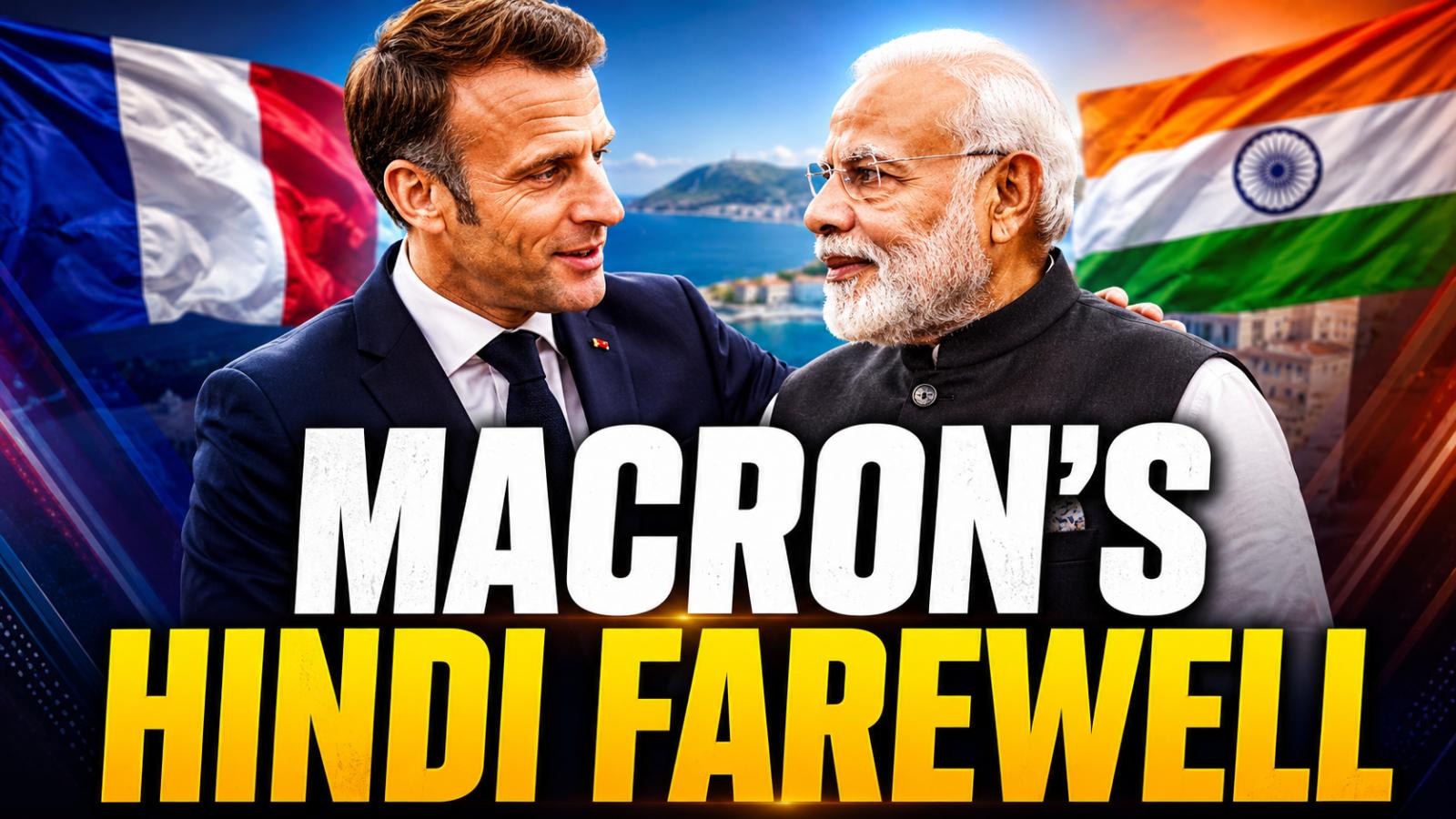
Macron’s Hindi message draws attention
French President Emmanuel Macron ended Prime Minister Narendra Modi’s visit to France with a personal farewell message in Hindi, adding a warm diplomatic touch to the high-profile engagement between the two leaders. The message was shared after Modi’s visit and quickly drew attention because of Macron’s effort to address the Indian Prime Minister in Hindi.
In the v
Macron’s Hindi message draws attention
French President Emmanuel Macron ended Prime Minister Narendra Modi’s visit to France with a personal farewell message in Hindi, adding a warm diplomatic touch to the high-profile engagement between the two leaders. The message was shared after Modi’s visit and quickly drew attention because of Macron’s effort to address the Indian Prime Minister in Hindi.
In the v
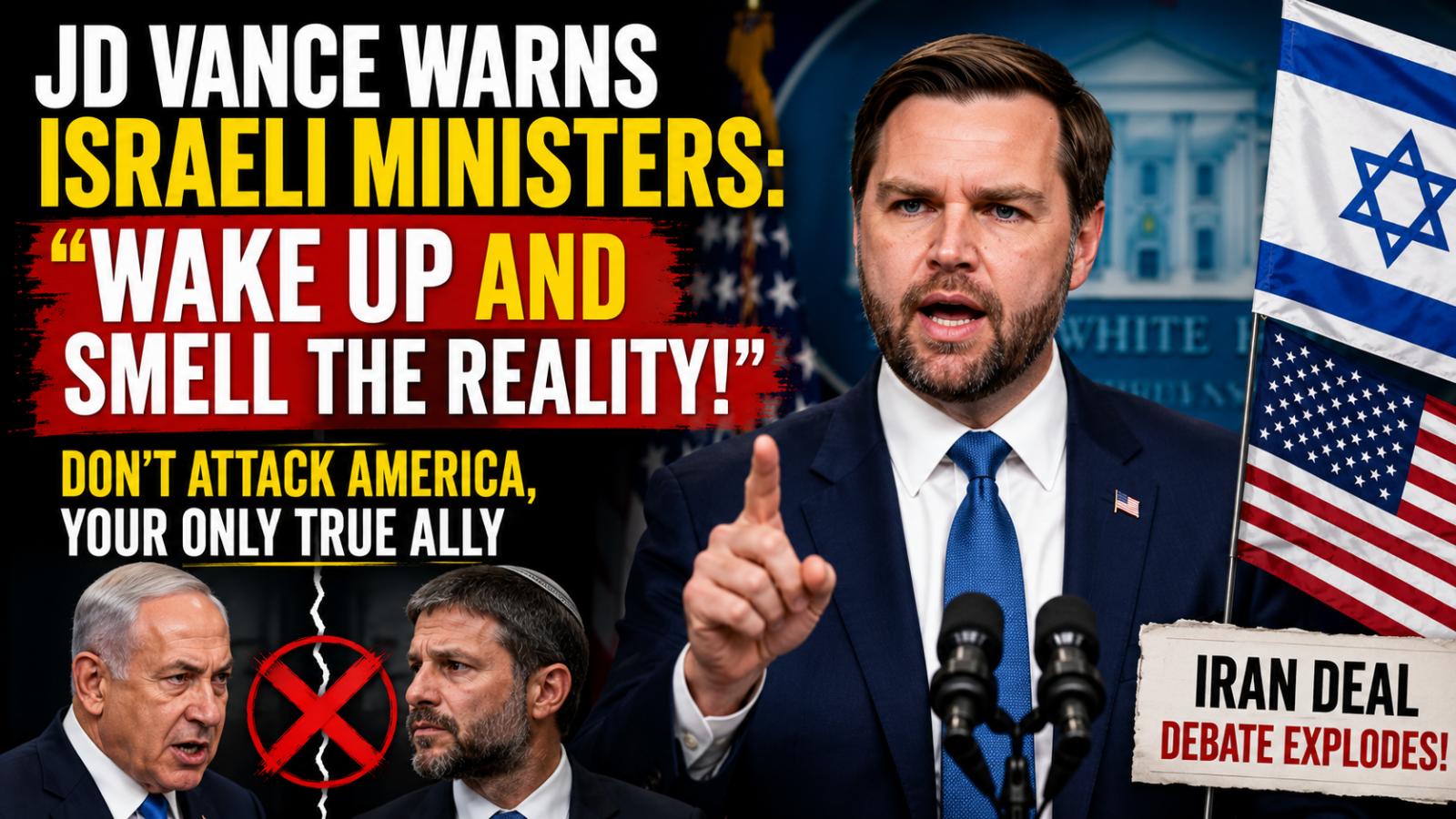
US VP Vance Confronts Israeli Critics on Iran Deal
US Vice President JD Vance delivered a sharp warning to Israeli cabinet ministers on Thursday, June 18,2026 regarding their public criticisms of the US-Iran agreement. Speaking at a White House briefing, Vance underscored that the United States remains Israel’s primary ally and cautioned that attacking Washington could undermine national interests.
Alleged Misreading of US Support
Vance em
US VP Vance Confronts Israeli Critics on Iran Deal
US Vice President JD Vance delivered a sharp warning to Israeli cabinet ministers on Thursday, June 18,2026 regarding their public criticisms of the US-Iran agreement. Speaking at a White House briefing, Vance underscored that the United States remains Israel’s primary ally and cautioned that attacking Washington could undermine national interests.
Alleged Misreading of US Support
Vance em
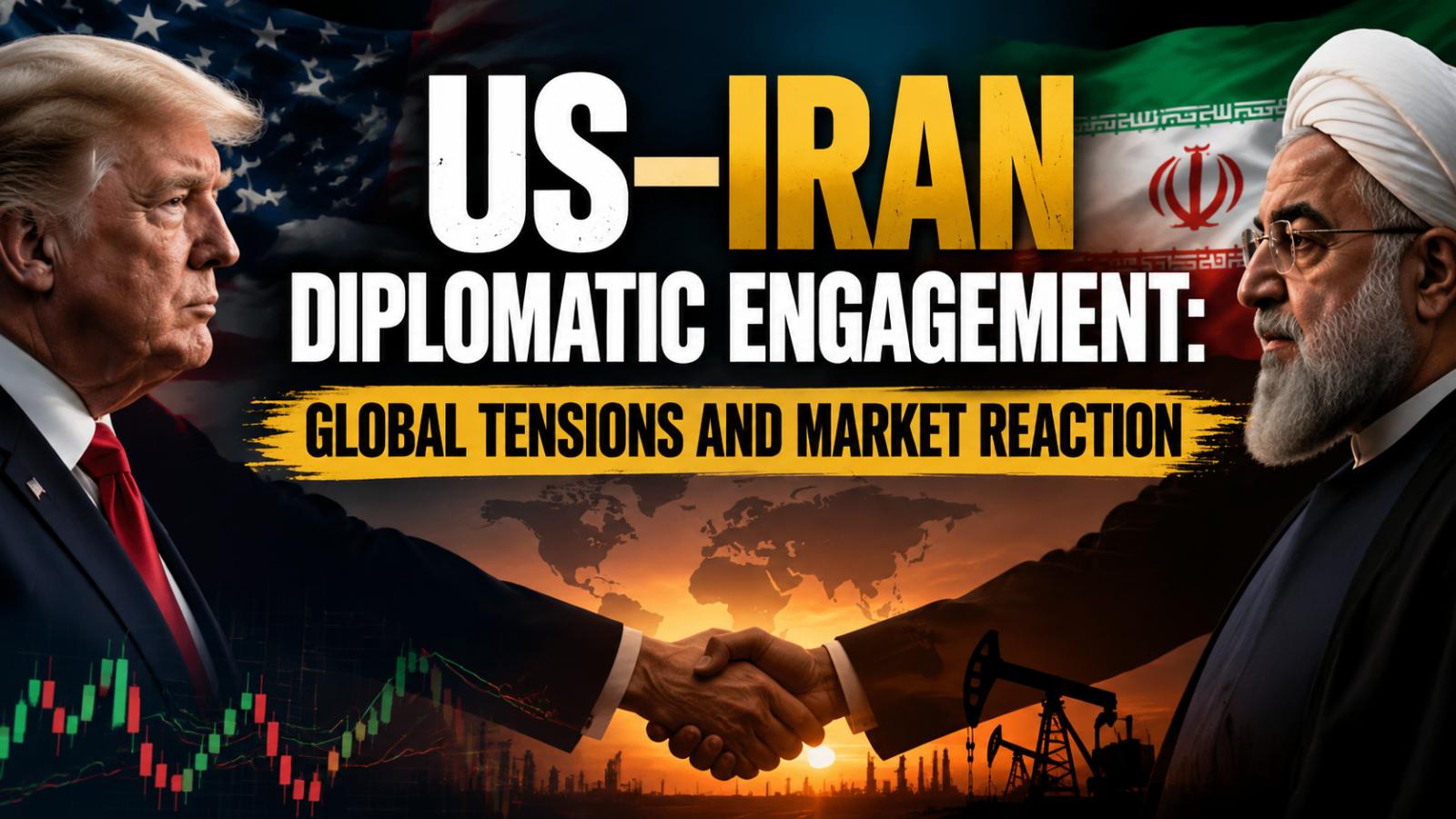
A new round of communication between the United States and Iran has drawn international attention, with both sides indicating a willingness to reopen structured dialogue after a prolonged period of tension. The engagement is being described by officials as an early-stage memorandum-style understanding aimed at reducing immediate escalation risks rather than finalizing a comprehensive agreement.
While no detailed treaty framework has been released, the move signals a shift toward man
A new round of communication between the United States and Iran has drawn international attention, with both sides indicating a willingness to reopen structured dialogue after a prolonged period of tension. The engagement is being described by officials as an early-stage memorandum-style understanding aimed at reducing immediate escalation risks rather than finalizing a comprehensive agreement.
While no detailed treaty framework has been released, the move signals a shift toward man