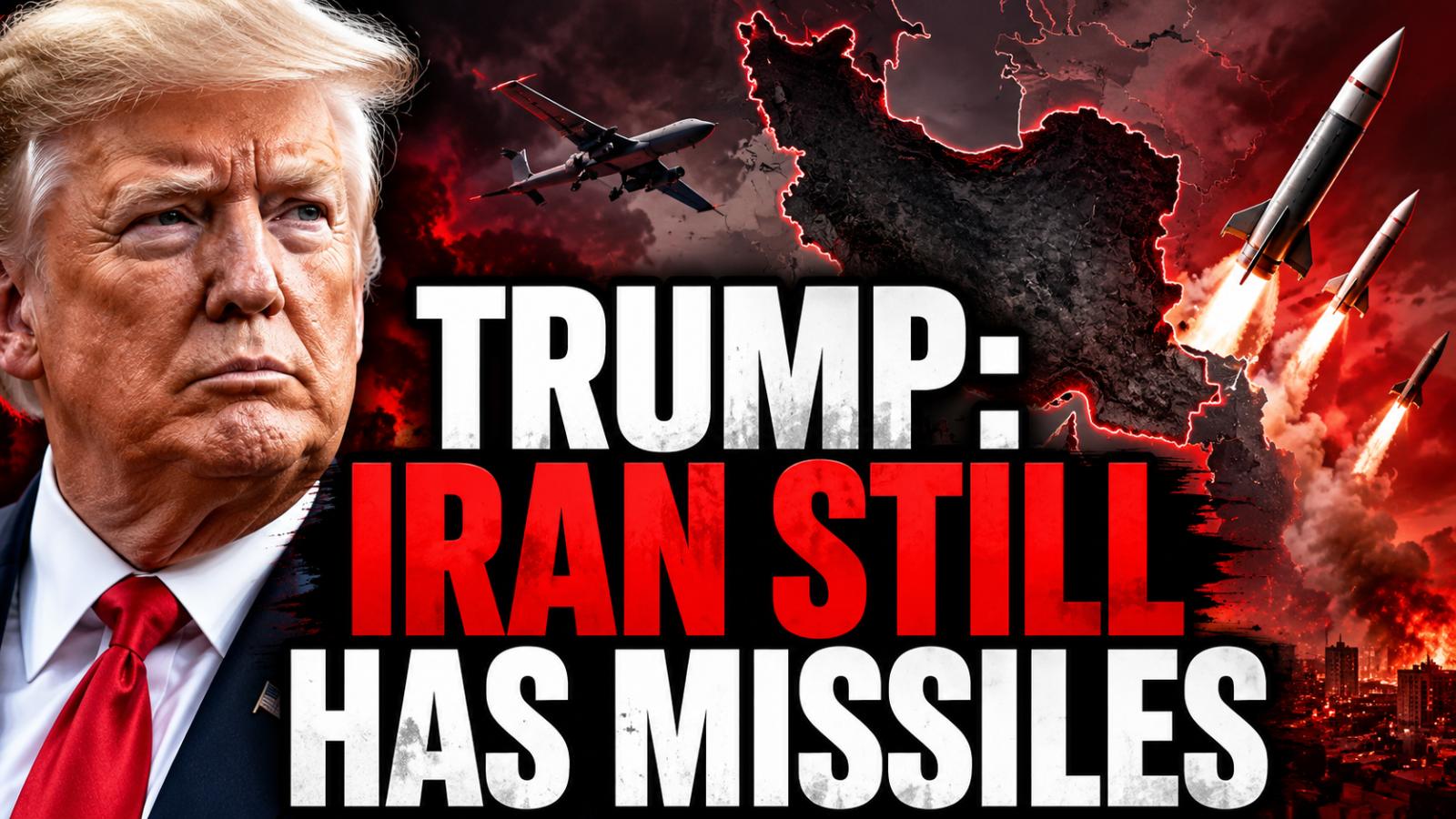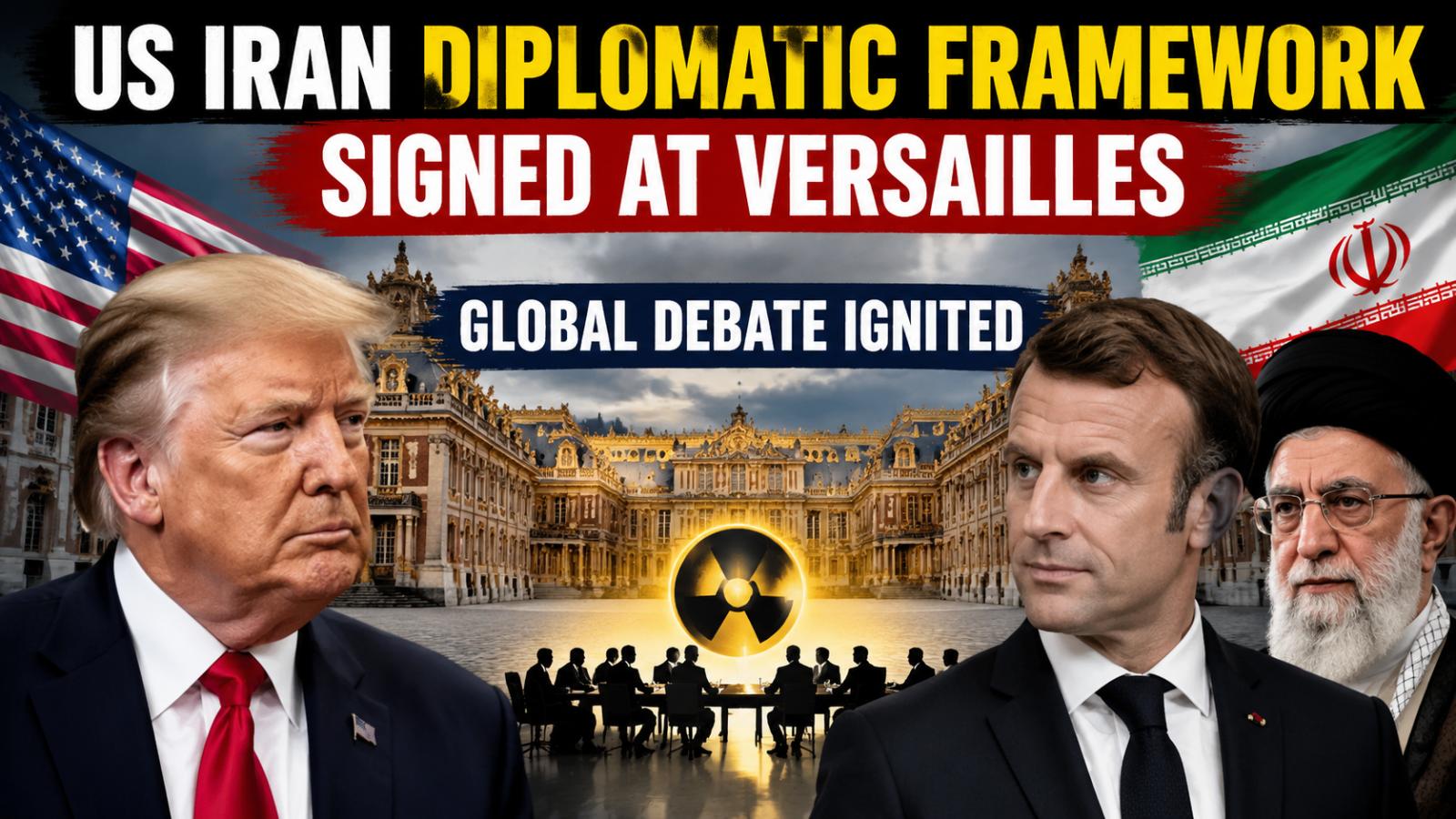
A high-level diplomatic engagement involving the United States and Iran, held in Versailles, has triggered widespread discussion across international policy circles. The meeting, attended by senior representatives including Donald Trump and Emmanuel Macron, focused on a proposed framework addressing Iran’s nuclear activities, sanctions policy, and regional stability concerns.
Rather than being presented as a finalized agreement, officials described the discussions as an early-stage diplomatic roadmap aimed at testing potential areas of cooperation. However, the symbolic choice of Versailles and the scale of the proposed framework have intensified scrutiny from analysts and political observers.
Symbolism of Versailles adds political weight
The decision to hold discussions at Versailles has drawn significant attention due to its historical association with major international treaties. Analysts note that the location amplifies the political messaging behind the talks, projecting an image of structured global diplomacy.
Supporters argue that such symbolic venues help reinforce the seriousness of negotiations, while critics believe it risks overstating progress in discussions that remain preliminary in nature.
Nuclear policy and sanctions remain central issues
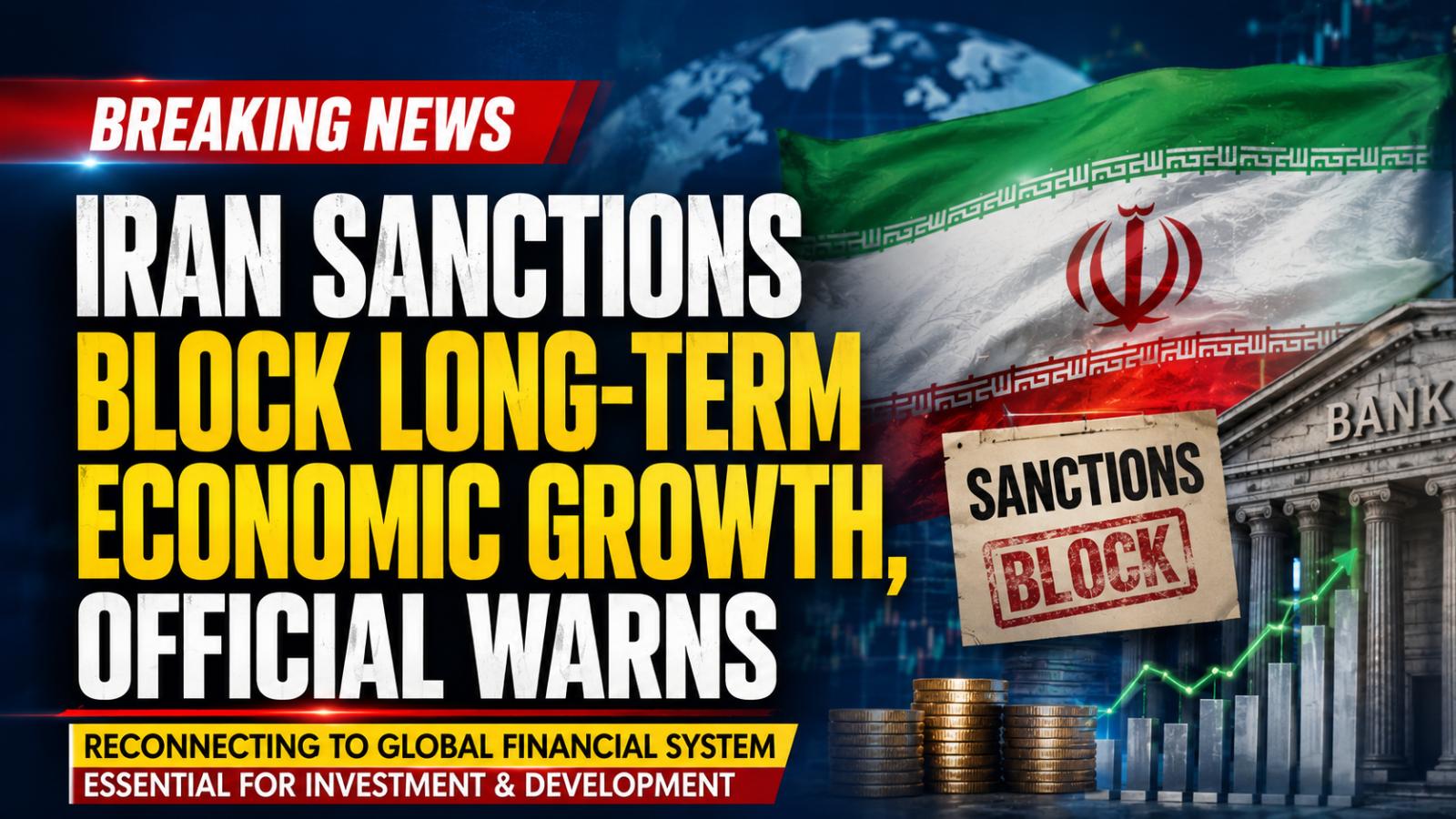
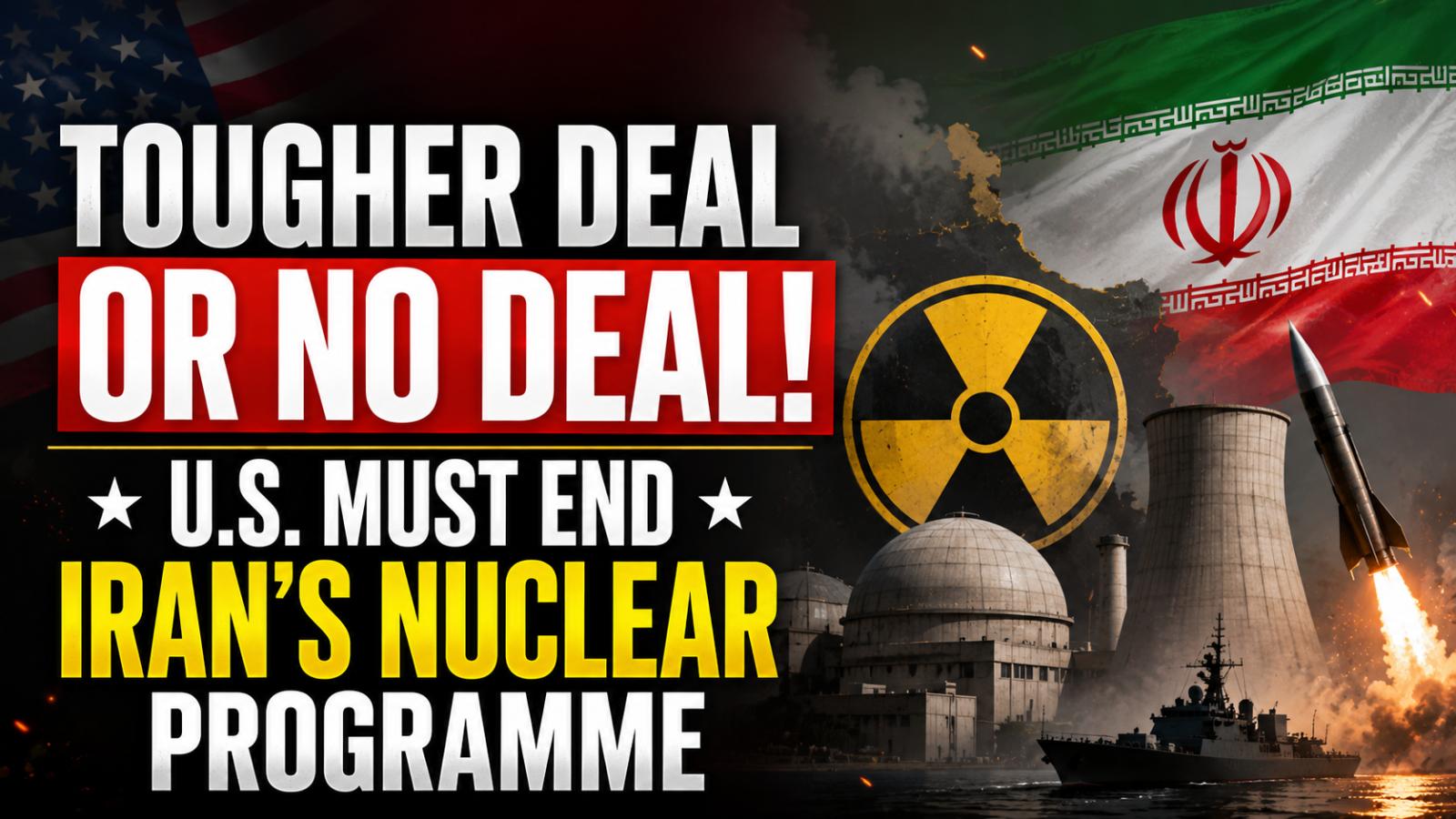
At the core of the discussions is Iran’s nuclear program and the long-standing debate over sanctions relief. The proposed framework reportedly explores phased easing of economic restrictions in exchange for increased verification and monitoring of nuclear-related activities.
Policy experts remain divided. Some view incremental engagement as a practical step toward reducing tensions, while others caution that premature easing of restrictions without strong verification mechanisms could weaken enforcement credibility.
Economic and geopolitical reactions
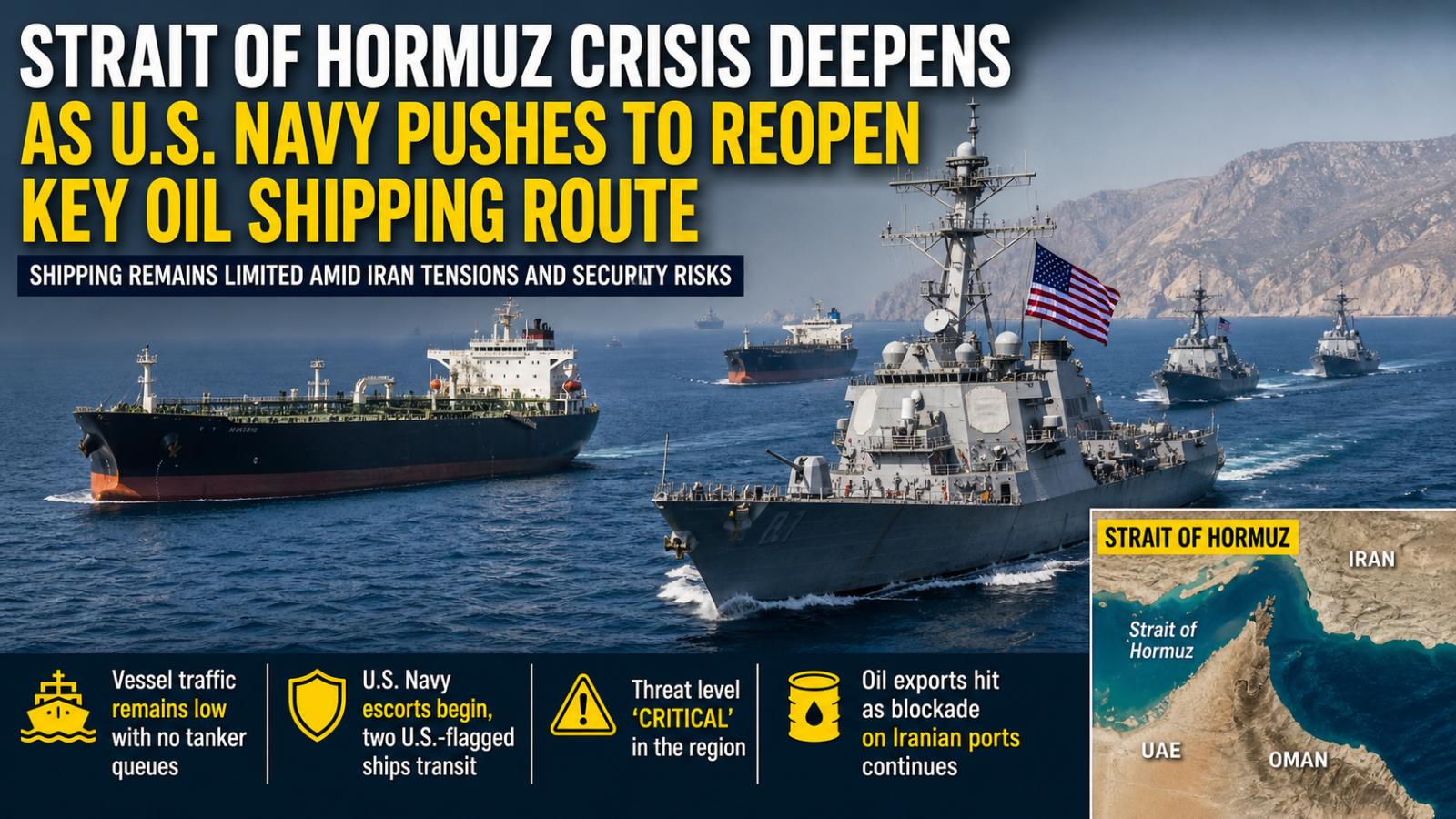
Financial markets showed cautious movement following reports of renewed diplomatic engagement. Oil prices experienced mild fluctuations, reflecting uncertainty over future supply stability in the Middle East.
Geopolitical analysts emphasize that market reactions often reflect short-term sentiment rather than long-term outcomes. The broader concern remains whether diplomatic momentum can translate into durable policy agreements or whether negotiations will stall under political pressure.
Historical comparisons debated among analysts
Some commentators have drawn parallels with past peace frameworks that carried significant political symbolism. However, experts warn that such comparisons should be treated carefully, as modern diplomatic environments differ significantly in structure, enforcement mechanisms, and international institutions.
Rather than repeating historical patterns, analysts suggest the current discussions should be evaluated on their own strategic and economic merits.
Outlook remains uncertain
The Versailles discussions mark an early phase in what could become a longer diplomatic process. While they signal renewed willingness for dialogue between the United States and Iran, significant gaps remain in expectations, verification mechanisms, and political trust.
For now, the global community is watching closely, with cautious optimism balanced against deep-rooted skepticism about whether the framework can evolve into a stable and enforceable agreement.