Iran FM Abbas Araghchi to attend BRICS meeting in New Delhi amid West Asia crisis
Iran’s Foreign Minister Seyed Abbas Araghchi will visit New Delhi this week to attend the BRICS foreign ministers’ meeting, where discussions are expected to focus on the growing West Asia crisis, regional stability, and global energy security. The two-day meeting, scheduled for May 14 and 15 under India’s BRICS chairmanship, comes at a time when tensions involving Iran, the United States, and Israel continue to affect the Strait of Hormuz and international oil markets. India, which dep


Iran FM Abbas Araghchi to attend BRICS meeting in New Delhi amid West Asia crisis
Iran’s Foreign Minister Seyed Abbas Araghchi will visit New Delhi this week to attend the BRICS foreign ministers’ meeting, where discussions are expected to focus on the growing West Asia crisis, regional stability, and global energy security. The two-day meeting, scheduled for May 14 and 15 under India’s BRICS chairmanship, comes at a time when tensions involving Iran, the United States, and Israel continue to affect the Strait of Hormuz and international oil markets. India, which dep
Iran Supreme Leader Mojtaba Khamenei Meets President Pezeshkian for First Time — What It Reveals About Iran’s Power Shift
Iran Leadership Transition: First Meeting Confirmed Iran’s new supreme leader Mojtaba Khamenei has held his first known in-person meeting with President Masoud Pezeshkian, signaling stability in Iran’s leadership transition. Pezeshkian confirmed the two-and-a-half-hour discussion, describing it as “constructive and based on trust,” offering the clearest sign yet of internal unity after months of uncertainty.
Iran Supreme Leader Mojtaba Khamenei Meets President Pezeshkian for First Time — What It Reveals About Iran’s Power Shift
Iran Leadership Transition: First Meeting Confirmed Iran’s new supreme leader Mojtaba Khamenei has held his first known in-person meeting with President Masoud Pezeshkian, signaling stability in Iran’s leadership transition. Pezeshkian confirmed the two-and-a-half-hour discussion, describing it as “constructive and based on trust,” offering the clearest sign yet of internal unity after months of uncertainty.
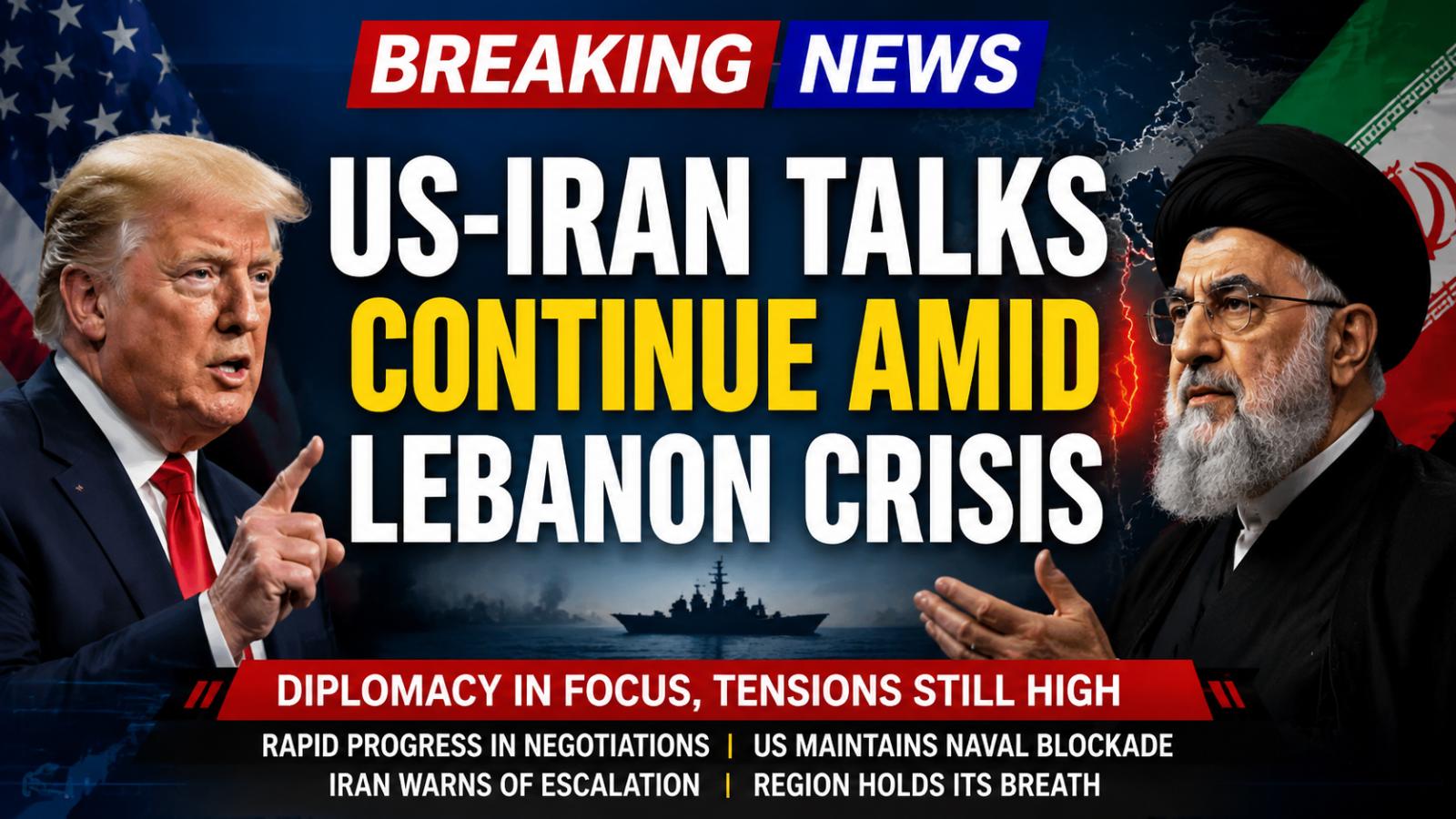
Trump confident of deal with Iran to end war, nuclear weapon discussions ongoing
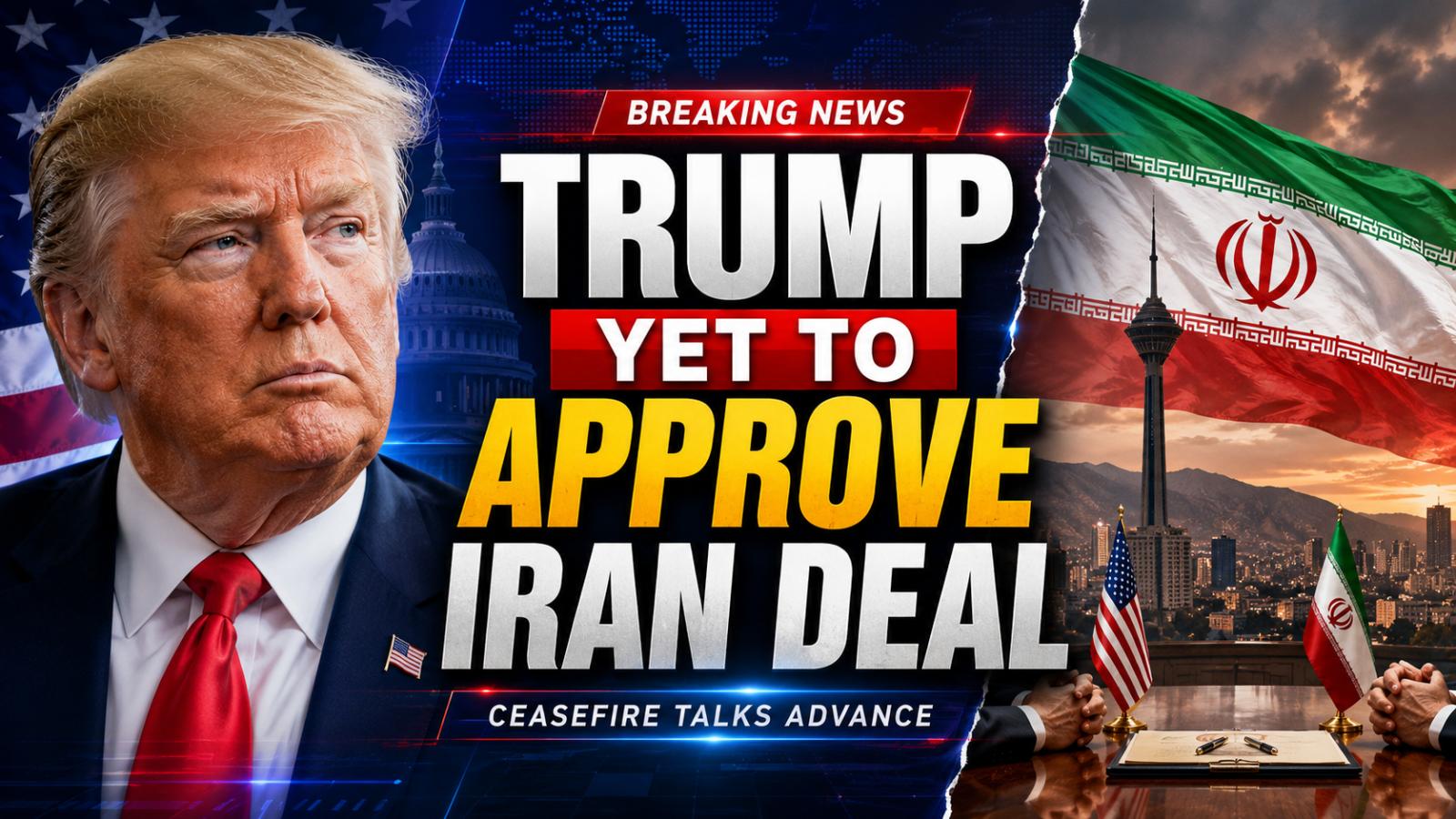
President Donald Trump stated on May 6 that he has been involved in "good talks" with Iran over the past 24 hours and suggested that a deal to end the ongoing war between the two countries is "very possible." Trump emphasized that the discussions centered on Iran's nuclear program, which remains a critical point of concern for the United States. The president stated, “Iran cannot have a nuclear weapon, and they won’t.” He added that this is a point the Iranian government has already agreed to, alongside other key terms. Trump's statements come after a recent warning to Iran that the United States would escalate its military action if a deal is not reached. "If they don’t agree, the bombing starts, and it will be, sadly, at a much higher level and intensity than it was before,” Trump wrote in a post on Truth Social on May 6. This aggressive stance reflects the president’s resolve to prevent Iran from advancing its nuclear capabilities. In the wake of these talks, Israeli political officials have indicated that there are signs of progress in negotiations between Trump and Iranian Foreign Minister Abbas Araghchi. According to sources, Israel sees this as an opportunity for diplomatic progress. However, the Israeli officials also warned that internal divisions within Iran’s leadership could potentially jeopardize the long-term stability of any agreement. As of now, the future of US-Iran relations remains uncertain, but Trump’s recent comments suggest that both sides are exploring avenues for negotiation. If a deal is reached, it could have significant implications for regional stability, particularly regarding the security of the Strait of Hormuz. This strategic waterway has long been a focal point of tensions in the Middle East due to its role in global oil shipments. The president’s assurance that the Hormuz Strait would be “OPEN TO ALL, including Iran” if an agreement is reached suggests that economic and geopolitical interests are also being considered alongside security concerns. While the talks between Trump and Iran hold promise, the situation remains volatile. Both the US and Iranian governments face internal and external pressures that could complicate efforts to reach a lasting peace agreement. With the threat of military action still on the table, the world watches closely as the two nations navigate these delicate negotiations.
Trump confident of deal with Iran to end war, nuclear weapon discussions ongoing
President Donald Trump stated on May 6 that he has been involved in "good talks" with Iran over the past 24 hours and suggested that a deal to end the ongoing war between the two countries is "very possible." Trump emphasized that the discussions centered on Iran's nuclear program, which remains a critical point of concern for the United States. The president stated, “Iran cannot have a nuclear weapon, and they won’t.” He added that this is a point the Iranian government has already agreed to, alongside other key terms. Trump's statements come after a recent warning to Iran that the United States would escalate its military action if a deal is not reached. "If they don’t agree, the bombing starts, and it will be, sadly, at a much higher level and intensity than it was before,” Trump wrote in a post on Truth Social on May 6. This aggressive stance reflects the president’s resolve to prevent Iran from advancing its nuclear capabilities. In the wake of these talks, Israeli political officials have indicated that there are signs of progress in negotiations between Trump and Iranian Foreign Minister Abbas Araghchi. According to sources, Israel sees this as an opportunity for diplomatic progress. However, the Israeli officials also warned that internal divisions within Iran’s leadership could potentially jeopardize the long-term stability of any agreement. As of now, the future of US-Iran relations remains uncertain, but Trump’s recent comments suggest that both sides are exploring avenues for negotiation. If a deal is reached, it could have significant implications for regional stability, particularly regarding the security of the Strait of Hormuz. This strategic waterway has long been a focal point of tensions in the Middle East due to its role in global oil shipments. The president’s assurance that the Hormuz Strait would be “OPEN TO ALL, including Iran” if an agreement is reached suggests that economic and geopolitical interests are also being considered alongside security concerns. While the talks between Trump and Iran hold promise, the situation remains volatile. Both the US and Iranian governments face internal and external pressures that could complicate efforts to reach a lasting peace agreement. With the threat of military action still on the table, the world watches closely as the two nations navigate these delicate negotiations.
Trump and Pope Leo XIV clash again over Iran’s nuclear stance
The feud between US President Donald Trump and Pope Leo XIV has flared up once again. The latest clash revolves around Trump’s repeated claims that the Pope supports Iran’s right to develop nuclear weapons. This accusation has been vigorously denied by the Vatican, with Pope Leo XIV offering a sharp rebuke. The Pope emphasized his long-standing position on nuclear disarmament and global peace, making it clear that his message remains consistent despite the President's accusations. Trump’s Accusations Against the Pope In an interview with Hugh Hewitt of Salem News Channel, President Trump reiterated his controversial claim that Pope Leo XIV condones Iran's nuclear ambitions. Trump said, "The pope would rather talk about the fact that it’s OK for Iran to have a nuclear weapon, and I don’t think that’s very good." He continued, "I think he's endangering a lot of Catholics, and a lot of people, but I guess if it’s up to the pope, he thinks it’s just fine for Iran to have a nuclear weapon." This repeated assertion has been a part of Trump's rhetoric, even though the Pope has never publicly supported such a view. Pope Leo XIV's Rejection of the Claim Without directly naming Trump, Pope Leo XIV responded firmly, rejecting the accusations. "If anyone wants to criticise me for proclaiming the Gospel, let them do so truthfully," he said in a statement. The Pope's message was unequivocal: the mission of the Church is to preach peace, and it has always opposed the proliferation of nuclear weapons. He reminded the world that the Catholic Church has long advocated for a world free from nuclear threats. The Pope has been vocal about the need for diplomacy over conflict, urging political leaders to engage in dialogue rather than pursue rearmament. The Pope’s remarks were a clear message to those who misinterpret his calls for peace. The Catholic Church has continuously voiced its opposition to nuclear weapons, and Pope Leo XIV reaffirmed that stance, urging global leaders to focus on peaceful solutions to international conflicts. A Notable Timing: Rubio’s Visit to the Vatican The timing of this ongoing dispute is particularly interesting, as US Secretary of State Marco Rubio is scheduled to visit Rome this week. Rubio will meet with Pope Leo XIV on Thursday to discuss a range of topics, including the situation in the Middle East. The State Department has positioned this visit as an opportunity to explore mutual interests and discuss pressing global issues. However, with the current tensions surrounding Iran and nuclear weapons, this meeting is likely to be complicated by the feud between Trump and the Pope. Pope Leo XIV's Message for Global Peace Despite the political tensions, Pope Leo XIV has remained focused on his core message: peace. The Pope has consistently called for a world free from the threat of nuclear weapons, advocating for leaders to sit at the table of dialogue and diplomacy. His call for peace was reiterated during a recent gathering at St. Peter’s Basilica, where he urged Catholics to prioritize dialogue over violence. In his remarks, Pope Leo XIV urged global leaders to focus on diplomacy and avoid the path of rearmament. He emphasized the importance of peaceful negotiations, saying, "It is time for peace! Sit at the table of dialogue and mediation, not at the table where rearmament is planned, and deadly actions are decided." This sentiment reflects the Pope’s long-standing commitment to nuclear disarmament and peaceful resolutions to international disputes. As the tension between Trump and the Pope continues to unfold, the world will be watching closely. The clash underscores the ongoing challenges in navigating political and religious divides, especially when it comes to sensitive issues like nuclear weapons and international peace. However, Pope Leo XIV’s commitment to peace and diplomacy remains unwavering, and his stance continues to influence global discussions on nuclear disarmament.
Trump and Pope Leo XIV clash again over Iran’s nuclear stance
The feud between US President Donald Trump and Pope Leo XIV has flared up once again. The latest clash revolves around Trump’s repeated claims that the Pope supports Iran’s right to develop nuclear weapons. This accusation has been vigorously denied by the Vatican, with Pope Leo XIV offering a sharp rebuke. The Pope emphasized his long-standing position on nuclear disarmament and global peace, making it clear that his message remains consistent despite the President's accusations. Trump’s Accusations Against the Pope In an interview with Hugh Hewitt of Salem News Channel, President Trump reiterated his controversial claim that Pope Leo XIV condones Iran's nuclear ambitions. Trump said, "The pope would rather talk about the fact that it’s OK for Iran to have a nuclear weapon, and I don’t think that’s very good." He continued, "I think he's endangering a lot of Catholics, and a lot of people, but I guess if it’s up to the pope, he thinks it’s just fine for Iran to have a nuclear weapon." This repeated assertion has been a part of Trump's rhetoric, even though the Pope has never publicly supported such a view. Pope Leo XIV's Rejection of the Claim Without directly naming Trump, Pope Leo XIV responded firmly, rejecting the accusations. "If anyone wants to criticise me for proclaiming the Gospel, let them do so truthfully," he said in a statement. The Pope's message was unequivocal: the mission of the Church is to preach peace, and it has always opposed the proliferation of nuclear weapons. He reminded the world that the Catholic Church has long advocated for a world free from nuclear threats. The Pope has been vocal about the need for diplomacy over conflict, urging political leaders to engage in dialogue rather than pursue rearmament. The Pope’s remarks were a clear message to those who misinterpret his calls for peace. The Catholic Church has continuously voiced its opposition to nuclear weapons, and Pope Leo XIV reaffirmed that stance, urging global leaders to focus on peaceful solutions to international conflicts. A Notable Timing: Rubio’s Visit to the Vatican The timing of this ongoing dispute is particularly interesting, as US Secretary of State Marco Rubio is scheduled to visit Rome this week. Rubio will meet with Pope Leo XIV on Thursday to discuss a range of topics, including the situation in the Middle East. The State Department has positioned this visit as an opportunity to explore mutual interests and discuss pressing global issues. However, with the current tensions surrounding Iran and nuclear weapons, this meeting is likely to be complicated by the feud between Trump and the Pope. Pope Leo XIV's Message for Global Peace Despite the political tensions, Pope Leo XIV has remained focused on his core message: peace. The Pope has consistently called for a world free from the threat of nuclear weapons, advocating for leaders to sit at the table of dialogue and diplomacy. His call for peace was reiterated during a recent gathering at St. Peter’s Basilica, where he urged Catholics to prioritize dialogue over violence. In his remarks, Pope Leo XIV urged global leaders to focus on diplomacy and avoid the path of rearmament. He emphasized the importance of peaceful negotiations, saying, "It is time for peace! Sit at the table of dialogue and mediation, not at the table where rearmament is planned, and deadly actions are decided." This sentiment reflects the Pope’s long-standing commitment to nuclear disarmament and peaceful resolutions to international disputes. As the tension between Trump and the Pope continues to unfold, the world will be watching closely. The clash underscores the ongoing challenges in navigating political and religious divides, especially when it comes to sensitive issues like nuclear weapons and international peace. However, Pope Leo XIV’s commitment to peace and diplomacy remains unwavering, and his stance continues to influence global discussions on nuclear disarmament.
Iran Rejects UAE Drone Strike Accusations, Points to US Adventurism
Iran has strongly denied accusations from the United Arab Emirates that it was behind a drone strike targeting oil facilities in Fujairah, calling the attack a product of US military adventurism. UAE authorities reported the attack on Monday, saying that three Indian nationals were injured in the strike and were hospitalized. The UAE also described the attack as a “dangerous escalation” amid growing tensions in the region. Iran's military officials, speaking on state television, insisted that the Islamic Republic had no plans to target UAE oil infrastructure. They argued that the attack was part of a broader geopolitical game in which the US was attempting to create a passage for ships to unlawfully pass through the Strait of Hormuz, a key oil shipping lane. Iranian officials called on the US to cease its military actions in the region, accusing Washington of destabilizing the area and holding the US accountable for the escalation. In the aftermath of the strike, US President Donald Trump announced a new maritime operation, Project Freedom, aimed at guiding neutral ships safely through the Gulf. The initiative, which Trump described as a humanitarian effort, is seen as a response to the increasing number of incidents in the Strait of Hormuz. US officials reported engaging with Iranian small boats in the Gulf, claiming that US forces had destroyed several Iranian vessels. Iran, however, denied these claims, stating that none of its boats had been sunk. Iran's Foreign Minister, Seyed Abbas Araghchi, emphasized the need for a political resolution to the ongoing tensions, cautioning against further military action. He called for greater diplomatic efforts, including mediation by countries like Pakistan, to prevent a deeper conflict. Araghchi also warned the UAE and other regional actors against further escalation, urging them to avoid external interference that could destabilize the region further. As the situation continues to develop, both Iran and the US remain at odds over their military presence in the vital Strait of Hormuz.
Iran Rejects UAE Drone Strike Accusations, Points to US Adventurism
Iran has strongly denied accusations from the United Arab Emirates that it was behind a drone strike targeting oil facilities in Fujairah, calling the attack a product of US military adventurism. UAE authorities reported the attack on Monday, saying that three Indian nationals were injured in the strike and were hospitalized. The UAE also described the attack as a “dangerous escalation” amid growing tensions in the region. Iran's military officials, speaking on state television, insisted that the Islamic Republic had no plans to target UAE oil infrastructure. They argued that the attack was part of a broader geopolitical game in which the US was attempting to create a passage for ships to unlawfully pass through the Strait of Hormuz, a key oil shipping lane. Iranian officials called on the US to cease its military actions in the region, accusing Washington of destabilizing the area and holding the US accountable for the escalation. In the aftermath of the strike, US President Donald Trump announced a new maritime operation, Project Freedom, aimed at guiding neutral ships safely through the Gulf. The initiative, which Trump described as a humanitarian effort, is seen as a response to the increasing number of incidents in the Strait of Hormuz. US officials reported engaging with Iranian small boats in the Gulf, claiming that US forces had destroyed several Iranian vessels. Iran, however, denied these claims, stating that none of its boats had been sunk. Iran's Foreign Minister, Seyed Abbas Araghchi, emphasized the need for a political resolution to the ongoing tensions, cautioning against further military action. He called for greater diplomatic efforts, including mediation by countries like Pakistan, to prevent a deeper conflict. Araghchi also warned the UAE and other regional actors against further escalation, urging them to avoid external interference that could destabilize the region further. As the situation continues to develop, both Iran and the US remain at odds over their military presence in the vital Strait of Hormuz.
What did Iran propose to the U.S.? New talks plan sent via Pakistan signals diplomacy
Iran has delivered a new proposal for negotiations with the United States through Pakistan, signaling a potential diplomatic opening amid heightened regional tensions. According to IRNA, the proposal was formally
What did Iran propose to the U.S.? New talks plan sent via Pakistan signals diplomacy
Iran has delivered a new proposal for negotiations with the United States through Pakistan, signaling a potential diplomatic opening amid heightened regional tensions. According to IRNA, the proposal was formally
King Charles III Uses Humor to Strengthen US-UK Ties During Visit
King Charles III used a mix of humor and historical references during his recent visit to the United States, delivering speeches that balanced diplomacy with wit while reinforcing the long-standing relationship between the two nations. His appearances, including an address to Congress and remarks at a state dinner at the White House hosted by Donald Trump, drew attention for their tone and messaging. During his engagements, the King made light-hearted comments that resonated with audiences while referencing shared history. In one instance, he joked about the British army’s burning of the White House in 1814, describing it as a “small attempt at beautification,” prompting laughter while acknowledging a historic conflict. His remarks also included references to earlier global rivalries, noting that without British influence, Americans might have been speaking French, a nod to the outcome of 18th-century European conflicts. In his address to Congress, King Charles drew on literary imagery, referring to “a tale of two Georges,” linking George Washington and George III. The comment highlighted shared history while emphasizing the evolution of relations between the United Kingdom and the United States. His speech avoided direct involvement in political controversies, instead focusing on broader themes of partnership and mutual respect. The King also touched on modern geopolitical issues, including defense cooperation and the role of alliances such as NATO. He referenced the enduring collaboration between the two nations, particularly in times of crisis, while acknowledging differing perspectives on international policy matters. His remarks underscored the importance of maintaining cooperation despite disagreements. By combining humor with carefully measured commentary, King Charles demonstrated a diplomatic approach that emphasized unity without overlooking complexity. His visit highlighted both the historical depth and contemporary relevance of the US-UK relationship, presenting a message aimed at strengthening ties while navigating sensitive political dynamics.
King Charles III Uses Humor to Strengthen US-UK Ties During Visit
King Charles III used a mix of humor and historical references during his recent visit to the United States, delivering speeches that balanced diplomacy with wit while reinforcing the long-standing relationship between the two nations. His appearances, including an address to Congress and remarks at a state dinner at the White House hosted by Donald Trump, drew attention for their tone and messaging. During his engagements, the King made light-hearted comments that resonated with audiences while referencing shared history. In one instance, he joked about the British army’s burning of the White House in 1814, describing it as a “small attempt at beautification,” prompting laughter while acknowledging a historic conflict. His remarks also included references to earlier global rivalries, noting that without British influence, Americans might have been speaking French, a nod to the outcome of 18th-century European conflicts. In his address to Congress, King Charles drew on literary imagery, referring to “a tale of two Georges,” linking George Washington and George III. The comment highlighted shared history while emphasizing the evolution of relations between the United Kingdom and the United States. His speech avoided direct involvement in political controversies, instead focusing on broader themes of partnership and mutual respect. The King also touched on modern geopolitical issues, including defense cooperation and the role of alliances such as NATO. He referenced the enduring collaboration between the two nations, particularly in times of crisis, while acknowledging differing perspectives on international policy matters. His remarks underscored the importance of maintaining cooperation despite disagreements. By combining humor with carefully measured commentary, King Charles demonstrated a diplomatic approach that emphasized unity without overlooking complexity. His visit highlighted both the historical depth and contemporary relevance of the US-UK relationship, presenting a message aimed at strengthening ties while navigating sensitive political dynamics.
Why did the UN grant Iran a leadership role? It reflects procedural voting dynamics despite criticism
It reflects procedural voting dynamics despite criticism The United States, joined by the United Arab Emirates and supported by several European governments, condemned a United Nations decision made on Monday, April 28, 2026, to appoint Iran as one of the vice presidents at a major nuclear treaty conference in New York. Iran’s appointment through Non-Aligned Movement voting bloc The controversy emerged as the 11th Review Conference of
Why did the UN grant Iran a leadership role? It reflects procedural voting dynamics despite criticism
It reflects procedural voting dynamics despite criticism The United States, joined by the United Arab Emirates and supported by several European governments, condemned a United Nations decision made on Monday, April 28, 2026, to appoint Iran as one of the vice presidents at a major nuclear treaty conference in New York. Iran’s appointment through Non-Aligned Movement voting bloc The controversy emerged as the 11th Review Conference of
Trump claims Iran in ‘state of collapse’ amid ongoing regional conflict
Trump says Iran is in “collapse” and seeks reopening of the Hormuz Strait as conflict continues. Peace talks in Pakistan stalled, leaving regional tensions unresolved. Trump claims Iran in ‘state of collapse’ amid ongoing regional conflict as former U.S. President Donald Trump said the Iranian government has informed Washington it is facing a severe breakdown in l
Trump claims Iran in ‘state of collapse’ amid ongoing regional conflict
Trump says Iran is in “collapse” and seeks reopening of the Hormuz Strait as conflict continues. Peace talks in Pakistan stalled, leaving regional tensions unresolved. Trump claims Iran in ‘state of collapse’ amid ongoing regional conflict as former U.S. President Donald Trump said the Iranian government has informed Washington it is facing a severe breakdown in l
Iran offers Strait of Hormuz reopening if US lifts blockade, delays nuclear talks
Iran offered to reopen the Strait of Hormuz if the U.S. lifts its blockade and ends hostilities, but Washington insists any deal must address Tehran’s nuclear program, leaving tensions high and global energy markets under strain. Iran has proposed reopening the Strait of Hormuz if the United States lifts its blockade and agrees to end hostilities, according to regional officials familiar with negotiations disclosed on Monday, April 28, 2026. The proposal, deliver
Iran offers Strait of Hormuz reopening if US lifts blockade, delays nuclear talks
Iran offered to reopen the Strait of Hormuz if the U.S. lifts its blockade and ends hostilities, but Washington insists any deal must address Tehran’s nuclear program, leaving tensions high and global energy markets under strain. Iran has proposed reopening the Strait of Hormuz if the United States lifts its blockade and agrees to end hostilities, according to regional officials familiar with negotiations disclosed on Monday, April 28, 2026. The proposal, deliver
Why did Trump cancel envoy trip? Talks with Iran continue remotely
Talks with Iran continue remotely Diplomatic efforts to bridge differences between the United States and Iran remain active despite setbacks, including the cancellation of a planned envoy visit by President Donald Trump. Developments reported on Monday, April 27, 2026, indicate that negotiations are continuing through indirect channels, with Pakistan playing a mediating role. Iran proposes phased approach delaying nuclear negotiations According to sources familiar with the discussions, Iran has introduced a proposal that restructures the negotiation timeline. The plan would prioritize ending the ongoing conflict and resolving disputes over shipping in the Strait of Hormuz before addressing Iran’s nuclear program. This phased approach is expected to face resistance from Washington, which has consistently maintained that nuclear issues must be addressed at the outset of any agreement. Iranian Foreign Minister Abbas Araqchi has been actively engaged in shuttle diplomacy, traveling between Islamabad, Oman, and Russia over the weekend and into Monday, April 27, 2026. In Moscow, Araqchi met with Vladimir Putin, signaling continued support from Russia. Pakistan facilitates remote negotiations after canceled meetings Plans for face-to-face talks in Islamabad were abandoned after Trump called off a visit by his envoys, including Steve Witkoff and Jared Kushner. The cancellation followed what Trump described as an insufficient Iranian proposal. As a result, Pakistan has shifted to facilitating remote negotiations, with officials indicating that in-person meetings will only occur once substantial progress is made toward a draft agreement. Oil markets react as tensions persist in the Gulf The ongoing standoff has had immediate economic implications, particularly in global energy markets. Oil prices rose when trading resumed on Monday, April 27, 2026, with Brent crude increasing by approximately 2.5% to around $108 per barrel. The volatility reflects concerns over restricted shipping through the Strait of Hormuz, a critical route for global oil supplies. Since the conflict began, Iran has limited access to the waterway, while the United States has imposed a blockade on Iranian shipping. These actions have heightened fears of prolonged disruption, contributing to inflationary pressures and uncertainty in global economic growth. Domestic and geopolitical pressures shape next steps Trump faces increasing domestic pressure to resolve the conflict as approval ratings decline, while Iran continues to leverage its control over regional shipping routes. Despite a ceasefire that has paused active strikes since February 28, 2026, no comprehensive agreement has been reached to formally end hostilities. The gap between the two sides remains significant, particularly over nuclear restrictions and regional security. With both nations appearing prepared for a prolonged negotiation process, analysts suggest the outcome may depend on which side can withstand the economic and political pressures longer.
Why did Trump cancel envoy trip? Talks with Iran continue remotely
Talks with Iran continue remotely Diplomatic efforts to bridge differences between the United States and Iran remain active despite setbacks, including the cancellation of a planned envoy visit by President Donald Trump. Developments reported on Monday, April 27, 2026, indicate that negotiations are continuing through indirect channels, with Pakistan playing a mediating role. Iran proposes phased approach delaying nuclear negotiations According to sources familiar with the discussions, Iran has introduced a proposal that restructures the negotiation timeline. The plan would prioritize ending the ongoing conflict and resolving disputes over shipping in the Strait of Hormuz before addressing Iran’s nuclear program. This phased approach is expected to face resistance from Washington, which has consistently maintained that nuclear issues must be addressed at the outset of any agreement. Iranian Foreign Minister Abbas Araqchi has been actively engaged in shuttle diplomacy, traveling between Islamabad, Oman, and Russia over the weekend and into Monday, April 27, 2026. In Moscow, Araqchi met with Vladimir Putin, signaling continued support from Russia. Pakistan facilitates remote negotiations after canceled meetings Plans for face-to-face talks in Islamabad were abandoned after Trump called off a visit by his envoys, including Steve Witkoff and Jared Kushner. The cancellation followed what Trump described as an insufficient Iranian proposal. As a result, Pakistan has shifted to facilitating remote negotiations, with officials indicating that in-person meetings will only occur once substantial progress is made toward a draft agreement. Oil markets react as tensions persist in the Gulf The ongoing standoff has had immediate economic implications, particularly in global energy markets. Oil prices rose when trading resumed on Monday, April 27, 2026, with Brent crude increasing by approximately 2.5% to around $108 per barrel. The volatility reflects concerns over restricted shipping through the Strait of Hormuz, a critical route for global oil supplies. Since the conflict began, Iran has limited access to the waterway, while the United States has imposed a blockade on Iranian shipping. These actions have heightened fears of prolonged disruption, contributing to inflationary pressures and uncertainty in global economic growth. Domestic and geopolitical pressures shape next steps Trump faces increasing domestic pressure to resolve the conflict as approval ratings decline, while Iran continues to leverage its control over regional shipping routes. Despite a ceasefire that has paused active strikes since February 28, 2026, no comprehensive agreement has been reached to formally end hostilities. The gap between the two sides remains significant, particularly over nuclear restrictions and regional security. With both nations appearing prepared for a prolonged negotiation process, analysts suggest the outcome may depend on which side can withstand the economic and political pressures longer.
Iran Proposes Strait of Hormuz Deal While Delaying Nuclear Talks
Iran has reportedly put forward a new proposal aimed at reopening the Strait of Hormuz and easing ongoing tensions, while suggesting that nuclear negotiations be postponed. The development comes as US officials review the offer, with President Donald Trump expected to meet with senior national security advisers to assess the situation and determine next steps. According to sources familiar with the discussions, the proposal was conveyed through intermediaries and focuses on de-escalation measures tied to maritime security and regional stability. However, Iranian officials have indicated that broader nuclear negotiations should be deferred until key issues, including economic restrictions and security concerns, are addressed. There has been no official confirmation from either side regarding the specifics of the proposal. The latest diplomatic activity follows a series of engagements by Abbas Araghchi, who recently traveled between Pakistan and Oman in an effort to facilitate dialogue. Iranian authorities emphasized that no direct meetings with US representatives were scheduled during his visit to Islamabad. Earlier, planned discussions involving US envoys were canceled, adding to the uncertainty surrounding the negotiation process. Tensions have been further complicated by differing expectations between Washington and Tehran. US officials have reiterated that any agreement must include strict limitations on Iran’s nuclear capabilities, including restrictions on enrichment activities. Iranian leaders, meanwhile, have maintained that negotiations cannot proceed under pressure, citing concerns over ongoing restrictions and security measures affecting the country. The situation remains fluid as diplomatic channels continue to operate through regional mediators. Iran’s leadership has also engaged with international partners, including Russia, as part of broader efforts to manage the crisis. While the proposal to reopen the Strait of Hormuz signals a potential pathway toward de-escalation, the delay in nuclear talks underscores the challenges that remain in reaching a comprehensive agreement.
Iran Proposes Strait of Hormuz Deal While Delaying Nuclear Talks
Iran has reportedly put forward a new proposal aimed at reopening the Strait of Hormuz and easing ongoing tensions, while suggesting that nuclear negotiations be postponed. The development comes as US officials review the offer, with President Donald Trump expected to meet with senior national security advisers to assess the situation and determine next steps. According to sources familiar with the discussions, the proposal was conveyed through intermediaries and focuses on de-escalation measures tied to maritime security and regional stability. However, Iranian officials have indicated that broader nuclear negotiations should be deferred until key issues, including economic restrictions and security concerns, are addressed. There has been no official confirmation from either side regarding the specifics of the proposal. The latest diplomatic activity follows a series of engagements by Abbas Araghchi, who recently traveled between Pakistan and Oman in an effort to facilitate dialogue. Iranian authorities emphasized that no direct meetings with US representatives were scheduled during his visit to Islamabad. Earlier, planned discussions involving US envoys were canceled, adding to the uncertainty surrounding the negotiation process. Tensions have been further complicated by differing expectations between Washington and Tehran. US officials have reiterated that any agreement must include strict limitations on Iran’s nuclear capabilities, including restrictions on enrichment activities. Iranian leaders, meanwhile, have maintained that negotiations cannot proceed under pressure, citing concerns over ongoing restrictions and security measures affecting the country. The situation remains fluid as diplomatic channels continue to operate through regional mediators. Iran’s leadership has also engaged with international partners, including Russia, as part of broader efforts to manage the crisis. While the proposal to reopen the Strait of Hormuz signals a potential pathway toward de-escalation, the delay in nuclear talks underscores the challenges that remain in reaching a comprehensive agreement.
Tehran Raises Doubts Over Pakistan Role in US-Iran Negotiations
Iran has raised concerns about Pakistan’s role as a mediator in ongoing diplomatic efforts with the United States, with officials questioning Islamabad’s neutrality. Ebrahim Rezaei, spokesperson for Iran’s National Security and Foreign Policy Commission, said Pakistan lacks the credibility required to act as an impartial intermediary in sensitive negotiations. Rezaei argued that Paki
Tehran Raises Doubts Over Pakistan Role in US-Iran Negotiations
Iran has raised concerns about Pakistan’s role as a mediator in ongoing diplomatic efforts with the United States, with officials questioning Islamabad’s neutrality. Ebrahim Rezaei, spokesperson for Iran’s National Security and Foreign Policy Commission, said Pakistan lacks the credibility required to act as an impartial intermediary in sensitive negotiations. Rezaei argued that Paki
Israel-Iran War LIVE: Trump Cancels Pakistan Talks, Says War Not Imminent
U.S. President Donald Trump has cancelled a planned visit by American envoys to Pakistan for talks with Iran, in a move that raises fresh uncertainty around ongoing diplomatic efforts tied to the Israel-Iran conflict. According to reports , the cancelled trip would have involved senior envoys
Israel-Iran War LIVE: Trump Cancels Pakistan Talks, Says War Not Imminent
U.S. President Donald Trump has cancelled a planned visit by American envoys to Pakistan for talks with Iran, in a move that raises fresh uncertainty around ongoing diplomatic efforts tied to the Israel-Iran conflict. According to reports , the cancelled trip would have involved senior envoys
How did Washington respond to Trump controversy? Embassy reaffirmed India ties
Trump repost triggers diplomatic unease between US and India A social media post by Donald Trump has drawn criticism in India after he amplified remarks from a podcast that described the country in derogatory terms. The controversy prompted a swift response from U.S. officials seeking to stabilize diplomatic messaging and reaffirm bilateral ties. Podcast remarks by Michael Savage ignite backlash The controversy stems from comments made by American radio host Michael Savage, who, during an episode of his “Savage Nation” podcast, criticized U.S. birthright citizenship policies. In his remarks, Savage grouped India and China among nations he labeled negatively while arguing that immigration policies are being exploited. Trump reposted both a transcript and video clip of the segment, bringing wider attention to the remarks. The repost quickly circulated online, triggering criticism in India and raising concerns about its potential impact on U.S.-India relations. US Embassy reiterates strong bilateral partnership In response, the U.S. Embassy in India issued a statement emphasizing the strength of ties between Washington and New Delhi. A spokesperson clarified that Trump has previously described India as “a great country” and referred to its leadership in positive terms, signaling an effort to contain diplomatic fallout. India responds cautiously through official channels India’s Ministry of External Affairs reacted with measured restraint. Spokesperson Randhir Jaiswal acknowledged awareness of the reports but declined to elaborate further, reflecting a cautious diplomatic approach while avoiding escalation. Broader debate on immigration fuels controversy Savage’s podcast remarks were part of a broader critique of U.S. immigration law, particularly the principle of granting citizenship to children born in the country regardless of parental status. He argued that the system is vulnerable to misuse, specifically referencing immigrants from Asian countries. The episode also included criticism of the U.S. Supreme Court’s role in shaping birthright citizenship policy and called for a national referendum on the issue. However, the language used in describing immigrants and foreign nations drew widespread condemnation, shifting focus from policy debate to diplomatic sensitivity. The incident highlights how political messaging and media amplification can quickly influence international relations, particularly between longstanding partners like the United States and India.
How did Washington respond to Trump controversy? Embassy reaffirmed India ties
Trump repost triggers diplomatic unease between US and India A social media post by Donald Trump has drawn criticism in India after he amplified remarks from a podcast that described the country in derogatory terms. The controversy prompted a swift response from U.S. officials seeking to stabilize diplomatic messaging and reaffirm bilateral ties. Podcast remarks by Michael Savage ignite backlash The controversy stems from comments made by American radio host Michael Savage, who, during an episode of his “Savage Nation” podcast, criticized U.S. birthright citizenship policies. In his remarks, Savage grouped India and China among nations he labeled negatively while arguing that immigration policies are being exploited. Trump reposted both a transcript and video clip of the segment, bringing wider attention to the remarks. The repost quickly circulated online, triggering criticism in India and raising concerns about its potential impact on U.S.-India relations. US Embassy reiterates strong bilateral partnership In response, the U.S. Embassy in India issued a statement emphasizing the strength of ties between Washington and New Delhi. A spokesperson clarified that Trump has previously described India as “a great country” and referred to its leadership in positive terms, signaling an effort to contain diplomatic fallout. India responds cautiously through official channels India’s Ministry of External Affairs reacted with measured restraint. Spokesperson Randhir Jaiswal acknowledged awareness of the reports but declined to elaborate further, reflecting a cautious diplomatic approach while avoiding escalation. Broader debate on immigration fuels controversy Savage’s podcast remarks were part of a broader critique of U.S. immigration law, particularly the principle of granting citizenship to children born in the country regardless of parental status. He argued that the system is vulnerable to misuse, specifically referencing immigrants from Asian countries. The episode also included criticism of the U.S. Supreme Court’s role in shaping birthright citizenship policy and called for a national referendum on the issue. However, the language used in describing immigrants and foreign nations drew widespread condemnation, shifting focus from policy debate to diplomatic sensitivity. The incident highlights how political messaging and media amplification can quickly influence international relations, particularly between longstanding partners like the United States and India.
US Maintains Pressure on Iran as Talks Remain Uncertain Amid Ceasefire
The United States has maintained pressure on Iran despite a formal agreement to extend a ceasefire aimed at creating space for diplomacy. President Donald Trump has ordered the continuation of a military blockade targeting Iranian ports, a move designed to restrict Tehran’s financial resources. The administration has indicated that Iran’s economy is under significant strain, citing limited cash reserves and increasing pressure on oil storage facilities, particularly at Kharg Island. While the ceasefire extension was initially viewed as an opportunity to advance negotiations, diplomatic progress remains uncertain. Reports of a possible summit in Islamabad have been challenged by Iranian officials, who state that no delegation has departed for Pakistan. Iranian state authorities have dismissed claims of imminent talks, emphasizing that key preconditions have not been met. Tehran has maintained that any formal negotiations would require a complete halt to Israeli military actions in Lebanon. Without such assurances, Iranian leaders have expressed reluctance to engage in further discussions. Officials have also accused the United States of pursuing a strategy focused on coercion rather than constructive dialogue, raising concerns about the credibility of ongoing diplomatic efforts. Senior Iranian figures have issued strong warnings about the potential consequences of continued pressure. Parliamentary speaker Mohammad Baqer Ghalibaf suggested that Iran could explore alternative responses if tensions escalate further. Foreign Minister Abbas Araghchi criticized what he described as repeated violations of the ceasefire, while President Masoud Pezeshkian underscored the importance of trust and consistency in any negotiation process. Pakistan has emerged as a potential mediator, preparing to host talks in Islamabad in an effort to bridge differences between the two sides. The United States is expected to send Vice President JD Vance to participate in discussions, although Iran has yet to confirm its involvement. As both diplomatic and military dynamics continue to unfold, the path toward resolution remains uncertain.
US Maintains Pressure on Iran as Talks Remain Uncertain Amid Ceasefire
The United States has maintained pressure on Iran despite a formal agreement to extend a ceasefire aimed at creating space for diplomacy. President Donald Trump has ordered the continuation of a military blockade targeting Iranian ports, a move designed to restrict Tehran’s financial resources. The administration has indicated that Iran’s economy is under significant strain, citing limited cash reserves and increasing pressure on oil storage facilities, particularly at Kharg Island. While the ceasefire extension was initially viewed as an opportunity to advance negotiations, diplomatic progress remains uncertain. Reports of a possible summit in Islamabad have been challenged by Iranian officials, who state that no delegation has departed for Pakistan. Iranian state authorities have dismissed claims of imminent talks, emphasizing that key preconditions have not been met. Tehran has maintained that any formal negotiations would require a complete halt to Israeli military actions in Lebanon. Without such assurances, Iranian leaders have expressed reluctance to engage in further discussions. Officials have also accused the United States of pursuing a strategy focused on coercion rather than constructive dialogue, raising concerns about the credibility of ongoing diplomatic efforts. Senior Iranian figures have issued strong warnings about the potential consequences of continued pressure. Parliamentary speaker Mohammad Baqer Ghalibaf suggested that Iran could explore alternative responses if tensions escalate further. Foreign Minister Abbas Araghchi criticized what he described as repeated violations of the ceasefire, while President Masoud Pezeshkian underscored the importance of trust and consistency in any negotiation process. Pakistan has emerged as a potential mediator, preparing to host talks in Islamabad in an effort to bridge differences between the two sides. The United States is expected to send Vice President JD Vance to participate in discussions, although Iran has yet to confirm its involvement. As both diplomatic and military dynamics continue to unfold, the path toward resolution remains uncertain.
Iran disputes Trump’s claim on halted executions of women protesters
U.S. President Donald Trump said on Wednesday, April 22, 2026, that Iranian authorities had agreed to halt the execution of eight women following his direct intervention, describing the development as a humanitarian success amid rising tensions between Washington and Tehran. In a public statement issued later that day, Trump said he had been informed that the women, identified as protesters,
Iran disputes Trump’s claim on halted executions of women protesters
U.S. President Donald Trump said on Wednesday, April 22, 2026, that Iranian authorities had agreed to halt the execution of eight women following his direct intervention, describing the development as a humanitarian success amid rising tensions between Washington and Tehran. In a public statement issued later that day, Trump said he had been informed that the women, identified as protesters,
US gives Iran limited window for deal amid reported leadership rift
The Trump administration has set a narrow window for Iran to respond to a proposed agreement aimed at sustaining a ceasefire and addressing Tehran’s nuclear program, signaling that the pause in hostilities may soon expire without progress. According to U.S. officials, President Donald Trump is willing to allow only a few additional days for Iranian leadership to present a unified position, underscoring growing impatience in Washington over stalled diplomacy. Officials familiar with internal discussions said the administration still views a negotiated resolution as achievable but is increasingly concerned about what it sees as divisions within Iran’s leadership. Reports indicate tensions between military figures tied to the Islamic Revolutionary Guard Corps and civilian negotiators, complicating Tehran’s ability to respond decisively to U.S. proposals. Disagreements reportedly surfaced after initial talks in Islamabad, where military leaders rejected elements discussed by diplomatic representatives. Iran has yet to formally commit to a second round of negotiations, and a planned U.S. delegation visit—expected to include Vice President JD Vance—was ultimately canceled. The delay has fueled frustration within the White House, where senior officials have debated whether to extend diplomatic efforts or consider renewed military action. Following consultations with top advisers, including Marco Rubio and Pete Hegseth, Trump opted to allow more time for negotiations. Despite U.S. claims of internal fractures in Tehran, some analysts dispute that assessment. Mehran Kamrava of Georgetown University Qatar has argued that Iran’s leadership remains broadly cohesive, even amid leadership transitions and limited public visibility from senior figures. Trump has also emphasized economic pressure as a key lever, pointing to restrictions affecting Iran’s oil exports through the Strait of Hormuz. While he has signaled reluctance to escalate militarily, officials caution that force remains an option if diplomatic efforts fail within the current timeframe.
US gives Iran limited window for deal amid reported leadership rift
The Trump administration has set a narrow window for Iran to respond to a proposed agreement aimed at sustaining a ceasefire and addressing Tehran’s nuclear program, signaling that the pause in hostilities may soon expire without progress. According to U.S. officials, President Donald Trump is willing to allow only a few additional days for Iranian leadership to present a unified position, underscoring growing impatience in Washington over stalled diplomacy. Officials familiar with internal discussions said the administration still views a negotiated resolution as achievable but is increasingly concerned about what it sees as divisions within Iran’s leadership. Reports indicate tensions between military figures tied to the Islamic Revolutionary Guard Corps and civilian negotiators, complicating Tehran’s ability to respond decisively to U.S. proposals. Disagreements reportedly surfaced after initial talks in Islamabad, where military leaders rejected elements discussed by diplomatic representatives. Iran has yet to formally commit to a second round of negotiations, and a planned U.S. delegation visit—expected to include Vice President JD Vance—was ultimately canceled. The delay has fueled frustration within the White House, where senior officials have debated whether to extend diplomatic efforts or consider renewed military action. Following consultations with top advisers, including Marco Rubio and Pete Hegseth, Trump opted to allow more time for negotiations. Despite U.S. claims of internal fractures in Tehran, some analysts dispute that assessment. Mehran Kamrava of Georgetown University Qatar has argued that Iran’s leadership remains broadly cohesive, even amid leadership transitions and limited public visibility from senior figures. Trump has also emphasized economic pressure as a key lever, pointing to restrictions affecting Iran’s oil exports through the Strait of Hormuz. While he has signaled reluctance to escalate militarily, officials caution that force remains an option if diplomatic efforts fail within the current timeframe.
Trump proposes meeting Iran amid stalled peace talks and ceasefire deadline
United States President Donald Trump on Monday indicated his willingness to meet Iranian leaders directly, as diplomatic efforts to sustain a fragile ceasefire between Washington and Iran approach a critical deadline. The two-week ceasefire is set to expire on Wednesday evening, raising concerns that hosti
Trump proposes meeting Iran amid stalled peace talks and ceasefire deadline
United States President Donald Trump on Monday indicated his willingness to meet Iranian leaders directly, as diplomatic efforts to sustain a fragile ceasefire between Washington and Iran approach a critical deadline. The two-week ceasefire is set to expire on Wednesday evening, raising concerns that hosti
Iran Responds to Donald Trump With Turn Off Phone, Block Bibi Remark
Iran has dismissed recent claims made by former US President Donald Trump, responding with sarcasm to his remarks on ongoing geopolitical developments. In an unusually sharp diplomatic exchange, Iran’s embassy in Zimbabwe mocke
Iran Responds to Donald Trump With Turn Off Phone, Block Bibi Remark
Iran has dismissed recent claims made by former US President Donald Trump, responding with sarcasm to his remarks on ongoing geopolitical developments. In an unusually sharp diplomatic exchange, Iran’s embassy in Zimbabwe mocke