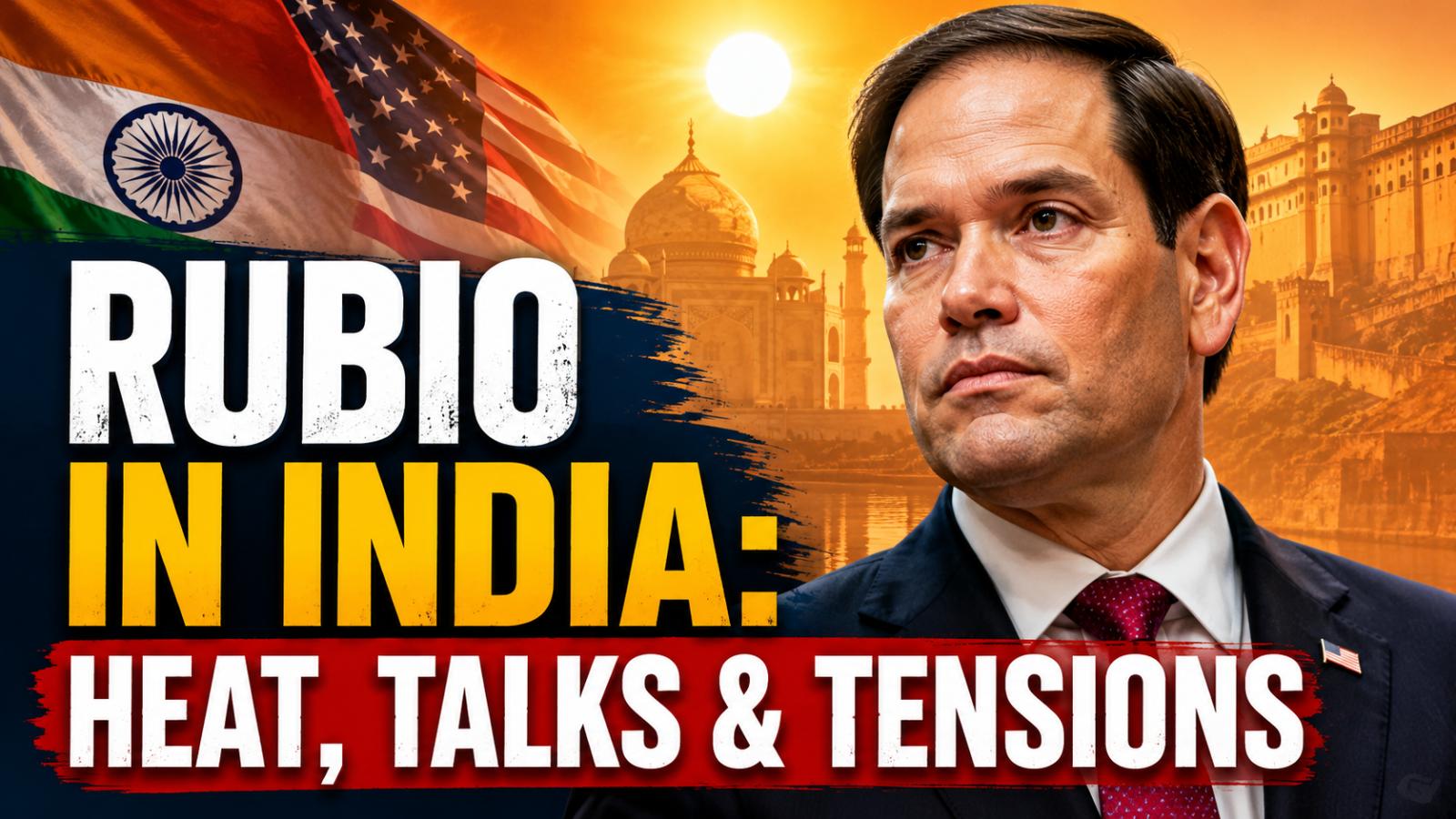
Marco Rubio’s India visit became more than a routine diplomatic tour. The US Secretary of State’s trip brought together serious India-US discussions, Quad cooperation, regional security concerns, critical minerals strategy and public attention around India’s extreme summer heat.
Rubio visited India from May 23 to May 26, 2026, with his schedule covering Kolkata, Delhi, Agra and Jaipur. His visit came at a time when Washington and New Delhi were trying to stren
Marco Rubio’s India visit became more than a routine diplomatic tour. The US Secretary of State’s trip brought together serious India-US discussions, Quad cooperation, regional security concerns, critical minerals strategy and public attention around India’s extreme summer heat.
Rubio visited India from May 23 to May 26, 2026, with his schedule covering Kolkata, Delhi, Agra and Jaipur. His visit came at a time when Washington and New Delhi were trying to stren
US Secretary of State Comments on Iran Strikes
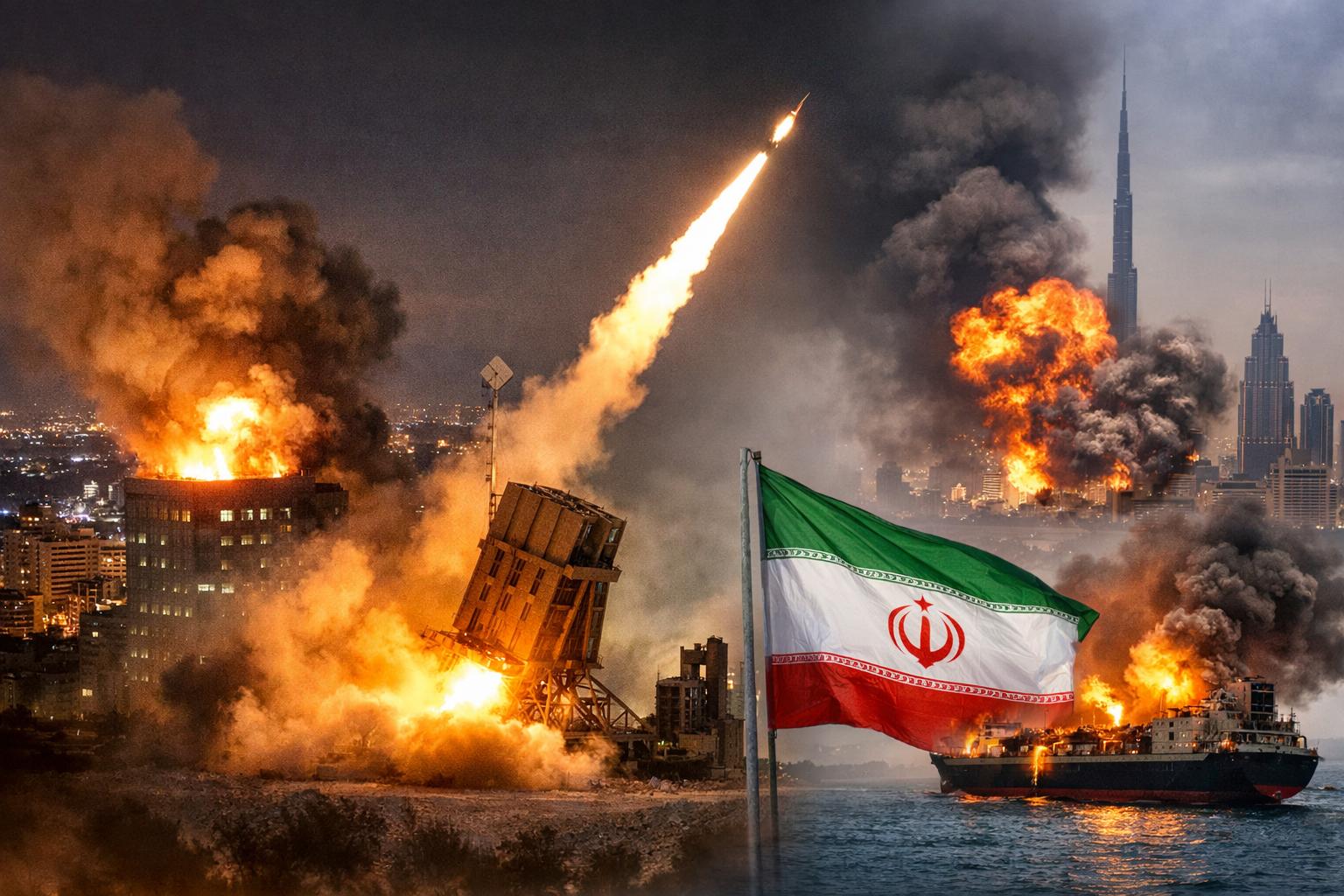
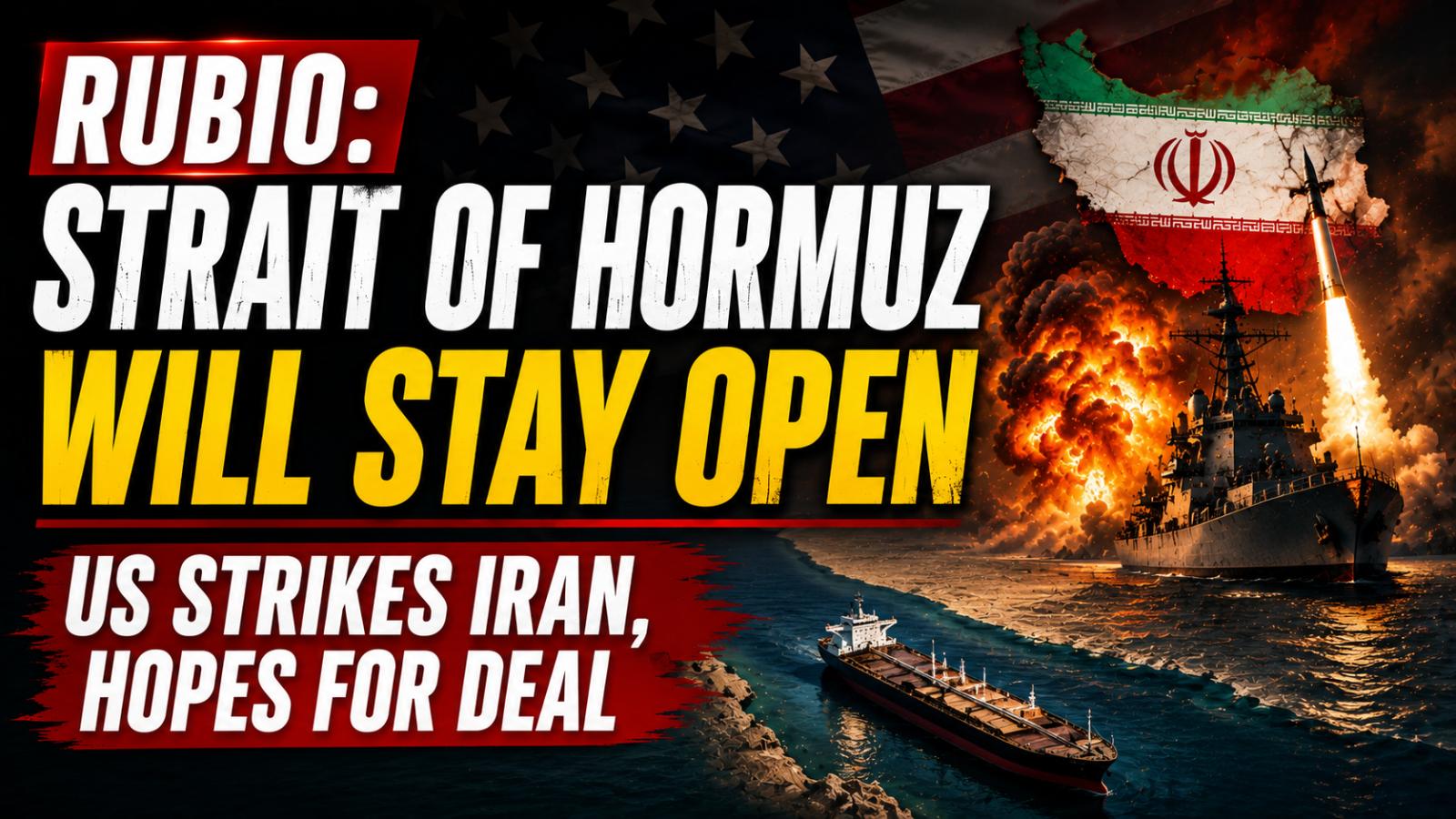
US Secretary of State Marco Rubio, currently visiting India and set to attend the QUAD summit on May 26, addressed the recent US military strikes on Iran. He emphasized the main objective of the United States: to ensure the Strait of Hormuz remains open. Rubio described the blockade as "illegal and unlawful," noting that discussions continue over the language of the potential final deal with Tehran.
Rubio Highlights Diplomatic Efforts
Speaking in Jaipur, India, Rubio noted ongoing talks in Qatar aimed at finalizing the agreement. “There were some talks going on in Qatar today, so we'll see if we can make progress,” he said. Rubio added that President Trump is determined to secure either a beneficial deal or no agreement at all, underscoring the administration’s cautious approach to diplomacy amidst ongoing tensions.
US Strikes and Military Position
The remarks followed self-defense strikes carried out by US forces on May 25, targeting Iranian missile launch sites and boats near the Strait of Hormuz. CENTCOM spokesman Timothy Hawkins confirmed that these actions were aimed at protecting American troops from threats posed by Iranian forces. The strikes occurred while a ceasefire remained in effect, demonstrating the delicate balance between military action and diplomatic engagement.
Context of US-Iran Relations
These strikes mark a continuation of the complex US-Iran relationship, which has included previous conflicts, drone and missile engagements, and blocked international shipping routes. Rubio’s comments reaffirm the administration’s priority to keep strategic waterways accessible while pursuing negotiations with Tehran. The Secretary stressed that the US aims to achieve a resolution through dialogue, ensuring regional security and global maritime stability.
Ongoing Diplomacy and Future Prospects
Rubio indicated that discussions on the initial documents are still underway, emphasizing the back-and-forth nature of the negotiations. The Secretary expressed cautious optimism about achieving a deal, highlighting that the President is committed to a fair and enforceable agreement. The situation remains fluid as US diplomatic channels engage with Iran to prevent further escalation while maintaining strategic control over critical maritime routes.
US Secretary of State Comments on Iran Strikes
US Secretary of State Marco Rubio, currently visiting India and set to attend the QUAD summit on May 26, addressed the recent US military strikes on Iran. He emphasized the main objective of the United States: to ensure the Strait of Hormuz remains open. Rubio described the blockade as "illegal and unlawful," noting that discussions continue over the language of the potential final deal with Tehran.
Rubio Highlights Diplomatic Efforts
Speaking in Jaipur, India, Rubio noted ongoing talks in Qatar aimed at finalizing the agreement. “There were some talks going on in Qatar today, so we'll see if we can make progress,” he said. Rubio added that President Trump is determined to secure either a beneficial deal or no agreement at all, underscoring the administration’s cautious approach to diplomacy amidst ongoing tensions.
US Strikes and Military Position
The remarks followed self-defense strikes carried out by US forces on May 25, targeting Iranian missile launch sites and boats near the Strait of Hormuz. CENTCOM spokesman Timothy Hawkins confirmed that these actions were aimed at protecting American troops from threats posed by Iranian forces. The strikes occurred while a ceasefire remained in effect, demonstrating the delicate balance between military action and diplomatic engagement.
Context of US-Iran Relations
These strikes mark a continuation of the complex US-Iran relationship, which has included previous conflicts, drone and missile engagements, and blocked international shipping routes. Rubio’s comments reaffirm the administration’s priority to keep strategic waterways accessible while pursuing negotiations with Tehran. The Secretary stressed that the US aims to achieve a resolution through dialogue, ensuring regional security and global maritime stability.
Ongoing Diplomacy and Future Prospects
Rubio indicated that discussions on the initial documents are still underway, emphasizing the back-and-forth nature of the negotiations. The Secretary expressed cautious optimism about achieving a deal, highlighting that the President is committed to a fair and enforceable agreement. The situation remains fluid as US diplomatic channels engage with Iran to prevent further escalation while maintaining strategic control over critical maritime routes.
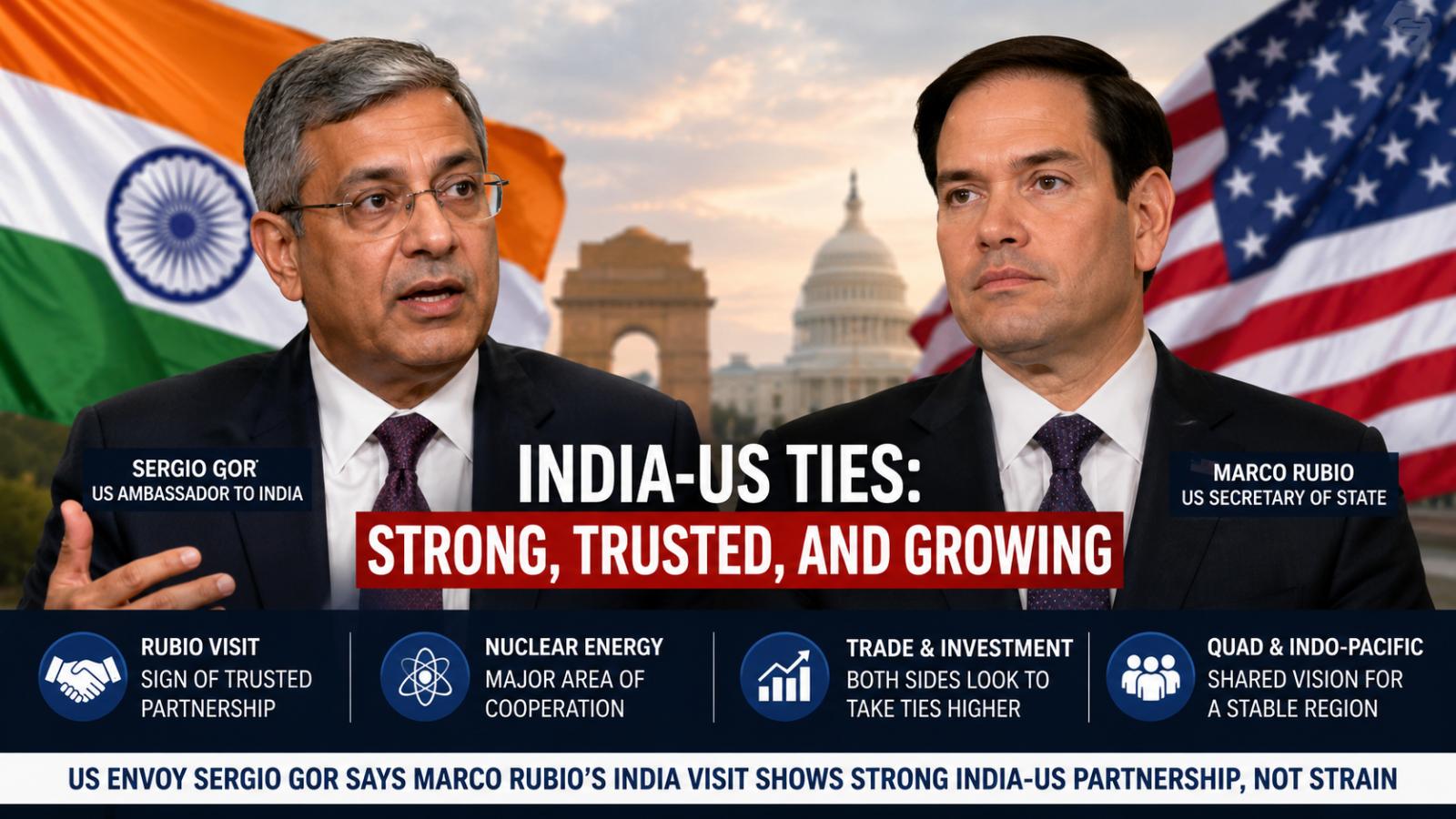
US envoy Sergio Gor said Marco Rubio’s India visit reflects trusted India-US ties, rejecting suggestions that the trip is a repair mission for a strained relationship.
Gor described the visit by the US Secretary of State as a historic engagement between two trusted partners, rather than a diplomatic reset caused by recent friction between Washington and New Delhi.
India-US Ties Face Questions Over Trade, Visas and Quad Timing
The comments com
US envoy Sergio Gor said Marco Rubio’s India visit reflects trusted India-US ties, rejecting suggestions that the trip is a repair mission for a strained relationship.
Gor described the visit by the US Secretary of State as a historic engagement between two trusted partners, rather than a diplomatic reset caused by recent friction between Washington and New Delhi.
India-US Ties Face Questions Over Trade, Visas and Quad Timing
The comments com
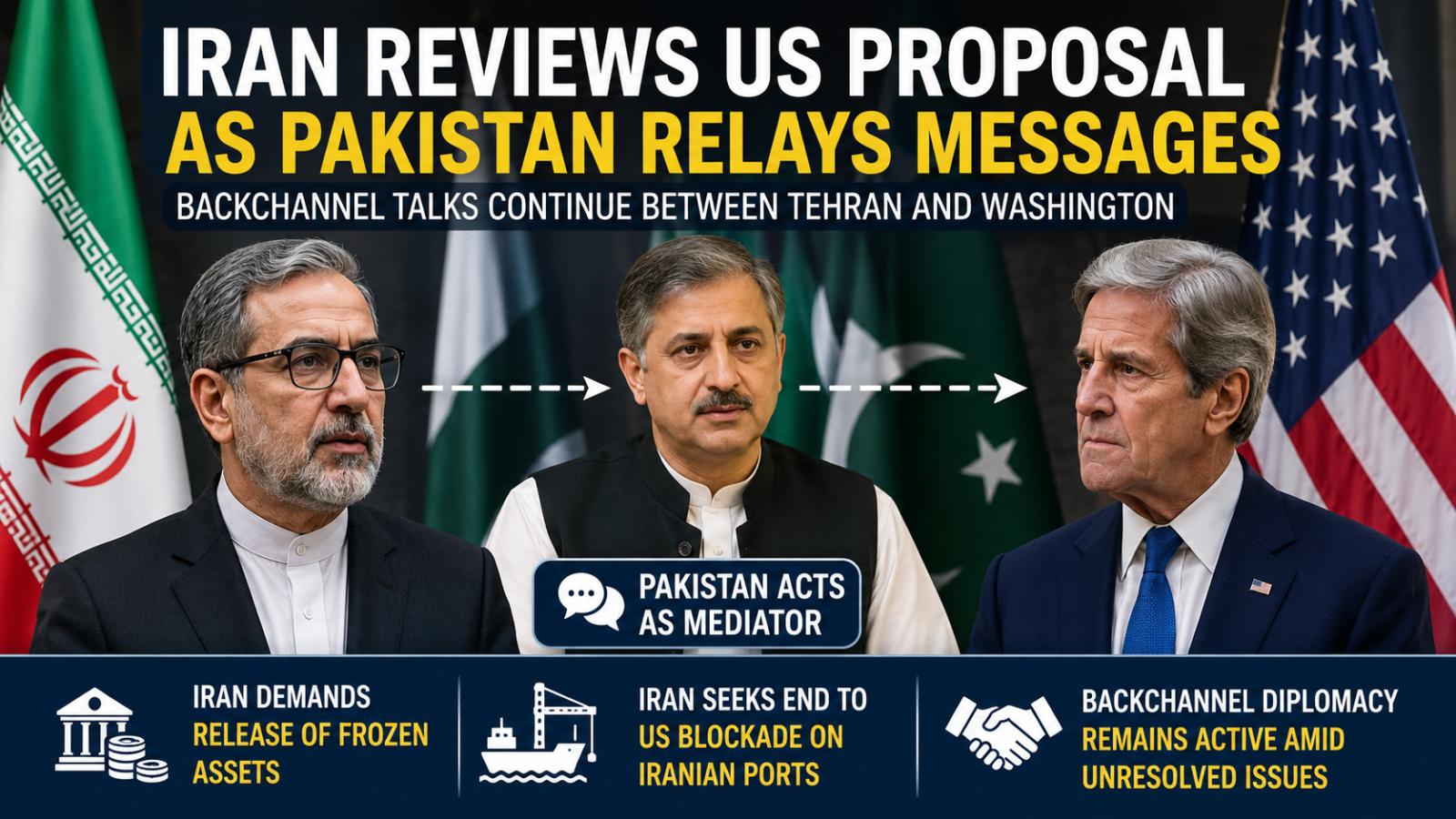
Iran said it is reviewing a new US proposal as Pakistan helps relay diplomatic messages between Tehran and Washington, keeping indirect talks active despite major unresolved disputes.
Iranian Foreign Ministry spokesman Esmaeil Baqaei said on Wednesday, May 20, 2026, that Tehran had received Washington’s latest position and was examining the points raised by the American side. The comments came as diplomatic communication continued through back channels rather than direct public ne
Iran said it is reviewing a new US proposal as Pakistan helps relay diplomatic messages between Tehran and Washington, keeping indirect talks active despite major unresolved disputes.
Iranian Foreign Ministry spokesman Esmaeil Baqaei said on Wednesday, May 20, 2026, that Tehran had received Washington’s latest position and was examining the points raised by the American side. The comments came as diplomatic communication continued through back channels rather than direct public ne
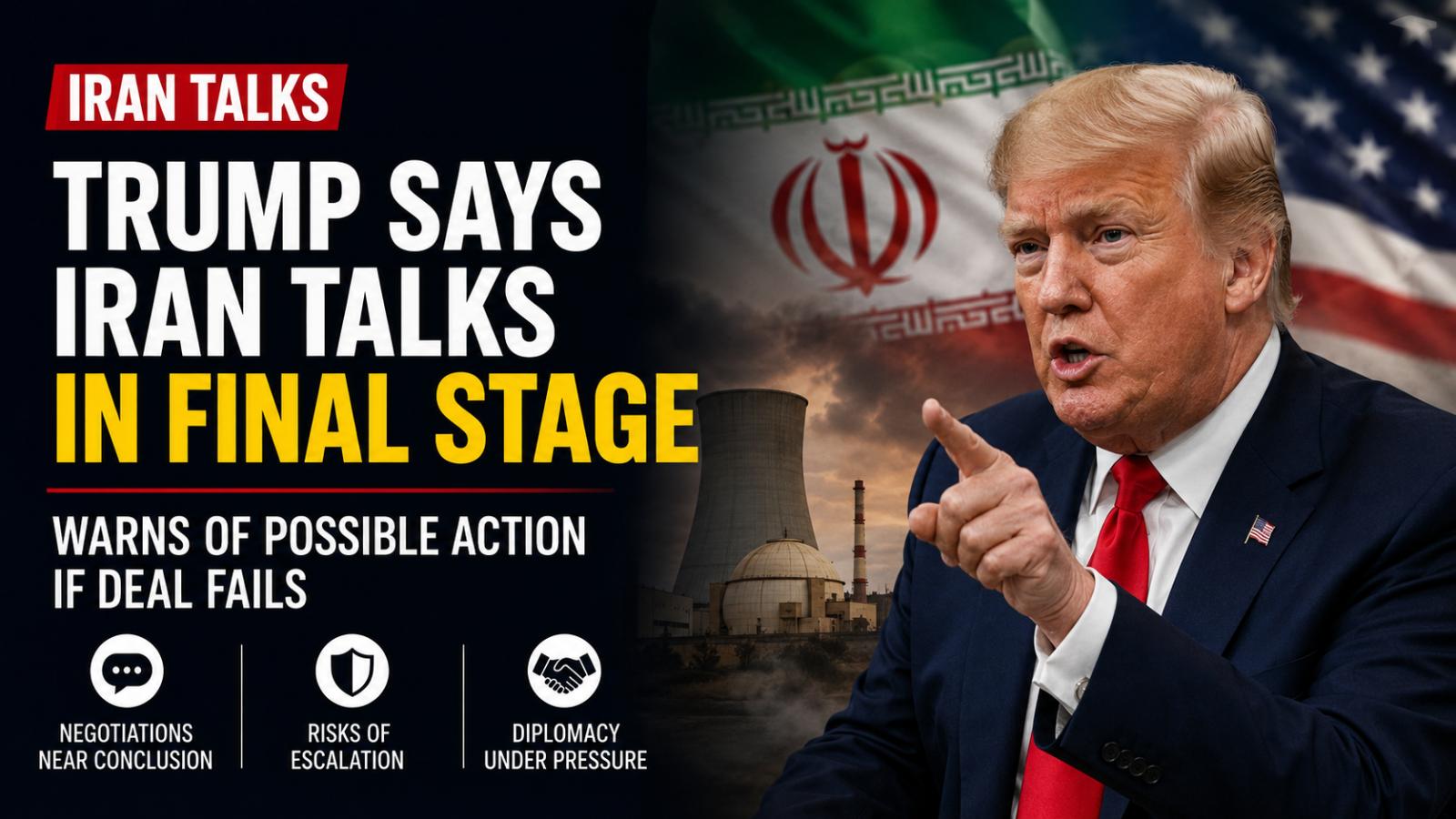
Iran nuclear talks are nearing a critical stage as US President Donald Trump warns that Washington may take tougher action if diplomacy fails.
Trump said in Washington, DC, on Wednesday, May 20, 2026, that the United States is close to either securing a deal with Iran or moving toward further steps if no agreement is reached.
Iran Nuclear Talks Enter Final Stage
Speaking to reporter
Iran nuclear talks are nearing a critical stage as US President Donald Trump warns that Washington may take tougher action if diplomacy fails.
Trump said in Washington, DC, on Wednesday, May 20, 2026, that the United States is close to either securing a deal with Iran or moving toward further steps if no agreement is reached.
Iran Nuclear Talks Enter Final Stage
Speaking to reporter
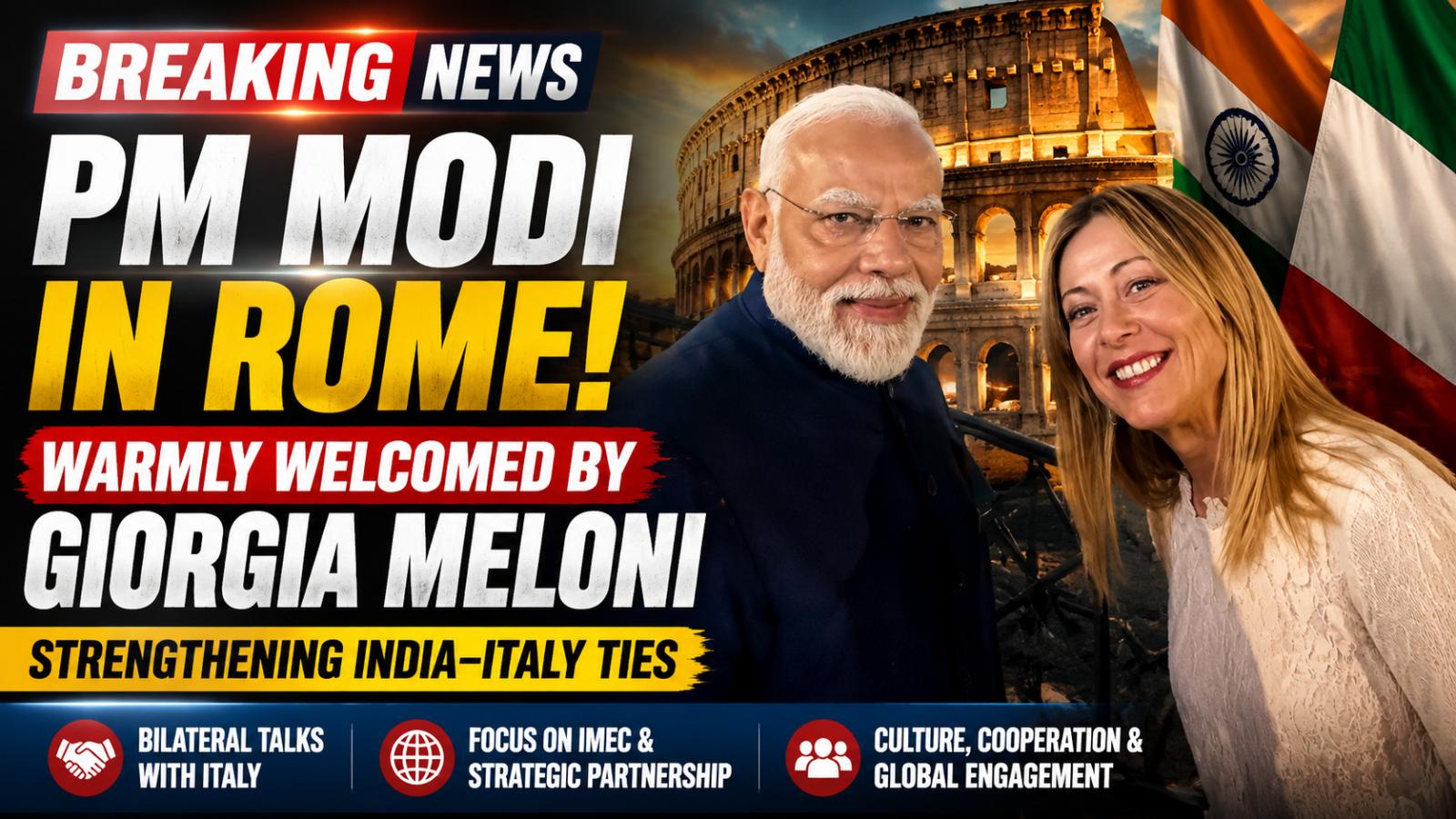
PM Modi Arrives In Rome For Final Leg Of Tour
Indian Prime Minister Narendra Modi arrived in Rome on May 19 to conclude his five-nation tour. Italian Prime Minister Giorgia Meloni welcomed him on X with a photo captioned, “Welcome to Rome, my friend!” As part of the ceremonial welcome, PM Modi was presented with a painting depicting the ghats of Varanasi. Traditional musical performances accompanied the greeting, highlighting India’s cultural heritage in It
PM Modi Arrives In Rome For Final Leg Of Tour
Indian Prime Minister Narendra Modi arrived in Rome on May 19 to conclude his five-nation tour. Italian Prime Minister Giorgia Meloni welcomed him on X with a photo captioned, “Welcome to Rome, my friend!” As part of the ceremonial welcome, PM Modi was presented with a painting depicting the ghats of Varanasi. Traditional musical performances accompanied the greeting, highlighting India’s cultural heritage in It
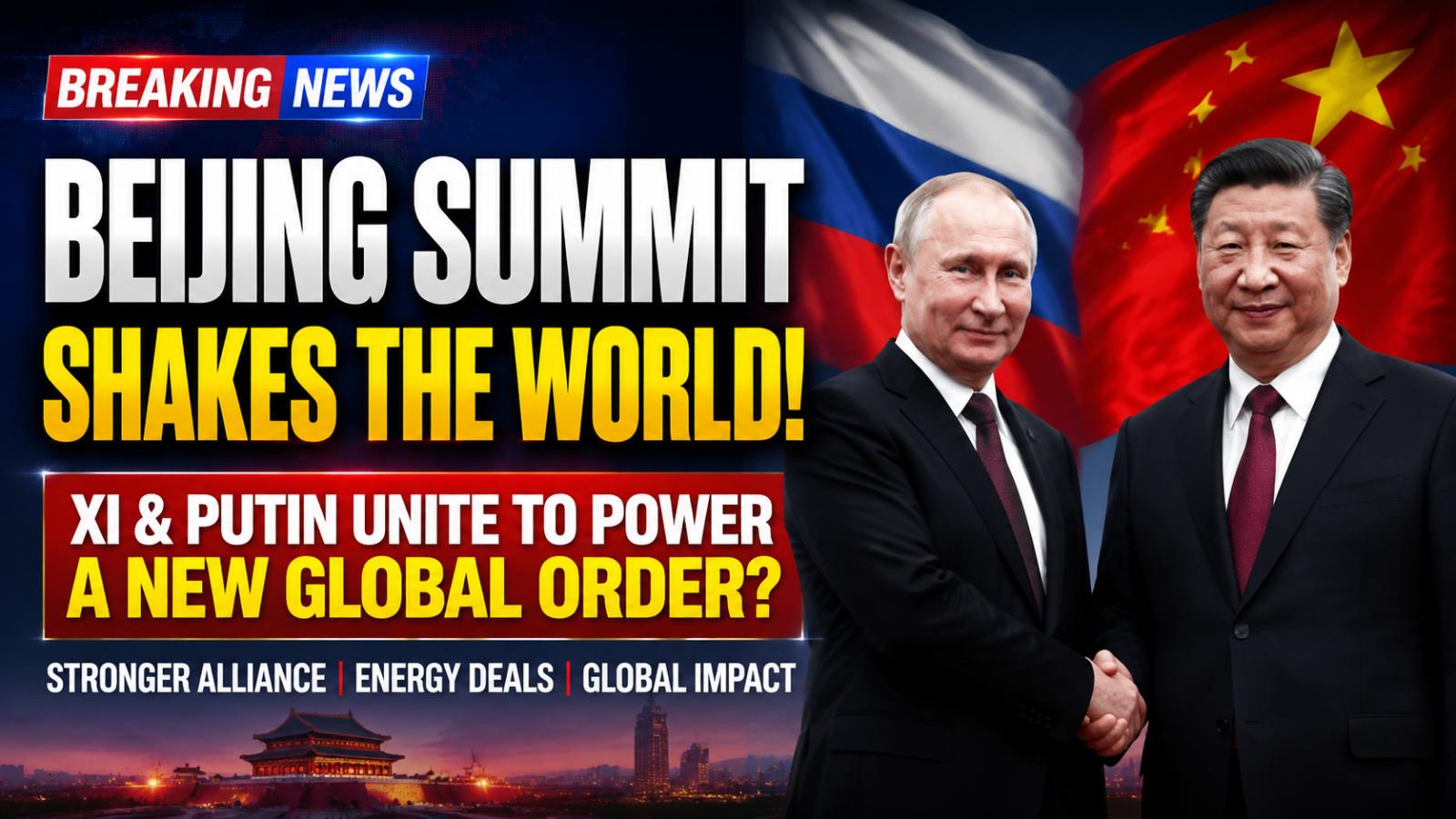
Chinese President Xi Jinping welcomed Russian President Vladimir Putin to Beijing this week, shortly after a visit from US President Donald Trump. The summit emphasizes China’s role as a central global power, balancing relations with both Washington and Moscow while advancing its strategic interests. Amid energy crises, trade disputes, and geopolitical conflicts, China aims to project stability and strengthen its influence on the global stage.
Strengthening China-Russia S
Chinese President Xi Jinping welcomed Russian President Vladimir Putin to Beijing this week, shortly after a visit from US President Donald Trump. The summit emphasizes China’s role as a central global power, balancing relations with both Washington and Moscow while advancing its strategic interests. Amid energy crises, trade disputes, and geopolitical conflicts, China aims to project stability and strengthen its influence on the global stage.
Strengthening China-Russia S
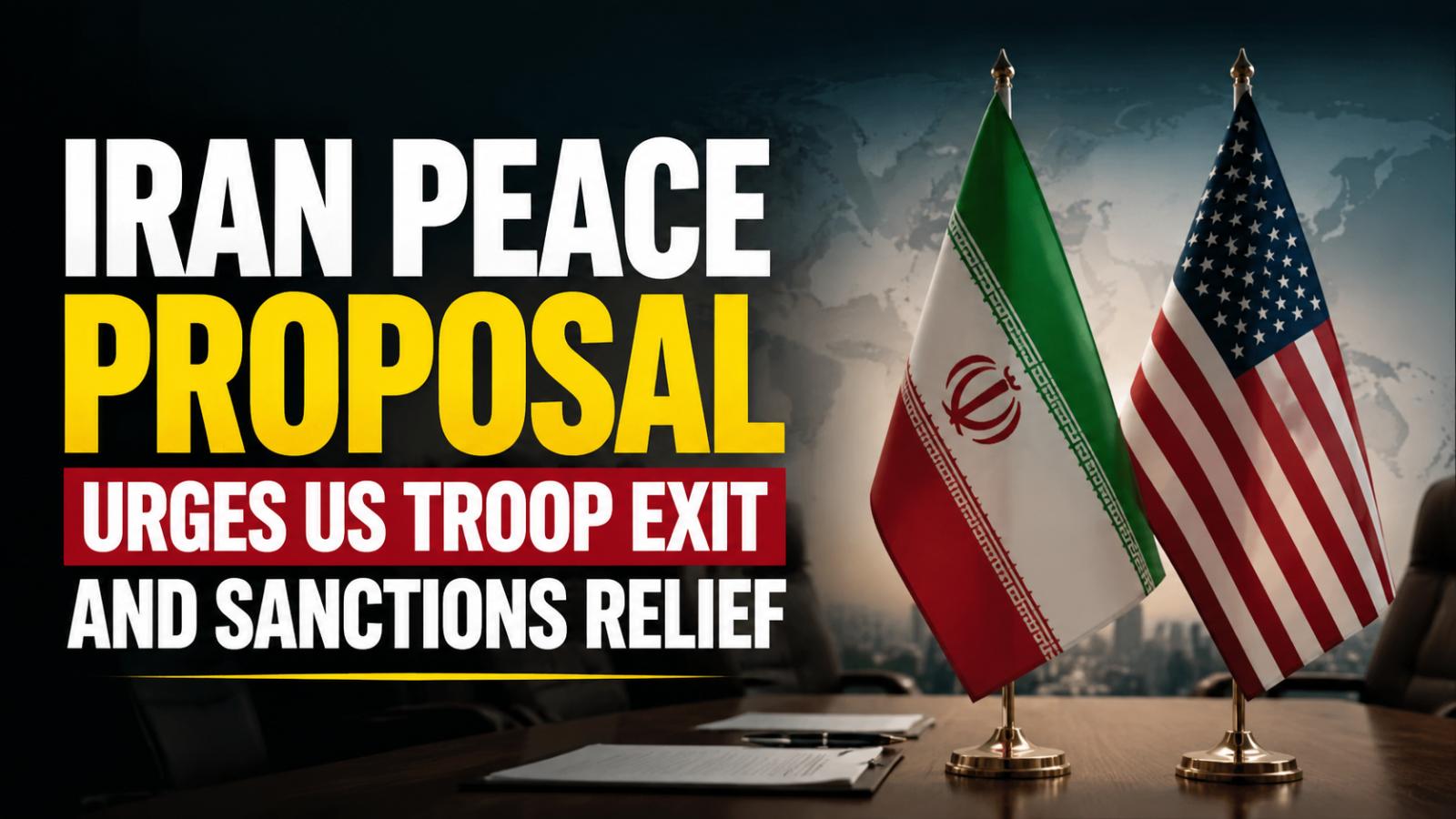
Iran has presented a comprehensive peace plan to the United States, aiming to end hostilities in Lebanon and across the region. The proposal calls for the withdrawal of US forces near Iranian borders, reparations for conflict damages, lifting of economic sanctions, release of frozen funds, and the removal of the US naval blockade from Iranian ports. Deputy Foreign Minister Kazem Gharibabadi highlighted that Tehran’s plan is designed to foster lasting peace in West Asia through diplomacy and
Iran has presented a comprehensive peace plan to the United States, aiming to end hostilities in Lebanon and across the region. The proposal calls for the withdrawal of US forces near Iranian borders, reparations for conflict damages, lifting of economic sanctions, release of frozen funds, and the removal of the US naval blockade from Iranian ports. Deputy Foreign Minister Kazem Gharibabadi highlighted that Tehran’s plan is designed to foster lasting peace in West Asia through diplomacy and
Cuba Warns Against Military Action As US Pressure Grows
Cuba’s leadership warned that any military action by the United States would bring severe consequences, as tensions between Havana and Washington escalated following new US sanctions targeting Cuba’s intelligence apparatus and senior officials. President Miguel Diaz-Canel said the country does not pose a threat to the United States or any other nation, but insisted
Cuba Warns Against Military Action As US Pressure Grows
Cuba’s leadership warned that any military action by the United States would bring severe consequences, as tensions between Havana and Washington escalated following new US sanctions targeting Cuba’s intelligence apparatus and senior officials. President Miguel Diaz-Canel said the country does not pose a threat to the United States or any other nation, but insisted
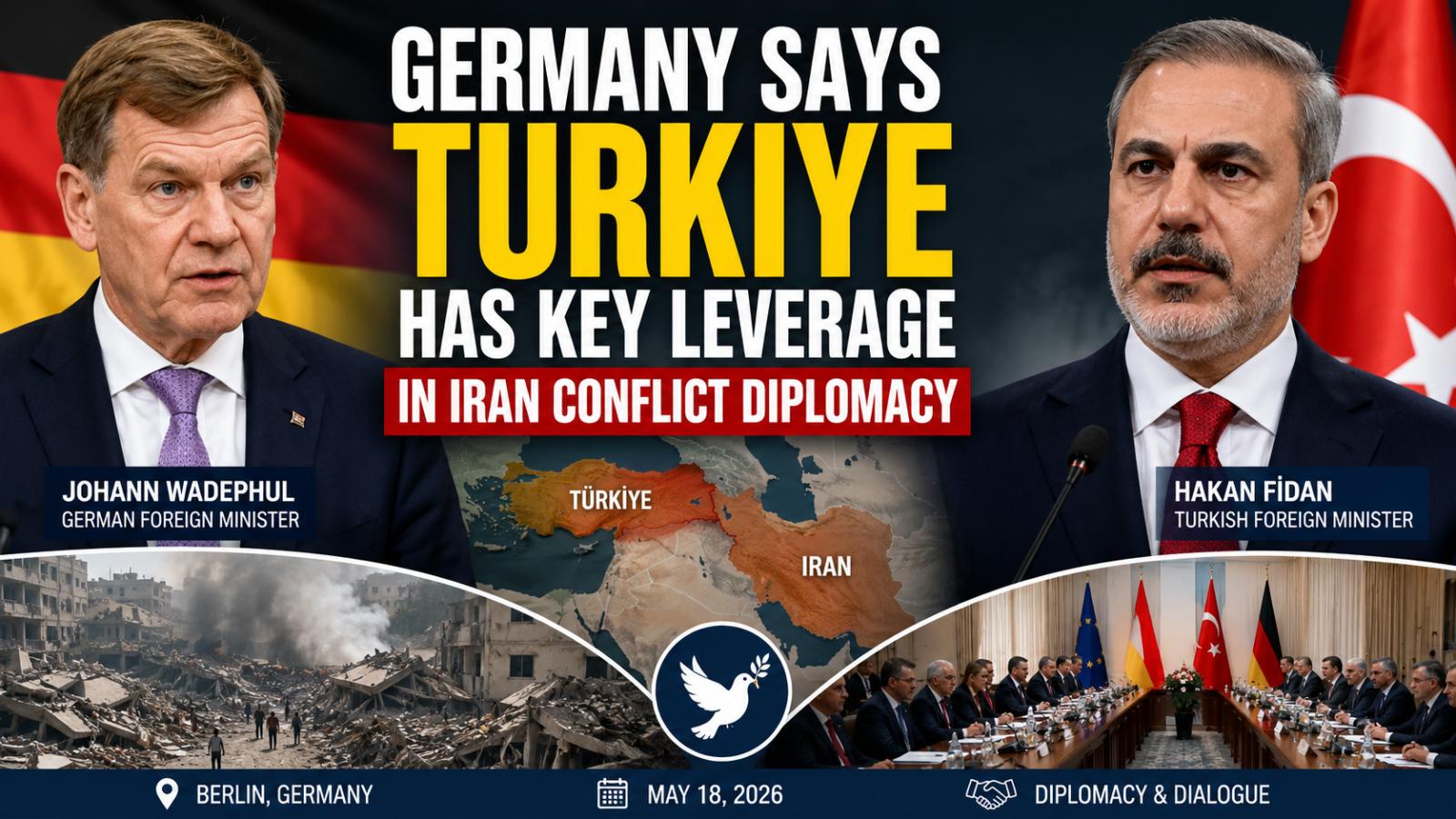
Germany says Turkiye has key leverage in Iran conflict diplomacy, pointing to Ankara’s strategic location, economic strength and political influence across several crisis zones.
German Foreign Minister Johann Wadephul made the remarks during a press conference in Berlin alongside Turkish Foreign Minister Hakan Fidan, saying Turkiye can play an important role in developments linked to the Iran conflict and the war in Ukraine.
Turkiye’s Regional
Germany says Turkiye has key leverage in Iran conflict diplomacy, pointing to Ankara’s strategic location, economic strength and political influence across several crisis zones.
German Foreign Minister Johann Wadephul made the remarks during a press conference in Berlin alongside Turkish Foreign Minister Hakan Fidan, saying Turkiye can play an important role in developments linked to the Iran conflict and the war in Ukraine.
Turkiye’s Regional
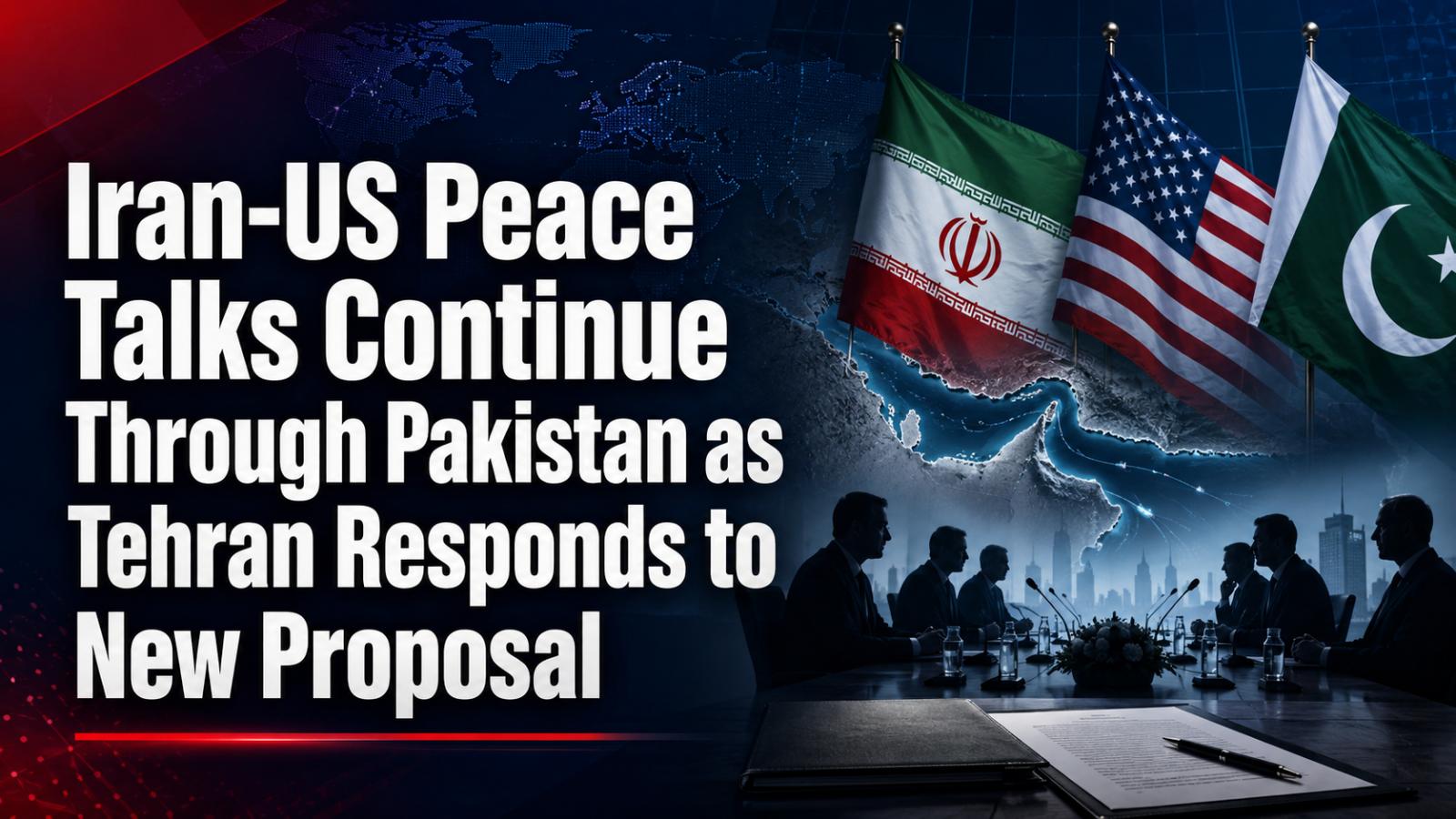
Iran-US peace talks are continuing through Pakistan as Tehran and Washington remain divided over sanctions, nuclear activity, frozen Iranian assets, war damages and the Strait of Hormuz. Iran has responded to a new proposal aimed at ending the conflict, while Pakistan continues to play the role of mediator between the two sides.
The diplomatic effort comes at a sensitive time. Tensions remain high in the region, and both countries are under pressure to avoid another round of escalat
Iran-US peace talks are continuing through Pakistan as Tehran and Washington remain divided over sanctions, nuclear activity, frozen Iranian assets, war damages and the Strait of Hormuz. Iran has responded to a new proposal aimed at ending the conflict, while Pakistan continues to play the role of mediator between the two sides.
The diplomatic effort comes at a sensitive time. Tensions remain high in the region, and both countries are under pressure to avoid another round of escalat
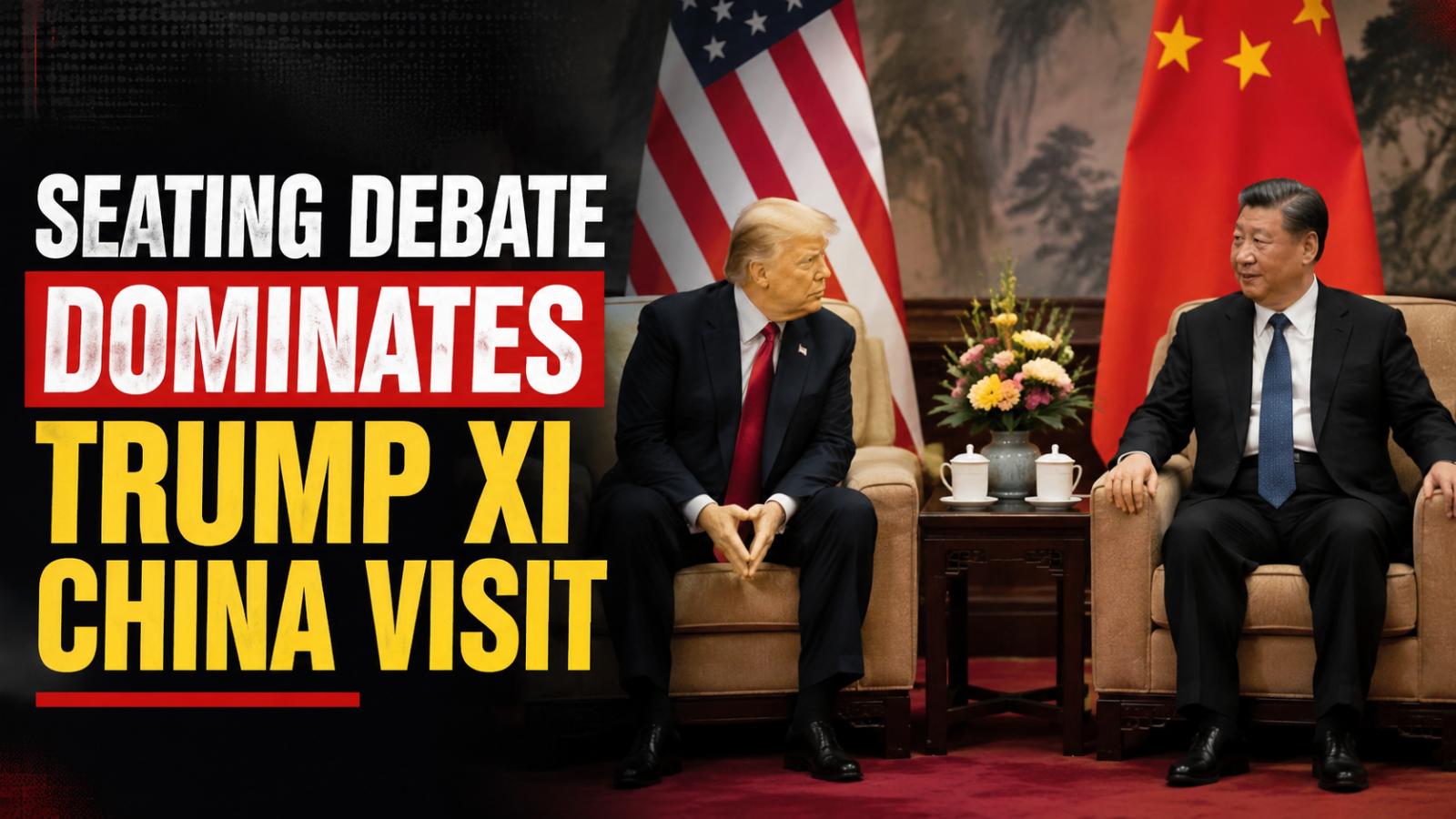
A viral video from the official meeting between US President Donald Trump and Chinese President Xi Jinping in Beijing has sparked intense discussion over seating arrangements. The clip, widely circulated on social media, shows Xi seated on a sofa that appears slightly taller than Trump’s. Observers noted that Trump is taller than Xi, prompting speculation that the seating was designed to make the US president appear shorter. The footage emerged during Trump’s three-day China visit, markin
A viral video from the official meeting between US President Donald Trump and Chinese President Xi Jinping in Beijing has sparked intense discussion over seating arrangements. The clip, widely circulated on social media, shows Xi seated on a sofa that appears slightly taller than Trump’s. Observers noted that Trump is taller than Xi, prompting speculation that the seating was designed to make the US president appear shorter. The footage emerged during Trump’s three-day China visit, markin
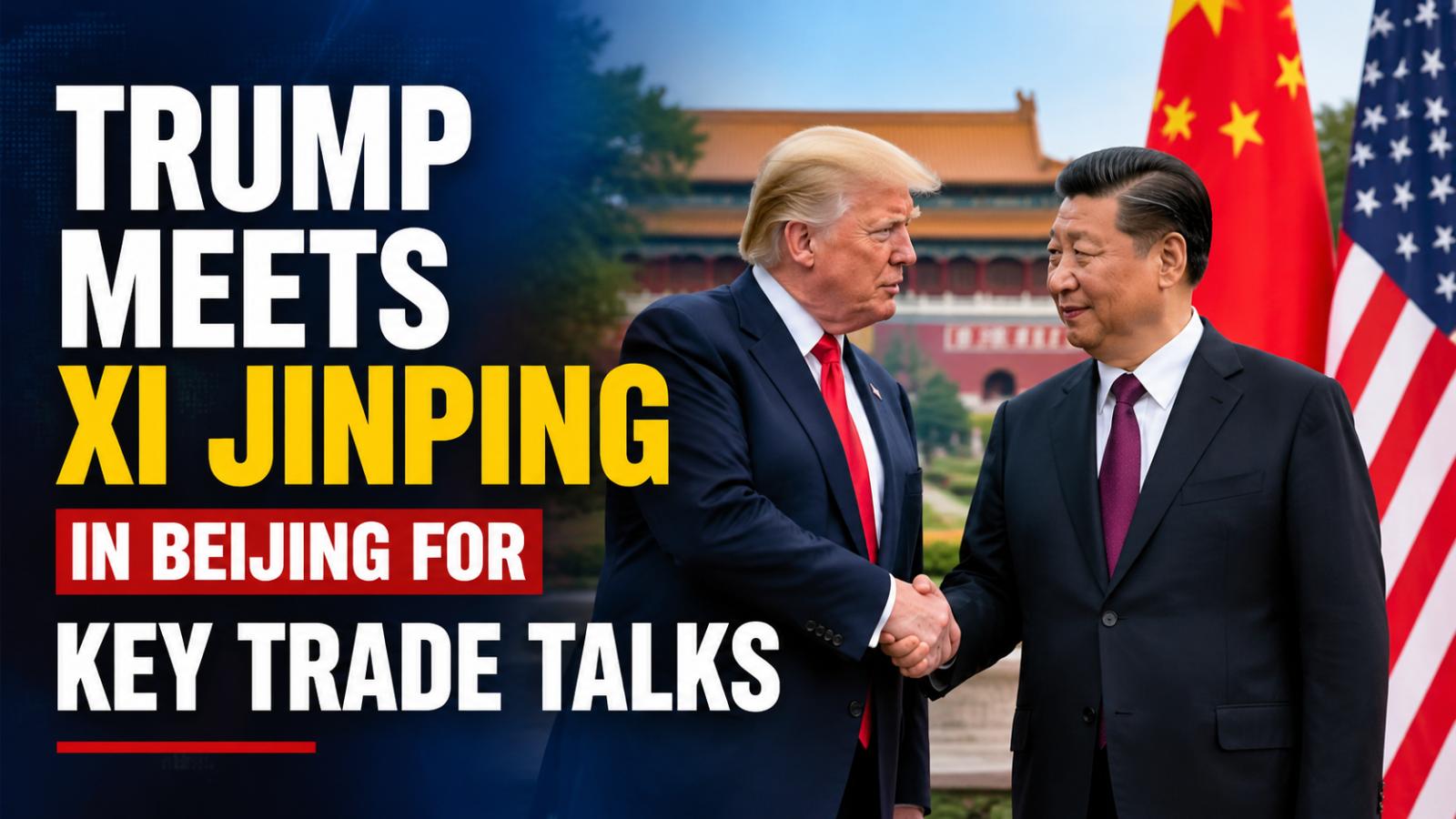
Donald Trump held a second round of meetings with Chinese President Xi Jinping on Friday, May 15, in Beijing, focusing on advancing trade agreements and strengthening US-China relations. The discussions, held aboard Air Force One and at Zhongnanhai, centered on economic cooperation, trade negotiations, and diplomatic engagement between the United States and China. Trump highlighted Xi’s recognition of the US economic recovery under his administration, emphasizing strategies to boost the US eco
Donald Trump held a second round of meetings with Chinese President Xi Jinping on Friday, May 15, in Beijing, focusing on advancing trade agreements and strengthening US-China relations. The discussions, held aboard Air Force One and at Zhongnanhai, centered on economic cooperation, trade negotiations, and diplomatic engagement between the United States and China. Trump highlighted Xi’s recognition of the US economic recovery under his administration, emphasizing strategies to boost the US eco
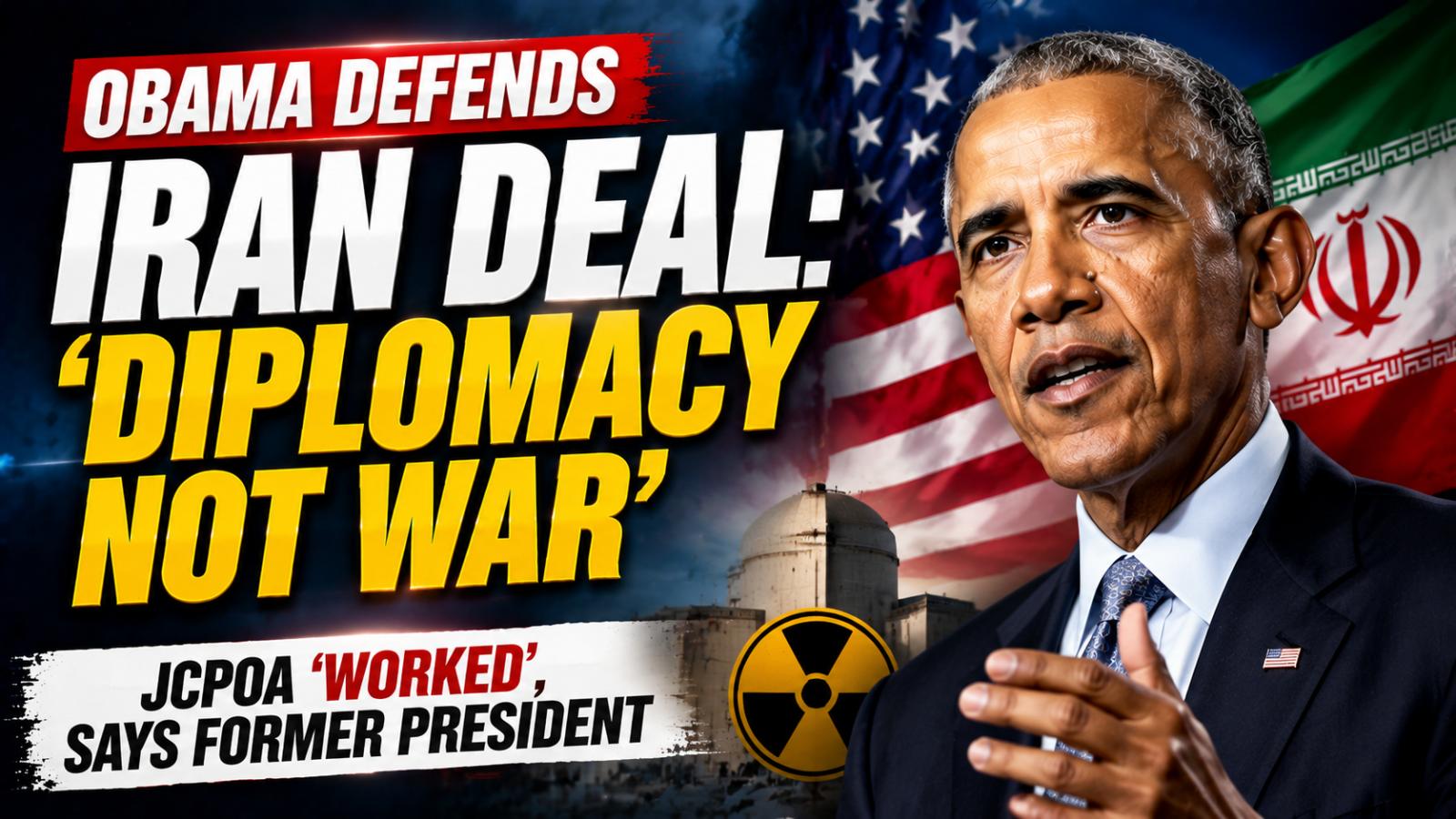
Obama Highlights JCPOA Success
President Barack Obama spoke on The Late Show with Stephen Colbert about his administration’s efforts to curb Iran’s nuclear ambitions through diplomacy. He pointed to the 2015 Joint Comprehensive Plan of Action (JCPOA), asserting that the agreement successfully restricted Iran’s enriched uranium stockpile without resorting to military action. Obama explained that the deal included stric
Obama Highlights JCPOA Success
President Barack Obama spoke on The Late Show with Stephen Colbert about his administration’s efforts to curb Iran’s nuclear ambitions through diplomacy. He pointed to the 2015 Joint Comprehensive Plan of Action (JCPOA), asserting that the agreement successfully restricted Iran’s enriched uranium stockpile without resorting to military action. Obama explained that the deal included stric
President Donald Trump’s state visit to China on Thursday, May 14, 2026, placed U.S.-China diplomacy under global attention and also highlighted a practical challenge familiar to long-haul travelers: jet lag. Chinese officials said Trump and Chinese President Xi Jinping held talks on the morning of Thursday, May 14, 2026, at the Great Hall of the People in Beijing, where major issues included U.S.-China relations and international concerns.
Why Jet Lag Matters on High-Pressure Tr
President Donald Trump’s state visit to China on Thursday, May 14, 2026, placed U.S.-China diplomacy under global attention and also highlighted a practical challenge familiar to long-haul travelers: jet lag. Chinese officials said Trump and Chinese President Xi Jinping held talks on the morning of Thursday, May 14, 2026, at the Great Hall of the People in Beijing, where major issues included U.S.-China relations and international concerns.
Why Jet Lag Matters on High-Pressure Tr
Historic Summit Marks a New Phase for US-China Relations
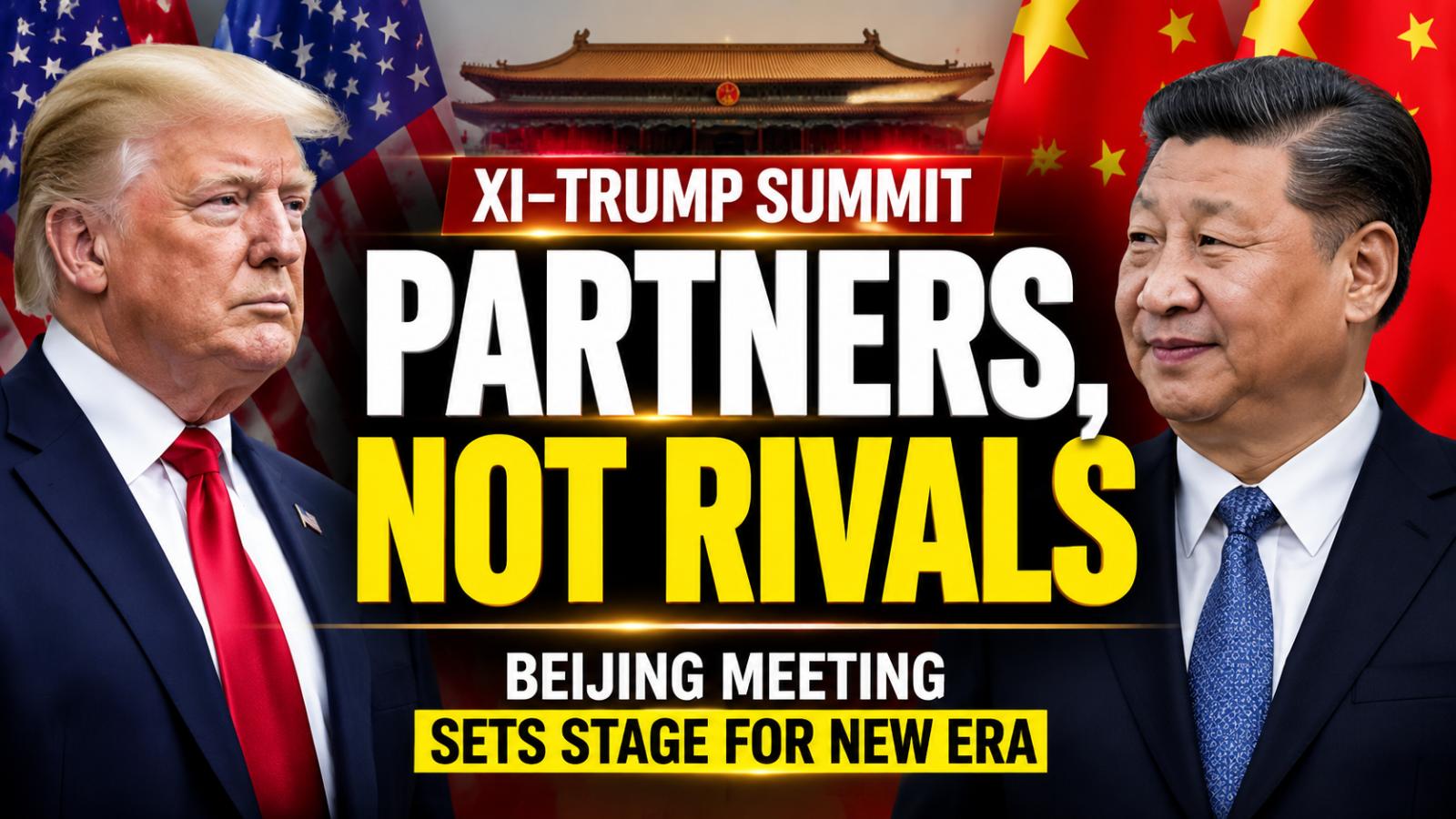
On Thursday, May 14, 2026, Chinese President Xi Jinping welcomed US President Donald Trump to Beijing for a high-stakes summit, marking a critical moment in the evolving relationship between the two global powers. Xi set the tone for the summit by stressing the importance of cooperation over confrontation, calling for a stable US-China relationship as a foundation for global stability. “A stable China-US relationship is a
Historic Summit Marks a New Phase for US-China Relations
On Thursday, May 14, 2026, Chinese President Xi Jinping welcomed US President Donald Trump to Beijing for a high-stakes summit, marking a critical moment in the evolving relationship between the two global powers. Xi set the tone for the summit by stressing the importance of cooperation over confrontation, calling for a stable US-China relationship as a foundation for global stability. “A stable China-US relationship is a
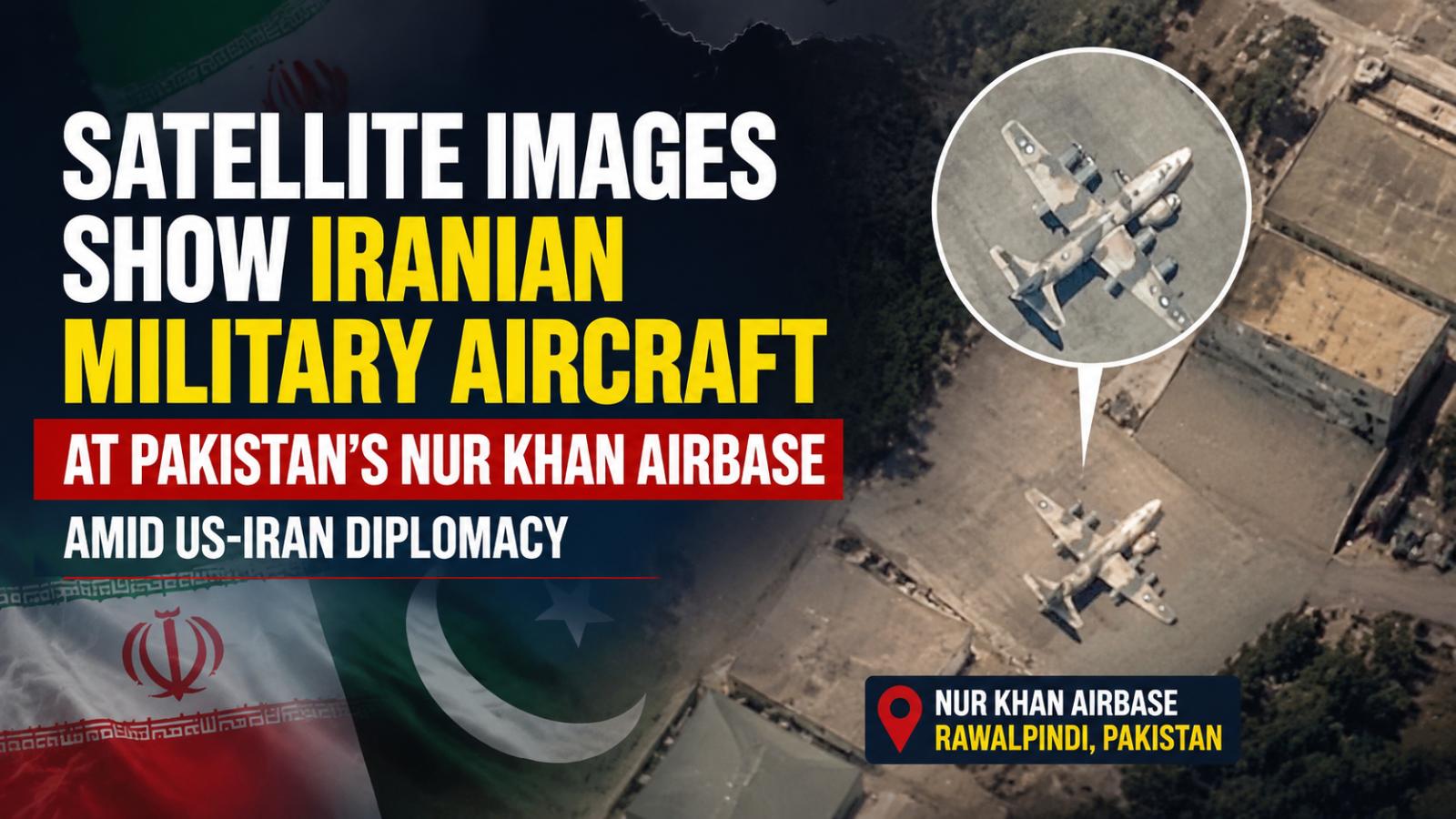
Fresh satellite imagery has sparked renewed scrutiny over Pakistan's involvement in the ongoing US-Iran diplomatic talks, with reports suggesting that Islamabad may be housing at least one Iranian military aircraft at the strategically important Nur Khan Airbase, located near Islamabad. These developments come amid heightened tensions between Washington and Tehran, as Pakistan continues to position itself as a mediator between the two nations.
The satellite images, which are believe
Fresh satellite imagery has sparked renewed scrutiny over Pakistan's involvement in the ongoing US-Iran diplomatic talks, with reports suggesting that Islamabad may be housing at least one Iranian military aircraft at the strategically important Nur Khan Airbase, located near Islamabad. These developments come amid heightened tensions between Washington and Tehran, as Pakistan continues to position itself as a mediator between the two nations.
The satellite images, which are believe
Trump Accuses Media of Treason
On May 12, President Donald Trump expressed outrage over media reports suggesting that Iran is “doing well” militarily in its ongoing conflict with the United States. In a social media post during his flight to China, Trump accused the media of committing treason by spreading false and misleading information. “When the Fake News says that the Iranian enemy is doing well, Militarily, against us, it’s virtual TRE
Trump Accuses Media of Treason
On May 12, President Donald Trump expressed outrage over media reports suggesting that Iran is “doing well” militarily in its ongoing conflict with the United States. In a social media post during his flight to China, Trump accused the media of committing treason by spreading false and misleading information. “When the Fake News says that the Iranian enemy is doing well, Militarily, against us, it’s virtual TRE
Questions surrounding Pakistan’s role as a neutral mediator in the Iran-US negotiations have intensified following claims that Tehran may have parked military and surveillance aircraft at a Pakistani airbase during ongoing diplomatic discussions. The allegations have triggered political reactions in Washington and renewed scrutiny over Islamabad’s balancing act between the United States, Iran, China, and regional security interests.
US Senator Lindsey Graham, a close ally of Pre
Questions surrounding Pakistan’s role as a neutral mediator in the Iran-US negotiations have intensified following claims that Tehran may have parked military and surveillance aircraft at a Pakistani airbase during ongoing diplomatic discussions. The allegations have triggered political reactions in Washington and renewed scrutiny over Islamabad’s balancing act between the United States, Iran, China, and regional security interests.
US Senator Lindsey Graham, a close ally of Pre
US President Donald Trump and Chinese President Xi Jinping are meeting in Beijing amid renewed efforts to prevent escalating tensions between the world’s two largest economies. The summit follows months of friction over tariffs, semiconductors, artificial intelligence, supply chains, and Taiwan, all of which have intensified competition between Washington and Beijing despite a temporary stabilisation agreement reached during the APEC summit in Busan, South Korea, in October 2025.
US President Donald Trump and Chinese President Xi Jinping are meeting in Beijing amid renewed efforts to prevent escalating tensions between the world’s two largest economies. The summit follows months of friction over tariffs, semiconductors, artificial intelligence, supply chains, and Taiwan, all of which have intensified competition between Washington and Beijing despite a temporary stabilisation agreement reached during the APEC summit in Busan, South Korea, in October 2025.