

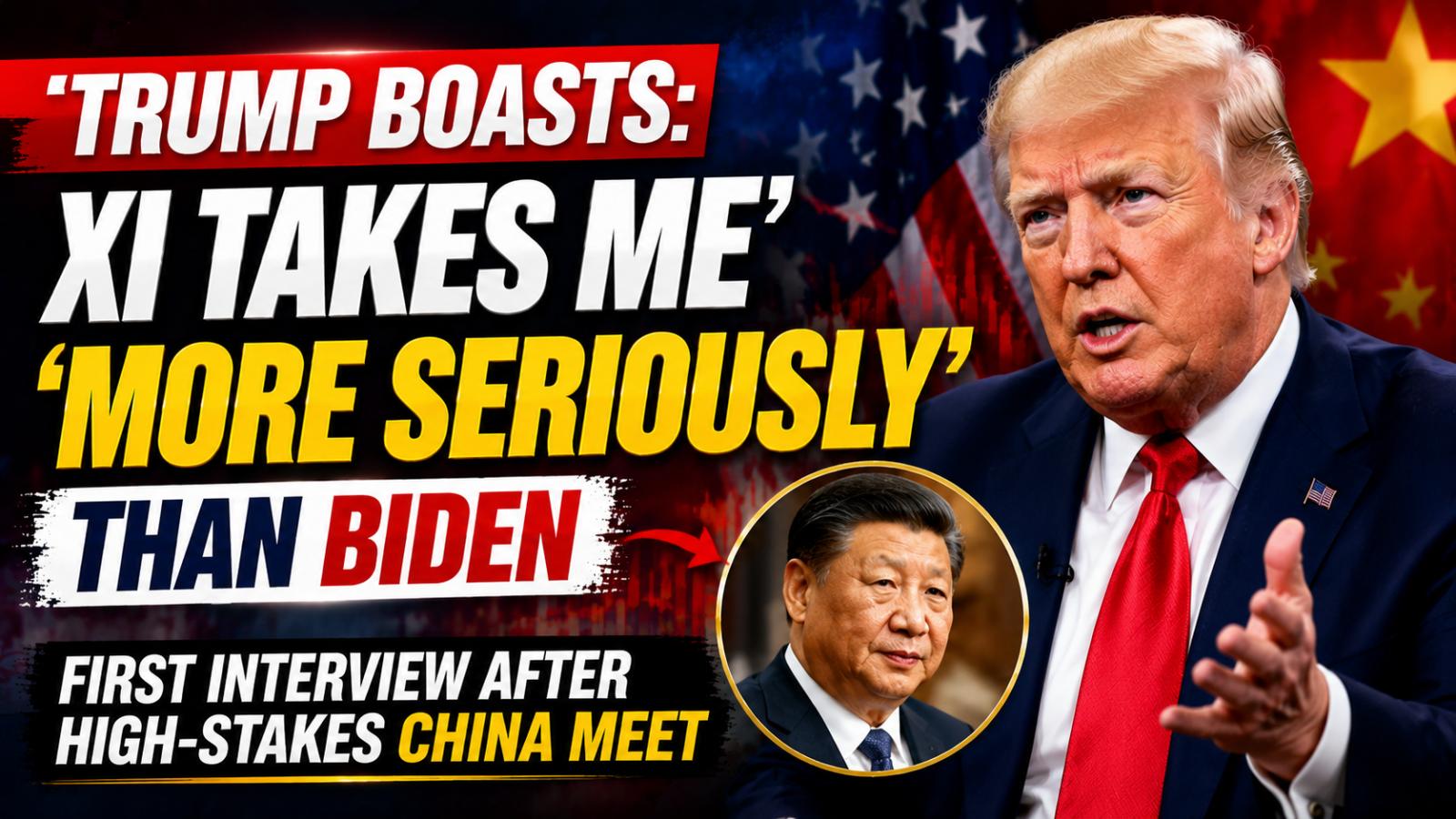



Trump orders the withdrawal of 5,000 US troops from Germany amid rising tensions
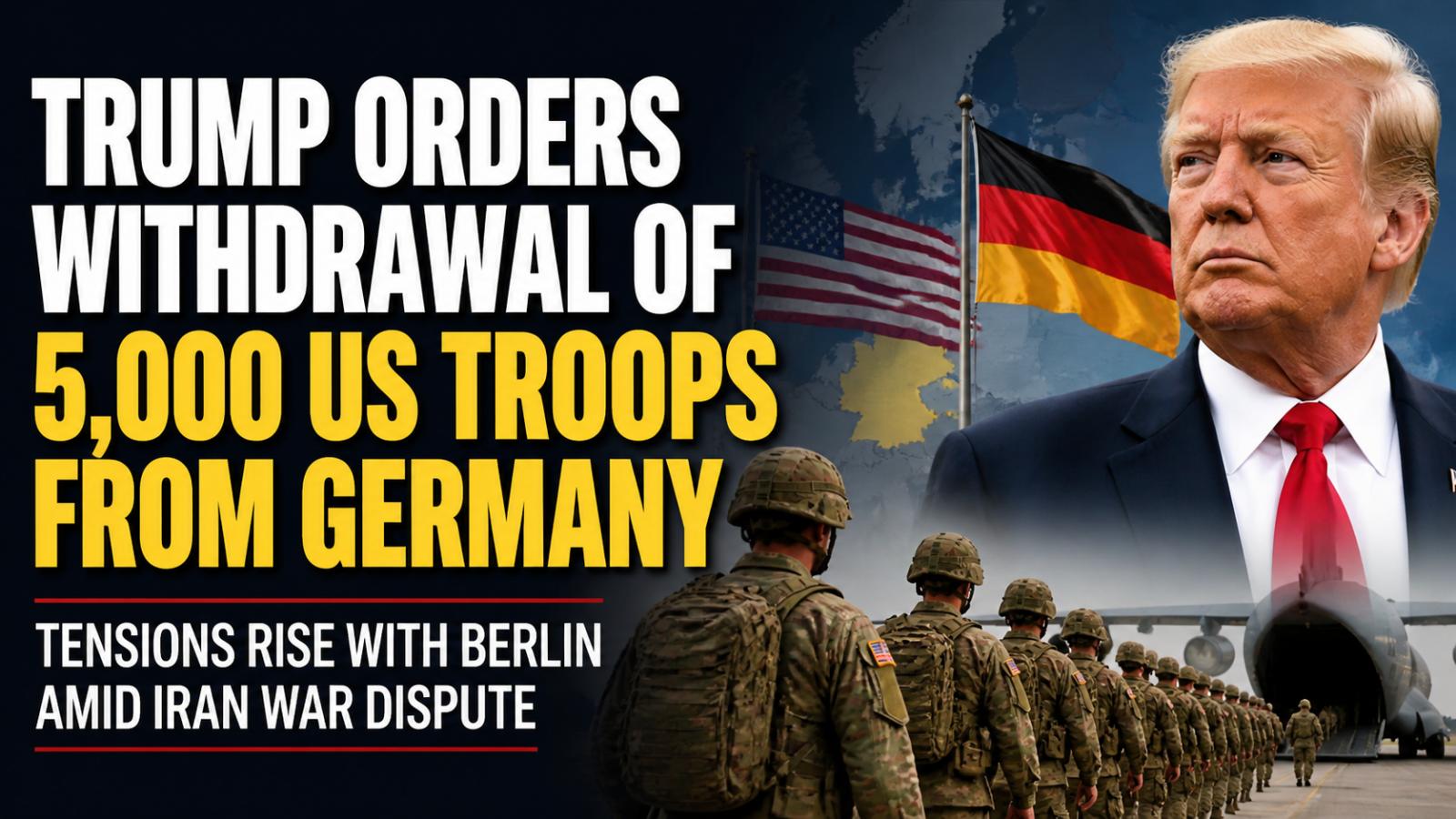
Trump Orders US Troops Withdrawal From Germany President Donald Trump has ordered the withdrawal of 5,000 US troops from Germany, escalating tensions with Berlin and NATO allies. This decision comes amid ongoing disagreements over the Iran conflict and US military operations in the Middle East. The Pentagon confirmed the move on Friday, May 1, as part of a broader shift in US military strategy, which seeks to reduce America's pres
Trump orders the withdrawal of 5,000 US troops from Germany amid rising tensions
Trump Orders US Troops Withdrawal From Germany President Donald Trump has ordered the withdrawal of 5,000 US troops from Germany, escalating tensions with Berlin and NATO allies. This decision comes amid ongoing disagreements over the Iran conflict and US military operations in the Middle East. The Pentagon confirmed the move on Friday, May 1, as part of a broader shift in US military strategy, which seeks to reduce America's pres
US blockade in Gulf of Oman halts $5 billion in Iranian oil revenue
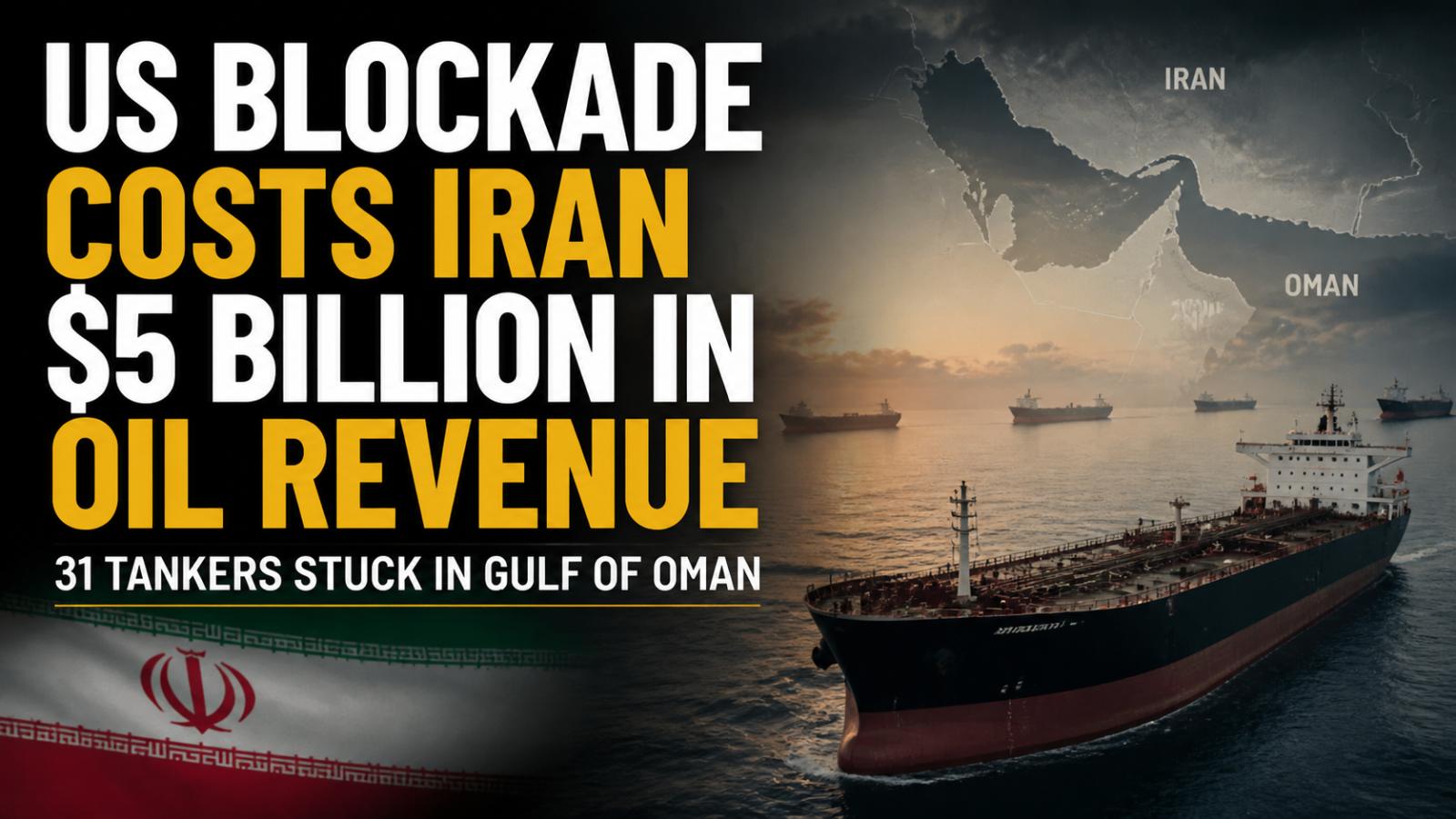
The ongoing US blockade in the Gulf of Oman has forced Iran to face a massive loss, with the US Defense Department estimating that Tehran has lost nearly $5 billion in oil revenue. This economic setback is the result of a blockade imposed by the US military in an effort to increase pressure on Iran’s economy. The blockade, which began on April 13, 2025, has been described as one of President Donald Trump’s most powerful tools to drive Iran into negotiations that aim to resolve the ongoing conflict. However, diplomatic talks have been repeatedly stalling and restarting, leaving both parties in a stalemate. According to Pentagon officials, more than 40 vessels have been redirected since the operation’s start, as they attempted to smuggle oil and other contraband through the region. In total, 31 tankers carrying approximately 53 million barrels of Iranian crude are now stuck in the Gulf of Oman, and these shipments are valued at around $4.8 billion. Of these, two vessels have already been seized by US forces. With storage capacity on land reaching its limits, Iran has resorted to using older tankers as floating storage units, as reported by analysts. These tankers, which are no longer fit for regular commercial routes, have become temporary storage sites for Iran’s oil. Some shipments are being rerouted along longer and more expensive paths, primarily to avoid interception by US forces. To achieve this, Iranian ships have been following coastlines near Pakistan and India and using safer maritime corridors towards the Strait of Malacca, a key transit point for oil bound for China. Tanker tracking analysts such as Samir Madani, co-founder of TankerTrackers.com, have noted a shift in Iranian shipping patterns. He explained how one Iranian tanker, called “HUGE,” cleverly demonstrated how ships are using stealth routes to evade detection. According to Madani, ships are increasingly relying on hidden paths through regional waters to avoid the US military blockade. Madani also predicted that, in the future, Iran might attempt a large-scale breakout of its tankers. "I think the Iranians will wait for an opportunity to launch an overnight 'Great Escape' once they have built up further storage near the border with Pakistan,” Madani told Axios. This situation is part of a broader economic struggle between Iran and the United States, with both countries resorting to maritime pressure tactics. Iran has previously restricted access to the Strait of Hormuz, a critical shipping route, in retaliation. Meanwhile, the US has been tightening its control over the Gulf of Oman, an entry point to key waterways. According to Gregory Brew, an analyst at Eurasia Group, Iran is just weeks away from running out of storage space for its oil, which could collapse its oil production capacity. "They're probably several weeks, or perhaps as much as a month, away from running out of storage," Brew said. The Pentagon’s spokesperson, Joel Valdez, emphasized the severity of the situation, stating that the blockade is fully active and that the US military is delivering a devastating blow to Iran’s ability to fund terrorism and regional destabilization. “Our armed forces in the region will continue to maintain this unrelenting pressure,” Valdez said. This strategy, although harsh, seems designed to wear down Iran’s ability to sustain itself economically, and possibly force a change in its approach to negotiations.
US blockade in Gulf of Oman halts $5 billion in Iranian oil revenue
The ongoing US blockade in the Gulf of Oman has forced Iran to face a massive loss, with the US Defense Department estimating that Tehran has lost nearly $5 billion in oil revenue. This economic setback is the result of a blockade imposed by the US military in an effort to increase pressure on Iran’s economy. The blockade, which began on April 13, 2025, has been described as one of President Donald Trump’s most powerful tools to drive Iran into negotiations that aim to resolve the ongoing conflict. However, diplomatic talks have been repeatedly stalling and restarting, leaving both parties in a stalemate. According to Pentagon officials, more than 40 vessels have been redirected since the operation’s start, as they attempted to smuggle oil and other contraband through the region. In total, 31 tankers carrying approximately 53 million barrels of Iranian crude are now stuck in the Gulf of Oman, and these shipments are valued at around $4.8 billion. Of these, two vessels have already been seized by US forces. With storage capacity on land reaching its limits, Iran has resorted to using older tankers as floating storage units, as reported by analysts. These tankers, which are no longer fit for regular commercial routes, have become temporary storage sites for Iran’s oil. Some shipments are being rerouted along longer and more expensive paths, primarily to avoid interception by US forces. To achieve this, Iranian ships have been following coastlines near Pakistan and India and using safer maritime corridors towards the Strait of Malacca, a key transit point for oil bound for China. Tanker tracking analysts such as Samir Madani, co-founder of TankerTrackers.com, have noted a shift in Iranian shipping patterns. He explained how one Iranian tanker, called “HUGE,” cleverly demonstrated how ships are using stealth routes to evade detection. According to Madani, ships are increasingly relying on hidden paths through regional waters to avoid the US military blockade. Madani also predicted that, in the future, Iran might attempt a large-scale breakout of its tankers. "I think the Iranians will wait for an opportunity to launch an overnight 'Great Escape' once they have built up further storage near the border with Pakistan,” Madani told Axios. This situation is part of a broader economic struggle between Iran and the United States, with both countries resorting to maritime pressure tactics. Iran has previously restricted access to the Strait of Hormuz, a critical shipping route, in retaliation. Meanwhile, the US has been tightening its control over the Gulf of Oman, an entry point to key waterways. According to Gregory Brew, an analyst at Eurasia Group, Iran is just weeks away from running out of storage space for its oil, which could collapse its oil production capacity. "They're probably several weeks, or perhaps as much as a month, away from running out of storage," Brew said. The Pentagon’s spokesperson, Joel Valdez, emphasized the severity of the situation, stating that the blockade is fully active and that the US military is delivering a devastating blow to Iran’s ability to fund terrorism and regional destabilization. “Our armed forces in the region will continue to maintain this unrelenting pressure,” Valdez said. This strategy, although harsh, seems designed to wear down Iran’s ability to sustain itself economically, and possibly force a change in its approach to negotiations.
What is Trump’s final bailout plan for Spirit Airlines? It could prevent liquidation
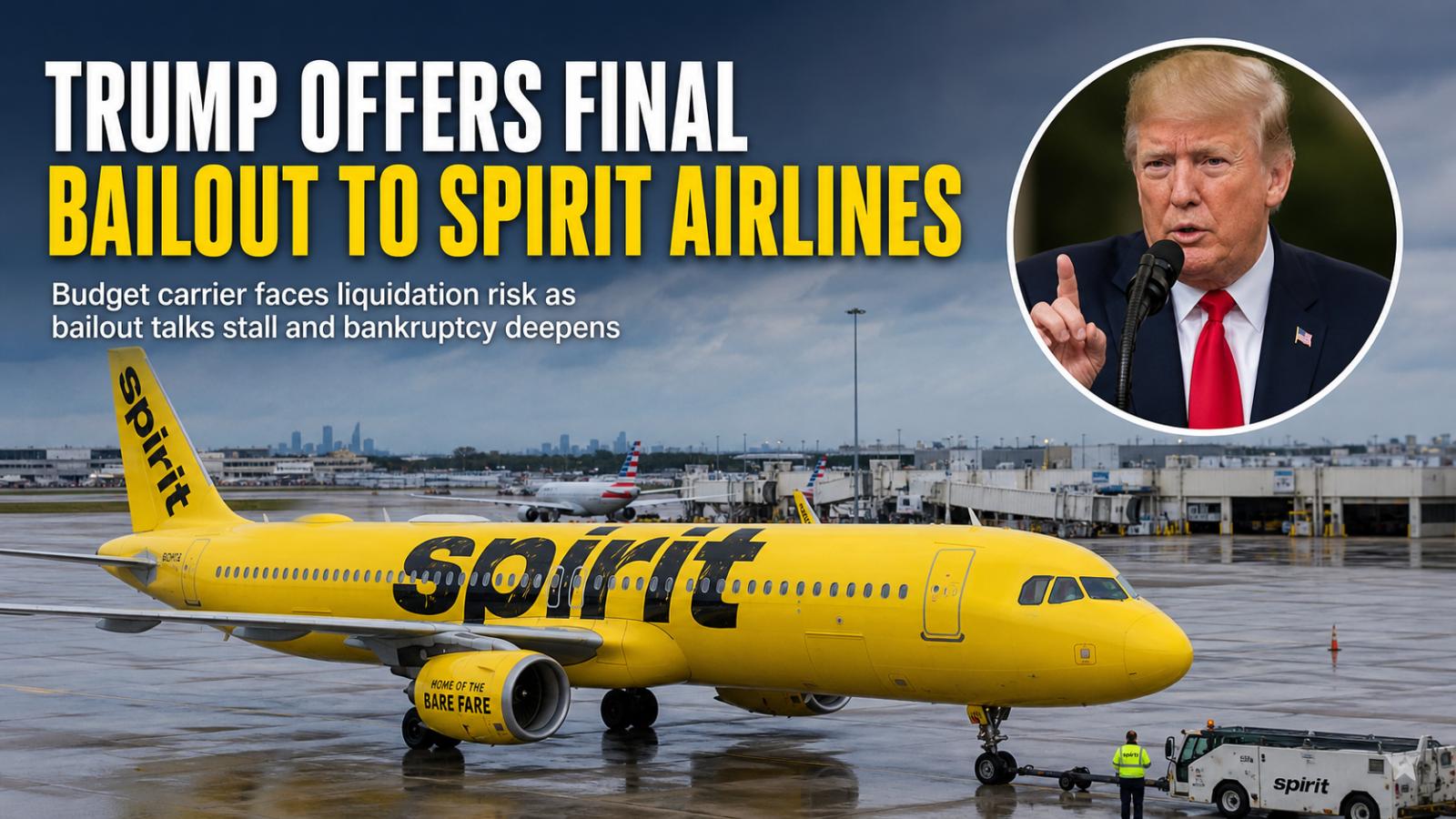
President Donald Trump said on Friday, May 1, 2026, that his administration had delivered a “final” bailout proposal to Spirit Airlines as the budget airline faces the possibility of liquidation without immediate financial su
What is Trump’s final bailout plan for Spirit Airlines? It could prevent liquidation
President Donald Trump said on Friday, May 1, 2026, that his administration had delivered a “final” bailout proposal to Spirit Airlines as the budget airline faces the possibility of liquidation without immediate financial su
What is Trump’s new retirement plan? It expands savings access for millions
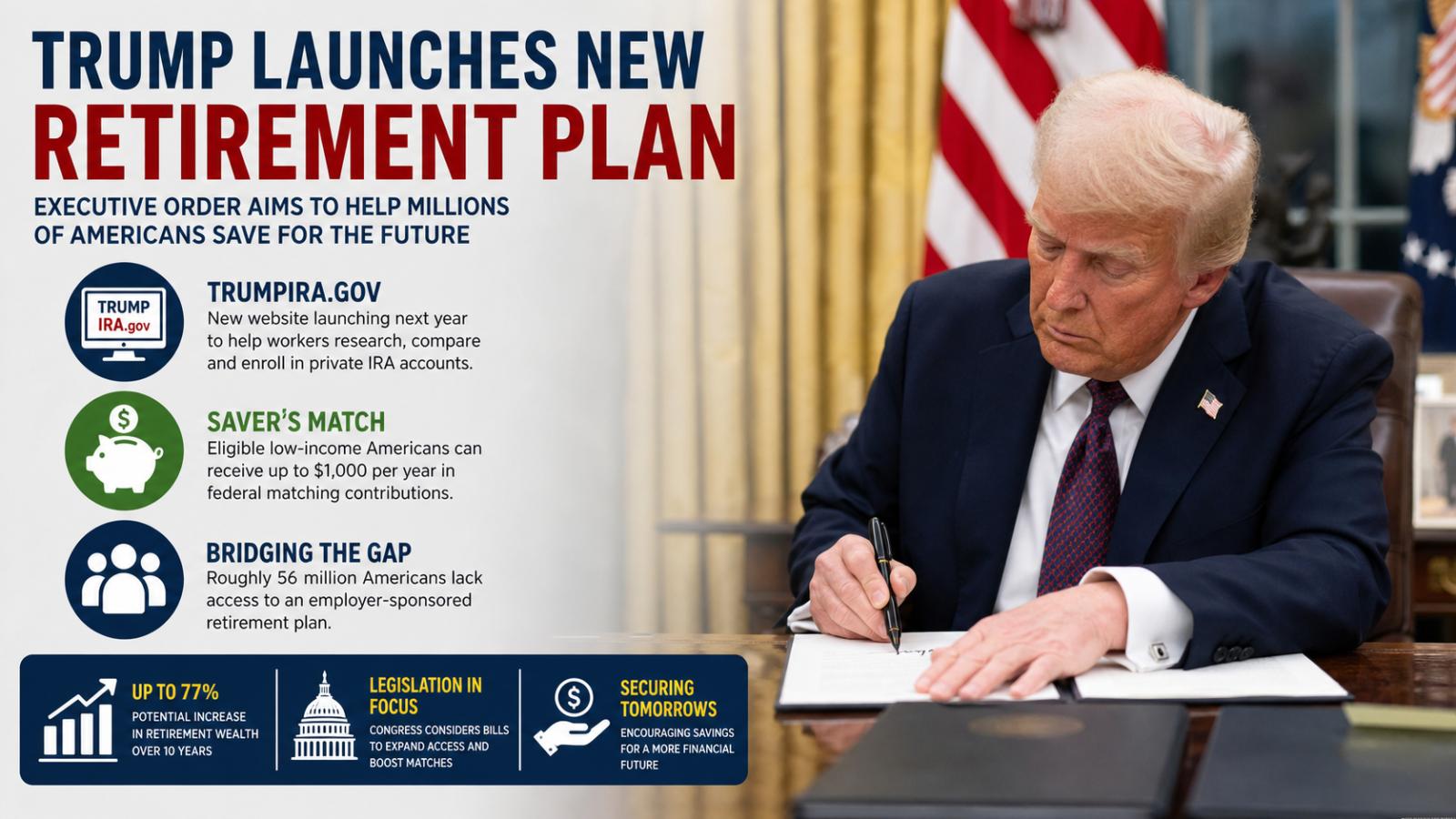
Expanding retirement access for underserved workers What is Trump’s new retirement plan? It expands savings access for millions, as a new executive order introduces a federal initiative aimed at workers without employer-sponsored retirement options. According to details outlined in the policy , tens of millions of Americans currently lack access to plans such as 401(k)s, creating long-term financial vulnerability. The initiative proposes a centralized platform, T
What is Trump’s new retirement plan? It expands savings access for millions
Expanding retirement access for underserved workers What is Trump’s new retirement plan? It expands savings access for millions, as a new executive order introduces a federal initiative aimed at workers without employer-sponsored retirement options. According to details outlined in the policy , tens of millions of Americans currently lack access to plans such as 401(k)s, creating long-term financial vulnerability. The initiative proposes a centralized platform, T
US warns Iran as Strait of Hormuz blockade tightens pressure
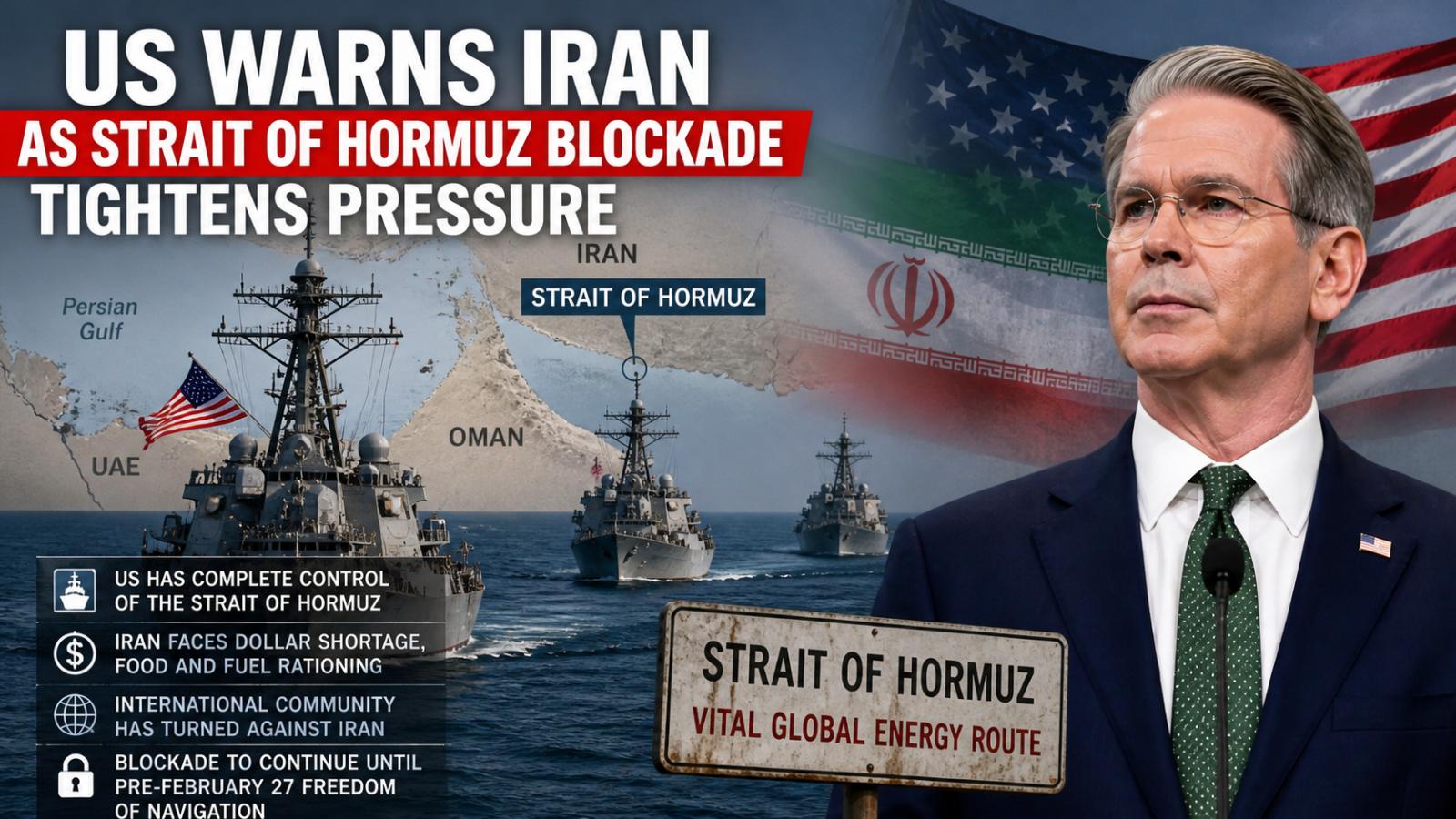
The US tightened pressure on Iran with a Strait of Hormuz blockade, disrupting oil trade and worsening Iran’s economic crisis, while internal political divisions grow and tensions with Washington escalate. US warns Iran as Strait of Hormuz blockade tightens pressure as tensions escalated following a sharply worded statement by U.S. Treasury Secretary Scott Bessent on Friday, in which he criticized Iran’s leadership and outlined the United States’ strategic position in the ongoing standoff. In a public post, Bessent asserted that the United States maintains full control over the Strait of Hormuz, a critical global energy transit route, and emphasized that a naval blockade would remain in effect until freedom of navigation conditions are restored to levels seen before February 27. The remarks come amid heightened geopolitical tensions involving Iran and the United States, with Bessent also pointing to economic strain within Iran, including a shortage of U.S. dollars and the implementation of food and gasoline rationing. He further stated that international sentiment has increasingly turned against Tehran, underscoring Washington’s broader diplomatic stance. The blockade represents a significant shift in pressure tactics. For years, Iran had managed to navigate sanctions by exporting oil through informal channels, particularly to China, using a network of so-called shadow vessels. However, U.S. naval operations have disrupted these routes, preventing tankers from bypassing enforcement measures and, in some cases, pursuing them beyond the Persian Gulf into the Indian Ocean. The situation escalated after Iran targeted commercial vessels and restricted maritime traffic through the Hormuz corridor, a move that disrupted global oil and liquefied natural gas shipments. In response, the United States deployed naval forces to secure the passage, effectively limiting Iran’s ability to continue its covert export operations. Internally, the crisis has exposed divisions within Iran’s leadership. President Masoud Pezeshkian is reportedly aligned with moderate factions seeking negotiations, while hardline figures such as Saeed Jalili advocate a more confrontational approach. The divergence reflects broader concerns about the sustainability of the conflict, particularly as economic conditions deteriorate. President Donald Trump has indicated support for maintaining the blockade, describing it as highly effective and signaling preparedness for a prolonged standoff. According to statements made to reporters, the administration is considering extending the measure until Iran meets specific nuclear-related demands. The economic impact on Iran has been severe. Reports indicate that unemployment has surged, food prices have risen sharply, and widespread internet disruptions have affected digital commerce. The national currency has weakened significantly over the past year, with the exchange rate reaching approximately 1.81 million rials per U.S. dollar, intensifying concerns about potential economic collapse.
US warns Iran as Strait of Hormuz blockade tightens pressure
The US tightened pressure on Iran with a Strait of Hormuz blockade, disrupting oil trade and worsening Iran’s economic crisis, while internal political divisions grow and tensions with Washington escalate. US warns Iran as Strait of Hormuz blockade tightens pressure as tensions escalated following a sharply worded statement by U.S. Treasury Secretary Scott Bessent on Friday, in which he criticized Iran’s leadership and outlined the United States’ strategic position in the ongoing standoff. In a public post, Bessent asserted that the United States maintains full control over the Strait of Hormuz, a critical global energy transit route, and emphasized that a naval blockade would remain in effect until freedom of navigation conditions are restored to levels seen before February 27. The remarks come amid heightened geopolitical tensions involving Iran and the United States, with Bessent also pointing to economic strain within Iran, including a shortage of U.S. dollars and the implementation of food and gasoline rationing. He further stated that international sentiment has increasingly turned against Tehran, underscoring Washington’s broader diplomatic stance. The blockade represents a significant shift in pressure tactics. For years, Iran had managed to navigate sanctions by exporting oil through informal channels, particularly to China, using a network of so-called shadow vessels. However, U.S. naval operations have disrupted these routes, preventing tankers from bypassing enforcement measures and, in some cases, pursuing them beyond the Persian Gulf into the Indian Ocean. The situation escalated after Iran targeted commercial vessels and restricted maritime traffic through the Hormuz corridor, a move that disrupted global oil and liquefied natural gas shipments. In response, the United States deployed naval forces to secure the passage, effectively limiting Iran’s ability to continue its covert export operations. Internally, the crisis has exposed divisions within Iran’s leadership. President Masoud Pezeshkian is reportedly aligned with moderate factions seeking negotiations, while hardline figures such as Saeed Jalili advocate a more confrontational approach. The divergence reflects broader concerns about the sustainability of the conflict, particularly as economic conditions deteriorate. President Donald Trump has indicated support for maintaining the blockade, describing it as highly effective and signaling preparedness for a prolonged standoff. According to statements made to reporters, the administration is considering extending the measure until Iran meets specific nuclear-related demands. The economic impact on Iran has been severe. Reports indicate that unemployment has surged, food prices have risen sharply, and widespread internet disruptions have affected digital commerce. The national currency has weakened significantly over the past year, with the exchange rate reaching approximately 1.81 million rials per U.S. dollar, intensifying concerns about potential economic collapse.

Oscar statuette recovered after going missing on flight from New York to Frankfurt
An Oscar statuette belonging to Russian director Pavel Talankin was recovered after going missing on a Lufthansa flight from New York to Frankfurt. The incident followed a TSA security check that required the award to be placed in checked luggage, prompting an internal review. Oscar statuette recovered after going missing on flight from New York to Frankfurt blends into a broader aviation and security incident that raised concerns over airport screeni
Oscar statuette recovered after going missing on flight from New York to Frankfurt
An Oscar statuette belonging to Russian director Pavel Talankin was recovered after going missing on a Lufthansa flight from New York to Frankfurt. The incident followed a TSA security check that required the award to be placed in checked luggage, prompting an internal review. Oscar statuette recovered after going missing on flight from New York to Frankfurt blends into a broader aviation and security incident that raised concerns over airport screeni
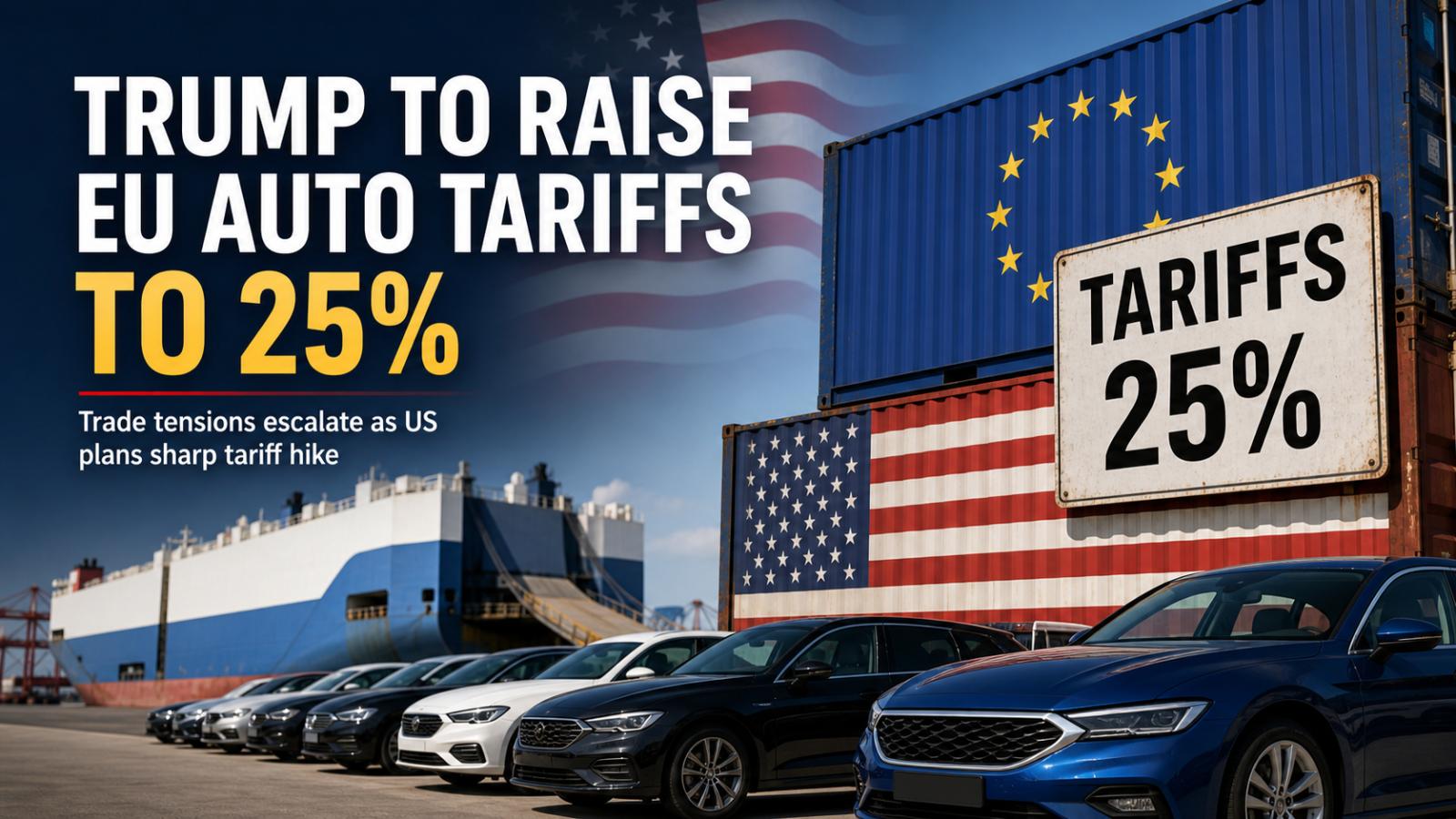
Will Trump raise EU auto tariffs to 25%? Yes, escalation risks trade tensions
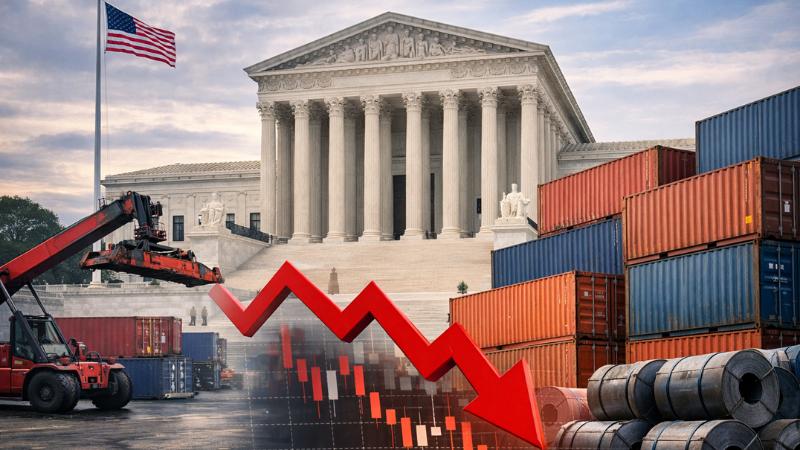
Trump signals sharp increase in tariffs on EU vehicles WASHINGTON — On Friday, May 1, 2026, U.S. President Donald Trump announced plans to raise tariffs on cars and trucks imported from the European Union to 25%, signaling a significant shift in U.S.-EU trade policy. The move, shared publicly in a statement, comes at a time when global markets remain sensitive to policy changes and could trigger broader economic repercussions. Trump stated that the European Union was “not complying” with the previously agreed trade deal, though he did not provide specific details regarding the alleged violations. The announcement marks a departure from the earlier tariff framework negotiated between both sides. Background of the US-EU Turnberry trade framework The current dispute traces back to a bilateral agreement reached in July 2025 between Trump and Ursula von der Leyen, which set a 15% tariff ceiling on most traded goods. Known as the Turnberry Agreement, the arrangement aimed to stabilize trade relations and reduce uncertainty for industries on both sides of the Atlantic. Both the United States and the European Union had reaffirmed their commitment to maintaining this framework even after legal and policy challenges emerged earlier in 2026. Legal challenges reshape tariff authority The agreement’s stability was called into question after a ruling by the U.S. Supreme Court, which determined that the president lacked authority to impose tariffs under an economic emergency declaration. Following the ruling, tariff limits were effectively reduced, prompting the administration to explore alternative legal pathways to implement new import taxes. Ongoing investigations into trade imbalances and national security concerns have since been cited by the administration as justification for a revised tariff strategy, potentially putting the original agreement at risk. Economic stakes for EU and global markets The European Union has consistently emphasized the importance of maintaining agreed tariff limits, noting that the deal was expected to save its automotive sector between €500 million and €600 million monthly. Trade between the U.S. and EU reached approximately €1.7 trillion ($2 trillion) in 2024, highlighting the scale of economic interdependence. European officials have reiterated that commitments under the agreement should be upheld, stressing that EU exports must continue to benefit from competitive tariff treatment without unexpected increases. Rising tensions threaten trade stability The proposed tariff increase introduces fresh uncertainty into one of the world’s largest trading relationships. Analysts warn that such measures could disrupt supply chains, increase costs for manufacturers and consumers, and strain diplomatic ties. As the administration moves forward with its trade investigations, the future of the U.S.-EU trade framework remains uncertain, with potential implications extending beyond the automotive sector into the broader global economy.
Will Trump raise EU auto tariffs to 25%? Yes, escalation risks trade tensions
Trump signals sharp increase in tariffs on EU vehicles WASHINGTON — On Friday, May 1, 2026, U.S. President Donald Trump announced plans to raise tariffs on cars and trucks imported from the European Union to 25%, signaling a significant shift in U.S.-EU trade policy. The move, shared publicly in a statement, comes at a time when global markets remain sensitive to policy changes and could trigger broader economic repercussions. Trump stated that the European Union was “not complying” with the previously agreed trade deal, though he did not provide specific details regarding the alleged violations. The announcement marks a departure from the earlier tariff framework negotiated between both sides. Background of the US-EU Turnberry trade framework The current dispute traces back to a bilateral agreement reached in July 2025 between Trump and Ursula von der Leyen, which set a 15% tariff ceiling on most traded goods. Known as the Turnberry Agreement, the arrangement aimed to stabilize trade relations and reduce uncertainty for industries on both sides of the Atlantic. Both the United States and the European Union had reaffirmed their commitment to maintaining this framework even after legal and policy challenges emerged earlier in 2026. Legal challenges reshape tariff authority The agreement’s stability was called into question after a ruling by the U.S. Supreme Court, which determined that the president lacked authority to impose tariffs under an economic emergency declaration. Following the ruling, tariff limits were effectively reduced, prompting the administration to explore alternative legal pathways to implement new import taxes. Ongoing investigations into trade imbalances and national security concerns have since been cited by the administration as justification for a revised tariff strategy, potentially putting the original agreement at risk. Economic stakes for EU and global markets The European Union has consistently emphasized the importance of maintaining agreed tariff limits, noting that the deal was expected to save its automotive sector between €500 million and €600 million monthly. Trade between the U.S. and EU reached approximately €1.7 trillion ($2 trillion) in 2024, highlighting the scale of economic interdependence. European officials have reiterated that commitments under the agreement should be upheld, stressing that EU exports must continue to benefit from competitive tariff treatment without unexpected increases. Rising tensions threaten trade stability The proposed tariff increase introduces fresh uncertainty into one of the world’s largest trading relationships. Analysts warn that such measures could disrupt supply chains, increase costs for manufacturers and consumers, and strain diplomatic ties. As the administration moves forward with its trade investigations, the future of the U.S.-EU trade framework remains uncertain, with potential implications extending beyond the automotive sector into the broader global economy.
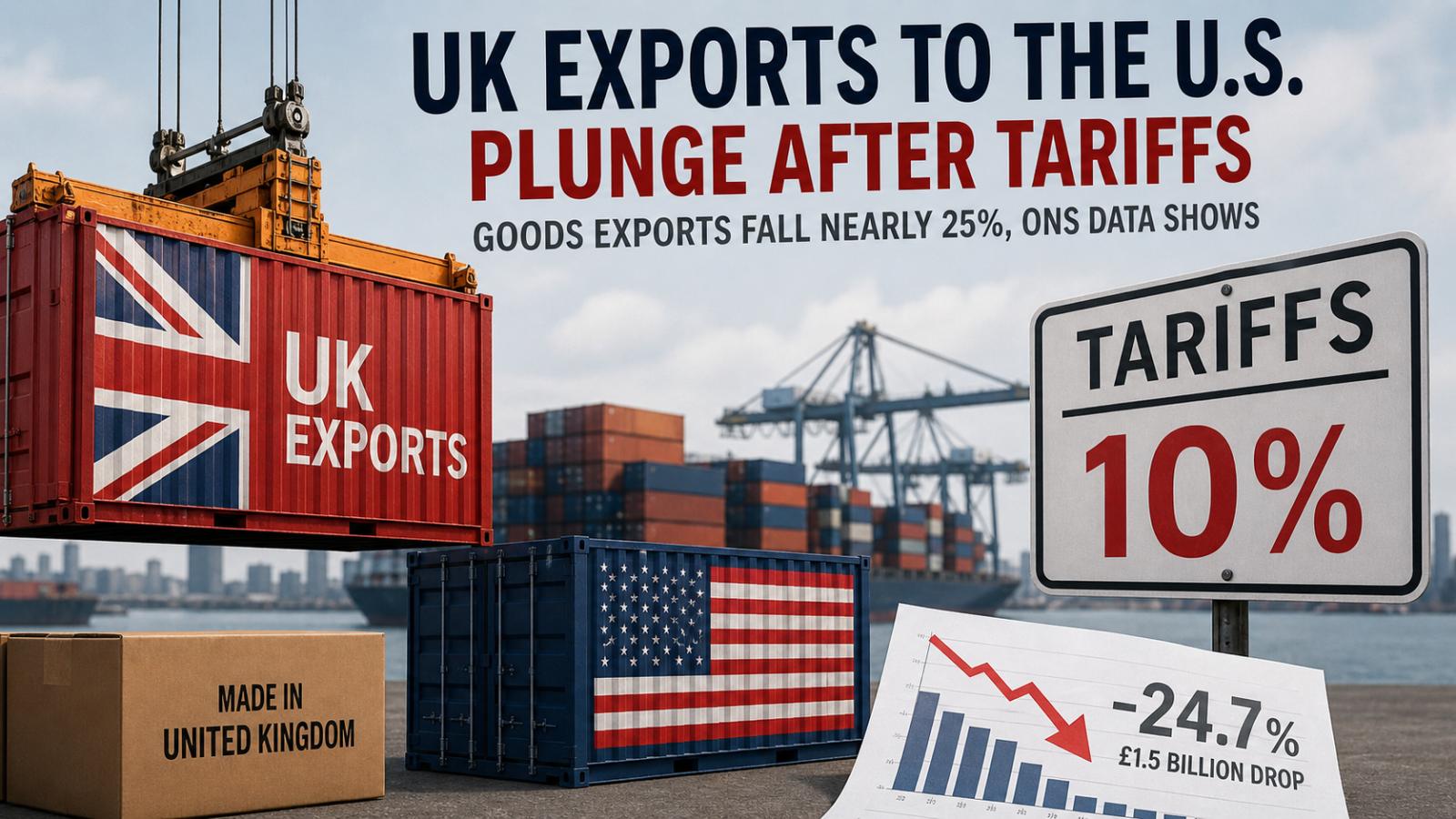
What caused U.K. exports to the U.S. to fall? Tariffs cut goods by nearly 25%
Tariffs trigger sharp decline in U.K. exports to the U.S. What caused U.K. exports to the U.S. to fall? Tariffs cut goods by nearly 25% as official data shows a steep decline in trade flows following sweeping tariff measures. According to figures released Friday by the Office for National Statistics, goods exports from the United Kingdom to the United States dropped by £1.5 billion, marking a 24.7% decrease after tariffs were introduced. The data, which excludes precious metals, highlights the immediate and sustained impact of trade policy changes initiated under Donald Trump. The tariffs, introduced as part of a broader “liberation day” strategy, disrupted established trading patterns between the two countries, which had previously benefited from largely tariff-free exchanges. Automotive and key sectors remain below pre-tariff levels The downturn has been particularly evident in the automotive sector, where U.K. car exports to the U.S. have remained below pre-tariff levels for the 12 months since April 2025. Analysts note that the continued weakness reflects both higher costs and reduced competitiveness in the American market. While exports have struggled, imports from the United States into the U.K. increased at the beginning of 2026. This imbalance has resulted in a trade deficit for three consecutive months, underscoring the broader economic consequences of the tariff regime on bilateral trade. Trade deal reshapes transatlantic economic ties The United Kingdom was the first nation to secure a post-tariff trade agreement with the U.S., following the introduction of the new measures. The deal included a 10% blanket tariff on goods entering the American market, effectively ending the previous zero-tariff environment that had benefited exporters on both sides. The new framework also imposed duties on key British exports, including Scotch whisky and other spirits. However, in a recent development, Trump announced plans to remove tariffs on Scotch whisky “in honor” of King Charles III and Queen Camilla following their state visit. Despite this move, industry experts caution that relief in one sector is unlikely to offset broader trade declines. Economic pressures weigh on exporters and growth outlook Economists warn that the sustained drop in exports could have wider implications for the U.K. economy. The United States remains the country’s largest export market, making the scale of the downturn particularly significant. Samuel Edwards, head of client portfolio management at Ebury, said exporters are facing mounting challenges. He pointed to a combination of higher trading costs from tariffs, increased employment expenses, and rising input prices, all of which are squeezing profit margins. These overlapping pressures are making it more difficult for U.K. businesses to remain competitive internationally, raising concerns about long-term growth and stability in the evolving global trade environment.
What caused U.K. exports to the U.S. to fall? Tariffs cut goods by nearly 25%
Tariffs trigger sharp decline in U.K. exports to the U.S. What caused U.K. exports to the U.S. to fall? Tariffs cut goods by nearly 25% as official data shows a steep decline in trade flows following sweeping tariff measures. According to figures released Friday by the Office for National Statistics, goods exports from the United Kingdom to the United States dropped by £1.5 billion, marking a 24.7% decrease after tariffs were introduced. The data, which excludes precious metals, highlights the immediate and sustained impact of trade policy changes initiated under Donald Trump. The tariffs, introduced as part of a broader “liberation day” strategy, disrupted established trading patterns between the two countries, which had previously benefited from largely tariff-free exchanges. Automotive and key sectors remain below pre-tariff levels The downturn has been particularly evident in the automotive sector, where U.K. car exports to the U.S. have remained below pre-tariff levels for the 12 months since April 2025. Analysts note that the continued weakness reflects both higher costs and reduced competitiveness in the American market. While exports have struggled, imports from the United States into the U.K. increased at the beginning of 2026. This imbalance has resulted in a trade deficit for three consecutive months, underscoring the broader economic consequences of the tariff regime on bilateral trade. Trade deal reshapes transatlantic economic ties The United Kingdom was the first nation to secure a post-tariff trade agreement with the U.S., following the introduction of the new measures. The deal included a 10% blanket tariff on goods entering the American market, effectively ending the previous zero-tariff environment that had benefited exporters on both sides. The new framework also imposed duties on key British exports, including Scotch whisky and other spirits. However, in a recent development, Trump announced plans to remove tariffs on Scotch whisky “in honor” of King Charles III and Queen Camilla following their state visit. Despite this move, industry experts caution that relief in one sector is unlikely to offset broader trade declines. Economic pressures weigh on exporters and growth outlook Economists warn that the sustained drop in exports could have wider implications for the U.K. economy. The United States remains the country’s largest export market, making the scale of the downturn particularly significant. Samuel Edwards, head of client portfolio management at Ebury, said exporters are facing mounting challenges. He pointed to a combination of higher trading costs from tariffs, increased employment expenses, and rising input prices, all of which are squeezing profit margins. These overlapping pressures are making it more difficult for U.K. businesses to remain competitive internationally, raising concerns about long-term growth and stability in the evolving global trade environment.
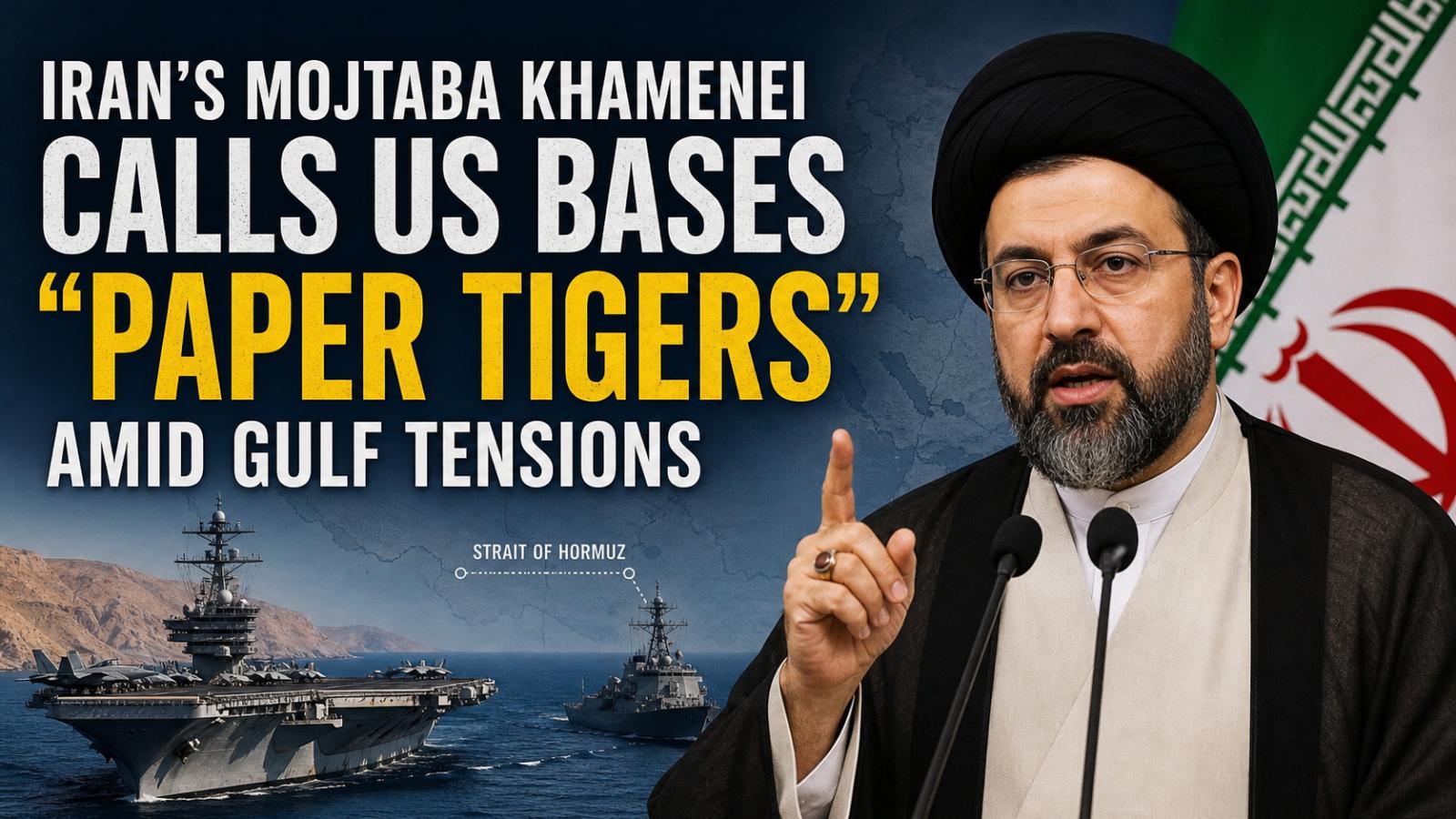
Iran’s Mojtaba Khamenei calls US bases “paper tigers” amid Gulf tensions
Iran’s Mojtaba Khamenei called US bases “paper tigers” on Friday, May 1, 2026, criticizing American presence in the Persian Gulf and linking it to regional insecurity amid rising Strait of Hormuz tensions Iran’s Mojtaba Khamenei calls US bases “paper tigers” amid Gulf tensions as Mojtaba Khamenei sharply criticized the United States’ military presence in the
Iran’s Mojtaba Khamenei calls US bases “paper tigers” amid Gulf tensions
Iran’s Mojtaba Khamenei called US bases “paper tigers” on Friday, May 1, 2026, criticizing American presence in the Persian Gulf and linking it to regional insecurity amid rising Strait of Hormuz tensions Iran’s Mojtaba Khamenei calls US bases “paper tigers” amid Gulf tensions as Mojtaba Khamenei sharply criticized the United States’ military presence in the
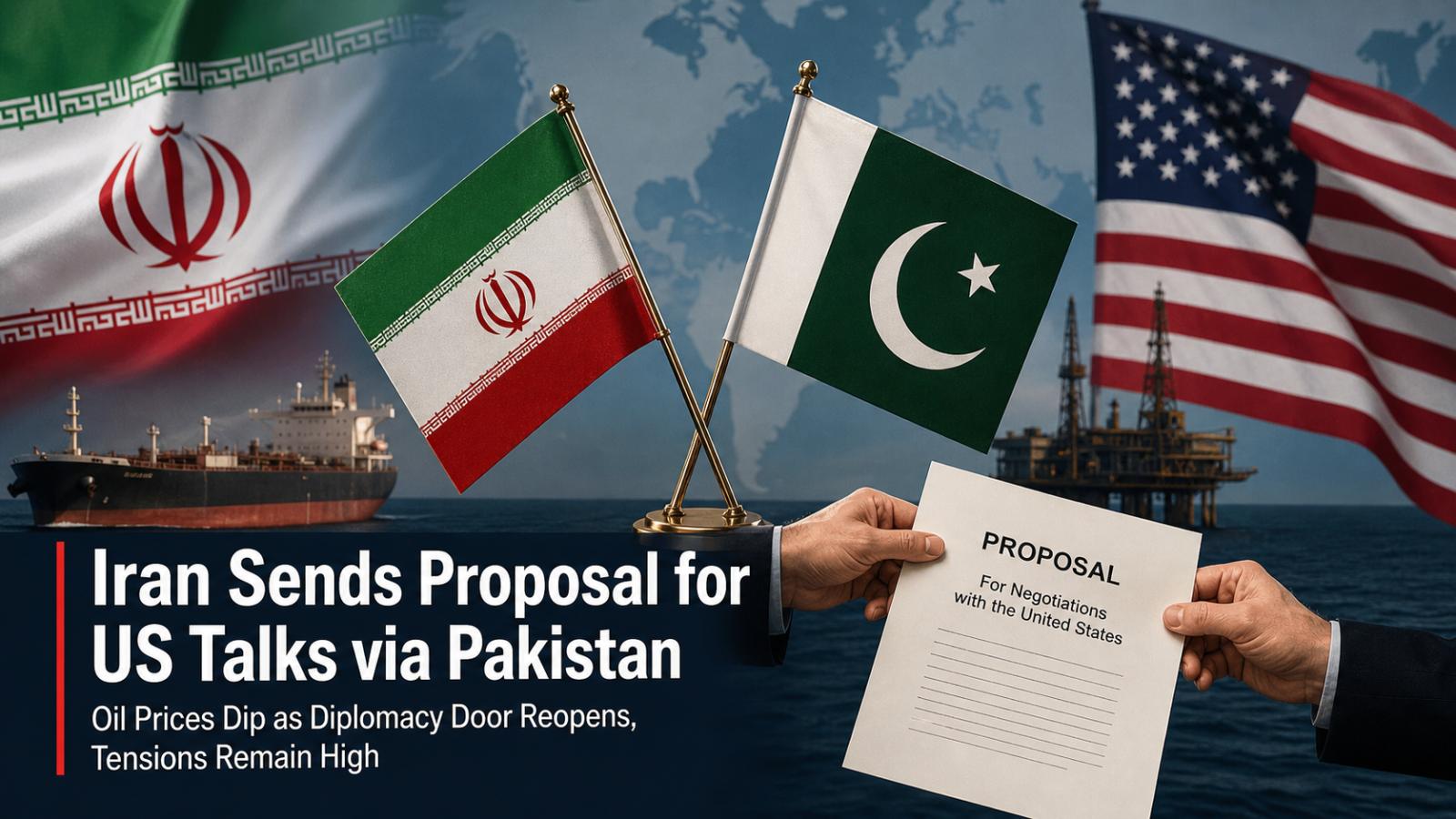
What did Iran propose to the U.S.? New talks plan sent via Pakistan signals diplomacy
Iran has delivered a new proposal for negotiations with the United States through Pakistan, signaling a potential diplomatic opening amid heightened regional tensions. According to IRNA, the proposal was formally
What did Iran propose to the U.S.? New talks plan sent via Pakistan signals diplomacy
Iran has delivered a new proposal for negotiations with the United States through Pakistan, signaling a potential diplomatic opening amid heightened regional tensions. According to IRNA, the proposal was formally
Could Alphabet overtake Nvidia as the most valuable company? Yes, analysts say it may happen soon
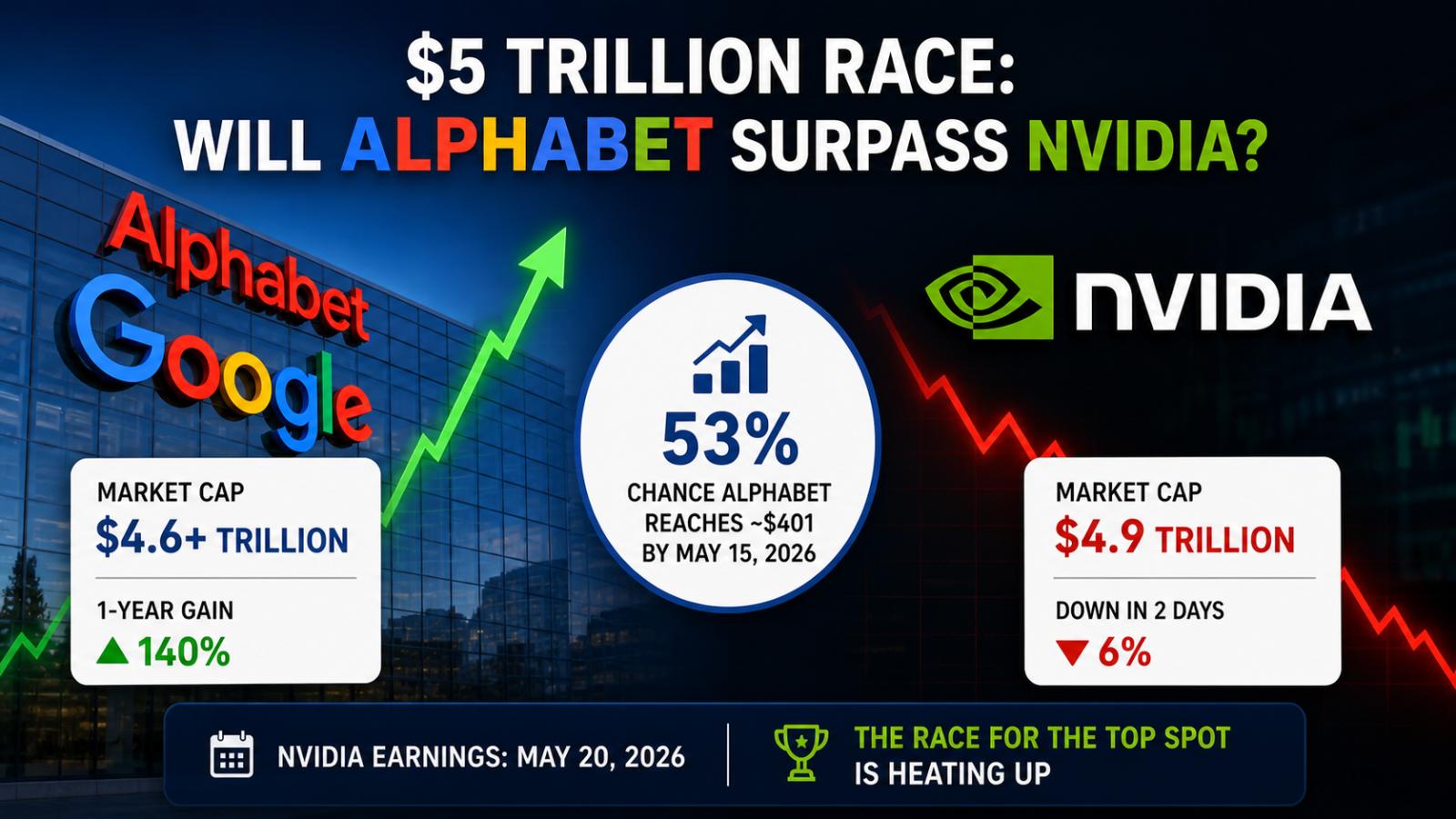
Shares of Alphabet are approaching a historic milestone, with the company nearing a $5 trillion valuation and potentially overtaking Nvidia as the world’s most valuable publicly traded firm. The surge comes after a strong rally in Alphabet’s stock, which climbed 10% on Thursday, extending its one-year gain to approximately 140% and pushing its market capitalization beyond $4.6 trillion. Strong earnings and cloud growth drive Alphabet’s surge The momentum follows a better-than-expected earnings report released on Wednesday, in which Alphabet exceeded analyst forecasts. A key highlight was its Google Cloud division, which generated more than $20 billion in revenue, reinforcing investor confidence in the company’s position within the artificial intelligence and cloud computing sectors. This performance has strengthened Alphabet’s standing among major AI-focused companies and boosted overall investor sentiment. Nvidia faces pressure amid partner concerns and stock decline Meanwhile, Nvidia, currently valued at under $4.9 trillion, has seen its stock decline by more than 6% over two trading sessions. The drop follows a report from The Wall Street Journal indicating that business partner OpenAI missed internal revenue and growth projections. The development has raised concerns about near-term demand and growth expectations in the AI ecosystem, impacting Nvidia’s market performance. Options market signals a potential shift in market leadership Options trading data suggests that Alphabet could soon close the valuation gap. For Alphabet to match Nvidia’s current market capitalization, its stock would need to rise by roughly 4%, reaching about $401 per share. Based on call option premiums around that level, traders estimate a 53% probability that Alphabet could reach that price before Thursday, May 15, 2026. Further projections indicate about a 30% chance that Alphabet will close above $400 on Friday, May 22, 2026, shortly after Nvidia’s upcoming earnings report scheduled for Tuesday, May 20, 2026. Notably, Nvidia’s stock has declined after four of its last five earnings announcements, adding uncertainty to its near-term outlook. Historical context as Alphabet eyes a return to the top Alphabet has previously held the top position among global companies, most recently in 2016 when it briefly surpassed Apple. A renewed rise to the top would mark a significant shift in market leadership, driven largely by advancements in artificial intelligence and cloud infrastructure. As both companies approach key earnings milestones, investors are closely watching whether Alphabet can capitalize on its momentum and reclaim the top spot in global market valuation. Alphabet has previously held the top position among global companies, most recently in 2016 when it briefly surpassed Apple. A renewed rise to the top would mark a significant shift in market leadership, driven largely by advancements in artificial intelligence and cloud infrastructure. As both companies approach key earnings milestones, investors are closely watching whether Alphabet can capitalize on its momentum and reclaim the top spot in global market valuation.
Could Alphabet overtake Nvidia as the most valuable company? Yes, analysts say it may happen soon
Shares of Alphabet are approaching a historic milestone, with the company nearing a $5 trillion valuation and potentially overtaking Nvidia as the world’s most valuable publicly traded firm. The surge comes after a strong rally in Alphabet’s stock, which climbed 10% on Thursday, extending its one-year gain to approximately 140% and pushing its market capitalization beyond $4.6 trillion. Strong earnings and cloud growth drive Alphabet’s surge The momentum follows a better-than-expected earnings report released on Wednesday, in which Alphabet exceeded analyst forecasts. A key highlight was its Google Cloud division, which generated more than $20 billion in revenue, reinforcing investor confidence in the company’s position within the artificial intelligence and cloud computing sectors. This performance has strengthened Alphabet’s standing among major AI-focused companies and boosted overall investor sentiment. Nvidia faces pressure amid partner concerns and stock decline Meanwhile, Nvidia, currently valued at under $4.9 trillion, has seen its stock decline by more than 6% over two trading sessions. The drop follows a report from The Wall Street Journal indicating that business partner OpenAI missed internal revenue and growth projections. The development has raised concerns about near-term demand and growth expectations in the AI ecosystem, impacting Nvidia’s market performance. Options market signals a potential shift in market leadership Options trading data suggests that Alphabet could soon close the valuation gap. For Alphabet to match Nvidia’s current market capitalization, its stock would need to rise by roughly 4%, reaching about $401 per share. Based on call option premiums around that level, traders estimate a 53% probability that Alphabet could reach that price before Thursday, May 15, 2026. Further projections indicate about a 30% chance that Alphabet will close above $400 on Friday, May 22, 2026, shortly after Nvidia’s upcoming earnings report scheduled for Tuesday, May 20, 2026. Notably, Nvidia’s stock has declined after four of its last five earnings announcements, adding uncertainty to its near-term outlook. Historical context as Alphabet eyes a return to the top Alphabet has previously held the top position among global companies, most recently in 2016 when it briefly surpassed Apple. A renewed rise to the top would mark a significant shift in market leadership, driven largely by advancements in artificial intelligence and cloud infrastructure. As both companies approach key earnings milestones, investors are closely watching whether Alphabet can capitalize on its momentum and reclaim the top spot in global market valuation. Alphabet has previously held the top position among global companies, most recently in 2016 when it briefly surpassed Apple. A renewed rise to the top would mark a significant shift in market leadership, driven largely by advancements in artificial intelligence and cloud infrastructure. As both companies approach key earnings milestones, investors are closely watching whether Alphabet can capitalize on its momentum and reclaim the top spot in global market valuation.
Tehran activates air defenses as Iran issues warnings amid rising tensions
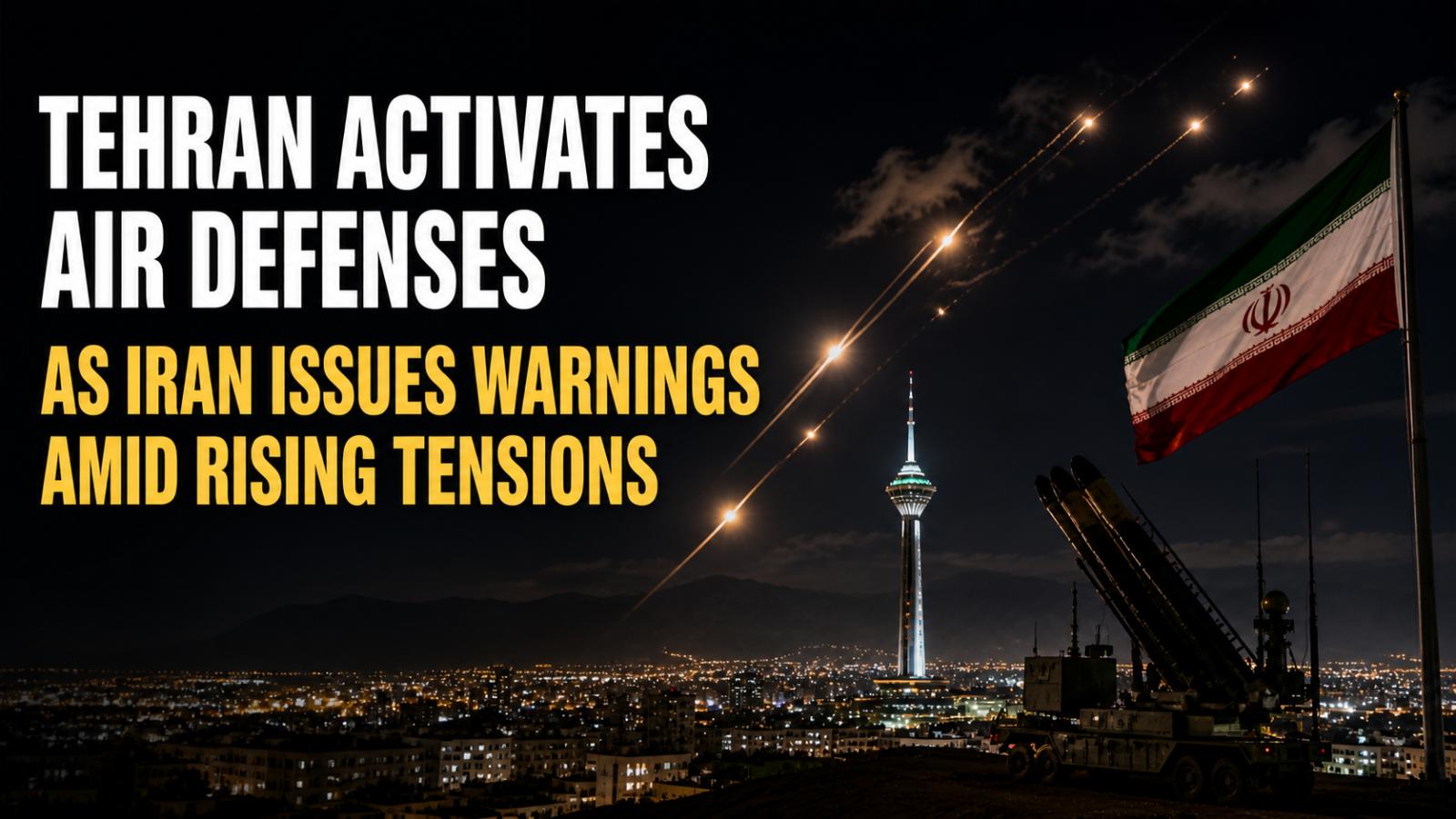
Tehran activated air defenses against drones as Iran warned of retaliation if attacks resume. U.S. officials signaled continued military action, while tensions over the Strait of Hormuz and ceasefire terms highlight ongoing instability. Tehran activates air defenses as Iran issues warnings amid rising tensions, according to Iranian media reports describing heightened military alertness on Thursday night. Authorities in Tehran said air defense systems were deployed
Tehran activates air defenses as Iran issues warnings amid rising tensions
Tehran activated air defenses against drones as Iran warned of retaliation if attacks resume. U.S. officials signaled continued military action, while tensions over the Strait of Hormuz and ceasefire terms highlight ongoing instability. Tehran activates air defenses as Iran issues warnings amid rising tensions, according to Iranian media reports describing heightened military alertness on Thursday night. Authorities in Tehran said air defense systems were deployed

Indian student’s death in Chicago highlights mental health and visa stress
A 26-year-old Indian student from Andhra Pradesh died by suicide in Chicago after struggling to find a job post-graduation. Facing financial pressure and emotional stress, he left messages before his death. A fundraiser is underway to support repatriation and assist his family. Indian student’s death in Chicago highlights mental health and visa stress as Iraganaboyina Chandu, a 26-year-old graduate from Andhra Pradesh, died by suicide at his residence in Chicago
Indian student’s death in Chicago highlights mental health and visa stress
A 26-year-old Indian student from Andhra Pradesh died by suicide in Chicago after struggling to find a job post-graduation. Facing financial pressure and emotional stress, he left messages before his death. A fundraiser is underway to support repatriation and assist his family. Indian student’s death in Chicago highlights mental health and visa stress as Iraganaboyina Chandu, a 26-year-old graduate from Andhra Pradesh, died by suicide at his residence in Chicago

Gold Edges Lower as Silver Moves Up – Wednesday, April 29, 2026
Gold prices declined while silver recorded an increase in the latest update. Currency rates showed USD steady against INR. Gold Price Gold (per oz): $4,598.60 (↓) Gold 24K (per 10g): ₹140283 approx Gold 22K (per 10g): ₹128419 approx Silver Price Silver (per oz): $74.93 (↑) (₹7107 approx) Silver (per kg): $2408.04 (₹228442 approx) Currenc
Gold Edges Lower as Silver Moves Up – Wednesday, April 29, 2026
Gold prices declined while silver recorded an increase in the latest update. Currency rates showed USD steady against INR. Gold Price Gold (per oz): $4,598.60 (↓) Gold 24K (per 10g): ₹140283 approx Gold 22K (per 10g): ₹128419 approx Silver Price Silver (per oz): $74.93 (↑) (₹7107 approx) Silver (per kg): $2408.04 (₹228442 approx) Currenc
Security footage shows missed dog alerts before White House shooting
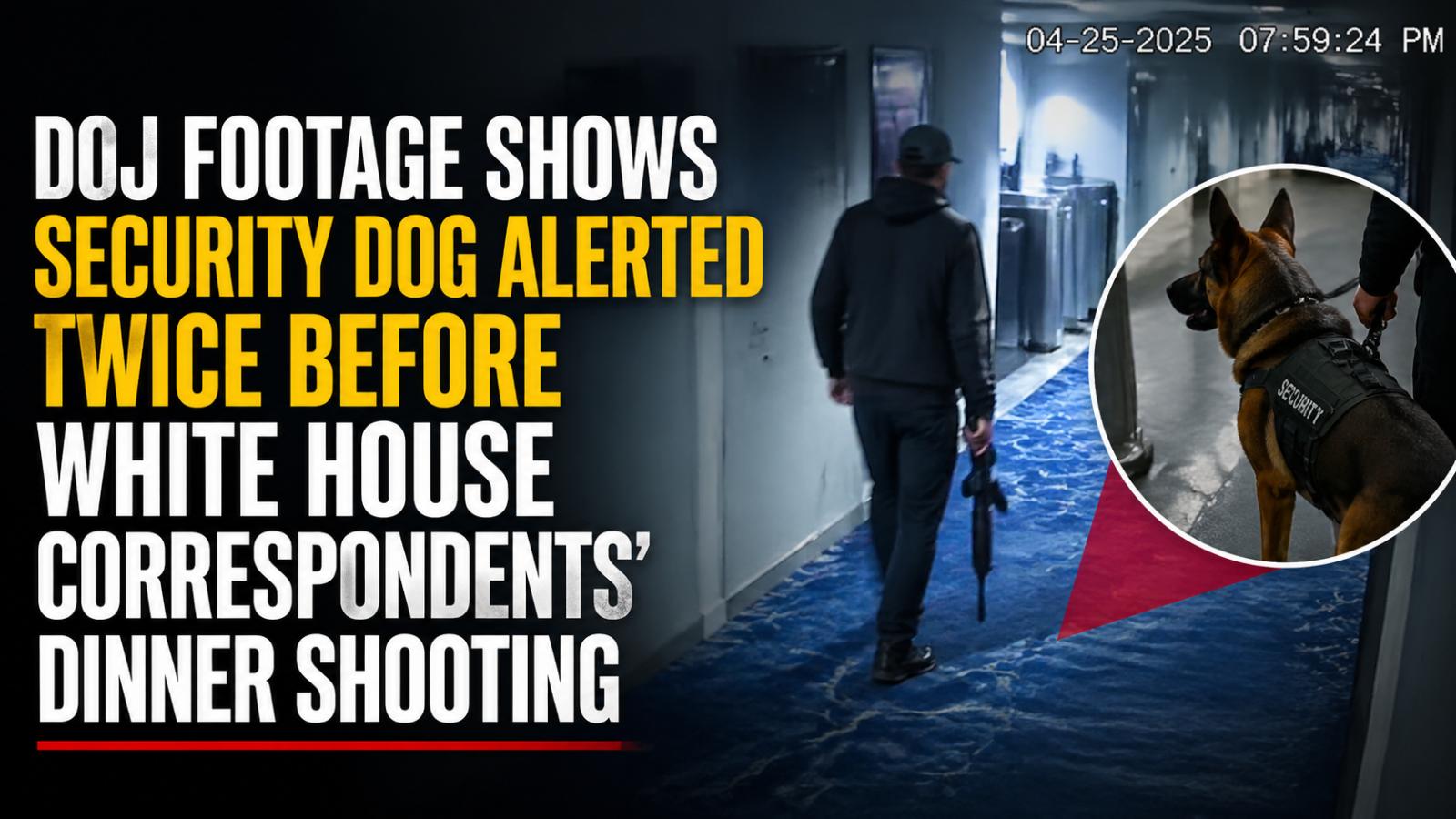
DOJ footage shows missed security dog alerts before shooting at WHCD A newly released video from the Justice Department has uncovered crucial details about the attempted shooting at the White House Correspondents' Dinner (WHCD). The footage reveals that a security dog alerted to Cole Tomas Allen’s presence twice, but these warnings went unnoticed, allowing the suspect to fire at a Secret Service officer before being detained. The video, shared by US Attorney Jeanine Pirro on social media platform X, shows Allen walking through the Hilton Hotel the night before the attack. In a chilling moment, the security dog reacts to Allen as he passes, signaling potential danger. However, despite these two distinct alerts, the handler fails to acknowledge the dog's warning, allowing Allen to continue his movement through the hotel. The footage captures the suspect armed with a shotgun, heading toward a security checkpoint where he shoots a Secret Service officer. The video highlights how Allen was moving through the hotel, appearing to “case the area” before the shooting. He can be seen walking through corridors and even passing through a gym in the hours before the more dramatic scene. The footage reveals Allen approaching the magnetometer checkpoint, where he charges past uniformed officers and agents, carrying a long-barrelled firearm. In a slow-motion clip of the video, a Secret Service agent fires three times at Allen, although police have confirmed that Allen was not shot. Instead, Allen was tackled and detained after a brief struggle with security personnel. The officer who was shot survived the attack, thanks to the protection provided by his ballistic vest. Pirro, in her statement, clarified that there is no evidence that friendly fire caused the shooting. She emphasized that the footage had already been provided to the US District Court for further legal action. Allen, a 31-year-old from California, has been charged with attempting to assassinate the president. If convicted, he faces up to life in prison. This latest video offers crucial insight into the incident, showing the missed warnings and the sequence of events that allowed the shooter to carry out the attack.
Security footage shows missed dog alerts before White House shooting
DOJ footage shows missed security dog alerts before shooting at WHCD A newly released video from the Justice Department has uncovered crucial details about the attempted shooting at the White House Correspondents' Dinner (WHCD). The footage reveals that a security dog alerted to Cole Tomas Allen’s presence twice, but these warnings went unnoticed, allowing the suspect to fire at a Secret Service officer before being detained. The video, shared by US Attorney Jeanine Pirro on social media platform X, shows Allen walking through the Hilton Hotel the night before the attack. In a chilling moment, the security dog reacts to Allen as he passes, signaling potential danger. However, despite these two distinct alerts, the handler fails to acknowledge the dog's warning, allowing Allen to continue his movement through the hotel. The footage captures the suspect armed with a shotgun, heading toward a security checkpoint where he shoots a Secret Service officer. The video highlights how Allen was moving through the hotel, appearing to “case the area” before the shooting. He can be seen walking through corridors and even passing through a gym in the hours before the more dramatic scene. The footage reveals Allen approaching the magnetometer checkpoint, where he charges past uniformed officers and agents, carrying a long-barrelled firearm. In a slow-motion clip of the video, a Secret Service agent fires three times at Allen, although police have confirmed that Allen was not shot. Instead, Allen was tackled and detained after a brief struggle with security personnel. The officer who was shot survived the attack, thanks to the protection provided by his ballistic vest. Pirro, in her statement, clarified that there is no evidence that friendly fire caused the shooting. She emphasized that the footage had already been provided to the US District Court for further legal action. Allen, a 31-year-old from California, has been charged with attempting to assassinate the president. If convicted, he faces up to life in prison. This latest video offers crucial insight into the incident, showing the missed warnings and the sequence of events that allowed the shooter to carry out the attack.
Trump avoids bulletproof vest citing appearance concerns after shooting at WHCA dinner
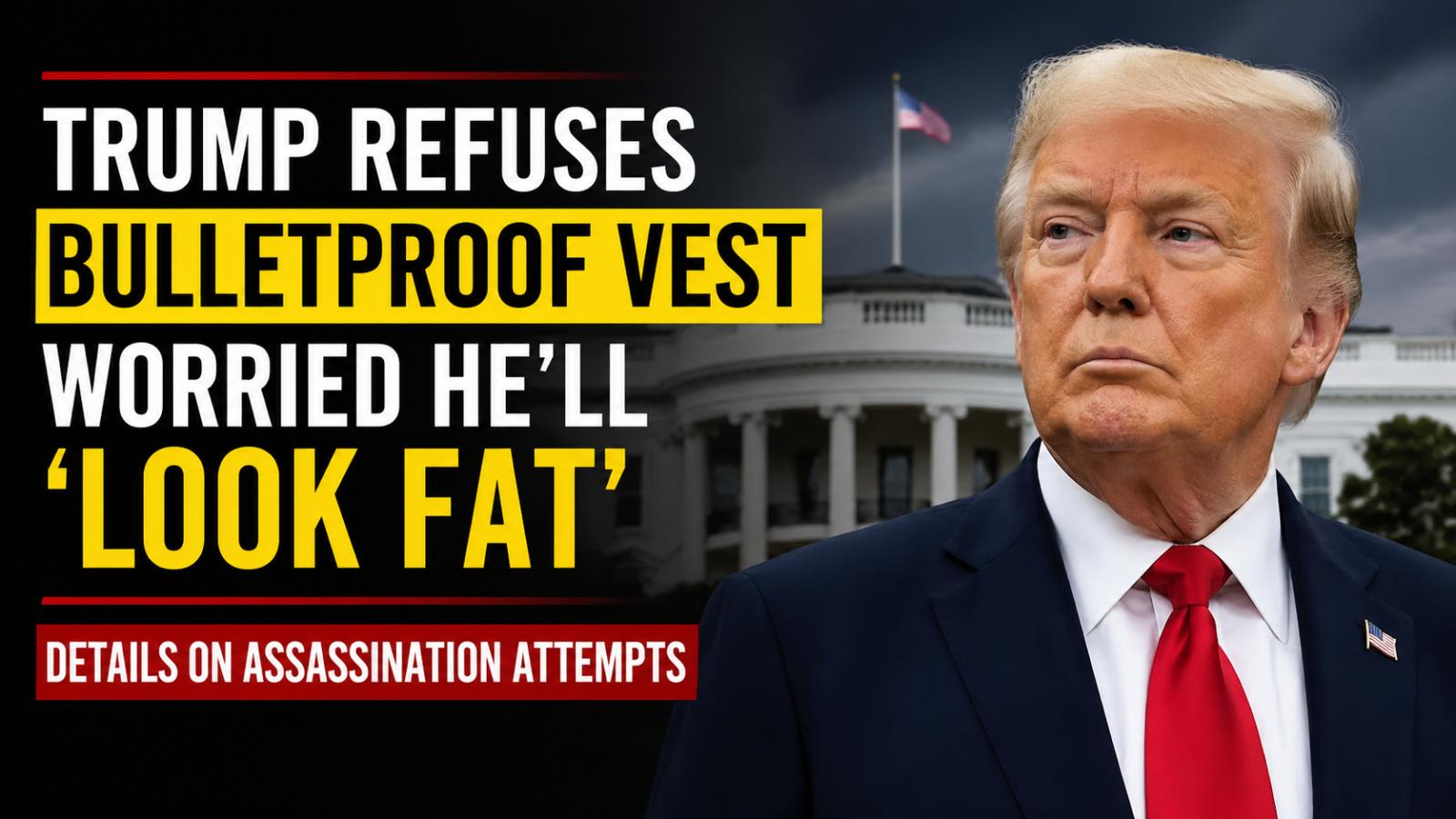
Trump discusses concerns about wearing bulletproof vest On April 30, 2026, U.S. President Donald Trump opened up about his hesitations regarding the use of a bulletproof vest following the shooting incident at the White House Correspondent’s Association (WHCA) dinner. "Would you wear a bulletproof vest at future events?" asked a reporter. Trump responded with his usual candidness: “I don’t know if I can handle looking 20 pounds heavier.” His concern stemmed not just from practicality but also from the image of surrendering to a threat. He continued, “It’s something you consider, but you don’t want to give in to a bad element.” These remarks came in light of recent security concerns regarding the WHCA shooting, where Trump and his team were the intended targets. Assassination attempts on Trump The suspect in the WHCA shooting has been identified as Cole Tomas Allen. He has been charged with attempting to assassinate the president. Secret Service agents prevented the assailant from reaching the ballroom during the gala event. This shooting marked another terrifying moment in a series of major assassination attempts against President Trump. Trump has faced three major assassination attempts during his time in office. Besides the WHCA attack, Trump was also targeted during a golfing trip at the Trump International Golf Club in Florida. The suspect, Ryan Wesley Routh, was observed by a Secret Service agent who saw a rifle barrel poking through a fence. After a quick response, the agent fired at Routh, who fled but was apprehended shortly after during a traffic stop. Routh was convicted of attempted assassination and other related charges, and was sentenced to life in prison in September 2025. Trump survives gunshot at campaign rally Another close call occurred in July 2024, when Trump was campaigning for president. Thomas Matthew Crooks fired multiple shots from a rooftop, one of which grazed Trump’s right ear, causing visible bleeding. Crooks was quickly neutralized by a Secret Service sniper, who killed him seconds after the shooting began. This assassination attempt reinforced the need for heightened security around the president. With Trump’s life under constant threat, security protocols have grown increasingly strict. However, his reluctance to wear a bulletproof vest highlights the complex balance between presidential safety and public image. While Trump’s safety is paramount, his concern about the perception of vulnerability speaks volumes about his approach to leadership and his struggle with the idea of appearing weak in front of the public. In conclusion, Trump continues to weigh the risks to his personal appearance versus the potential life-threatening risks posed by ongoing assassination attempts. Despite being advised about protective measures, he remains conflicted about whether to let public perception influence his security decisions.
Trump avoids bulletproof vest citing appearance concerns after shooting at WHCA dinner
Trump discusses concerns about wearing bulletproof vest On April 30, 2026, U.S. President Donald Trump opened up about his hesitations regarding the use of a bulletproof vest following the shooting incident at the White House Correspondent’s Association (WHCA) dinner. "Would you wear a bulletproof vest at future events?" asked a reporter. Trump responded with his usual candidness: “I don’t know if I can handle looking 20 pounds heavier.” His concern stemmed not just from practicality but also from the image of surrendering to a threat. He continued, “It’s something you consider, but you don’t want to give in to a bad element.” These remarks came in light of recent security concerns regarding the WHCA shooting, where Trump and his team were the intended targets. Assassination attempts on Trump The suspect in the WHCA shooting has been identified as Cole Tomas Allen. He has been charged with attempting to assassinate the president. Secret Service agents prevented the assailant from reaching the ballroom during the gala event. This shooting marked another terrifying moment in a series of major assassination attempts against President Trump. Trump has faced three major assassination attempts during his time in office. Besides the WHCA attack, Trump was also targeted during a golfing trip at the Trump International Golf Club in Florida. The suspect, Ryan Wesley Routh, was observed by a Secret Service agent who saw a rifle barrel poking through a fence. After a quick response, the agent fired at Routh, who fled but was apprehended shortly after during a traffic stop. Routh was convicted of attempted assassination and other related charges, and was sentenced to life in prison in September 2025. Trump survives gunshot at campaign rally Another close call occurred in July 2024, when Trump was campaigning for president. Thomas Matthew Crooks fired multiple shots from a rooftop, one of which grazed Trump’s right ear, causing visible bleeding. Crooks was quickly neutralized by a Secret Service sniper, who killed him seconds after the shooting began. This assassination attempt reinforced the need for heightened security around the president. With Trump’s life under constant threat, security protocols have grown increasingly strict. However, his reluctance to wear a bulletproof vest highlights the complex balance between presidential safety and public image. While Trump’s safety is paramount, his concern about the perception of vulnerability speaks volumes about his approach to leadership and his struggle with the idea of appearing weak in front of the public. In conclusion, Trump continues to weigh the risks to his personal appearance versus the potential life-threatening risks posed by ongoing assassination attempts. Despite being advised about protective measures, he remains conflicted about whether to let public perception influence his security decisions.
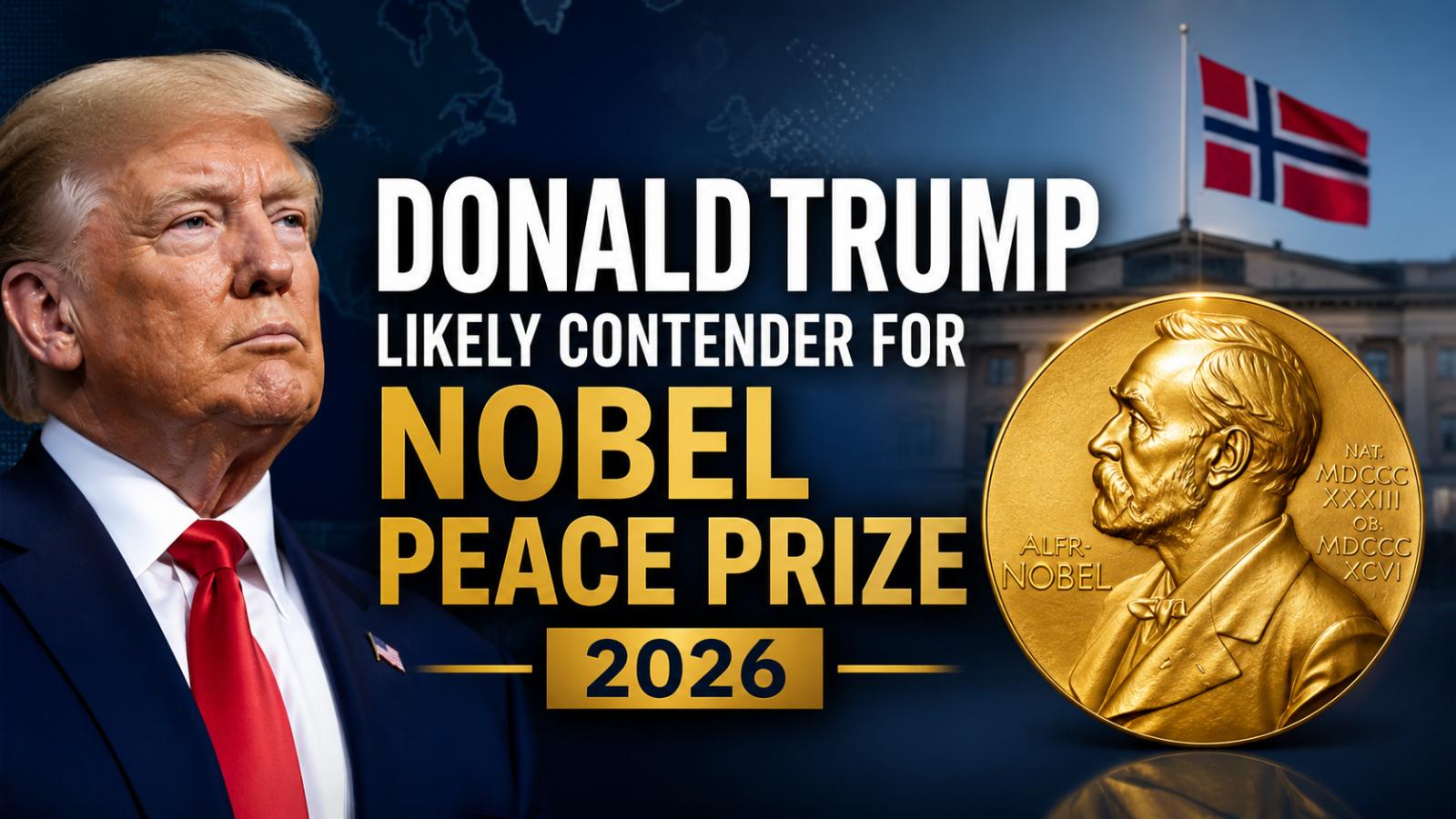
Will Donald Trump win Nobel Peace Prize 2026? Key facts and timeline
Nobel Peace Prize 2026: Trump emerges as likely contender Donald Trump is being seen as a likely contender for the Nobel Peace Prize 2026, with 287 candidates under review, but the final list remains strictly confidential. Kristian Berg Harpviken, secretary of the Norwegian Nobel Committee, confirmed that the total nominations include 208 individuals and 79 organisations, highlighting strong global participation despite ongoing conf
Will Donald Trump win Nobel Peace Prize 2026? Key facts and timeline
Nobel Peace Prize 2026: Trump emerges as likely contender Donald Trump is being seen as a likely contender for the Nobel Peace Prize 2026, with 287 candidates under review, but the final list remains strictly confidential. Kristian Berg Harpviken, secretary of the Norwegian Nobel Committee, confirmed that the total nominations include 208 individuals and 79 organisations, highlighting strong global participation despite ongoing conf
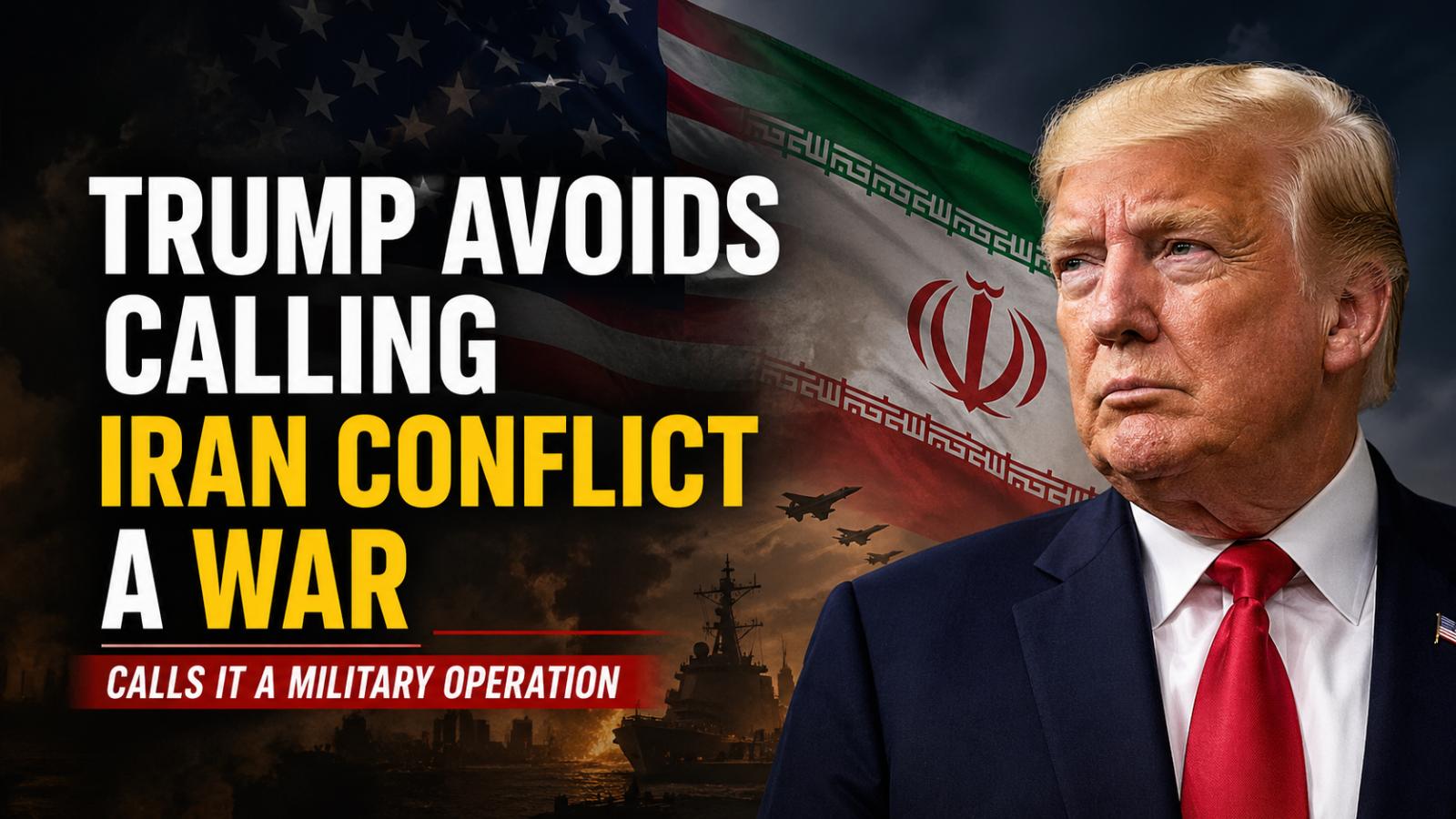
Trump shifts stance on Iran conflict, calls it a military operation
Trump redefines Iran conflict as military operation As the War Powers Resolution deadline approached on May 1, US President Donald Trump made a sharp shift in stance by stating that the ongoing Trump Iran conflict would not be labeled as a war but instead as a military operation. This move comes just days before a legal deadline that could have required congressional approval or forced the US to halt militar
Trump shifts stance on Iran conflict, calls it a military operation
Trump redefines Iran conflict as military operation As the War Powers Resolution deadline approached on May 1, US President Donald Trump made a sharp shift in stance by stating that the ongoing Trump Iran conflict would not be labeled as a war but instead as a military operation. This move comes just days before a legal deadline that could have required congressional approval or forced the US to halt militar

US-Settled Malayali Sisters From Kottayam Die By Suicide In Kanyakumari
A deeply disturbing incident has come to light where two sisters from Kottayam, who were settled in Austin, were found dead in Kanyakumari on April 30, 2026. The victims had reportedly travelled from the United S
US-Settled Malayali Sisters From Kottayam Die By Suicide In Kanyakumari
A deeply disturbing incident has come to light where two sisters from Kottayam, who were settled in Austin, were found dead in Kanyakumari on April 30, 2026. The victims had reportedly travelled from the United S
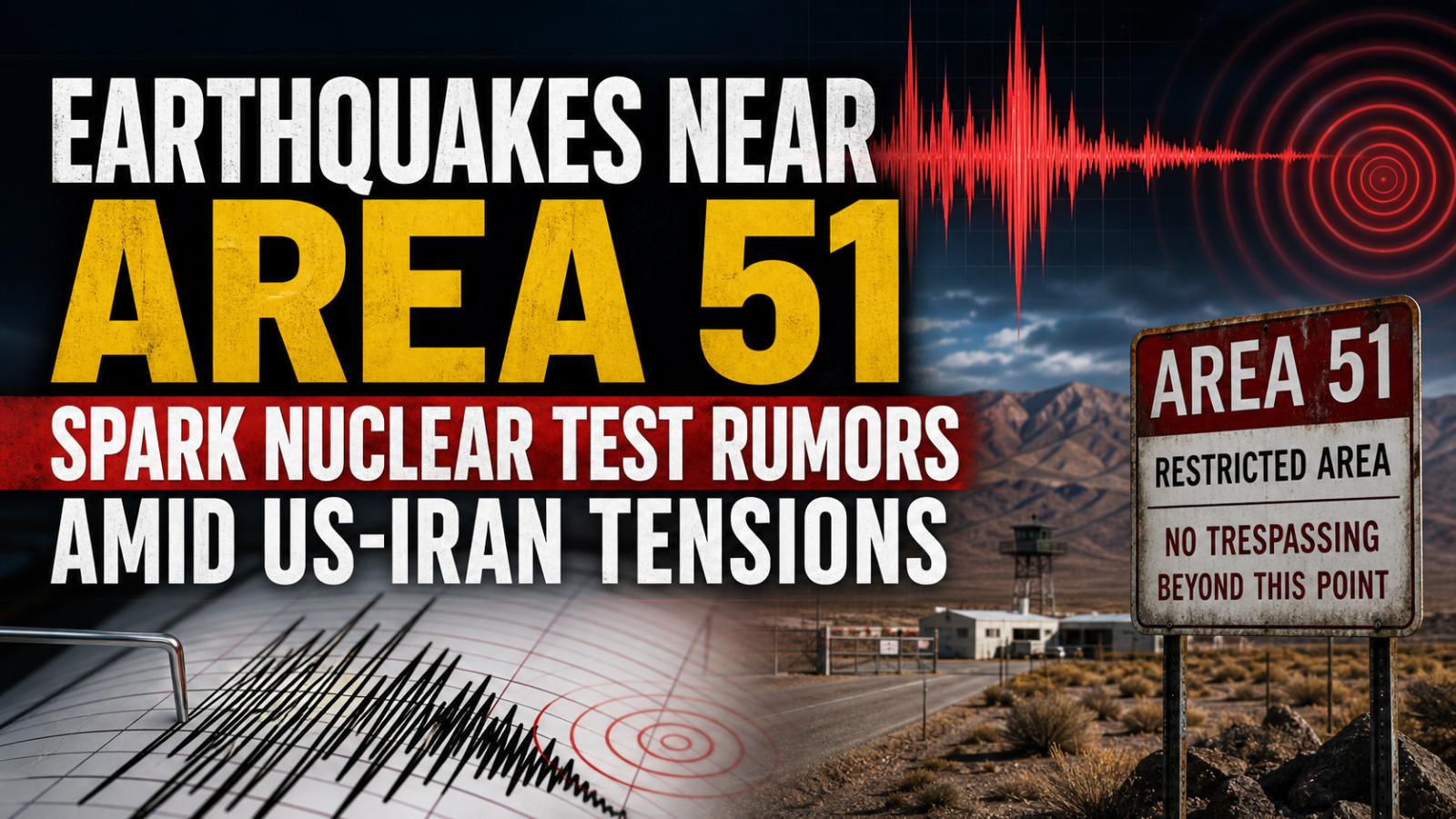
Earthquakes near Area 51 spark nuclear test rumors amid US-Iran tensions
Earthquakes near Area 51 raise questions amid rising tensions A series of earthquakes near Area 51 in Nevada between April 29 and April 30, 2026, has sparked widespread attention, with at least 17 tremors recorded within a 24 to 48-hour window, most around magnitude 4.4. The seismic activity occurred during this short time frame and has dr
Earthquakes near Area 51 spark nuclear test rumors amid US-Iran tensions
Earthquakes near Area 51 raise questions amid rising tensions A series of earthquakes near Area 51 in Nevada between April 29 and April 30, 2026, has sparked widespread attention, with at least 17 tremors recorded within a 24 to 48-hour window, most around magnitude 4.4. The seismic activity occurred during this short time frame and has dr










