A suspected outbreak of hantavirus on board the cruise vessel MV Hondius has resulted in three deaths and several serious illnesses, raising concerns among global health authorities. The ship, operated by a Netherlands-based expedition company, was sailing near Cape Verde when the medical situation emerged, prompting urgent response measures and international coordination.
Officials confirmed that at least three passengers died, while others showed symptoms consistent with a hantavi
A suspected outbreak of hantavirus on board the cruise vessel MV Hondius has resulted in three deaths and several serious illnesses, raising concerns among global health authorities. The ship, operated by a Netherlands-based expedition company, was sailing near Cape Verde when the medical situation emerged, prompting urgent response measures and international coordination.
Officials confirmed that at least three passengers died, while others showed symptoms consistent with a hantavi
Rudy Giuliani, the former mayor of New York City known for his leadership during the aftermath of the September 11 attacks, has been hospitalized and is reported to be in critical but stable condition. The update was confirmed by his spokesperson, who described him as continuing to fight with resilience while receiving medical care.
Details regarding the cause of his hospitalization, the d
Rudy Giuliani, the former mayor of New York City known for his leadership during the aftermath of the September 11 attacks, has been hospitalized and is reported to be in critical but stable condition. The update was confirmed by his spokesperson, who described him as continuing to fight with resilience while receiving medical care.
Details regarding the cause of his hospitalization, the d
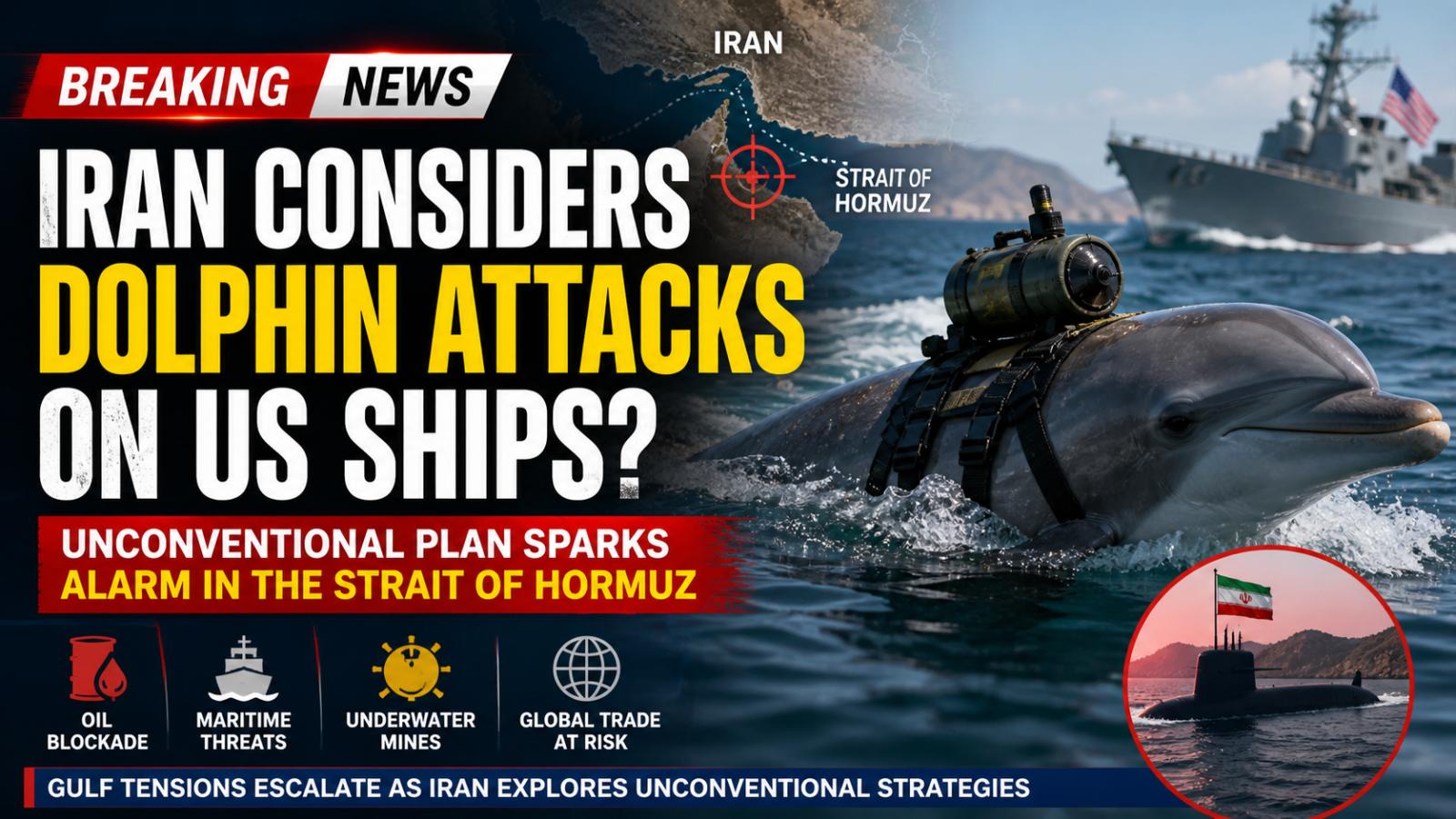
Iran is reportedly evaluating unconventional military approaches as tensions continue in the Gulf, with discussions centered on alternative maritime tactics that could impact security in the Strait of Hormuz. The move comes at a time when economic pressure from ongoing restrictions on oil exports is intensifying internal debate within the country’s leadership.
Officials are said to be considering a range of options that extend beyond traditional naval operations. These deliberations reflect growing frustration among certain factions, which increasingly view the prolonged blockade as a direct threat to national stability. While a fragile ceasefire remains in place, some policymakers argue that the economic consequences of continued restrictions could outweigh the risks of escalation.
Iran has previously explored the use of trained marine animals for defense-related purposes, highlighting a history of experimental approaches within its military planning. Such methods, if pursued, would represent a broader shift toward unconventional strategies aimed at countering perceived disadvantages in conventional naval power.
Alongside these discussions, there are concerns that Iran could deploy submarines or other underwater capabilities within the strategic waterway. Additional threats have included the potential disruption of critical telecommunications infrastructure, which could have far-reaching consequences for global connectivity and trade.
For international shipping, the primary concern remains surface-level disruptions that could directly affect the flow of goods through one of the world’s most vital energy corridors. Security officials continue to monitor developments closely, as any escalation in the region could have immediate implications for global markets and maritime safety.
Iran is reportedly evaluating unconventional military approaches as tensions continue in the Gulf, with discussions centered on alternative maritime tactics that could impact security in the Strait of Hormuz. The move comes at a time when economic pressure from ongoing restrictions on oil exports is intensifying internal debate within the country’s leadership.
Officials are said to be considering a range of options that extend beyond traditional naval operations. These deliberations reflect growing frustration among certain factions, which increasingly view the prolonged blockade as a direct threat to national stability. While a fragile ceasefire remains in place, some policymakers argue that the economic consequences of continued restrictions could outweigh the risks of escalation.
Iran has previously explored the use of trained marine animals for defense-related purposes, highlighting a history of experimental approaches within its military planning. Such methods, if pursued, would represent a broader shift toward unconventional strategies aimed at countering perceived disadvantages in conventional naval power.
Alongside these discussions, there are concerns that Iran could deploy submarines or other underwater capabilities within the strategic waterway. Additional threats have included the potential disruption of critical telecommunications infrastructure, which could have far-reaching consequences for global connectivity and trade.
For international shipping, the primary concern remains surface-level disruptions that could directly affect the flow of goods through one of the world’s most vital energy corridors. Security officials continue to monitor developments closely, as any escalation in the region could have immediate implications for global markets and maritime safety.
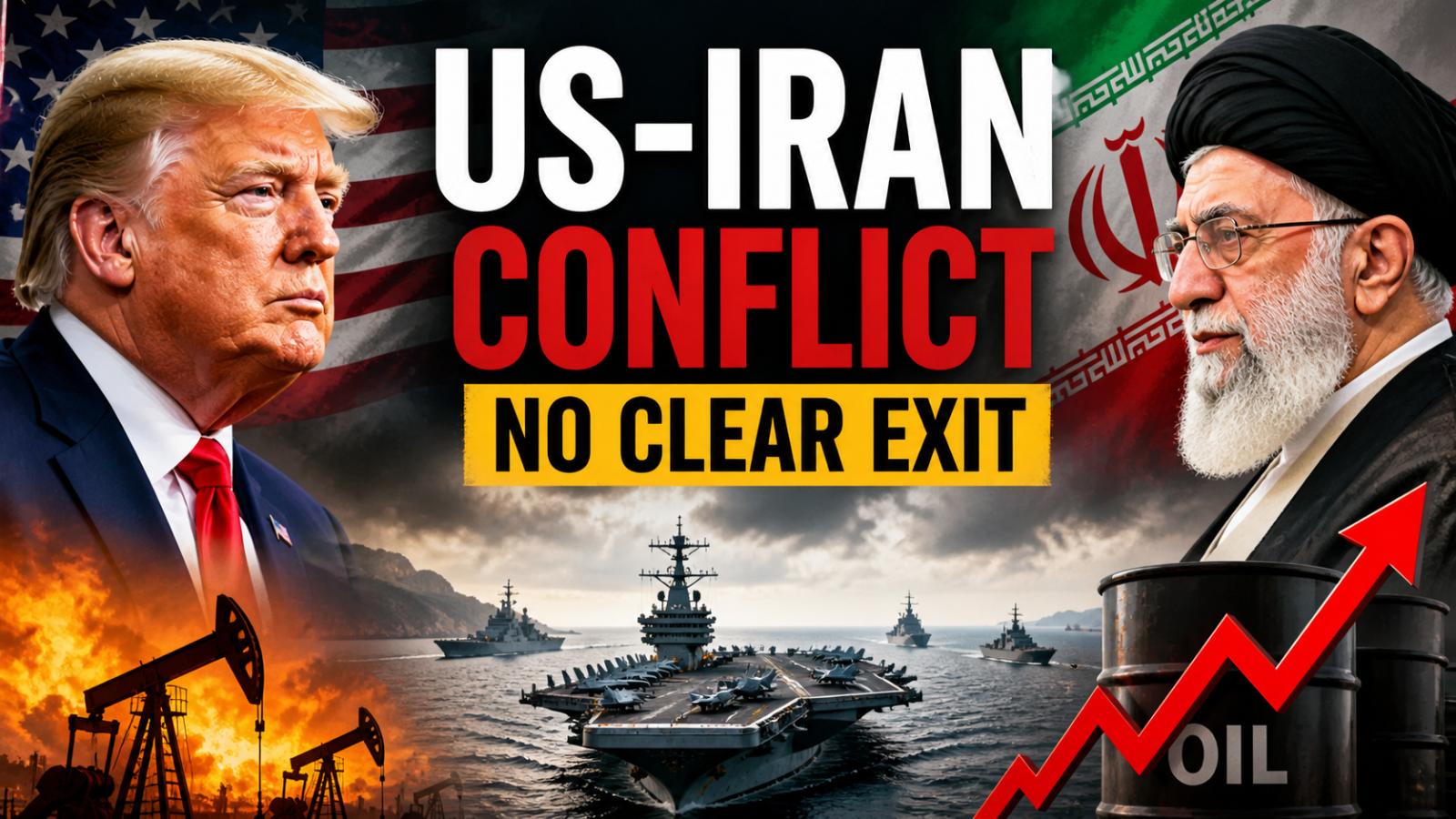
More than two months into military action against Iran, Donald Trump is facing a difficult reality: the conflict is far from over—and there’s no clear way out.
What began as a show of strength has turned into a prolonged standoff, with rising global consequences.
Military Gains, But No Strategic Victory
The United States, alongside Israeli forces, has carried out multiple strikes targeting Iran’s
More than two months into military action against Iran, Donald Trump is facing a difficult reality: the conflict is far from over—and there’s no clear way out.
What began as a show of strength has turned into a prolonged standoff, with rising global consequences.
Military Gains, But No Strategic Victory
The United States, alongside Israeli forces, has carried out multiple strikes targeting Iran’s
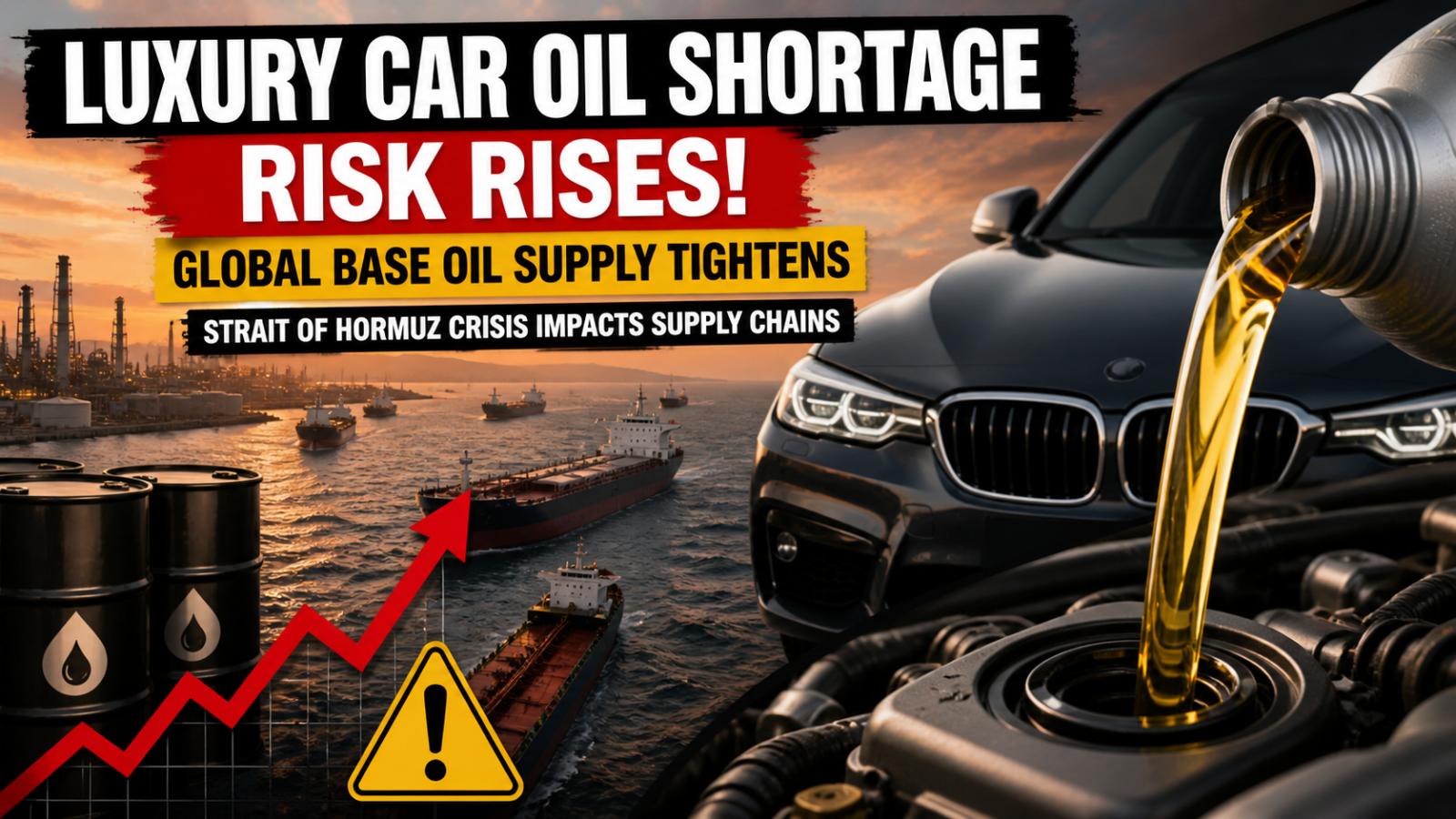
The global base oil shortage is no longer just an industry headline—it’s becoming a real concern for luxury car owners worldwide. As supply chains tighten due to geopolitical tensions around the Strait of Hormuz, the availability of high-performance engine oils used in premium vehicles is under pressure.
For owners of brands like BMW, Mercedes-Benz, and Audi, this could soon translate into higher maintenance costs, limited oil availability, and delayed servicing.
What’s Causing the Global Base Oil Shortage?
At the heart of the issue is the ongoing instability linked to tensions involving Iran and critical oil transit routes. The Strait of Hormuz handles a significant portion of the world’s petroleum shipments—not just crude oil, but also refined products like base oils, which are essential for lubricant production.
Base oils form the foundation of:
Synthetic engine oils
Industrial lubricants
High-performance automotive fluids
With shipping disruptions, delayed tankers, and rising insurance risks, the supply of these materials has tightened globally.
Why Luxury Cars Are Hit Harder
Not all vehicles are affected equally. Luxury and high-performance cars rely heavily on Group III and Group IV base oils, including advanced formulations like polyalphaolefins (PAO). These oils are designed to:
Handle extreme temperatures
Protect high-speed engines
Maintain performance under pressure
Unlike regular vehicles, luxury cars cannot easily switch to cheaper alternatives without risking engine damage or reduced efficiency. That’s why this shortage hits premium segments first—and hardest.
Rising Prices and Supply Pressure
The numbers already show stress in the system:
The Gulf region contributes around 20% of global Group III base oil production
It accounted for nearly half of U.S. imports in recent periods
Prices in some markets have nearly doubled since the crisis began
With inventories shrinking and delivery times increasing, lubricant manufacturers are struggling to keep up.
If disruptions continue, experts warn that:
Oil prices could rise further
Service costs for luxury vehicles may spike
Availability could become inconsistent in certain regions
What This Means for Luxury Car Owners
If you own a premium vehicle, here’s what you might notice in the coming weeks or months:
Higher Maintenance Costs
Synthetic oil changes could become significantly more expensive.
Service Delays
Workshops may face shortages or longer wait times for specific oil grades.
Risk of Substitutes
Some service centers might use alternative oils—potentially affecting performance if not approved.
Should You Be Worried Right Now?
Not immediately—but it’s something to watch closely.
There’s no need to panic or stockpile engine oil. However:
Stick to authorized service centers
Ensure correct oil specifications are used
Avoid delaying essential maintenance
Being proactive now can help you avoid bigger issues later.
A Bigger Energy and Supply Chain Problem
This isn’t just about cars—it reflects a deeper issue in the global energy ecosystem.
Heavy reliance on specific regions like the Persian Gulf makes supply chains vulnerable. Alongside geopolitical tensions, factors like:
Refinery disruptions
Export restrictions
Seasonal risks (like hurricanes in U.S. Gulf Coast)
are amplifying the pressure.
Industry experts see this as a warning sign of long-term structural risks in the oil and automotive sectors.
What Happens Next?
If shipping routes stabilize and production resumes, the situation could ease within months. But if disruptions persist:
Prices may remain elevated
Supply chains could tighten further
Luxury vehicle ownership costs may rise globally
For now, both manufacturers and consumers are bracing for continued uncertainty.
Final Takeaway
The global base oil shortage is quietly building into a significant challenge—especially for luxury car owners. While it may not yet be visible at every service center, the signs are clear: tightening supply, rising costs, and growing dependence on fragile global networks.
Staying informed—and maintaining your vehicle responsibly—will be key in navigating what could become one of the most overlooked automotive disruptions of the year.
The global base oil shortage is no longer just an industry headline—it’s becoming a real concern for luxury car owners worldwide. As supply chains tighten due to geopolitical tensions around the Strait of Hormuz, the availability of high-performance engine oils used in premium vehicles is under pressure.
For owners of brands like BMW, Mercedes-Benz, and Audi, this could soon translate into higher maintenance costs, limited oil availability, and delayed servicing.
What’s Causing the Global Base Oil Shortage?
At the heart of the issue is the ongoing instability linked to tensions involving Iran and critical oil transit routes. The Strait of Hormuz handles a significant portion of the world’s petroleum shipments—not just crude oil, but also refined products like base oils, which are essential for lubricant production.
Base oils form the foundation of:
Synthetic engine oils
Industrial lubricants
High-performance automotive fluids
With shipping disruptions, delayed tankers, and rising insurance risks, the supply of these materials has tightened globally.
Why Luxury Cars Are Hit Harder
Not all vehicles are affected equally. Luxury and high-performance cars rely heavily on Group III and Group IV base oils, including advanced formulations like polyalphaolefins (PAO). These oils are designed to:
Handle extreme temperatures
Protect high-speed engines
Maintain performance under pressure
Unlike regular vehicles, luxury cars cannot easily switch to cheaper alternatives without risking engine damage or reduced efficiency. That’s why this shortage hits premium segments first—and hardest.
Rising Prices and Supply Pressure
The numbers already show stress in the system:
The Gulf region contributes around 20% of global Group III base oil production
It accounted for nearly half of U.S. imports in recent periods
Prices in some markets have nearly doubled since the crisis began
With inventories shrinking and delivery times increasing, lubricant manufacturers are struggling to keep up.
If disruptions continue, experts warn that:
Oil prices could rise further
Service costs for luxury vehicles may spike
Availability could become inconsistent in certain regions
What This Means for Luxury Car Owners
If you own a premium vehicle, here’s what you might notice in the coming weeks or months:
Higher Maintenance Costs
Synthetic oil changes could become significantly more expensive.
Service Delays
Workshops may face shortages or longer wait times for specific oil grades.
Risk of Substitutes
Some service centers might use alternative oils—potentially affecting performance if not approved.
Should You Be Worried Right Now?
Not immediately—but it’s something to watch closely.
There’s no need to panic or stockpile engine oil. However:
Stick to authorized service centers
Ensure correct oil specifications are used
Avoid delaying essential maintenance
Being proactive now can help you avoid bigger issues later.
A Bigger Energy and Supply Chain Problem
This isn’t just about cars—it reflects a deeper issue in the global energy ecosystem.
Heavy reliance on specific regions like the Persian Gulf makes supply chains vulnerable. Alongside geopolitical tensions, factors like:
Refinery disruptions
Export restrictions
Seasonal risks (like hurricanes in U.S. Gulf Coast)
are amplifying the pressure.
Industry experts see this as a warning sign of long-term structural risks in the oil and automotive sectors.
What Happens Next?
If shipping routes stabilize and production resumes, the situation could ease within months. But if disruptions persist:
Prices may remain elevated
Supply chains could tighten further
Luxury vehicle ownership costs may rise globally
For now, both manufacturers and consumers are bracing for continued uncertainty.
Final Takeaway
The global base oil shortage is quietly building into a significant challenge—especially for luxury car owners. While it may not yet be visible at every service center, the signs are clear: tightening supply, rising costs, and growing dependence on fragile global networks.
Staying informed—and maintaining your vehicle responsibly—will be key in navigating what could become one of the most overlooked automotive disruptions of the year.
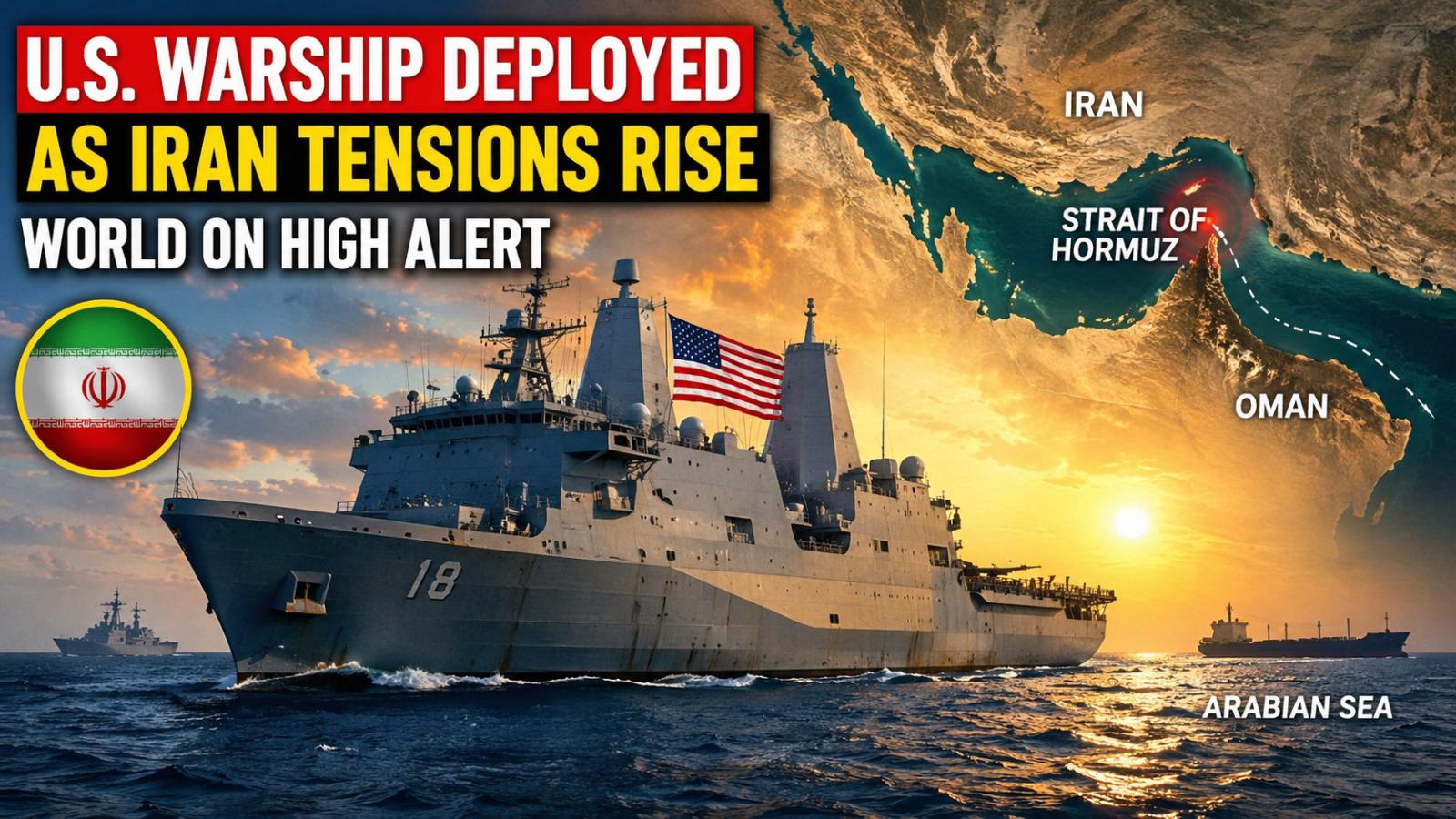
The deployment of the USS New Orleans (LPD-18) in the Arabian Sea is drawing global attention as tensions between the United States and Iran continue to escalate.
According to the U.S. Central Command, the warship has been actively involved in maritime patrol operations aimed at enforcing restrictions linked to Iran. Images released on May 2, 2026, show the vessel operatin
The deployment of the USS New Orleans (LPD-18) in the Arabian Sea is drawing global attention as tensions between the United States and Iran continue to escalate.
According to the U.S. Central Command, the warship has been actively involved in maritime patrol operations aimed at enforcing restrictions linked to Iran. Images released on May 2, 2026, show the vessel operatin
The battle inside the Republican Party is no longer happening behind closed doors. It’s playing out in public — and it’s getting intense.
Across several key states, Donald Trump is backing challengers against fellow Republicans, turning routine primaries into high-stakes political showdowns. These contests are not just about winning seats — they’re about definin
The battle inside the Republican Party is no longer happening behind closed doors. It’s playing out in public — and it’s getting intense.
Across several key states, Donald Trump is backing challengers against fellow Republicans, turning routine primaries into high-stakes political showdowns. These contests are not just about winning seats — they’re about definin
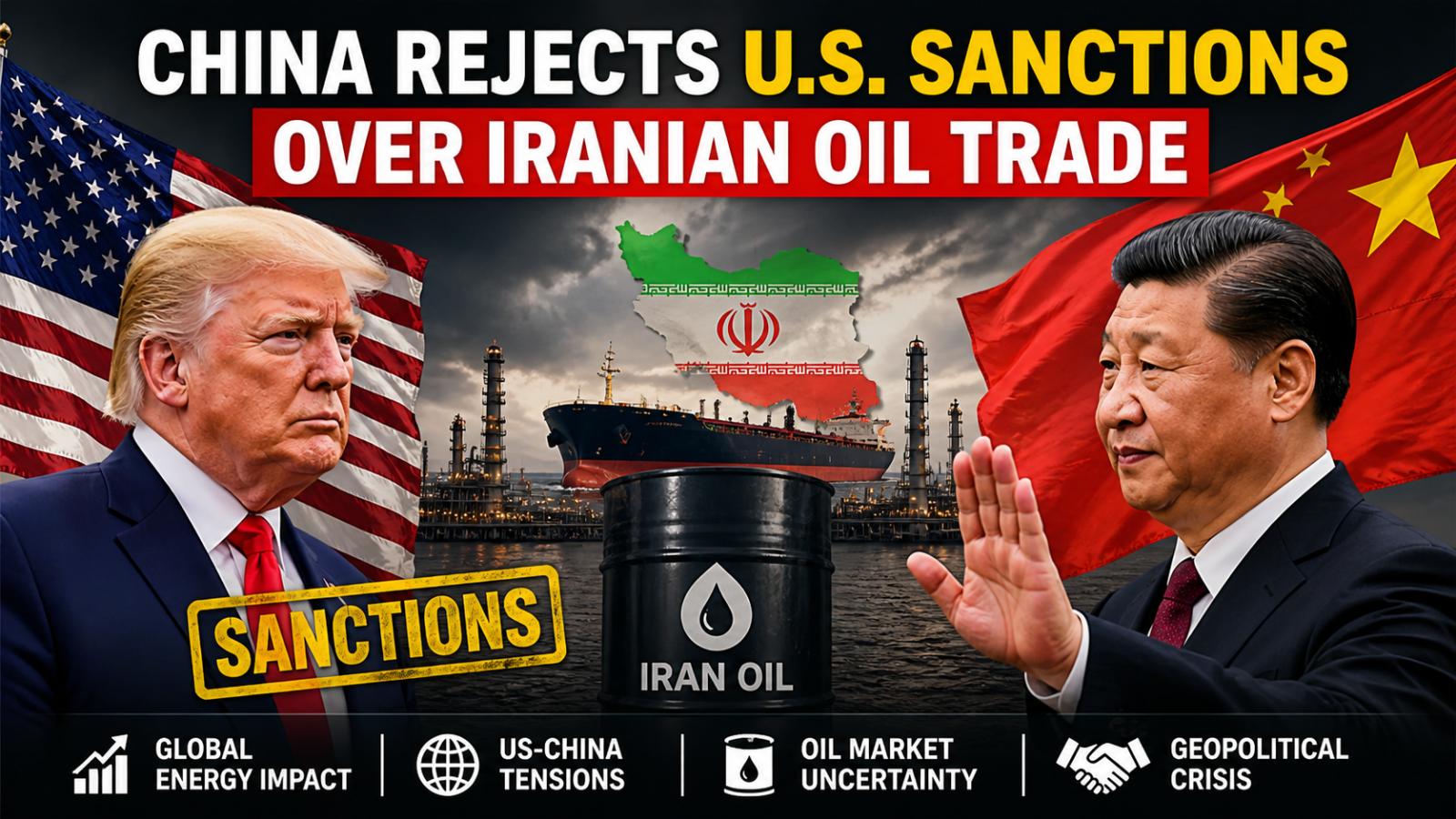
China has strongly rejected new sanctions imposed by the United States on Chinese firms accused of purchasing Iranian oil, calling the measures “unlawful” and a violation of international trade norms. The move marks a fresh escalation in tensions between China and Washington, with potential ripple effe
China has strongly rejected new sanctions imposed by the United States on Chinese firms accused of purchasing Iranian oil, calling the measures “unlawful” and a violation of international trade norms. The move marks a fresh escalation in tensions between China and Washington, with potential ripple effe
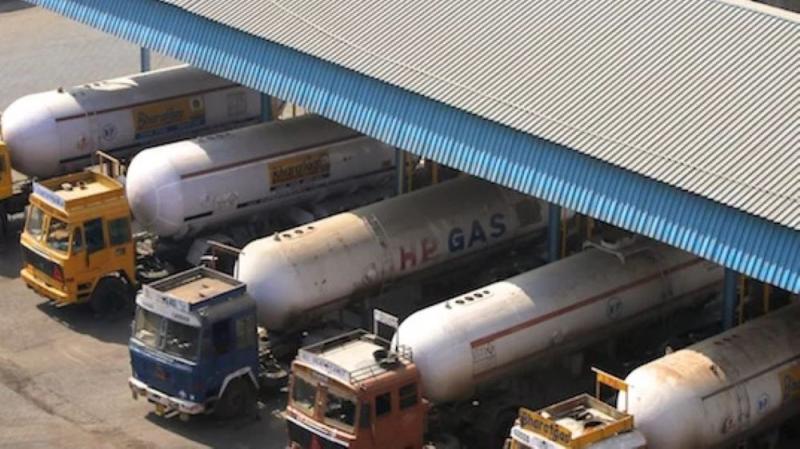
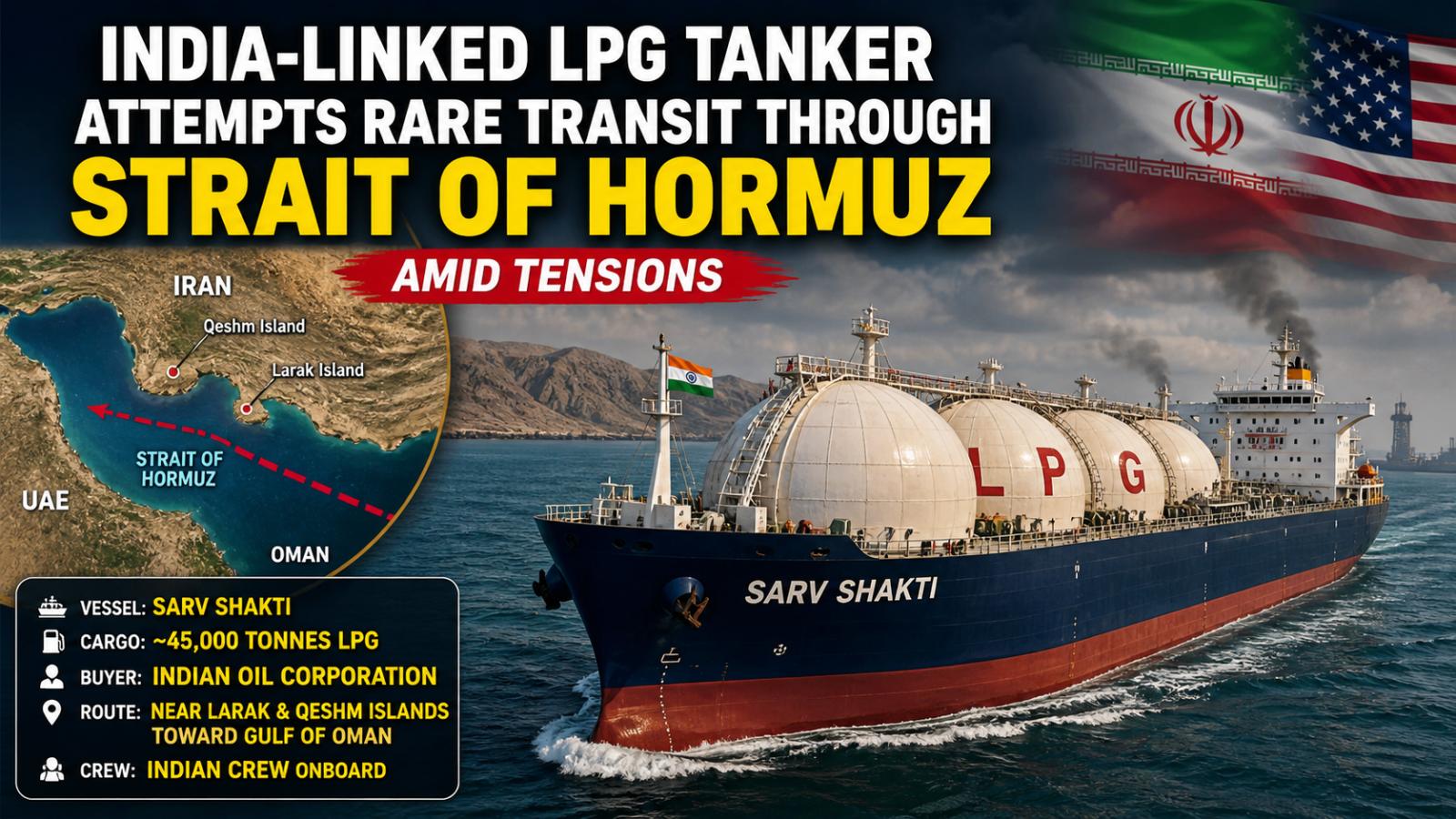
In a moment that could quietly shape global energy markets, an India-linked LPG tanker is attempting something most ships are now avoiding.
The vessel, Sarv Shakti, loaded with nearly 45,000 tonnes of liquefied petroleum gas, is moving toward the tense waters of the Strait of Hormuz — a route that has suddenly become one of the world’s most dangerous maritime
In a moment that could quietly shape global energy markets, an India-linked LPG tanker is attempting something most ships are now avoiding.
The vessel, Sarv Shakti, loaded with nearly 45,000 tonnes of liquefied petroleum gas, is moving toward the tense waters of the Strait of Hormuz — a route that has suddenly become one of the world’s most dangerous maritime
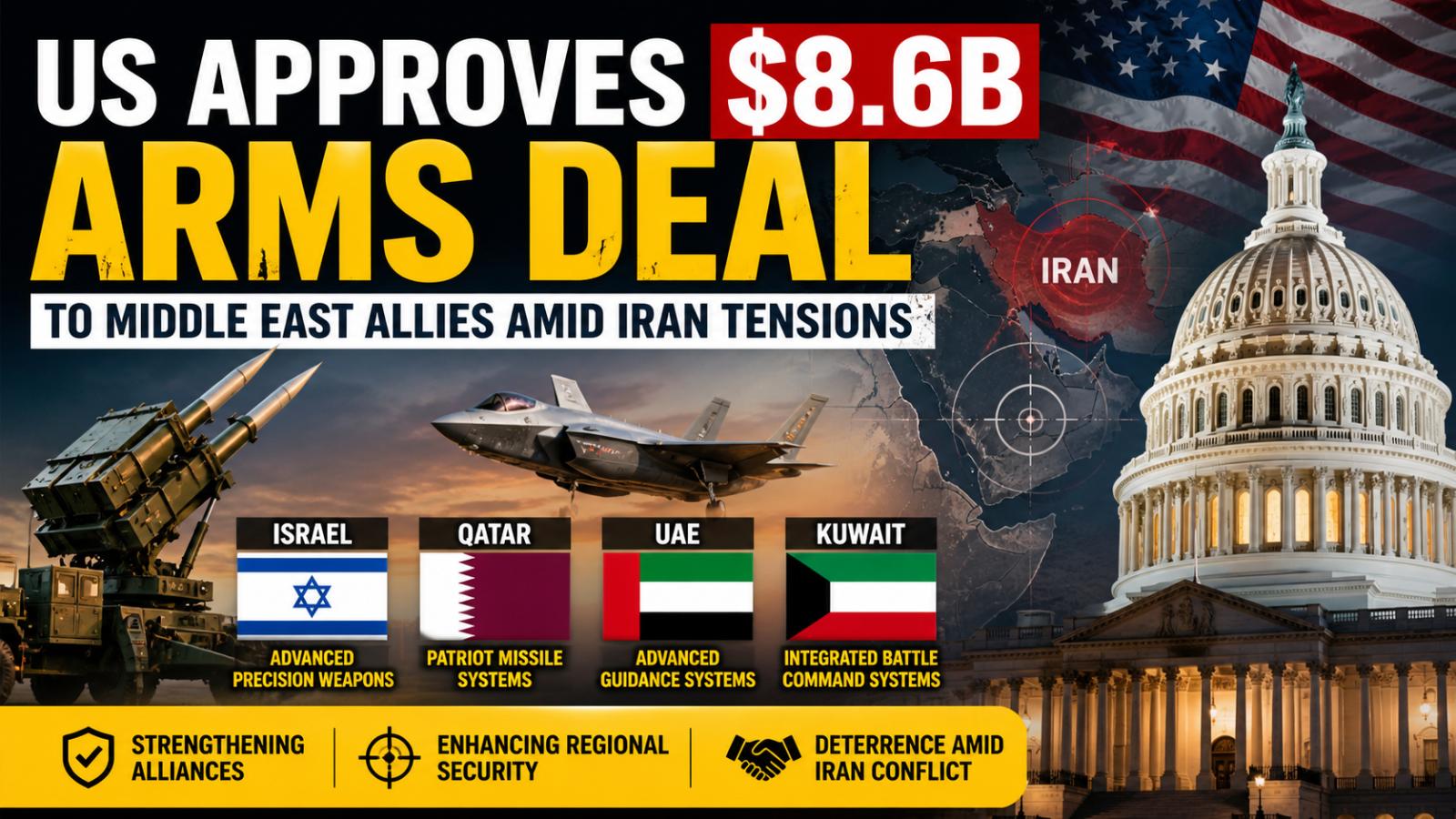
The United States has fast-tracked more than $8.6 billion in arms sales to key Middle East allies, signaling a sharp escalation in its response to rising tensions with Iran. Approved under emergency powers, the move bypasses Congress and reflects Washington’s urgency to strengthen regional defenses as the conflict enters a critical phase.
Emergency Approval Signals Rising Urgency
The decision, issued on Friday, invokes a rarely used em
The United States has fast-tracked more than $8.6 billion in arms sales to key Middle East allies, signaling a sharp escalation in its response to rising tensions with Iran. Approved under emergency powers, the move bypasses Congress and reflects Washington’s urgency to strengthen regional defenses as the conflict enters a critical phase.
Emergency Approval Signals Rising Urgency
The decision, issued on Friday, invokes a rarely used em
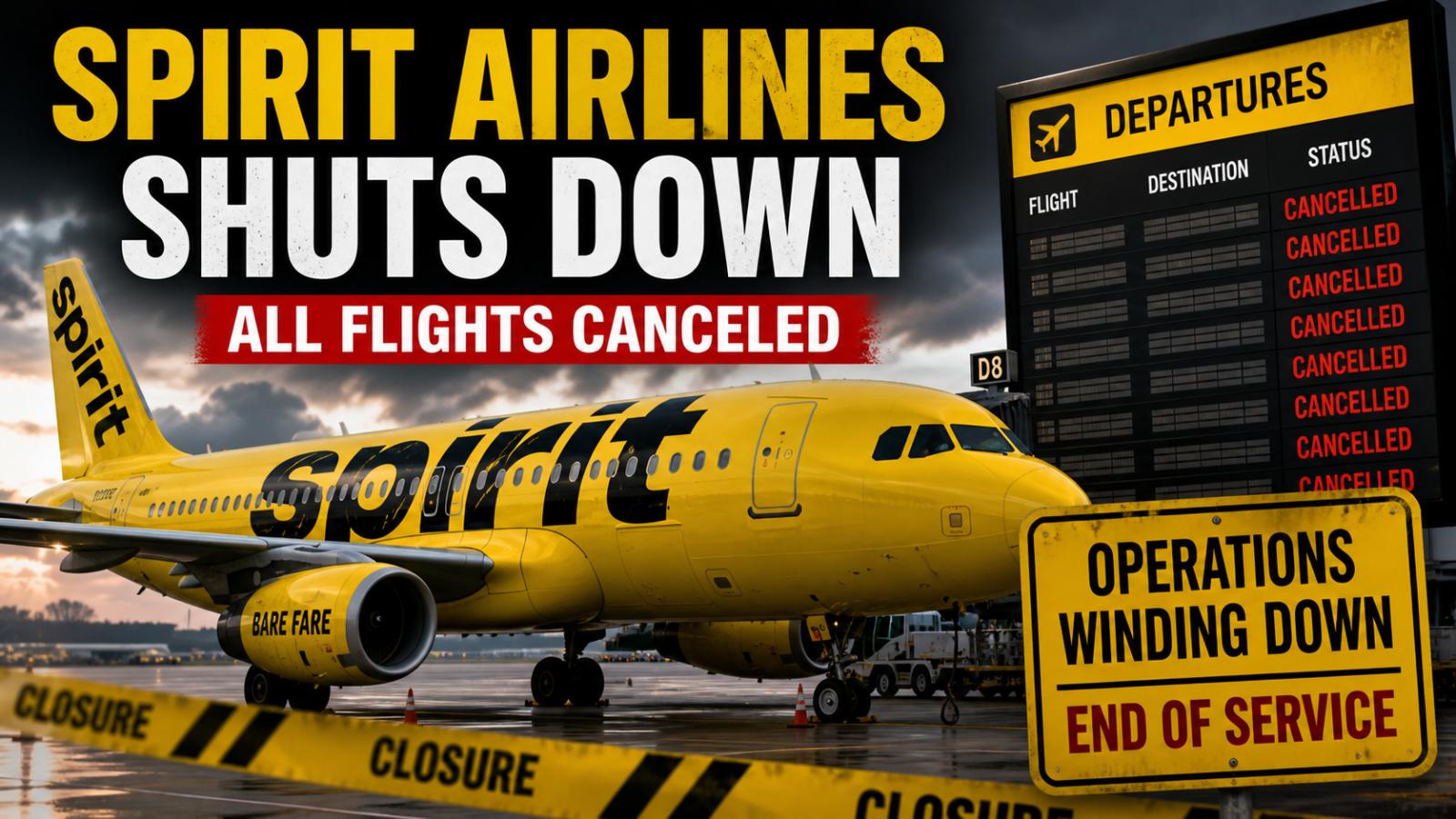
Spirit Airlines shuts down after failed bailout deal as the low-cost U.S. carrier began an immediate wind-down of operations on Saturday, May 2, 2026, after rescue talks failed and rising fuel prices deepened its financial crisis. The airline canceled all flights and warned passengers with existing tickets not to go to the airport, saying refunds would be issued but rebooking support through other carriers would not be provided.
Spirit Aviation Holdings, the parent company of Spirit
Spirit Airlines shuts down after failed bailout deal as the low-cost U.S. carrier began an immediate wind-down of operations on Saturday, May 2, 2026, after rescue talks failed and rising fuel prices deepened its financial crisis. The airline canceled all flights and warned passengers with existing tickets not to go to the airport, saying refunds would be issued but rebooking support through other carriers would not be provided.
Spirit Aviation Holdings, the parent company of Spirit
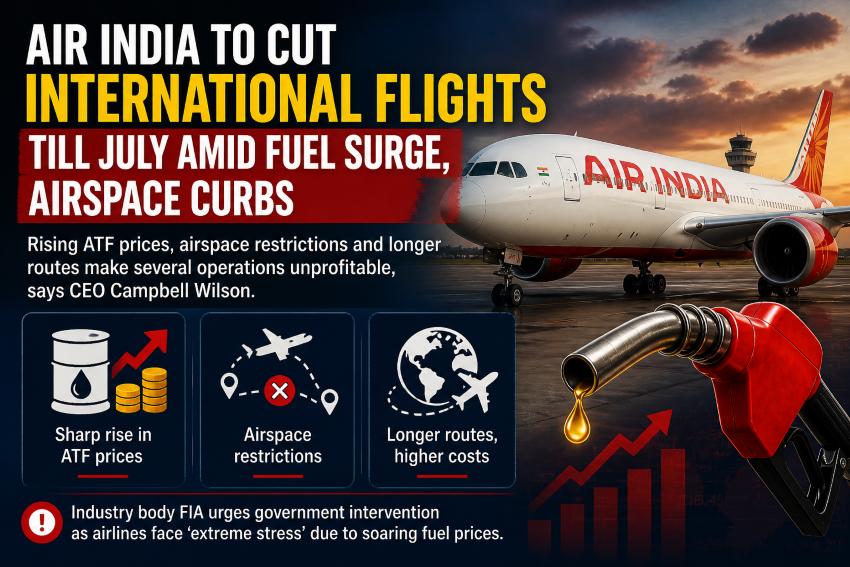
Air India’s decision to scale back its international flight operations reflects the growing pressure on the aviation sector as fuel prices continue to rise sharply. According to internal communication, CEO and Managing Director Campbell Wilson informed employees that the airline has little choice but to reduce schedules during June and July. The move follows earlier cuts in April and May, indicating a prolonged period of operational challenges driven by external factors beyond the airline’s control.
The primary concern remains the steep increase in aviation turbine fuel prices, which constitute a major portion of airline operating costs. As fuel prices surge, airlines are finding it increasingly difficult to maintain profitability on long-haul international routes. Adding to the challenge are airspace restrictions in certain regions, forcing aircraft to take longer alternative paths. These extended routes not only increase fuel consumption but also lead to higher operational expenses and longer travel times for passengers.
Industry Impact and Government Concerns
The situation is not limited to a single airline, as the broader aviation industry in India is also feeling the strain. The Federation of Indian Airlines, representing major carriers like IndiGo and SpiceJet, has raised concerns with the government regarding the unsustainable rise in fuel costs. In a recent communication to the Civil Aviation Ministry, the industry body highlighted the extreme financial stress being faced by airlines, urging immediate intervention to stabilize operations and prevent further disruptions.
Passenger Impact and Future Outlook
For passengers, the reduction in international flights may lead to limited availability of seats, higher ticket prices, and potential changes in travel schedules. Travelers planning trips during the peak summer months may need to book tickets in advance or consider flexible travel plans. Despite these challenges, airlines are expected to closely monitor fuel price trends and regulatory developments before making further operational decisions.
As the aviation sector navigates these turbulent conditions, the coming months will be crucial in determining how airlines adapt to rising costs and evolving geopolitical factors. The balance between maintaining connectivity and ensuring financial sustainability will remain a key focus for Air India and the wider airline industry.
Air India’s decision to scale back its international flight operations reflects the growing pressure on the aviation sector as fuel prices continue to rise sharply. According to internal communication, CEO and Managing Director Campbell Wilson informed employees that the airline has little choice but to reduce schedules during June and July. The move follows earlier cuts in April and May, indicating a prolonged period of operational challenges driven by external factors beyond the airline’s control.
The primary concern remains the steep increase in aviation turbine fuel prices, which constitute a major portion of airline operating costs. As fuel prices surge, airlines are finding it increasingly difficult to maintain profitability on long-haul international routes. Adding to the challenge are airspace restrictions in certain regions, forcing aircraft to take longer alternative paths. These extended routes not only increase fuel consumption but also lead to higher operational expenses and longer travel times for passengers.
Industry Impact and Government Concerns
The situation is not limited to a single airline, as the broader aviation industry in India is also feeling the strain. The Federation of Indian Airlines, representing major carriers like IndiGo and SpiceJet, has raised concerns with the government regarding the unsustainable rise in fuel costs. In a recent communication to the Civil Aviation Ministry, the industry body highlighted the extreme financial stress being faced by airlines, urging immediate intervention to stabilize operations and prevent further disruptions.
Passenger Impact and Future Outlook
For passengers, the reduction in international flights may lead to limited availability of seats, higher ticket prices, and potential changes in travel schedules. Travelers planning trips during the peak summer months may need to book tickets in advance or consider flexible travel plans. Despite these challenges, airlines are expected to closely monitor fuel price trends and regulatory developments before making further operational decisions.
As the aviation sector navigates these turbulent conditions, the coming months will be crucial in determining how airlines adapt to rising costs and evolving geopolitical factors. The balance between maintaining connectivity and ensuring financial sustainability will remain a key focus for Air India and the wider airline industry.
In a bold move that once again showcases his trademark guerrilla tactics, street artist Banksy installed a giant statue in Central London's Waterloo Place. The sculpture appeared in the early hours of a Wednesday morning, and by Thursday, Banksy himself confirmed in a playful Instagram video that he was behind the installation. The video also included behind-the-scenes footage of the sculpture’s setup. Before the artist’s confirmation, pedestrians had already gathered around the piece, sp
In a bold move that once again showcases his trademark guerrilla tactics, street artist Banksy installed a giant statue in Central London's Waterloo Place. The sculpture appeared in the early hours of a Wednesday morning, and by Thursday, Banksy himself confirmed in a playful Instagram video that he was behind the installation. The video also included behind-the-scenes footage of the sculpture’s setup. Before the artist’s confirmation, pedestrians had already gathered around the piece, sp
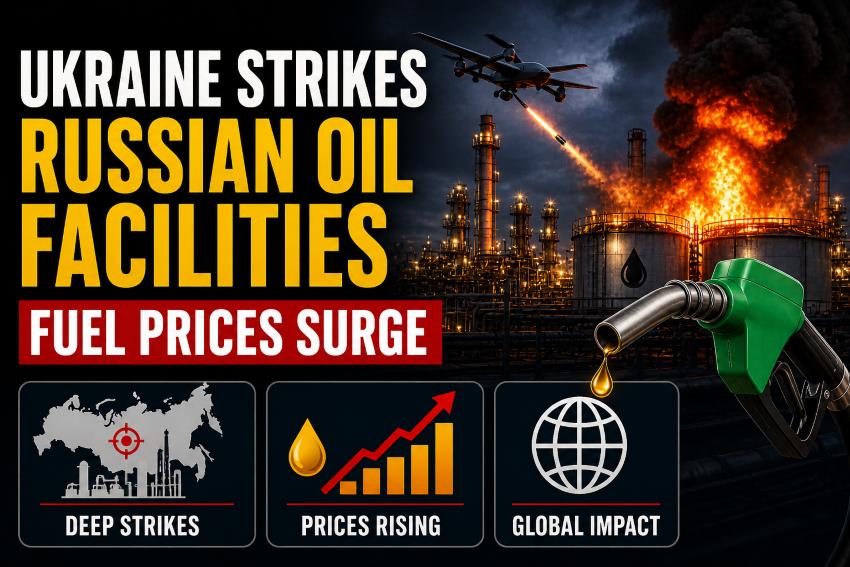
Ukraine has intensified its long-range strikes on energy infrastructure located deep inside Russia, targeting oil refineries, storage depots, and supply routes. These attacks mark a significant escalation in the ongoing
Ukraine has intensified its long-range strikes on energy infrastructure located deep inside Russia, targeting oil refineries, storage depots, and supply routes. These attacks mark a significant escalation in the ongoing
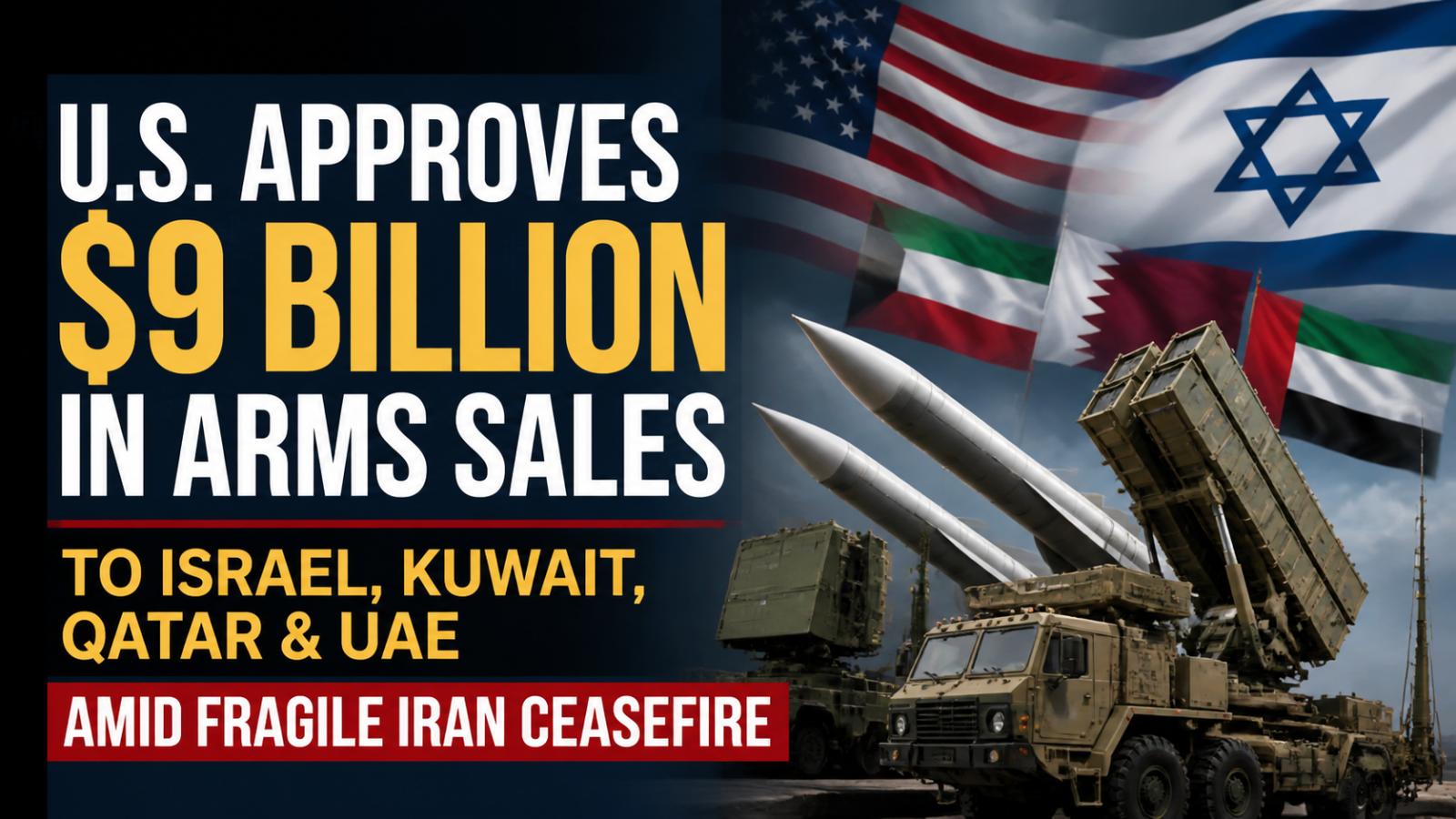
US Authorizes $9 Billion in Arms Sales to Middle East Allies
The United States has authorized the expedited sale of arms to Israel, Kuwait, Qatar, and the UAE, totaling nearly $9 billion. This decision, approved by Secretary of State Marco Rubio, bypasses the standard congressional review process and is designed t
US Authorizes $9 Billion in Arms Sales to Middle East Allies
The United States has authorized the expedited sale of arms to Israel, Kuwait, Qatar, and the UAE, totaling nearly $9 billion. This decision, approved by Secretary of State Marco Rubio, bypasses the standard congressional review process and is designed t
Violent Attack on French Nun in Jerusalem
A shocking attack on a French Catholic nun in Jerusalem has sparked widespread outrage, drawing condemnation from both Israel's foreign ministry and France's consulate. This incident, which took place on a Jerusalem street, has raised significant concerns about the rising hostility toward the Christian community and its symbols in the region. Authorities h
Violent Attack on French Nun in Jerusalem
A shocking attack on a French Catholic nun in Jerusalem has sparked widespread outrage, drawing condemnation from both Israel's foreign ministry and France's consulate. This incident, which took place on a Jerusalem street, has raised significant concerns about the rising hostility toward the Christian community and its symbols in the region. Authorities h
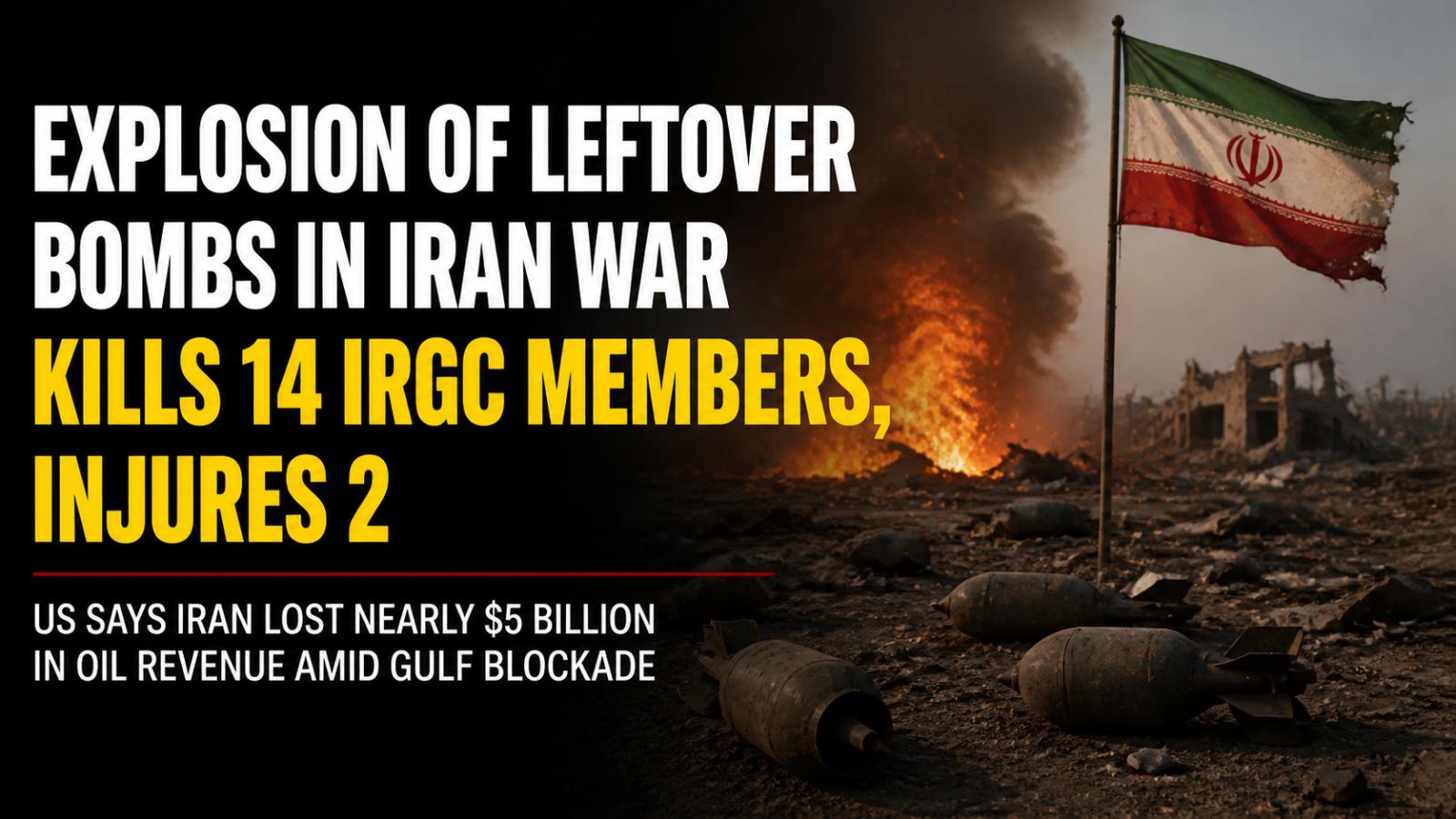
Explosion kills 14 IRGC members in northwestern Iran
On Friday, May 1, 14 members of Iran's Islamic Revolutionary Guard Corps (IRGC) were killed in an explosion caused by leftover bombs from the ongoing war. The explosion took place in Zanjan Province, a region in northwestern Iran. This incident marks the largest number of casualties for the IRGC since the US-Iran ceasefi
Explosion kills 14 IRGC members in northwestern Iran
On Friday, May 1, 14 members of Iran's Islamic Revolutionary Guard Corps (IRGC) were killed in an explosion caused by leftover bombs from the ongoing war. The explosion took place in Zanjan Province, a region in northwestern Iran. This incident marks the largest number of casualties for the IRGC since the US-Iran ceasefi
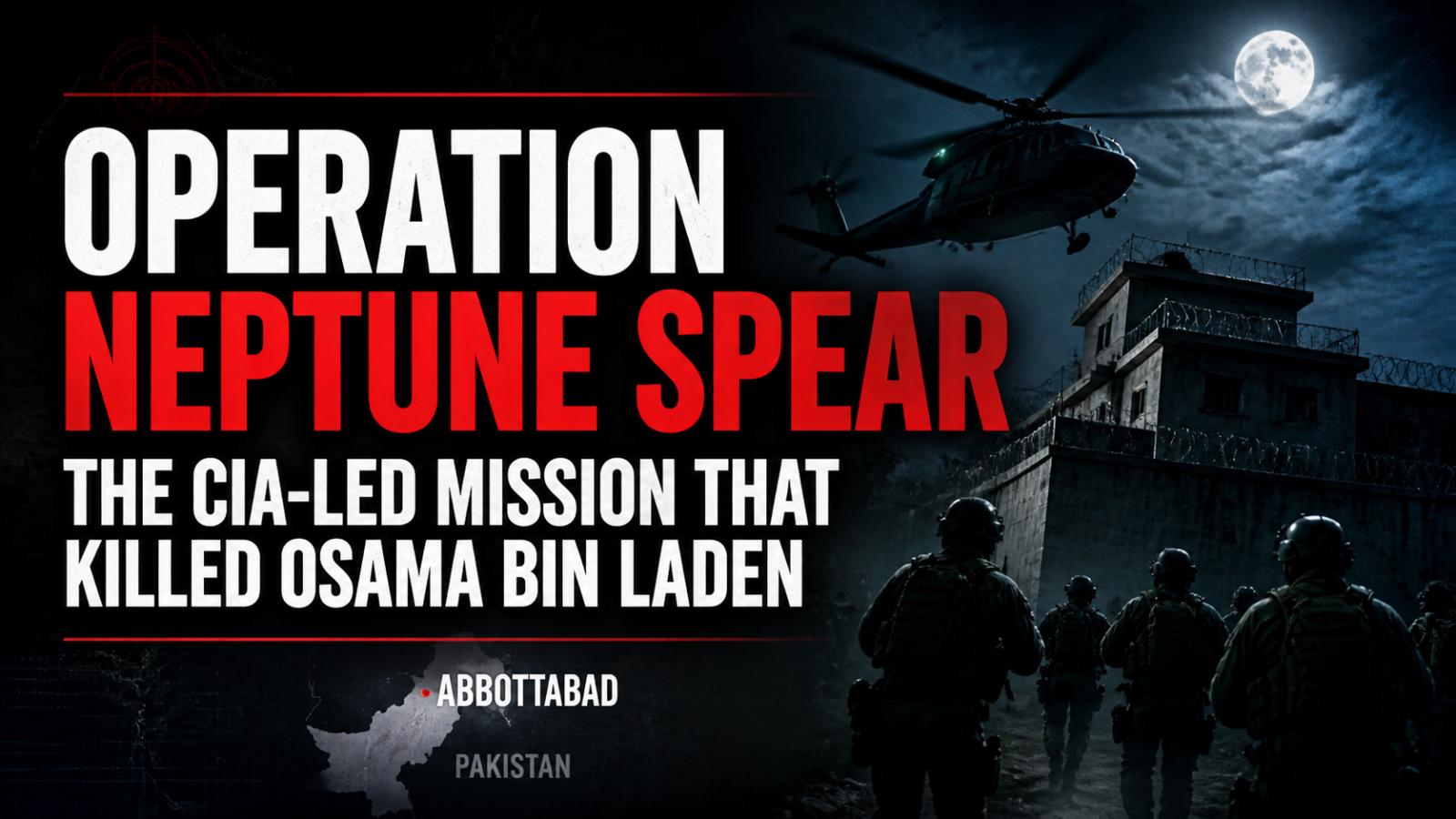
The world’s most wanted man: Osama bin Laden
On May 2, 2011, Osama bin Laden, the world’s most wanted terrorist, was killed in a CIA-led operation called Operation Neptune Spear. After nearly a decade of intensive intelligence work, Bin Laden’s hideout in Abbottabad, Pakistan, was pinpointed, marking a major victory in the war on terror. The mission, involving a covert night
The world’s most wanted man: Osama bin Laden
On May 2, 2011, Osama bin Laden, the world’s most wanted terrorist, was killed in a CIA-led operation called Operation Neptune Spear. After nearly a decade of intensive intelligence work, Bin Laden’s hideout in Abbottabad, Pakistan, was pinpointed, marking a major victory in the war on terror. The mission, involving a covert night
Trump shares Melania's disapproval of his YMCA dance move
Donald Trump recently offered a humorous confession at a rally in The Villages, Florida, revealing that Melania Trump is not a fan of his signature post-rally YMCA dance move. Speaking to a cheering crowd, the former president disclosed that his wife often objects to this routine, which has become synonymous with his rallies.
Melania says the dance is "not presidential"
Trump shares Melania's disapproval of his YMCA dance move
Donald Trump recently offered a humorous confession at a rally in The Villages, Florida, revealing that Melania Trump is not a fan of his signature post-rally YMCA dance move. Speaking to a cheering crowd, the former president disclosed that his wife often objects to this routine, which has become synonymous with his rallies.
Melania says the dance is "not presidential"
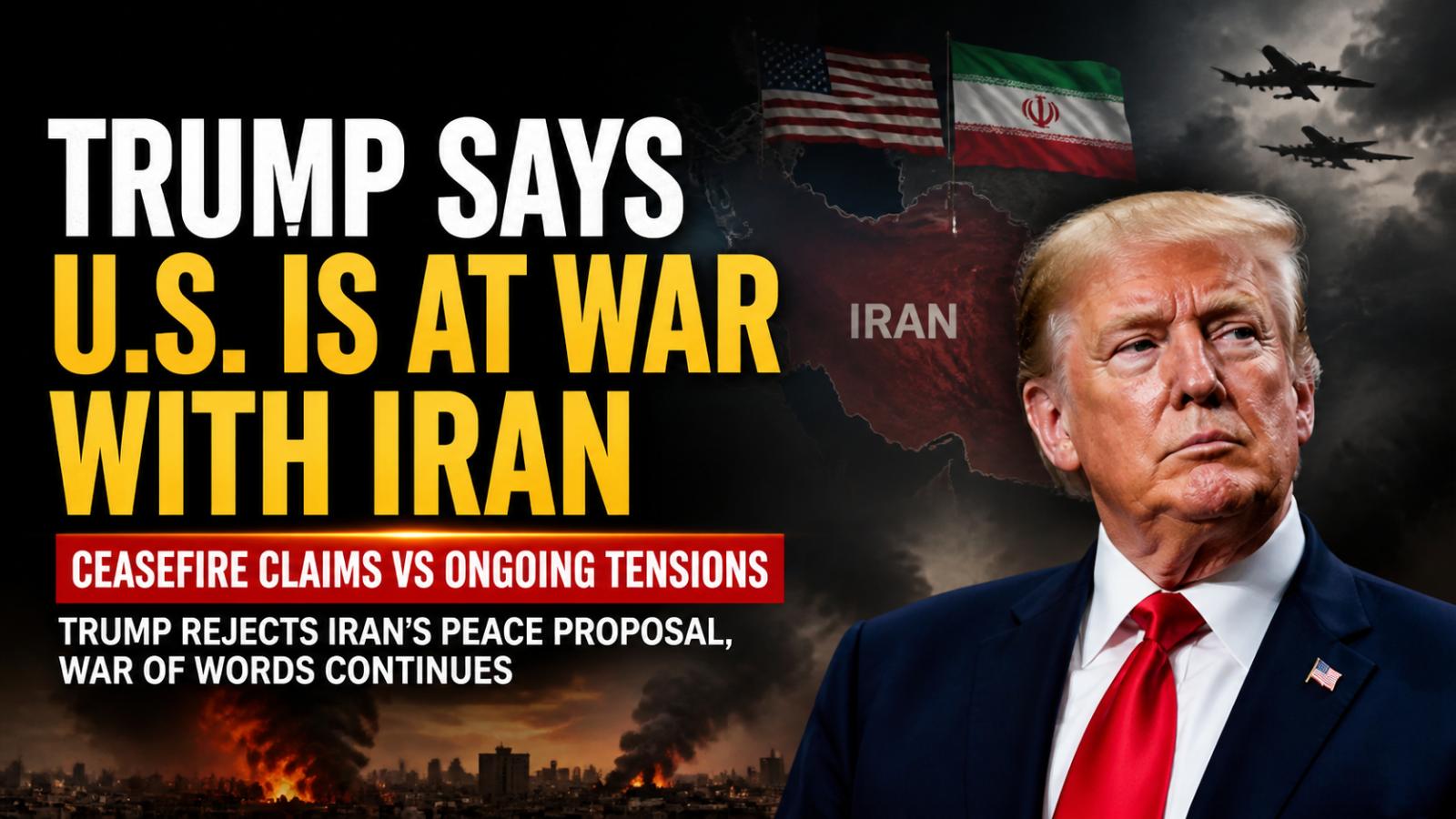
Trump declares war with Iran over nuclear threat
President Donald Trump has reaffirmed his stance on the ongoing US-Iran conflict, declaring that the US is at war with Iran to prevent the country from acquiring nuclear weapons. In a statement made during a Florida event, Trump expressed his belief that Iran’s leadership poses a significant threat to global security, stating that "lunatics can't have a nuclear weapon." His comments come at a time when his administration has informed the US Congress that the war has reached its conclusion, though the situation remains tense.
Trump emphasizes the importance of military action against Iran
Trump explained that the US military action against Iran was crucial in preventing a nuclear-armed nation from destabilizing the Middle East. He credited US airstrikes with B2 bombers for preventing Iran from obtaining a nuclear weapon, which could have led to catastrophic consequences for Israel, the Middle East, and Europe. “If we didn’t do that, they would have had a nuclear weapon,” Trump added, emphasizing the urgency of the situation. He claimed that Iran's military capabilities have been severely diminished, stating that the country no longer has a navy, air force, anti-aircraft systems, or effective radar defenses.
Trump rejects Iran's ceasefire proposal
In a direct response to Iran’s proposal for a ceasefire, Trump made it clear that the US would not end the conflict prematurely. “We’re not going to leave early and have this kind of problem arise in three more years,” he said, reinforcing his position on the need for a strong and comprehensive resolution. Trump blamed Iran's leadership for the ongoing conflict, criticizing their fractured decision-making. “It’s a very disjointed leadership,” he remarked, indicating that despite their willingness to negotiate, Iran’s leaders are unable to reach a viable agreement.
The ceasefire proposal is dismissed
The ceasefire proposal, delivered by Pakistan on behalf of Iran, was quickly dismissed by the US. Despite this, a fragile ceasefire between the two nations has held, albeit with mutual accusations of violations. Tensions remain high, especially in the Strait of Hormuz, where a significant portion of the world’s oil and gas passes through. Trump outlined two potential paths forward: either continuing the conflict to decisively end Iran’s nuclear ambitions, or attempting to secure a deal. “Do we want to go and just blast the hell out of them and finish them forever? Or do we want to try and make a deal?” he questioned.
Iran’s diplomatic efforts and continued tension
Iran’s Foreign Minister, Abbas Araghchi, has been actively engaged in diplomatic efforts to resolve the war. He held discussions with several regional counterparts, including Turkey, Saudi Arabia, and Qatar, to brief them on Iran’s latest peace initiatives. However, the rounds of talks held in Pakistan have yielded no substantial progress. Trump expressed frustration over the lack of direct communication, stating, “No more 18-hour flights” for US envoys.
What lies ahead for US-Iran relations?
As the situation evolves, it remains uncertain whether further diplomatic efforts will lead to a resolution or whether military action will continue to dominate the US-Iran relationship. With both sides unwilling to compromise, the world watches closely, particularly in regard to the ongoing instability in the Strait of Hormuz. Will Iran’s diplomatic efforts succeed, or will the US pursue a more aggressive approach? The answer remains unclear as the two nations continue to grapple with the possibility of conflict or peace.
Trump declares war with Iran over nuclear threat
President Donald Trump has reaffirmed his stance on the ongoing US-Iran conflict, declaring that the US is at war with Iran to prevent the country from acquiring nuclear weapons. In a statement made during a Florida event, Trump expressed his belief that Iran’s leadership poses a significant threat to global security, stating that "lunatics can't have a nuclear weapon." His comments come at a time when his administration has informed the US Congress that the war has reached its conclusion, though the situation remains tense.
Trump emphasizes the importance of military action against Iran
Trump explained that the US military action against Iran was crucial in preventing a nuclear-armed nation from destabilizing the Middle East. He credited US airstrikes with B2 bombers for preventing Iran from obtaining a nuclear weapon, which could have led to catastrophic consequences for Israel, the Middle East, and Europe. “If we didn’t do that, they would have had a nuclear weapon,” Trump added, emphasizing the urgency of the situation. He claimed that Iran's military capabilities have been severely diminished, stating that the country no longer has a navy, air force, anti-aircraft systems, or effective radar defenses.
Trump rejects Iran's ceasefire proposal
In a direct response to Iran’s proposal for a ceasefire, Trump made it clear that the US would not end the conflict prematurely. “We’re not going to leave early and have this kind of problem arise in three more years,” he said, reinforcing his position on the need for a strong and comprehensive resolution. Trump blamed Iran's leadership for the ongoing conflict, criticizing their fractured decision-making. “It’s a very disjointed leadership,” he remarked, indicating that despite their willingness to negotiate, Iran’s leaders are unable to reach a viable agreement.
The ceasefire proposal is dismissed
The ceasefire proposal, delivered by Pakistan on behalf of Iran, was quickly dismissed by the US. Despite this, a fragile ceasefire between the two nations has held, albeit with mutual accusations of violations. Tensions remain high, especially in the Strait of Hormuz, where a significant portion of the world’s oil and gas passes through. Trump outlined two potential paths forward: either continuing the conflict to decisively end Iran’s nuclear ambitions, or attempting to secure a deal. “Do we want to go and just blast the hell out of them and finish them forever? Or do we want to try and make a deal?” he questioned.
Iran’s diplomatic efforts and continued tension
Iran’s Foreign Minister, Abbas Araghchi, has been actively engaged in diplomatic efforts to resolve the war. He held discussions with several regional counterparts, including Turkey, Saudi Arabia, and Qatar, to brief them on Iran’s latest peace initiatives. However, the rounds of talks held in Pakistan have yielded no substantial progress. Trump expressed frustration over the lack of direct communication, stating, “No more 18-hour flights” for US envoys.
What lies ahead for US-Iran relations?
As the situation evolves, it remains uncertain whether further diplomatic efforts will lead to a resolution or whether military action will continue to dominate the US-Iran relationship. With both sides unwilling to compromise, the world watches closely, particularly in regard to the ongoing instability in the Strait of Hormuz. Will Iran’s diplomatic efforts succeed, or will the US pursue a more aggressive approach? The answer remains unclear as the two nations continue to grapple with the possibility of conflict or peace.