AI Layoffs in 2026 Rise as Automation Reshapes US Jobs
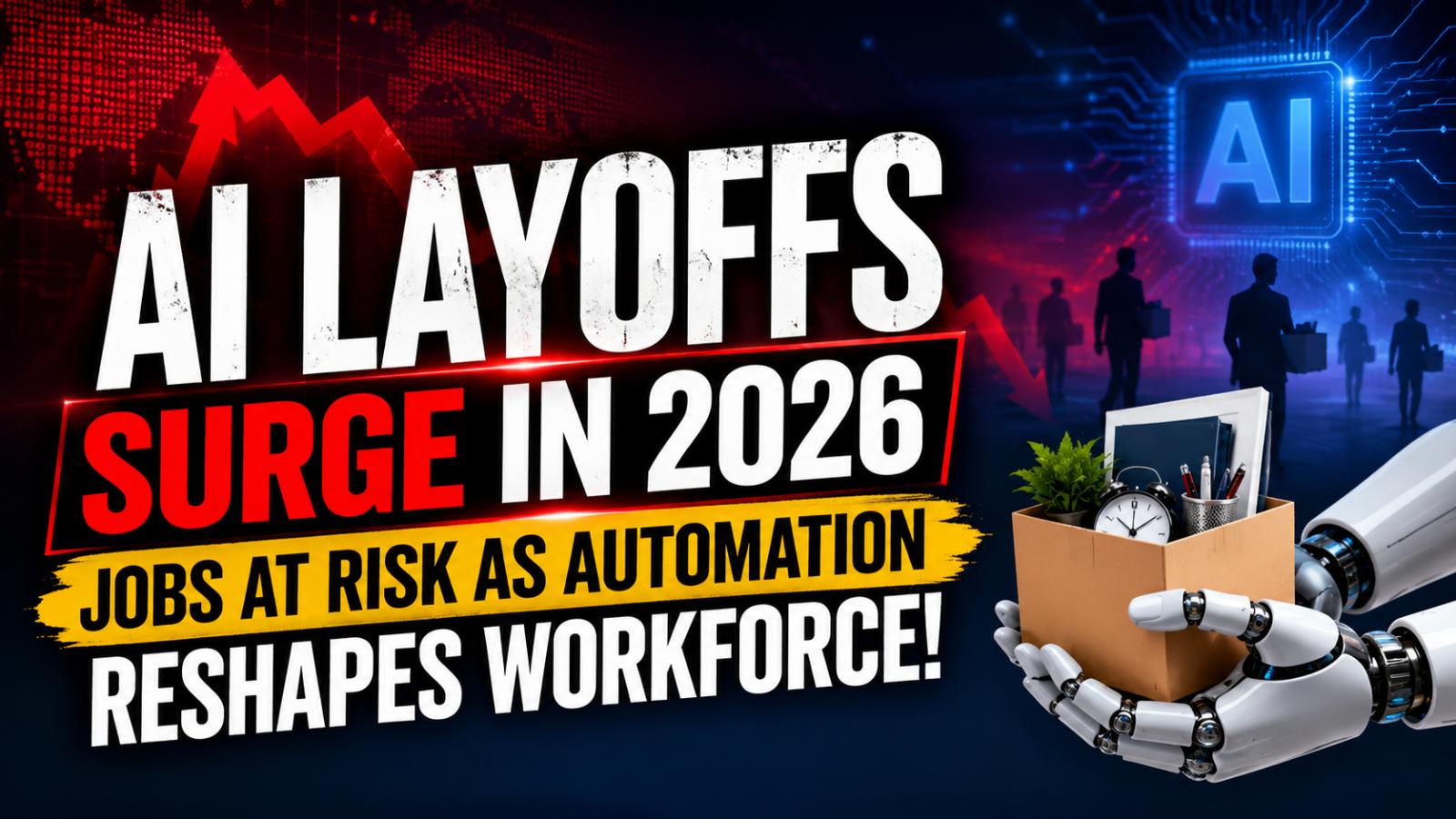
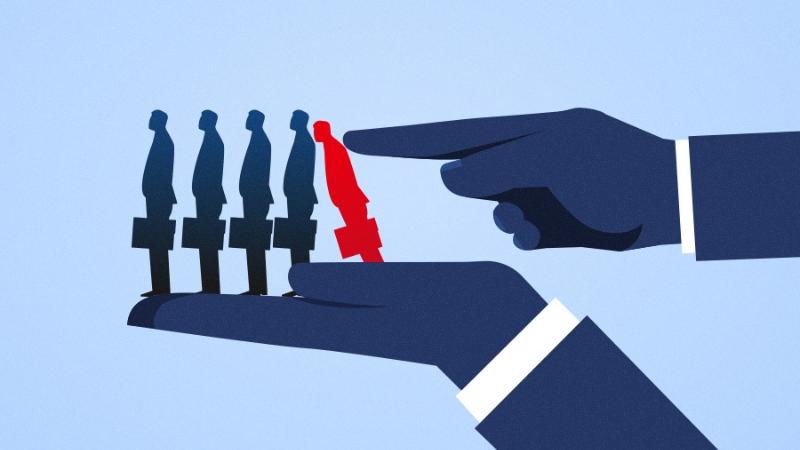
AI layoffs in 2026 are no longer just a prediction about the future of work. Companies are increasingly linking workforce reductions to automation and artificial intelligence, while technology firms remain at the center of the cuts. Yet the data also show that AI is reshaping jobs in more complex ways than simply replacing workers. US AI job cuts rise sharply
AI Layoffs in 2026 Rise as Automation Reshapes US Jobs
AI layoffs in 2026 are no longer just a prediction about the future of work. Companies are increasingly linking workforce reductions to automation and artificial intelligence, while technology firms remain at the center of the cuts. Yet the data also show that AI is reshaping jobs in more complex ways than simply replacing workers. US AI job cuts rise sharply
Global Worker Shortage Era Forces Migration and Automation
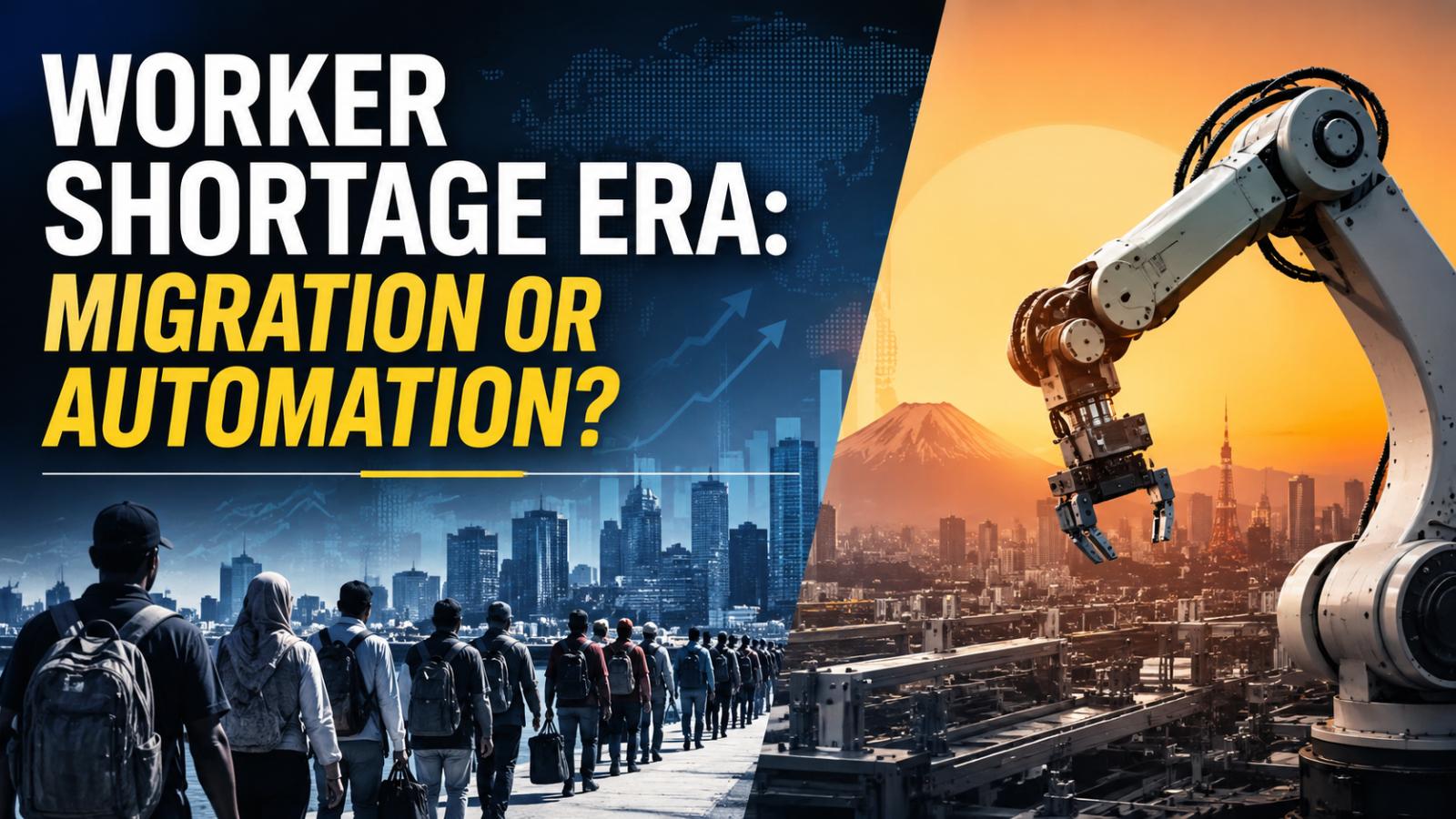
The worker shortage era is no longer a distant demographic warning. OECD projections show a shrinking working-age population, rising public costs and slower growth, while Japan’s labor gap reveals why migration and automation are becoming economic necessities. Ageing workforce changes the global labor market The world has crossed a demographic threshold that many economies cannot easily reverse. Falling birth
Global Worker Shortage Era Forces Migration and Automation
The worker shortage era is no longer a distant demographic warning. OECD projections show a shrinking working-age population, rising public costs and slower growth, while Japan’s labor gap reveals why migration and automation are becoming economic necessities. Ageing workforce changes the global labor market The world has crossed a demographic threshold that many economies cannot easily reverse. Falling birth
What is a digital twin in the workplace?
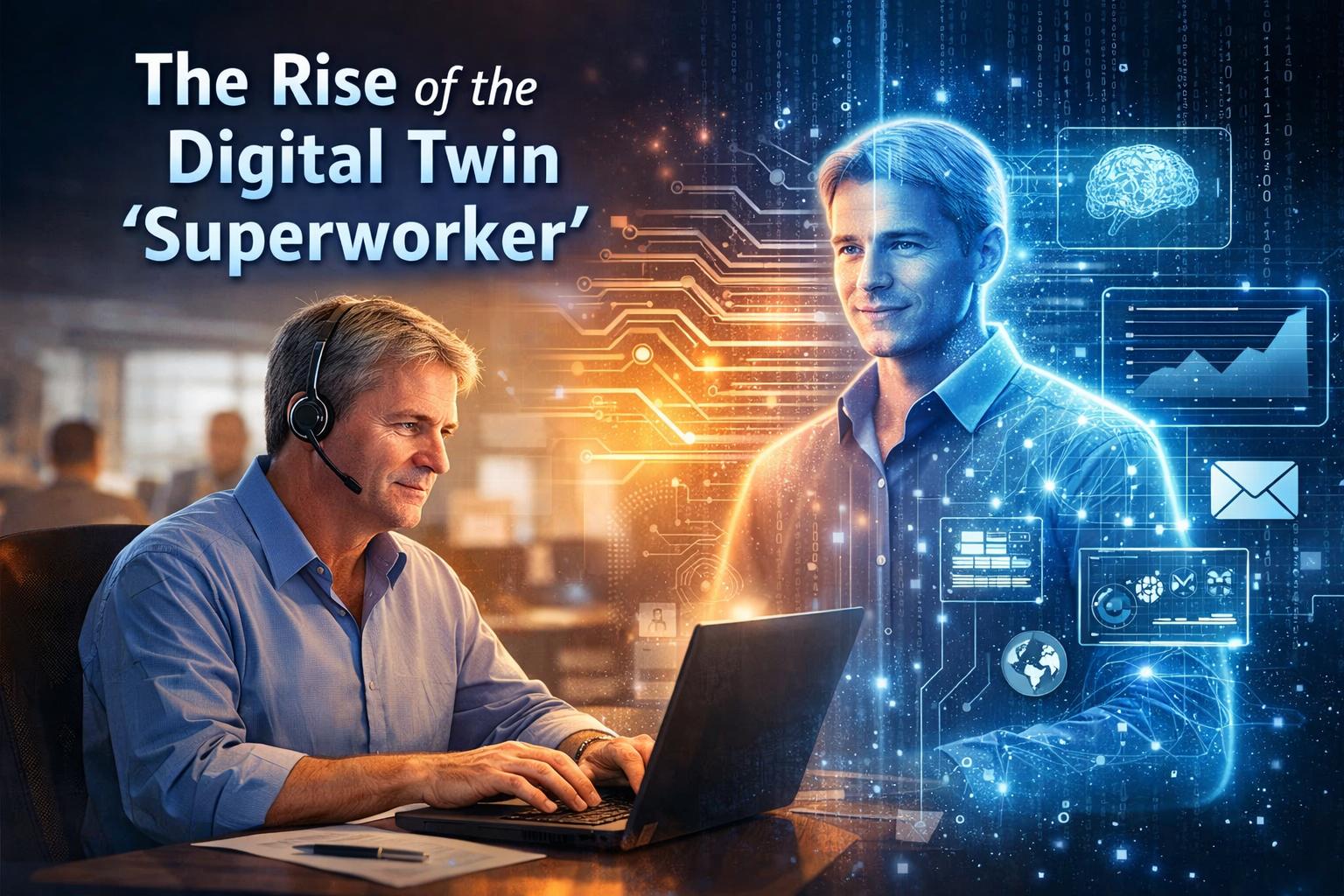
What is a digital twin? A digital twin is an AI-powered system that replicates a person’s knowledge, behavior, and decision-making using their data. It can assist with tasks, answer questions, and act as a virtual version of an employee. Digital twin in workplace: the rise of AI ‘superwo
What is a digital twin in the workplace?
What is a digital twin? A digital twin is an AI-powered system that replicates a person’s knowledge, behavior, and decision-making using their data. It can assist with tasks, answer questions, and act as a virtual version of an employee. Digital twin in workplace: the rise of AI ‘superwo
AI may automate most white-collar jobs within 18 months, says Microsoft AI chief
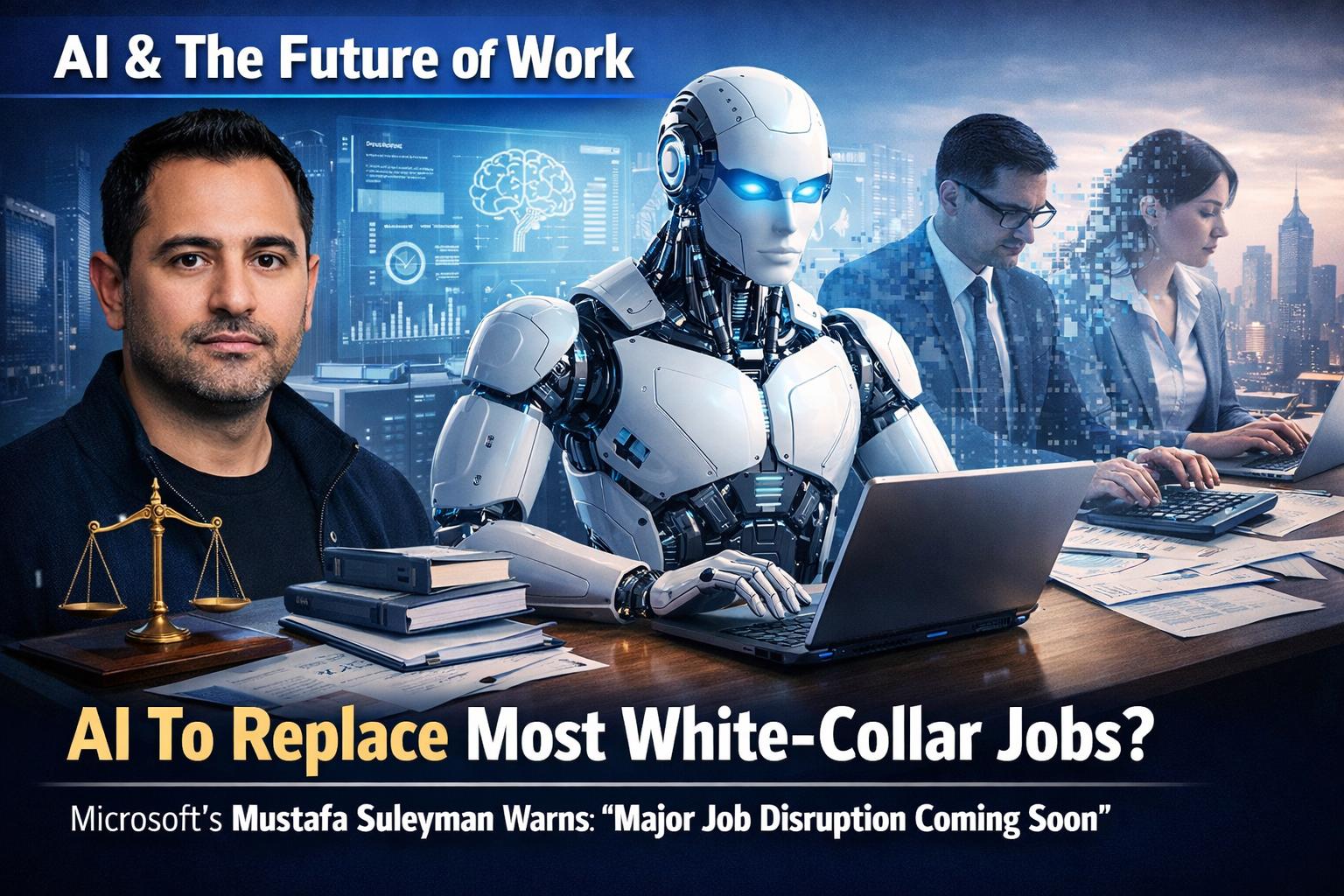
Microsoft’s head of artificial intelligence, Mustafa Suleyman, has triggered intense debate after warning that artificial intelligence could replace most white-collar jobs in the near future. Speaking about the accelerating pace of technological change, Suleyman said automation will not be limited to coders or IT professionals, but could extend to lawyers, accountants, project managers, marketers and other knowledge workers who spend most of their time working on computers. According to him, t
AI may automate most white-collar jobs within 18 months, says Microsoft AI chief
Microsoft’s head of artificial intelligence, Mustafa Suleyman, has triggered intense debate after warning that artificial intelligence could replace most white-collar jobs in the near future. Speaking about the accelerating pace of technological change, Suleyman said automation will not be limited to coders or IT professionals, but could extend to lawyers, accountants, project managers, marketers and other knowledge workers who spend most of their time working on computers. According to him, t
Japan’s birth crisis deepens as 2025 births hit historic low
Japan is on course to record its lowest number of births since national data collection began in 1899, with estimates for 2025 indicating the total will fall below 670,000. The figure is not only historically low but also worse than the most pessimistic government forecasts, underscoring the speed and scale of the country’s demographic decline. As the population continues to shrink, the question facing policymakers and businesses alike is whether Japan can sustain its economic and social systems with a rapidly diminishing younger generation. The population trend has been moving in this direction for more than a decade. Japan’s total population began declining in 2011 and has continued to contract each year since. In 2024, deaths exceeded births by nearly one million people, marking the largest annual natural decrease on record. That year also saw births drop below 700,000 for the first time, a decline of 5.7 percent from the previous year. Once home to about 128 million people, Japan’s population now stands at roughly 123 million and continues to fall. At the center of the crisis is an extremely low fertility rate. Japan’s current fertility level is estimated at around 1.14 children per woman, far below the replacement rate of approximately 2.1 required to maintain population stability. This gap reflects deep-rooted economic and social pressures that have reshaped family formation. Economic insecurity remains a major factor, with stagnant wages, rising living costs, and high childcare expenses discouraging many young adults from marrying or having children. Marriage rates have declined sharply over recent decades, and because childbirth outside marriage remains relatively uncommon, fewer marriages translate directly into fewer births. Work culture and social expectations have also played a significant role. Japan’s long working hours and limited work-life balance make parenting particularly challenging, especially for women. Despite gradual improvements, gender inequality continues to place most childcare responsibilities on mothers. At the same time, more women are pursuing higher education, careers, and financial independence, leading many to delay or reject traditional family models altogether. These choices reflect changing aspirations as much as structural constraints. The demographic shift is already affecting the economy. With fewer young people entering the workforce each year, labor shortages are emerging across key sectors including manufacturing, construction, agriculture, caregiving, and services. Businesses are facing reduced production capacity, strained supply chains, and rising operational costs. Small and medium-sized enterprises, in particular, are struggling to recruit and retain workers, adding pressure to regional economies. While fears of an outright economic collapse are overstated, the risk of prolonged stagnation is real. Japan remains a global leader in technology, automation, and robotics, and these strengths are helping to offset some labor shortages. Automated systems can increase productivity and reduce reliance on human labor in certain industries. However, technology has limits. Fields such as healthcare, education, and many service roles depend heavily on human interaction, empathy, and judgment, qualities machines cannot fully replicate. Japan’s population challenge is no longer a distant projection but an immediate reality shaping daily life and long-term planning. How effectively the country combines technological innovation with social reform, workforce participation changes, and potential adjustments to immigration policy will determine whether this demographic turning point leads to managed adaptation or deepening economic and social strain.
Japan’s birth crisis deepens as 2025 births hit historic low
Japan is on course to record its lowest number of births since national data collection began in 1899, with estimates for 2025 indicating the total will fall below 670,000. The figure is not only historically low but also worse than the most pessimistic government forecasts, underscoring the speed and scale of the country’s demographic decline. As the population continues to shrink, the question facing policymakers and businesses alike is whether Japan can sustain its economic and social systems with a rapidly diminishing younger generation. The population trend has been moving in this direction for more than a decade. Japan’s total population began declining in 2011 and has continued to contract each year since. In 2024, deaths exceeded births by nearly one million people, marking the largest annual natural decrease on record. That year also saw births drop below 700,000 for the first time, a decline of 5.7 percent from the previous year. Once home to about 128 million people, Japan’s population now stands at roughly 123 million and continues to fall. At the center of the crisis is an extremely low fertility rate. Japan’s current fertility level is estimated at around 1.14 children per woman, far below the replacement rate of approximately 2.1 required to maintain population stability. This gap reflects deep-rooted economic and social pressures that have reshaped family formation. Economic insecurity remains a major factor, with stagnant wages, rising living costs, and high childcare expenses discouraging many young adults from marrying or having children. Marriage rates have declined sharply over recent decades, and because childbirth outside marriage remains relatively uncommon, fewer marriages translate directly into fewer births. Work culture and social expectations have also played a significant role. Japan’s long working hours and limited work-life balance make parenting particularly challenging, especially for women. Despite gradual improvements, gender inequality continues to place most childcare responsibilities on mothers. At the same time, more women are pursuing higher education, careers, and financial independence, leading many to delay or reject traditional family models altogether. These choices reflect changing aspirations as much as structural constraints. The demographic shift is already affecting the economy. With fewer young people entering the workforce each year, labor shortages are emerging across key sectors including manufacturing, construction, agriculture, caregiving, and services. Businesses are facing reduced production capacity, strained supply chains, and rising operational costs. Small and medium-sized enterprises, in particular, are struggling to recruit and retain workers, adding pressure to regional economies. While fears of an outright economic collapse are overstated, the risk of prolonged stagnation is real. Japan remains a global leader in technology, automation, and robotics, and these strengths are helping to offset some labor shortages. Automated systems can increase productivity and reduce reliance on human labor in certain industries. However, technology has limits. Fields such as healthcare, education, and many service roles depend heavily on human interaction, empathy, and judgment, qualities machines cannot fully replicate. Japan’s population challenge is no longer a distant projection but an immediate reality shaping daily life and long-term planning. How effectively the country combines technological innovation with social reform, workforce participation changes, and potential adjustments to immigration policy will determine whether this demographic turning point leads to managed adaptation or deepening economic and social strain.
Elon Musk predicts a future where jobs become voluntary amid rising automation
Elon Musk has suggested that traditional employment may become largely optional within the next decade or two, predicting a dramatic shift in how societies function as artificial intelligence and robotics expand across industries. Speaking at an investment forum in Washington, DC, he said the future of work could resemble a hobby rather than an economic necessity, comparing it to the decision to grow vegetables for personal satisfaction even when they can be purchased easily at a store. Musk
Elon Musk predicts a future where jobs become voluntary amid rising automation
Elon Musk has suggested that traditional employment may become largely optional within the next decade or two, predicting a dramatic shift in how societies function as artificial intelligence and robotics expand across industries. Speaking at an investment forum in Washington, DC, he said the future of work could resemble a hobby rather than an economic necessity, comparing it to the decision to grow vegetables for personal satisfaction even when they can be purchased easily at a store. Musk
AI Takeover Looms: Report Predicts 50% Of Tech Support In India Will Be Handled By AI By 2027
Artificial intelligence is no longer a distant threat it’s fast becoming an active part of India’s workforce. A recent Salesforce study warns that by 2027, AI could handle up to 50 percent of all tech support and customer service cases in the country. Currently managing around 30 percent, AI’s rapid expansion in the sector signals a major transformation in how companies handle customer interactions. The research suggests that while automation will replace repetitive roles, it will also
AI Takeover Looms: Report Predicts 50% Of Tech Support In India Will Be Handled By AI By 2027
Artificial intelligence is no longer a distant threat it’s fast becoming an active part of India’s workforce. A recent Salesforce study warns that by 2027, AI could handle up to 50 percent of all tech support and customer service cases in the country. Currently managing around 30 percent, AI’s rapid expansion in the sector signals a major transformation in how companies handle customer interactions. The research suggests that while automation will replace repetitive roles, it will also
Amazon to Lay Off 30,000 Corporate Employees in Largest Job Cuts Since 2022
Amazon is preparing for its biggest round of corporate job cuts since 2022, with plans to eliminate up to 30,000 positions starting Tuesday. The move affects nearly 10% of its corporate workforce and follows years of smaller layoffs across divisions such as devices, HR, and operations. Sources suggest that the job cuts will impact multiple departments, including Amazon Web Services (AWS), human resources (PXT), and corporate operations. Managers have reportedly undergone training on how to co
Amazon to Lay Off 30,000 Corporate Employees in Largest Job Cuts Since 2022
Amazon is preparing for its biggest round of corporate job cuts since 2022, with plans to eliminate up to 30,000 positions starting Tuesday. The move affects nearly 10% of its corporate workforce and follows years of smaller layoffs across divisions such as devices, HR, and operations. Sources suggest that the job cuts will impact multiple departments, including Amazon Web Services (AWS), human resources (PXT), and corporate operations. Managers have reportedly undergone training on how to co
Amazon plans major layoffs as AI reshapes its workforce strategy
Amazon is reportedly preparing for another significant round of job cuts, this time targeting its human resources division as part of a broader organizational shift toward automation and artificial intelligence. According to people familiar with internal discussions, the company may reduce up to 15 percent of staff within its People eXperience and Technology (PXT) department, a key unit responsible for managing employee relations and corporate culture. While the exact number of layoffs and th
Amazon plans major layoffs as AI reshapes its workforce strategy
Amazon is reportedly preparing for another significant round of job cuts, this time targeting its human resources division as part of a broader organizational shift toward automation and artificial intelligence. According to people familiar with internal discussions, the company may reduce up to 15 percent of staff within its People eXperience and Technology (PXT) department, a key unit responsible for managing employee relations and corporate culture. While the exact number of layoffs and th
Automation shock: Employee laid off after mastering AI for efficiency
When researcher Kevin Cantera from Las Cruces, New Mexico, began experimenting with ChatGPT at the education technology firm where he worked, he believed he was future-proofing his career. Encouraged by his supervisors, he adopted artificial intelligence as a daily assistant to streamline his writing, research, and communication tasks. His results were exceptional, and he quickly became one of the company’s most productive employees. But only months later, Cantera was unexpectedly
Automation shock: Employee laid off after mastering AI for efficiency
When researcher Kevin Cantera from Las Cruces, New Mexico, began experimenting with ChatGPT at the education technology firm where he worked, he believed he was future-proofing his career. Encouraged by his supervisors, he adopted artificial intelligence as a daily assistant to streamline his writing, research, and communication tasks. His results were exceptional, and he quickly became one of the company’s most productive employees. But only months later, Cantera was unexpectedly
Google Lays Off 200 AI Contractors Amid Fears Of Training Bots To Replace Human Jobs
Google has once again become the focus of global attention after more than 200 contractors working on its artificial intelligence projects were laid off in recent weeks. The workers, employed through outsourcing company GlobalLogic, were responsible for tasks such as rating responses from Google’s Gemini chatbot, reviewing AI-generated summaries, and ensuring that the systems produced accurate and natural-sounding answers. Despite their specialized roles
Google Lays Off 200 AI Contractors Amid Fears Of Training Bots To Replace Human Jobs
Google has once again become the focus of global attention after more than 200 contractors working on its artificial intelligence projects were laid off in recent weeks. The workers, employed through outsourcing company GlobalLogic, were responsible for tasks such as rating responses from Google’s Gemini chatbot, reviewing AI-generated summaries, and ensuring that the systems produced accurate and natural-sounding answers. Despite their specialized roles
The Role of GPT-4 in Automating Business Tasks and Workflows
As businesses aim to stay competitive in a fast-paced digital world, automation has become a key strategy for improving productivity and reducing operational costs. GPT-4, OpenAI’s most advanced language model to date, is playing a major role in this transformation by enabling companies to automate a wide range of business tasks and workflows more efficiently than ever before. From small startups to large enterprises, companies are integrating GPT-4 into their daily operations
The Role of GPT-4 in Automating Business Tasks and Workflows
As businesses aim to stay competitive in a fast-paced digital world, automation has become a key strategy for improving productivity and reducing operational costs. GPT-4, OpenAI’s most advanced language model to date, is playing a major role in this transformation by enabling companies to automate a wide range of business tasks and workflows more efficiently than ever before. From small startups to large enterprises, companies are integrating GPT-4 into their daily operations
How to Use AI to Automate Repetitive Work Tasks
AI is transforming how we work by simplifying and speeding up everyday tasks. Whether you're an entrepreneur, office worker, or freelancer, there’s a good chance you're spending hours on repetitive activities that can be automated. With AI tools becoming more user-friendly and accessible, automating these routine jobs no longer requires advanced technical knowledge. Here's how to make the most of AI for automating repetitive work in a practical and time-saving way.
How to Use AI to Automate Repetitive Work Tasks
AI is transforming how we work by simplifying and speeding up everyday tasks. Whether you're an entrepreneur, office worker, or freelancer, there’s a good chance you're spending hours on repetitive activities that can be automated. With AI tools becoming more user-friendly and accessible, automating these routine jobs no longer requires advanced technical knowledge. Here's how to make the most of AI for automating repetitive work in a practical and time-saving way.
How Indian Professionals in the USA Are Using AI at Work
Artificial intelligence (AI) is reshaping the way Indian professionals work in the USA, allowing them to boost productivity, streamline processes, and foster innovation. From tech experts to healthcare professionals, AI is transforming their roles across industries. Let’s take a quick look at how AI is being utilized by Indian professionals in the USA. AI Tools That Boost Productivity Indian professionals are us


How Indian Professionals in the USA Are Using AI at Work
Artificial intelligence (AI) is reshaping the way Indian professionals work in the USA, allowing them to boost productivity, streamline processes, and foster innovation. From tech experts to healthcare professionals, AI is transforming their roles across industries. Let’s take a quick look at how AI is being utilized by Indian professionals in the USA. AI Tools That Boost Productivity Indian professionals are us
2025 Tech Layoffs Hit Amazon, Microsoft, Google Amid AI Push
The promise of AI revolutionizing work in 2025 has taken an unexpected turn. Instead of enhancing job opportunities, major tech firms have begun aggressively cutting jobs. From Amazon’s AWS division to Microsoft’s AI departments and Google’s search engineering teams, the shift toward automation is leaving thousands unemployed. Amazon, Microsoft, and Google Spark Layoff Wave
2025 Tech Layoffs Hit Amazon, Microsoft, Google Amid AI Push
The promise of AI revolutionizing work in 2025 has taken an unexpected turn. Instead of enhancing job opportunities, major tech firms have begun aggressively cutting jobs. From Amazon’s AWS division to Microsoft’s AI departments and Google’s search engineering teams, the shift toward automation is leaving thousands unemployed. Amazon, Microsoft, and Google Spark Layoff Wave
8 Jobs AI Could Replace by 2030, Says UN Report
A recent United Nations report warns that artificial intelligence could reshape the job market dramatically within the next five years. From drivers to coders, eight major job roles could be either transformed or entirely replaced by AI-powered tools, sparking both concern and optimism in equal measure. The UN Conference on Trade and Development (UNCTAD) states that up to 40% of global jobs may be impacted by AI by 2
8 Jobs AI Could Replace by 2030, Says UN Report
A recent United Nations report warns that artificial intelligence could reshape the job market dramatically within the next five years. From drivers to coders, eight major job roles could be either transformed or entirely replaced by AI-powered tools, sparking both concern and optimism in equal measure. The UN Conference on Trade and Development (UNCTAD) states that up to 40% of global jobs may be impacted by AI by 2
Microsoft Lays Off 300+ Staff Amid AI Restructuring
Microsoft has laid off over 300 employees in a new round of job cuts this week, marking another major workforce reduction just weeks after the company slashed 6,000 roles. The move, reported by Bloomberg, is part of Microsoft’s ongoing operational restructuring as the company intensifies its focus on artificial intelligence (AI) and automation technologies. According to a regulatory filing reviewed by Bloomberg
Microsoft Lays Off 300+ Staff Amid AI Restructuring
Microsoft has laid off over 300 employees in a new round of job cuts this week, marking another major workforce reduction just weeks after the company slashed 6,000 roles. The move, reported by Bloomberg, is part of Microsoft’s ongoing operational restructuring as the company intensifies its focus on artificial intelligence (AI) and automation technologies. According to a regulatory filing reviewed by Bloomberg
IBM Cuts 8,000 Jobs as AI Replaces HR Roles
Tech giant IBM has laid off approximately 8,000 employees, with a significant portion of the job cuts reportedly targeting the company’s Human Resources (HR) department. The sweeping layoffs are believed to be directly tied to IBM’s increased adoption of Artificial Intelligence (AI) in its internal operations. The announcement comes shortly after reports revealed that IBM had already replaced 200 HR roles with AI agents capable of automating tasks such as sorting informa
IBM Cuts 8,000 Jobs as AI Replaces HR Roles
Tech giant IBM has laid off approximately 8,000 employees, with a significant portion of the job cuts reportedly targeting the company’s Human Resources (HR) department. The sweeping layoffs are believed to be directly tied to IBM’s increased adoption of Artificial Intelligence (AI) in its internal operations. The announcement comes shortly after reports revealed that IBM had already replaced 200 HR roles with AI agents capable of automating tasks such as sorting informa
The impact of artificial intelligence on workplace productivity and jobs
The Rise of AI in Modern Workplaces Artificial intelligence is rapidly changing the dynamics of the modern workplace. Its growing integration across industries has introduced both significant advantages and complex challenges. As organizations adopt AI tools to streamline operations, enhance decision-making, and drive productivity, the conversation around the implications of AI on employment, fairness, and security is becoming increasingly urgent.
The impact of artificial intelligence on workplace productivity and jobs
The Rise of AI in Modern Workplaces Artificial intelligence is rapidly changing the dynamics of the modern workplace. Its growing integration across industries has introduced both significant advantages and complex challenges. As organizations adopt AI tools to streamline operations, enhance decision-making, and drive productivity, the conversation around the implications of AI on employment, fairness, and security is becoming increasingly urgent.
Fiverr CEO Warns: AI is coming for your job including Mine
In a startling yet candid message to his team, Fiverr CEO Micha Kaufman has issued one of the most direct corporate warnings about the future impact of artificial intelligence on the global workforce. Shared publicly by Neatprompts CEO Aadit Sheth, Kaufman's internal email has gone viral, sparking widespread conversation about how AI is not only transforming industries but also putting countless white-collar roles at risk including those at the very top. “AI is coming for
Fiverr CEO Warns: AI is coming for your job including Mine
In a startling yet candid message to his team, Fiverr CEO Micha Kaufman has issued one of the most direct corporate warnings about the future impact of artificial intelligence on the global workforce. Shared publicly by Neatprompts CEO Aadit Sheth, Kaufman's internal email has gone viral, sparking widespread conversation about how AI is not only transforming industries but also putting countless white-collar roles at risk including those at the very top. “AI is coming for