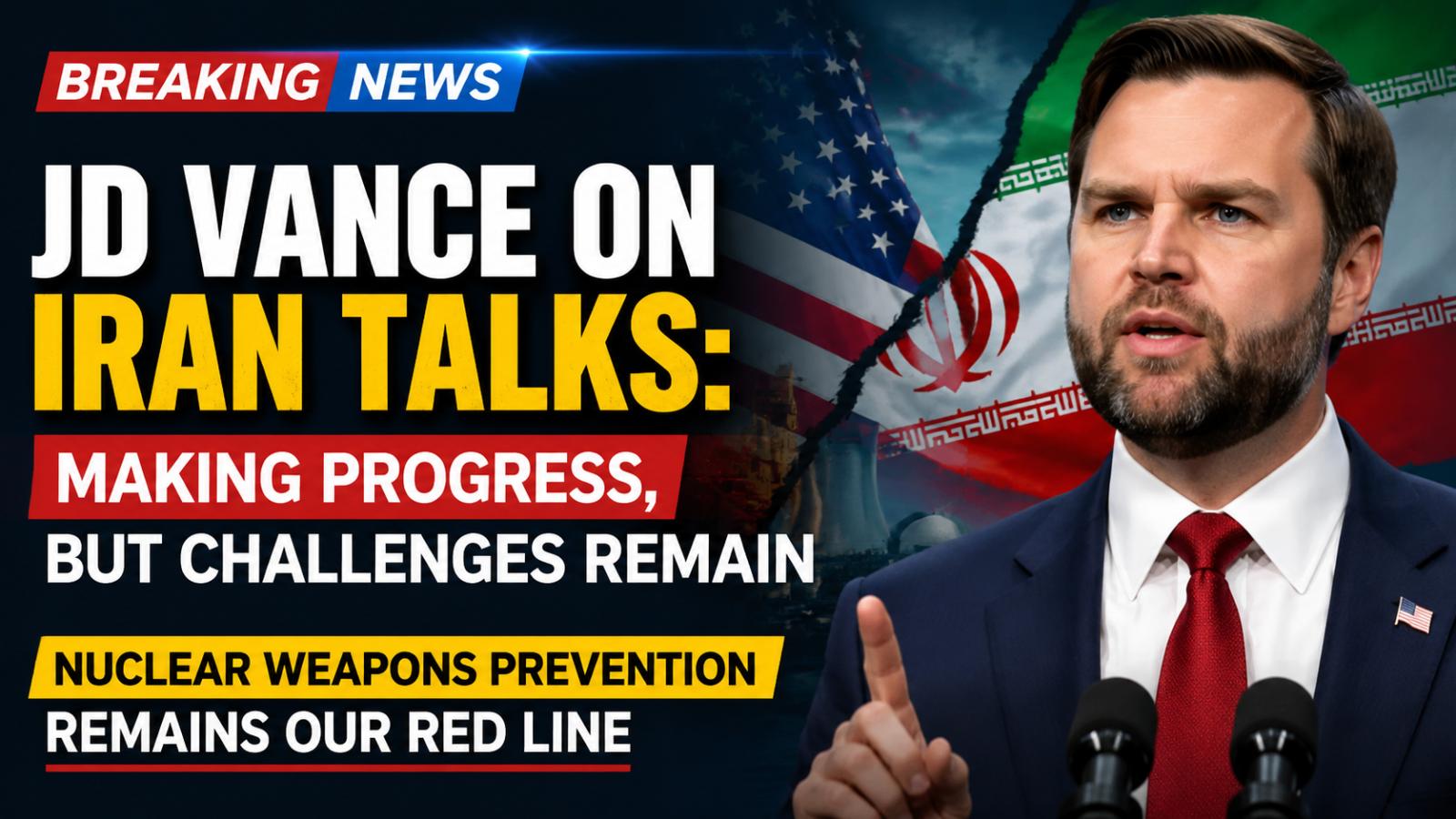
On May 13, US Vice President JD Vance opened up about the ongoing negotiations with Iran and the hurdles the US has faced as these talks progress. While the US continues its diplomatic outreach to Tehran, Vance acknowledged the growing frustration due to unsatisfactory responses from the Iranian side. This has raised questions about whether a comprehensive deal is truly within reach.
Diplomacy Amid Rising Tensions
In a recent press briefing, Vance shed light on the behind-the-scenes work being done to keep the talks moving forward. He shared that he had been in constant communication with key figures, including Jared Kushner and Steve Witkoff, who have been instrumental in shaping the US’s strategy on Iran. Vance emphasized, "We’re making progress, but the big question is whether we’re making enough to meet the president’s red line."
Kushner and Witkoff are key players in ensuring the US stays aligned with its Middle Eastern allies while pushing for a stable and peaceful outcome in the region. Despite this, Vance noted that Tehran’s responses have not been up to the mark, leading some to doubt whether both parties can eventually strike a meaningful deal.
The US’s Red Line: Preventing Nuclear Weapons in Iran
Vance made it clear that the US’s primary goal in these talks remains non-negotiable: Iran must not acquire nuclear weapons. "The president's red line is very simple," Vance explained. "We need to ensure that we’ve put in place the necessary protections to prevent Iran from ever having a nuclear weapon."
For the US, any deal with Iran must include stringent safeguards and verification processes. The US administration is working closely with both Middle Eastern and European partners to ensure Iran’s nuclear program doesn’t go unchecked.
Why These Talks Matter for the Region
The stakes of these negotiations couldn’t be higher. Tensions in the Middle East have been rising, fueled in part by Iran’s nuclear ambitions and its military activities. Global energy markets and security experts are watching closely, knowing that any failure in diplomacy could send shockwaves through the region, affecting everything from oil prices to broader geopolitical stability.
Despite the obstacles, the Biden administration remains cautiously optimistic. However, it has made it clear that any deal that doesn’t fully block Iran’s path to nuclear weapons will not be acceptable. The pressure is on, and it’s clear that these talks will have far-reaching implications not just for the US, but for global security.
A Crossroads for US Diplomacy
As these crucial negotiations continue, the coming weeks could be a defining moment in US-Iran relations. Will the two sides find common ground, or will the talks break down, leading to even greater tensions? The world is watching, and the future of the Middle East might well depend on the outcome.