India will celebrate its 80th Independence Day on August 15, 2026, with the national ceremony centred on Delhi’s Red Fort. The Prime Minister leads the Independence Day flag ceremony, while the President plays a different constitutional role. The reason comes from the events of 1947 and the traditions that developed after India became independent.
Red Fort tradition
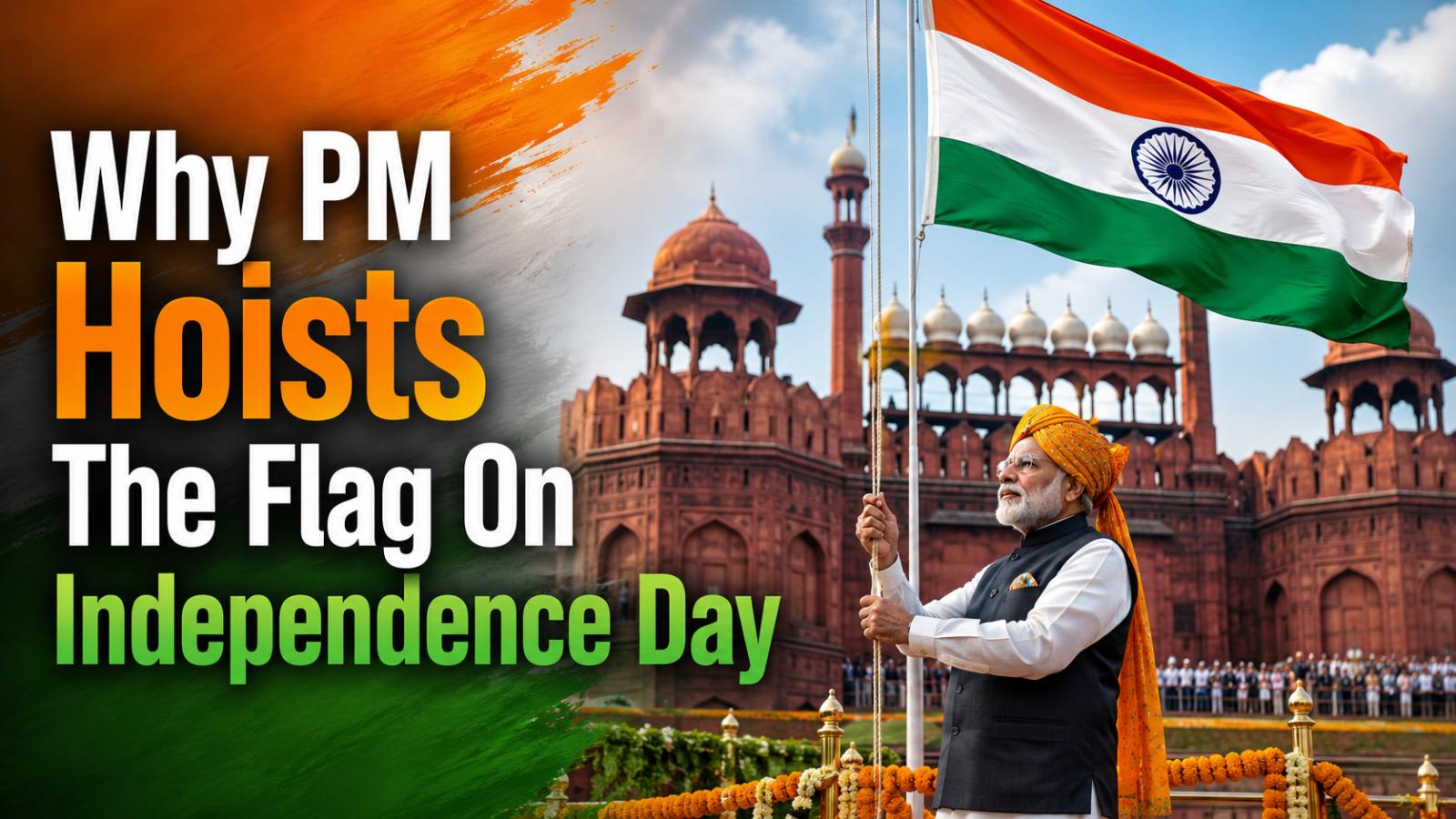
The Red Fort has become the defining stage for India’s Independence Day celebrations. Jawaharlal Nehru, the country’s first Prime Minister, unfurled the national flag at the Red Fort for the first time on August 16, 1947, according to an official Press Information Bureau account. The annual Independence Day ceremony later became associated with August 15, with successive Prime Ministers continuing the tradition from the historic fort.
This history is important because a common version of the story says Nehru first hoisted the flag at the Red Fort on August 15, 1947. The official PIB record places his first Red Fort unfurling on August 16, making that distinction worth preserving in an accurate historical account.
PM role
Independence Day commemorates the end of British colonial rule and India's emergence as an independent nation. The Prime Minister heads the elected Union government and therefore leads the main national celebration connected with that transfer of political authority.
The ceremony is not limited to the Tricolour. The Prime Minister also addresses the nation from the ramparts of the Red Fort, discussing national priorities, government programmes, challenges and the country's future direction. Official Prime Minister's Office records show that this Red Fort address remains a central part of the Independence Day programme.
President
The President is India's constitutional head of state, while executive government functions through the Council of Ministers headed by the Prime Minister. The two offices therefore have different roles during India's national celebrations.
The President traditionally addresses citizens on the eve of Independence Day, while the Prime Minister leads the principal August 15 ceremony at the Red Fort. This division reflects the constitutional position of the President and the executive responsibilities of the elected government.
Republic Day
Republic Day has a different meaning. January 26 marks the day the Constitution of India came into force in 1950, transforming India into a sovereign democratic republic. The President consequently occupies the central constitutional position during Republic Day celebrations.
The Republic Day ceremony is followed by the national parade at Kartavya Path, showcasing India's armed forces, cultural heritage and national achievements. Independence Day, by contrast, focuses on freedom from colonial rule and the country's journey as an independent nation.
1947
India became independent on August 15, 1947, but the office of President under the Constitution did not yet exist. The Constitution came into force on January 26, 1950, after which Dr Rajendra Prasad became India's first President.
That timeline helps explain why the Prime Minister-led Independence Day tradition developed separately from Republic Day. August 15 represents independence and political freedom, while January 26 represents India's constitutional republic. Together, the two occasions mark different but equally important stages in India's democratic history.