
















#indianhistory
Why Jaipur’s Maharaja Carried Ganga Water to London in 1902
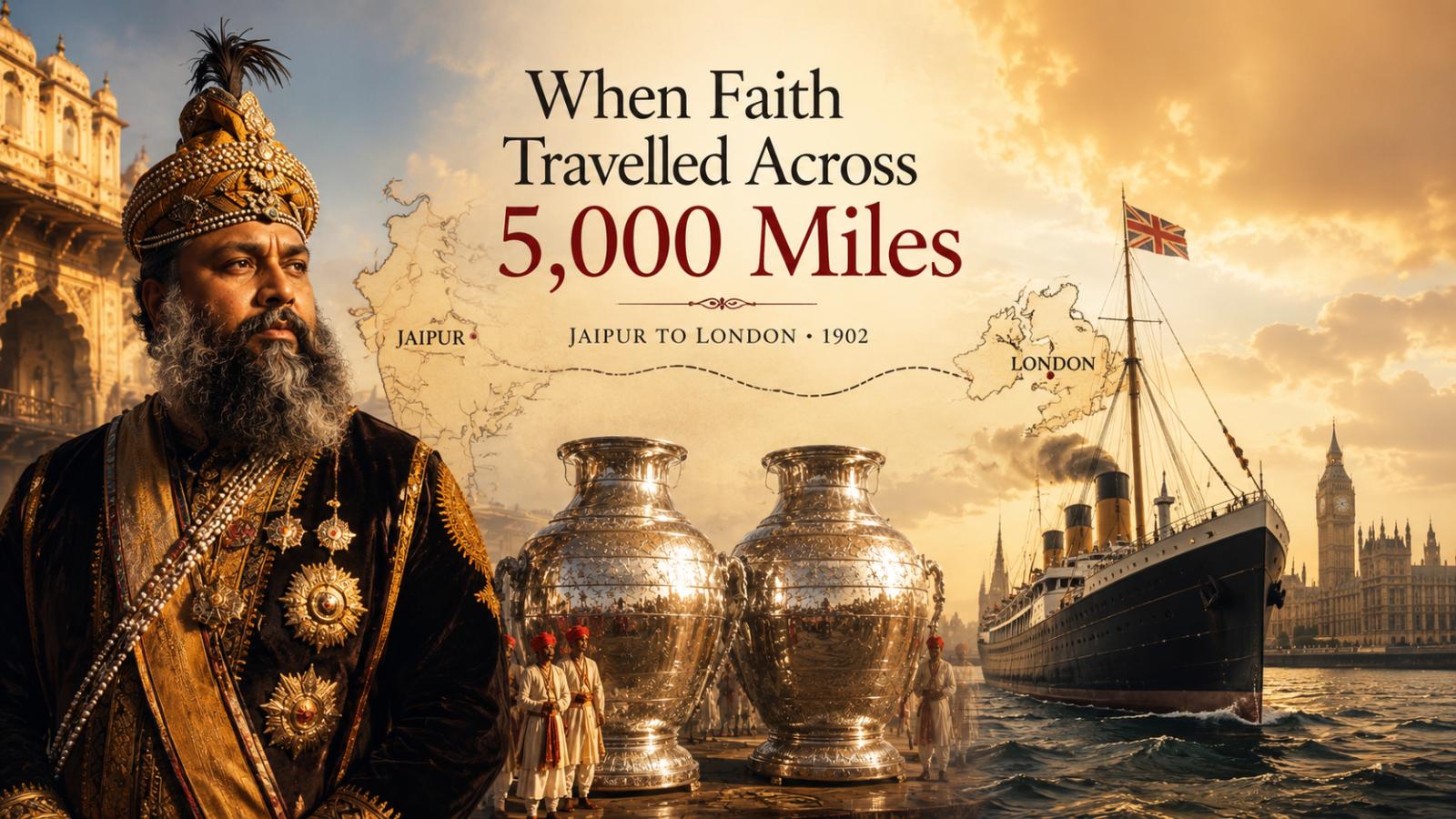
Jaipur Maharaja Sawai Madho Singh II carried thousands of litres of Ganga water to London in 1902, turning a royal journey to King Edward VII’s coronation into an extraordinary expression of religious faith. The water travelled in enormous silver vessels known as Gangajalis, which are now preserved at Jaipur’s City Palace and remain among its most recognizable historical objects.
Why Jaipur’s Maharaja Carried Ganga Water to London in 1902
Jaipur Maharaja Sawai Madho Singh II carried thousands of litres of Ganga water to London in 1902, turning a royal journey to King Edward VII’s coronation into an extraordinary expression of religious faith. The water travelled in enormous silver vessels known as Gangajalis, which are now preserved at Jaipur’s City Palace and remain among its most recognizable historical objects.
How One Indian Monk Won the World in 1893!
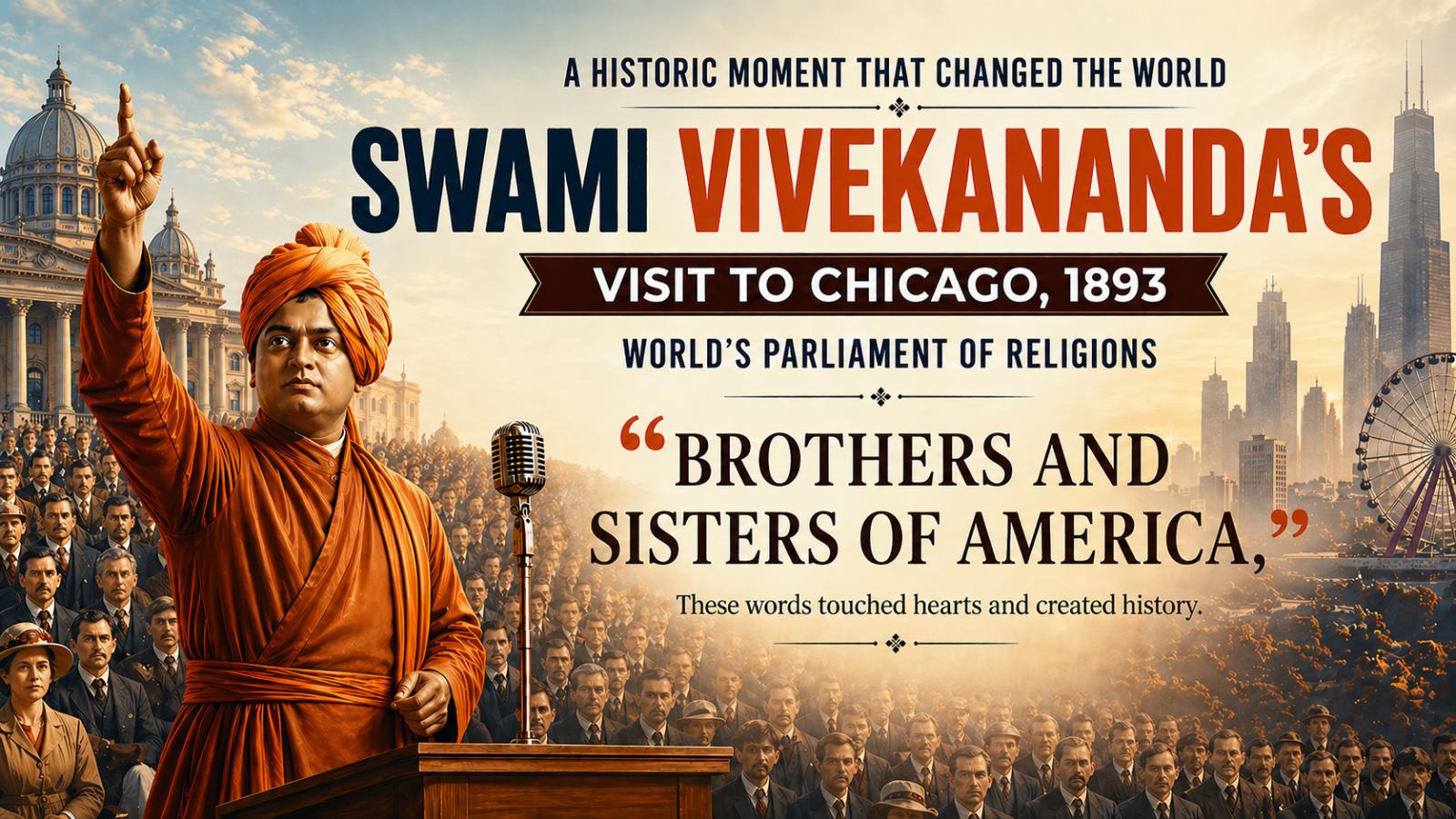
Swami Vivekananda’s visit to Chicago in 1893 remains a defining moment in the global exchange of spiritual and cultural ideas. He traveled to the United States to participate in the World’s Parliament of Religions, an international gathering held as part of the Columbian Exposition. His address on September 11, 1893, is widely remembered for its message of unity and universal acceptance. Opening his speech with the now-famous greeting, “Brothers and Sisters of America,” Vivekananda immediately connected with the audience, receiving a prolonged standing ovation. His remarks emphasized the shared essence of all religions and advocated for tolerance, mutual respect, and compassion. He presented the principles of Vedanta and Yoga as paths toward understanding humanity’s deeper spiritual nature, highlighting that true religion transcends rigid doctrines. The impact of his speech extended far beyond the event itself. Vivekananda’s ideas resonated strongly with American audiences, introducing many to Indian philosophical traditions for the first time. His teachings contributed to a broader awareness of Hinduism and helped establish a foundation for ongoing cultural and intellectual dialogue between India and the West. In India, his legacy continues to inspire generations, particularly through the observance of National Youth Day on January 12, his birth anniversary. Declared by the Government of India in 1984, the day is marked by educational and cultural activities across schools and institutions. These events reflect Vivekananda’s enduring message of self-confidence, service, and the transformative power of knowledge. Through his writings and lectures, inspired by his guru Ramakrishna Paramahansa, Vivekananda encouraged young people to pursue both personal growth and social responsibility. His influence remains significant today, as his vision of harmony and spiritual awareness continues to shape conversations on global unity and cultural understanding.
How One Indian Monk Won the World in 1893!
Swami Vivekananda’s visit to Chicago in 1893 remains a defining moment in the global exchange of spiritual and cultural ideas. He traveled to the United States to participate in the World’s Parliament of Religions, an international gathering held as part of the Columbian Exposition. His address on September 11, 1893, is widely remembered for its message of unity and universal acceptance. Opening his speech with the now-famous greeting, “Brothers and Sisters of America,” Vivekananda immediately connected with the audience, receiving a prolonged standing ovation. His remarks emphasized the shared essence of all religions and advocated for tolerance, mutual respect, and compassion. He presented the principles of Vedanta and Yoga as paths toward understanding humanity’s deeper spiritual nature, highlighting that true religion transcends rigid doctrines. The impact of his speech extended far beyond the event itself. Vivekananda’s ideas resonated strongly with American audiences, introducing many to Indian philosophical traditions for the first time. His teachings contributed to a broader awareness of Hinduism and helped establish a foundation for ongoing cultural and intellectual dialogue between India and the West. In India, his legacy continues to inspire generations, particularly through the observance of National Youth Day on January 12, his birth anniversary. Declared by the Government of India in 1984, the day is marked by educational and cultural activities across schools and institutions. These events reflect Vivekananda’s enduring message of self-confidence, service, and the transformative power of knowledge. Through his writings and lectures, inspired by his guru Ramakrishna Paramahansa, Vivekananda encouraged young people to pursue both personal growth and social responsibility. His influence remains significant today, as his vision of harmony and spiritual awareness continues to shape conversations on global unity and cultural understanding.
Bal Gangadhar Tilak and Ganesh Chaturthi: How a festival became India’s freedom movement
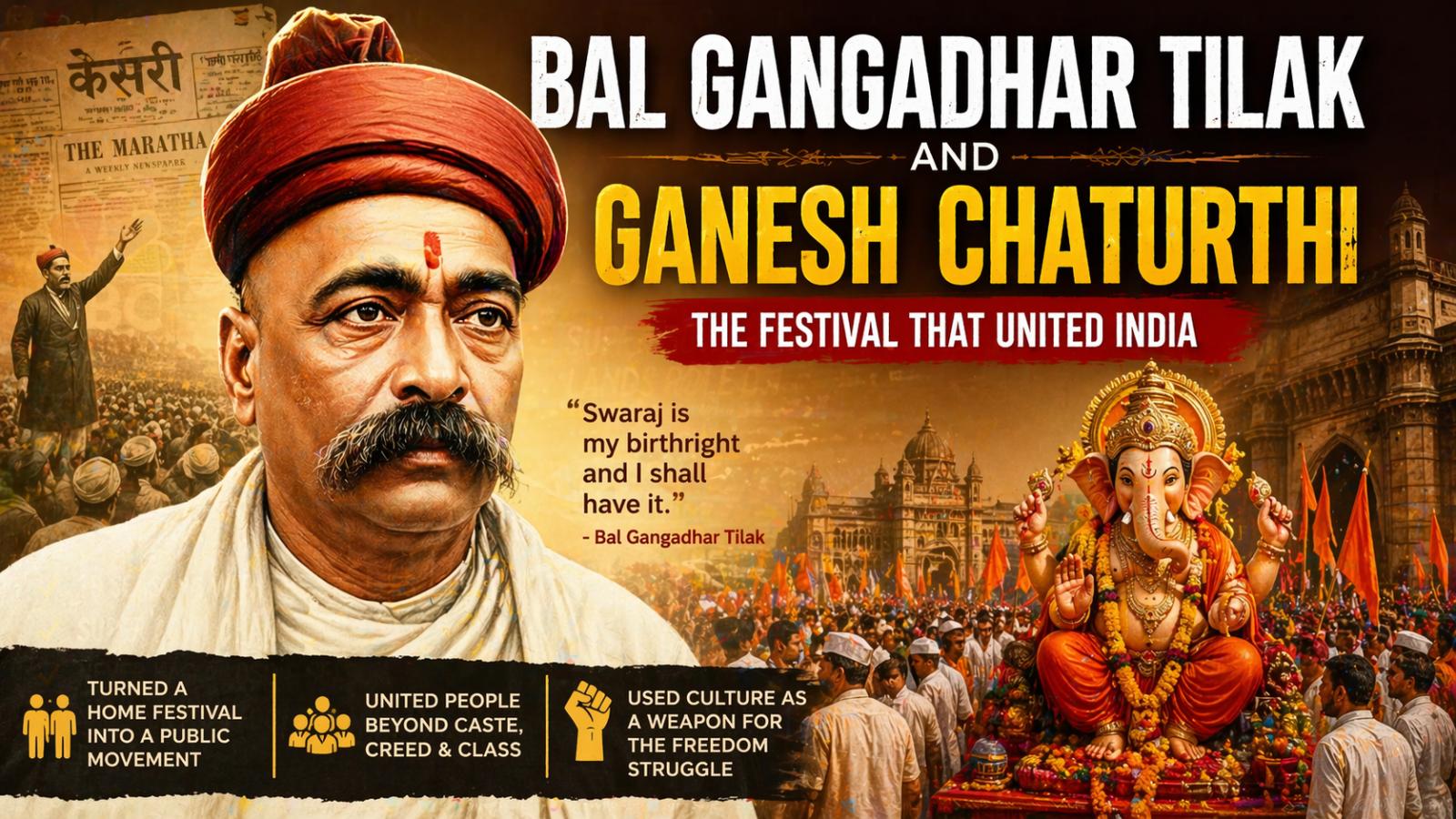
The Bal Gangadhar Tilak Ganesh Chaturthi history is one of the most powerful examples of how culture and politics came together during India’s freedom struggle. What was once a private religious celebration became a massive public movement that united people against British rule. How Tilak transformed Ganesh Chaturthi In 1893, Bal Gangadhar Tilak, one
Bal Gangadhar Tilak and Ganesh Chaturthi: How a festival became India’s freedom movement
The Bal Gangadhar Tilak Ganesh Chaturthi history is one of the most powerful examples of how culture and politics came together during India’s freedom struggle. What was once a private religious celebration became a massive public movement that united people against British rule. How Tilak transformed Ganesh Chaturthi In 1893, Bal Gangadhar Tilak, one
Difference Between Independence Day And Republic Day Explained Simply
Aspect Independence Day Republic Day
Difference Between Independence Day And Republic Day Explained Simply
Aspect Independence Day Republic Day
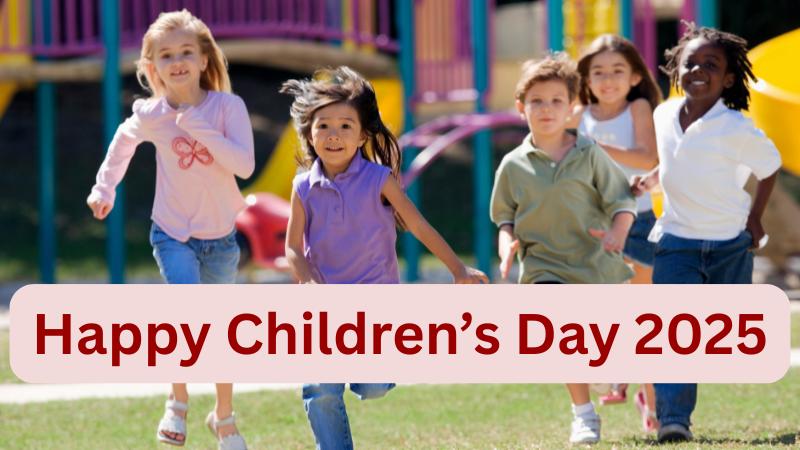
Children’s Day 2025: History, Significance, and Quotes by Jawaharlal Nehru
India celebrates Children’s Day every year on November 14 to honor the birth anniversary of Pandit Jawaharlal Nehru, the country’s first Prime Minister. Popularly known as Chacha Nehru, he was a strong advocate of children’s welfare, education, and overall development. On this day, schools and educational institutions across the country organize cultural events, performances, games, and competitions to make children feel valued and joyful. Children’s Day holds deep significa
Children’s Day 2025: History, Significance, and Quotes by Jawaharlal Nehru
India celebrates Children’s Day every year on November 14 to honor the birth anniversary of Pandit Jawaharlal Nehru, the country’s first Prime Minister. Popularly known as Chacha Nehru, he was a strong advocate of children’s welfare, education, and overall development. On this day, schools and educational institutions across the country organize cultural events, performances, games, and competitions to make children feel valued and joyful. Children’s Day holds deep significa
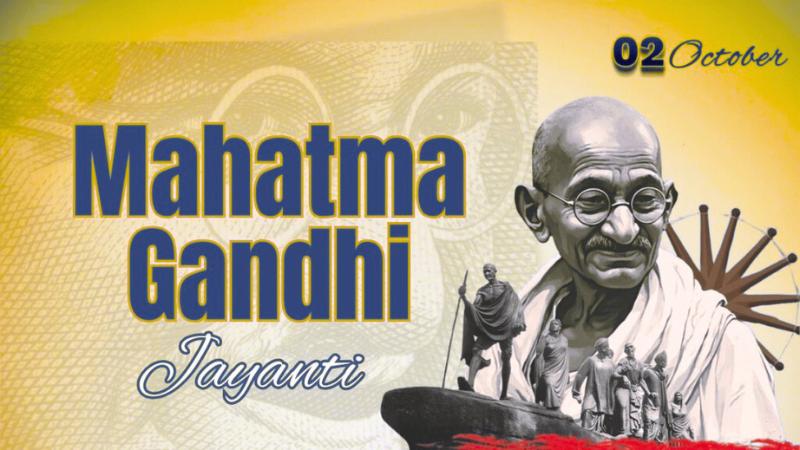
Gandhi Jayanti 2025: Date, History, Significance And Celebrations Of Mahatma Gandhi’s 156th Birth Anniversary
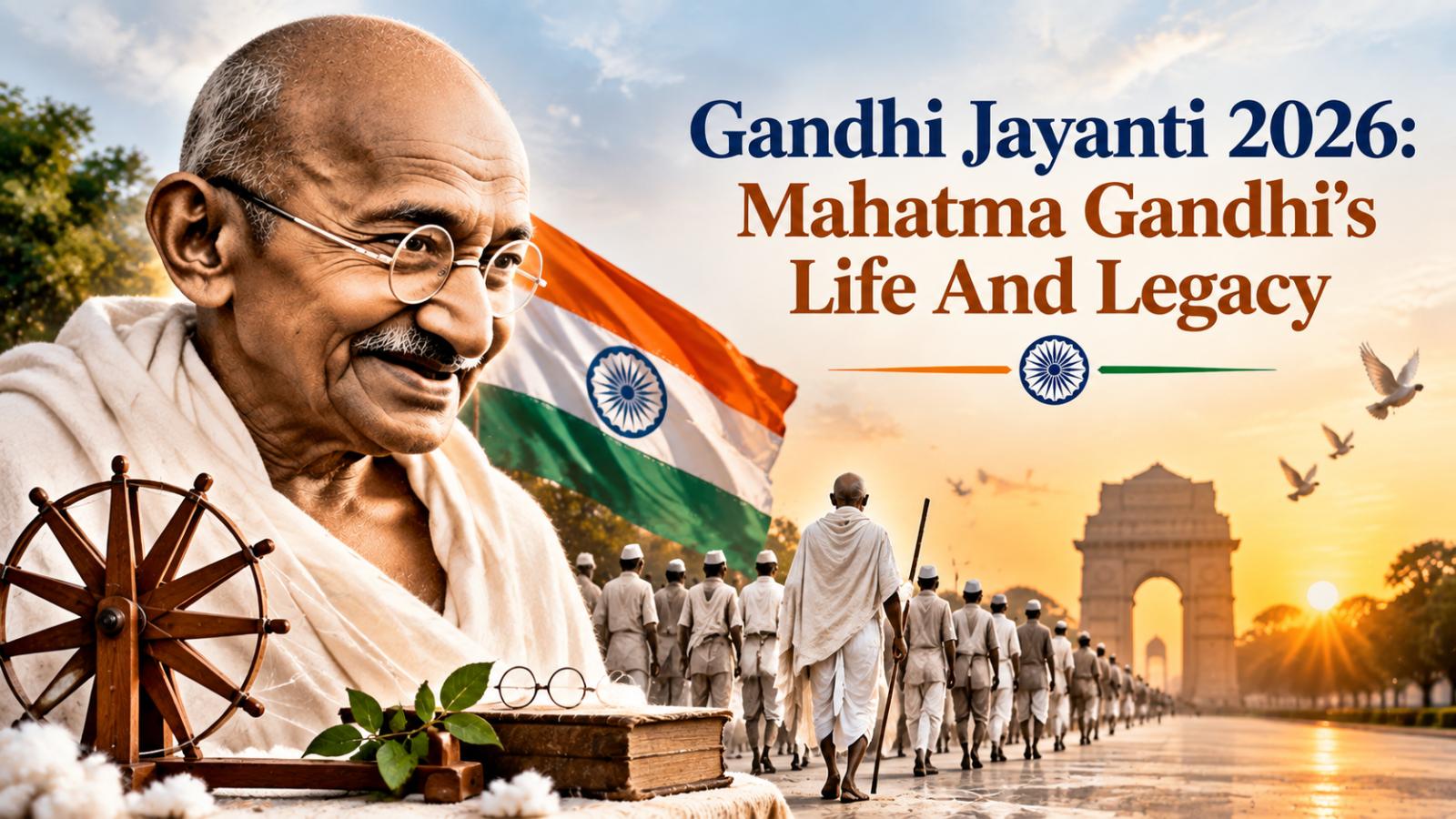
Every year on October 2, India and the world unite to celebrate Gandhi Jayanti, the birth anniversary of Mohandas Karamchand Gandhi, fondly called Bapu. In 2025, this day becomes even more special as it marks the 156th anniversary of the Father of the Nation. Gandhi Jayanti is not just a national holiday in India but also globally recognized as the International Day of Non-Violence, highlighting the universal appeal of Gandhi’s message of peace and trut
Gandhi Jayanti 2025: Date, History, Significance And Celebrations Of Mahatma Gandhi’s 156th Birth Anniversary
Every year on October 2, India and the world unite to celebrate Gandhi Jayanti, the birth anniversary of Mohandas Karamchand Gandhi, fondly called Bapu. In 2025, this day becomes even more special as it marks the 156th anniversary of the Father of the Nation. Gandhi Jayanti is not just a national holiday in India but also globally recognized as the International Day of Non-Violence, highlighting the universal appeal of Gandhi’s message of peace and trut
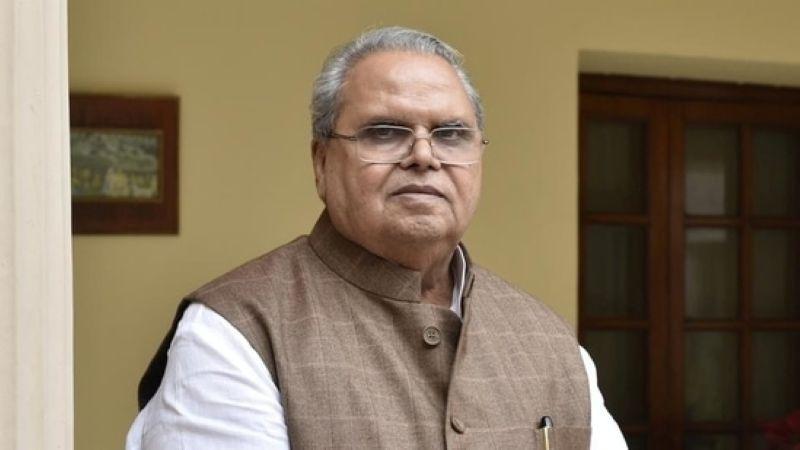
Former J&K Governor Satyapal Malik Dies at 79 After Prolonged Illness
Former Jammu and Kashmir Governor Satyapal Malik passed away at the age of 79 on Tuesday after a prolonged illness. The veteran politician died around 1:00 PM at Ram Manohar Lohia Hospital in New Delhi, where he had been undergoing treatment. Malik, a prominent political figure with a career spanning more than five decades, played a pivotal role in Indian politics and governance. He was notably the Governor during the historic abrogation of Article 370, a land
Former J&K Governor Satyapal Malik Dies at 79 After Prolonged Illness
Former Jammu and Kashmir Governor Satyapal Malik passed away at the age of 79 on Tuesday after a prolonged illness. The veteran politician died around 1:00 PM at Ram Manohar Lohia Hospital in New Delhi, where he had been undergoing treatment. Malik, a prominent political figure with a career spanning more than five decades, played a pivotal role in Indian politics and governance. He was notably the Governor during the historic abrogation of Article 370, a land


