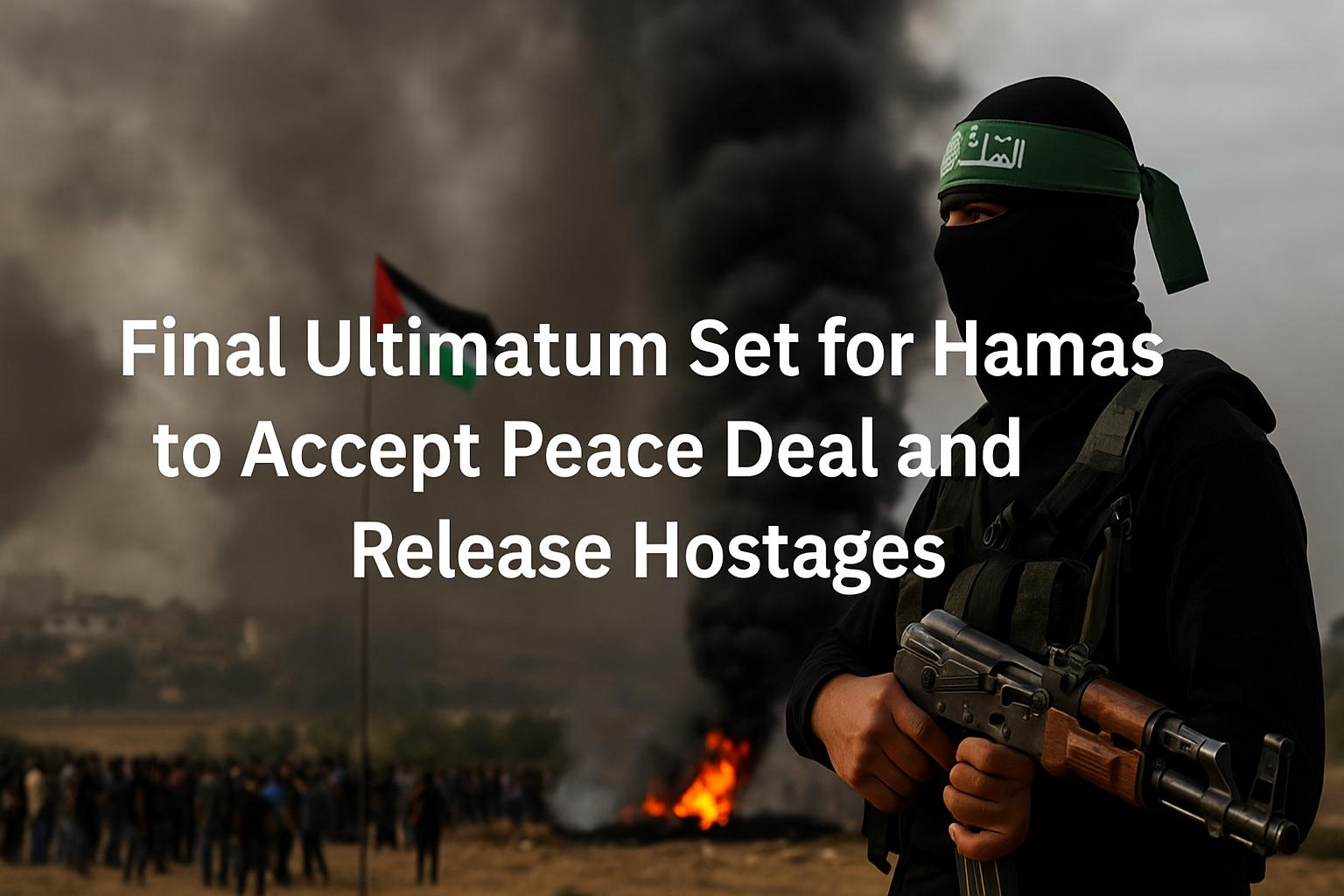
The proposed deal contains multiple elements aimed at reducing violence while addressing immediate humanitarian needs. Central to the agreement is the release of hostages, which negotiators argue is vital to building confidence and creating space for longer-term arrangements. The plan also includes measures for reducing armed clashes, opening humanitarian corridors, and laying the groundwork for reconstruction efforts in Gaza. Proponents emphasize that these steps are urgent and necessary for both the security of civilians and the stability of the region, while critics fear the pressured timeline may push parties into fragile commitments that could collapse under renewed tensions.
The humanitarian dimension of the crisis remains deeply concerning. Thousands of civilians continue to live under difficult conditions, with limited access to medical support, food, and shelter. Families of hostages endure profound uncertainty, desperately awaiting confirmation of the safety and return of their loved ones. Aid groups stress that immediate relief depends on the acceptance of arrangements that allow safe passage for supplies and the evacuation of vulnerable populations. Calls have intensified for all sides to safeguard civilians and to ensure that any ceasefire framework is enforceable and transparent.
International diplomacy has been active in pressing for progress, with regional and global actors working behind the scenes to encourage agreement. Private negotiations, appeals for restraint, and multilateral discussions have aimed to prevent escalation and to highlight the costs of failure. Yet, the ultimatum’s uncompromising tone has also prompted concern that if rejected, it could lead directly to heightened military action. Observers warn that a collapse of talks at this stage might prolong the conflict, deepen civilian suffering, and reduce trust in future peace efforts.
Political considerations also weigh heavily on the approach being taken. Leaders seeking to demonstrate resolve have framed the ultimatum as a necessary step after repeated failed negotiations. The firm deadline reflects frustration with stalemates and a desire to compel action, but it also increases pressure to show results quickly. Analysts point out that deals forged under such intense scrutiny often face challenges of durability, as long-term stability requires careful structuring and a genuine commitment from all parties involved.
As the deadline approaches, predictions about the outcome remain divided. Some suggest the threat of consequences will push Hamas toward acceptance, enabling the release of hostages and providing at least a temporary pause in violence. Others believe entrenched positions could lead to further conflict, especially if either side feels coerced into decisions they do not support. What remains certain is that the hours ahead will be decisive for both the future of the negotiations and the safety of countless civilians.
For communities directly affected, the stakes are immediate and personal. Families continue to wait for word on hostages, humanitarian groups prepare to respond to potential surges in displacement, and residents of conflict zones brace for either respite or renewed fighting. While the ultimatum underscores the urgency of the moment, it also highlights the complexity of achieving a balanced resolution in a conflict shaped by deep grievances and repeated cycles of violence. Whether this deadline marks a turning point toward peace or another escalation will depend on choices made in the critical hours ahead, choices that could shape the trajectory of the region for years to come.