Trump revisits Panama Canal transfer decision
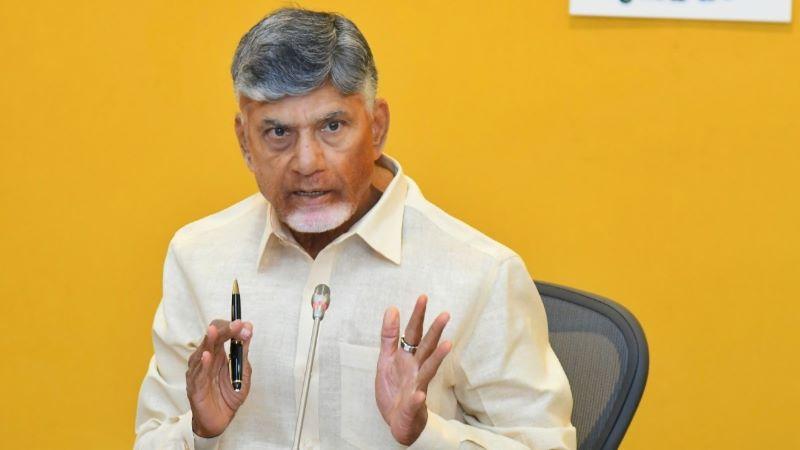
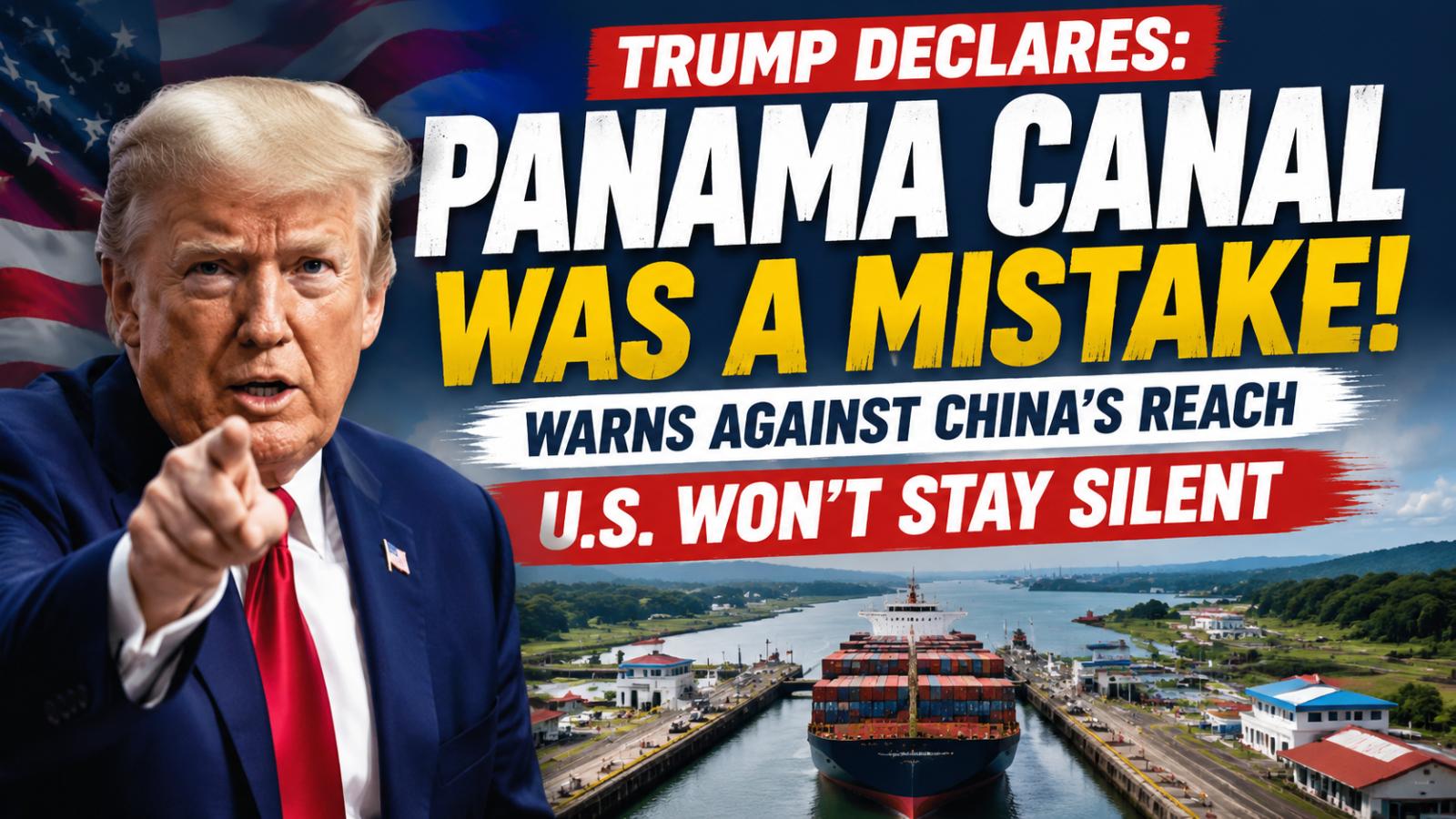
President Donald Trump has stated that the United States should never have transferred control of the Panama Canal to Panama, arguing that the decision has led to rising transit fees and potential geopolitical risks. Speaking at the opening of the Theodore Roosevelt Presidential Library in Medora, he criticised the 1977 agreement that eventually led to the full handover of the canal in 1999.
Trump claimed that shipping costs through the canal had increased significantly after the transfer, asserting that Panama has repeatedly raised transit charges without losing traffic. He also suggested that the United States would not allow China to expand its influence over the strategically vital waterway, framing the issue as part of broader global competition.
Strategic importance of the Panama Canal
The Panama Canal remains one of the most critical maritime trade routes in the world, handling a significant share of global shipping activity each year. Approximately five per cent of international maritime trade passes through the canal, representing hundreds of billions of dollars in cargo movement annually. It also plays a crucial role in US trade logistics, handling a substantial portion of container traffic linked to American ports.
The canal connects the Atlantic and Pacific Oceans through a narrow corridor in Panama, significantly reducing travel time for global shipping routes. Before its construction, vessels had to navigate the long and hazardous journey around the southern tip of South America, making global trade slower and more expensive.
Historical background of control transfer
The canal was originally constructed and operated by the United States in the early 20th century and remained under American control for decades. Under the Torrijos–Carter Treaties signed in 1977, the United States agreed to gradually transfer control to Panama, a process completed in 1999.
Supporters of the agreement have long argued that Panamanian administration improved regional sovereignty and operational efficiency, while critics continue to debate the long-term strategic implications of the handover.
Geopolitical concerns and global trade implications
Trump’s comments reflect ongoing concerns in US political discourse regarding strategic infrastructure and foreign influence in key global trade routes. His remarks also highlight increasing attention on China’s global economic footprint, particularly in infrastructure, logistics, and maritime sectors.
The Panama Canal continues to be a focal point in discussions about global supply chains, trade security, and geopolitical competition, given its role as a critical shortcut linking major ocean routes and facilitating international commerce.