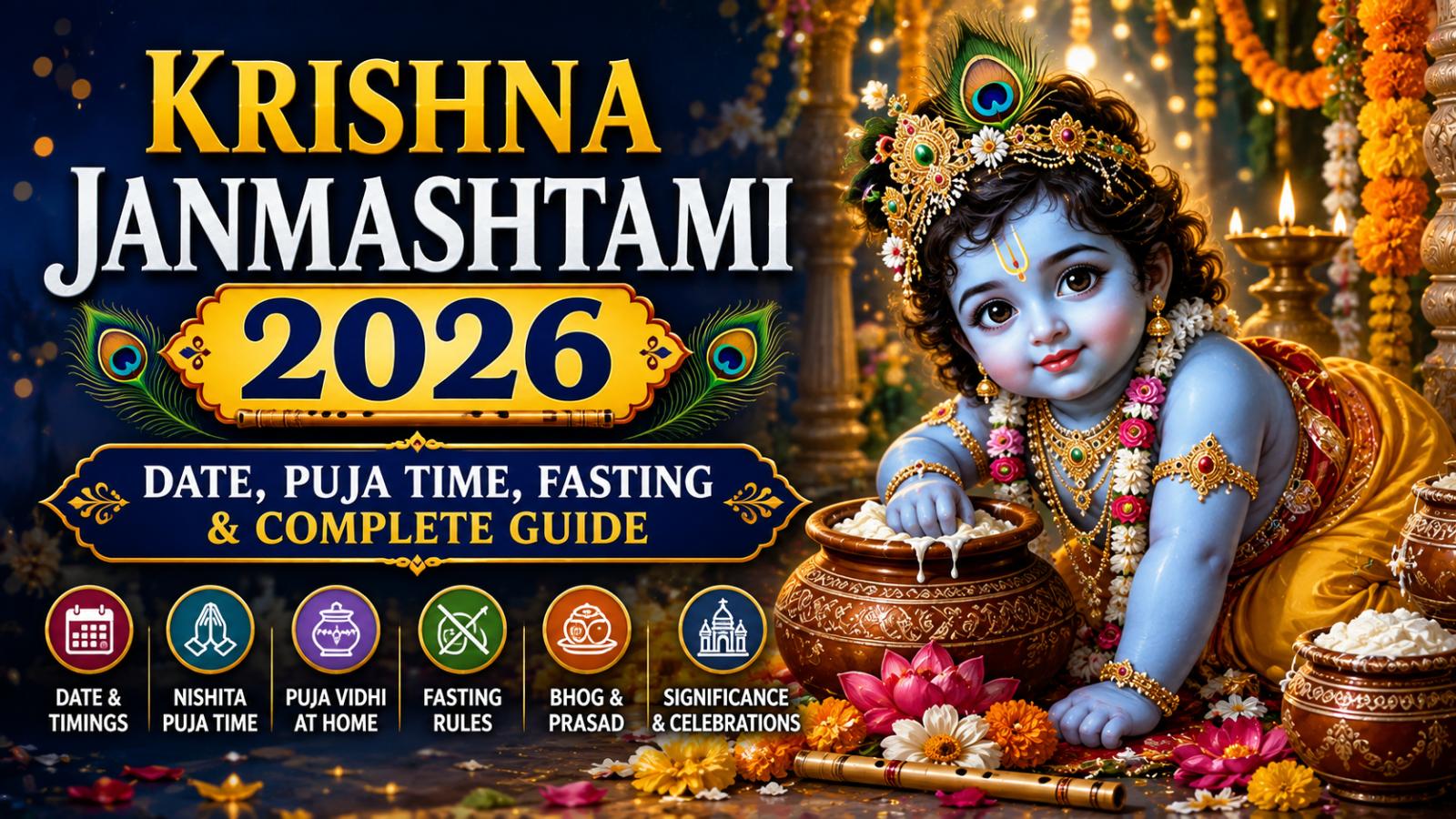
Krishna Janmashtami commemorates the birth of Lord Krishna, one of the most revered deities in Hindu tradition and regarded as the eighth incarnation of Lord Vishnu. The festival is observed according to the Hindu lunar calendar during Krishna Paksha Ashtami of the Shravana month.
Across the United States, Hindu families, temples and spiritual organizations celebrate Janmashtami with fasting, bhajans, kirtans, abhishekam, Bhagavad Gita readings, cultural programs and midnight worship.
In 2026, the exact observance date depends on the tradition followed. Traditional Smarta Panchang calculations for New York and Chicago place Janmashtami on Thursday, September 3, while ISKCON and many Vaishnava communities will celebrate Krishna Janmashtami on Friday, September 4.
Krishna Janmashtami 2026 Date and Time in USA
For devotees following ISKCON or Vaishnava traditions, Krishna Janmashtami will be celebrated on Friday, September 4, 2026.
Representative timings for the Eastern and Central United States are:
| Event | EDT – New York | CDT – Chicago |
|---|---|---|
| ISKCON Janmashtami | Friday, September 4 | Friday, September 4 |
| Nishita Puja | 12:33 AM–1:17 AM, September 5 | 12:27 AM–1:11 AM, September 5 |
| Midnight Moment | Around 12:55 AM | Around 12:49 AM |
| ISKCON Parana | After 6:27 AM, September 5 | After 6:20 AM, September 5 |
The exact Nishita Puja period varies by location because Hindu Panchang calculations depend on local sunrise, sunset and other astronomical factors.
Devotees should therefore confirm the final timing with their local temple before beginning the midnight puja.
For those following the traditional Smarta calendar, Janmashtami falls on Thursday, September 3, 2026, in both the New York and Chicago areas.
Ashtami and Rohini timings
New York – EDT:
Ashtami Tithi begins: Around 4:55 PM on September 3
Ashtami Tithi ends: Around 2:43 PM on September 4
Rohini Nakshatra begins: Around 2:59 PM on September 3
Rohini Nakshatra ends: Around 1:34 PM on September 4
Chicago – CDT:
Ashtami Tithi begins: Around 3:55 PM on September 3
Ashtami Tithi ends: Around 1:43 PM on September 4
Rohini Nakshatra begins: Around 1:59 PM on September 3
Rohini Nakshatra ends: Around 12:34 PM on September 4
Why Krishna Janmashtami Is Celebrated
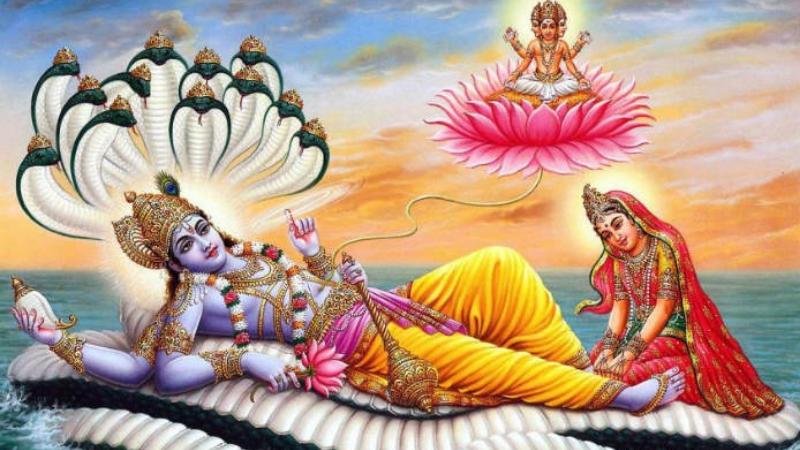
According to Hindu tradition, Krishna was born to Devaki and Vasudeva in Mathura. Devaki's brother Kamsa had imprisoned the couple after hearing a prophecy that Devaki's eighth child would ultimately end his oppressive rule.
Traditional accounts say Krishna was born during the night while the prison guards miraculously fell asleep and the prison doors opened. Vasudeva carried the newborn Krishna across the Yamuna River to Gokul, where he was raised by Nanda and Yashoda.
Krishna's birth is regarded as a symbol of the triumph of dharma over adharma and the arrival of hope during a period of injustice.
Janmashtami celebrations also honor Krishna's childhood as Bal Gopal or Laddu Gopal. Devotees decorate small cradles, offer butter and sweets and recreate the joyful atmosphere associated with the birth of a child.
Janmashtami Puja Vidhi at Home
Devotees generally begin Janmashtami by bathing in the morning, wearing clean clothes and preparing a clean prayer area.
The puja space can be decorated with flowers, lights, rangoli and small Krishna footprints representing Bal Gopal entering the home.
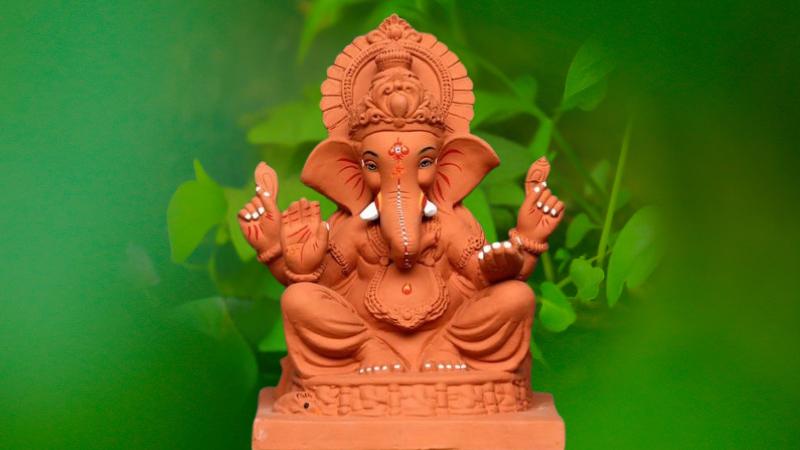
A Krishna idol or Laddu Gopal may be placed on a clean wooden platform or in a decorated cradle.
Before midnight worship, devotees may perform dhyana and make a sankalp to observe the Janmashtami vrat with devotion.
During the main puja, the Krishna idol is traditionally bathed with Panchamrit prepared from ingredients such as milk, curd, ghee, honey and sugar. Clean water may be used afterward to complete the ceremonial bath.
The deity is then dressed in fresh clothes and adorned with flowers, a crown, flute, jewelry and a peacock feather.
Tulsi leaves, incense and a diya are offered during the worship.
Popular bhog offerings include makhan-mishri, fruits, panjiri, kheer, milk-based sweets and Panchamrit.
At the Nishita Puja time, families may gently rock Krishna's decorated cradle while singing bhajans and performing aarti.
The celebrations often continue with devotional songs, chanting and distribution of prasad.
Janmashtami Story: Krishna Birth, Mantras, Meaning and Benefits
Janmashtami Fasting Rules
Many devotees observe a fast from morning until the completion of the midnight worship or until the prescribed Parana period.
The exact fasting tradition differs among families and religious communities.
Foods commonly consumed during a phalahar fast include:
- Fresh fruits
- Milk and yogurt
- Makhana
- Dry fruits and nuts
- Sabudana preparations
- Potatoes and sweet potatoes
- Samak rice
- Kuttu flour
- Singhara flour
- Coconut
- Sendha namak
Foods traditionally avoided include grains such as wheat and regular rice, pulses, lentils, onion, garlic, meat, fish, eggs and alcohol.
Some devotees observe a stricter nirjala fast without food or water, while others follow a fruit-and-dairy fast depending on health, age and family tradition.
Bhog Offered to Lord Krishna
Lord Krishna is traditionally associated with milk, curd and butter, making dairy-based preparations especially popular on Janmashtami.
Makhan-mishri is one of the best-known offerings and is associated with stories of young Krishna's fondness for butter.
Other common Janmashtami offerings include kheer, panjiri, dhaniya panjiri, laddus, pedas, seasonal fruits and Panchamrit.
Tulsi holds special importance in Krishna worship, and devotees commonly place a clean tulsi leaf over the bhog before offering it to the deity.
Food prepared for bhog is normally kept aside for the deity before being tasted and is later distributed as prasad.
How Janmashtami Is Celebrated in the United States
Janmashtami has become a major annual celebration at Hindu and ISKCON temples across the United States.
Temples may organize evening kirtans, Krishna bhajans, Bhagavad Gita discourses, children's cultural performances, devotional dramas, abhishekam and maha aarti.
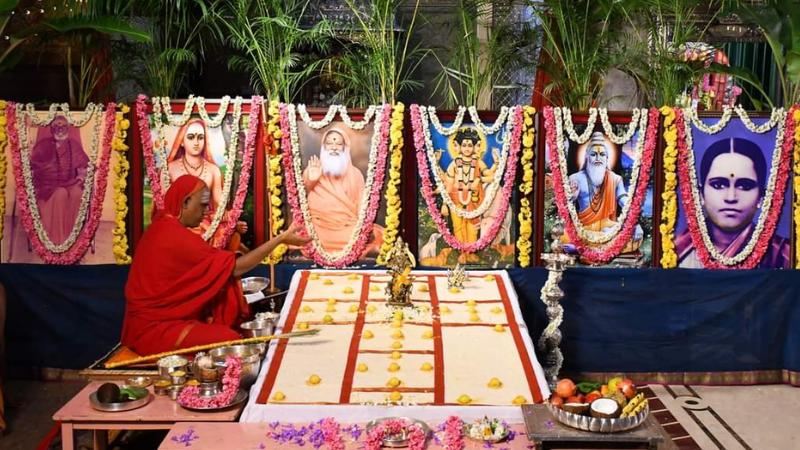
ISKCON New York City has scheduled its 2026 Sri Krishna Janmashtami program for Friday, September 4, with devotional activities extending into the night.
Families celebrating at home may decorate a Krishna jhula, prepare traditional sweets and arrange small footprints leading toward the home shrine.
Children are sometimes dressed as Krishna and Radha, while community events may include performances based on episodes from Krishna's childhood.
Unlike India, where large Dahi Handi celebrations are common in several states, U.S. celebrations tend to focus more heavily on temple worship, kirtans, cultural performances and community gatherings.
Astrological Significance of Janmashtami
Hindu tradition associates Krishna's birth with Krishna Paksha Ashtami and Rohini Nakshatra. These lunar and stellar positions play an important role in determining the Janmashtami date each year.
Because these astronomical conditions occur at different local times around the world, the U.S. Janmashtami date and puja timings should not be determined by directly converting Indian timings into EDT or CDT.
Local Panchang calculations are therefore important for devotees observing the vrat, Nishita Puja and Parana.
When to Break the Janmashtami Fast
For devotees following the ISKCON Janmashtami observance on Friday, September 4, representative fast-breaking times are:
New York and the Eastern Time Zone: after approximately 6:27 AM EDT on Saturday, September 5.
Chicago and the Central Time Zone: after approximately 6:20 AM CDT on Saturday, September 5.
These are representative timings for New York and Chicago rather than universal timings for every city in the Eastern and Central time zones.
Devotees should follow the Parana timing issued by their local temple or the Panchang traditionally followed by their family.
Krishna Janmashtami ultimately centers on devotion to Lord Krishna and his teachings of dharma, faith, wisdom and righteous action. Whether observed through fasting, midnight worship, kirtan or simple prayer at home, the festival remains an important spiritual occasion for Hindu communities across the United States.