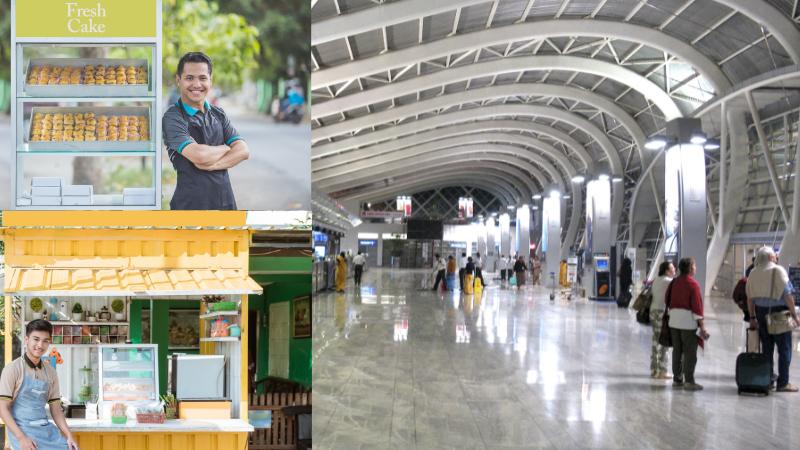
San Jose Mineta International Airport is undergoing a transformative shift in how it engages with travelers, by reimagining its retail experience to reflect the local culture and support small businesses. The airport has revamped its concession program to attract local vendors, giving them valuable exposure and a unique platform to showcase the best of what San Jose has to offer. This initiative is not just about food and merchandise—it’s about creating a deeper connection between the airport and the community it serves.
Through this new program, the airport aims to create a “sense of place” by offering local fare and retail that reflect the diversity and innovation of the region. With major events like the Super Bowl and the FIFA World Cup on the horizon, the city and airport are accelerating efforts to get a dozen new concessions up and running by the end of the year. The initiative is being administered through a kiosk program led by Provenzano Resources Inc., which allows local entrepreneurs to join the airport’s commercial scene with relatively low startup costs.
Airport Principal Property Manager Rebekah Bray emphasized the airport's goal of promoting diversity and opportunity. She noted that the new vendor lineup reflects the rich cultural fabric of San Jose and brings travelers closer to the city's identity. Bray highlighted how travelers increasingly look for authentic, local experiences, and this new program gives them a chance to support homegrown businesses right at the airport.
Earlier this year, the San Jose City Council approved a $17 million investment aimed at redeveloping airport concessions. Operating partners Hudson and Paradies Lagardere were chosen to manage the program, which will eventually include over 50 vendors. The city projects this initiative will generate $4.8 million annually in revenue. Offerings will include popular local items such as wine from J. Lohr, artwork by local collaborators, and specialty foods from businesses like Asian Box, Nirvana Soul, Nokki Farm, and Sweetdragon Baking Company.
For many of the vendors, the airport’s new retail vision represents a powerful growth opportunity. Dan Gordon of Gordon Biersch Brewing Company, which has had an airport location since 1996, said the visibility and customer sampling opportunities provided at SJC are unmatched. He acknowledged that the airport is often the first and last impression of a city, making it the ideal place to introduce visitors to the region's culture.
Similarly, local business owners like Lino “Linus” Arauz of Greenlee’s Bakery said that the airport’s focus on supporting small vendors is not just symbolic—it’s deeply practical. Arauz explained that the support from airport staff has been direct and consistent, despite the fact that smaller vendors may not generate as much revenue as national chains. He praised the program’s inclusivity and its ability to bring lesser-known brands into the spotlight.
Newer kiosk operators are also seeing the benefits. Dana Arauz, who owns the San Jose Socks kiosk, said the program is financially feasible for emerging entrepreneurs. Her kiosk offers quirky socks and boxers featuring playful patterns like cats, sharks, and dinosaurs. She appreciated the accessibility of the Provenzano program and the community-based support offered by airport management.
Other vendors, such as Mike & Niki’s Honey Company, are using the opportunity to introduce their locally sourced honey to a broader audience. Co-owner Niki Canotas expressed excitement over the chance to present their products to millions of travelers. She emphasized that customers often enjoy supporting small, local businesses and that the airport platform brings that possibility to life.
Bianca Wilczoch, president of WSE Group, has worked in SJC for more than two decades. After gaining a direct lease with the airport in 2019, she has seen firsthand both the opportunities and challenges of operating within an airport environment. While delays in the openings of two of her eateries initially impacted staffing levels, she emphasized the importance of flexibility and determination. Airport operations require compliance with several regulations, but she said the support from airport officials makes a big difference. Wilczoch also stressed the family-like environment among small business operators at SJC, noting that despite the challenges, there is a strong community bond and a shared drive to succeed.
Overall, the San Jose airport’s retail reinvention is more than a business decision—it’s a cultural and economic strategy. By turning its terminals into showcases of local talent and entrepreneurship, SJC is making the airport experience more meaningful for travelers while uplifting small business owners who represent the heartbeat of the city. With strong support from city officials, operating partners, and airport leadership, San Jose Mineta International Airport is setting an example of how public spaces can become true reflections of the communities they serve.