It has been more than two weeks since the rollout of GST 2.0 on September 22, but a nationwide consumer survey indicates that the expected benefits of lower taxes are not being fully passed on to buyers. The reform, which aimed to make a wide range of goods and services more affordable, appears to have produced uneven results across product categories, with automobiles emerging as the only sector showing substantial price reductions.
According to a large-scale survey conducted across 332 districts, the impact of GST 2.0 varies widely depending on what consumers are purchasing. While some high-value items like cars have seen noticeable price cuts, everyday essentials and medicines continue to be sold at prices close to pre-reform levels. The survey collected over 78,000 responses from more than 27,000 citizens across India, ensuring representation from both urban and rural populations. Participants included 66 percent men and 34 percent women, with 43 percent from tier-1 cities, 24 percent from tier-2 regions, and the remaining 33 percent from smaller towns and rural districts.
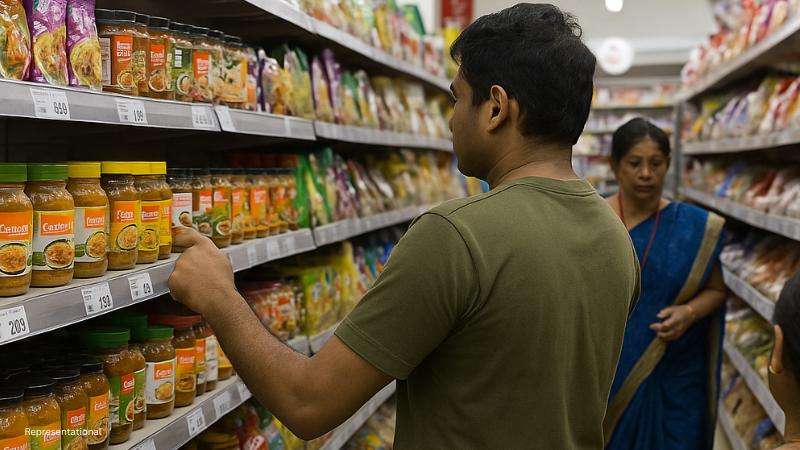
The results reveal a significant gap between the policy’s intent and its implementation. For packaged foods, only 10 percent of respondents said they saw a full reduction in prices that reflected the lower GST rate, while another 21 percent experienced a partial benefit. Nearly half of those surveyed, around 47 percent, reported no visible change in prices despite the tax cut. The situation is similar in the pharmaceutical segment. Only one in ten medicine buyers said they received the complete benefit of the GST reduction, while 24 percent experienced limited relief and over 60 percent observed no change at all.
In contrast, higher-value goods such as home appliances, white goods, and consumer electronics have shown a slightly better response. About 34 percent of consumers reported that the full GST reduction was passed on to them, and another 33 percent said they received partial relief. The automobile sector, however, stood out as the most effective in transmitting the tax benefits to consumers. Around 76 percent of car buyers said they enjoyed the complete benefit of reduced GST rates, while 24 percent acknowledged partial price cuts.
The GST 2.0 reforms were designed to reduce rates on approximately 80 categories of goods and services, ranging from daily-use items to aspirational purchases. Essentials like paneer and UHT milk were brought into the 0–5 percent tax bracket, while several medicines now attract only 5 percent GST. Premium consumer items, including cars, air conditioners, refrigerators, and large televisions, saw their tax rates lowered from 28 percent to 18 percent. The goal was to boost affordability, stimulate demand, and simplify compliance under a more streamlined tax regime.
Despite these changes, implementation challenges persist. Many consumers reported that retailers and online platforms have yet to fully update their prices to reflect the new tax structure. Instances were noted where older stock is still being sold at pre-GST prices, or where online shopping platforms continue to list outdated maximum retail prices. This has limited the reach of GST 2.0’s intended benefits, especially in fast-moving consumer goods and medicines where distribution networks are large and complex.
Industry observers say the lag is partly due to supply chain issues. Smaller retailers often hesitate to reduce prices until they clear older inventories purchased at higher tax rates, as doing so could lead to losses. Similarly, brands and manufacturers are still adjusting their pricing systems and coordinating with distributors to ensure accurate compliance. In categories with millions of retail outlets, such as packaged foods and pharmaceuticals, ensuring a consistent and timely pass-through of tax cuts is proving difficult.
The survey findings also underline the need for greater regulatory oversight to ensure that consumers truly benefit from GST reforms. Without strict enforcement and transparent pricing updates, the tax cuts may remain largely on paper, failing to deliver meaningful relief to the average Indian household. Economic experts believe that GST 2.0 has the potential to improve affordability and consumption in the medium term, but its success will depend on faster adaptation by retailers, manufacturers, and e-commerce platforms.
Ultimately, GST 2.0 represents a significant policy step toward simplifying India’s indirect tax framework and encouraging spending. However, for its promise to translate into real-world impact, policymakers and the private sector will need to work together to close the gap between tax reduction and consumer pricing. Until then, many buyers across the country may continue to wait for the savings that were meant to accompany this much-anticipated reform.