










Celeste frozen pizza discontinued in US after 60 years
Celeste frozen pizza discontinued in the US after Conagra Brands ended production of the longtime grocery staple. The company cited portfolio simplification and stronger profit opportunities. Remaining pizzas may still be sold until existing retailer inventory runs out. Chicago-based Conagra Brands has discontinued Celeste frozen pizza after more than six decades in the American market. Production has stopped, although remaining pizzas may still be available at US g
Celeste frozen pizza discontinued in US after 60 years
Celeste frozen pizza discontinued in the US after Conagra Brands ended production of the longtime grocery staple. The company cited portfolio simplification and stronger profit opportunities. Remaining pizzas may still be sold until existing retailer inventory runs out. Chicago-based Conagra Brands has discontinued Celeste frozen pizza after more than six decades in the American market. Production has stopped, although remaining pizzas may still be available at US g
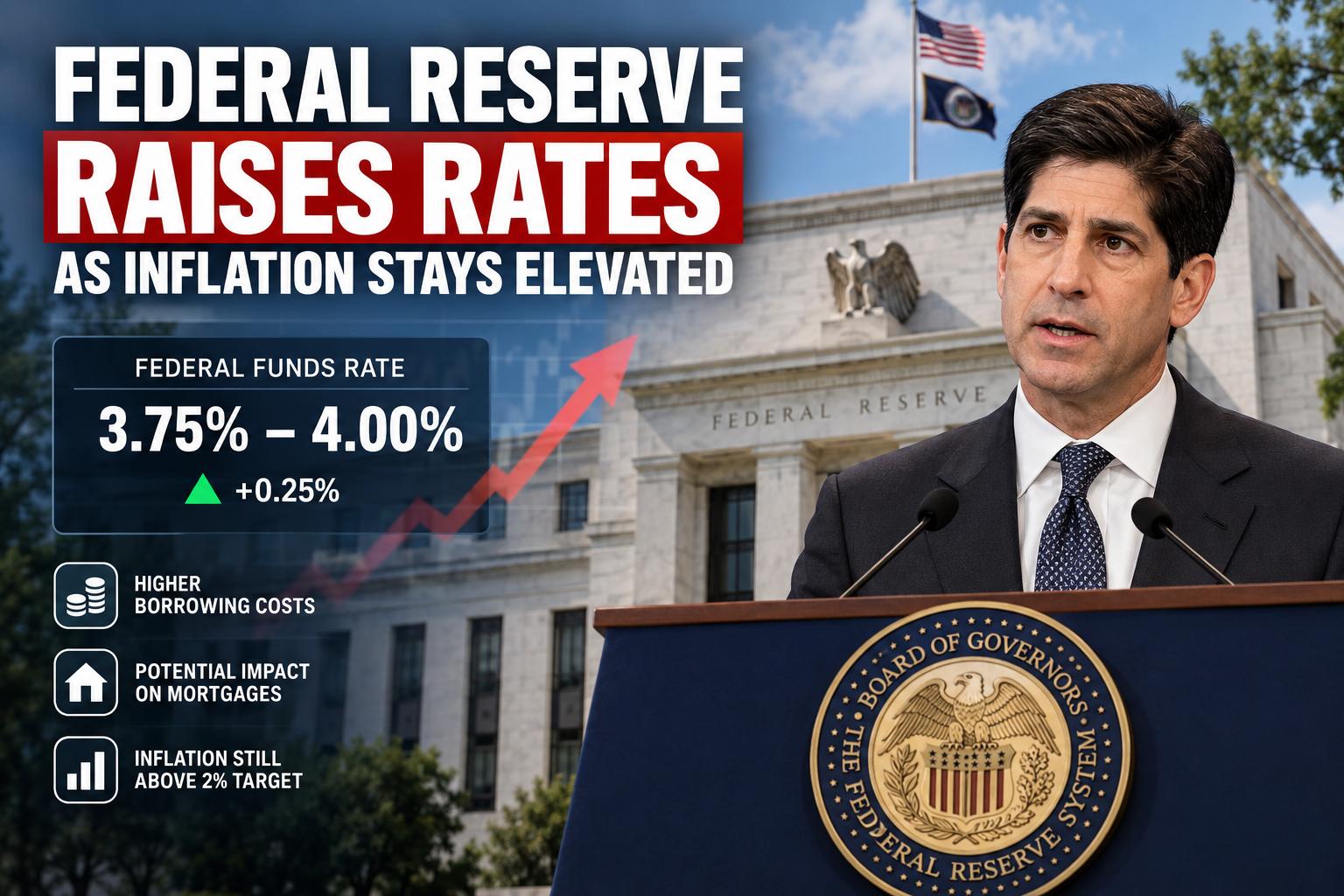
Federal Reserve raises rates to 3.75%-4% as inflation stays high
The Federal Reserve raised its benchmark rate to 3.75%-4.00% on September 16, 2026, its first increase since July 2023. Inflation remains above the 2% goal, while new Fed projections imply another quarter-point increase could follow before the end of this year. The Federal Reserve raised the target range for the federal funds rate by 0.25 percentage point on Wednesday, September 16, 2026, to 3.75%-4.00%. T
Federal Reserve raises rates to 3.75%-4% as inflation stays high
The Federal Reserve raised its benchmark rate to 3.75%-4.00% on September 16, 2026, its first increase since July 2023. Inflation remains above the 2% goal, while new Fed projections imply another quarter-point increase could follow before the end of this year. The Federal Reserve raised the target range for the federal funds rate by 0.25 percentage point on Wednesday, September 16, 2026, to 3.75%-4.00%. T

How much does it cost to open a convenience store in the US?
The cost to open a convenience store in the US can vary widely by location, size and product mix. A no-fuel store may require roughly $100,000 to $450,000 in startup capital, with rent, buildout, refrigeration, inventory, permits, insurance and working capital among the biggest expenses. Opening a convenience store in the United States can require a substantial investment. There is no government-set national startup price
How much does it cost to open a convenience store in the US?
The cost to open a convenience store in the US can vary widely by location, size and product mix. A no-fuel store may require roughly $100,000 to $450,000 in startup capital, with rent, buildout, refrigeration, inventory, permits, insurance and working capital among the biggest expenses. Opening a convenience store in the United States can require a substantial investment. There is no government-set national startup price

How to open a convenience store in the US as an Indian
Want to open a convenience store in the US as an Indian? This guide explains business formation, EIN registration, choosing a location, retail and food permits, insurance, inventory, employees and the immigration rules Indian entrepreneurs must consider. Indian citizens can generally own convenience stores in the United States, but opening one involves more than registering a company. Location, licenses, taxes, food regula
How to open a convenience store in the US as an Indian
Want to open a convenience store in the US as an Indian? This guide explains business formation, EIN registration, choosing a location, retail and food permits, insurance, inventory, employees and the immigration rules Indian entrepreneurs must consider. Indian citizens can generally own convenience stores in the United States, but opening one involves more than registering a company. Location, licenses, taxes, food regula

Shops at North Bridge plans major Magnificent Mile renovation
The Shops at North Bridge renovation will modernize the Chicago mall with redesigned Michigan and Grand avenue entrances, an LED archway, hospitality-inspired interiors and a new tenant strategy. Work begins in August 2026, with the exterior due in 2027. Chicago’s Shops at North Bridge announced on Thursday, August 6, 2026, that it will begin a phased, multimillion-dollar renovation intended to modernize the shopping complex and strengthen its connection to the Ma
Shops at North Bridge plans major Magnificent Mile renovation
The Shops at North Bridge renovation will modernize the Chicago mall with redesigned Michigan and Grand avenue entrances, an LED archway, hospitality-inspired interiors and a new tenant strategy. Work begins in August 2026, with the exterior due in 2027. Chicago’s Shops at North Bridge announced on Thursday, August 6, 2026, that it will begin a phased, multimillion-dollar renovation intended to modernize the shopping complex and strengthen its connection to the Ma

Central Ohio Men Accused in $340K Credit Card Fraud Scheme
Three central Ohio men are accused in a $340,729 credit card fraud case tied to alleged Synchrony Bank account takeovers, according to Franklin County investigators. The Franklin County Sheriff’s Office is investigating what authorities described as a Columbus-area scheme involving fraudulent address changes, replacement credit cards and retail purchases at stores including Lowe’s, Walmart and Kroger. Central Ohio Credit Card Fraud Case Involves Account Takeov
Central Ohio Men Accused in $340K Credit Card Fraud Scheme
Three central Ohio men are accused in a $340,729 credit card fraud case tied to alleged Synchrony Bank account takeovers, according to Franklin County investigators. The Franklin County Sheriff’s Office is investigating what authorities described as a Columbus-area scheme involving fraudulent address changes, replacement credit cards and retail purchases at stores including Lowe’s, Walmart and Kroger. Central Ohio Credit Card Fraud Case Involves Account Takeov
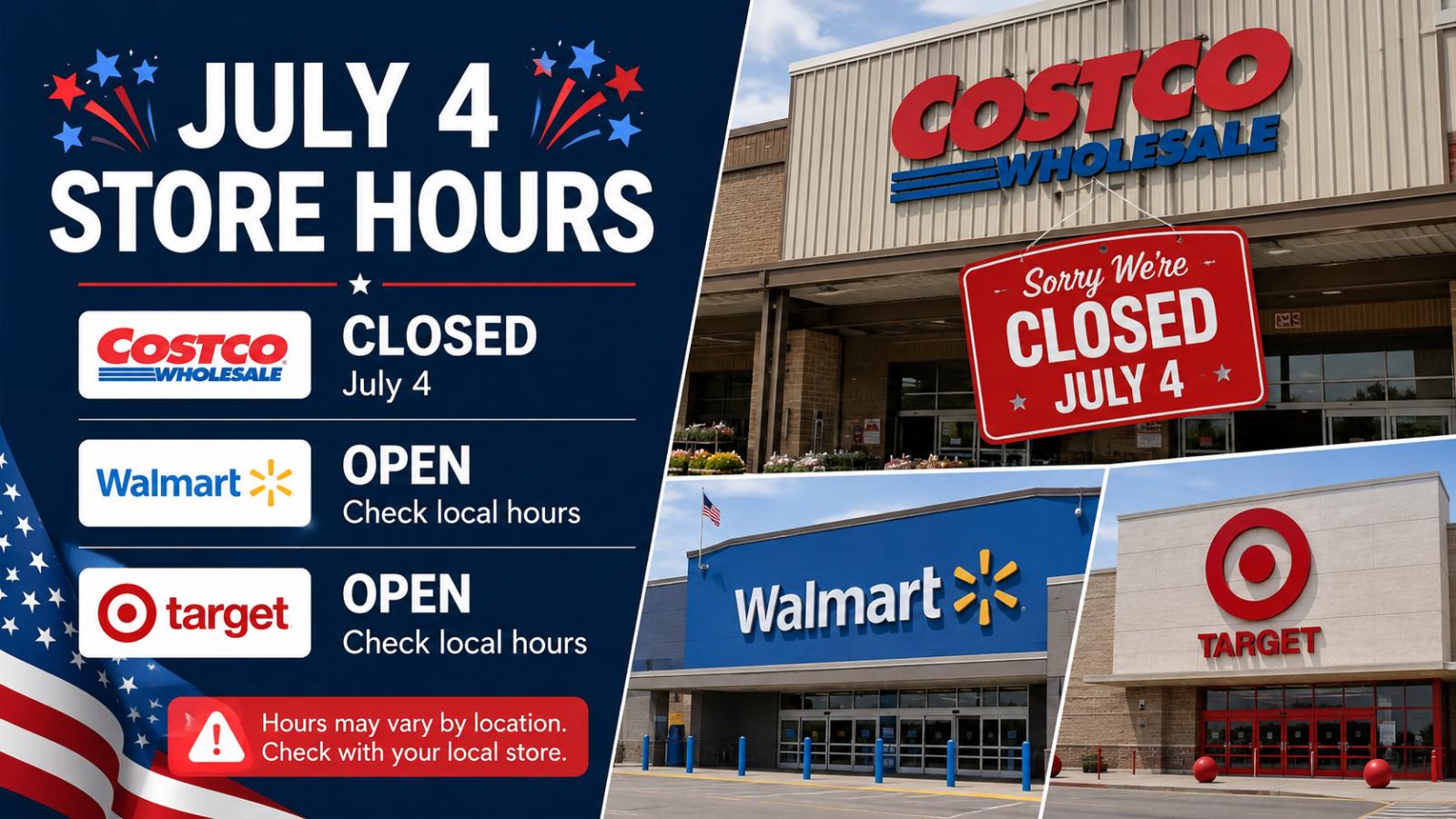
Is Costco Open on July 4? What to Know About Independence Day Store Hours
Costco is closed on July 4 for Independence Day, while many major retailers and grocery stores are expected to remain open with possible reduced holiday hours. The holiday closure may affect shoppers planning last-minute grocery runs, party supplies or pharmacy visits. Costco is among the major retailers that close for Independence Day, along with Heinen’s, according to the store-hour information provided. Costco July 4 Ho
Is Costco Open on July 4? What to Know About Independence Day Store Hours
Costco is closed on July 4 for Independence Day, while many major retailers and grocery stores are expected to remain open with possible reduced holiday hours. The holiday closure may affect shoppers planning last-minute grocery runs, party supplies or pharmacy visits. Costco is among the major retailers that close for Independence Day, along with Heinen’s, according to the store-hour information provided. Costco July 4 Ho

Bath & Body Works at Ulta Beauty: Juniper Breeze returns in 600-store fragrance launch
Bath & Body Works at Ulta Beauty will become a new shopping option for fragrance, body care and candle customers as the retailer expands beyond its own stores. The rollout is scheduled to begin July 12, with select Bath & Body Works products available in more than 600 Ulta Beauty stores and on Ulta.com. The source information said the companies announced the partnership on June 23, but it did not provide a year, day of the week or exac
Bath & Body Works at Ulta Beauty: Juniper Breeze returns in 600-store fragrance launch
Bath & Body Works at Ulta Beauty will become a new shopping option for fragrance, body care and candle customers as the retailer expands beyond its own stores. The rollout is scheduled to begin July 12, with select Bath & Body Works products available in more than 600 Ulta Beauty stores and on Ulta.com. The source information said the companies announced the partnership on June 23, but it did not provide a year, day of the week or exac
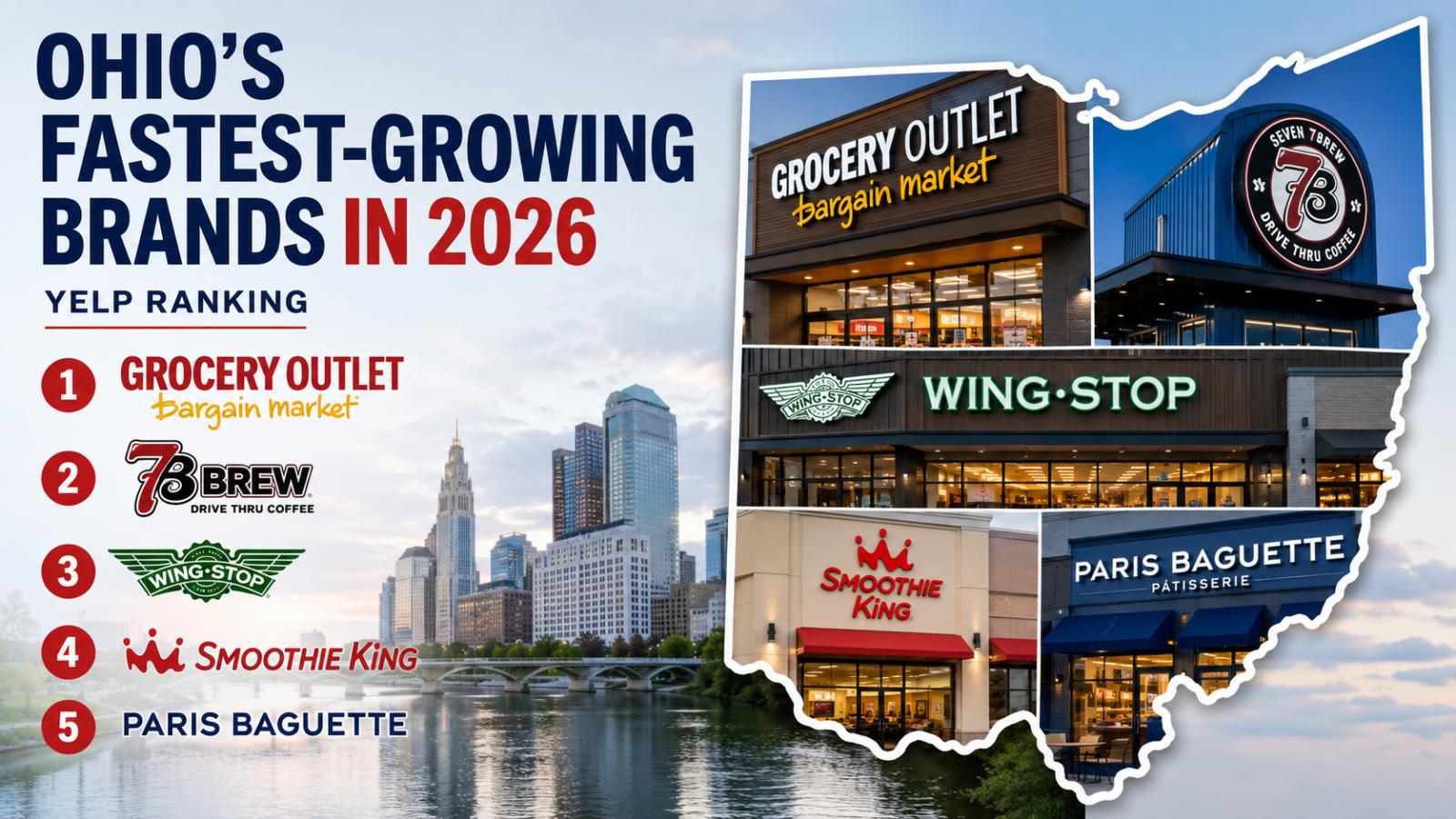
Grocery Outlet Is Ohio’s Fastest-Growing Brand in Yelp’s 2026 Ranking
Grocery Outlet is Ohio’s fastest-growing brand in Yelp’s 2026 analysis, placing ahead of 7 Brew, Wingstop, Smoothie King and Paris Baguette. Yelp released the report on Tuesday, June 9, 2026, after comparing business and consumer activity in 2025 with 2024. The ranking combined net new business openings, changes in Yelp searches and consumer activity, including business-page views, photo uploads and reviews. Why Grocery Outlet ranked No. 1 in Ohio
Grocery Outlet Is Ohio’s Fastest-Growing Brand in Yelp’s 2026 Ranking
Grocery Outlet is Ohio’s fastest-growing brand in Yelp’s 2026 analysis, placing ahead of 7 Brew, Wingstop, Smoothie King and Paris Baguette. Yelp released the report on Tuesday, June 9, 2026, after comparing business and consumer activity in 2025 with 2024. The ranking combined net new business openings, changes in Yelp searches and consumer activity, including business-page views, photo uploads and reviews. Why Grocery Outlet ranked No. 1 in Ohio

Hollister Target Dorm Collection Launches June 28 for U.S. Shoppers
Hollister is launching a Target dorm collection featuring nearly 60 bedding, home decor and apparel products for college and back-to-school shoppers. The collection arrives online and in most Target stores June 28, with prices starting at $19.95. Hollister Target Dorm Collection Includes Bedding and Decor Called “The Hollister Collection at Target,” the line marks Hollister’s first expansion into home and decor merchandise. The teen-focused retaile
Hollister Target Dorm Collection Launches June 28 for U.S. Shoppers
Hollister is launching a Target dorm collection featuring nearly 60 bedding, home decor and apparel products for college and back-to-school shoppers. The collection arrives online and in most Target stores June 28, with prices starting at $19.95. Hollister Target Dorm Collection Includes Bedding and Decor Called “The Hollister Collection at Target,” the line marks Hollister’s first expansion into home and decor merchandise. The teen-focused retaile
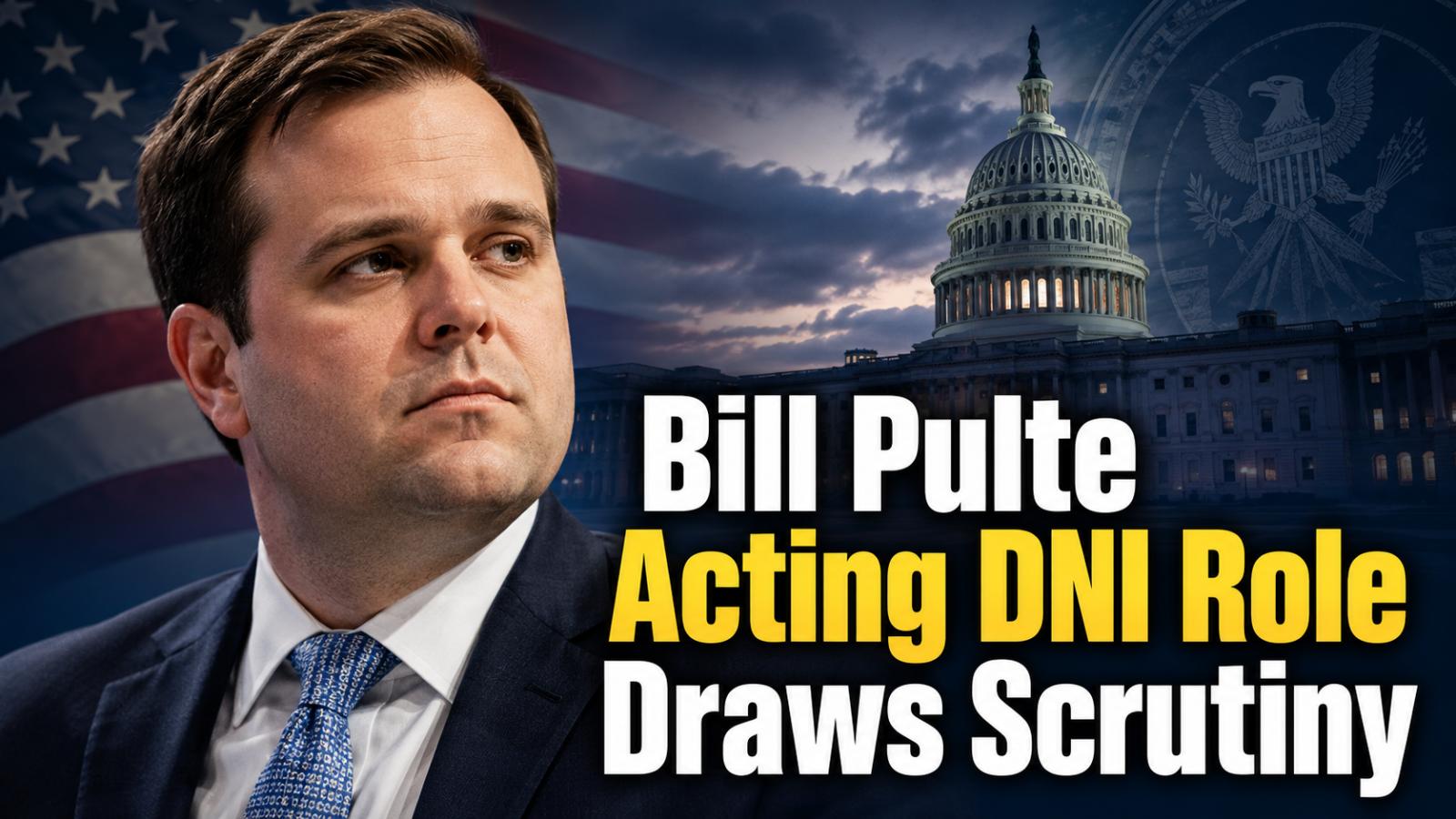
Bill Pulte Acting DNI Role Sparks Debate Over Experience, FHFA Power and Online Past
Bill Pulte’s temporary move into the acting Director of National Intelligence role has quickly become one of the most debated political stories in Washington. President Donald Trump selected Pulte, the head of the Federal Housing Finance Agency, for the acting intelligence post, creating immediate questions about experience, authority and national security judgment. Pulte is not a traditional intelligence figure. His public career has been built around business, housing finance, politics and online influence, not foreign threats, classified briefings or intelligence operations. That contrast is the main reason his appointment is drawing attention from both supporters and critics. Trump has said Pulte will not be nominated for the permanent DNI position, which makes the role temporary. But even a short-term intelligence appointment matters because the office is connected to highly sensitive information, national security decisions and coordination across America’s intelligence agencies. From Housing Regulator to Intelligence Role Before this acting intelligence assignment, Pulte was best known for leading the Federal Housing Finance Agency. The FHFA plays a major role in the U.S. housing market because it oversees important housing finance institutions connected to Fannie Mae and Freddie Mac. That is a powerful financial position, but it is very different from managing intelligence matters. Housing regulation deals with mortgage markets, financial stability and housing policy. The DNI role deals with threats from foreign governments, cyber risks, classified intelligence, terrorism, surveillance and national security strategy. This gap is what makes the appointment controversial. Supporters argue that Pulte has handled sensitive financial responsibilities and understands large institutions. Critics say that financial oversight is not the same as national security leadership. Experience Questions Become the Main Issue The biggest concern around Bill Pulte’s acting DNI role is experience. Lawmakers and national security observers are asking whether someone without a long intelligence background should temporarily lead such a sensitive part of the federal government. The debate is not only about Pulte personally. It is also about the standard expected for intelligence leadership. The U.S. intelligence system depends on trust, professionalism and careful handling of classified material. Any appointment to that space naturally receives closer scrutiny than an ordinary political post. For Trump’s supporters, Pulte represents an outsider who is loyal, energetic and willing to challenge Washington habits. For critics, that same outsider status is the problem. They argue that the intelligence community is not the right place for political experimentation. Online Past Adds Another Layer to the Debate Pulte’s online history is also part of the discussion. Before becoming a major government figure, he built a large public following through social media activity and online philanthropy. He became known for giving money to people online, interacting directly with followers and building a strong digital image. That online presence helped him gain popularity among everyday users and retail investor communities. But in Washington, a large and emotional online following can be viewed in two ways. It can be seen as proof of public connection, or it can raise questions about judgment, influence and political messaging. This is why his online past has returned to the spotlight. The acting DNI role is not just another public-facing job. It is tied to classified information and national security. Public behavior, online statements and political alliances are therefore being examined more closely. Meme Stock and Bed Bath Beyond Links Resurface Another part of Pulte’s public image comes from his connection with retail investor circles, especially communities that followed meme-stock stories. His name became familiar among online groups that discussed companies such as Bed Bath & Beyond after its collapse. Some retail investors continued to believe that the company could return in a new form. Pulte appeared in related discussions and became a known figure among people following that story. Bed Bath & Beyond was not revived in the way many online supporters hoped, but the association remained part of his public profile. This does not automatically disqualify him from public service. But it does shape perception. Critics may use it to question seriousness and judgment, while supporters may argue that it shows he understands ordinary investors and online communities better than traditional Washington insiders. Why National Security Critics Are Concerned The concern around Pulte’s acting DNI role is simple: intelligence leadership carries real consequences. The person in that position may be connected to information about foreign threats, cyberattacks, military risks, surveillance programs and sensitive government operations. Critics worry that a politically loyal figure with limited intelligence experience could weaken public confidence in the office. They also worry about whether sensitive intelligence could become part of political battles. This is where the debate becomes bigger than Pulte. The appointment raises a broader question: should temporary intelligence leaders come from inside the national security world, or can presidents place trusted political allies in those roles for short periods? Supporters See Loyalty and Business Discipline Pulte’s supporters view the issue differently. They argue that Washington often protects insiders and resists outsiders who challenge the system. From their perspective, Pulte’s business background and FHFA leadership show that he can manage complex institutions. They also say Trump wants people he trusts in key government roles. In a temporary acting position, supporters believe Pulte can bring discipline, loyalty and fresh thinking without needing to become a lifelong intelligence professional. This argument may appeal to voters who are tired of traditional Washington appointments. However, it may not fully answer the core concern: intelligence work is specialized, and mistakes in that space can be costly. Political Loyalty Becomes Part of the Story Pulte is widely seen as a Trump ally, and that political connection is central to the controversy. In normal circumstances, presidents often choose people they trust. But intelligence roles are expected to maintain a high level of independence and professionalism. That is why political loyalty becomes sensitive here. If the public sees the intelligence office as too political, trust can fall. If lawmakers believe the role is being used for political purposes, confirmation fights and oversight battles become more intense. Trump’s decision to keep the role temporary may reduce some pressure, but it does not end the debate. Even temporary appointments can influence policy, access information and send a message about how the administration views intelligence leadership. What This Means for Pulte and Trump For Bill Pulte, the acting DNI role brings national attention far beyond housing policy. His FHFA record, online past, meme-stock associations and political loyalty are all now being discussed together. For Trump, the appointment fits a familiar pattern of choosing loyal outsiders for powerful roles. That approach energizes supporters but often creates friction with lawmakers, experts and institutions. The political risk is clear. If Pulte performs quietly and temporarily, the controversy may fade. If he becomes involved in highly political intelligence matters, the scrutiny will grow much stronger. Final Takeaway Bill Pulte’s acting DNI role is not just a personnel story. It is a test of how far political loyalty, business experience and outsider appeal can go in a role traditionally tied to national security expertise. His supporters see a capable Trump ally with financial leadership experience. His critics see a housing regulator with limited intelligence credentials and a complicated online image entering one of the most sensitive areas of government. For now, the role is temporary. But the debate around Bill Pulte, the FHFA, online influence, meme-stock culture and U.S. intelligence leadership is likely to remain a major Washington talking point.
Bill Pulte Acting DNI Role Sparks Debate Over Experience, FHFA Power and Online Past
Bill Pulte’s temporary move into the acting Director of National Intelligence role has quickly become one of the most debated political stories in Washington. President Donald Trump selected Pulte, the head of the Federal Housing Finance Agency, for the acting intelligence post, creating immediate questions about experience, authority and national security judgment. Pulte is not a traditional intelligence figure. His public career has been built around business, housing finance, politics and online influence, not foreign threats, classified briefings or intelligence operations. That contrast is the main reason his appointment is drawing attention from both supporters and critics. Trump has said Pulte will not be nominated for the permanent DNI position, which makes the role temporary. But even a short-term intelligence appointment matters because the office is connected to highly sensitive information, national security decisions and coordination across America’s intelligence agencies. From Housing Regulator to Intelligence Role Before this acting intelligence assignment, Pulte was best known for leading the Federal Housing Finance Agency. The FHFA plays a major role in the U.S. housing market because it oversees important housing finance institutions connected to Fannie Mae and Freddie Mac. That is a powerful financial position, but it is very different from managing intelligence matters. Housing regulation deals with mortgage markets, financial stability and housing policy. The DNI role deals with threats from foreign governments, cyber risks, classified intelligence, terrorism, surveillance and national security strategy. This gap is what makes the appointment controversial. Supporters argue that Pulte has handled sensitive financial responsibilities and understands large institutions. Critics say that financial oversight is not the same as national security leadership. Experience Questions Become the Main Issue The biggest concern around Bill Pulte’s acting DNI role is experience. Lawmakers and national security observers are asking whether someone without a long intelligence background should temporarily lead such a sensitive part of the federal government. The debate is not only about Pulte personally. It is also about the standard expected for intelligence leadership. The U.S. intelligence system depends on trust, professionalism and careful handling of classified material. Any appointment to that space naturally receives closer scrutiny than an ordinary political post. For Trump’s supporters, Pulte represents an outsider who is loyal, energetic and willing to challenge Washington habits. For critics, that same outsider status is the problem. They argue that the intelligence community is not the right place for political experimentation. Online Past Adds Another Layer to the Debate Pulte’s online history is also part of the discussion. Before becoming a major government figure, he built a large public following through social media activity and online philanthropy. He became known for giving money to people online, interacting directly with followers and building a strong digital image. That online presence helped him gain popularity among everyday users and retail investor communities. But in Washington, a large and emotional online following can be viewed in two ways. It can be seen as proof of public connection, or it can raise questions about judgment, influence and political messaging. This is why his online past has returned to the spotlight. The acting DNI role is not just another public-facing job. It is tied to classified information and national security. Public behavior, online statements and political alliances are therefore being examined more closely. Meme Stock and Bed Bath Beyond Links Resurface Another part of Pulte’s public image comes from his connection with retail investor circles, especially communities that followed meme-stock stories. His name became familiar among online groups that discussed companies such as Bed Bath & Beyond after its collapse. Some retail investors continued to believe that the company could return in a new form. Pulte appeared in related discussions and became a known figure among people following that story. Bed Bath & Beyond was not revived in the way many online supporters hoped, but the association remained part of his public profile. This does not automatically disqualify him from public service. But it does shape perception. Critics may use it to question seriousness and judgment, while supporters may argue that it shows he understands ordinary investors and online communities better than traditional Washington insiders. Why National Security Critics Are Concerned The concern around Pulte’s acting DNI role is simple: intelligence leadership carries real consequences. The person in that position may be connected to information about foreign threats, cyberattacks, military risks, surveillance programs and sensitive government operations. Critics worry that a politically loyal figure with limited intelligence experience could weaken public confidence in the office. They also worry about whether sensitive intelligence could become part of political battles. This is where the debate becomes bigger than Pulte. The appointment raises a broader question: should temporary intelligence leaders come from inside the national security world, or can presidents place trusted political allies in those roles for short periods? Supporters See Loyalty and Business Discipline Pulte’s supporters view the issue differently. They argue that Washington often protects insiders and resists outsiders who challenge the system. From their perspective, Pulte’s business background and FHFA leadership show that he can manage complex institutions. They also say Trump wants people he trusts in key government roles. In a temporary acting position, supporters believe Pulte can bring discipline, loyalty and fresh thinking without needing to become a lifelong intelligence professional. This argument may appeal to voters who are tired of traditional Washington appointments. However, it may not fully answer the core concern: intelligence work is specialized, and mistakes in that space can be costly. Political Loyalty Becomes Part of the Story Pulte is widely seen as a Trump ally, and that political connection is central to the controversy. In normal circumstances, presidents often choose people they trust. But intelligence roles are expected to maintain a high level of independence and professionalism. That is why political loyalty becomes sensitive here. If the public sees the intelligence office as too political, trust can fall. If lawmakers believe the role is being used for political purposes, confirmation fights and oversight battles become more intense. Trump’s decision to keep the role temporary may reduce some pressure, but it does not end the debate. Even temporary appointments can influence policy, access information and send a message about how the administration views intelligence leadership. What This Means for Pulte and Trump For Bill Pulte, the acting DNI role brings national attention far beyond housing policy. His FHFA record, online past, meme-stock associations and political loyalty are all now being discussed together. For Trump, the appointment fits a familiar pattern of choosing loyal outsiders for powerful roles. That approach energizes supporters but often creates friction with lawmakers, experts and institutions. The political risk is clear. If Pulte performs quietly and temporarily, the controversy may fade. If he becomes involved in highly political intelligence matters, the scrutiny will grow much stronger. Final Takeaway Bill Pulte’s acting DNI role is not just a personnel story. It is a test of how far political loyalty, business experience and outsider appeal can go in a role traditionally tied to national security expertise. His supporters see a capable Trump ally with financial leadership experience. His critics see a housing regulator with limited intelligence credentials and a complicated online image entering one of the most sensitive areas of government. For now, the role is temporary. But the debate around Bill Pulte, the FHFA, online influence, meme-stock culture and U.S. intelligence leadership is likely to remain a major Washington talking point.

Illinois Swipe Fee Law Delay Pushes IFPA Fight Over Tips and Taxes Toward 2027
Illinois lawmakers voted to delay the state’s swipe fee law for another year, keeping the fight over card fees on sales taxes and tips in court and before federal regulators. The delay affects the Interchange Fee Prohibition Act, or IFPA, a first-of-its-kind Illinois law that would restrict banks, credit unions and card companies from collecting interchange fees on the tax and tip portions of debit and credit card transactions. Illinois Swipe Fee Law Delay Exten
Illinois Swipe Fee Law Delay Pushes IFPA Fight Over Tips and Taxes Toward 2027
Illinois lawmakers voted to delay the state’s swipe fee law for another year, keeping the fight over card fees on sales taxes and tips in court and before federal regulators. The delay affects the Interchange Fee Prohibition Act, or IFPA, a first-of-its-kind Illinois law that would restrict banks, credit unions and card companies from collecting interchange fees on the tax and tip portions of debit and credit card transactions. Illinois Swipe Fee Law Delay Exten

Credit Card Swipe Fees Raise Costs for U.S. Shoppers and Stores
Credit Card Swipe Fees Raise Costs for U.S. Shoppers and Stores Credit card swipe fees are adding pressure on U.S. shoppers and small businesses as more purchases move away from cash. Retailers say the fees charged on card transactions are becoming a larger cost of doing business, with some of that burden reflected in everyday prices. At a Tiger Fuel gas station and convenience store near the Blue Ridge Mountains in Ruckersville, Virginia, managers say t
Credit Card Swipe Fees Raise Costs for U.S. Shoppers and Stores
Credit Card Swipe Fees Raise Costs for U.S. Shoppers and Stores Credit card swipe fees are adding pressure on U.S. shoppers and small businesses as more purchases move away from cash. Retailers say the fees charged on card transactions are becoming a larger cost of doing business, with some of that burden reflected in everyday prices. At a Tiger Fuel gas station and convenience store near the Blue Ridge Mountains in Ruckersville, Virginia, managers say t

Why is Lammes Candies closing after 141 years? Texas chain cites economic pressures
Legacy Texas chocolatier begins winding down operations A historic Texas confectionery business, Lammes Candies, is closing its operations after more than a century in business, citing mounting economic pressures and changing market conditions. The Austin-based company confirmed it will begin an orderly wind-down process after evaluating long-term sustainability challenges affecting the retail and confectionery sectors in the United States. Store closures confirmed across Austin and nearby cities The company has already shut down its Round Rock location as of Thursday, April 24, though the year was not specified. Additional closures include stores in Hillside and Lakeline Mall. Its flagship store in Austin will remain open temporarily, but no official closing date has been announced, leaving customers uncertain about final operations. Economic pressures and market shifts drive decision Lammes Candies stated that “unprecedented economic pressures and current market conditions” led to the decision. The company emphasized that it had carefully assessed shifts in consumer behavior, rising operational costs, and broader challenges facing family-owned retail businesses before deciding to cease operations. A family legacy spanning generations Founded in 1878 by William Wirt Lamme as the Red Front Candy Factory in Austin, the business officially became Lammes Candies on Thursday, July 10, 1885. After a temporary loss of the company due to a gambling debt, founder David Turner Lamme Sr. reclaimed it, establishing a legacy that continued for five generations. The company became known for handcrafted sweets, including its signature Texas Chewie Pecan Praline introduced in 1892. Final operations and transition for employees The company said it will fulfill remaining orders while supporting employees during the transition period. Ownership described the decision as difficult, highlighting the brand’s deep connection to the local community and its long-standing customer base. Since 2004, the business has been operated by fifth-generation family members, marking the end of a significant chapter in Texas retail history.
Why is Lammes Candies closing after 141 years? Texas chain cites economic pressures
Legacy Texas chocolatier begins winding down operations A historic Texas confectionery business, Lammes Candies, is closing its operations after more than a century in business, citing mounting economic pressures and changing market conditions. The Austin-based company confirmed it will begin an orderly wind-down process after evaluating long-term sustainability challenges affecting the retail and confectionery sectors in the United States. Store closures confirmed across Austin and nearby cities The company has already shut down its Round Rock location as of Thursday, April 24, though the year was not specified. Additional closures include stores in Hillside and Lakeline Mall. Its flagship store in Austin will remain open temporarily, but no official closing date has been announced, leaving customers uncertain about final operations. Economic pressures and market shifts drive decision Lammes Candies stated that “unprecedented economic pressures and current market conditions” led to the decision. The company emphasized that it had carefully assessed shifts in consumer behavior, rising operational costs, and broader challenges facing family-owned retail businesses before deciding to cease operations. A family legacy spanning generations Founded in 1878 by William Wirt Lamme as the Red Front Candy Factory in Austin, the business officially became Lammes Candies on Thursday, July 10, 1885. After a temporary loss of the company due to a gambling debt, founder David Turner Lamme Sr. reclaimed it, establishing a legacy that continued for five generations. The company became known for handcrafted sweets, including its signature Texas Chewie Pecan Praline introduced in 1892. Final operations and transition for employees The company said it will fulfill remaining orders while supporting employees during the transition period. Ownership described the decision as difficult, highlighting the brand’s deep connection to the local community and its long-standing customer base. Since 2004, the business has been operated by fifth-generation family members, marking the end of a significant chapter in Texas retail history.
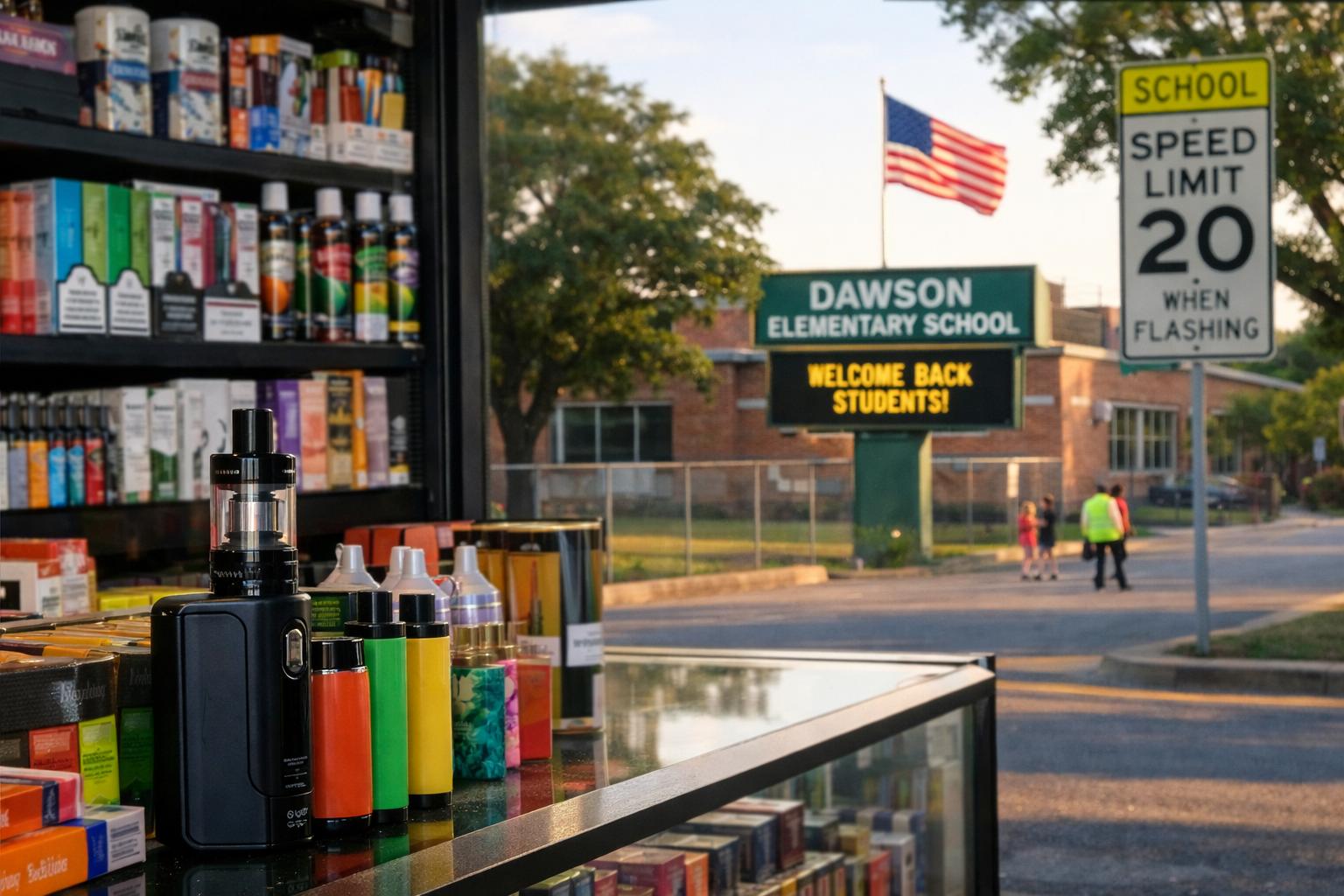
Austin weighs new restrictions on e-cigarette sales near schools
AUSTIN, Texas — City officials in Austin are evaluating new regulations that could limit the sale of e-cigarettes and synthetic nicotine products near schools and daycare centers, as part of an effort to reduce youth exposure to tobacco-related products. The proposal follows a 2025 City Council resolution directing city staff to explore policy options aimed at protecting minors. During a Public Health Committee meeting held in early 2026, Austin Public Health (APH) reported that approximately 600 retailers currently operate within 1,000 feet of schools or daycare facilities. The agency recommended a zoning ordinance change that would apply only to new businesses, allowing existing retailers to continue operating under a “grandfather” provision. City officials noted that state law requires compensation if an existing business loses its land-use rights, which influenced the recommendation to limit the policy’s scope to future establishments. The proposal would also exempt large food retailers exceeding 12,000 square feet to avoid creating gaps in access to essential goods in certain neighborhoods. APH further suggested expanding the ordinance to include all nicotine and tobacco products, rather than focusing solely on e-cigarettes or synthetic alternatives. Officials say this broader approach would help address emerging products and reduce regulatory loopholes over time. Local business owners have expressed concern about the potential impact on retail operations and expansion opportunities. Some argue that strict age verification practices are already in place and that specialty vape shops are not the primary source of underage access. Others point to challenges in finding commercial spaces that meet distance requirements from schools or childcare centers. City Council has not yet scheduled a final vote on the proposal. Additional public hearings and discussions are expected to take place in the fall of 2026 as officials gather input from stakeholders and evaluate the broader implications of the policy.
Austin weighs new restrictions on e-cigarette sales near schools
AUSTIN, Texas — City officials in Austin are evaluating new regulations that could limit the sale of e-cigarettes and synthetic nicotine products near schools and daycare centers, as part of an effort to reduce youth exposure to tobacco-related products. The proposal follows a 2025 City Council resolution directing city staff to explore policy options aimed at protecting minors. During a Public Health Committee meeting held in early 2026, Austin Public Health (APH) reported that approximately 600 retailers currently operate within 1,000 feet of schools or daycare facilities. The agency recommended a zoning ordinance change that would apply only to new businesses, allowing existing retailers to continue operating under a “grandfather” provision. City officials noted that state law requires compensation if an existing business loses its land-use rights, which influenced the recommendation to limit the policy’s scope to future establishments. The proposal would also exempt large food retailers exceeding 12,000 square feet to avoid creating gaps in access to essential goods in certain neighborhoods. APH further suggested expanding the ordinance to include all nicotine and tobacco products, rather than focusing solely on e-cigarettes or synthetic alternatives. Officials say this broader approach would help address emerging products and reduce regulatory loopholes over time. Local business owners have expressed concern about the potential impact on retail operations and expansion opportunities. Some argue that strict age verification practices are already in place and that specialty vape shops are not the primary source of underage access. Others point to challenges in finding commercial spaces that meet distance requirements from schools or childcare centers. City Council has not yet scheduled a final vote on the proposal. Additional public hearings and discussions are expected to take place in the fall of 2026 as officials gather input from stakeholders and evaluate the broader implications of the policy.
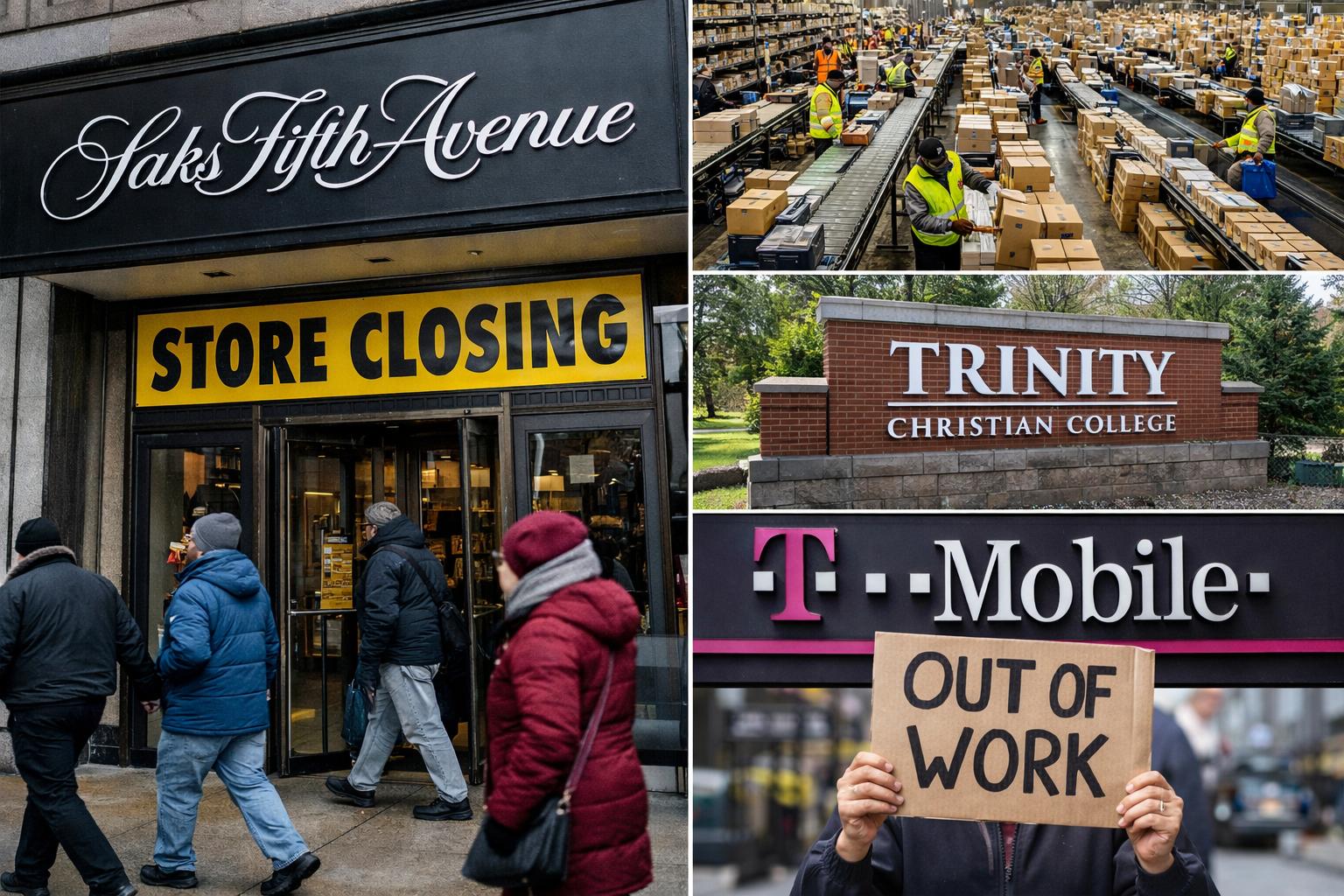
Illinois layoffs impact hundreds as major retailers and institutions cut jobs
Major employers across Illinois have announced plans to lay off hundreds of workers in the coming months, according to filings under the state’s Worker Adjustment and Retraining Notification (WARN) Act. The law requires companies with at least 75 employees to provide a minimum of 60 days’ notice before implementing mass layoffs or facility closures, offering advance warning to workers and state officials. Among the most notable developments is the planned layoff of 101 employees a
Illinois layoffs impact hundreds as major retailers and institutions cut jobs
Major employers across Illinois have announced plans to lay off hundreds of workers in the coming months, according to filings under the state’s Worker Adjustment and Retraining Notification (WARN) Act. The law requires companies with at least 75 employees to provide a minimum of 60 days’ notice before implementing mass layoffs or facility closures, offering advance warning to workers and state officials. Among the most notable developments is the planned layoff of 101 employees a
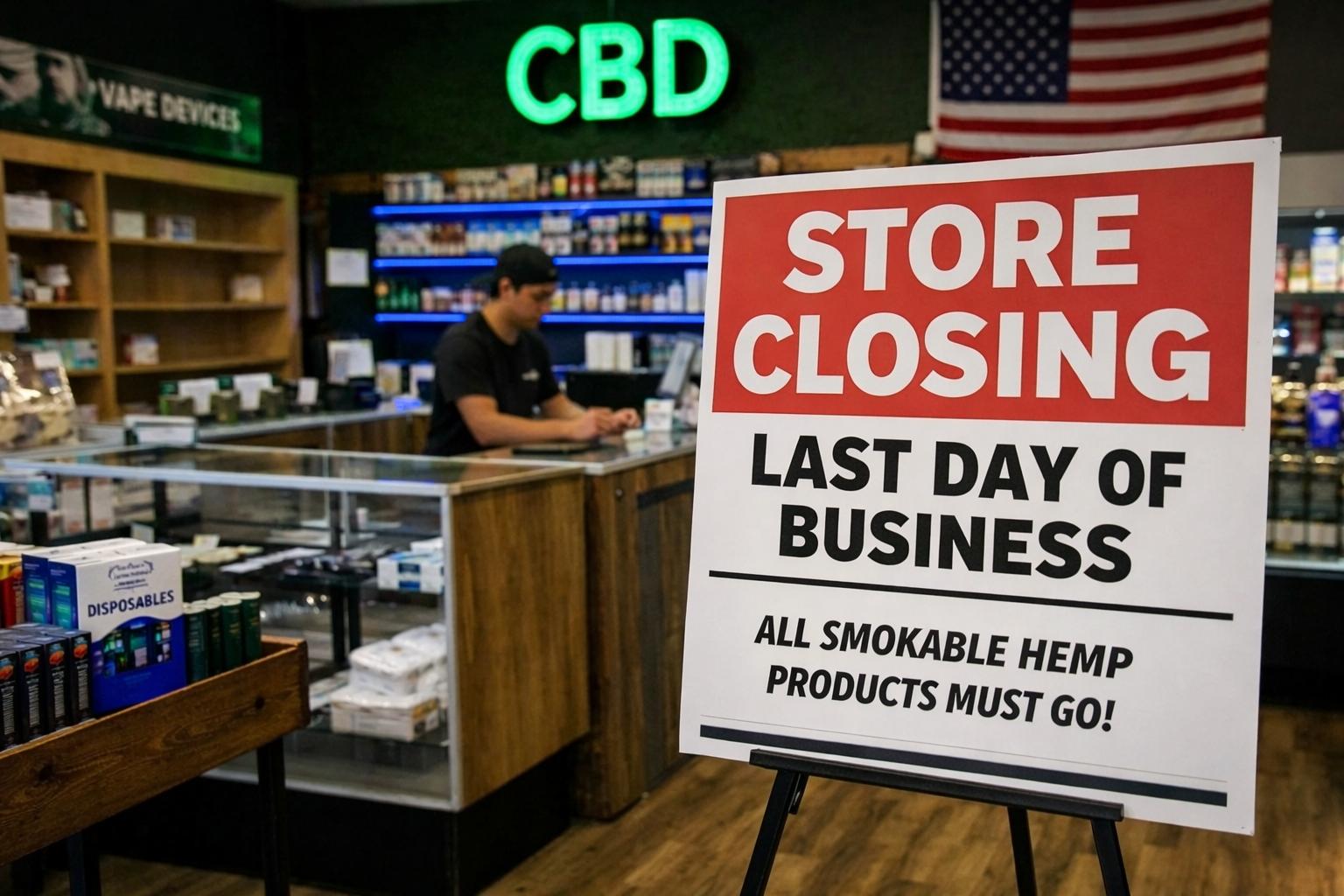
Texas hemp ban forces CBD shop closures ahead of new rule rollout
ADDISON, Texas — A new state rule banning certain products in CBD and vape shops is set to take effect on Tuesday, April 1, 2026, prompting immediate closures and raising concerns among retailers across the Dallas-Fort Worth region. The regulation eliminates smokable hemp products, significantly increases licensing fees, and introduces stricter compliance requirements for businesses operating in the sector. The impact is already being felt. A CBD retail store near Addison ceased operations on Monday, March 31, 2026, its final day before the rule takes effect. Store employees reported a steady stream of customers purchasing remaining inventory, as shelves were largely cleared in anticipation of the ban. For many retailers, smokable hemp products represent a substantial share of revenue, making the restriction particularly disruptive. Business operators say the timing of the regulation has compounded existing challenges. One retail manager noted that the store had been preparing to relocate, but the combined effect of losing a major product category and facing sharply higher licensing costs made continued operations unsustainable. Industry leaders argue that such restrictions could push consumers toward unregulated markets, raising broader concerns about product safety and oversight. The updated rule also increases annual licensing fees for CBD and vape retailers from just over $150 to $5,000, a steep rise that many small businesses say is difficult to absorb. Some operators estimate that prior restrictions, including a ban on disposable vape products introduced in September 2025, had already reduced revenues by as much as 25%, with the latest changes potentially doubling that impact. Despite the challenges, some businesses are choosing to remain open and adapt. Executives at one Dallas-based hemp company reported strong customer demand in the days leading up to the rule’s implementation, as consumers stocked up on affected products. However, they anticipate losing approximately 30% of their sales moving forward. In addition to product restrictions and fee increases, the regulation mandates child-resistant packaging, updated labeling standards, and raises the legal purchasing age to 21. Businesses that fail to comply risk losing their licenses and could face fines of up to $10,000 per day for violations.
Texas hemp ban forces CBD shop closures ahead of new rule rollout
ADDISON, Texas — A new state rule banning certain products in CBD and vape shops is set to take effect on Tuesday, April 1, 2026, prompting immediate closures and raising concerns among retailers across the Dallas-Fort Worth region. The regulation eliminates smokable hemp products, significantly increases licensing fees, and introduces stricter compliance requirements for businesses operating in the sector. The impact is already being felt. A CBD retail store near Addison ceased operations on Monday, March 31, 2026, its final day before the rule takes effect. Store employees reported a steady stream of customers purchasing remaining inventory, as shelves were largely cleared in anticipation of the ban. For many retailers, smokable hemp products represent a substantial share of revenue, making the restriction particularly disruptive. Business operators say the timing of the regulation has compounded existing challenges. One retail manager noted that the store had been preparing to relocate, but the combined effect of losing a major product category and facing sharply higher licensing costs made continued operations unsustainable. Industry leaders argue that such restrictions could push consumers toward unregulated markets, raising broader concerns about product safety and oversight. The updated rule also increases annual licensing fees for CBD and vape retailers from just over $150 to $5,000, a steep rise that many small businesses say is difficult to absorb. Some operators estimate that prior restrictions, including a ban on disposable vape products introduced in September 2025, had already reduced revenues by as much as 25%, with the latest changes potentially doubling that impact. Despite the challenges, some businesses are choosing to remain open and adapt. Executives at one Dallas-based hemp company reported strong customer demand in the days leading up to the rule’s implementation, as consumers stocked up on affected products. However, they anticipate losing approximately 30% of their sales moving forward. In addition to product restrictions and fee increases, the regulation mandates child-resistant packaging, updated labeling standards, and raises the legal purchasing age to 21. Businesses that fail to comply risk losing their licenses and could face fines of up to $10,000 per day for violations.

Government Retains 4% Retail Inflation Target Till 2031 in Consultation with RBI
The central government has retained the 4% retail inflation target for the next five years, from April 1, 2026, to March 31, 2031, with a tolerance band of 2–6%. This decision, made in consultation with the Reserve Bank of India (RBI), continues the inflation-targeting framework that was first introduced in 2016. The move aims to maintain price stability while allowing some flexibility in the target, accommodating short-term volatility. The government’s inflation target, outline
Government Retains 4% Retail Inflation Target Till 2031 in Consultation with RBI
The central government has retained the 4% retail inflation target for the next five years, from April 1, 2026, to March 31, 2031, with a tolerance band of 2–6%. This decision, made in consultation with the Reserve Bank of India (RBI), continues the inflation-targeting framework that was first introduced in 2016. The move aims to maintain price stability while allowing some flexibility in the target, accommodating short-term volatility. The government’s inflation target, outline

Chicago introduces 1.5 percent liquor tax on retail alcohol purchases starting Sunday
Chicago residents purchasing alcohol from local liquor stores will see a new tax added to their bills starting Sunday, as the city implements a revised taxation system on retail liquor sales. The Chicago Department of Finance confirmed that a 1.5 percent liquor tax will officially take effect after a two-month delay that was granted to allow retailers additional time to update billing systems and prepare for the change. The new Chicago liquor tax replaces the previous structure that
Chicago introduces 1.5 percent liquor tax on retail alcohol purchases starting Sunday
Chicago residents purchasing alcohol from local liquor stores will see a new tax added to their bills starting Sunday, as the city implements a revised taxation system on retail liquor sales. The Chicago Department of Finance confirmed that a 1.5 percent liquor tax will officially take effect after a two-month delay that was granted to allow retailers additional time to update billing systems and prepare for the change. The new Chicago liquor tax replaces the previous structure that

Pop Mart opens new store at Westfield Old Orchard mall in Skokie
Pop Mart, the globally recognized designer toy retailer known for drawing long lines of collectors, has officially opened a new location at Westfield Old Orchard Mall in Skokie, Illinois. The debut marks the company’s sixth store in the state and reflects the brand’s continued retail expansion across the Chicago metropolitan area. According to the company’s announcement, the storefront quietly began welcoming customers over the weekend. The new shop is situated on the north si
Pop Mart opens new store at Westfield Old Orchard mall in Skokie
Pop Mart, the globally recognized designer toy retailer known for drawing long lines of collectors, has officially opened a new location at Westfield Old Orchard Mall in Skokie, Illinois. The debut marks the company’s sixth store in the state and reflects the brand’s continued retail expansion across the Chicago metropolitan area. According to the company’s announcement, the storefront quietly began welcoming customers over the weekend. The new shop is situated on the north si