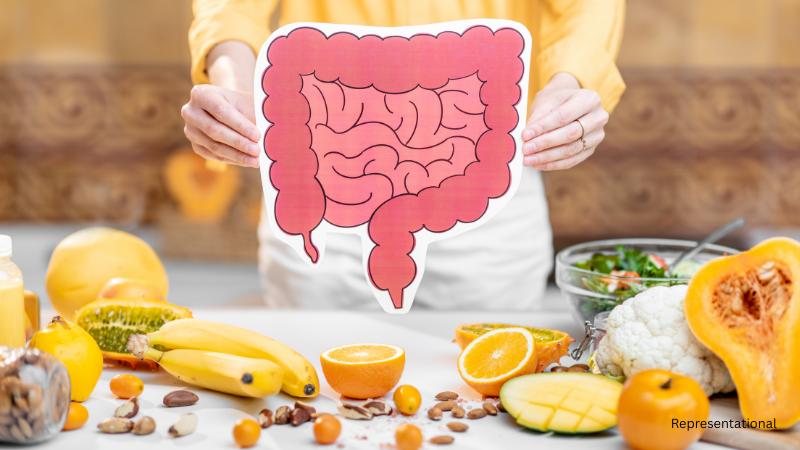
The conversation around gut health has become one of the most important topics in the wellness community. With increasing awareness about digestive health, functional foods have emerged as a powerful tool in promoting gut wellness and overall health. These foods, packed with bioactive compounds, work to support the digestive system, enhance nutrient absorption, and regulate the gut microbiome. So, what exactly are functional foods, and how can they improve gut health?
Understanding Functional Foods
Functional foods are natural or processed foods that provide health benefits beyond basic nutrition. They contain biologically active compounds that support well-being, help prevent diseases, and improve the body’s functionality. When it comes to gut health, functional foods often include probiotics, prebiotics, fiber, and fermented foods. These elements are essential in maintaining a healthy digestive system and supporting the body's ability to absorb and process nutrients efficiently.
The concept of "food as medicine" is gaining momentum, especially when it comes to gut health. While medications and supplements play a role in treating digestive issues, functional foods offer a more natural and sustainable approach. These foods can help alleviate symptoms of digestive disorders, improve gut microbiota diversity, and enhance overall immune system health.
The Role of Gut Health in Overall Well-Being
The gut is often referred to as the "second brain" due to its connection with the central nervous system. The gut-brain axis is a communication pathway between the digestive system and the brain, which influences mood, stress levels, and overall mental health. Maintaining a healthy gut can not only improve digestion but can also support mental clarity and emotional well-being.
In addition, a healthy gut plays a crucial role in boosting immunity. A large portion of the immune system is housed in the gut, which means that the state of your digestive system directly affects your body’s ability to fend off infections. In fact, research has shown that an imbalance in the gut microbiome can contribute to various autoimmune conditions, allergies, and even chronic diseases like diabetes and heart disease.
Key Functional Foods for Gut Health
Several functional foods have been identified for their role in supporting gut health. Incorporating these foods into your diet can help maintain a balanced gut microbiome, improve digestion, and promote overall wellness.
- Probiotics: The Good Bacteria
Probiotics are live microorganisms that provide health benefits when consumed in adequate amounts. They help replenish the good bacteria in the gut, which can be depleted due to stress, poor diet, or illness. Probiotics are found in foods like yogurt, kefir, kimchi, sauerkraut, and other fermented foods. These foods are rich in live cultures, such as Lactobacillus and Bifidobacterium, which are essential for gut health. Probiotics are known to improve digestion, reduce inflammation, and boost the immune system. They can also help in managing conditions like irritable bowel syndrome (IBS), diarrhea, and constipation.
- Prebiotics: Fuel for Good Bacteria
Prebiotics are non-digestible fibers that stimulate the growth and activity of beneficial bacteria in the gut. Unlike probiotics, prebiotics do not contain live bacteria but act as food for the good bacteria in the digestive system. Foods rich in prebiotics include garlic, onions, asparagus, bananas, and leeks. These foods contain compounds like inulin and fructooligosaccharides, which help support the growth of beneficial gut bacteria. Prebiotics are essential for gut health as they help regulate bowel movements, improve mineral absorption, and strengthen the gut’s immune defense.
- Fiber: The Digestive System’s Best Friend
Fiber is a crucial component of a gut-healthy diet. It aids in digestion by promoting regular bowel movements, preventing constipation, and maintaining a healthy weight. Soluble fiber, found in foods like oats, apples, and beans, dissolves in water and helps regulate blood sugar and cholesterol levels. Insoluble fiber, found in whole grains and vegetables, adds bulk to stool and supports the digestive tract. A diet high in fiber promotes the growth of beneficial bacteria in the gut and helps maintain the integrity of the gut lining, reducing the risk of digestive disorders such as leaky gut syndrome.
- Fermented Foods: Boosting the Gut with Healthy Cultures
Fermented foods are another important source of probiotics, offering a variety of benefits for gut health. Fermentation is a process that allows bacteria and yeast to break down sugars in food, creating beneficial microorganisms that support digestion. In addition to yogurt, kefir, and kimchi, other fermented foods include tempeh, miso, and kombucha. Fermented foods not only help increase the number of beneficial bacteria in the gut but also improve the bioavailability of nutrients, making them easier for the body to absorb.
- Healthy Fats: Supporting the Gut Lining
Not all fats are harmful; in fact, certain healthy fats play an important role in maintaining gut health. Omega-3 fatty acids, found in fatty fish like salmon, flaxseeds, and walnuts, have anti-inflammatory properties that help reduce gut inflammation. Omega-3s also support the gut’s mucosal lining, which acts as a protective barrier against harmful bacteria and toxins.
The Importance of Gut Health in Disease Prevention
A balanced gut microbiome is essential in preventing a range of digestive and systemic diseases. An imbalance in gut bacteria (dysbiosis) has been linked to conditions like IBS, Crohn’s disease, and ulcerative colitis. Additionally, dysbiosis has been implicated in mental health issues such as anxiety, depression, and stress, highlighting the importance of a healthy gut-brain connection. Gut health also plays a significant role in the body’s ability to regulate weight. Research suggests that a healthy gut microbiome may help manage metabolism, control appetite, and even prevent obesity.
How to Incorporate Functional Foods into Your Diet
- Start with Probiotic-Rich Foods: Begin by incorporating probiotic-rich foods like yogurt, kefir, and fermented vegetables into your meals. These foods are easy to add to smoothies, salads, or as a side dish with your main meals.
- Add Prebiotics to Every Meal: Include prebiotic foods like onions, garlic, and bananas into your daily meals. These can be added to soups, salads, sandwiches, and smoothies to boost the growth of beneficial gut bacteria.
- Increase Fiber Intake: Make fiber-rich foods such as fruits, vegetables, and whole grains a part of every meal. Start your day with a fiber-rich breakfast like oatmeal or a whole-grain toast with avocado.
- Fermented Snacks: Swap your regular snack with fermented foods like miso soup, tempeh, or kombucha. These are not only great for your gut but also provide a refreshing and nutrient-dense option.
- Choose Healthy Fats: Incorporate healthy fats like olive oil, chia seeds, and avocados into your diet. Use them in cooking, salads, or as toppings to improve gut health and reduce inflammation.
Discover the best places to eat and drink in your city through our top picks for- Food & Dining