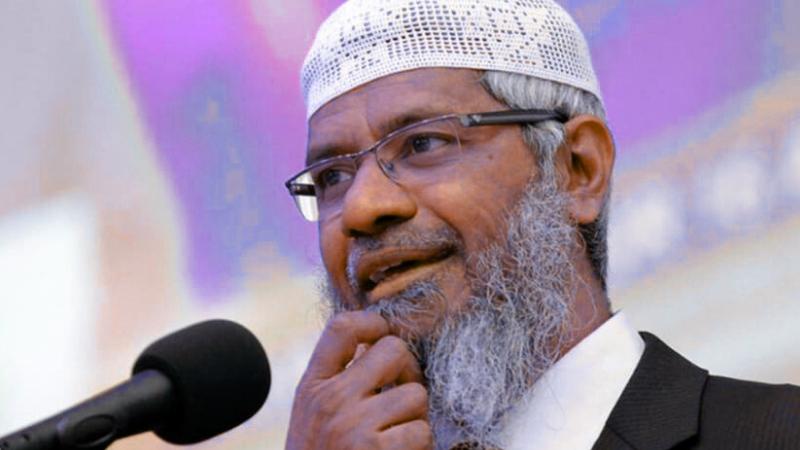
Bangladesh has officially withdrawn its earlier approval for fugitive Indian preacher Zakir Naik’s planned visit scheduled for November 28. The reversal came after the Muhammad Yunus-led interim government reassessed potential risks, with security agencies warning that Naik’s presence could draw massive gatherings and create law and order challenges ahead of the country’s first general elections since the fall of the Sheikh Hasina regime. Naik, who faces terror-linked allegations in India, had been invited in what was seen as a major policy shift from the previous administration that had banned him.
The decision to block his entry was made during a Home Ministry core committee meeting, according to Bangladeshi daily Prothom Alo. Officials concluded that managing large crowds during a politically sensitive period would overburden the nation’s security forces. The Yunus government has indicated that elections could take place around March 2026, and ensuring peace and stability remains its priority.
Naik’s visit would have been his first to Bangladesh, where his Peace TV network was banned following the 2016 Holey Artisan Bakery terror attack that killed 22 people, including one Indian national. Investigators had found that one of the attackers was influenced by Naik’s speeches online. India has since accused him of money laundering and promoting extremism, while Malaysia continues to shelter him despite an extradition request. His recent state-level visit to Pakistan, where he met members of Lashkar-e-Taiba, had already raised red flags in New Delhi. Bangladesh’s latest U-turn appears to be a politically calculated move to avoid controversy and maintain stability as the nation prepares for crucial elections.