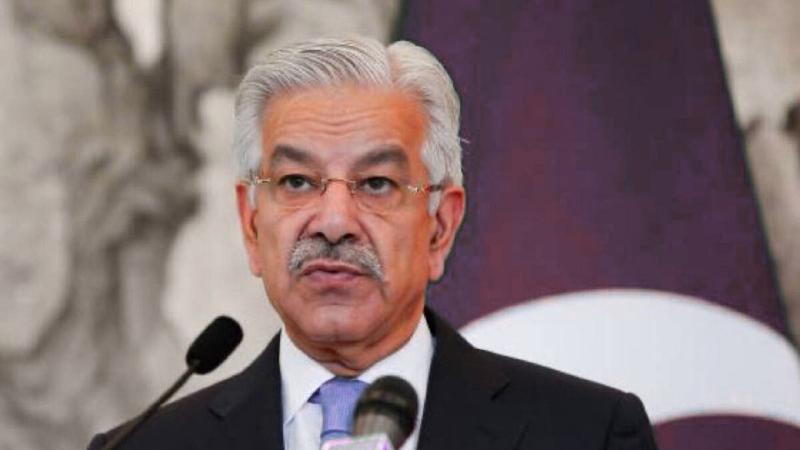
Pakistan’s Defence Minister Khawaja Asif has issued a sharp warning that the country cannot rule out the possibility of an all-out war with India, stating that Islamabad remains on full alert as tensions rise across the region. Speaking to Samaa TV, Asif said his analysis suggested India could adopt hostile strategies, including border incursions or coordinated attacks, and stressed the need for complete preparedness.
His remarks follow Indian Army Chief General Upendra Dwivedi’s recent statement describing Operation Sindoor as an “88-hour trailer”, adding that India’s armed forces were ready to respond decisively if provoked. The comments have fueled renewed concerns about escalating friction between the two nuclear-armed neighbours.
This year has seen a series of violent incidents that have deepened distrust. A deadly car explosion in New Delhi on November 10 killed 15 people, marking the second major attack in India after the massacre in Pahalgam earlier in the year. Pakistan, meanwhile, has faced rising tensions on its western frontier with Afghanistan, where intense clashes recently resulted in significant casualties on both sides before a ceasefire was brokered by Turkey and Qatar on October 19.
Asif previously claimed Pakistan was prepared to counter simultaneous threats from both India and Afghanistan, suggesting that what he described as “round two” could force Islamabad into a two-front conflict. He insisted Pakistan had no option but war if pushed toward a final confrontation.
Amid the growing hostility, Asif has accused India of orchestrating attacks from Afghan soil, alleging that New Delhi is influencing Taliban decisions and fueling conflict between Pakistan and Afghanistan. The Taliban rejected these claims, stating that Afghan territory is not being used against Pakistan. However, Asif maintained that India was the primary force driving friction and argued that Kabul was being used to wage a proxy war.
With political mistrust at a peak and both sides trading severe allegations, the region faces mounting instability. The combination of border tensions, violent attacks, and accusations of foreign interference has led observers to worry about the risk of further escalation, raising concerns about peace and security in South Asia.