Trump Says He Controls Iran Deal
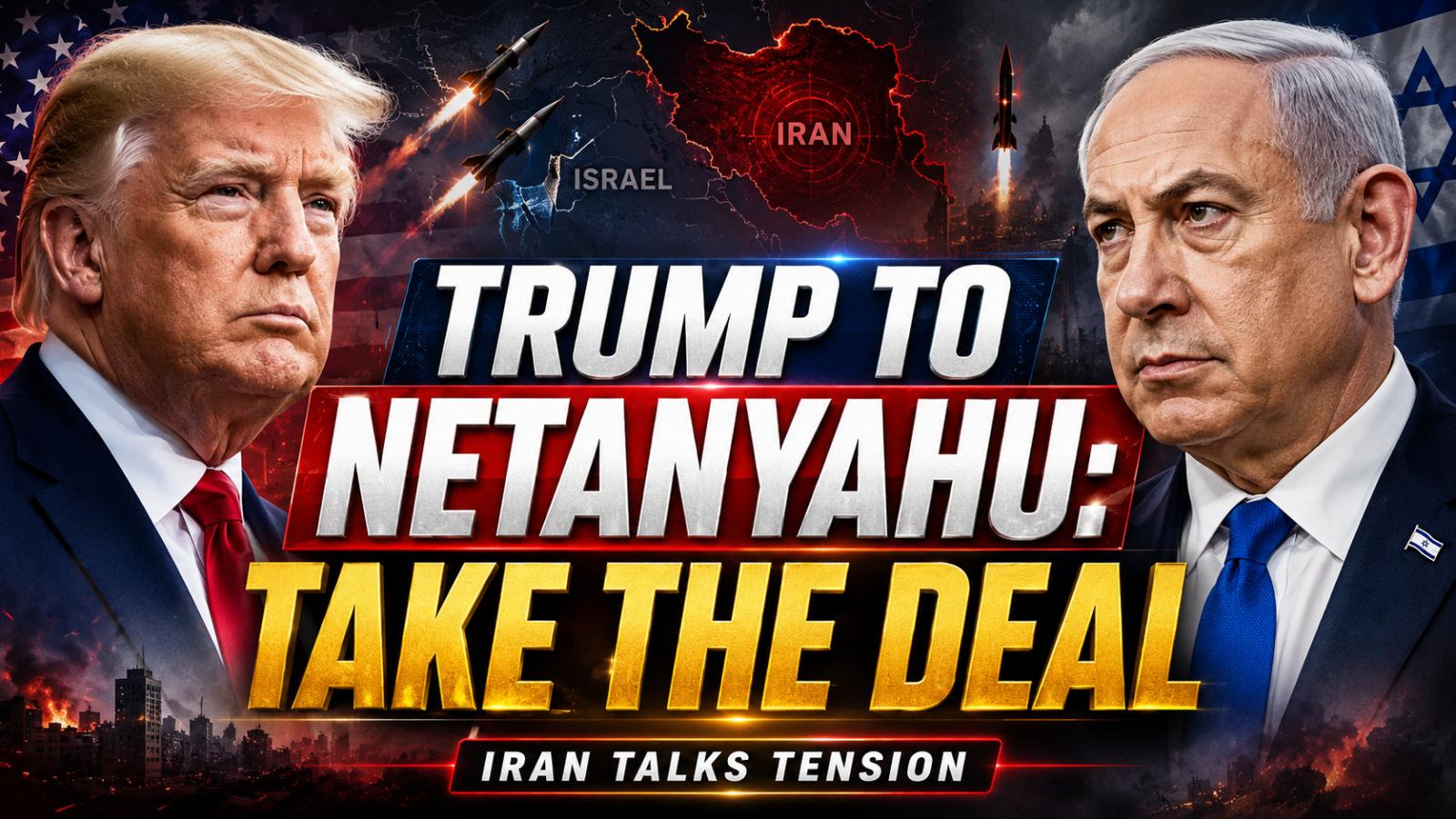
US President Donald Trump said Israeli Prime Minister Benjamin Netanyahu would have “no choice” but to accept any agreement Washington reaches with Iran, signaling a visible strain in US-Israel coordination during the latest West Asia crisis. In an interview, Trump said he “calls the shots” on the negotiations and argued that Netanyahu does not control the outcome of any potential deal. His comments came as the United States continued efforts to manage talks with Tehran while trying to prevent a wider Iran-Israel confrontation.
Netanyahu Faces Pressure After Strikes
The remarks followed reports of rising tension between Trump and Netanyahu after Israel expanded military operations in Lebanon and later struck targets in Iran despite US calls for restraint. Trump had urged Netanyahu not to retaliate after Iran launched missiles at Israel, but Israel’s military later said it attacked military targets in western and central Iran. The sequence has raised questions over whether Israeli decision-making is moving ahead despite Washington’s preference for de-escalation.
Iran Attack Does Not Derail Talks
Trump said Iran’s missile attack on Israel would not necessarily affect the negotiations. He described the latest exchange as part of a long-running regional dispute and suggested that the US-Iran process would continue based on whether a deal can be reached on its own terms. Iran had described its missile strike as a response to Israeli action linked to Beirut, while Israel said it intercepted incoming missiles and remained committed to military operations against Hezbollah in Lebanon.
US-Israel Rift Becomes Visible
The latest episode shows a sharper public divide between Washington and Jerusalem over how far Israel should go in responding to Iran and Hezbollah. Trump is trying to preserve room for a possible Iran deal, while Netanyahu faces pressure to maintain deterrence after direct missile attacks. For US audiences, the central issue is whether American diplomacy can restrain regional escalation while keeping Israel aligned with Washington’s broader strategy. The relationship remains close, but the dispute reveals clear friction over timing, retaliation and control of the Iran file.