


















Researchers completed testing of a 582-tonne superconducting magnet designed to support the development of future fusion reactors. China Artificial Sun Programme Reaches Major Magnet Milestone China has completed the development and testing of a massive superconducting magnet intended to advance its nuclear fusion research programme, popularly described as the country’s artificial Sun project. Developed by the Institute of Plas
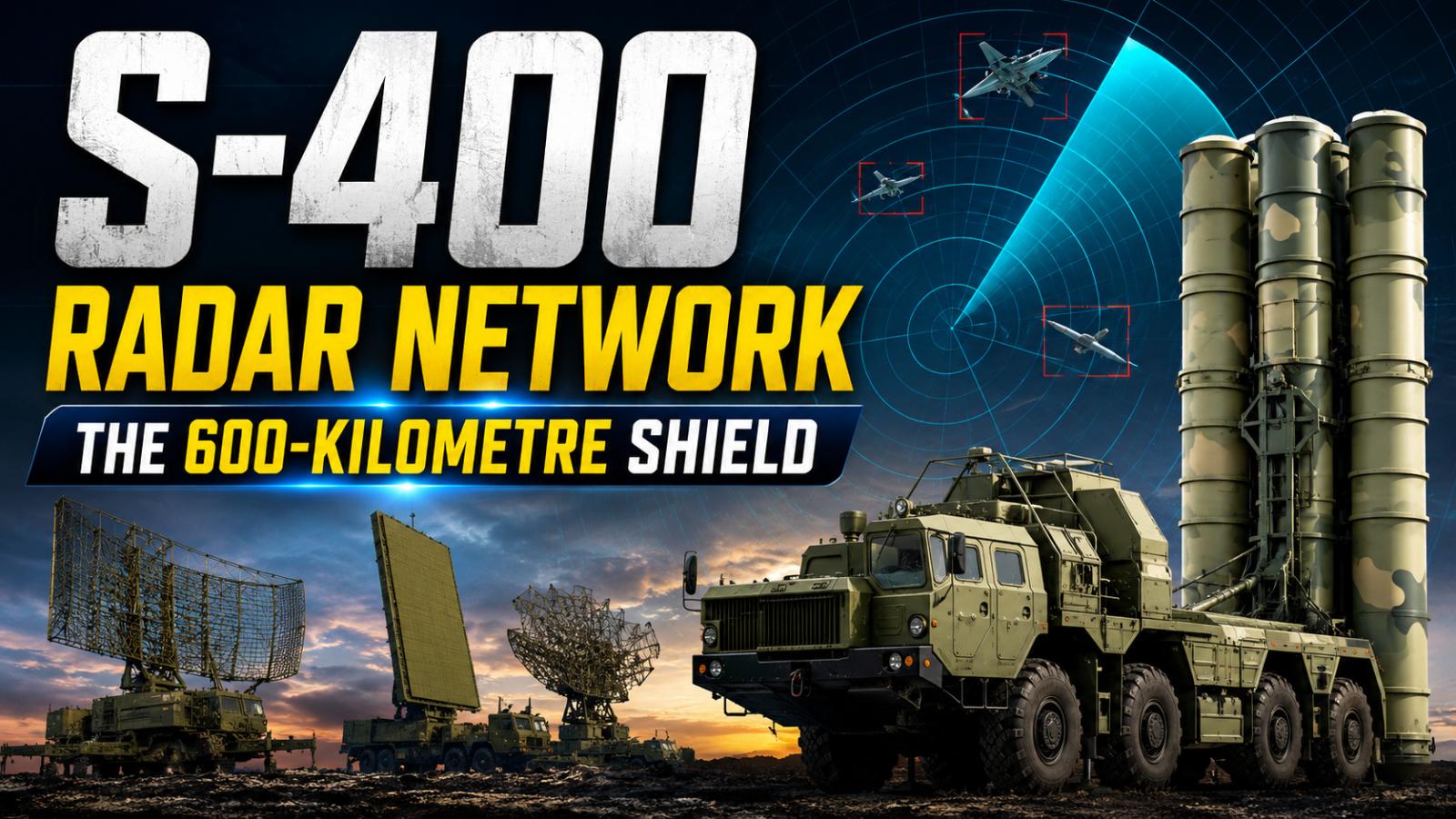
The S-400 radar network uses multiple advanced radar systems, including Big Bird, 96L6E, Nebo-M and 92N6E, to detect, track and engage aircraft, drones and missiles. This article explains how these sensors work together to create one of the world's most advanced layered air defence systems. S-400 radar network creates layered surveillance The S-400 Triumf does not depend on a single radar to de
Skyroot Aerospace is preparing Vikram-1 for its maiden orbital mission from Sriharikota. Scheduled for July 18, 2026, the launch could mark India’s first privately developed orbital rocket flight and strengthen the country’s commercial small-satellite launch sector. The Vikram-1 first orbital launch is scheduled for 11:30 a.m. IST on Saturday, July 18, 2026, from the Satish Dhawan Space Centre in Sriharikota, Andhra Pradesh. Through Missio
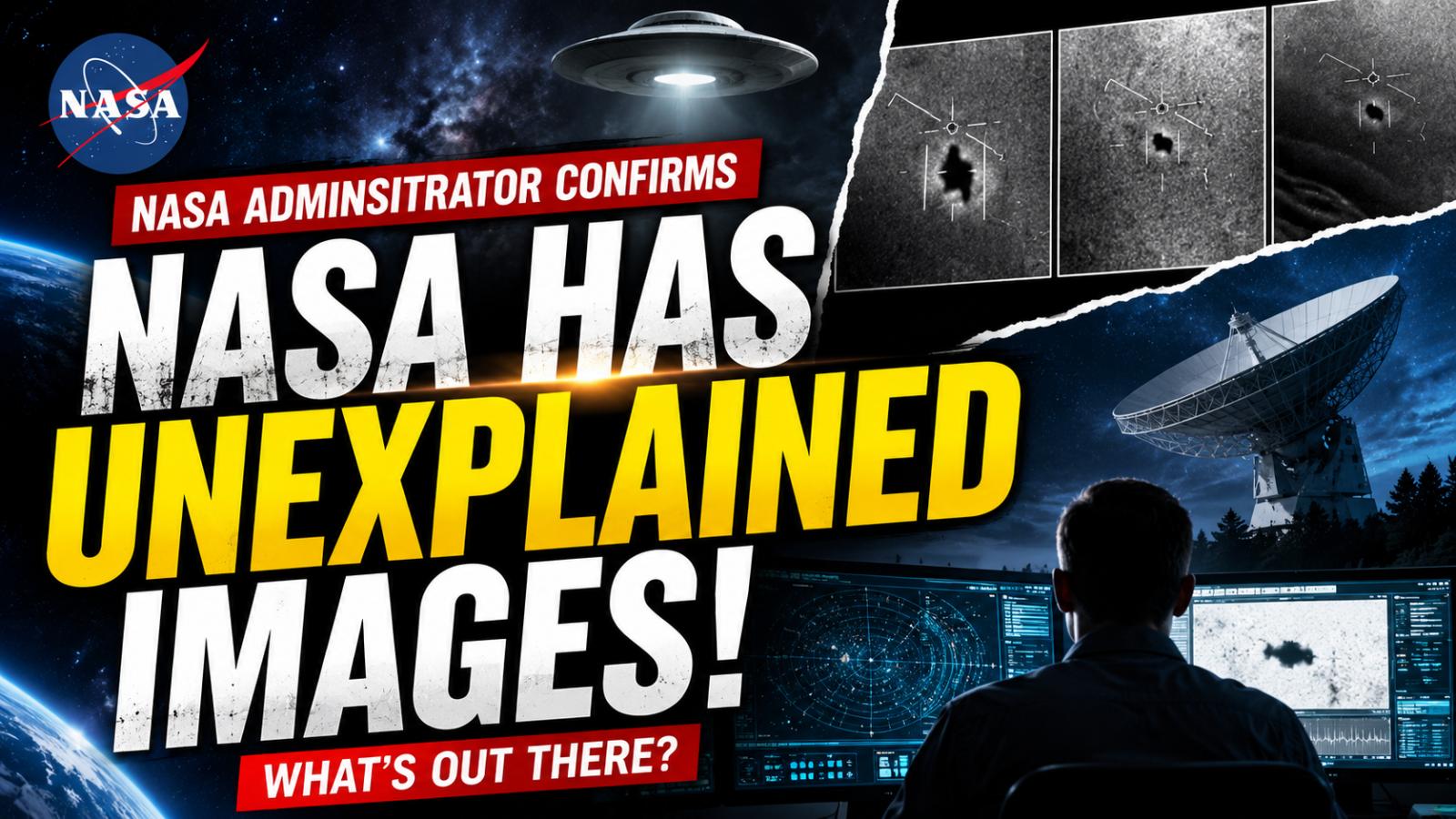
Speaking during an interview on The Jack Gordon Podcast, Isaacman said NASA had captured imagery containing objects that could not be identified using the available data. He did not say that scientists had ruled out ordinary explanations such as reflections, unusual viewing angles, atmospheric effects or human-made objects. Isaacman noted that cameras are now widespread, increasing the number of unusual images recorded by satellites, aircraft and members of the pu
A nearby world strengthens the search for habitability Astronomers have identified a promising super-Earth, GJ 3378b, located just 25 light-years from Earth, placing it among the closest potentially habitable exoplanets discovered to date. Its proximity offers rare opportunities for future atmospheric study, making it a key target in the ongoing search for environments
Cosmic Origins Written in Ice Scientists have identified direct physical traces of stardust preserved in Antarctic ice, offering rare confirmation that material forged in supernova explosions has reached Earth in measurable quantities. The discovery provides new insight into how elements created in distant stellar deaths are distributed across interstellar space and eventually incorporated into planetary environments. Supernova Dust and th
A Planet That Should Not Exist in This Orbit Astronomers have long believed that planets orbiting close to a star cannot survive its transformation into a red giant and eventual collapse into a white dwarf. However, the discovery of WD 1856b has challenged that assumption. The Jupiter-sized planet orbits its dead star at an extremely close distance, completing a full orbit in just over a day, defying traditional models of stellar evolution and planetary survival.