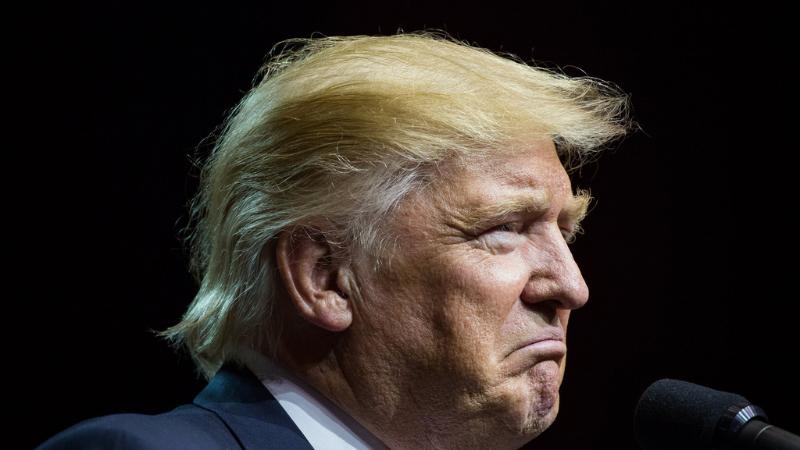
US President Donald Trump has indicated that he is seriously considering a military strike on Iran, though he has not issued a final order. According to senior White House aides, Trump is monitoring developments closely and wants to give Iran a final opportunity to halt its nuclear program voluntarily. The current focus is on Iran’s Fordow uranium enrichment facility, an underground site believed to be heavily fortified and capable of withstanding conventional attacks. Only advanced bunker-busting munitions in the US arsenal are thought to be capable of reaching and damaging such a facility, making the prospect of a strike particularly grave.
In a statement to reporters, Trump refused to commit to a firm decision. When asked whether a strike was imminent, he remarked, “I may do it, I may not do it,” adding that the next week could be “very big.” The president emphasized that any move by the United States would hinge on whether Iran decides to dismantle its nuclear program entirely and without preconditions. He reinforced his administration’s position that mere negotiations or temporary halts will not be sufficient this time around. “We’re not looking for a ceasefire. We’re looking for a total and complete victory,” Trump said. “Again, you know what the victory is: no nuclear weapon.”
Trump further claimed that Iran was just weeks away from building a nuclear weapon before Israel launched its latest military operations last week. This claim aligns with Washington’s long-standing concerns about Iran's nuclear ambitions, which have been a focal point of international diplomacy and regional tensions for years. While some interpret Trump’s statements as an aggressive posture, others note his ambiguity signals that he may be leaving room for last-minute diplomacy. When asked specifically about the Fordow facility, Trump noted, “We’re the only ones that have the capability to do it, but that doesn’t mean I’m going to do it — at all,” suggesting the possibility of restraint, even as military options remain on the table.
In response, Iran’s Supreme Leader Ayatollah Ali Khamenei issued a stern warning against any potential US military action. He declared that Iran would never bow to external pressure and emphasized that any attack would provoke a powerful retaliation. The statement was intended to underscore Iran’s readiness to escalate the conflict if provoked, deepening the sense of uncertainty across the region.
Meanwhile, the United States has significantly increased its military presence in the Middle East. A third US Navy destroyer has been deployed to the eastern Mediterranean Sea, while an additional aircraft carrier group is en route to the Arabian Sea. The Pentagon maintains that these deployments are strictly defensive in nature, aimed at deterring further conflict. However, the strategic positioning also provides the US with the flexibility to directly support Israel in the event of another round of hostilities with Iran.
Tensions are continuing to rise as reports of civilian casualties mount. A human rights organization has confirmed that over 450 people have been killed in Iran due to recent attacks, while Israeli sources have reported 24 fatalities resulting from Iranian missile strikes. The mounting death toll highlights the deteriorating security situation and the high cost of a potential military confrontation.
The developments mark a dangerous turning point in the US-Iran relationship, with rhetoric and deployments pointing toward a possible clash unless diplomatic efforts can cool the escalating tensions. As Trump maintains a firm public stance demanding the complete dismantling of Iran’s nuclear ambitions, the coming days will be critical in determining whether the situation will spiral into conflict or stabilize through negotiations.