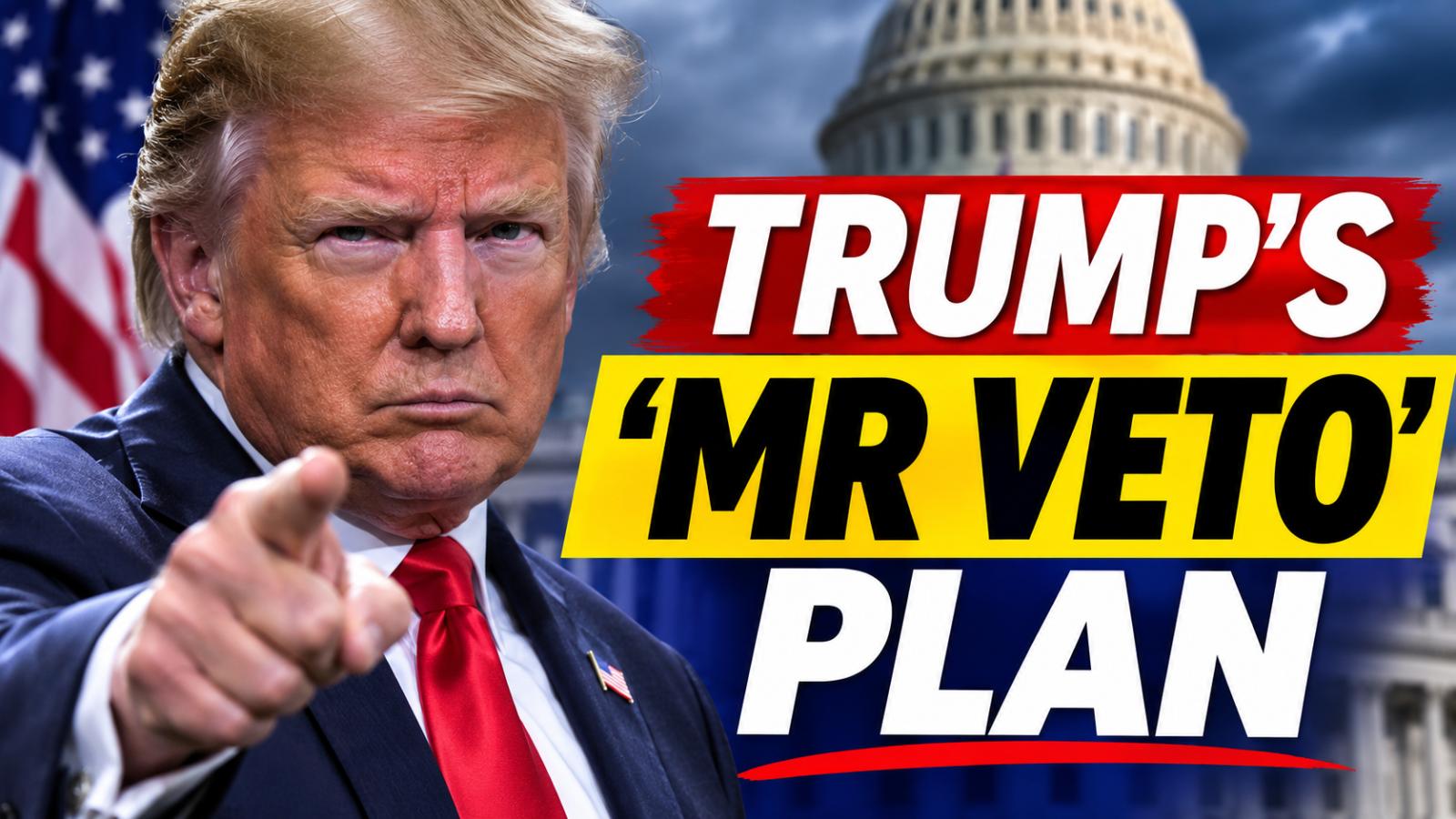
US President Donald Trump says he could become "Mr Veto" if Democrats gain control of Congress in the November 3, 2026, midterm elections. His remarks reveal a possible strategy of blocking legislation while the White House prepares for political negotiations and increased congressional oversight.
Trump Mr Veto Remarks Signal Possible Legislative Battles
Donald Trump has outlined how he could respond if Republicans lose control of Congress in the upcoming midterm elections.
In an interview with Miranda Devine for the New York Post's Pod Force One podcast, Trump said he would use his presidential veto to reject legislation that conflicts with his administration's priorities.
"I guess I'll become Mr Veto," Trump said in an interview excerpt released on November 1. He suggested that repeated vetoes could eventually encourage Democrats to negotiate.
Trump expects an initial period of legislative disagreements lasting one or two months before both sides potentially reach compromises.
2026 US Midterm Elections Could Reshape Congress
The November 3 elections will determine control of the US House of Representatives and Senate for the remaining two years of Trump's presidency.
Republicans currently hold narrow congressional majorities, with 218 Republican seats in the House and 53 in the Senate.
The Democratic Party needs a net gain of four Senate seats to secure a majority. House control also remains competitive because of the Republicans' narrow advantage and existing vacancies.
Opinion polls have pointed to a challenging House election for Republicans, while control of the Senate remains uncertain. No election results have been declared.
White House Executive Power Plans Under Review
The Trump administration has reportedly been preparing for possible changes in congressional control for several months.
White House counsel Will Scharf and his legal team are examining the scope of presidential executive orders and the administration's legal options.
Trump has already relied on executive authority to pursue policies involving immigration enforcement, international trade, federal staffing and foreign affairs.
However, presidential actions remain subject to constitutional limits and judicial review. A divided government could lead to further legal disputes over executive power.
Democratic Congressional Investigations Could Increase
If Democrats gain control of the House, they could use committee powers to increase congressional oversight of the Trump administration.
Potential inquiries could examine government contracts, executive decisions and allegations involving conflicts of interest.
Any investigation would require supporting evidence, and allegations would not establish wrongdoing.
Congressional committees could also demand documents and testimony, although disputes over executive privilege might reach federal courts.
Trump Presidential Veto Powers Could Shape Negotiations
The US Constitution allows presidents to reject legislation passed by both chambers of Congress.
Lawmakers can override a presidential veto with a two-thirds majority in both the House and Senate, a threshold that is difficult to achieve without broad bipartisan support.
Trump's proposed approach could result in prolonged negotiations over government spending, federal policies and other legislative priorities.
The outcome of the November 3 elections will determine whether Republicans maintain control of Congress or Trump faces a divided government during the final two years of his presidency.