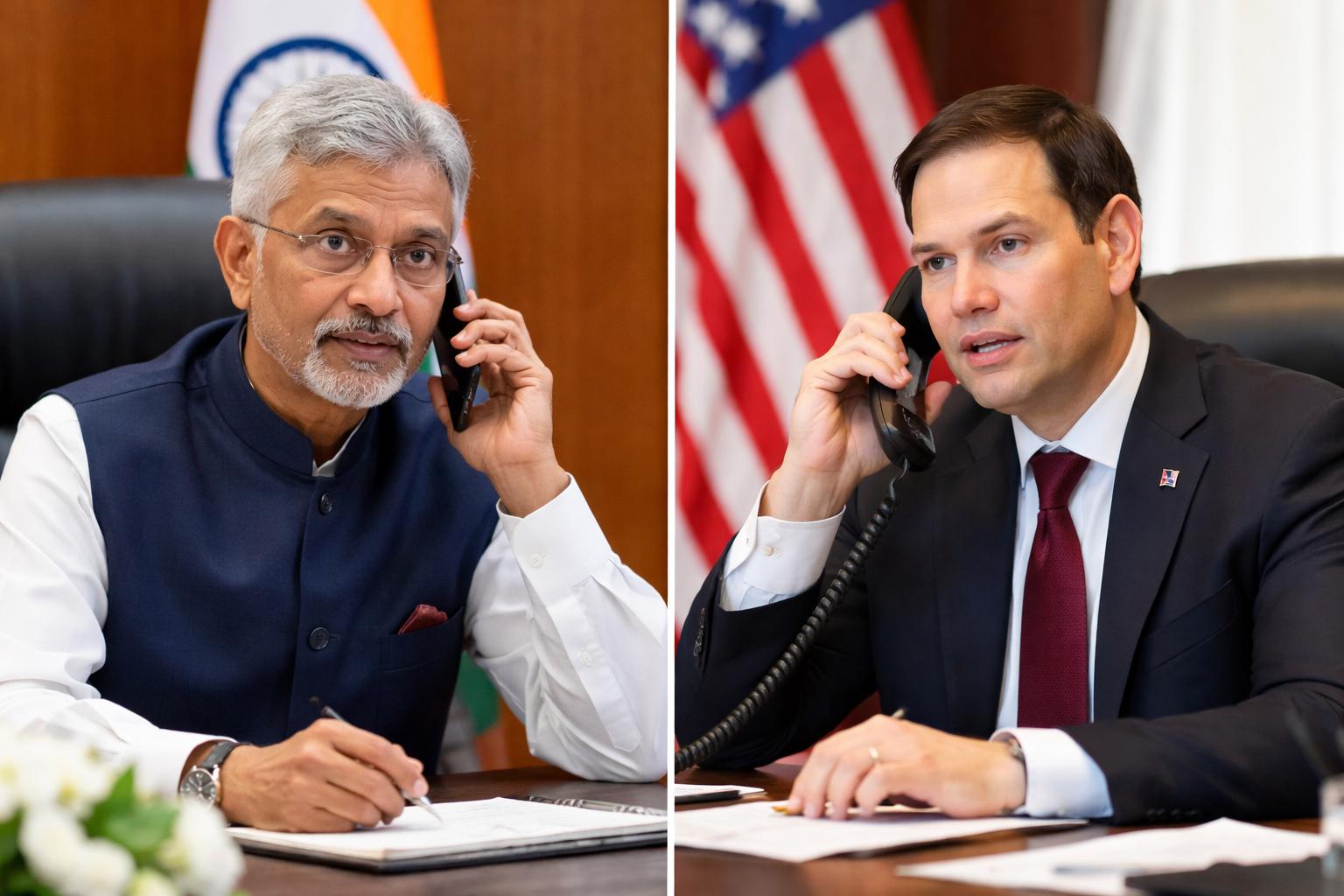
According to Jaishankar, the conversation addressed the ongoing crisis in West Asia and its potential impact on the international economy. Both leaders also reviewed emerging risks to energy security, particularly in light of disruptions that could affect global oil markets. The two sides agreed to remain in close contact as the situation evolves, underlining the importance of coordinated diplomatic engagement between India and the United States.
The development follows recent remarks by US President Donald Trump, who announced a temporary five-day pause on planned military strikes targeting Iranian energy infrastructure. He described recent engagements with Iran as constructive, suggesting that discussions were progressing toward a broader resolution of hostilities in the region. However, these claims were met with strong denial from Iran, which rejected the suggestion of ongoing negotiations and asserted that no direct or indirect talks were taking place.
The situation has intensified uncertainty in global markets, particularly for countries like India that rely heavily on energy imports. As the world’s third-largest oil importer, India sources a significant portion of its crude oil through the Strait of Hormuz, a critical maritime route that remains vulnerable to disruptions amid rising tensions. Any instability in this region can directly affect fuel prices, inflation levels, and overall economic stability in India.
Beyond economic considerations, the crisis also carries significant human implications for India. Nearly nine million Indian nationals reside in Gulf countries such as the United Arab Emirates, Saudi Arabia, Kuwait, Oman, Bahrain, and Qatar. This large diaspora adds another dimension to India’s concerns, as prolonged conflict could impact the safety and livelihoods of its citizens abroad.
The contrasting narratives from Washington and Tehran highlight the complexity of the current geopolitical landscape. While the United States has indicated a willingness to de-escalate through temporary restraint, Iran has maintained a firm stance, warning of retaliatory measures if its energy infrastructure is targeted. Iranian officials have also suggested that any perceived pause in military action is a strategic move rather than a diplomatic breakthrough.
The conversation between Jaishankar and Rubio reflects a growing recognition among global powers that the West Asia conflict extends beyond regional security challenges. It has the potential to disrupt global energy markets, strain international relations, and influence economic conditions worldwide. As tensions persist, continued dialogue between key nations will be crucial in managing risks and ensuring stability in an increasingly interconnected global economy.