The US PERM suspension affecting eight technology companies has raised questions about existing H-1B visas and approved I-140 petitions. The October 8, 2026, decision targets labor certification processing, not automatic cancellation of existing immigration approvals, although individual cases may face complications.
The US government's suspension of eight major technology companies from the Permanent Labor Certification Program (PERM) has raised questions among foreign professionals about the security of their existing H-1B visas and approved immigrant petitions.
Announced on Thursday, October 8, 2026, the restrictions affect Microsoft, Adobe, Infosys, Tata Consultancy Services (TCS), Cognizant, Wipro, HCL Technologies and Capgemini. The Department of Labor is halting new and pending PERM processing involving these employers.
Does the PERM suspension cancel H-1B visas?
The suspension does not automatically revoke existing H-1B petitions or immigration status.
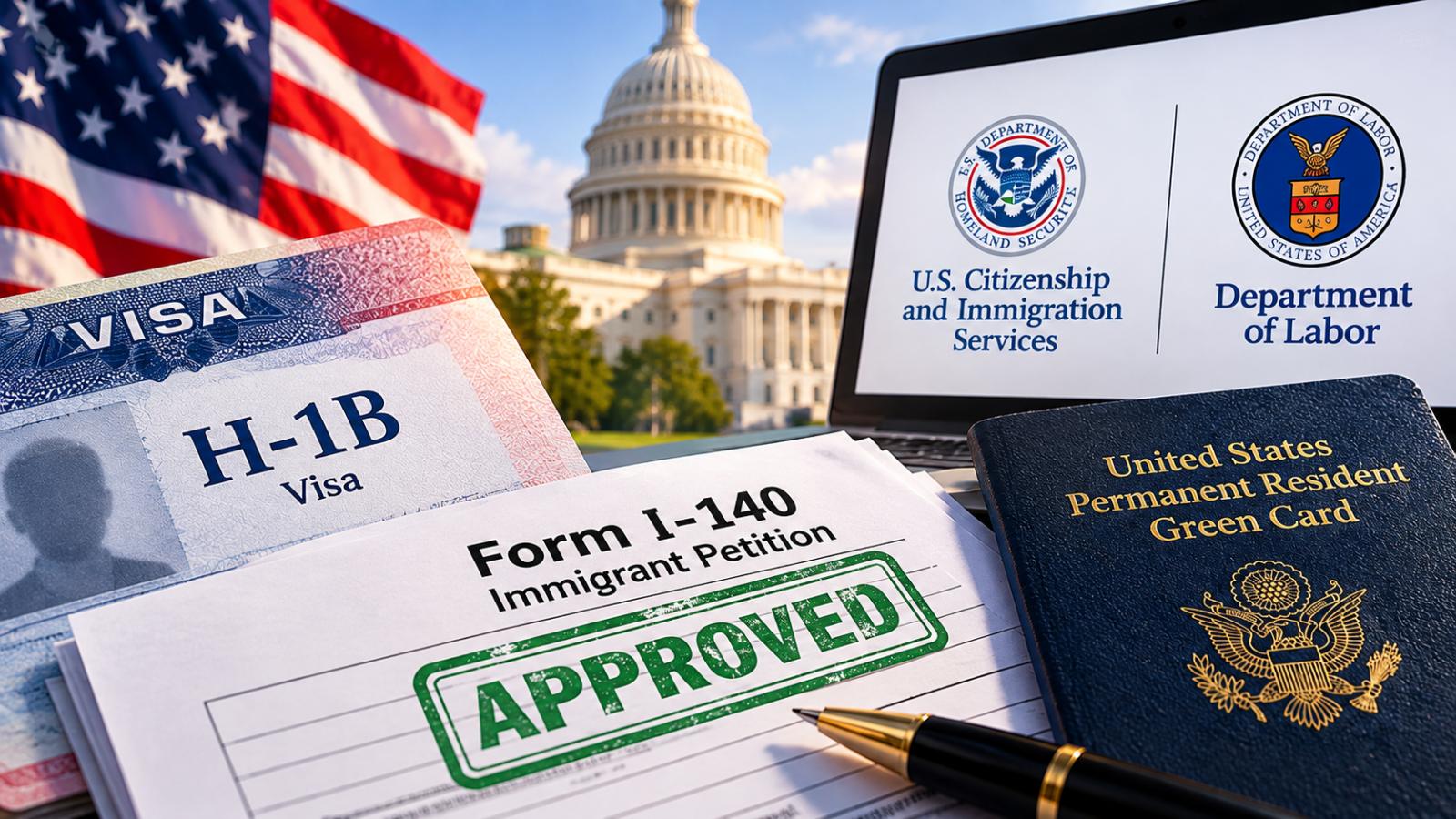
H-1B authorization is administered by US Citizenship and Immigration Services (USCIS), while PERM labor certifications are handled by the Department of Labor.
However, workers must continue meeting their H-1B requirements, including authorized employment and applicable immigration deadlines.
What happens to approved I-140 petitions?
An approved Form I-140 does not automatically lose its approval because an employer is suspended from PERM processing.
The I-140 is a separate immigrant petition filed with USCIS. Its continued validity depends on immigration regulations and individual circumstances.
Under existing rules, employer withdrawal generally does not automatically revoke an I-140 that has been approved for at least 180 days, although exceptions apply.
Can H-1B workers still obtain extensions?
Eligible H-1B professionals may qualify for extensions beyond the normal six-year limit under the American Competitiveness in the Twenty-First Century Act (AC21).
Certain workers with qualifying labor certifications or immigrant petitions filed at least 365 days earlier may be eligible for one-year extensions.
Other eligible workers with approved I-140 petitions may qualify for three-year extensions, depending on visa availability and other requirements.
What should Indian professionals check?
Affected employees should confirm their H-1B expiration date, PERM filing status, I-140 approval and eligibility for future extensions.
Those approaching immigration deadlines should consult their employer's immigration counsel before making employment decisions.
The suspension leaves uncertainty about new and pending labor certifications, but existing H-1B and I-140 approvals remain governed by their own legal requirements. Further federal guidance will determine how the restrictions affect sponsorship processing.