Foreign workers and international students in the United States are facing increased uncertainty as the Trump administration expands immigration enforcement involving employment-based green cards, H-1B visas, J-1 exchange programs and student work authorization.
For employees affected by the temporary suspension of PERM processing at eight companies, one of the biggest concerns is a potential delay in the employment-based green card process. Immigration attorneys say the impact could be particularly serious for H-1B workers approaching the standard six-year visa limit who do not already have a sufficiently advanced green card case.
PERM Pause Could Delay Green Card Path
The PERM labor certification process is an important step for many employment-based green card applications. When processing is suspended or delayed, affected employers may be unable to move forward with certain permanent residency cases as planned.
Immigration lawyer Lidice Samper has warned that H-1B employees nearing their visa limits could face greater difficulties because delays in the green card process may affect their ability to qualify for certain extensions.
Supporters of tougher enforcement argue that existing H-1B and employment-based immigration rules must be strictly enforced to protect American workers, wages and employment opportunities.
Critics, however, say restricting employers' ability to sponsor workers for permanent residency could have the opposite effect. They argue that workers who remain dependent on temporary visas may have less freedom to change employers or negotiate better pay and working conditions.
Rep. Pramila Jayapal criticized the administration's approach, arguing that immigrants play an important role in the U.S. economy, including in the technology industry, and that legal immigration pathways should be maintained while protecting American workers from employer abuse.
Former U.S. Citizenship and Immigration Services senior adviser Doug Rand also questioned the policy, noting that permanent residency generally gives H-1B employees greater flexibility to switch jobs rather than remaining dependent on a single sponsoring employer.
Indian Tech Workers Could Feel the Impact
India's technology industry body Nasscom has said the PERM suspension may have a relatively limited overall impact because only a portion of employees at the affected companies are pursuing permanent residency through the process.
However, the consequences could be more significant for individual Indian professionals seeking long-term careers in the United States.
Dinesh Pai, vice president of investments at Zerodha, suggested that restrictions affecting highly paid Indian professionals could also have indirect consequences for India, including remittances and angel investments.
At the same time, tighter restrictions on bringing skilled workers to the United States could encourage American companies to move more work overseas, including to India.
J-1 Investigations Add Uncertainty for Universities
International students and scholars are facing a separate set of concerns as federal authorities increase scrutiny of universities participating in the J-1 exchange visitor program.
The investigations have not changed J-1 eligibility rules, but they have created uncertainty for universities and visiting scholars.
Federal data cited in reports shows the scale of international participation at several institutions under scrutiny. In 2024, Harvard sponsored 2,218 new J-1 exchange visitors, while Stanford sponsored 1,436, Yale 1,169 and MIT 1,087.
The scrutiny comes as U.S. universities are already dealing with declining international enrollment.
New J-1 research scholars reportedly fell 27% to 17,622 last year. NAFSA estimated that new international student enrollment declined 17% in fall 2025, contributing to more than $1.1 billion in lost revenue.
Another report found that international student enrollment in spring 2026 was down 20% compared with the previous year. Columbia University also recently paused admissions to its journalism master's program amid declining international applications.
Proposed $70,000 OPT Fee Raises New Concerns
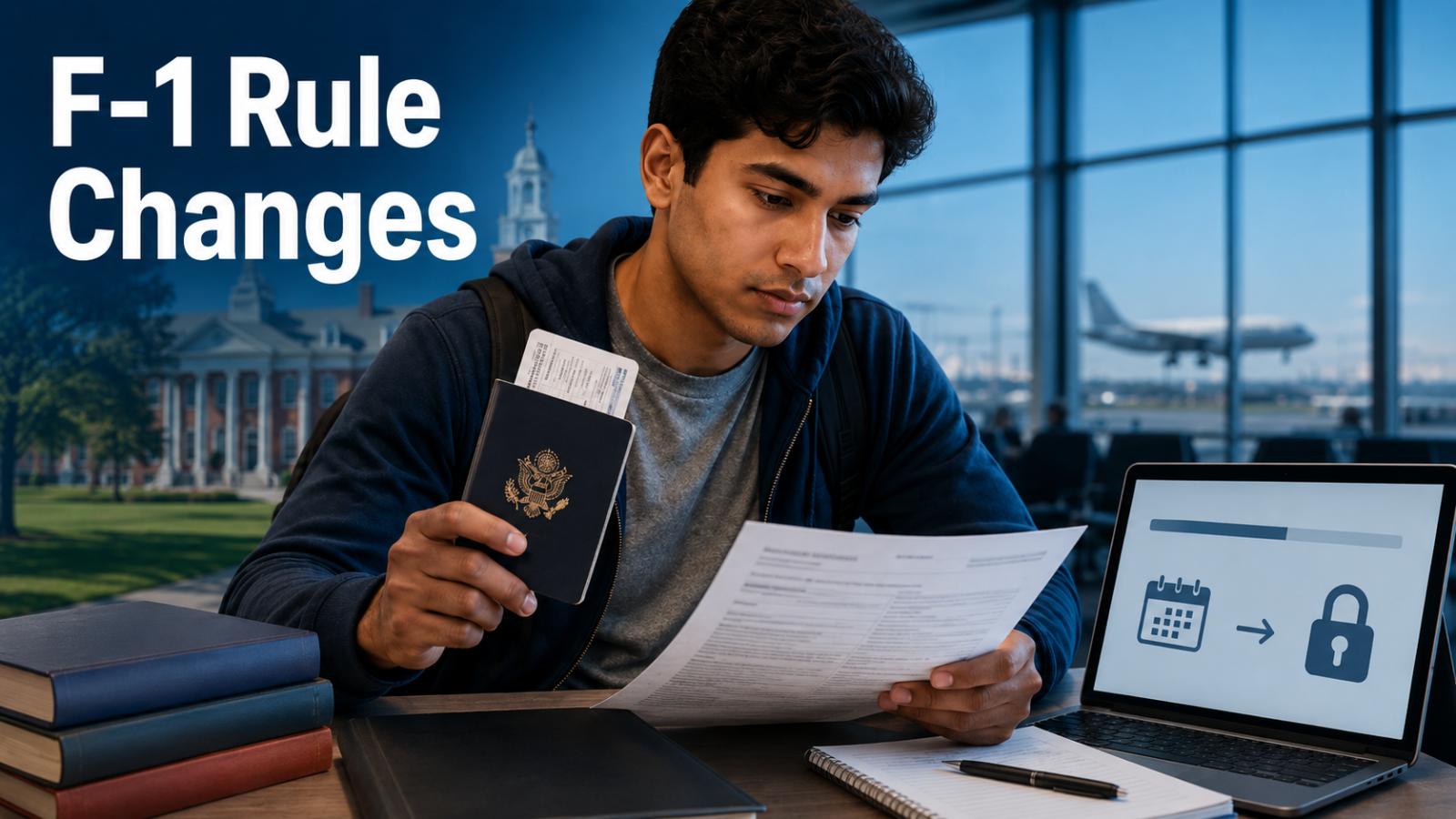
The immigration crackdown could extend further into the Optional Practical Training program, commonly known as OPT.
The Department of Homeland Security has proposed a $70,000 fee connected to participation in OPT, which allows eligible international students to gain temporary employment related to their academic field during or after their studies.
Under the proposal, universities and colleges would face the charge for students participating in the program.
If implemented, such a substantial fee could significantly change how institutions approach OPT participation and potentially affect international students considering education and employment opportunities in the United States.
H-1B Program Also Faces Major Changes
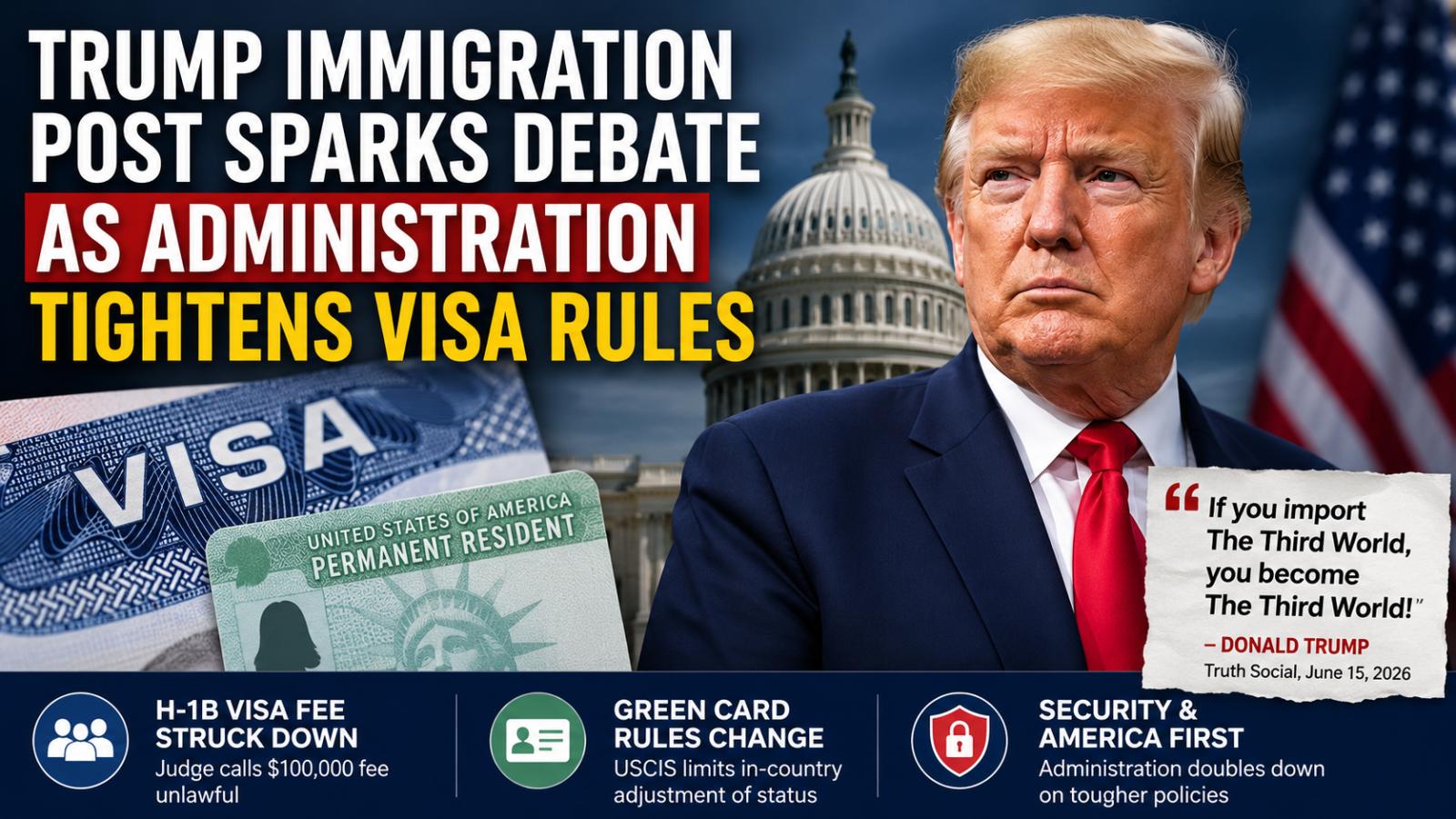
The administration has separately announced plans for a $103,265 fee covering cap-subject H-1B petitions, describing it as a mechanism to recover some of the federal government's immigration administration costs.
The latest proposals follow an earlier attempt to impose a one-time $100,000 fee on companies filing certain H-1B petitions for workers outside the United States.
A federal judge struck down that fee in June 2026, ruling that it effectively operated as an unauthorized tax. An appeals court declined to suspend the ruling in July, although the government's broader appeal remains pending.
The administration has also proposed significant structural changes to the H-1B system, including replacing the traditional random lottery with a selection process that would give preference to higher-paid applicants.
Another proposal would eliminate the current grace period of up to 60 days that can allow H-1B workers who lose their jobs to find another sponsoring employer.
Project Firewall Expands Employer Investigations
Immigration enforcement has also increased through the Labor Department's "Project Firewall," launched in September 2025.
The initiative focuses on employers suspected of misusing the H-1B program or using foreign workers in ways that could disadvantage U.S. employees.
The Labor Department says nearly 200 investigations have been launched under the initiative, highlighting the administration's broader effort to increase employer compliance and scrutiny of skilled-worker visa programs.
International Students Face Wider Visa Scrutiny
The J-1 investigations are part of a broader push to scrutinize international students, scholars and universities.
In July 2025, the Department of Homeland Security subpoenaed Harvard University for records involving international students and immigration compliance. Harvard said it would comply with applicable law but criticized the government's actions.
The administration also attempted to revoke Harvard's authority to enroll international students and sought to prevent new international students from entering the United States to attend the university. Courts blocked those measures while the legal disputes continued.
International student visa applicants have also faced increased screening, including reviews of social media activity. Some Chinese students have reportedly faced heightened scrutiny over national security concerns, while the administration has revoked thousands of student visas.
What It Means for Foreign Workers and Students
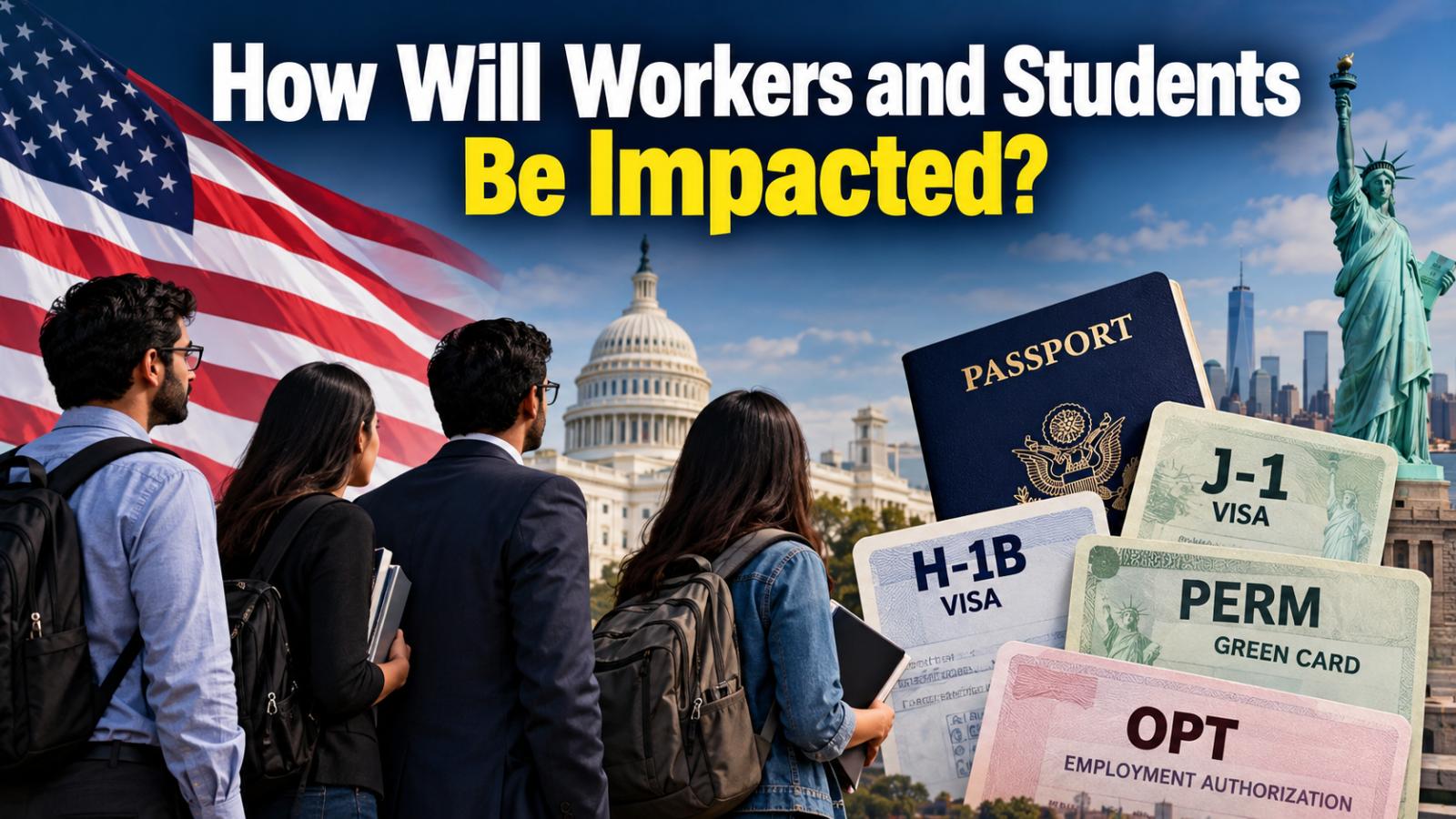
Taken together, the PERM suspension, H-1B enforcement measures, proposed OPT fees and increased scrutiny of J-1 programs point to a more restrictive environment for employment- and education-based immigration.
For H-1B professionals, delays in the green card process could be especially important for those approaching visa limits or depending on employer sponsorship for long-term status.
For international students, higher costs and tighter scrutiny could influence decisions about studying and working in the United States. Universities could also face financial pressure if international enrollment continues to decline.
Supporters of the administration's policies argue that tougher enforcement is necessary to prevent abuse of immigration programs and protect American workers.
Critics warn that excessive restrictions could reduce the United States' ability to attract international students, researchers and highly skilled professionals while increasing uncertainty for people already legally studying and working in the country.