Israeli Prime Minister Benjamin Netanyahu was forced into a rare public apology this week, after US President Donald Trump pushed him to directly address Qatar over a deadly airstrike in Doha. The strike, which took place on September 9, killed five people, including the son of senior Hamas official Khalil al-Hayya, and rattled Washington as well as key mediators in the ongoing Gaza ceasefire talks.
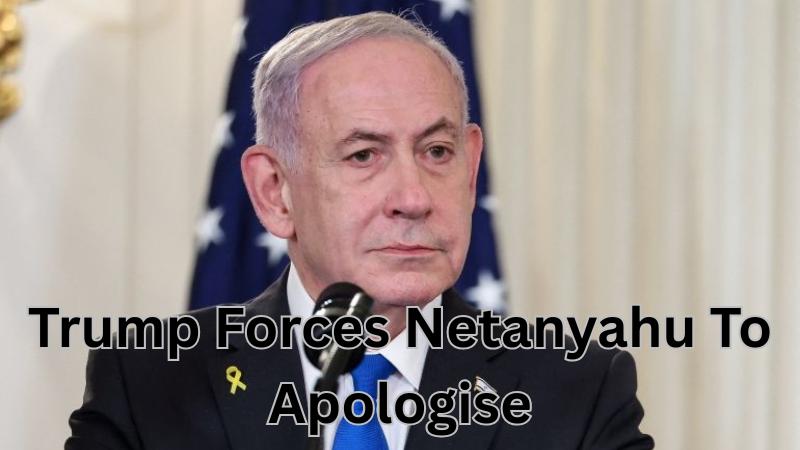
The White House released a striking black-and-white photograph from the Oval Office on Monday, showing Trump gripping a phone in his lap while Netanyahu appeared hunched over, seemingly reading from a sheet of paper. The optics of the moment immediately drew attention worldwide, with many questioning whether Netanyahu was speaking his own words or reciting a script prepared by aides.
According to officials, Trump had been angered by the unilateral strike and its impact on delicate regional diplomacy. He reportedly told Netanyahu during a heated private call that the decision was “not wise,” stressing that such moves could jeopardize ceasefire negotiations. Qatar, which has long played a central role as a mediator alongside Egypt, condemned the bombing as cowardly and a violation of international law, and even considered pulling away from talks.
When Netanyahu arrived in Washington, Trump seized the opportunity to stage-manage a phone call with Qatari Prime Minister Sheikh Mohammed bin Abdulrahman al-Thani. On the call, Netanyahu expressed deep regret for the incident, acknowledged Qatar’s sovereignty, and assured there would be no repeat of such actions. The apology was not just symbolic; it was intended to restore trust with Qatar and bring it back into fragile negotiations over Gaza.
Observers noted the unusual dynamic captured in the Oval Office image. Netanyahu, long known for his tough rhetoric, appeared subdued as he read his apology, while Trump, a staunch ally of Israel, positioned himself as the dominant figure dictating the exchange. For Trump, it was not only about calming regional anger but also a demonstration of his influence, forcing one of America’s closest allies into an uncomfortable posture of humility.
The call underscored Washington’s determination to keep Qatar engaged in peace efforts while signaling to Israel that unilateral military actions carry diplomatic costs. Whether Netanyahu’s apology will succeed in fully repairing the damage remains uncertain, but the moment has already been marked as one of the most telling images of Trump’s leverage in Middle East diplomacy.