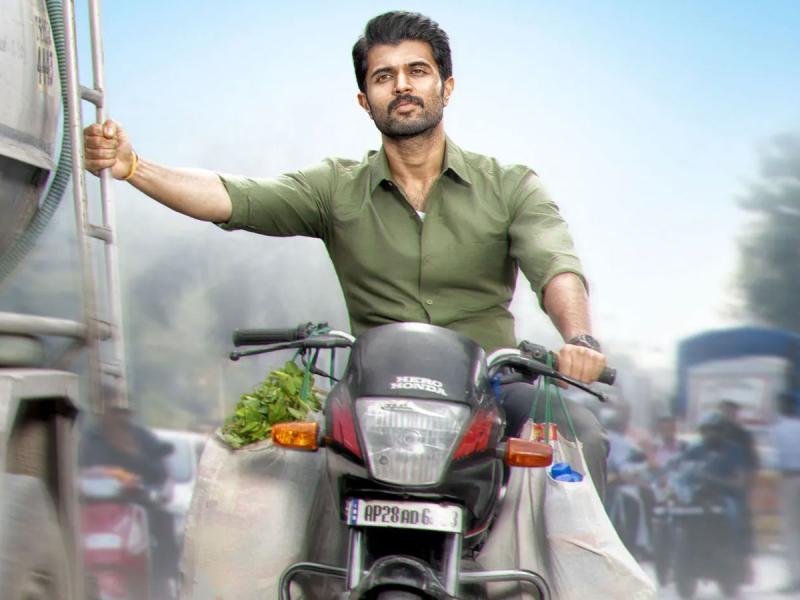
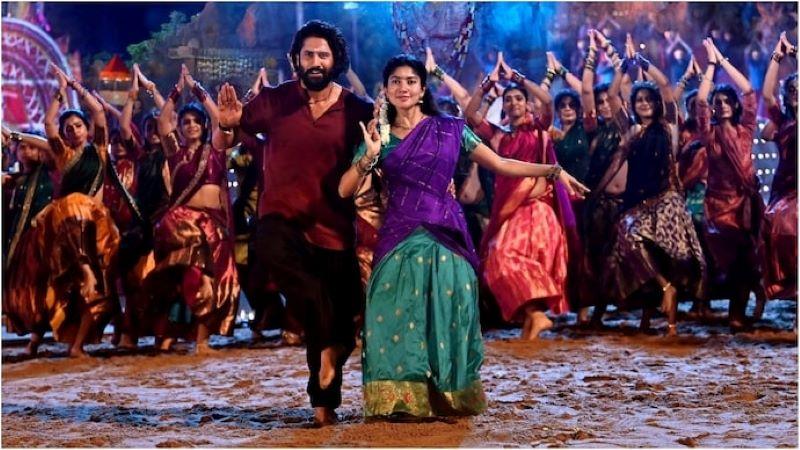
What’s the Movie About?
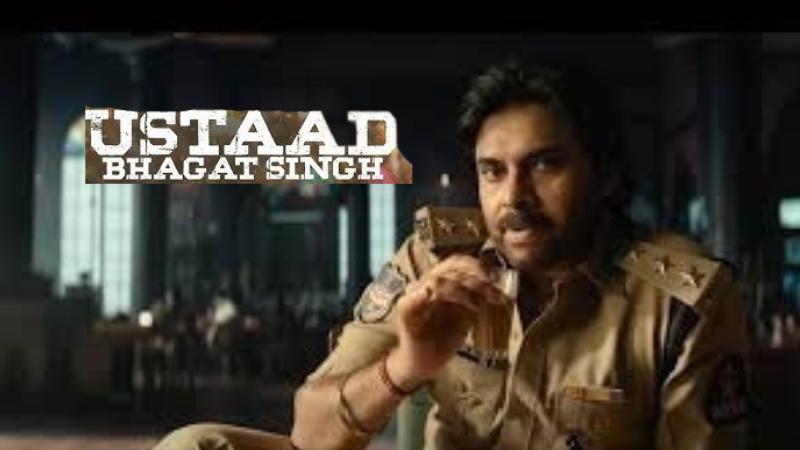
The story revolves around a noble teacher (played by K. S. Ravikumar), who works for the welfare of children in the tribal areas of united Andhra Pradesh. He encounters a brave and well-read tribal boy (Pawan Kalyan), who is later named Ustaad Bhagat Singh. The teacher helps him become an educated youth with a strong social conscience. Eventually, Bhagat becomes a police officer and fights against evil forces. His teacher, on the other hand, becomes the Chief Minister of the state.
When everything seems to be going well, a group of people attempts to assassinate the Chief Minister. What challenges did Bhagat face due to his honesty and integrity? Why was there a plot to kill the Chief Minister? How is the relationship between Bhagat and Geetha (played by Sreeleela), a Radio Jockey (RJ)? Who is Shloka (Raashii Khanna), and how is she connected to Bhagat? The rest of the story unfolds as Bhagat takes on the corrupt politician Chadala Marri Nalla Nagappa (R. Parthiban) and his sons.
Performances
Pawan Kalyan shines in Ustaad Bhagat Singh with a strong screen presence, delivering an excellent performance in action, comedy, and emotional sequences. His look and styling in this film are some of his best in recent times, and he brings back his famous comedy timing, even in high-intensity moments. His confrontation sequences with the antagonist are among the highlights of the film.
R. Parthiban plays a corrupt politician, Chadala Marri Nalla Nagappa, and delivers a menacing performance. His portrayal of a ruthless villain adds depth to the film. K. S. Ravikumar portrays a teacher turned Chief Minister, giving a mature performance in a serious role that’s different from his usual comic roles.
Sreeleela plays the role of a hyperactive Radio Jockey and brings charm and freshness to the film. The chemistry between Pawan Kalyan and Sreeleela works well, despite their age difference, and their interactions are maturely written by Harish Shankar.
Raashii Khanna plays a supporting role that, unfortunately, lacks significant depth, though she makes her presence felt on screen. Senior actors like Ramki, Gautami, and L.B. Sriram play small but effective roles. Rao Ramesh provides a twist in the film, although his over-the-top performance in the initial portions could have been toned down.
Technicalities
While Devi Sri Prasad has previously delivered chartbusters for Pawan Kalyan, Ustaad Bhagat Singh sees him delivering a more mediocre album. While the song "Dekhlenge Saala" stands out, the rest of the tracks fall short of expectations. On the other hand, Thaman S provides the background score, which feels rushed and doesn’t elevate the film to the next level.
The cinematography by Ayananka Bose is solid, capturing the lush green locales of the forest and the grand sets of the film. The color grading is done well throughout the film. Editing by Karthika Srinivas could have been tighter, especially in the first half. Mythri Movie Makers has ensured high production values, creating a rich visual experience.
Positives
- Pawan Kalyan’s strong screen presence and engaging performance.
- Three well-executed action blocks in the second half.
- Some powerful dialogues, such as “Gandhi Garu ante gauravam. Bhagat Singh ante pranam” and others that resonate with the themes of the film.
Negatives
- Template-driven screenplay that follows a familiar commercial formula.
- Dated execution, especially in the first half, which feels unexciting.
- Songs that fail to make a lasting impression.
- Lackluster opening, especially the comedy and dance sequences in the initial portions.
Analysis
Ustaad Bhagat Singh was announced in 2020, and there was speculation about it being a remake of the Tamil blockbuster Theri. Fortunately, the film isn’t a remake but does borrow from various commercial film tropes. The story, though familiar, could have been presented with more originality in character development and screenplay.
What worked in favor of the film are three action-packed episodes in the second half, which are sure to be loved by Pawan Kalyan’s fans. These include an intense city episode, a police station sequence, and the dramatic scene where Bhagat confronts the antagonist’s son. Harish Shankar’s dialogues also pack a punch, and the emotional resonance of “Nee Manase” from Tholiprema adds a nostalgic touch to the film.
However, the film struggles with its first hour, which feels outdated and uninspiring. The dance sequences and comedy portions lack the flair needed to draw the audience in. Some sequences, like the one resembling Jr. NTR’s Temper, feel like a missed opportunity.
Final Verdict:
Ustaad Bhagat Singh is an enjoyable film for Pawan Kalyan’s fans and mass audiences who appreciate his larger-than-life screen presence. However, it does not quite live up to the high standards set by Gabbar Singh and other films in the same genre. It’s a commercial entertainer that delivers some solid moments but struggles with a predictable screenplay and execution.
Rating: 2.5/5