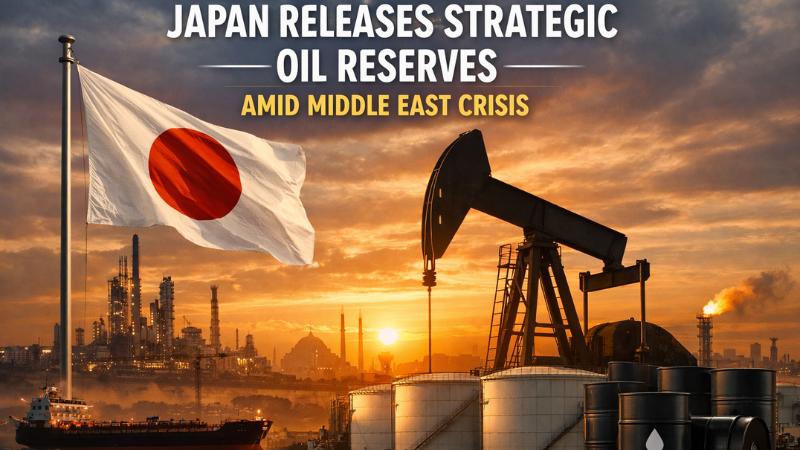
In a significant move amid the ongoing Middle East crisis, Japan has become the first G7 nation to announce the release of its strategic oil reserves. This decision comes in response to the geopolitical tensions affecting the global oil market and concerns over potential disruptions in the supply of crude oil. Japan's action is aimed at maintaining energy security and stabilizing oil prices, which have been fluctuating due to the crisis in the Middle East.
As one of the world's largest oil importers, Japan's release of reserves holds significant implications for global oil markets. The country has decided to tap into its emergency oil stocks to ensure that the domestic fuel supply remains uninterrupted and to mitigate any further price hikes caused by the disruption in oil supply. By releasing these reserves, Japan hopes to stabilize the energy market not only for its own needs but also for the broader global community. This move reflects Japan’s proactive stance in managing its energy security during times of geopolitical uncertainty.
The decision to release oil reserves is also likely to have a ripple effect on the global oil market, particularly with regard to OPEC’s policies and the oil supply from other countries. Experts predict that Japan's strategic move will influence oil price fluctuations and could prompt other nations, particularly G7 members, to take similar actions to safeguard their energy needs. With the Middle East crisis showing no signs of resolution, Japan's initiative highlights the growing importance of strategic oil reserves in ensuring global energy stability. As the situation develops, more countries are expected to assess the impact of this release on their own energy security and oil supply strategies.