Global oil markets experienced unprecedented volatility this week as escalating tensions in the Middle East disrupted key energy supply routes and triggered the largest weekly surge in U.S. crude futures since trading began in 1983. The sharp rise in oil prices reflects growing concerns among investors and governments that prolonged conflict in the region could severely affect global fuel supply chains and economic stability.
West Texas Intermediate crude futures climbed sharply on Friday, rising 12.21 percent, or $9.89, to settle at $90.90 per barrel. The international benchmark Brent crude also recorded strong gains, advancing 8.52 percent, or $7.28, to close at $92.69 per barrel. Over the course of the week, U.S. crude surged 35.63 percent, marking the largest weekly increase in the contract’s history, while Brent rose nearly 28 percent, its strongest weekly performance since April 2020.
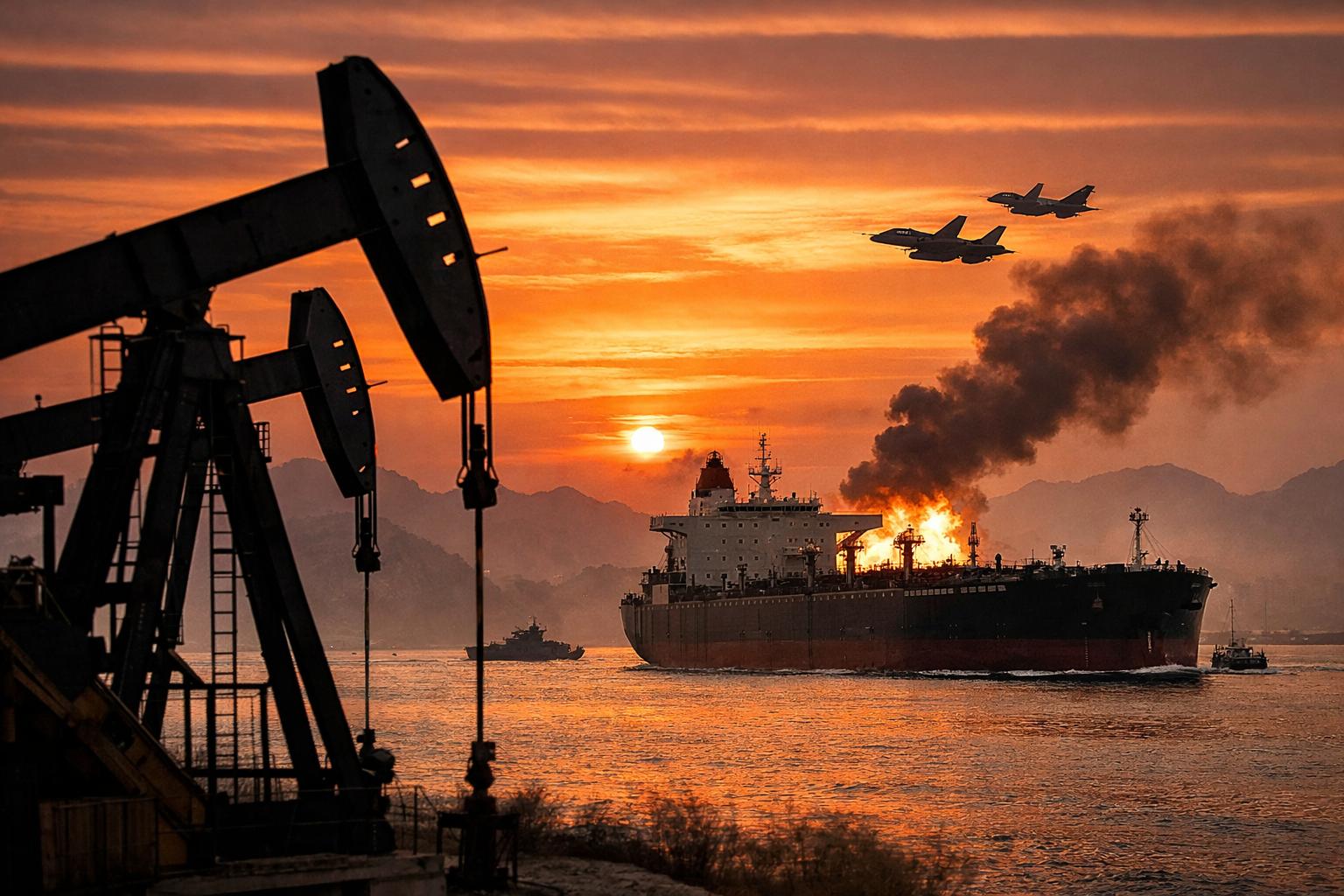
Market analysts attribute the surge largely to the intensifying conflict between the United States and Iran, which has raised fears of a prolonged geopolitical crisis. Concerns have intensified after demands from U.S. leadership for Iran’s unconditional surrender heightened the risk of further escalation. The conflict has significantly disrupted shipping activity in the Strait of Hormuz, one of the world’s most critical maritime routes for transporting crude oil and energy supplies.
Energy industry officials warn that continued disruption in the region could have far-reaching economic consequences. Qatar’s energy minister, Saad al-Kaabi, cautioned that oil prices could potentially reach $150 per barrel if tankers remain unable to navigate the strait. Such a scenario could trigger widespread economic instability as global economies rely heavily on steady energy supplies. Exporters in the Gulf region are reportedly considering force majeure declarations as logistical challenges mount and contractual obligations become increasingly difficult to meet.
The United States has introduced a $20 billion insurance program aimed at protecting oil tankers operating in the Persian Gulf. However, the initiative has done little to calm market concerns, as traders increasingly focus on real supply disruptions rather than geopolitical risk alone. Production cuts have already begun to impact the market. Iraq has reportedly shut down around 1.5 million barrels per day of oil production, while Kuwait has also reduced output after storage facilities reached capacity.
Energy analysts estimate that global production cuts could approach six million barrels per day in the coming days if shipping routes remain restricted. Supply constraints may also extend to the United Arab Emirates as the situation develops. Rising crude prices have already begun affecting consumers, with average gasoline prices increasing significantly over the past week. As the conflict enters its seventh day, defense officials have indicated that military operations may continue, leaving energy markets bracing for further uncertainty in the weeks ahead.