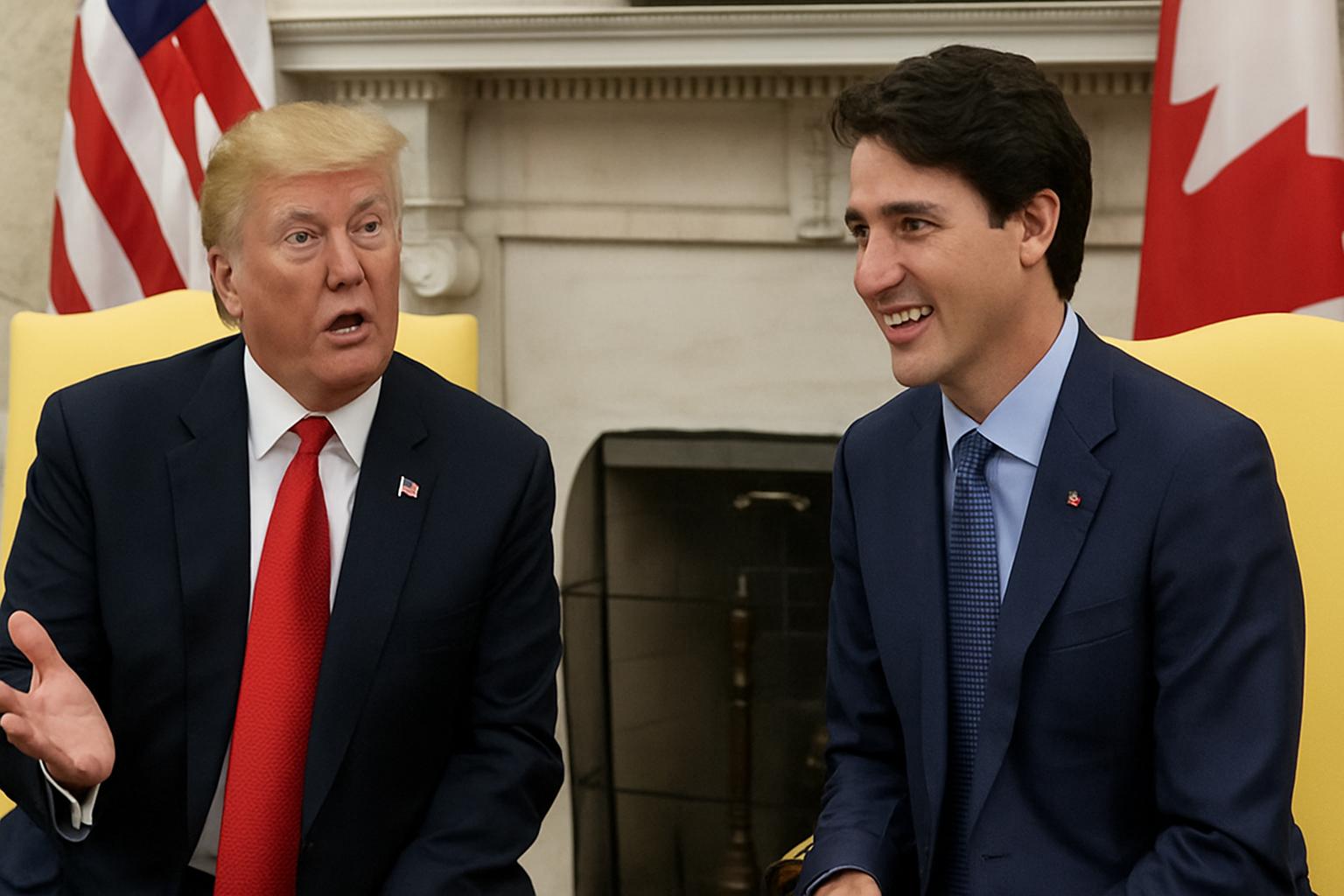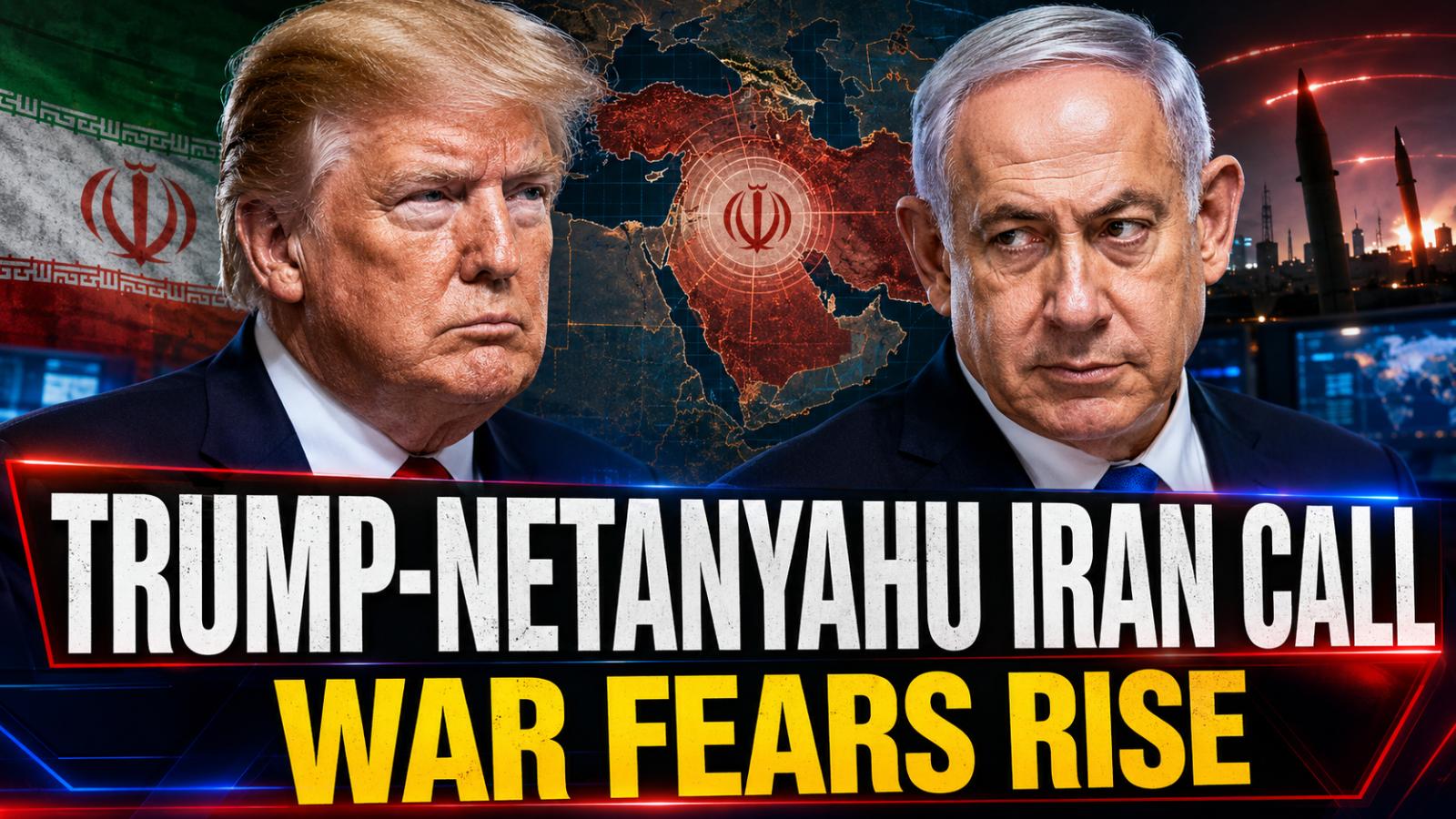
Israeli Prime Minister Benjamin Netanyahu held a phone conversation with US President Donald Trump on Sunday, May 17, as tensions involving Iran remained high and questions continued over the durability of the ceasefire. The discussion reportedly focused on the war with Iran, regional security conditions and the future of diplomatic efforts aimed at preventing another round of escalation. The call came amid reports that Washington and Jerusalem are weighing their next steps after the ceasefire failed to produce a long-term peace agreement or a clear resolution over the Strait of Hormuz.
Security talks follow leadership call
Soon after the conversation, Netanyahu convened a security discussion with senior ministers and advisers in Jerusalem. Such meetings typically involve top figures from Israel’s foreign affairs, defense, finance and national security leadership. Before speaking with Trump, Netanyahu told his cabinet that Israel remained alert regarding Iran and said his government was prepared for every scenario. He also indicated that he expected to hear Trump’s views following the US president’s recent overseas trip, along with other strategic matters.
Trump later used social media to issue a warning to Iran, saying time was running out for a peace proposal. His remarks suggested that the United States still wants a deal but is prepared to take a harder line if negotiations fail. In recent comments, Trump said Iran was not yet where Washington wanted it to be and warned that the country could face severe consequences if an agreement is not reached. At the same time, he continued to describe diplomacy as the preferred path.
The dispute over a potential Iran-US peace deal remains unresolved. Reports from Iranian state-linked sources said Washington had set several conditions for renewed talks, including limits on enriched uranium, restrictions on nuclear facilities and no compensation for wartime damage. Iran has rejected those terms and has presented its own demands, including sanctions relief, release of frozen assets, compensation and recognition of its authority over the Strait of Hormuz. Iranian officials have also argued that dialogue, not military force, is the only path to lasting peace.