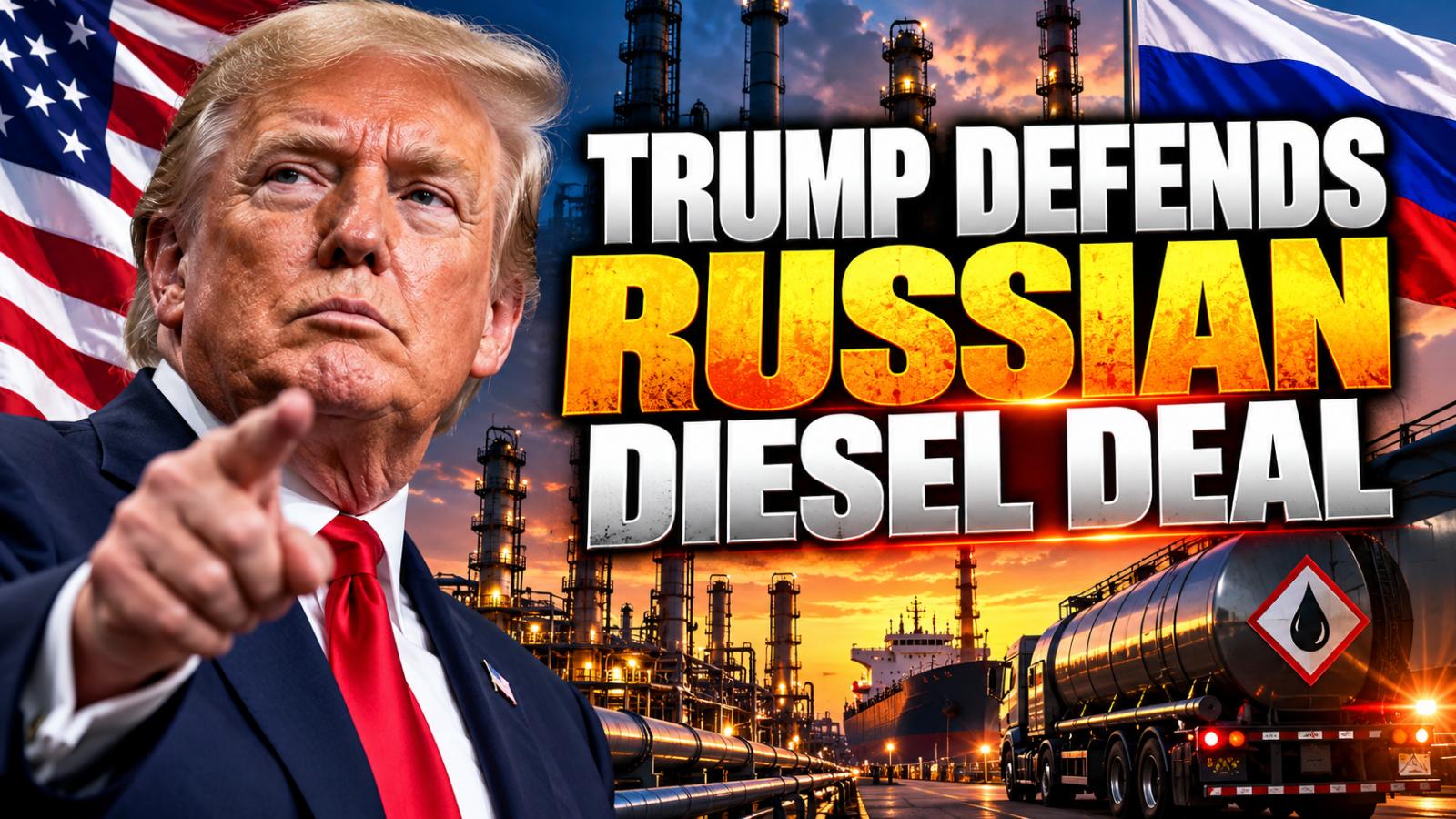
Trump Defends Russian Diesel Deal Amid Bipartisan Backlash after the United States authorized certain imports of Russian fuel. President Donald Trump says fresh supply could relieve high diesel prices, while senators question the sanctions waiver and its effect on Russia's war in Ukraine.
Russian Diesel Supply Agreement
Trump said on October 9 that he and Russian President Vladimir Putin had agreed to release more fuel to American and global markets. The announced Russia diesel shipments include more than 300,000 metric tons immediately, 500,000 tons in November and additional supplies afterward. These are planned volumes, not proof that fuel has already reached US pumps.
US Treasury Diesel Sanctions Waiver
The US Treasury issued General License 135 on October 9, allowing specified transactions involving Russian-origin diesel. The measure creates a temporary exception to existing restrictions rather than removing every sanction on Russian energy. Critics say it conflicts with the 2022 Russian energy import ban; administration officials maintain that the policy is lawful.
Bipartisan Senate Opposition to Russian Diesel
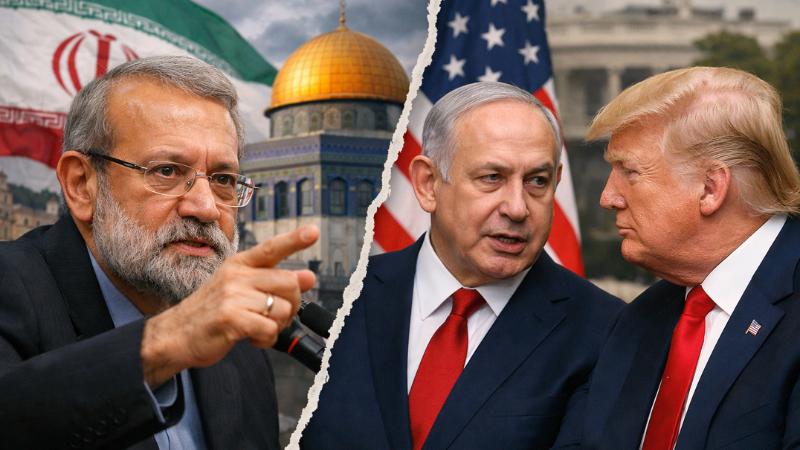
Republican and Democratic senators urged the White House to reverse course, arguing that Russian sales could provide Moscow with revenue for its invasion of Ukraine. Their statement questioned whether Congress had been properly consulted. Republican Senator Jerry Moran also urged tougher pressure on Russia. Other Republicans defended Trump's effort to protect households and businesses from fuel costs.
Diesel Fuel Prices and US Midterms
High diesel prices affect farmers, truckers and delivery costs. They have also become an issue before the November 3 midterm elections. Trump has defended the agreement as an America First decision. Yet the initial 300,000-ton shipment equals roughly 2.25 million barrels, less than one day of US transportation-sector diesel demand. Analysts therefore warn that immediate price relief may be limited.
Ukraine and Strait of Hormuz Concerns
Ukrainian President Volodymyr Zelensky says disruptions around the Strait of Hormuz are a major reason for fuel shortages, disputing Trump's emphasis on Ukrainian strikes against Russian refineries. Wider conflict in the Middle East and questions about Russia's refinery capacity also cloud the outlook. For now, the economic benefits, legal questions and diplomatic costs remain unresolved.