






Trump-Xi Summit 2026: 6 Past Meetings That Explain US-China Tensions
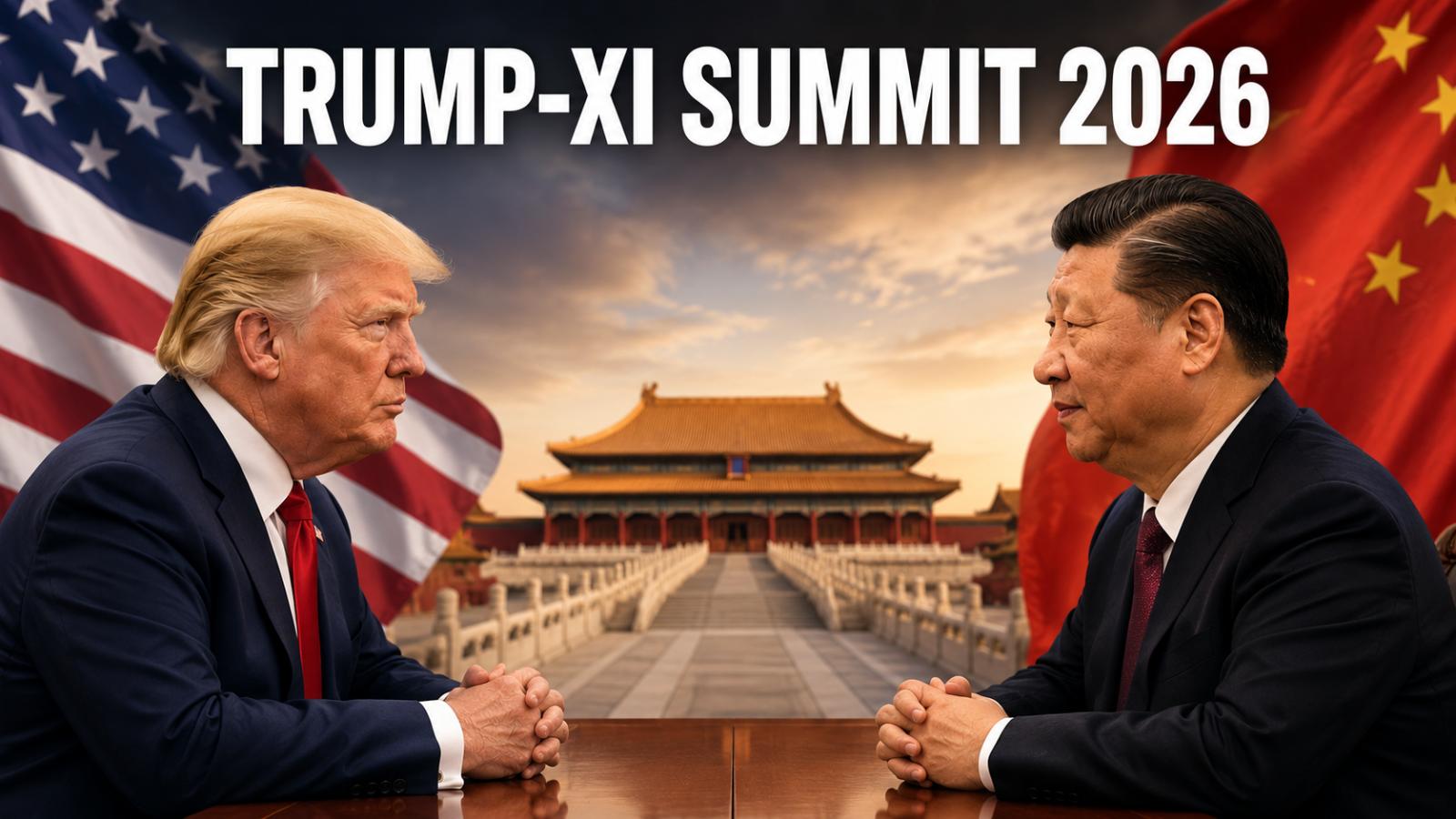
Trump-Xi Summit Puts US-China Tensions Back in Focus US President Donald Trump arrived in Beijing on Wednesday, May 13, 2026, for a high-stakes summit with Chinese President Xi Jinping, bringing tariffs, rare earth exports, AI chips, Taiwan and global security back to the center of US-China relations. The summit is expected to mark another major test for the world’s two largest economies after six previous Trump-Xi meetings shaped trade disputes, tariff pauses and fragile diplomatic resets since 2017. For Washington, the key questions include trade access, technology restrictions, agriculture purchases, Taiwan and supply-chain stability. For Beijing, the meeting is a chance to push back against US tariffs and technology controls while protecting China’s position in global trade. Why the Trump-Xi Summit Matters in 2026 The 2026 Trump-Xi summit matters because the issues are no longer limited to trade. The talks now include rare earth minerals, artificial intelligence, agriculture, Taiwan, nuclear concerns and broader geopolitical tensions. Reuters reported that Trump and Xi are expected to discuss trade, AI, agriculture, rare earths and global security issues during the summit period. Rare earth exports are especially important because China plays a major role in minerals used in defense systems, electric vehicles, electronics and clean-energy technology. Any movement on export controls could affect global supply chains and US manufacturers. AI chips are another major pressure point. Trump’s Beijing visit also drew attention because Nvidia CEO Jensen Huang joined the mission as US companies seek broader access to China’s technology market. Taiwan remains one of the most sensitive security issues. Beijing strongly opposes US arms sales to Taiwan, while Washington continues to maintain political and security ties with Taipei. AP reported that US arms sales to Taiwan are among the issues surrounding the summit. Trump-Xi Meetings Timeline Meeting Date Location Main Focus Why It Matters Now First Trump-Xi meeting Thursday, April 6, 2017 Mar-a-Lago, Florida Trade, diplomacy, North Korea Opened direct leader-level communication G20 meeting Saturday, July 8, 2017 Hamburg, Germany North Korea and economic ties Came before stronger US trade action Trump China visit Wednesday, November 8, 2017 to Friday, November 10, 2017 Beijing, China Business deals and trade imbalance Warm diplomacy did not stop tariff tensions G20 dinner Saturday, December 1, 2018 Buenos Aires, Argentina Tariffs, intellectual property and cyber concerns Opened temporary negotiations during the trade war Osaka G20 meeting Saturday, June 29, 2019 Osaka, Japan Tariff pause and farm purchases Restarted trade talks after escalation APEC meeting Thursday, October 30, 2025 Busan, South Korea Tariffs, rare earths and farm exports Created a temporary pause before the 2026 summit How Six Meetings Shaped US-China Relations Trump and Xi first met at Mar-a-Lago in Florida on Thursday, April 6, 2017. The meeting created a personal channel between the two leaders, but it did not resolve deeper US concerns over China’s trade practices, market access and industrial policy. Their second meeting came on Saturday, July 8, 2017, during the G20 summit in Hamburg, Germany. North Korea was a major topic, but trade tensions were already rising. Soon after, Washington moved toward stronger action over alleged Chinese intellectual property theft and unfair trade practices. Trump visited Beijing from Wednesday, November 8, 2017, to Friday, November 10, 2017. The visit included ceremonial events and business announcements, but the friendly tone did not prevent the two countries from moving toward a wider trade confrontation. By Saturday, December 1, 2018, when Trump and Xi met at the G20 summit in Buenos Aires, both countries had already imposed tariffs. The dinner opened temporary negotiations on trade imbalances, intellectual property and cyber concerns. The next major pause came at the G20 summit in Osaka on Saturday, June 29, 2019. Trump and Xi agreed to restart trade talks and delay new tariffs. China also pledged to buy more US agricultural goods. Their sixth meeting came after a six-year gap on Thursday, October 30, 2025, during the APEC summit in Busan, South Korea. That meeting helped create a temporary pause in parts of the trade dispute, including movement on tariffs, rare earth exports and US farm purchases. What the 2026 Trump-Xi Meeting Could Decide The Beijing summit could decide whether Washington and Beijing extend a period of limited stability or return to sharper confrontation. For the United States, the main goals include tariff relief, stronger export access for farmers, rare earth supply stability, technology safeguards and progress on broader security issues. American companies are also watching whether the talks create more space for business access in China. For China, the summit is about reducing pressure from tariffs and technology restrictions while showing that Beijing can negotiate from strength. Rare earths give China leverage, while its large consumer and technology market remains important for US companies. The six previous Trump-Xi meetings show a clear pattern: personal diplomacy can slow escalation, but it rarely solves the deeper disputes. Mar-a-Lago and Beijing created warmth but did not prevent the trade war. Buenos Aires and Osaka produced temporary pauses. Busan again showed that both sides could step back from escalation, but only for a limited period. That makes the 2026 summit more than another diplomatic event. It is a test of whether the United States and China can manage competition without allowing tariffs, AI chip restrictions, rare earth controls and Taiwan tensions to trigger another major crisis.
Trump-Xi Summit 2026: 6 Past Meetings That Explain US-China Tensions
Trump-Xi Summit Puts US-China Tensions Back in Focus US President Donald Trump arrived in Beijing on Wednesday, May 13, 2026, for a high-stakes summit with Chinese President Xi Jinping, bringing tariffs, rare earth exports, AI chips, Taiwan and global security back to the center of US-China relations. The summit is expected to mark another major test for the world’s two largest economies after six previous Trump-Xi meetings shaped trade disputes, tariff pauses and fragile diplomatic resets since 2017. For Washington, the key questions include trade access, technology restrictions, agriculture purchases, Taiwan and supply-chain stability. For Beijing, the meeting is a chance to push back against US tariffs and technology controls while protecting China’s position in global trade. Why the Trump-Xi Summit Matters in 2026 The 2026 Trump-Xi summit matters because the issues are no longer limited to trade. The talks now include rare earth minerals, artificial intelligence, agriculture, Taiwan, nuclear concerns and broader geopolitical tensions. Reuters reported that Trump and Xi are expected to discuss trade, AI, agriculture, rare earths and global security issues during the summit period. Rare earth exports are especially important because China plays a major role in minerals used in defense systems, electric vehicles, electronics and clean-energy technology. Any movement on export controls could affect global supply chains and US manufacturers. AI chips are another major pressure point. Trump’s Beijing visit also drew attention because Nvidia CEO Jensen Huang joined the mission as US companies seek broader access to China’s technology market. Taiwan remains one of the most sensitive security issues. Beijing strongly opposes US arms sales to Taiwan, while Washington continues to maintain political and security ties with Taipei. AP reported that US arms sales to Taiwan are among the issues surrounding the summit. Trump-Xi Meetings Timeline Meeting Date Location Main Focus Why It Matters Now First Trump-Xi meeting Thursday, April 6, 2017 Mar-a-Lago, Florida Trade, diplomacy, North Korea Opened direct leader-level communication G20 meeting Saturday, July 8, 2017 Hamburg, Germany North Korea and economic ties Came before stronger US trade action Trump China visit Wednesday, November 8, 2017 to Friday, November 10, 2017 Beijing, China Business deals and trade imbalance Warm diplomacy did not stop tariff tensions G20 dinner Saturday, December 1, 2018 Buenos Aires, Argentina Tariffs, intellectual property and cyber concerns Opened temporary negotiations during the trade war Osaka G20 meeting Saturday, June 29, 2019 Osaka, Japan Tariff pause and farm purchases Restarted trade talks after escalation APEC meeting Thursday, October 30, 2025 Busan, South Korea Tariffs, rare earths and farm exports Created a temporary pause before the 2026 summit How Six Meetings Shaped US-China Relations Trump and Xi first met at Mar-a-Lago in Florida on Thursday, April 6, 2017. The meeting created a personal channel between the two leaders, but it did not resolve deeper US concerns over China’s trade practices, market access and industrial policy. Their second meeting came on Saturday, July 8, 2017, during the G20 summit in Hamburg, Germany. North Korea was a major topic, but trade tensions were already rising. Soon after, Washington moved toward stronger action over alleged Chinese intellectual property theft and unfair trade practices. Trump visited Beijing from Wednesday, November 8, 2017, to Friday, November 10, 2017. The visit included ceremonial events and business announcements, but the friendly tone did not prevent the two countries from moving toward a wider trade confrontation. By Saturday, December 1, 2018, when Trump and Xi met at the G20 summit in Buenos Aires, both countries had already imposed tariffs. The dinner opened temporary negotiations on trade imbalances, intellectual property and cyber concerns. The next major pause came at the G20 summit in Osaka on Saturday, June 29, 2019. Trump and Xi agreed to restart trade talks and delay new tariffs. China also pledged to buy more US agricultural goods. Their sixth meeting came after a six-year gap on Thursday, October 30, 2025, during the APEC summit in Busan, South Korea. That meeting helped create a temporary pause in parts of the trade dispute, including movement on tariffs, rare earth exports and US farm purchases. What the 2026 Trump-Xi Meeting Could Decide The Beijing summit could decide whether Washington and Beijing extend a period of limited stability or return to sharper confrontation. For the United States, the main goals include tariff relief, stronger export access for farmers, rare earth supply stability, technology safeguards and progress on broader security issues. American companies are also watching whether the talks create more space for business access in China. For China, the summit is about reducing pressure from tariffs and technology restrictions while showing that Beijing can negotiate from strength. Rare earths give China leverage, while its large consumer and technology market remains important for US companies. The six previous Trump-Xi meetings show a clear pattern: personal diplomacy can slow escalation, but it rarely solves the deeper disputes. Mar-a-Lago and Beijing created warmth but did not prevent the trade war. Buenos Aires and Osaka produced temporary pauses. Busan again showed that both sides could step back from escalation, but only for a limited period. That makes the 2026 summit more than another diplomatic event. It is a test of whether the United States and China can manage competition without allowing tariffs, AI chip restrictions, rare earth controls and Taiwan tensions to trigger another major crisis.
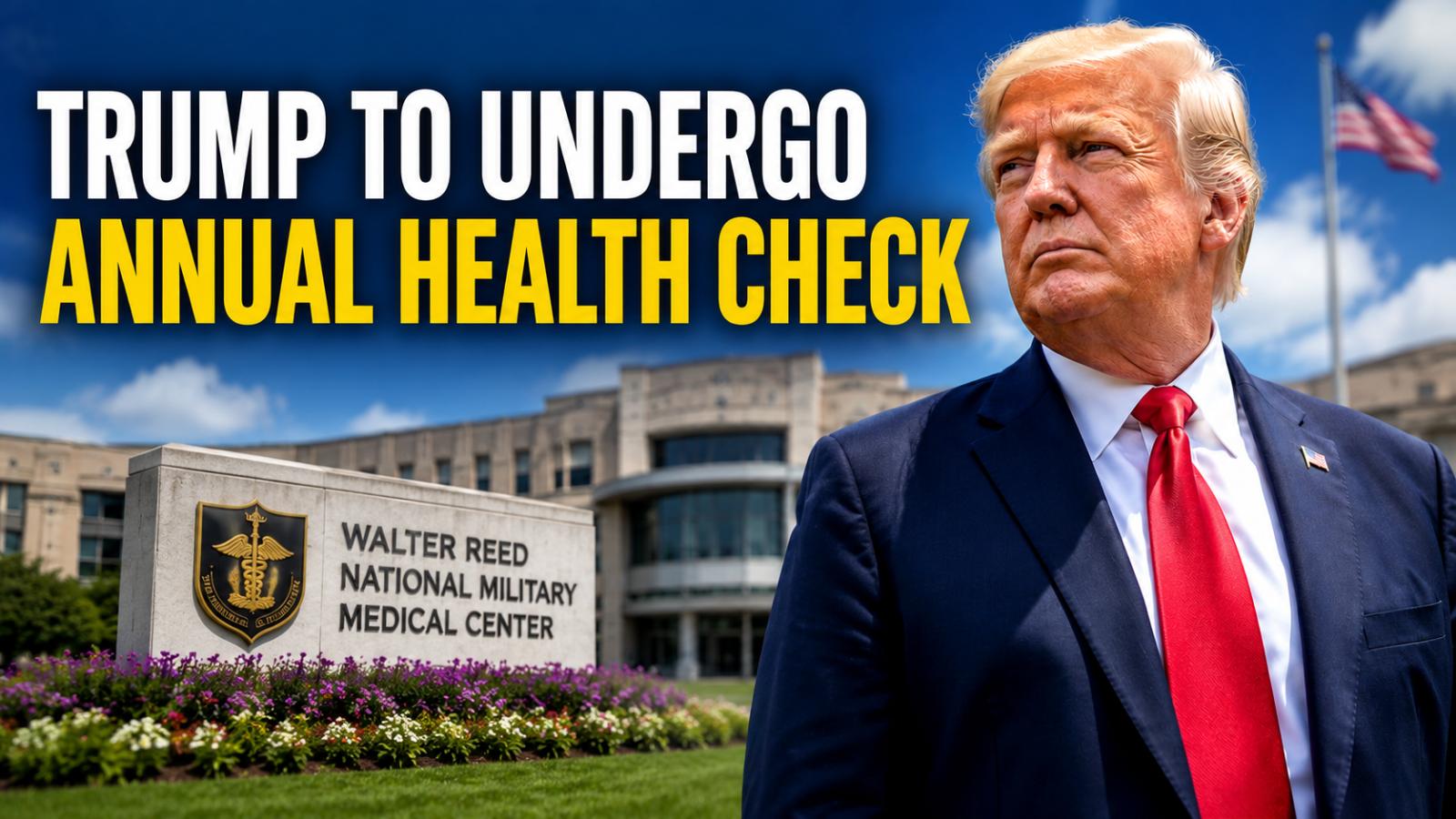
Trump Health Check at Walter Reed Sparks Fresh Questions Ahead of Beijing Summit
WASHINGTON — President Donald Trump is scheduled to undergo a medical and dental examination at Walter Reed National Military Medical Center on Monday, May 26, as part of his annual preventive health evaluation, the White House said. The checkup comes as questions surrounding presidential age, fitness and medical transparency continue drawing national attention ahead of the 2026 political season. Trump, who turns 80 next month, remains the oldest person elected president in US history. Medical Exam Comes Before Beijing Summit The White House said the evaluation will take place roughly 10 days after Trump returns from a planned summit in Beijing with Chinese President Xi Jinping. Officials described the appointment as a routine annual physical and dental review. Trump has repeatedly said he feels healthy and energetic despite ongoing public discussion about aging presidents in Washington. Speaking during an Oval Office appearance on Monday, Trump said he feels “literally the same” as he did decades ago and joked about exercising “about one minute a day.” Previous Health Reports Drew Public Attention Trump’s last major physical examination was conducted in April 2025, when White House physician Navy Capt. Sean Barbabella stated the president was “fully fit” to serve as commander in chief. The report also noted Trump had lost nearly 20 pounds compared to his 2020 medical evaluation. Later in 2025, White House officials disclosed that Trump underwent testing for mild swelling in his lower legs. Doctors diagnosed chronic venous insufficiency, a common condition affecting blood flow in older adults. Press secretary Karoline Leavitt also addressed visible bruising seen on Trump’s hands, saying it was linked to frequent handshaking and aspirin use. Trump reportedly takes aspirin to reduce the risk of heart attack and stroke. The president also received a flu shot and COVID-19 booster during a previous medical visit that included preventive heart and abdominal screening tests, according to White House officials.
Trump Health Check at Walter Reed Sparks Fresh Questions Ahead of Beijing Summit
WASHINGTON — President Donald Trump is scheduled to undergo a medical and dental examination at Walter Reed National Military Medical Center on Monday, May 26, as part of his annual preventive health evaluation, the White House said. The checkup comes as questions surrounding presidential age, fitness and medical transparency continue drawing national attention ahead of the 2026 political season. Trump, who turns 80 next month, remains the oldest person elected president in US history. Medical Exam Comes Before Beijing Summit The White House said the evaluation will take place roughly 10 days after Trump returns from a planned summit in Beijing with Chinese President Xi Jinping. Officials described the appointment as a routine annual physical and dental review. Trump has repeatedly said he feels healthy and energetic despite ongoing public discussion about aging presidents in Washington. Speaking during an Oval Office appearance on Monday, Trump said he feels “literally the same” as he did decades ago and joked about exercising “about one minute a day.” Previous Health Reports Drew Public Attention Trump’s last major physical examination was conducted in April 2025, when White House physician Navy Capt. Sean Barbabella stated the president was “fully fit” to serve as commander in chief. The report also noted Trump had lost nearly 20 pounds compared to his 2020 medical evaluation. Later in 2025, White House officials disclosed that Trump underwent testing for mild swelling in his lower legs. Doctors diagnosed chronic venous insufficiency, a common condition affecting blood flow in older adults. Press secretary Karoline Leavitt also addressed visible bruising seen on Trump’s hands, saying it was linked to frequent handshaking and aspirin use. Trump reportedly takes aspirin to reduce the risk of heart attack and stroke. The president also received a flu shot and COVID-19 booster during a previous medical visit that included preventive heart and abdominal screening tests, according to White House officials.
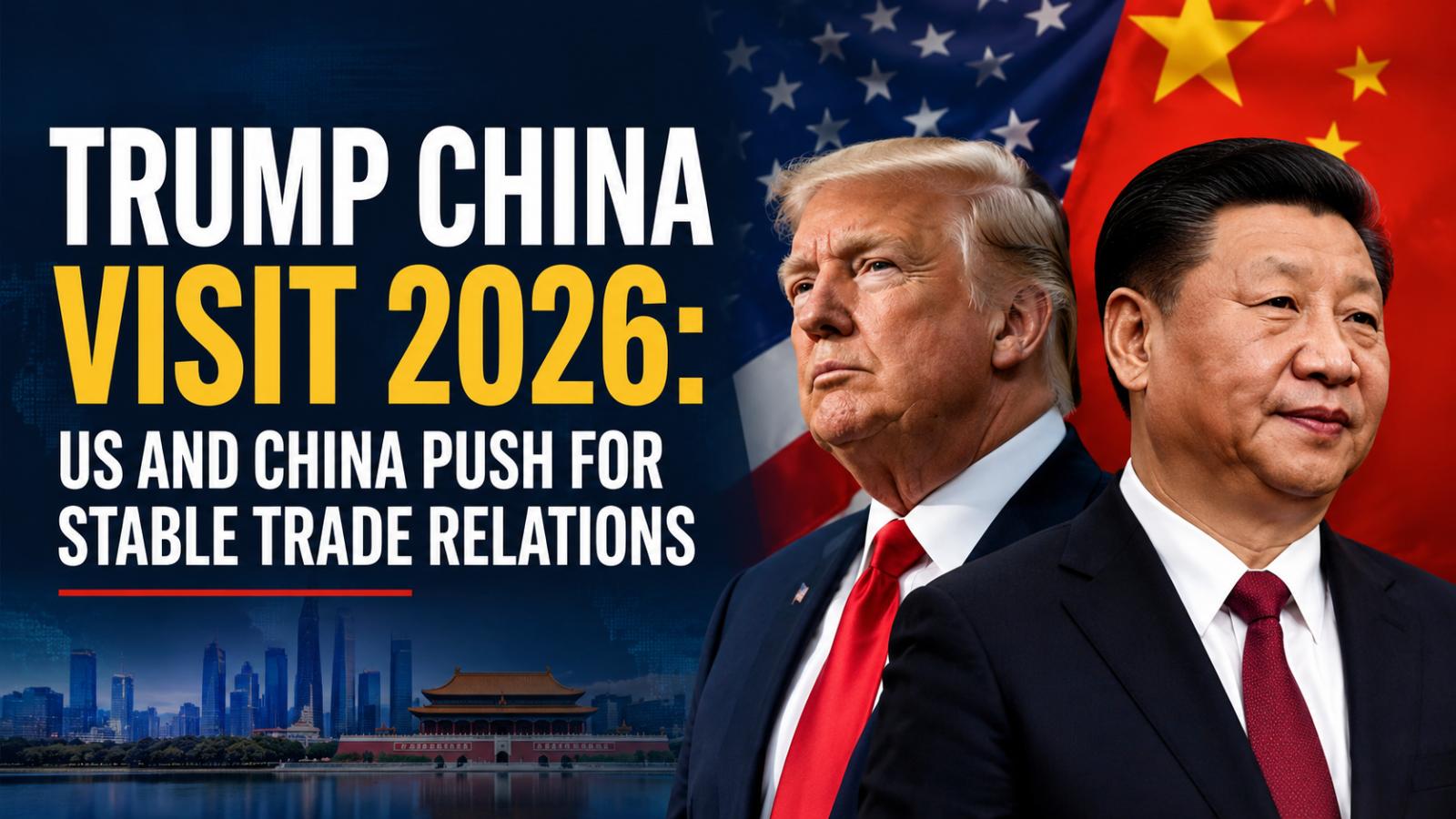
Trump-Xi meeting to focus on tariffs, Iran crisis and global stability
China on Monday confirmed that US President Donald Trump will visit Beijing from May 13 to May 15 for high-level talks with Chinese President Xi Jinping. The Trump China visit will be the first trip to China during Trump’s second term and is expected to focus on improving strained trade relations between the world’s two largest economies. The meeting comes at a time when global tensions, tariff disputes and concerns over economic stability continue to affect international markets and poli
Trump-Xi meeting to focus on tariffs, Iran crisis and global stability
China on Monday confirmed that US President Donald Trump will visit Beijing from May 13 to May 15 for high-level talks with Chinese President Xi Jinping. The Trump China visit will be the first trip to China during Trump’s second term and is expected to focus on improving strained trade relations between the world’s two largest economies. The meeting comes at a time when global tensions, tariff disputes and concerns over economic stability continue to affect international markets and poli
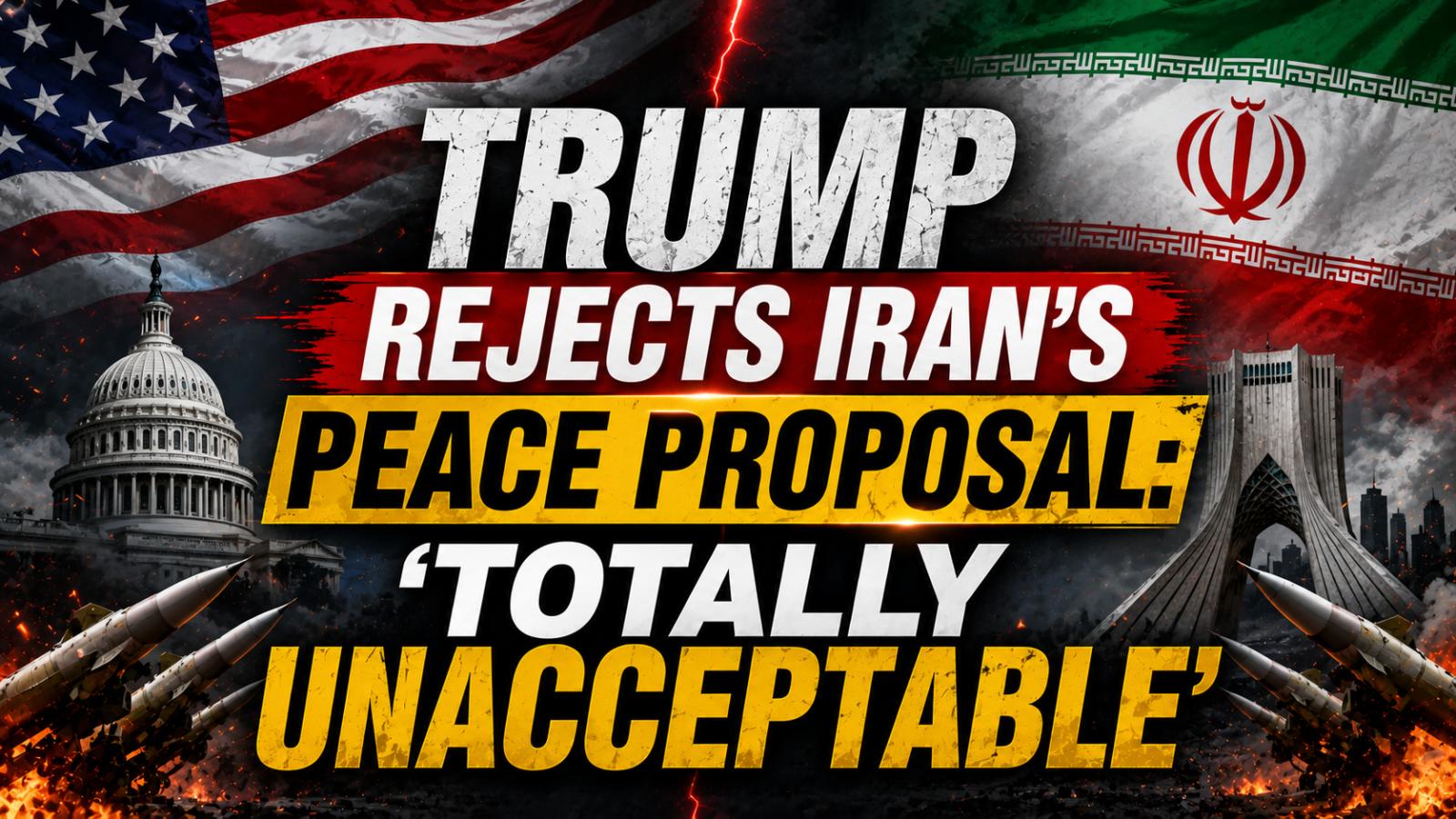
Donald Trump Calls Iran’s War Proposal ‘Totally Unacceptable’
US President Donald Trump on May 10th,Sunday sharply rejected Iran’s latest proposal aimed at ending the conflict between the two countries, calling the response “totally unacceptable” and raising concerns about renewed military tensions in the Middle East. Trump made the remarks on his Truth Social platform shortly after Tehran submitted its counterproposal to Washington’s recent peace terms. Although Trump did not disclose details of Iran’s response, he accused Tehran of
Donald Trump Calls Iran’s War Proposal ‘Totally Unacceptable’
US President Donald Trump on May 10th,Sunday sharply rejected Iran’s latest proposal aimed at ending the conflict between the two countries, calling the response “totally unacceptable” and raising concerns about renewed military tensions in the Middle East. Trump made the remarks on his Truth Social platform shortly after Tehran submitted its counterproposal to Washington’s recent peace terms. Although Trump did not disclose details of Iran’s response, he accused Tehran of
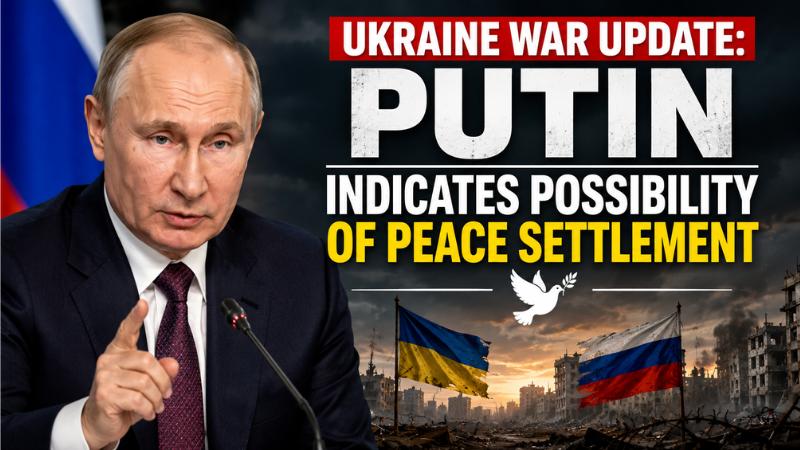
Ukraine War Update: Putin Indicates Possibility of Peace Settlement
Putin Signals Possible Ukraine Peace Talks as Ceasefire Begins Vladimir Putin has hinted that the Russia-Ukraine war could be nearing an end, raising hopes of a possible peace agreement after years of conflict. Speaking during Russia’s Victory Day events in Moscow, Putin said the situation appeared to be “coming to an end” as
Ukraine War Update: Putin Indicates Possibility of Peace Settlement
Putin Signals Possible Ukraine Peace Talks as Ceasefire Begins Vladimir Putin has hinted that the Russia-Ukraine war could be nearing an end, raising hopes of a possible peace agreement after years of conflict. Speaking during Russia’s Victory Day events in Moscow, Putin said the situation appeared to be “coming to an end” as
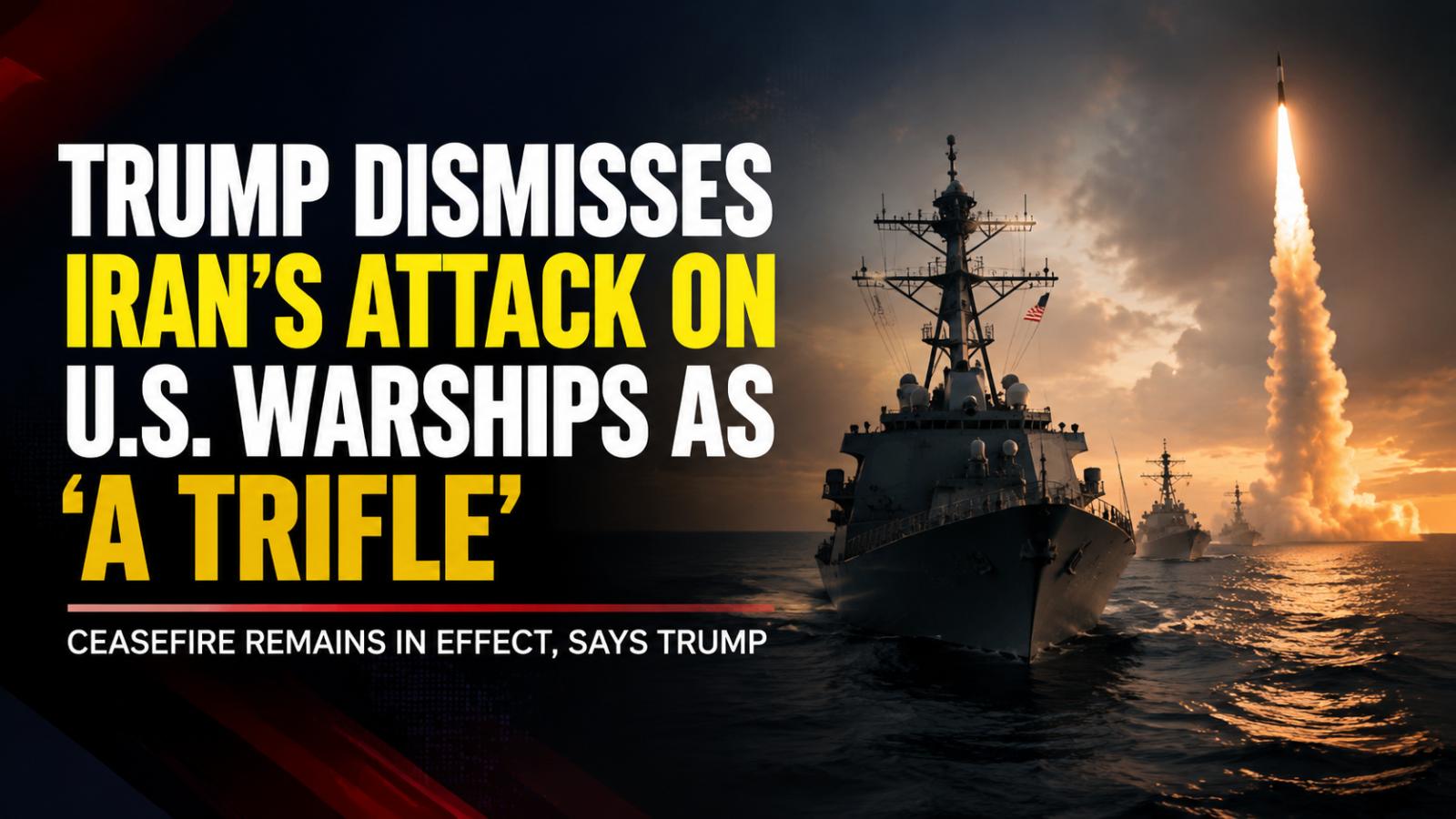
Trump dismisses Iran's attacks on US warships as 'a trifle' amid ongoing ceasefire
On May 7, 2026, President Donald Trump responded dismissively to recent Iranian attacks on three American warships, calling the incident "a trifle" and maintaining that the ceasefire between the two nations remained intact. During a visit to the Lincoln Memorial Reflecting Pool renovations, Trump told reporters, "They trifled with us today. We blew them away. They trifled. I call that a trifle." Despite the missile and drone strikes launched by Iranian forces, Trump assured the press that the
Trump dismisses Iran's attacks on US warships as 'a trifle' amid ongoing ceasefire
On May 7, 2026, President Donald Trump responded dismissively to recent Iranian attacks on three American warships, calling the incident "a trifle" and maintaining that the ceasefire between the two nations remained intact. During a visit to the Lincoln Memorial Reflecting Pool renovations, Trump told reporters, "They trifled with us today. We blew them away. They trifled. I call that a trifle." Despite the missile and drone strikes launched by Iranian forces, Trump assured the press that the
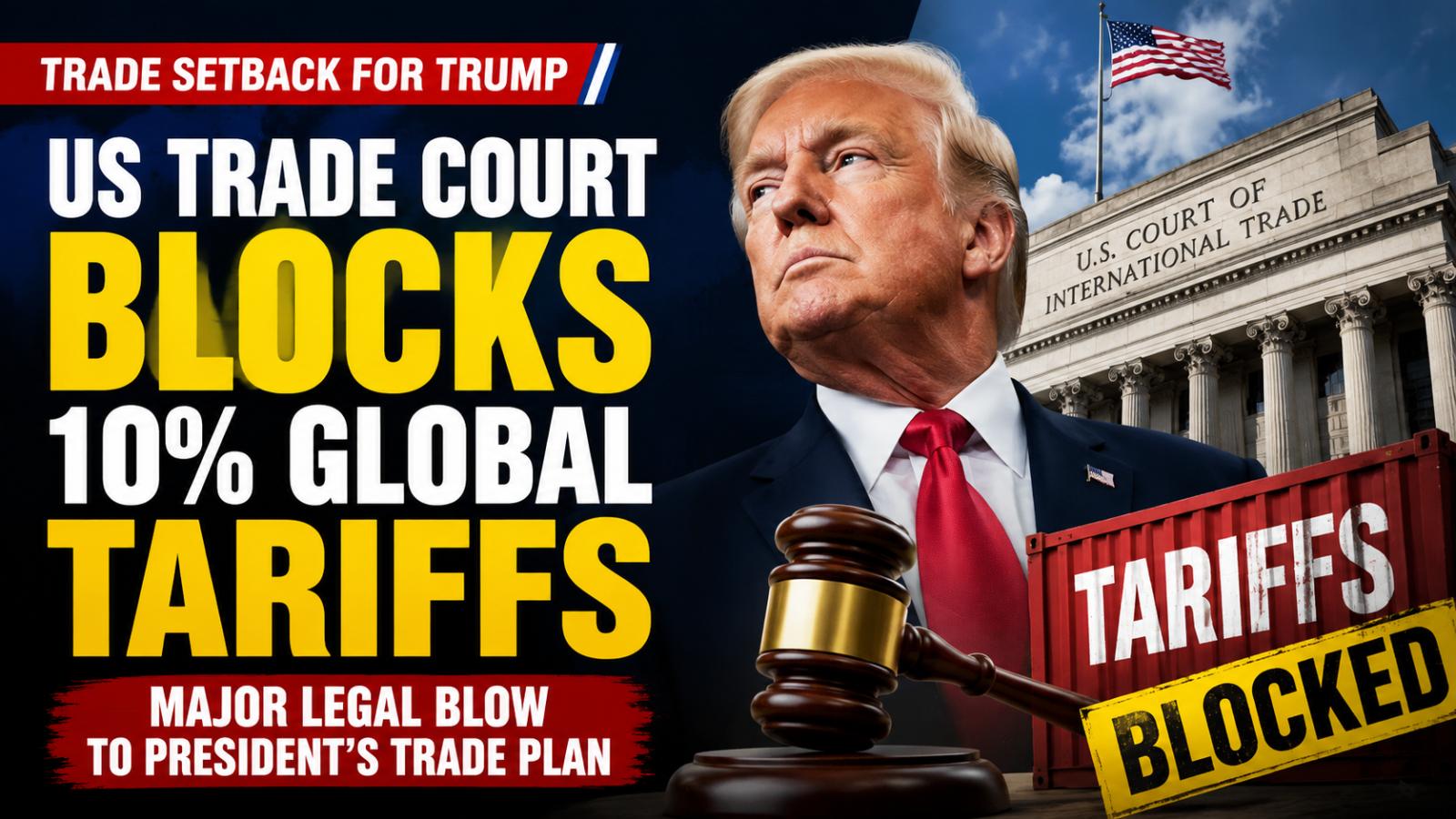
Trump’s 10% Global Tariffs Face Legal Setback, Court Orders Refunds
The Trump administration had introduced the 10% tariff in February, following a Supreme Court decision that struck down many of his earlier tariffs. The administration argued that the new measure was necessary to address balance-of-payments deficits, citing Section 122 of the Trade Act of 1974. However, the court found that this legal justification was not applicable to the current situation. The U.S. trade court's ruling has implications for the administrat
Trump’s 10% Global Tariffs Face Legal Setback, Court Orders Refunds
The Trump administration had introduced the 10% tariff in February, following a Supreme Court decision that struck down many of his earlier tariffs. The administration argued that the new measure was necessary to address balance-of-payments deficits, citing Section 122 of the Trade Act of 1974. However, the court found that this legal justification was not applicable to the current situation. The U.S. trade court's ruling has implications for the administrat
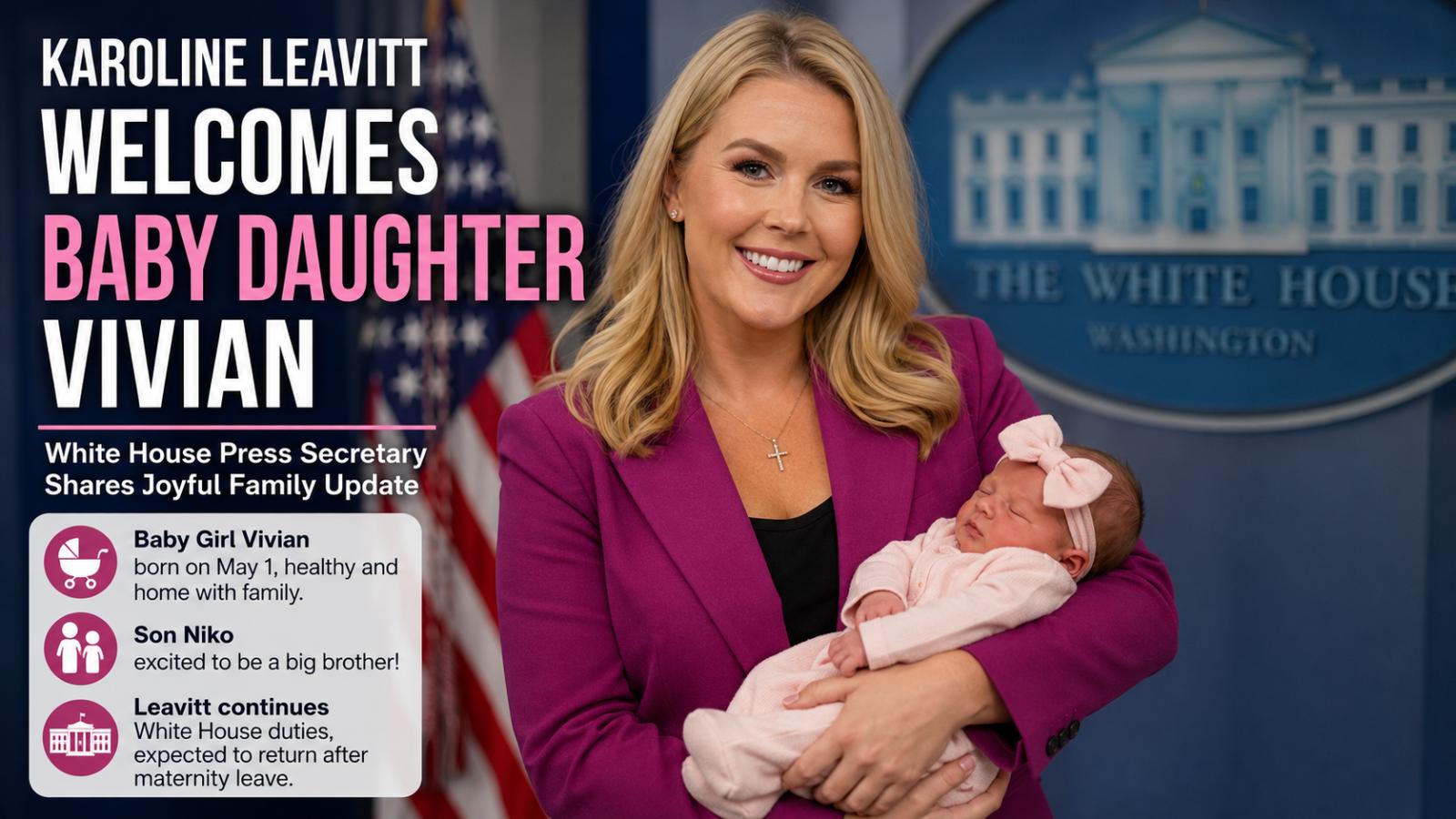
Karoline Leavitt Baby News: White House Press Secretary Welcomes Daughter Vivian Amid Duties
Karoline Leavitt Baby News: What Happened? Karoline Leavitt has welcomed her baby daughter Vivian while serving in one of the most demanding roles in U.S. politics. The White House press secretary confirmed the birth, sharing that both mother and baby are healthy. A Rare Moment in White House History At just 28, Leavitt continued of
Karoline Leavitt Baby News: White House Press Secretary Welcomes Daughter Vivian Amid Duties
Karoline Leavitt Baby News: What Happened? Karoline Leavitt has welcomed her baby daughter Vivian while serving in one of the most demanding roles in U.S. politics. The White House press secretary confirmed the birth, sharing that both mother and baby are healthy. A Rare Moment in White House History At just 28, Leavitt continued of
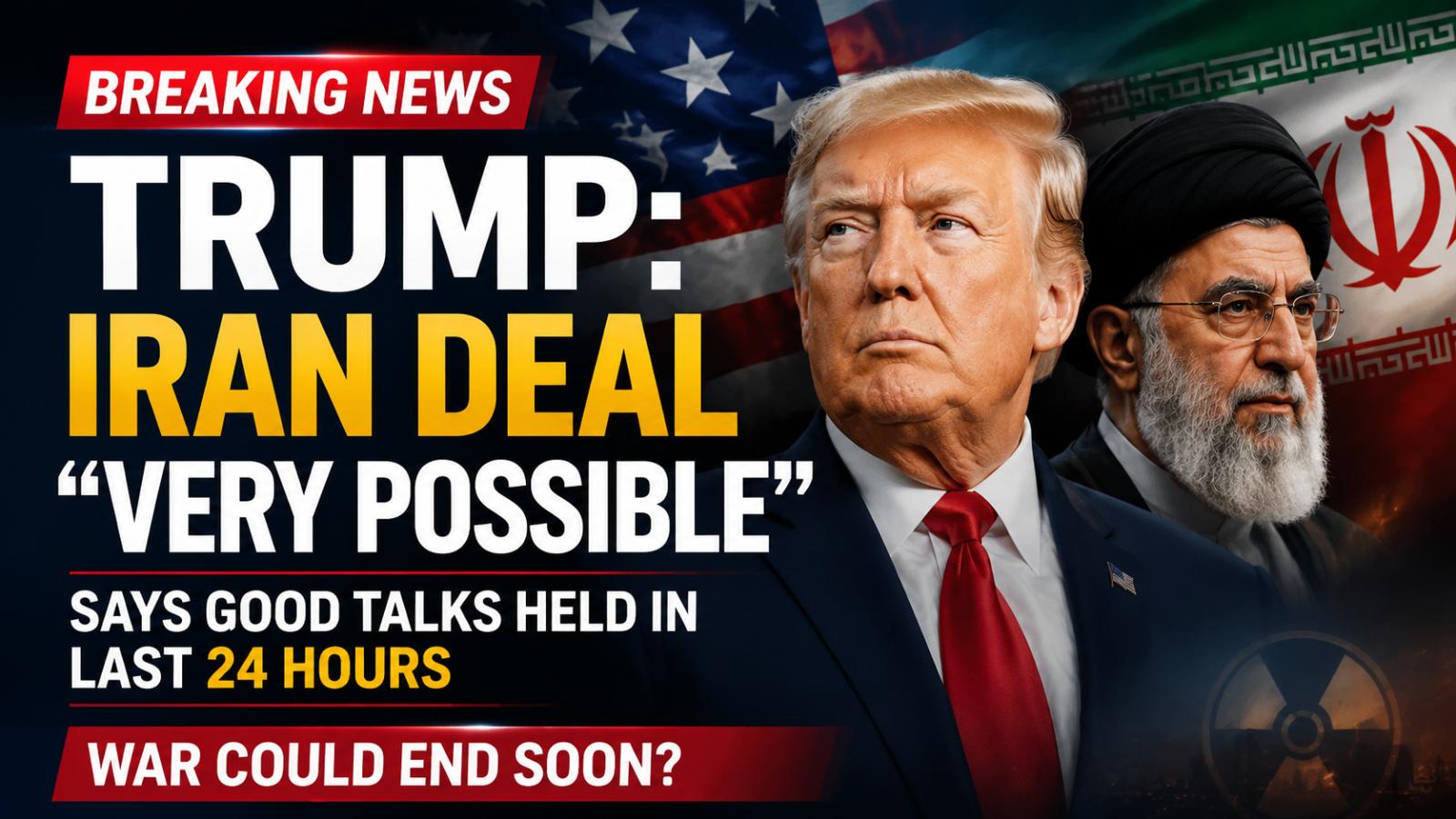
Trump confident of deal with Iran to end war, nuclear weapon discussions ongoing
President Donald Trump stated on May 6 that he has been involved in "good talks" with Iran over the past 24 hours and suggested that a deal to end the ongoing war between the two countries is "very possible." Trump emphasized that the discussions centered on Iran's nuclear program, which remains a critical point of concern for the United States. The president stated, “Iran cannot have a nuclear weapon, and they won’t.” He added that this is a point the Iranian government has already agreed to, alongside other key terms. Trump's statements come after a recent warning to Iran that the United States would escalate its military action if a deal is not reached. "If they don’t agree, the bombing starts, and it will be, sadly, at a much higher level and intensity than it was before,” Trump wrote in a post on Truth Social on May 6. This aggressive stance reflects the president’s resolve to prevent Iran from advancing its nuclear capabilities. In the wake of these talks, Israeli political officials have indicated that there are signs of progress in negotiations between Trump and Iranian Foreign Minister Abbas Araghchi. According to sources, Israel sees this as an opportunity for diplomatic progress. However, the Israeli officials also warned that internal divisions within Iran’s leadership could potentially jeopardize the long-term stability of any agreement. As of now, the future of US-Iran relations remains uncertain, but Trump’s recent comments suggest that both sides are exploring avenues for negotiation. If a deal is reached, it could have significant implications for regional stability, particularly regarding the security of the Strait of Hormuz. This strategic waterway has long been a focal point of tensions in the Middle East due to its role in global oil shipments. The president’s assurance that the Hormuz Strait would be “OPEN TO ALL, including Iran” if an agreement is reached suggests that economic and geopolitical interests are also being considered alongside security concerns. While the talks between Trump and Iran hold promise, the situation remains volatile. Both the US and Iranian governments face internal and external pressures that could complicate efforts to reach a lasting peace agreement. With the threat of military action still on the table, the world watches closely as the two nations navigate these delicate negotiations.
Trump confident of deal with Iran to end war, nuclear weapon discussions ongoing
President Donald Trump stated on May 6 that he has been involved in "good talks" with Iran over the past 24 hours and suggested that a deal to end the ongoing war between the two countries is "very possible." Trump emphasized that the discussions centered on Iran's nuclear program, which remains a critical point of concern for the United States. The president stated, “Iran cannot have a nuclear weapon, and they won’t.” He added that this is a point the Iranian government has already agreed to, alongside other key terms. Trump's statements come after a recent warning to Iran that the United States would escalate its military action if a deal is not reached. "If they don’t agree, the bombing starts, and it will be, sadly, at a much higher level and intensity than it was before,” Trump wrote in a post on Truth Social on May 6. This aggressive stance reflects the president’s resolve to prevent Iran from advancing its nuclear capabilities. In the wake of these talks, Israeli political officials have indicated that there are signs of progress in negotiations between Trump and Iranian Foreign Minister Abbas Araghchi. According to sources, Israel sees this as an opportunity for diplomatic progress. However, the Israeli officials also warned that internal divisions within Iran’s leadership could potentially jeopardize the long-term stability of any agreement. As of now, the future of US-Iran relations remains uncertain, but Trump’s recent comments suggest that both sides are exploring avenues for negotiation. If a deal is reached, it could have significant implications for regional stability, particularly regarding the security of the Strait of Hormuz. This strategic waterway has long been a focal point of tensions in the Middle East due to its role in global oil shipments. The president’s assurance that the Hormuz Strait would be “OPEN TO ALL, including Iran” if an agreement is reached suggests that economic and geopolitical interests are also being considered alongside security concerns. While the talks between Trump and Iran hold promise, the situation remains volatile. Both the US and Iranian governments face internal and external pressures that could complicate efforts to reach a lasting peace agreement. With the threat of military action still on the table, the world watches closely as the two nations navigate these delicate negotiations.
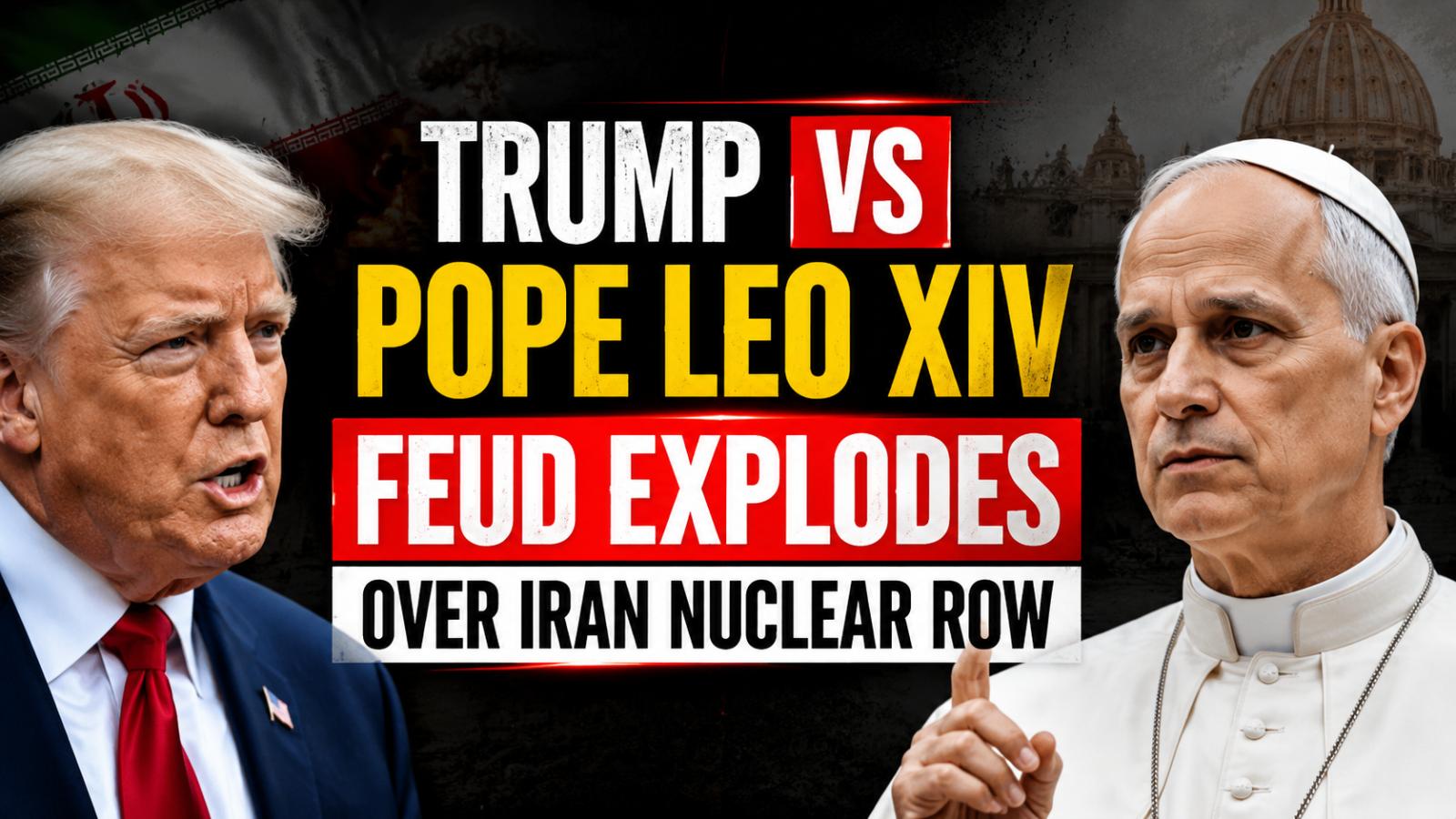
Trump and Pope Leo XIV clash again over Iran’s nuclear stance
The feud between US President Donald Trump and Pope Leo XIV has flared up once again. The latest clash revolves around Trump’s repeated claims that the Pope supports Iran’s right to develop nuclear weapons. This accusation has been vigorously denied by the Vatican, with Pope Leo XIV offering a sharp rebuke. The Pope emphasized his long-standing position on nuclear disarmament and global peace, making it clear that his message remains consistent despite the President's accusations. Trump’s Accusations Against the Pope In an interview with Hugh Hewitt of Salem News Channel, President Trump reiterated his controversial claim that Pope Leo XIV condones Iran's nuclear ambitions. Trump said, "The pope would rather talk about the fact that it’s OK for Iran to have a nuclear weapon, and I don’t think that’s very good." He continued, "I think he's endangering a lot of Catholics, and a lot of people, but I guess if it’s up to the pope, he thinks it’s just fine for Iran to have a nuclear weapon." This repeated assertion has been a part of Trump's rhetoric, even though the Pope has never publicly supported such a view. Pope Leo XIV's Rejection of the Claim Without directly naming Trump, Pope Leo XIV responded firmly, rejecting the accusations. "If anyone wants to criticise me for proclaiming the Gospel, let them do so truthfully," he said in a statement. The Pope's message was unequivocal: the mission of the Church is to preach peace, and it has always opposed the proliferation of nuclear weapons. He reminded the world that the Catholic Church has long advocated for a world free from nuclear threats. The Pope has been vocal about the need for diplomacy over conflict, urging political leaders to engage in dialogue rather than pursue rearmament. The Pope’s remarks were a clear message to those who misinterpret his calls for peace. The Catholic Church has continuously voiced its opposition to nuclear weapons, and Pope Leo XIV reaffirmed that stance, urging global leaders to focus on peaceful solutions to international conflicts. A Notable Timing: Rubio’s Visit to the Vatican The timing of this ongoing dispute is particularly interesting, as US Secretary of State Marco Rubio is scheduled to visit Rome this week. Rubio will meet with Pope Leo XIV on Thursday to discuss a range of topics, including the situation in the Middle East. The State Department has positioned this visit as an opportunity to explore mutual interests and discuss pressing global issues. However, with the current tensions surrounding Iran and nuclear weapons, this meeting is likely to be complicated by the feud between Trump and the Pope. Pope Leo XIV's Message for Global Peace Despite the political tensions, Pope Leo XIV has remained focused on his core message: peace. The Pope has consistently called for a world free from the threat of nuclear weapons, advocating for leaders to sit at the table of dialogue and diplomacy. His call for peace was reiterated during a recent gathering at St. Peter’s Basilica, where he urged Catholics to prioritize dialogue over violence. In his remarks, Pope Leo XIV urged global leaders to focus on diplomacy and avoid the path of rearmament. He emphasized the importance of peaceful negotiations, saying, "It is time for peace! Sit at the table of dialogue and mediation, not at the table where rearmament is planned, and deadly actions are decided." This sentiment reflects the Pope’s long-standing commitment to nuclear disarmament and peaceful resolutions to international disputes. As the tension between Trump and the Pope continues to unfold, the world will be watching closely. The clash underscores the ongoing challenges in navigating political and religious divides, especially when it comes to sensitive issues like nuclear weapons and international peace. However, Pope Leo XIV’s commitment to peace and diplomacy remains unwavering, and his stance continues to influence global discussions on nuclear disarmament.
Trump and Pope Leo XIV clash again over Iran’s nuclear stance
The feud between US President Donald Trump and Pope Leo XIV has flared up once again. The latest clash revolves around Trump’s repeated claims that the Pope supports Iran’s right to develop nuclear weapons. This accusation has been vigorously denied by the Vatican, with Pope Leo XIV offering a sharp rebuke. The Pope emphasized his long-standing position on nuclear disarmament and global peace, making it clear that his message remains consistent despite the President's accusations. Trump’s Accusations Against the Pope In an interview with Hugh Hewitt of Salem News Channel, President Trump reiterated his controversial claim that Pope Leo XIV condones Iran's nuclear ambitions. Trump said, "The pope would rather talk about the fact that it’s OK for Iran to have a nuclear weapon, and I don’t think that’s very good." He continued, "I think he's endangering a lot of Catholics, and a lot of people, but I guess if it’s up to the pope, he thinks it’s just fine for Iran to have a nuclear weapon." This repeated assertion has been a part of Trump's rhetoric, even though the Pope has never publicly supported such a view. Pope Leo XIV's Rejection of the Claim Without directly naming Trump, Pope Leo XIV responded firmly, rejecting the accusations. "If anyone wants to criticise me for proclaiming the Gospel, let them do so truthfully," he said in a statement. The Pope's message was unequivocal: the mission of the Church is to preach peace, and it has always opposed the proliferation of nuclear weapons. He reminded the world that the Catholic Church has long advocated for a world free from nuclear threats. The Pope has been vocal about the need for diplomacy over conflict, urging political leaders to engage in dialogue rather than pursue rearmament. The Pope’s remarks were a clear message to those who misinterpret his calls for peace. The Catholic Church has continuously voiced its opposition to nuclear weapons, and Pope Leo XIV reaffirmed that stance, urging global leaders to focus on peaceful solutions to international conflicts. A Notable Timing: Rubio’s Visit to the Vatican The timing of this ongoing dispute is particularly interesting, as US Secretary of State Marco Rubio is scheduled to visit Rome this week. Rubio will meet with Pope Leo XIV on Thursday to discuss a range of topics, including the situation in the Middle East. The State Department has positioned this visit as an opportunity to explore mutual interests and discuss pressing global issues. However, with the current tensions surrounding Iran and nuclear weapons, this meeting is likely to be complicated by the feud between Trump and the Pope. Pope Leo XIV's Message for Global Peace Despite the political tensions, Pope Leo XIV has remained focused on his core message: peace. The Pope has consistently called for a world free from the threat of nuclear weapons, advocating for leaders to sit at the table of dialogue and diplomacy. His call for peace was reiterated during a recent gathering at St. Peter’s Basilica, where he urged Catholics to prioritize dialogue over violence. In his remarks, Pope Leo XIV urged global leaders to focus on diplomacy and avoid the path of rearmament. He emphasized the importance of peaceful negotiations, saying, "It is time for peace! Sit at the table of dialogue and mediation, not at the table where rearmament is planned, and deadly actions are decided." This sentiment reflects the Pope’s long-standing commitment to nuclear disarmament and peaceful resolutions to international disputes. As the tension between Trump and the Pope continues to unfold, the world will be watching closely. The clash underscores the ongoing challenges in navigating political and religious divides, especially when it comes to sensitive issues like nuclear weapons and international peace. However, Pope Leo XIV’s commitment to peace and diplomacy remains unwavering, and his stance continues to influence global discussions on nuclear disarmament.
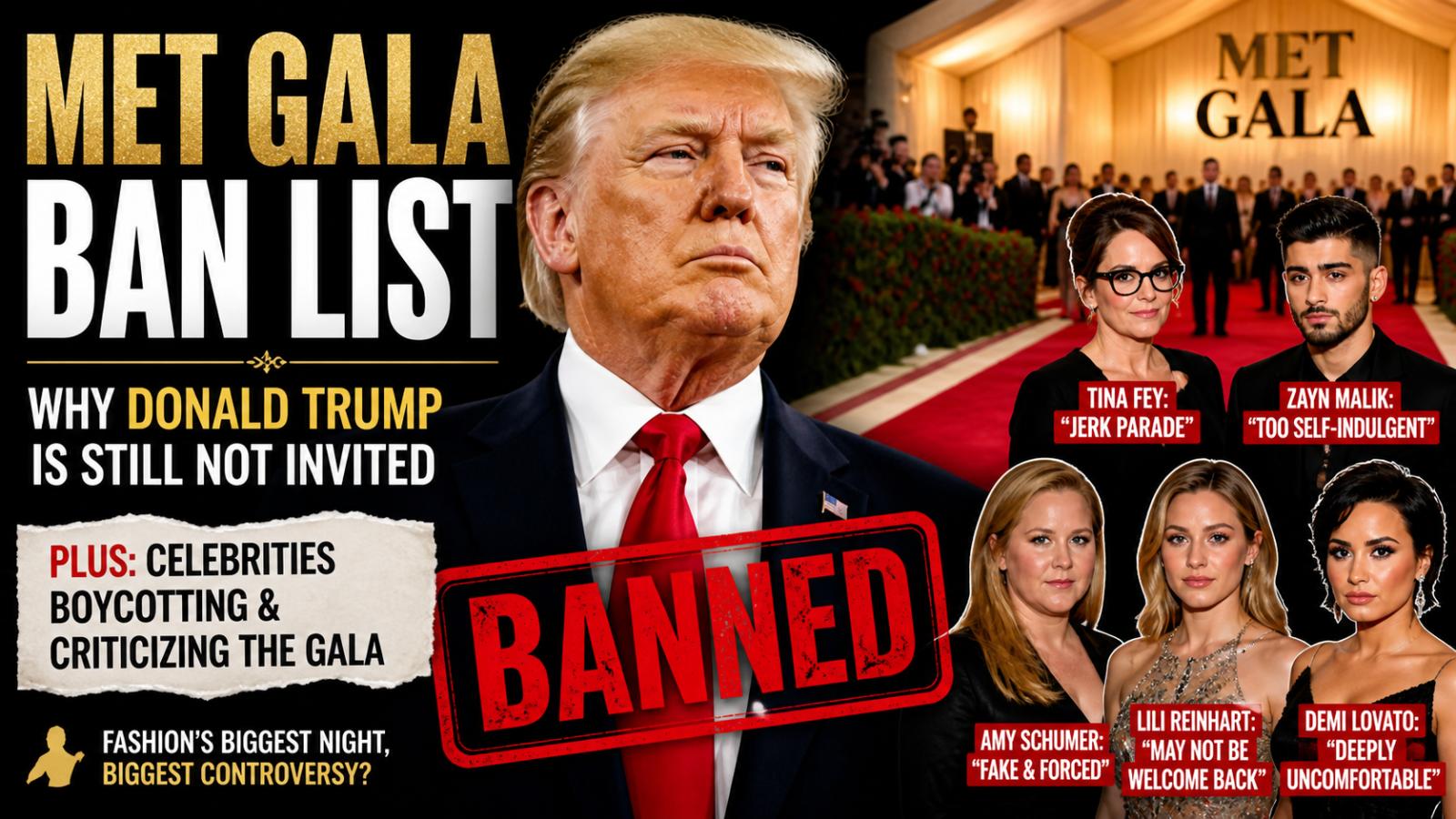
Met Gala Ban Explained: Trump Out, Celebrities Boycott
Met Gala Ban: Why Donald Trump Remains the Biggest Name Left Out Donald Trump remains the only person publicly confirmed as banned from the Met Gala, after Anna Wintour said in 2017 that he would not be invited back. The Met Gala, held every first Monday in May at New York’s Metropolitan Museum of Art, is still fashion’s most powerful red carpet. But behind the glamour, the guest list has become a story of bans, boycotts and celebrity backlash.
Met Gala Ban Explained: Trump Out, Celebrities Boycott
Met Gala Ban: Why Donald Trump Remains the Biggest Name Left Out Donald Trump remains the only person publicly confirmed as banned from the Met Gala, after Anna Wintour said in 2017 that he would not be invited back. The Met Gala, held every first Monday in May at New York’s Metropolitan Museum of Art, is still fashion’s most powerful red carpet. But behind the glamour, the guest list has become a story of bans, boycotts and celebrity backlash.
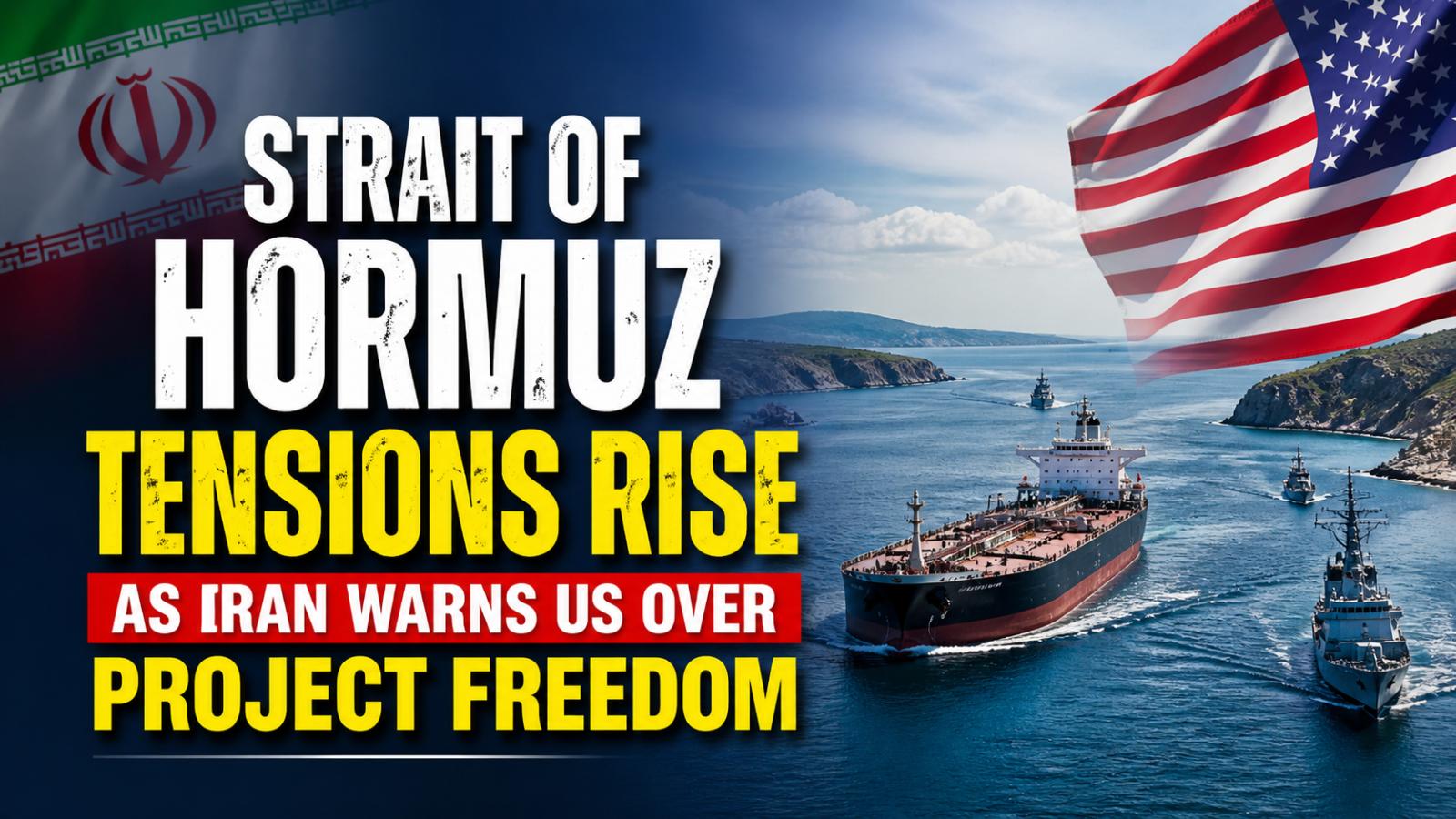
Trump’s Project Freedom sparks Iran warning amid Strait of Hormuz crisis
The Strait of Hormuz crisis has intensified after Ebrahim Azizi warned that any US intervention would be treated as a ceasefire violation. His remarks came in response to Donald Trump’s announcement of Project Freedom, a naval initiative aimed at guiding merchant vessels through the strategically vital w
Trump’s Project Freedom sparks Iran warning amid Strait of Hormuz crisis
The Strait of Hormuz crisis has intensified after Ebrahim Azizi warned that any US intervention would be treated as a ceasefire violation. His remarks came in response to Donald Trump’s announcement of Project Freedom, a naval initiative aimed at guiding merchant vessels through the strategically vital w
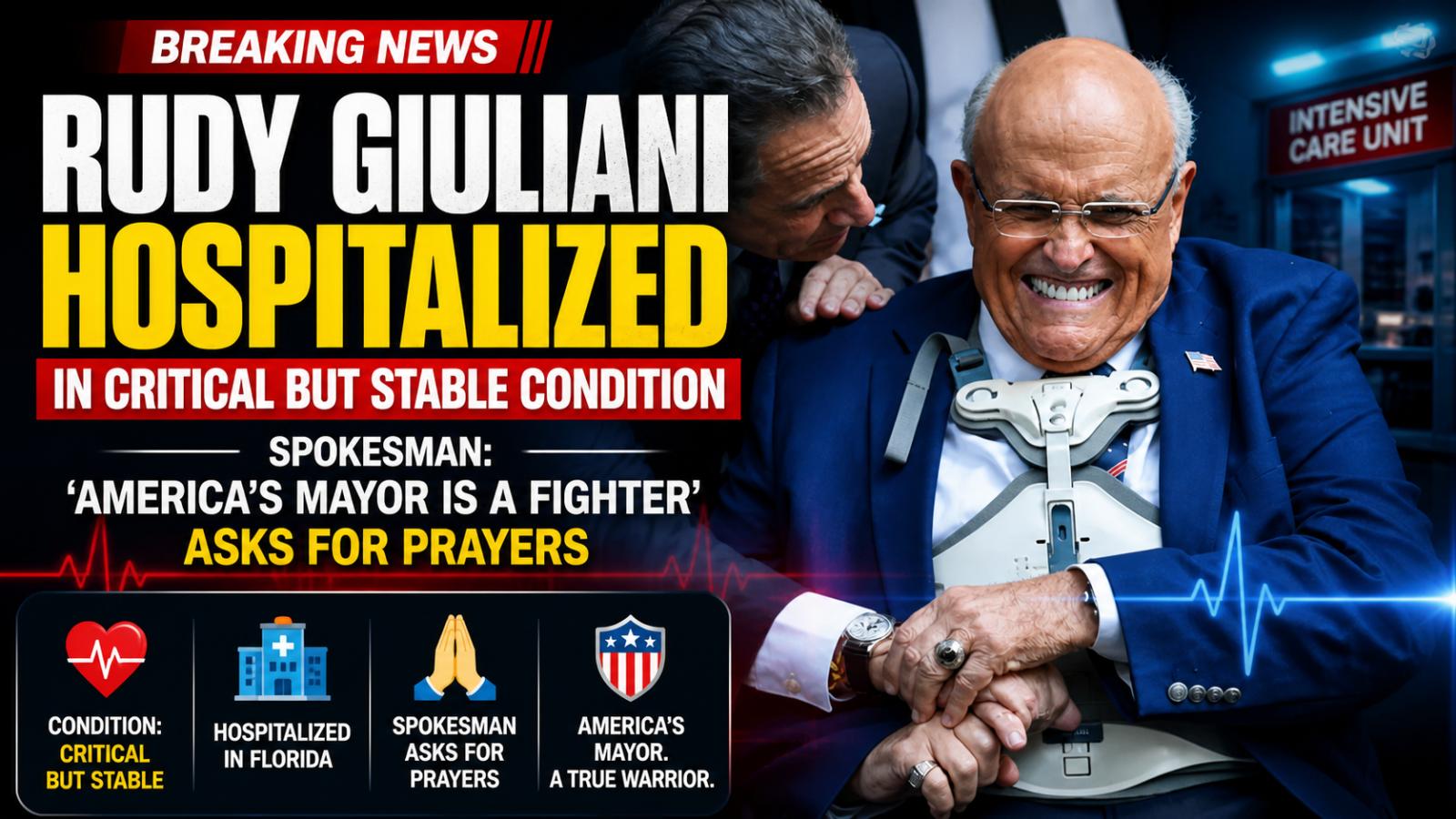
Former NYC Mayor Rudy Giuliani Admitted to Hospital, Condition Unclear
Rudy Giuliani, the former mayor of New York City known for his leadership during the aftermath of the September 11 attacks, has been hospitalized and is reported to be in critical but stable condition. The update was confirmed by his spokesperson, who described him as continuing to fight with resilience while receiving medical care. Details regarding the cause of his hospitalization, the d
Former NYC Mayor Rudy Giuliani Admitted to Hospital, Condition Unclear
Rudy Giuliani, the former mayor of New York City known for his leadership during the aftermath of the September 11 attacks, has been hospitalized and is reported to be in critical but stable condition. The update was confirmed by his spokesperson, who described him as continuing to fight with resilience while receiving medical care. Details regarding the cause of his hospitalization, the d
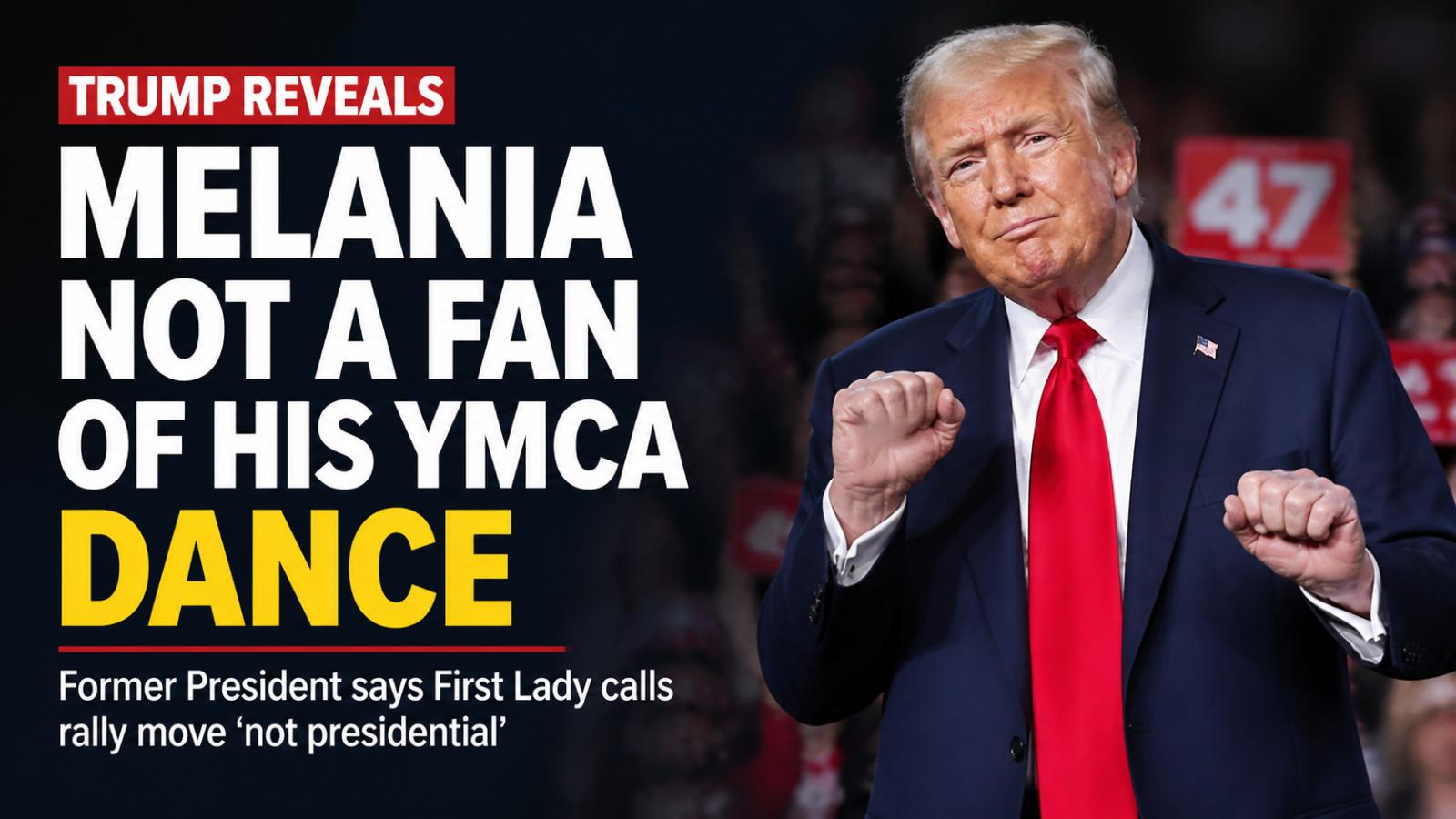
Donald Trump jokes about his YMCA dance routine at Florida rally
Trump shares Melania's disapproval of his YMCA dance move Donald Trump recently offered a humorous confession at a rally in The Villages, Florida, revealing that Melania Trump is not a fan of his signature post-rally YMCA dance move. Speaking to a cheering crowd, the former president disclosed that his wife often objects to this routine, which has become synonymous with his rallies. Melania says the dance is "not presidential"
Donald Trump jokes about his YMCA dance routine at Florida rally
Trump shares Melania's disapproval of his YMCA dance move Donald Trump recently offered a humorous confession at a rally in The Villages, Florida, revealing that Melania Trump is not a fan of his signature post-rally YMCA dance move. Speaking to a cheering crowd, the former president disclosed that his wife often objects to this routine, which has become synonymous with his rallies. Melania says the dance is "not presidential"
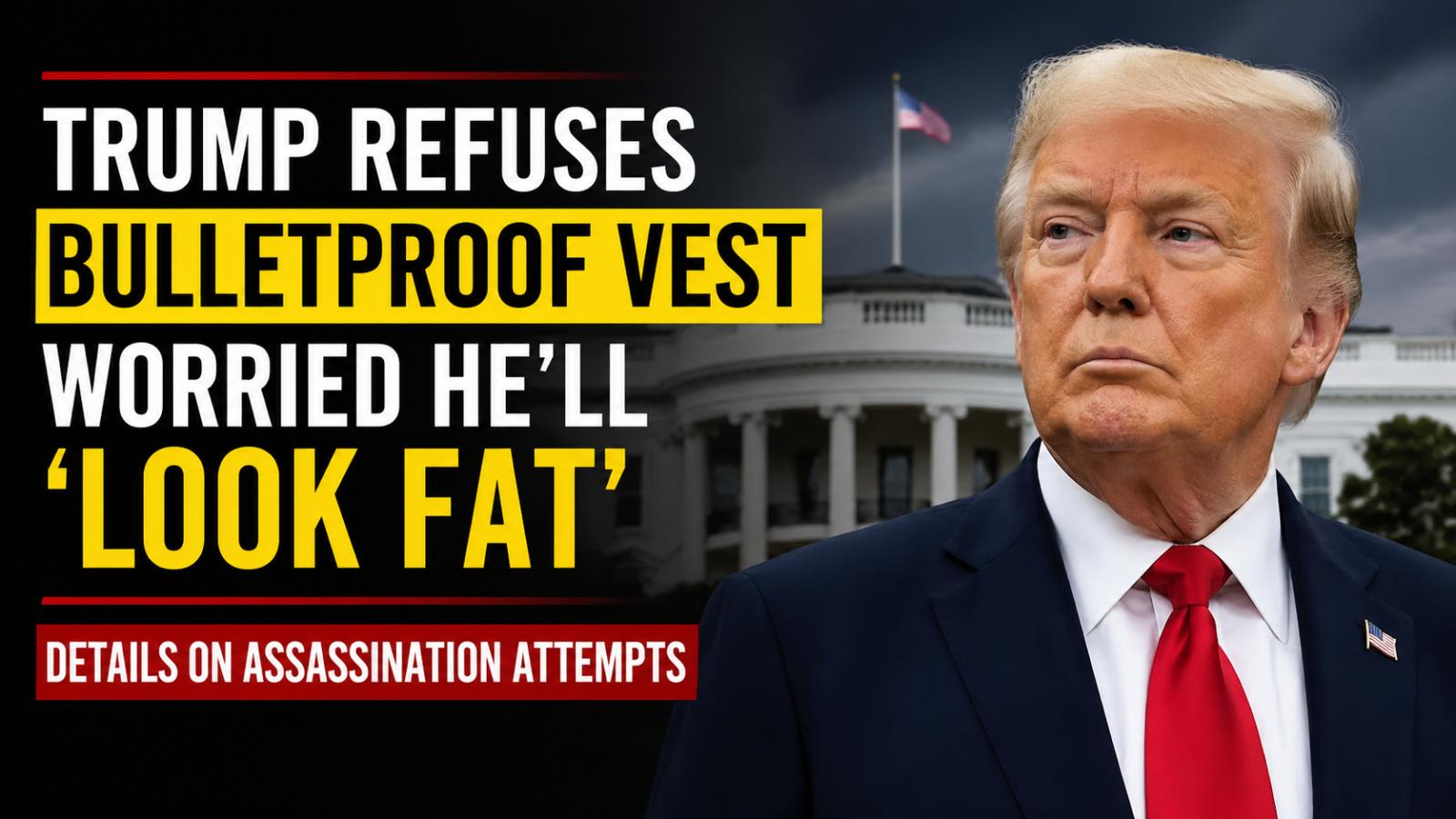
Trump avoids bulletproof vest citing appearance concerns after shooting at WHCA dinner
Trump discusses concerns about wearing bulletproof vest On April 30, 2026, U.S. President Donald Trump opened up about his hesitations regarding the use of a bulletproof vest following the shooting incident at the White House Correspondent’s Association (WHCA) dinner. "Would you wear a bulletproof vest at future events?" asked a reporter. Trump responded with his usual candidness: “I don’t know if I can handle looking 20 pounds heavier.” His concern stemmed not just from practicality but also from the image of surrendering to a threat. He continued, “It’s something you consider, but you don’t want to give in to a bad element.” These remarks came in light of recent security concerns regarding the WHCA shooting, where Trump and his team were the intended targets. Assassination attempts on Trump The suspect in the WHCA shooting has been identified as Cole Tomas Allen. He has been charged with attempting to assassinate the president. Secret Service agents prevented the assailant from reaching the ballroom during the gala event. This shooting marked another terrifying moment in a series of major assassination attempts against President Trump. Trump has faced three major assassination attempts during his time in office. Besides the WHCA attack, Trump was also targeted during a golfing trip at the Trump International Golf Club in Florida. The suspect, Ryan Wesley Routh, was observed by a Secret Service agent who saw a rifle barrel poking through a fence. After a quick response, the agent fired at Routh, who fled but was apprehended shortly after during a traffic stop. Routh was convicted of attempted assassination and other related charges, and was sentenced to life in prison in September 2025. Trump survives gunshot at campaign rally Another close call occurred in July 2024, when Trump was campaigning for president. Thomas Matthew Crooks fired multiple shots from a rooftop, one of which grazed Trump’s right ear, causing visible bleeding. Crooks was quickly neutralized by a Secret Service sniper, who killed him seconds after the shooting began. This assassination attempt reinforced the need for heightened security around the president. With Trump’s life under constant threat, security protocols have grown increasingly strict. However, his reluctance to wear a bulletproof vest highlights the complex balance between presidential safety and public image. While Trump’s safety is paramount, his concern about the perception of vulnerability speaks volumes about his approach to leadership and his struggle with the idea of appearing weak in front of the public. In conclusion, Trump continues to weigh the risks to his personal appearance versus the potential life-threatening risks posed by ongoing assassination attempts. Despite being advised about protective measures, he remains conflicted about whether to let public perception influence his security decisions.
Trump avoids bulletproof vest citing appearance concerns after shooting at WHCA dinner
Trump discusses concerns about wearing bulletproof vest On April 30, 2026, U.S. President Donald Trump opened up about his hesitations regarding the use of a bulletproof vest following the shooting incident at the White House Correspondent’s Association (WHCA) dinner. "Would you wear a bulletproof vest at future events?" asked a reporter. Trump responded with his usual candidness: “I don’t know if I can handle looking 20 pounds heavier.” His concern stemmed not just from practicality but also from the image of surrendering to a threat. He continued, “It’s something you consider, but you don’t want to give in to a bad element.” These remarks came in light of recent security concerns regarding the WHCA shooting, where Trump and his team were the intended targets. Assassination attempts on Trump The suspect in the WHCA shooting has been identified as Cole Tomas Allen. He has been charged with attempting to assassinate the president. Secret Service agents prevented the assailant from reaching the ballroom during the gala event. This shooting marked another terrifying moment in a series of major assassination attempts against President Trump. Trump has faced three major assassination attempts during his time in office. Besides the WHCA attack, Trump was also targeted during a golfing trip at the Trump International Golf Club in Florida. The suspect, Ryan Wesley Routh, was observed by a Secret Service agent who saw a rifle barrel poking through a fence. After a quick response, the agent fired at Routh, who fled but was apprehended shortly after during a traffic stop. Routh was convicted of attempted assassination and other related charges, and was sentenced to life in prison in September 2025. Trump survives gunshot at campaign rally Another close call occurred in July 2024, when Trump was campaigning for president. Thomas Matthew Crooks fired multiple shots from a rooftop, one of which grazed Trump’s right ear, causing visible bleeding. Crooks was quickly neutralized by a Secret Service sniper, who killed him seconds after the shooting began. This assassination attempt reinforced the need for heightened security around the president. With Trump’s life under constant threat, security protocols have grown increasingly strict. However, his reluctance to wear a bulletproof vest highlights the complex balance between presidential safety and public image. While Trump’s safety is paramount, his concern about the perception of vulnerability speaks volumes about his approach to leadership and his struggle with the idea of appearing weak in front of the public. In conclusion, Trump continues to weigh the risks to his personal appearance versus the potential life-threatening risks posed by ongoing assassination attempts. Despite being advised about protective measures, he remains conflicted about whether to let public perception influence his security decisions.
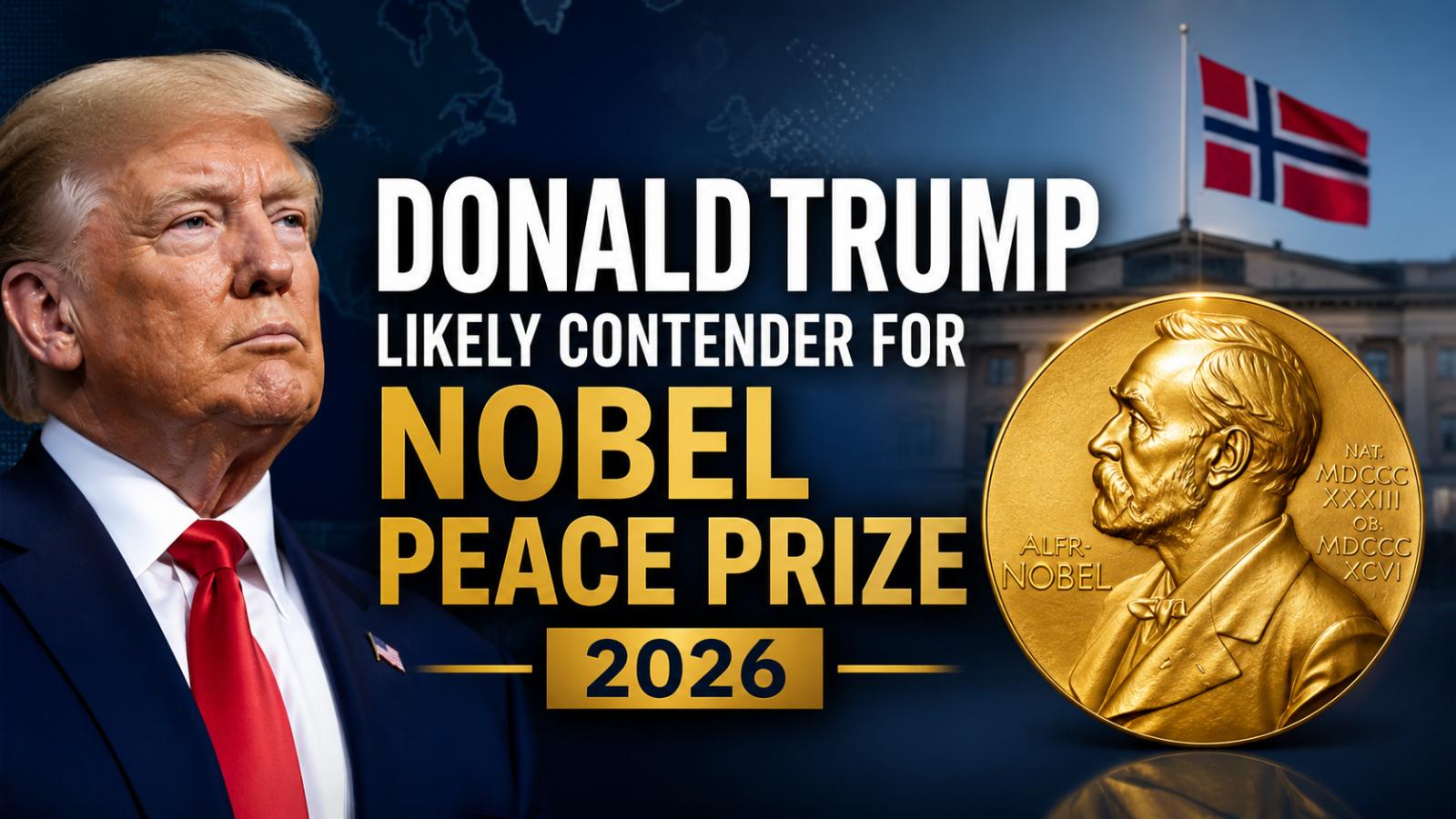
Will Donald Trump win Nobel Peace Prize 2026? Key facts and timeline
Nobel Peace Prize 2026: Trump emerges as likely contender Donald Trump is being seen as a likely contender for the Nobel Peace Prize 2026, with 287 candidates under review, but the final list remains strictly confidential. Kristian Berg Harpviken, secretary of the Norwegian Nobel Committee, confirmed that the total nominations include 208 individuals and 79 organisations, highlighting strong global participation despite ongoing conf
Will Donald Trump win Nobel Peace Prize 2026? Key facts and timeline
Nobel Peace Prize 2026: Trump emerges as likely contender Donald Trump is being seen as a likely contender for the Nobel Peace Prize 2026, with 287 candidates under review, but the final list remains strictly confidential. Kristian Berg Harpviken, secretary of the Norwegian Nobel Committee, confirmed that the total nominations include 208 individuals and 79 organisations, highlighting strong global participation despite ongoing conf
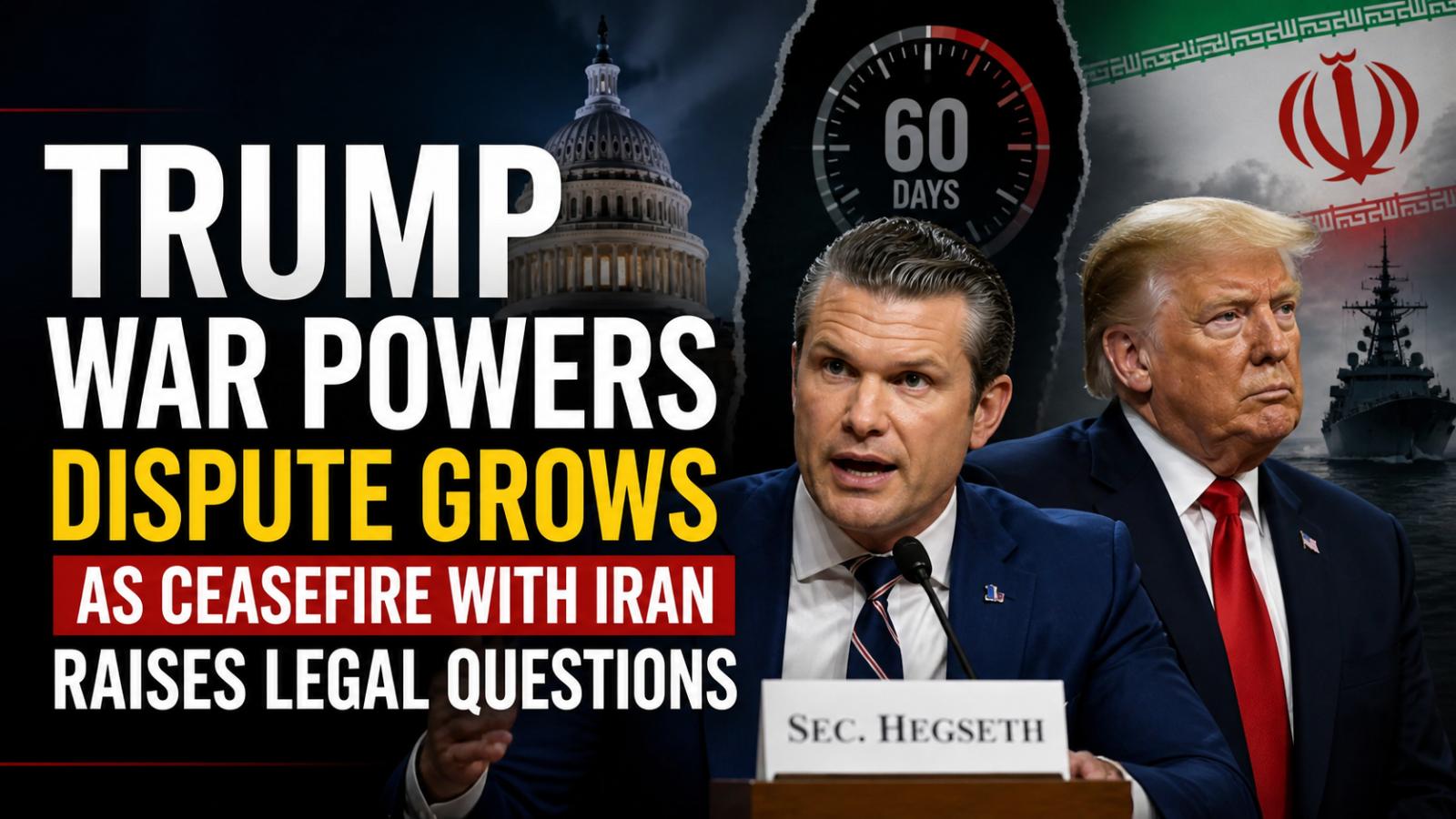
Hegseth says Iran ceasefire pauses war powers clock amid congressional concerns
The Trump war powers debate took center stage in Washington as Defense Secretary Pete Hegseth told lawmakers that a ceasefire with Iran pauses the legal clock under the War Powers Resolution, a claim that has triggered strong political and legal reactions. The dispute comes just before the 60-day deadline that typically requires the president to seek approval from Congress to continue military action, raising questions about how the law should be applied during a ceasefire. Speaking before the Senate Armed Services Committee, Hegseth argued that ongoing ceasefire conditions mean the countdown does not apply in the usual way. Under the War Powers Resolution, introduced in 1973, presidents must inform Congress within 48 hours of military action and must withdraw troops within 60 days unless lawmakers approve continued engagement. Lawmakers had expected this deadline to expire on May 1, but Hegseth’s interpretation suggests otherwise. Hegseth avoided giving a clear answer when asked if the administration of Donald Trump would seek formal authorization. Instead, he defended the administration’s actions and criticized opponents, saying that internal political disagreements weaken the country’s position. His remarks came during discussions on the Pentagon’s proposed $1.45 trillion budget, though much of the focus shifted to the Iran conflict and its legal implications. Several lawmakers from both parties expressed concern. Senator Tim Kaine warned that the situation raises serious constitutional questions, while some Republicans also indicated they may oppose continuing military operations without approval. Others supported a more flexible interpretation, especially during active negotiations or ceasefire periods. Legal experts, however, strongly rejected the argument that a ceasefire pauses the law. Analysts pointed out that US naval forces remain active in the region, including operations in the Strait of Hormuz, suggesting that hostilities have not fully stopped. Scholars emphasized that the law does not include any provision for pausing the timeline. The conflict has already had wider consequences, including rising energy prices and increased tensions in the region. Critics have also accused the administration of starting the conflict without a clear immediate threat. During the hearing, Senator Elissa Slotkin questioned whether the administration could truly claim progress while key trade routes remain unstable. The exchange grew tense at times, reflecting deep divisions over the handling of the situation. While military officials maintained a more measured tone, political leaders continued to clash over strategy, legality, and communication with the public. As the deadline passes, the debate over war powers, presidential authority, and congressional oversight is expected to intensify further.
Hegseth says Iran ceasefire pauses war powers clock amid congressional concerns
The Trump war powers debate took center stage in Washington as Defense Secretary Pete Hegseth told lawmakers that a ceasefire with Iran pauses the legal clock under the War Powers Resolution, a claim that has triggered strong political and legal reactions. The dispute comes just before the 60-day deadline that typically requires the president to seek approval from Congress to continue military action, raising questions about how the law should be applied during a ceasefire. Speaking before the Senate Armed Services Committee, Hegseth argued that ongoing ceasefire conditions mean the countdown does not apply in the usual way. Under the War Powers Resolution, introduced in 1973, presidents must inform Congress within 48 hours of military action and must withdraw troops within 60 days unless lawmakers approve continued engagement. Lawmakers had expected this deadline to expire on May 1, but Hegseth’s interpretation suggests otherwise. Hegseth avoided giving a clear answer when asked if the administration of Donald Trump would seek formal authorization. Instead, he defended the administration’s actions and criticized opponents, saying that internal political disagreements weaken the country’s position. His remarks came during discussions on the Pentagon’s proposed $1.45 trillion budget, though much of the focus shifted to the Iran conflict and its legal implications. Several lawmakers from both parties expressed concern. Senator Tim Kaine warned that the situation raises serious constitutional questions, while some Republicans also indicated they may oppose continuing military operations without approval. Others supported a more flexible interpretation, especially during active negotiations or ceasefire periods. Legal experts, however, strongly rejected the argument that a ceasefire pauses the law. Analysts pointed out that US naval forces remain active in the region, including operations in the Strait of Hormuz, suggesting that hostilities have not fully stopped. Scholars emphasized that the law does not include any provision for pausing the timeline. The conflict has already had wider consequences, including rising energy prices and increased tensions in the region. Critics have also accused the administration of starting the conflict without a clear immediate threat. During the hearing, Senator Elissa Slotkin questioned whether the administration could truly claim progress while key trade routes remain unstable. The exchange grew tense at times, reflecting deep divisions over the handling of the situation. While military officials maintained a more measured tone, political leaders continued to clash over strategy, legality, and communication with the public. As the deadline passes, the debate over war powers, presidential authority, and congressional oversight is expected to intensify further.
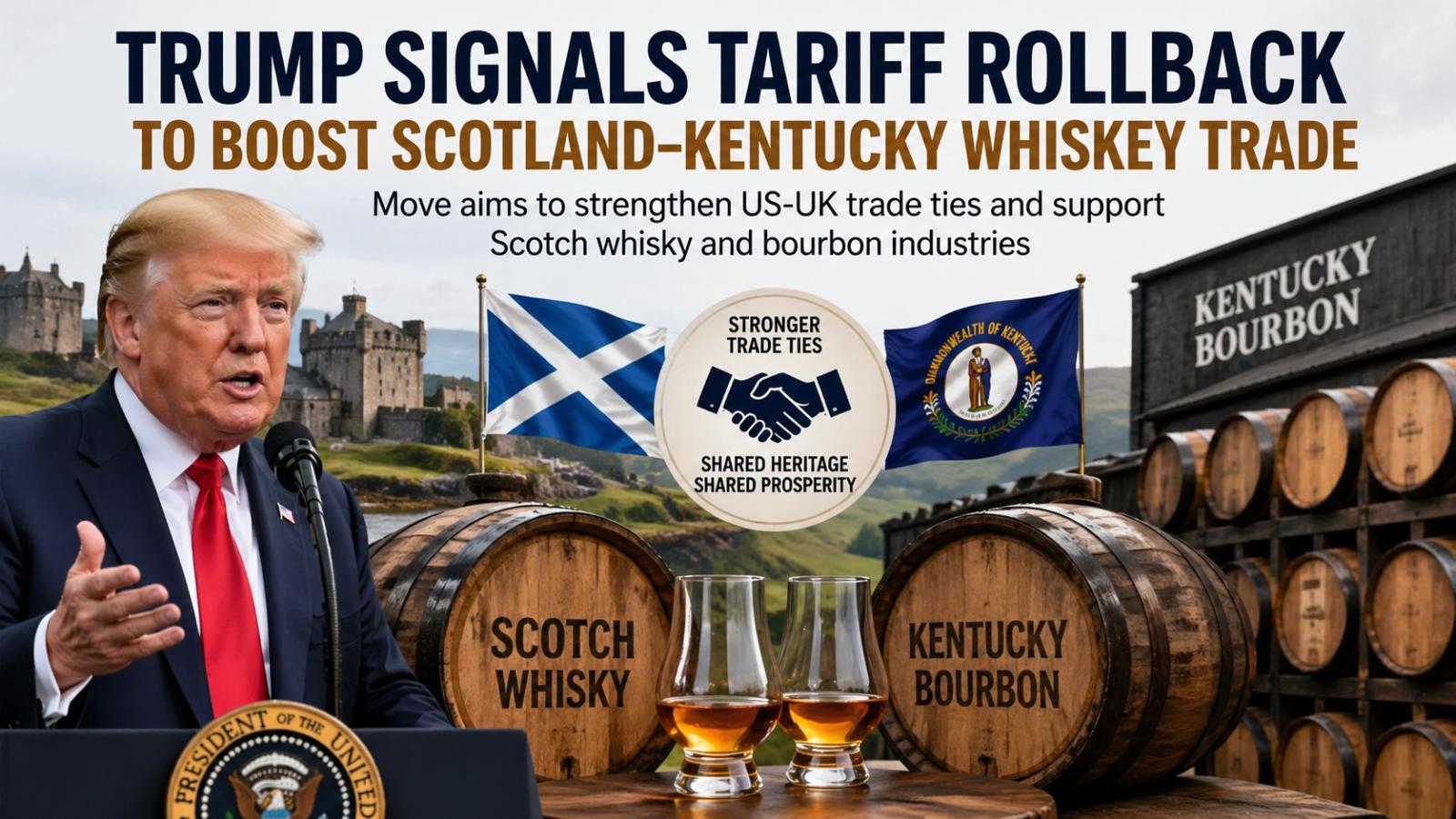
Trump signals tariff rollback to boost Scotland–Kentucky whiskey trade
President Donald Trump announced plans on Thursday, April 30, 2026, to remove tariffs affecting whiskey trade between Scotland and Kentucky, aiming to boost US-UK trade ties and support the Scotch whisky and bourbon industries. Trump signals tariff rollback to boost Scotland–Kentucky whiskey trade — Donald Trump announced on Thursday, April 30, 2026, that he intends t
Trump signals tariff rollback to boost Scotland–Kentucky whiskey trade
President Donald Trump announced plans on Thursday, April 30, 2026, to remove tariffs affecting whiskey trade between Scotland and Kentucky, aiming to boost US-UK trade ties and support the Scotch whisky and bourbon industries. Trump signals tariff rollback to boost Scotland–Kentucky whiskey trade — Donald Trump announced on Thursday, April 30, 2026, that he intends t
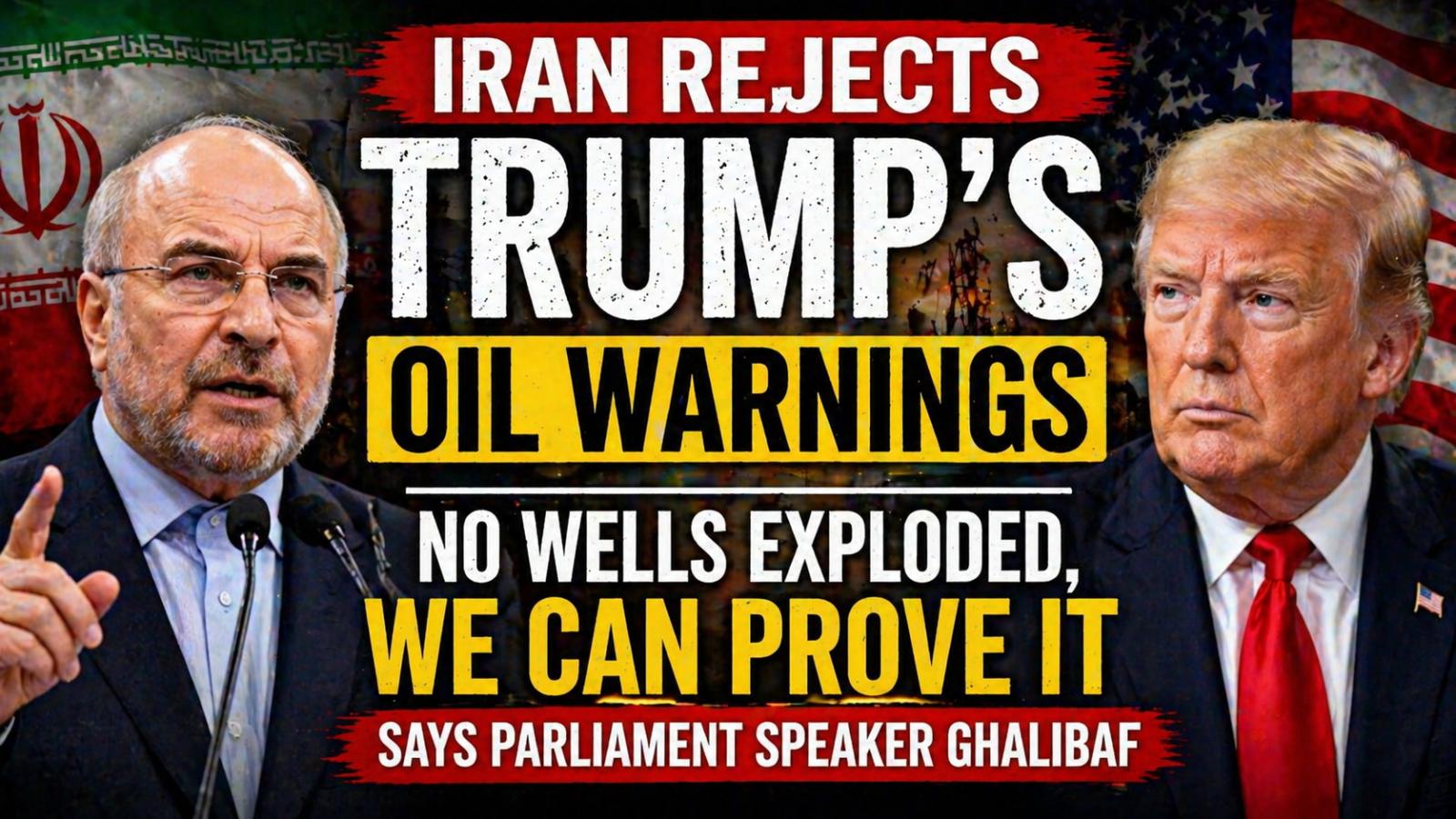
Iran Pushes Back on Trump’s Oil Warnings, Defends Export Capacity
The Speaker of Iran’s Parliament, Mohammad Bagher Ghalibaf, has rejected recent claims made by US President Donald Trump regarding the stability of Iran’s oil infrastructure. Responding to warnings that Iran’s oil facilities were nearing critical failure, Ghalibaf dismissed the remarks as inaccurate and politically motivated, stating that conditions on the ground do not support such assessments. He emphasized that several days have passed without any reported incidents and suggested that extended monitoring could further demonstrate the resilience of Iran’s oil sector. Ghalibaf also criticized the broader economic reasoning behind US policy measures, arguing that sanctions-based strategies have produced unintended consequences. He stated that approaches centered on economic pressure have contributed to rising oil prices rather than stabilizing global markets. According to his remarks, such policies reflect not only flawed strategies but also a deeper issue in decision-making. The exchange follows recent developments in US policy toward Iranian oil exports. Washington moved to temporarily ease restrictions on a significant volume of Iranian crude already stored on tankers, allowing limited transactions involving existing shipments. US officials described the move as a calculated effort to influence oil markets while maintaining restrictions on new production or expanded trade. Earlier, Trump had suggested that storage limitations and sanctions pressure could lead to disruptions in Iran’s oil infrastructure. However, Iranian officials have consistently maintained that both land-based and offshore storage capacities remain sufficient to manage production and exports. They argue that the country’s energy sector continues to operate within manageable limits despite ongoing sanctions. The situation highlights continuing tensions between Tehran and Washington over energy policy and economic measures. As both sides present differing assessments, the broader impact on global oil markets and geopolitical stability remains closely watched.
Iran Pushes Back on Trump’s Oil Warnings, Defends Export Capacity
The Speaker of Iran’s Parliament, Mohammad Bagher Ghalibaf, has rejected recent claims made by US President Donald Trump regarding the stability of Iran’s oil infrastructure. Responding to warnings that Iran’s oil facilities were nearing critical failure, Ghalibaf dismissed the remarks as inaccurate and politically motivated, stating that conditions on the ground do not support such assessments. He emphasized that several days have passed without any reported incidents and suggested that extended monitoring could further demonstrate the resilience of Iran’s oil sector. Ghalibaf also criticized the broader economic reasoning behind US policy measures, arguing that sanctions-based strategies have produced unintended consequences. He stated that approaches centered on economic pressure have contributed to rising oil prices rather than stabilizing global markets. According to his remarks, such policies reflect not only flawed strategies but also a deeper issue in decision-making. The exchange follows recent developments in US policy toward Iranian oil exports. Washington moved to temporarily ease restrictions on a significant volume of Iranian crude already stored on tankers, allowing limited transactions involving existing shipments. US officials described the move as a calculated effort to influence oil markets while maintaining restrictions on new production or expanded trade. Earlier, Trump had suggested that storage limitations and sanctions pressure could lead to disruptions in Iran’s oil infrastructure. However, Iranian officials have consistently maintained that both land-based and offshore storage capacities remain sufficient to manage production and exports. They argue that the country’s energy sector continues to operate within manageable limits despite ongoing sanctions. The situation highlights continuing tensions between Tehran and Washington over energy policy and economic measures. As both sides present differing assessments, the broader impact on global oil markets and geopolitical stability remains closely watched.
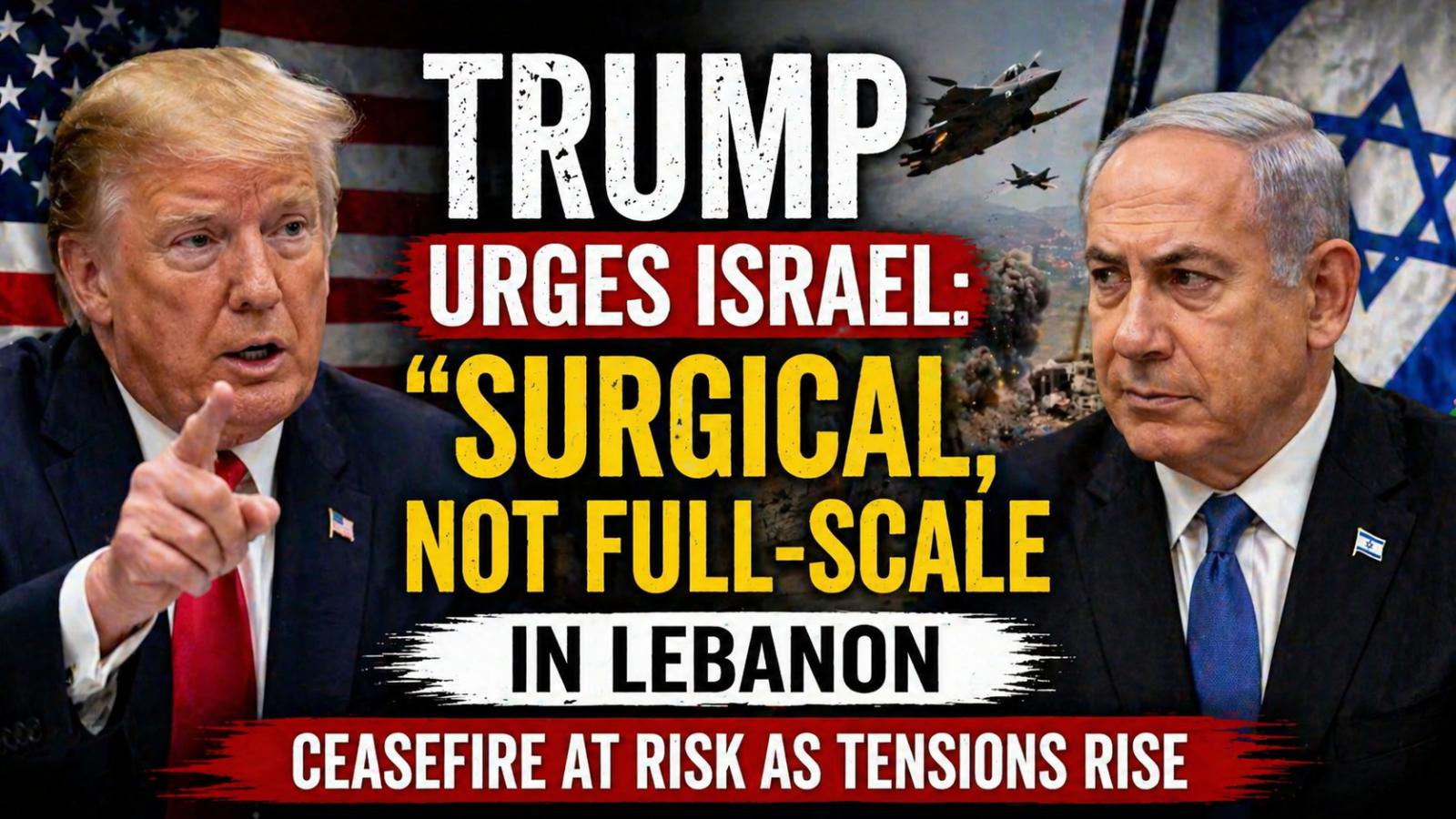
Trump Calls for “Surgical” Action as Israel-Hezbollah Conflict Intensifies
US President Donald Trump has urged Israeli Prime Minister Benjamin Netanyahu to limit military operations in Lebanon to targeted actions, emphasizing restraint as tensions with Hezbollah continue to escalate. According to remarks made during a recent interview, Trump advised against large-scale strikes, stating that extensive destruction risks undermining Israel’s international image. His comments come as a fragile ceasefire between Israel and Lebanon shows signs of weakening ahead of its expected expiration. Despite ongoing diplomatic efforts, clashes between Israeli forces and Hezbollah have persisted. Hezbollah has continued launching rockets and drones toward Israeli territory, while Israel has responded with expanded airstrikes and maintained a military presence in parts of southern Lebanon. Israeli officials have indicated the need for a stronger response, citing security concerns, while US officials have urged caution to avoid further escalation. Trump reportedly held frequent discussions with Netanyahu, during which the Israeli leader outlined the challenges of responding to continued attacks. Trump reiterated his position that military actions should remain precise and proportionate, arguing that broader strikes could complicate diplomatic efforts and regional stability. He also expressed a positive view of Lebanon’s leadership, suggesting that the country has the potential to recover despite ongoing instability. US officials have framed Hezbollah’s actions as an attempt to provoke a wider conflict and disrupt negotiations. Washington has continued to advocate for restraint while pursuing diplomatic channels aimed at reducing tensions. Efforts have included discussions involving Israeli and Lebanese representatives, although progress toward a formal agreement remains limited. The situation highlights the delicate balance between security concerns and diplomatic engagement in the region. As the ceasefire continues to erode, international pressure is mounting to prevent a broader conflict while maintaining efforts to stabilize relations between Israel and Lebanon.
Trump Calls for “Surgical” Action as Israel-Hezbollah Conflict Intensifies
US President Donald Trump has urged Israeli Prime Minister Benjamin Netanyahu to limit military operations in Lebanon to targeted actions, emphasizing restraint as tensions with Hezbollah continue to escalate. According to remarks made during a recent interview, Trump advised against large-scale strikes, stating that extensive destruction risks undermining Israel’s international image. His comments come as a fragile ceasefire between Israel and Lebanon shows signs of weakening ahead of its expected expiration. Despite ongoing diplomatic efforts, clashes between Israeli forces and Hezbollah have persisted. Hezbollah has continued launching rockets and drones toward Israeli territory, while Israel has responded with expanded airstrikes and maintained a military presence in parts of southern Lebanon. Israeli officials have indicated the need for a stronger response, citing security concerns, while US officials have urged caution to avoid further escalation. Trump reportedly held frequent discussions with Netanyahu, during which the Israeli leader outlined the challenges of responding to continued attacks. Trump reiterated his position that military actions should remain precise and proportionate, arguing that broader strikes could complicate diplomatic efforts and regional stability. He also expressed a positive view of Lebanon’s leadership, suggesting that the country has the potential to recover despite ongoing instability. US officials have framed Hezbollah’s actions as an attempt to provoke a wider conflict and disrupt negotiations. Washington has continued to advocate for restraint while pursuing diplomatic channels aimed at reducing tensions. Efforts have included discussions involving Israeli and Lebanese representatives, although progress toward a formal agreement remains limited. The situation highlights the delicate balance between security concerns and diplomatic engagement in the region. As the ceasefire continues to erode, international pressure is mounting to prevent a broader conflict while maintaining efforts to stabilize relations between Israel and Lebanon.