

























Vilnius Shelter Alert Raises NATO Concern After Drone Activity Near Belarus
A Vilnius shelter alert was issued in Lithuania after military officials detected drone activity near the country’s border with Belarus, raising fresh security concerns on NATO’s eastern flank. Residents in the Vilnius region were told to move to shelters or safe locations as authorities assessed the possible threat. Airspace over Vilnius Airport was temporarily closed, and Lithuania’s president, Gitanas Nauseda, and Prime Minister Inga Ruginiene were moved to
Vilnius Shelter Alert Raises NATO Concern After Drone Activity Near Belarus
A Vilnius shelter alert was issued in Lithuania after military officials detected drone activity near the country’s border with Belarus, raising fresh security concerns on NATO’s eastern flank. Residents in the Vilnius region were told to move to shelters or safe locations as authorities assessed the possible threat. Airspace over Vilnius Airport was temporarily closed, and Lithuania’s president, Gitanas Nauseda, and Prime Minister Inga Ruginiene were moved to
US-Cuba Tensions Rise After New Sanctions Target Havana Officials
Cuba Warns Against Military Action As US Pressure Grows Cuba’s leadership warned that any military action by the United States would bring severe consequences, as tensions between Havana and Washington escalated following new US sanctions targeting Cuba’s intelligence apparatus and senior officials. President Miguel Diaz-Canel said the country does not pose a threat to the United States or any other nation, but insisted
US-Cuba Tensions Rise After New Sanctions Target Havana Officials
Cuba Warns Against Military Action As US Pressure Grows Cuba’s leadership warned that any military action by the United States would bring severe consequences, as tensions between Havana and Washington escalated following new US sanctions targeting Cuba’s intelligence apparatus and senior officials. President Miguel Diaz-Canel said the country does not pose a threat to the United States or any other nation, but insisted
Drone Strike Triggers Fire Near Abu Dhabi Nuclear Plant
Drone Strike Sparks Fire at Barakah Nuclear Plant A drone strike on May 17,2026 ignited a fire near the Barakah Nuclear Power Plant in Abu Dhabi, officials confirmed, with no injuries reported and no impact on radiation levels. The incident occurred at an electrical generator outside the plant’s inner perimeter in the Al Dhafra Region. Precautionary measures were immediately implemented, and authorities assured that a
Drone Strike Triggers Fire Near Abu Dhabi Nuclear Plant
Drone Strike Sparks Fire at Barakah Nuclear Plant A drone strike on May 17,2026 ignited a fire near the Barakah Nuclear Power Plant in Abu Dhabi, officials confirmed, with no injuries reported and no impact on radiation levels. The incident occurred at an electrical generator outside the plant’s inner perimeter in the Al Dhafra Region. Precautionary measures were immediately implemented, and authorities assured that a
US Targets China Firms Over Iran Military Support, Hormuz Risk
US Sanctions Target Iran Military Supply Network The United States has imposed new sanctions on companies and individuals accused of helping Iran’s military programs, including drone, missile and satellite-support networks. Officials said the penalties target entities linked to Iran, China, Belarus and the United Arab Emirates, widening Washington’s pressure campaign as tensions continue around the Strait of Hormuz. China Firms Acc
US Targets China Firms Over Iran Military Support, Hormuz Risk
US Sanctions Target Iran Military Supply Network The United States has imposed new sanctions on companies and individuals accused of helping Iran’s military programs, including drone, missile and satellite-support networks. Officials said the penalties target entities linked to Iran, China, Belarus and the United Arab Emirates, widening Washington’s pressure campaign as tensions continue around the Strait of Hormuz. China Firms Acc
Bay Area World Cup Security Rushes Ahead as Drone, Cyberattack Fears Grow
Bay Area World Cup Security Plans Intensify Bay Area World Cup security preparations are accelerating as officials warn that the 2026 FIFA World Cup could bring serious drone, cyberattack and crowd-safety risks to Santa Clara. Six FIFA World Cup 2026 matches are scheduled in Santa Clara, drawing massive crowds, international visitors and high-profile guests. Officials said the scale of the event has pushed federal, state and local agencies into a faster,
Bay Area World Cup Security Rushes Ahead as Drone, Cyberattack Fears Grow
Bay Area World Cup Security Plans Intensify Bay Area World Cup security preparations are accelerating as officials warn that the 2026 FIFA World Cup could bring serious drone, cyberattack and crowd-safety risks to Santa Clara. Six FIFA World Cup 2026 matches are scheduled in Santa Clara, drawing massive crowds, international visitors and high-profile guests. Officials said the scale of the event has pushed federal, state and local agencies into a faster,
Iran launches missile and drone attacks on UAE as US forces strike Iranian targets
On May 8, Iran launched missile and drone attacks targeting the United Arab Emirates (UAE), hours after American forces destroyed Iranian attackers targeting US Navy destroyers in the Strait of Hormuz. The UAE Ministry of Defense confirmed that the country’s air defense systems were actively engaging the incoming threats. The attack prompted authorities to issue a public advisory, urging the public not to approach, photograph, or touch any debris from the successful interceptions.
Iran launches missile and drone attacks on UAE as US forces strike Iranian targets
On May 8, Iran launched missile and drone attacks targeting the United Arab Emirates (UAE), hours after American forces destroyed Iranian attackers targeting US Navy destroyers in the Strait of Hormuz. The UAE Ministry of Defense confirmed that the country’s air defense systems were actively engaging the incoming threats. The attack prompted authorities to issue a public advisory, urging the public not to approach, photograph, or touch any debris from the successful interceptions.
Trump Claims US Forces Destroy Iranian Attackers in Strait of Hormuz
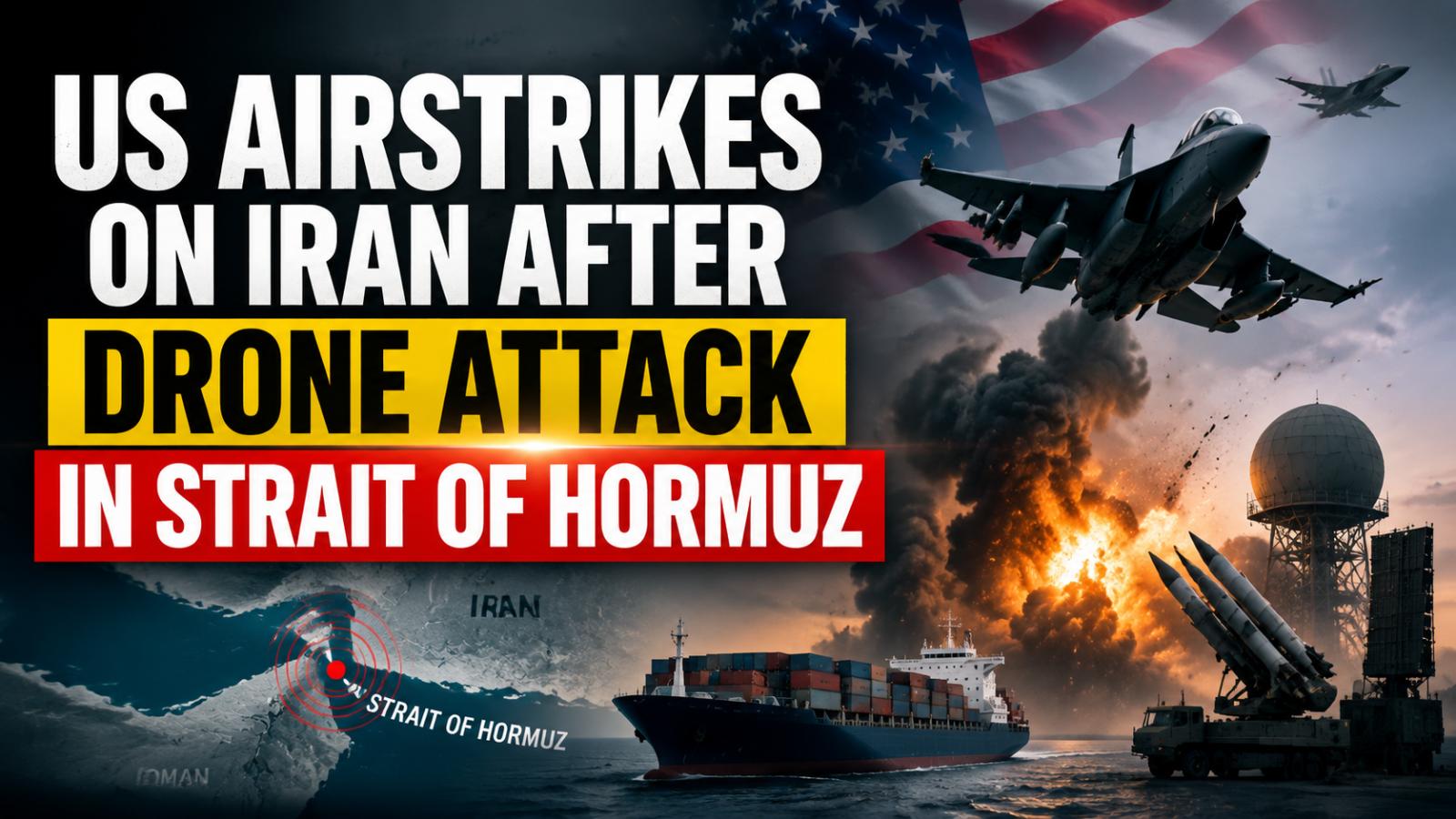
On May 7, President Donald Trump claimed that U.S. forces successfully destroyed Iranian attackers targeting three U.S. Navy destroyers as they transited the Strait of Hormuz. Trump, in a post on Truth Social, reported that the American destroyers were under fire but sustained no damage. He further stated that the Iranian attackers, along with several small boats used by the attackers, were completely destroyed. According to Trump, Iranian missiles fired at the U.S. destroyers were easi
Trump Claims US Forces Destroy Iranian Attackers in Strait of Hormuz
On May 7, President Donald Trump claimed that U.S. forces successfully destroyed Iranian attackers targeting three U.S. Navy destroyers as they transited the Strait of Hormuz. Trump, in a post on Truth Social, reported that the American destroyers were under fire but sustained no damage. He further stated that the Iranian attackers, along with several small boats used by the attackers, were completely destroyed. According to Trump, Iranian missiles fired at the U.S. destroyers were easi
Iranian Airstrikes Damage 228 U.S. Military Sites Across the Gulf
The Washington Post has reported, based on satellite imagery analysis, that Iranian airstrikes have severely damaged or destroyed at least 228 structures and pieces of equipment at U.S. military sites across the Gulf region since the conflict began on February 28. This number far exceeds the figures acknowledged by the U.S. government. The strikes affected 15 U.S. military sites in Kuwait, Bahrain, Qatar, Saudi Arabia, Jordan, and the UAE. Satellite images from Iranian state-affiliated media, along with 109 images from the EU's Copernicus satellite system and commercial sources, provided evidence of the scale of the damage. The investigation uncovered damage to 217 structures and 11 pieces of equipment, including hangars, barracks, fuel depots, aircraft, radar systems, and air defense equipment. In total, seven U.S. service members were killed in attacks on regional bases, six in Kuwait and one in Saudi Arabia, while more than 400 troops were injured by late April. Of the injured, 12 sustained serious injuries. More than half of the documented damage occurred at the U.S. 5th Fleet headquarters in Bahrain and major U.S. facilities in Kuwait. Iranian forces targeted critical infrastructure, including fuel bladders and Patriot missile defense systems at Ali al-Salem Air Base in Kuwait. Attacks also hit barracks, power infrastructure, and operational facilities at Camp Arifjan and Camp Buehring in Kuwait. Other U.S. sites, such as Al-Udeid Air Base in Qatar and naval facilities in Bahrain, saw significant damage to satellite communications infrastructure. Iran’s airstrikes have demonstrated a higher degree of precision than expected. Mark Cancian of the Center for Strategic and International Studies noted that "there are no random craters indicating misses," suggesting that the attacks were highly targeted. This precision has placed considerable strain on U.S.-made defense systems in the Gulf. Between February 28 and April 8, U.S. forces used at least 190 THAAD interceptors, nearly 53% of their pre-war inventory, and 1,060 Patriot interceptors, about 43% of their pre-war stock. Despite these efforts, U.S. air defenses have struggled to cope with modern drone warfare, where one-way attack drones are difficult to intercept yet highly accurate. The strikes have forced U.S. commanders to relocate personnel from bases at risk, with some U.S. officials describing the damage at the Naval Support Activity Bahrain as “extensive.” Personnel from the site have been relocated to MacDill Air Force Base in Tampa, Florida. The U.S. Central Command declined to provide further counter-assessments, citing the need for a complete evaluation after the conflict ends. This extensive damage underscores the ongoing challenges faced by U.S. forces in the Gulf and highlights the evolving nature of modern warfare.
Iranian Airstrikes Damage 228 U.S. Military Sites Across the Gulf
The Washington Post has reported, based on satellite imagery analysis, that Iranian airstrikes have severely damaged or destroyed at least 228 structures and pieces of equipment at U.S. military sites across the Gulf region since the conflict began on February 28. This number far exceeds the figures acknowledged by the U.S. government. The strikes affected 15 U.S. military sites in Kuwait, Bahrain, Qatar, Saudi Arabia, Jordan, and the UAE. Satellite images from Iranian state-affiliated media, along with 109 images from the EU's Copernicus satellite system and commercial sources, provided evidence of the scale of the damage. The investigation uncovered damage to 217 structures and 11 pieces of equipment, including hangars, barracks, fuel depots, aircraft, radar systems, and air defense equipment. In total, seven U.S. service members were killed in attacks on regional bases, six in Kuwait and one in Saudi Arabia, while more than 400 troops were injured by late April. Of the injured, 12 sustained serious injuries. More than half of the documented damage occurred at the U.S. 5th Fleet headquarters in Bahrain and major U.S. facilities in Kuwait. Iranian forces targeted critical infrastructure, including fuel bladders and Patriot missile defense systems at Ali al-Salem Air Base in Kuwait. Attacks also hit barracks, power infrastructure, and operational facilities at Camp Arifjan and Camp Buehring in Kuwait. Other U.S. sites, such as Al-Udeid Air Base in Qatar and naval facilities in Bahrain, saw significant damage to satellite communications infrastructure. Iran’s airstrikes have demonstrated a higher degree of precision than expected. Mark Cancian of the Center for Strategic and International Studies noted that "there are no random craters indicating misses," suggesting that the attacks were highly targeted. This precision has placed considerable strain on U.S.-made defense systems in the Gulf. Between February 28 and April 8, U.S. forces used at least 190 THAAD interceptors, nearly 53% of their pre-war inventory, and 1,060 Patriot interceptors, about 43% of their pre-war stock. Despite these efforts, U.S. air defenses have struggled to cope with modern drone warfare, where one-way attack drones are difficult to intercept yet highly accurate. The strikes have forced U.S. commanders to relocate personnel from bases at risk, with some U.S. officials describing the damage at the Naval Support Activity Bahrain as “extensive.” Personnel from the site have been relocated to MacDill Air Force Base in Tampa, Florida. The U.S. Central Command declined to provide further counter-assessments, citing the need for a complete evaluation after the conflict ends. This extensive damage underscores the ongoing challenges faced by U.S. forces in the Gulf and highlights the evolving nature of modern warfare.
Putin’s security tightened amid coup fears and military assassinations
Russian President Vladimir Putin is facing an unprecedented level of security following growing concerns about a potential coup. These fears stem from a series of recent assassinations of senior Russian military figures, sparking widespread unease within the Kremlin. A European intelligence report reveals that Putin's security measures have been drastically increased, with surveillance systems now installed in the homes of his closest staff. These measures aim to prevent leaks of sensitive information and reduce the possibility of a plot against the president. Additionally, those who work directly with the president, including his bodyguards, chefs, and photographers, are now prohibited from using public transportation. Instead, all personnel visiting Putin must undergo two rounds of screening. Moreover, they are restricted to using phones without internet access to further minimize the risk of communication leaks. The intensified security is reportedly a response to fears of assassination attempts, particularly from the growing power of Russian elites who are displeased with Putin's leadership, especially amid the ongoing conflict in Ukraine. Former confidante’s role in coup fears One of the major concerns surrounding Putin’s safety involves Sergei Shoigu, a former confidante and the former defense minister of Russia. Shoigu was removed from his post but still retains significant influence within the Russian military. According to the report, Shoigu is now linked to potential coup efforts, as he remains a powerful figure within Russia’s military high command. Shoigu's influence over the Russian military is seen as a significant threat to Putin's reign, especially after the arrest of Ruslan Tsalikov, Shoigu's close associate, in March. This arrest has stirred political unrest within the Kremlin and raised suspicions about potential power shifts. The tensions within Russia's elite circles have added fuel to the fears of an internal coup, though the report does not provide direct evidence linking Shoigu to any active conspiracy. Kremlin in turmoil over Ukraine war and dissent The political climate within the Kremlin has grown increasingly unstable, particularly since the death of a top general in December, which triggered many of the heightened security measures. The fallout from this incident has led to fractures within Russia's security establishment, which is now divided over how to handle the fallout from the war in Ukraine. The rising costs and significant Russian military fatalities, estimated at 30,000 a month, have led to growing dissent within the political elite. Many believe the war has become unsustainable, further intensifying the pressure on Putin’s leadership. Putin has not publicly visited a military facility in 2023 and has avoided his usual residences, including those in the Moscow region and Valdai. The president has stopped making public appearances out of fear for his safety, with the Kremlin opting to release pre-recorded videos and images to maintain his presence in the media. According to reports, Putin has spent weeks at a time in upgraded bunkers, particularly in the Krasnodar coastal region, in response to the escalating threat of a coup and potential drone attacks. The ongoing crisis inside Russia's political structure Amidst the growing security concerns, the Kremlin is facing increasing instability, with political dissidents pushing back against Putin’s decisions. The Ukraine war has become a focal point of this unrest, with many within the political and military elite questioning its sustainability. These issues, compounded by the rising death toll among Russian soldiers, continue to contribute to the growing volatility of Putin’s rule. As fears of a coup mount, the situation inside the Kremlin remains precarious, with Putin’s tight security measures highlighting the level of tension and distrust among Russia’s political and military circles. The coming months may reveal whether these intensified precautions will be enough to protect Putin or if the risks posed by internal dissent and external threats will continue to grow.
Putin’s security tightened amid coup fears and military assassinations
Russian President Vladimir Putin is facing an unprecedented level of security following growing concerns about a potential coup. These fears stem from a series of recent assassinations of senior Russian military figures, sparking widespread unease within the Kremlin. A European intelligence report reveals that Putin's security measures have been drastically increased, with surveillance systems now installed in the homes of his closest staff. These measures aim to prevent leaks of sensitive information and reduce the possibility of a plot against the president. Additionally, those who work directly with the president, including his bodyguards, chefs, and photographers, are now prohibited from using public transportation. Instead, all personnel visiting Putin must undergo two rounds of screening. Moreover, they are restricted to using phones without internet access to further minimize the risk of communication leaks. The intensified security is reportedly a response to fears of assassination attempts, particularly from the growing power of Russian elites who are displeased with Putin's leadership, especially amid the ongoing conflict in Ukraine. Former confidante’s role in coup fears One of the major concerns surrounding Putin’s safety involves Sergei Shoigu, a former confidante and the former defense minister of Russia. Shoigu was removed from his post but still retains significant influence within the Russian military. According to the report, Shoigu is now linked to potential coup efforts, as he remains a powerful figure within Russia’s military high command. Shoigu's influence over the Russian military is seen as a significant threat to Putin's reign, especially after the arrest of Ruslan Tsalikov, Shoigu's close associate, in March. This arrest has stirred political unrest within the Kremlin and raised suspicions about potential power shifts. The tensions within Russia's elite circles have added fuel to the fears of an internal coup, though the report does not provide direct evidence linking Shoigu to any active conspiracy. Kremlin in turmoil over Ukraine war and dissent The political climate within the Kremlin has grown increasingly unstable, particularly since the death of a top general in December, which triggered many of the heightened security measures. The fallout from this incident has led to fractures within Russia's security establishment, which is now divided over how to handle the fallout from the war in Ukraine. The rising costs and significant Russian military fatalities, estimated at 30,000 a month, have led to growing dissent within the political elite. Many believe the war has become unsustainable, further intensifying the pressure on Putin’s leadership. Putin has not publicly visited a military facility in 2023 and has avoided his usual residences, including those in the Moscow region and Valdai. The president has stopped making public appearances out of fear for his safety, with the Kremlin opting to release pre-recorded videos and images to maintain his presence in the media. According to reports, Putin has spent weeks at a time in upgraded bunkers, particularly in the Krasnodar coastal region, in response to the escalating threat of a coup and potential drone attacks. The ongoing crisis inside Russia's political structure Amidst the growing security concerns, the Kremlin is facing increasing instability, with political dissidents pushing back against Putin’s decisions. The Ukraine war has become a focal point of this unrest, with many within the political and military elite questioning its sustainability. These issues, compounded by the rising death toll among Russian soldiers, continue to contribute to the growing volatility of Putin’s rule. As fears of a coup mount, the situation inside the Kremlin remains precarious, with Putin’s tight security measures highlighting the level of tension and distrust among Russia’s political and military circles. The coming months may reveal whether these intensified precautions will be enough to protect Putin or if the risks posed by internal dissent and external threats will continue to grow.
Iran Rejects UAE Drone Strike Accusations, Points to US Adventurism
Iran has strongly denied accusations from the United Arab Emirates that it was behind a drone strike targeting oil facilities in Fujairah, calling the attack a product of US military adventurism. UAE authorities reported the attack on Monday, saying that three Indian nationals were injured in the strike and were hospitalized. The UAE also described the attack as a “dangerous escalation” amid growing tensions in the region. Iran's military officials, speaking on state television, insisted that the Islamic Republic had no plans to target UAE oil infrastructure. They argued that the attack was part of a broader geopolitical game in which the US was attempting to create a passage for ships to unlawfully pass through the Strait of Hormuz, a key oil shipping lane. Iranian officials called on the US to cease its military actions in the region, accusing Washington of destabilizing the area and holding the US accountable for the escalation. In the aftermath of the strike, US President Donald Trump announced a new maritime operation, Project Freedom, aimed at guiding neutral ships safely through the Gulf. The initiative, which Trump described as a humanitarian effort, is seen as a response to the increasing number of incidents in the Strait of Hormuz. US officials reported engaging with Iranian small boats in the Gulf, claiming that US forces had destroyed several Iranian vessels. Iran, however, denied these claims, stating that none of its boats had been sunk. Iran's Foreign Minister, Seyed Abbas Araghchi, emphasized the need for a political resolution to the ongoing tensions, cautioning against further military action. He called for greater diplomatic efforts, including mediation by countries like Pakistan, to prevent a deeper conflict. Araghchi also warned the UAE and other regional actors against further escalation, urging them to avoid external interference that could destabilize the region further. As the situation continues to develop, both Iran and the US remain at odds over their military presence in the vital Strait of Hormuz.
Iran Rejects UAE Drone Strike Accusations, Points to US Adventurism
Iran has strongly denied accusations from the United Arab Emirates that it was behind a drone strike targeting oil facilities in Fujairah, calling the attack a product of US military adventurism. UAE authorities reported the attack on Monday, saying that three Indian nationals were injured in the strike and were hospitalized. The UAE also described the attack as a “dangerous escalation” amid growing tensions in the region. Iran's military officials, speaking on state television, insisted that the Islamic Republic had no plans to target UAE oil infrastructure. They argued that the attack was part of a broader geopolitical game in which the US was attempting to create a passage for ships to unlawfully pass through the Strait of Hormuz, a key oil shipping lane. Iranian officials called on the US to cease its military actions in the region, accusing Washington of destabilizing the area and holding the US accountable for the escalation. In the aftermath of the strike, US President Donald Trump announced a new maritime operation, Project Freedom, aimed at guiding neutral ships safely through the Gulf. The initiative, which Trump described as a humanitarian effort, is seen as a response to the increasing number of incidents in the Strait of Hormuz. US officials reported engaging with Iranian small boats in the Gulf, claiming that US forces had destroyed several Iranian vessels. Iran, however, denied these claims, stating that none of its boats had been sunk. Iran's Foreign Minister, Seyed Abbas Araghchi, emphasized the need for a political resolution to the ongoing tensions, cautioning against further military action. He called for greater diplomatic efforts, including mediation by countries like Pakistan, to prevent a deeper conflict. Araghchi also warned the UAE and other regional actors against further escalation, urging them to avoid external interference that could destabilize the region further. As the situation continues to develop, both Iran and the US remain at odds over their military presence in the vital Strait of Hormuz.
US destroys Iranian boats, intercepts missiles in Hormuz clash
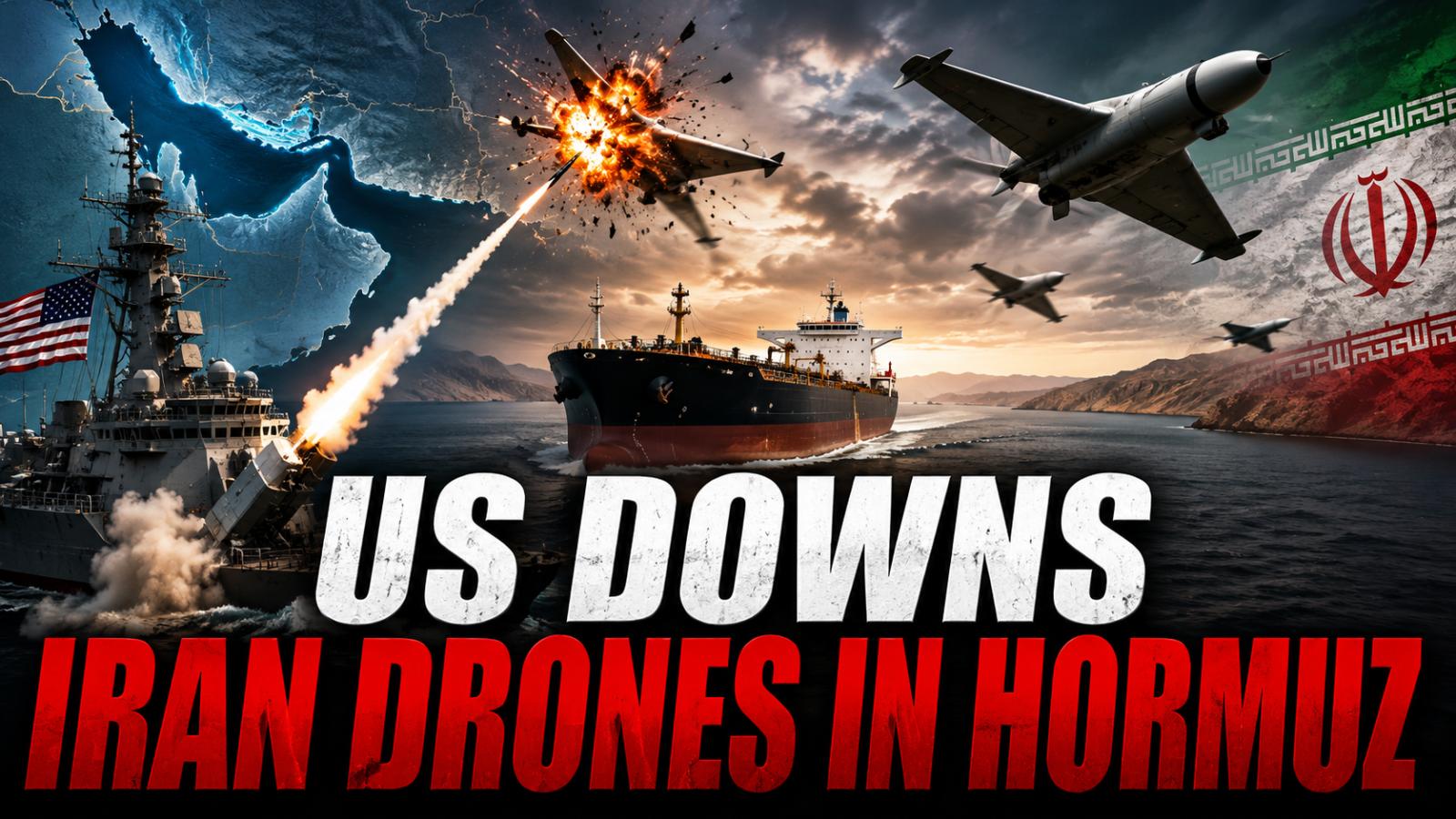
U.S. forces destroyed Iranian boats and intercepted missiles in the Strait of Hormuz on Monday, May 4, 2026, during a confrontation involving naval and aerial threats, a senior U.S. military official said. The U.S. Navy engaged Iranian units after projectiles and drones were launched toward American vessels and commercial shipping in the region, according to officials. Admiral
US destroys Iranian boats, intercepts missiles in Hormuz clash
U.S. forces destroyed Iranian boats and intercepted missiles in the Strait of Hormuz on Monday, May 4, 2026, during a confrontation involving naval and aerial threats, a senior U.S. military official said. The U.S. Navy engaged Iranian units after projectiles and drones were launched toward American vessels and commercial shipping in the region, according to officials. Admiral
Tehran activates air defenses as Iran issues warnings amid rising tensions
Tehran activated air defenses against drones as Iran warned of retaliation if attacks resume. U.S. officials signaled continued military action, while tensions over the Strait of Hormuz and ceasefire terms highlight ongoing instability. Tehran activates air defenses as Iran issues warnings amid rising tensions, according to Iranian media reports describing heightened military alertness on Thursday night. Authorities in Tehran said air defense systems were deployed
Tehran activates air defenses as Iran issues warnings amid rising tensions
Tehran activated air defenses against drones as Iran warned of retaliation if attacks resume. U.S. officials signaled continued military action, while tensions over the Strait of Hormuz and ceasefire terms highlight ongoing instability. Tehran activates air defenses as Iran issues warnings amid rising tensions, according to Iranian media reports describing heightened military alertness on Thursday night. Authorities in Tehran said air defense systems were deployed
UAE issues travel ban amid rising tensions with Iran and missile threats
Israel warns UAE of missile threat from Iran, provides air defense systems Israel has reportedly warned the United Arab Emirates (UAE) of an imminent missile threat from Iran, signaling that short-range missiles could be launched towards the country. In response to this threat, Israel has provided advanced air defense systems to the UAE, including a newly operational laser-based defense system to
UAE issues travel ban amid rising tensions with Iran and missile threats
Israel warns UAE of missile threat from Iran, provides air defense systems Israel has reportedly warned the United Arab Emirates (UAE) of an imminent missile threat from Iran, signaling that short-range missiles could be launched towards the country. In response to this threat, Israel has provided advanced air defense systems to the UAE, including a newly operational laser-based defense system to
Iran Strikes US Warships After Ship Seizure Near Strait of Hormuz Escalates Tensions
Tensions between Iran and the United States have escalated sharply after Tehran claimed it launched drone strikes targeting American military vessels in the Sea of Oman. The reported strikes came in response to a US operation in which forces intercepted and seized an Iranian cargo ship near the
Iran Strikes US Warships After Ship Seizure Near Strait of Hormuz Escalates Tensions
Tensions between Iran and the United States have escalated sharply after Tehran claimed it launched drone strikes targeting American military vessels in the Sea of Oman. The reported strikes came in response to a US operation in which forces intercepted and seized an Iranian cargo ship near the
How Iran’s affordable drones are challenging America’s expensive interceptors
One of the most striking lessons from the war with Iran is how a relatively low-cost adversary has exposed vulnerabilities in U.S. defense strategy. Iran has demonstrated both a willingness to go on the offensive and an ability to leverage inexpensive drone technology at scale. These drones, often built with commercial-grade components, cost roughly $35,000 each—far less than the high-end interceptors used to destroy them. This imbalance has forced the United States and its allies to confront a new reality: modern warfare is no longer dominated solely by precision and sophistication, but also by affordability and volume. Cheap drones had already reshaped the battlefield in Ukraine, and Iran has now applied similar tactics in the Middle East, exploiting a long-standing gap in U.S. defense investments that favored fewer, more expensive systems over scalable solutions. Why are U.S. defenses struggling with cost efficiency? Because interceptors far exceed drone prices The financial mismatch is stark. In just the first six days of the conflict, the U.S. spent $11.3 billion, with estimates later rising to between $25 billion and $35 billion. A significant portion of that cost comes from interceptor missiles used to shoot down relatively inexpensive drones. Despite years of Pentagon focus on counter-drone capabilities, experts like Michael C. Horowitz note that there has been little urgency to scale affordable solutions. The result is a defense strategy where each engagement can cost far more than the threat itself—an unsustainable model in prolonged conflicts. How do air-based defenses work against drones? By using early detection and precision strikes—when available In an ideal scenario, airborne early warning systems detect drones hundreds of miles away. Fighter jets such as the F-16 Fighting Falcon are then deployed to intercept them using relatively cheaper rocket systems like APKWS II. This method is among the most cost-efficient, but it depends heavily on maintaining constant air patrols and intact detection systems. Iran has targeted these early warning assets, limiting their effectiveness and reducing the availability of this optimal defense approach. What role do ground and naval systems play? They offer range and reliability but at a steep price When air defenses are unavailable, the U.S. relies on ground- and sea-based systems. These include: Short-range systems like the Coyote, designed specifically for drones and relatively cost-effective—but in short supply. Naval destroyers using radar and SM-2 interceptors, which are powerful but expensive and designed for larger threats. The Patriot missile system, capable of intercepting drones from long distances using costly PAC-3 missiles. These systems were originally built to counter high-end threats like ballistic missiles, not swarms of cheap drones. As a result, they are often overkill—both technologically and financially—for the task at hand. Still, their use can be justified when defending high-value assets, such as billion-dollar radar installations or critical military infrastructure. What are the emerging solutions to counter drones? AI interceptors and lasers show promise but remain unproven New approaches aim to fix the cost imbalance. AI-powered interceptor drones, such as the Merops system developed by a company founded by Eric Schmidt, represent a potential shift toward cheaper, scalable defenses. These systems have been tested in collaboration with Ukrainian forces experienced in countering Iranian drones. The U.S. has already sent thousands of these units to the Middle East and begun training troops, though it remains unclear whether they have been deployed in combat. Meanwhile, the Pentagon has invested heavily in directed energy weapons—lasers that could cost as little as $3 per shot and reach targets up to 12 miles away. However, these systems have yet to be fielded in real-world combat. Why is ammunition depletion a growing concern? Because stockpiles may run out faster than they can be replaced Beyond cost, a more immediate concern is supply. Experts warn that interceptor stockpiles are being depleted at an alarming rate. As Tom Karako explains, the issue is not just affordability but availability: the U.S. risks running out of munitions before it can replenish them. This highlights a deeper strategic challenge. Modern conflicts—defined by mass-produced, low-cost threats—require not just advanced technology, but also sustainable production and scalable defense systems.
How Iran’s affordable drones are challenging America’s expensive interceptors
One of the most striking lessons from the war with Iran is how a relatively low-cost adversary has exposed vulnerabilities in U.S. defense strategy. Iran has demonstrated both a willingness to go on the offensive and an ability to leverage inexpensive drone technology at scale. These drones, often built with commercial-grade components, cost roughly $35,000 each—far less than the high-end interceptors used to destroy them. This imbalance has forced the United States and its allies to confront a new reality: modern warfare is no longer dominated solely by precision and sophistication, but also by affordability and volume. Cheap drones had already reshaped the battlefield in Ukraine, and Iran has now applied similar tactics in the Middle East, exploiting a long-standing gap in U.S. defense investments that favored fewer, more expensive systems over scalable solutions. Why are U.S. defenses struggling with cost efficiency? Because interceptors far exceed drone prices The financial mismatch is stark. In just the first six days of the conflict, the U.S. spent $11.3 billion, with estimates later rising to between $25 billion and $35 billion. A significant portion of that cost comes from interceptor missiles used to shoot down relatively inexpensive drones. Despite years of Pentagon focus on counter-drone capabilities, experts like Michael C. Horowitz note that there has been little urgency to scale affordable solutions. The result is a defense strategy where each engagement can cost far more than the threat itself—an unsustainable model in prolonged conflicts. How do air-based defenses work against drones? By using early detection and precision strikes—when available In an ideal scenario, airborne early warning systems detect drones hundreds of miles away. Fighter jets such as the F-16 Fighting Falcon are then deployed to intercept them using relatively cheaper rocket systems like APKWS II. This method is among the most cost-efficient, but it depends heavily on maintaining constant air patrols and intact detection systems. Iran has targeted these early warning assets, limiting their effectiveness and reducing the availability of this optimal defense approach. What role do ground and naval systems play? They offer range and reliability but at a steep price When air defenses are unavailable, the U.S. relies on ground- and sea-based systems. These include: Short-range systems like the Coyote, designed specifically for drones and relatively cost-effective—but in short supply. Naval destroyers using radar and SM-2 interceptors, which are powerful but expensive and designed for larger threats. The Patriot missile system, capable of intercepting drones from long distances using costly PAC-3 missiles. These systems were originally built to counter high-end threats like ballistic missiles, not swarms of cheap drones. As a result, they are often overkill—both technologically and financially—for the task at hand. Still, their use can be justified when defending high-value assets, such as billion-dollar radar installations or critical military infrastructure. What are the emerging solutions to counter drones? AI interceptors and lasers show promise but remain unproven New approaches aim to fix the cost imbalance. AI-powered interceptor drones, such as the Merops system developed by a company founded by Eric Schmidt, represent a potential shift toward cheaper, scalable defenses. These systems have been tested in collaboration with Ukrainian forces experienced in countering Iranian drones. The U.S. has already sent thousands of these units to the Middle East and begun training troops, though it remains unclear whether they have been deployed in combat. Meanwhile, the Pentagon has invested heavily in directed energy weapons—lasers that could cost as little as $3 per shot and reach targets up to 12 miles away. However, these systems have yet to be fielded in real-world combat. Why is ammunition depletion a growing concern? Because stockpiles may run out faster than they can be replaced Beyond cost, a more immediate concern is supply. Experts warn that interceptor stockpiles are being depleted at an alarming rate. As Tom Karako explains, the issue is not just affordability but availability: the U.S. risks running out of munitions before it can replenish them. This highlights a deeper strategic challenge. Modern conflicts—defined by mass-produced, low-cost threats—require not just advanced technology, but also sustainable production and scalable defense systems.
Russia launches massive missile and drone attack on Ukraine, killing at least 16
Russia launched one of its most intense aerial assaults of the year against Ukraine, firing a large number of missiles and drones in a coordinated attack that began overnight and continued into Thursday morning, April 16, 2026 (local time in Ukraine). Ukrainian officials reported that at least 16 people were killed and more than 100 others were injured in the strikes, marking a significant escalation following a brief Easter ceasefire between the two countries. According to
Russia launches massive missile and drone attack on Ukraine, killing at least 16
Russia launched one of its most intense aerial assaults of the year against Ukraine, firing a large number of missiles and drones in a coordinated attack that began overnight and continued into Thursday morning, April 16, 2026 (local time in Ukraine). Ukrainian officials reported that at least 16 people were killed and more than 100 others were injured in the strikes, marking a significant escalation following a brief Easter ceasefire between the two countries. According to
Trump Warns Iran on Strait of Hormuz as Fires Erupt Across Gulf Region
The Gulf region is facing rising tensions, with a series of drone attacks, fires, and infrastructure damage being reported across multiple countries, including Kuwait, Bahrain, and the UAE. The situation has been exacerbated by a warning from U.S. President Donald Trump, who set a deadline for Iran to reopen the Strait of Hormuz by 7th April 2026 evening. If Iran fails to comply, Trump has indicated that the U.S. will target critical infrastructure in retaliation. This escalation is of global
Trump Warns Iran on Strait of Hormuz as Fires Erupt Across Gulf Region
The Gulf region is facing rising tensions, with a series of drone attacks, fires, and infrastructure damage being reported across multiple countries, including Kuwait, Bahrain, and the UAE. The situation has been exacerbated by a warning from U.S. President Donald Trump, who set a deadline for Iran to reopen the Strait of Hormuz by 7th April 2026 evening. If Iran fails to comply, Trump has indicated that the U.S. will target critical infrastructure in retaliation. This escalation is of global
Russia drone strike on Ukraine market kills 5, injures 19
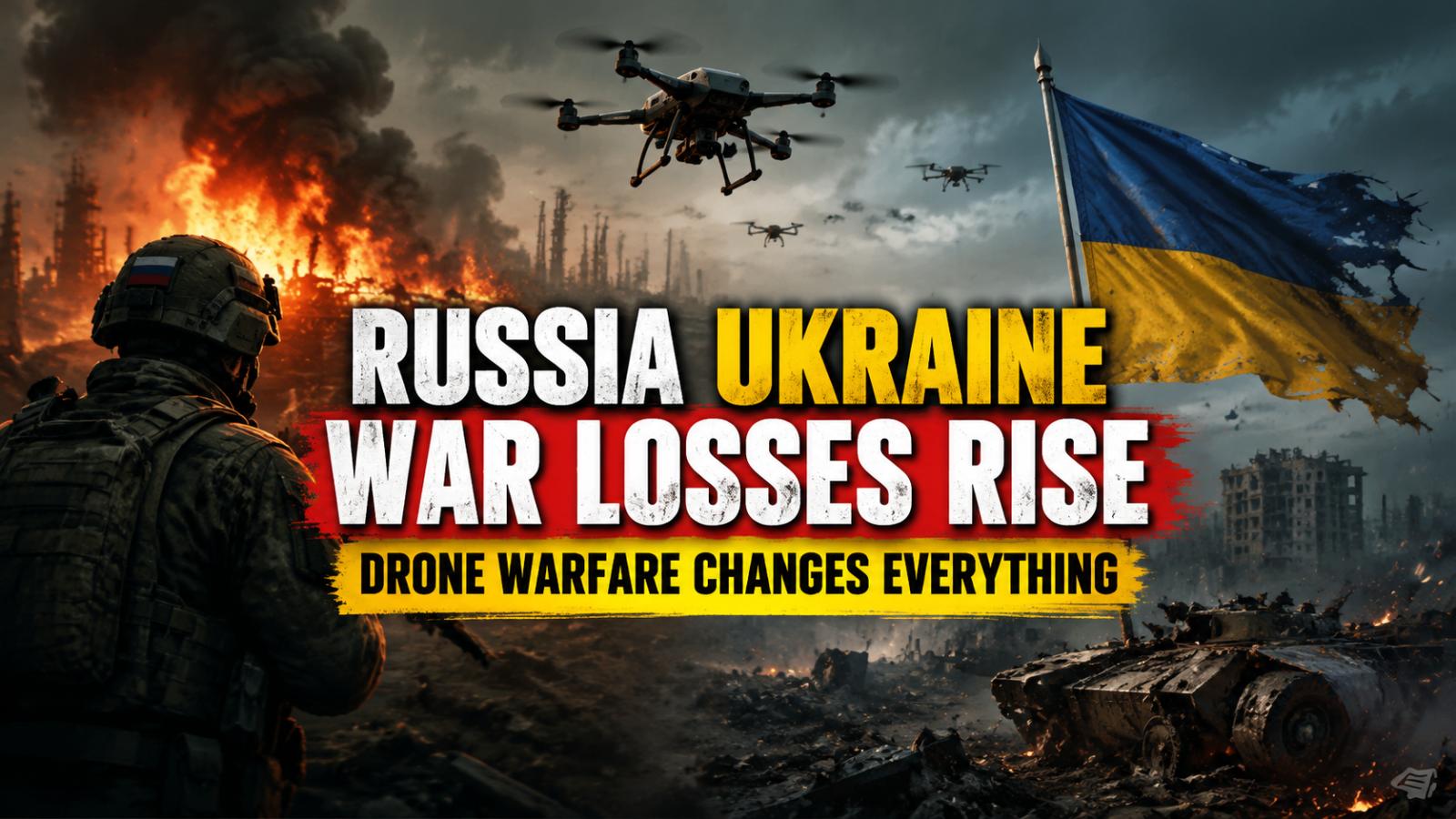
A Russian drone strike targeted a market area in the Ukrainian city of Nikopol on Saturday, April 4, 2026, in the morning local time, resulting in at least five fatalities and leaving 19 others injured, according to local authorities. The attack marks another escalation in the ongoing Russia-Ukraine war, with civilian areas increasingly affected by aerial assaults. Officials reported that the strike hit a busy marketplace during daytime hours, causing significant destruction to surrounding infrastructure and disrupting daily life for residents. Emergency services were deployed immediately after the attack to assist the injured and assess damage, while rescue operations continued in the aftermath. Nikopol, located in southeastern Ukraine, has been frequently subjected to shelling and drone attacks due to its proximity to contested regions. The latest incident highlights the persistent risks faced by civilians living near active conflict zones, where strikes have repeatedly impacted residential and commercial areas. Ukrainian authorities condemned the attack, describing it as a deliberate strike on civilian infrastructure. They emphasized the growing humanitarian toll of the conflict, noting that marketplaces and public gathering areas remain particularly vulnerable to such incidents. The Russia-Ukraine conflict, now in a prolonged phase, continues to see the use of drone warfare as a key tactic. These unmanned aerial systems have been deployed across multiple regions, contributing to rising civilian casualties and widespread damage. International observers have expressed concern over the continued targeting of populated areas, urging restraint and adherence to international humanitarian laws. As the conflict persists, attacks like the one in Nikopol underscore the ongoing instability in the region and the enduring impact on civilian populations.
Russia drone strike on Ukraine market kills 5, injures 19
A Russian drone strike targeted a market area in the Ukrainian city of Nikopol on Saturday, April 4, 2026, in the morning local time, resulting in at least five fatalities and leaving 19 others injured, according to local authorities. The attack marks another escalation in the ongoing Russia-Ukraine war, with civilian areas increasingly affected by aerial assaults. Officials reported that the strike hit a busy marketplace during daytime hours, causing significant destruction to surrounding infrastructure and disrupting daily life for residents. Emergency services were deployed immediately after the attack to assist the injured and assess damage, while rescue operations continued in the aftermath. Nikopol, located in southeastern Ukraine, has been frequently subjected to shelling and drone attacks due to its proximity to contested regions. The latest incident highlights the persistent risks faced by civilians living near active conflict zones, where strikes have repeatedly impacted residential and commercial areas. Ukrainian authorities condemned the attack, describing it as a deliberate strike on civilian infrastructure. They emphasized the growing humanitarian toll of the conflict, noting that marketplaces and public gathering areas remain particularly vulnerable to such incidents. The Russia-Ukraine conflict, now in a prolonged phase, continues to see the use of drone warfare as a key tactic. These unmanned aerial systems have been deployed across multiple regions, contributing to rising civilian casualties and widespread damage. International observers have expressed concern over the continued targeting of populated areas, urging restraint and adherence to international humanitarian laws. As the conflict persists, attacks like the one in Nikopol underscore the ongoing instability in the region and the enduring impact on civilian populations.
Iran Claims Strike on US Base in Saudi Arabia, $700M AWACS Aircraft Hit
Iran has claimed responsibility for a major missile and drone strike targeting a US-operated military facility in Saudi Arabia, escalating tensions in the already volatile Middle East region. According to reports from Iranian state media, the attack struck the Prince Sultan Air Base, a key installation use
Iran Claims Strike on US Base in Saudi Arabia, $700M AWACS Aircraft Hit
Iran has claimed responsibility for a major missile and drone strike targeting a US-operated military facility in Saudi Arabia, escalating tensions in the already volatile Middle East region. According to reports from Iranian state media, the attack struck the Prince Sultan Air Base, a key installation use
Rising Tensions: Kuwait, Bahrain, Saudi Arabia, UAE Targeted by Drones and Missiles
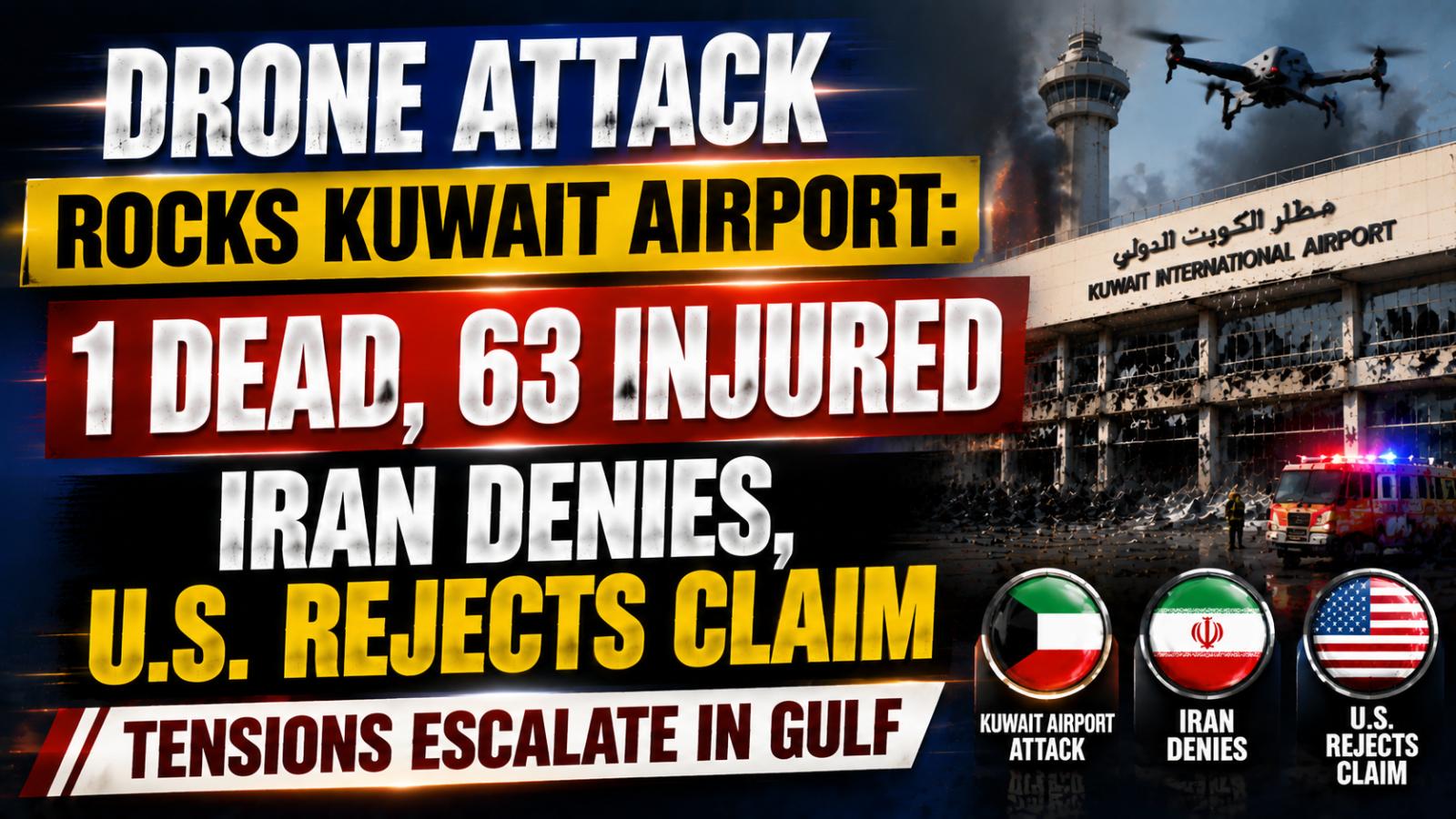
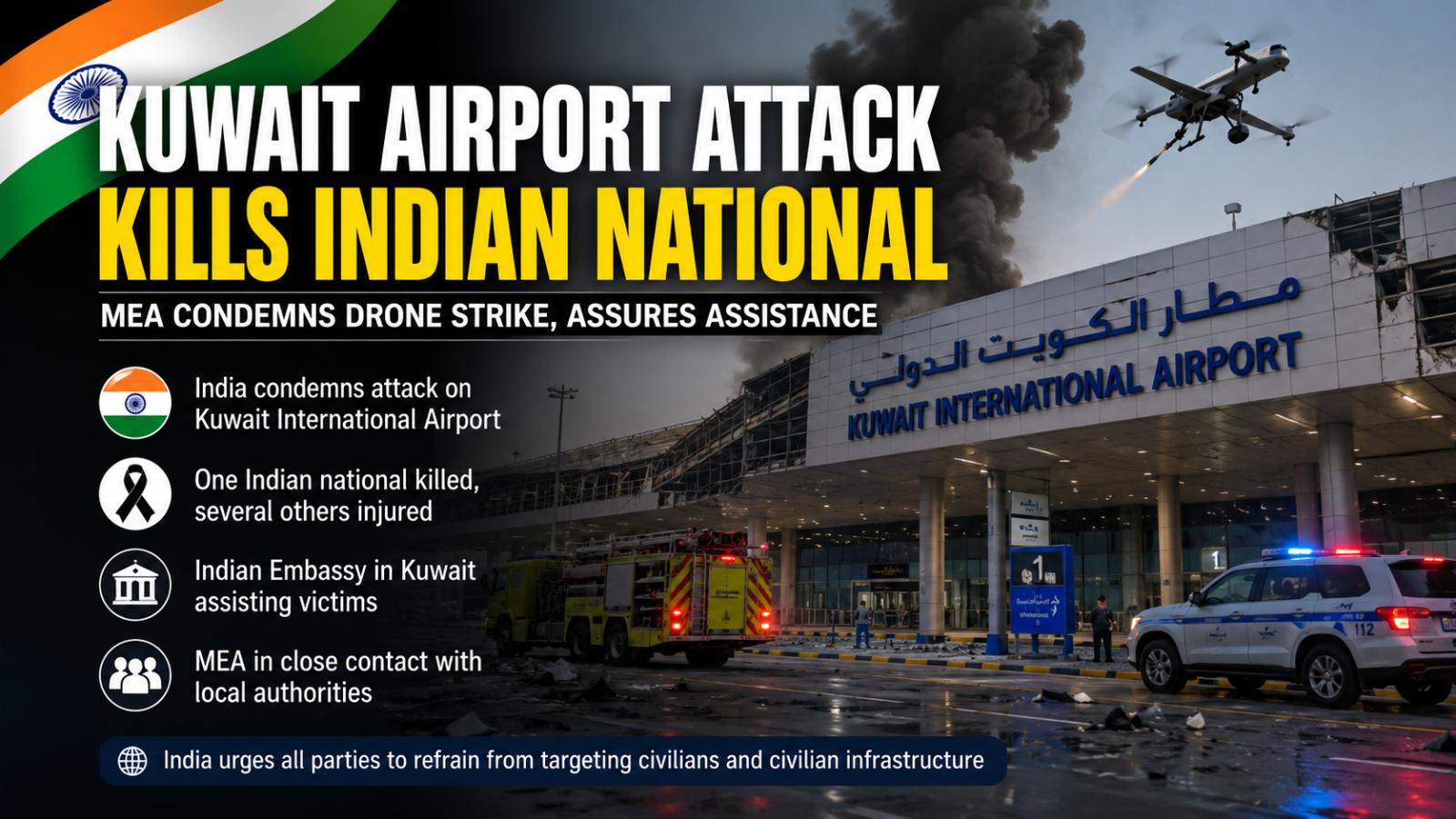
Tensions in the Middle East are escalating as multiple nations, including Kuwait, Bahrain, Saudi Arabia, and the UAE, face a series of drone and missile attacks. At Kuwait International Airport, a fuel tank was targeted, sparking a fire, but no casualties were reported. Bahrain also suffered a fire at a company facility due to missile strikes, allegedly launched by Iran. Kuwait’s military and other regional air defense systems have been actively intercepting these threats, with explosion so
Rising Tensions: Kuwait, Bahrain, Saudi Arabia, UAE Targeted by Drones and Missiles
Tensions in the Middle East are escalating as multiple nations, including Kuwait, Bahrain, Saudi Arabia, and the UAE, face a series of drone and missile attacks. At Kuwait International Airport, a fuel tank was targeted, sparking a fire, but no casualties were reported. Bahrain also suffered a fire at a company facility due to missile strikes, allegedly launched by Iran. Kuwait’s military and other regional air defense systems have been actively intercepting these threats, with explosion so


