Lavrov criticizes US foreign policy over oil and energy dominance
Russian Foreign Minister Sergei Lavrov has accused the United States of pursuing oil-driven policies in Iran and Venezuela, claiming that control over global energy resources is a central goal of Washington’s foreign strategy. Speaking in a televised interview, Lavrov said the US focuses primarily on its own interests and is willing to use extreme methods to secure access to oil and energy assets in resource-rich nations. Lavrov alleged that US actions in countries such as Iran and Venezuela are not hidden, but openly tied to securing influence over energy markets. According to him, Washington’s approach reflects a broader ambition to dominate global energy supply chains. He argued that such policies show a shift away from international legal norms, suggesting that decisions are increasingly shaped by power rather than agreed rules. The Russian minister also criticized the US for what he described as inconsistent diplomacy. He urged Washington to prioritize dialogue, stating that the US has a pattern of withdrawing from agreements instead of maintaining stable international commitments. His remarks come as American envoys prepare for discussions in Pakistan, signaling ongoing diplomatic engagement in the region. The White House has indicated openness to negotiations with Iran, while maintaining that it will not act under pressure. Meanwhile, Iran’s Foreign Minister Abbas Araghchi has begun a regional visit, adding to the ongoing diplomatic activity surrounding the issue. Lavrov further linked US foreign policy to developments in Europe, particularly in the context of the Ukraine conflict. He accused Washington of encouraging European nations to reduce dependence on Russian gas, framing this as part of a broader geopolitical strategy. According to Lavrov, such moves resemble attempts to reshape global energy dynamics in a way that benefits US interests, raising concerns about a return to power-based international relations.
Lavrov criticizes US foreign policy over oil and energy dominance
Russian Foreign Minister Sergei Lavrov has accused the United States of pursuing oil-driven policies in Iran and Venezuela, claiming that control over global energy resources is a central goal of Washington’s foreign strategy. Speaking in a televised interview, Lavrov said the US focuses primarily on its own interests and is willing to use extreme methods to secure access to oil and energy assets in resource-rich nations. Lavrov alleged that US actions in countries such as Iran and Venezuela are not hidden, but openly tied to securing influence over energy markets. According to him, Washington’s approach reflects a broader ambition to dominate global energy supply chains. He argued that such policies show a shift away from international legal norms, suggesting that decisions are increasingly shaped by power rather than agreed rules. The Russian minister also criticized the US for what he described as inconsistent diplomacy. He urged Washington to prioritize dialogue, stating that the US has a pattern of withdrawing from agreements instead of maintaining stable international commitments. His remarks come as American envoys prepare for discussions in Pakistan, signaling ongoing diplomatic engagement in the region. The White House has indicated openness to negotiations with Iran, while maintaining that it will not act under pressure. Meanwhile, Iran’s Foreign Minister Abbas Araghchi has begun a regional visit, adding to the ongoing diplomatic activity surrounding the issue. Lavrov further linked US foreign policy to developments in Europe, particularly in the context of the Ukraine conflict. He accused Washington of encouraging European nations to reduce dependence on Russian gas, framing this as part of a broader geopolitical strategy. According to Lavrov, such moves resemble attempts to reshape global energy dynamics in a way that benefits US interests, raising concerns about a return to power-based international relations.
EU approves $105 billion Ukraine loan and new Russia sanctions after deadlock ends
EU approves major Ukraine aid and new Russia sanctions after resolving internal disputes, strengthening Kyiv’s position and increasing pressure on Moscow amid ongoing war. EU approves $105 billion Ukraine loan and new Russia sanctions after deadlock ends. The European Union on Thursday, April 23, 2026, granted final approval to a €90 billion ($105 billion) loan for Ukraine and endorsed a new round of sanctions against Russia, marking a significant shift
EU approves $105 billion Ukraine loan and new Russia sanctions after deadlock ends
EU approves major Ukraine aid and new Russia sanctions after resolving internal disputes, strengthening Kyiv’s position and increasing pressure on Moscow amid ongoing war. EU approves $105 billion Ukraine loan and new Russia sanctions after deadlock ends. The European Union on Thursday, April 23, 2026, granted final approval to a €90 billion ($105 billion) loan for Ukraine and endorsed a new round of sanctions against Russia, marking a significant shift
Indian Men Shot Dead In Italy During Vaisakhi Gathering
Two Indian nationals were shot dead in northern Italy in a late-night incident outside a place of worship, raising serious concerns within the local community and prompting an active investigation by authorities. The shooting occurred in Covo, a town in Bergamo province, shortly before midnight on Friday, as individuals were leaving a warehouse that had been used for religious gatherings associated with the Vaisakhi festival. The victims have been identified as Raginder Singh, 48, w
Indian Men Shot Dead In Italy During Vaisakhi Gathering
Two Indian nationals were shot dead in northern Italy in a late-night incident outside a place of worship, raising serious concerns within the local community and prompting an active investigation by authorities. The shooting occurred in Covo, a town in Bergamo province, shortly before midnight on Friday, as individuals were leaving a warehouse that had been used for religious gatherings associated with the Vaisakhi festival. The victims have been identified as Raginder Singh, 48, w
Hungary election results 2026: what Péter Magyar’s win means for Europe and beyond
Hungary election results 2026 Péter Magyar victory reshapes power Hungary’s political landscape has undergone a dramatic shift after Péter Magyar secured a sweeping victory, ending Viktor Orbán’s long-standing rule. The Hungary election results 2026 mark one of the most significant polit
Hungary election results 2026: what Péter Magyar’s win means for Europe and beyond
Hungary election results 2026 Péter Magyar victory reshapes power Hungary’s political landscape has undergone a dramatic shift after Péter Magyar secured a sweeping victory, ending Viktor Orbán’s long-standing rule. The Hungary election results 2026 mark one of the most significant polit
Is Kanye West’s Europe tour facing trouble? Poland concert canceled after controversy
Poland concert canceled amid mounting backlash The planned concert by Kanye West in Poland has been officially canceled, marking another setback in the artist’s troubled European tour schedule. The performance, originally scheduled for Thursday, June 19, 2026, at
Is Kanye West’s Europe tour facing trouble? Poland concert canceled after controversy
Poland concert canceled amid mounting backlash The planned concert by Kanye West in Poland has been officially canceled, marking another setback in the artist’s troubled European tour schedule. The performance, originally scheduled for Thursday, June 19, 2026, at
Trump and European populists divide: What the growing rift means for global politics
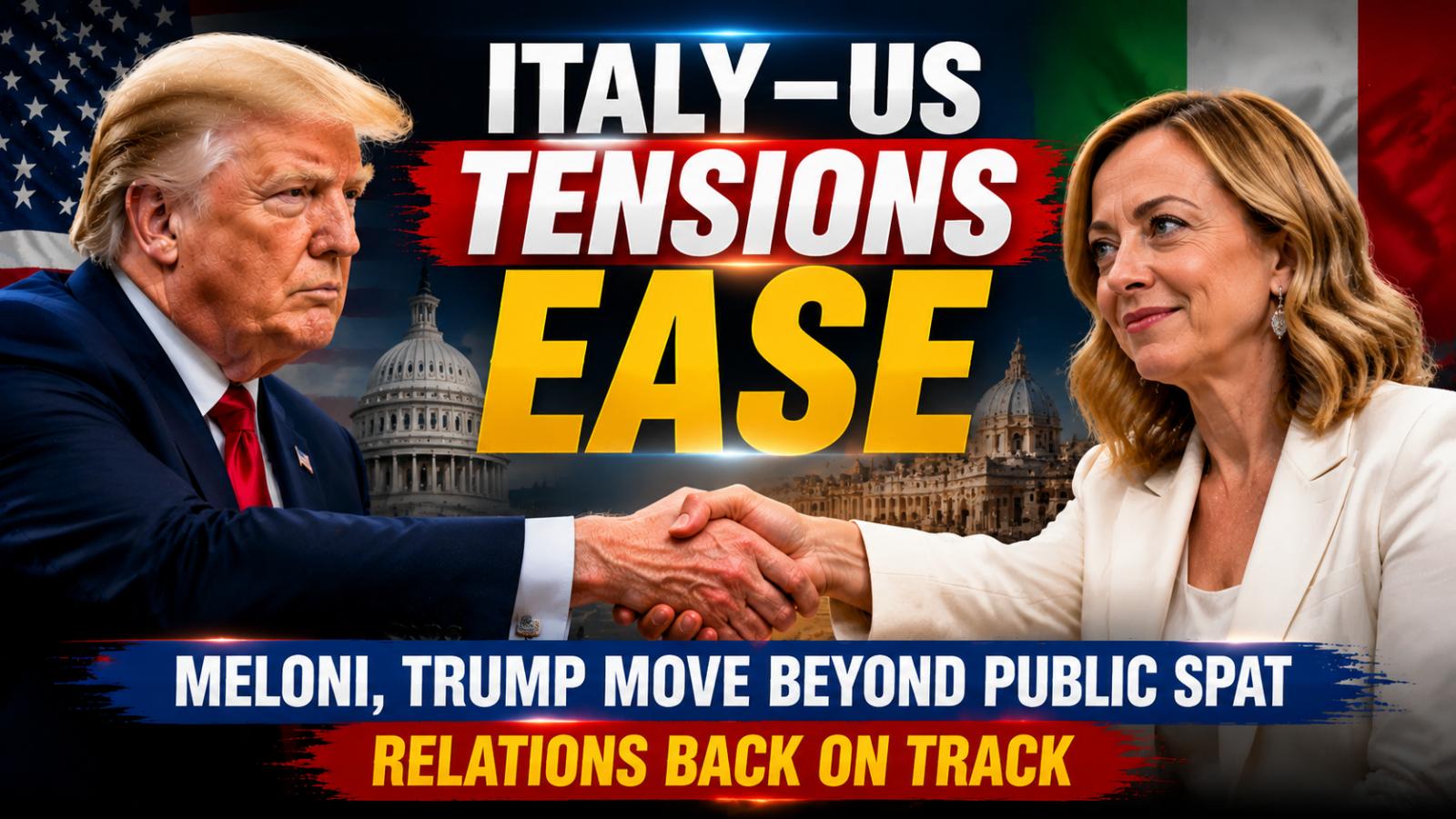
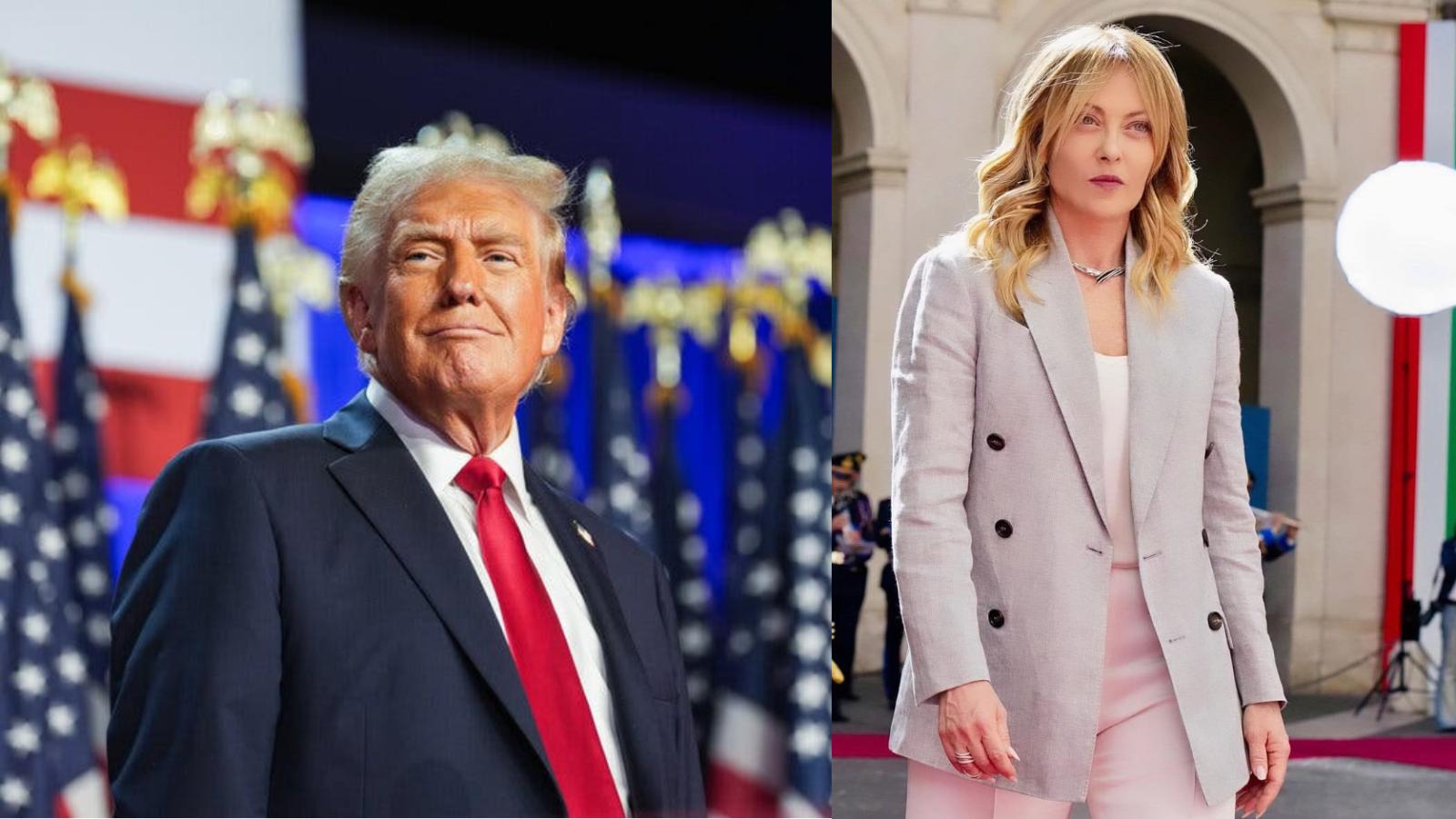
Trump European populist rift deepens over war and policy tensions The relationship between former U.S. President Donald Trump and Europe’s nationalist leaders is showing signs of strain, raising questions about the future of global political alliances. Once seen as natural allies, the growing divide reflects disagreements over foreign policy, particularly the Iran conflict, and shifting public opinion across Europe. European leaders step back from Trump alliances In recent months, several prominent European populist figures who once openly supported Trump have begun to distance themselves. Leaders across the United Kingdom, France, Germany, and Italy are reconsidering their alignment as criticism of U.S. actions abroad intensifies. Policies linked to military interventions and controversial rhetoric have sparked backlash among European voters. This has put pressure on nationalist leaders who had previously embraced Trump’s political style and agenda. In some cases, declining poll numbers suggest that close ties to Trump are becoming a political liability. Why this political shift matters globally The evolving rift highlights a broader shift in global politics. For years, Trump’s “America First” approach aligned with European nationalist movements advocating for stricter borders and reduced international cooperation. Now, disagreements over foreign interventions and economic consequences—such as rising fuel prices—are changing that dynamic. European leaders must balance domestic public opinion with their political alliances, especially as voters express concerns about economic stability and international conflicts. This shift could weaken transatlantic cooperation among right-leaning political movements and reshape political strategies across the continent. From strong alignment to growing tensions Initially, Trump’s leadership energized nationalist parties across Europe. His stance on immigration, trade, and sovereignty resonated with leaders seeking similar policies in their own countries. However, recent developments—including military actions and disputes with global institutions—have exposed differences. Some European leaders have criticized these moves as inconsistent with their own national interests, while others worry about long-term geopolitical consequences. Public opinion has also played a major role. Surveys across Europe indicate high levels of skepticism toward Trump’s policies, forcing politicians to adjust their positions ahead of elections. What happens next for US-Europe political ties Looking ahead, the relationship between Trump-aligned politics and European populism may continue to evolve. Analysts suggest that nationalist leaders will increasingly focus on domestic priorities rather than relying on alignment with U.S. leadership. Future elections across Europe will likely test whether distancing from Trump helps these leaders regain public support. At the same time, ongoing global conflicts and economic pressures could further influence political strategies. A turning point in global populist politics The growing divide between Trump and European populists marks a significant moment in international politics. What was once a strong ideological partnership is now facing real challenges. As political landscapes shift, leaders on both sides of the Atlantic will need to adapt. The outcome of this rift could redefine alliances, influence elections, and shape the future direction of populist movements worldwide.
Trump and European populists divide: What the growing rift means for global politics
Trump European populist rift deepens over war and policy tensions The relationship between former U.S. President Donald Trump and Europe’s nationalist leaders is showing signs of strain, raising questions about the future of global political alliances. Once seen as natural allies, the growing divide reflects disagreements over foreign policy, particularly the Iran conflict, and shifting public opinion across Europe. European leaders step back from Trump alliances In recent months, several prominent European populist figures who once openly supported Trump have begun to distance themselves. Leaders across the United Kingdom, France, Germany, and Italy are reconsidering their alignment as criticism of U.S. actions abroad intensifies. Policies linked to military interventions and controversial rhetoric have sparked backlash among European voters. This has put pressure on nationalist leaders who had previously embraced Trump’s political style and agenda. In some cases, declining poll numbers suggest that close ties to Trump are becoming a political liability. Why this political shift matters globally The evolving rift highlights a broader shift in global politics. For years, Trump’s “America First” approach aligned with European nationalist movements advocating for stricter borders and reduced international cooperation. Now, disagreements over foreign interventions and economic consequences—such as rising fuel prices—are changing that dynamic. European leaders must balance domestic public opinion with their political alliances, especially as voters express concerns about economic stability and international conflicts. This shift could weaken transatlantic cooperation among right-leaning political movements and reshape political strategies across the continent. From strong alignment to growing tensions Initially, Trump’s leadership energized nationalist parties across Europe. His stance on immigration, trade, and sovereignty resonated with leaders seeking similar policies in their own countries. However, recent developments—including military actions and disputes with global institutions—have exposed differences. Some European leaders have criticized these moves as inconsistent with their own national interests, while others worry about long-term geopolitical consequences. Public opinion has also played a major role. Surveys across Europe indicate high levels of skepticism toward Trump’s policies, forcing politicians to adjust their positions ahead of elections. What happens next for US-Europe political ties Looking ahead, the relationship between Trump-aligned politics and European populism may continue to evolve. Analysts suggest that nationalist leaders will increasingly focus on domestic priorities rather than relying on alignment with U.S. leadership. Future elections across Europe will likely test whether distancing from Trump helps these leaders regain public support. At the same time, ongoing global conflicts and economic pressures could further influence political strategies. A turning point in global populist politics The growing divide between Trump and European populists marks a significant moment in international politics. What was once a strong ideological partnership is now facing real challenges. As political landscapes shift, leaders on both sides of the Atlantic will need to adapt. The outcome of this rift could redefine alliances, influence elections, and shape the future direction of populist movements worldwide.


Barry Callebaut cuts profit outlook amid cocoa price drop and supply risks
Barry Callebaut, the world’s largest chocolate producer, announced on Thursday, April 16, 2026, that it has lowered its operating profit forecast for the 2025–2026 fiscal year, citing falling cocoa prices, industry overcapacity, and potential supply disruptions linked to geopolitical tensions involving Iran. The Zurich-based company now expects earnings before interest and tax (EBIT)
Barry Callebaut cuts profit outlook amid cocoa price drop and supply risks
Barry Callebaut, the world’s largest chocolate producer, announced on Thursday, April 16, 2026, that it has lowered its operating profit forecast for the 2025–2026 fiscal year, citing falling cocoa prices, industry overcapacity, and potential supply disruptions linked to geopolitical tensions involving Iran. The Zurich-based company now expects earnings before interest and tax (EBIT)
Airline disruptions loom as oil supply crisis threatens Europe flights
Europe’s airline industry is facing the risk of a widespread jet fuel shortage within weeks as disruptions in the Strait of Hormuz continue to strain global oil supply chains, according to energy analysts and aviation experts. The situation has intensified following escalating tensions involving the United States, Iran, and Israel, raising concerns about significant flight reductions across the region during the upcoming peak travel season. Claudio Galimberti, chief economist at
Airline disruptions loom as oil supply crisis threatens Europe flights
Europe’s airline industry is facing the risk of a widespread jet fuel shortage within weeks as disruptions in the Strait of Hormuz continue to strain global oil supply chains, according to energy analysts and aviation experts. The situation has intensified following escalating tensions involving the United States, Iran, and Israel, raising concerns about significant flight reductions across the region during the upcoming peak travel season. Claudio Galimberti, chief economist at
Hungary voters deliver surprise win to opposition leader Peter Magyar
Hungary experienced a dramatic political shift following its national elections held on Sunday, as Prime Minister Viktor Orban conceded defeat after a decisive loss to opposition leader Peter Magyar. The outcome triggered widespread celebrations across the capital, Budapest, with large crowds gathering along
Hungary voters deliver surprise win to opposition leader Peter Magyar
Hungary experienced a dramatic political shift following its national elections held on Sunday, as Prime Minister Viktor Orban conceded defeat after a decisive loss to opposition leader Peter Magyar. The outcome triggered widespread celebrations across the capital, Budapest, with large crowds gathering along
Bangladesh Railways Expanding Fleet with 200 Coaches from India by 2027
Bangladesh Railways is planning to enhance its fleet with 200 broad-gauge coaches from India, with the first deliveries expected to begin in 2026 and complete by December 2027. Railways Minister Shaikh Rabiul Alam shared this information in Parliament, stating that the project is backed by financing from the European Investment Bank. This significant addition to the rail network is expected to improve the quality and capacity of the railway services across Bangladesh. The new coache
Bangladesh Railways Expanding Fleet with 200 Coaches from India by 2027
Bangladesh Railways is planning to enhance its fleet with 200 broad-gauge coaches from India, with the first deliveries expected to begin in 2026 and complete by December 2027. Railways Minister Shaikh Rabiul Alam shared this information in Parliament, stating that the project is backed by financing from the European Investment Bank. This significant addition to the rail network is expected to improve the quality and capacity of the railway services across Bangladesh. The new coache
Russia drone strike on Ukraine market kills 5, injures 19
A Russian drone strike targeted a market area in the Ukrainian city of Nikopol on Saturday, April 4, 2026, in the morning local time, resulting in at least five fatalities and leaving 19 others injured, according to local authorities. The attack marks another escalation in the ongoing Russia-Ukraine war, with civilian areas increasingly affected by aerial assaults. Officials reported that the strike hit a busy marketplace during daytime hours, causing significant destruction to surrounding infrastructure and disrupting daily life for residents. Emergency services were deployed immediately after the attack to assist the injured and assess damage, while rescue operations continued in the aftermath. Nikopol, located in southeastern Ukraine, has been frequently subjected to shelling and drone attacks due to its proximity to contested regions. The latest incident highlights the persistent risks faced by civilians living near active conflict zones, where strikes have repeatedly impacted residential and commercial areas. Ukrainian authorities condemned the attack, describing it as a deliberate strike on civilian infrastructure. They emphasized the growing humanitarian toll of the conflict, noting that marketplaces and public gathering areas remain particularly vulnerable to such incidents. The Russia-Ukraine conflict, now in a prolonged phase, continues to see the use of drone warfare as a key tactic. These unmanned aerial systems have been deployed across multiple regions, contributing to rising civilian casualties and widespread damage. International observers have expressed concern over the continued targeting of populated areas, urging restraint and adherence to international humanitarian laws. As the conflict persists, attacks like the one in Nikopol underscore the ongoing instability in the region and the enduring impact on civilian populations.
Russia drone strike on Ukraine market kills 5, injures 19
A Russian drone strike targeted a market area in the Ukrainian city of Nikopol on Saturday, April 4, 2026, in the morning local time, resulting in at least five fatalities and leaving 19 others injured, according to local authorities. The attack marks another escalation in the ongoing Russia-Ukraine war, with civilian areas increasingly affected by aerial assaults. Officials reported that the strike hit a busy marketplace during daytime hours, causing significant destruction to surrounding infrastructure and disrupting daily life for residents. Emergency services were deployed immediately after the attack to assist the injured and assess damage, while rescue operations continued in the aftermath. Nikopol, located in southeastern Ukraine, has been frequently subjected to shelling and drone attacks due to its proximity to contested regions. The latest incident highlights the persistent risks faced by civilians living near active conflict zones, where strikes have repeatedly impacted residential and commercial areas. Ukrainian authorities condemned the attack, describing it as a deliberate strike on civilian infrastructure. They emphasized the growing humanitarian toll of the conflict, noting that marketplaces and public gathering areas remain particularly vulnerable to such incidents. The Russia-Ukraine conflict, now in a prolonged phase, continues to see the use of drone warfare as a key tactic. These unmanned aerial systems have been deployed across multiple regions, contributing to rising civilian casualties and widespread damage. International observers have expressed concern over the continued targeting of populated areas, urging restraint and adherence to international humanitarian laws. As the conflict persists, attacks like the one in Nikopol underscore the ongoing instability in the region and the enduring impact on civilian populations.
225-year-old Danish warship located beneath Copenhagen harbor
A warship lost during the Battle of Copenhagen in 1801 has been discovered off the coast of Denmark, marking a significant archaeological breakthrough more than two centuries after it sank. Maritime archaeologists confirmed the find on Thursday, April 3, 2026, following months of underwater excavation in Copenhagen Harbor. The vessel, identified as the Dannebroge, was located about 15 meters below the seabed during surveys conducted ahead of a planned infrastructure project. The shi
225-year-old Danish warship located beneath Copenhagen harbor
A warship lost during the Battle of Copenhagen in 1801 has been discovered off the coast of Denmark, marking a significant archaeological breakthrough more than two centuries after it sank. Maritime archaeologists confirmed the find on Thursday, April 3, 2026, following months of underwater excavation in Copenhagen Harbor. The vessel, identified as the Dannebroge, was located about 15 meters below the seabed during surveys conducted ahead of a planned infrastructure project. The shi
2,500-year-old Romanian treasure found after year-long investigation
A 2,500-year-old golden helmet, regarded as one of Romania’s most valuable cultural treasures, has been recovered more than a year after it was stolen from a museum in the Netherlands. The artifact, along with two gold bracelets dating to around 450 BC, was officially unveiled on Thursday, April 3, 2026, at the Drents Museum in Assen, where it is now displayed under tight security. The items had been taken during a high-profile armed robbery while on loan from Romania’s National
2,500-year-old Romanian treasure found after year-long investigation
A 2,500-year-old golden helmet, regarded as one of Romania’s most valuable cultural treasures, has been recovered more than a year after it was stolen from a museum in the Netherlands. The artifact, along with two gold bracelets dating to around 450 BC, was officially unveiled on Thursday, April 3, 2026, at the Drents Museum in Assen, where it is now displayed under tight security. The items had been taken during a high-profile armed robbery while on loan from Romania’s National
Best places to see tulips in the Netherlands this spring
The Heart of Tulip Country: Bollenstreek The most famous tulip-growing region is the Bollenstreek, also known as the “Bulb Region,” located between Haarlem and Leiden and stretching toward the North Sea. During peak bloom, this region becomes a patchwork of bright colors—reds, yellows, pinks, and purples arranged in perfect rows. This area attracts thousands of visitors every year. Yet, as Panis-Ringersma notes, locals are used to the flowers—it’s often the tou
Best places to see tulips in the Netherlands this spring
The Heart of Tulip Country: Bollenstreek The most famous tulip-growing region is the Bollenstreek, also known as the “Bulb Region,” located between Haarlem and Leiden and stretching toward the North Sea. During peak bloom, this region becomes a patchwork of bright colors—reds, yellows, pinks, and purples arranged in perfect rows. This area attracts thousands of visitors every year. Yet, as Panis-Ringersma notes, locals are used to the flowers—it’s often the tou
Italy captain Donnarumma vows comeback after World Cup heartbreak
Italy captain Gianluigi Donnarumma expressed deep disappointment after the national team failed to qualify for the 2026 FIFA World Cup, marking their third consecutive absence from the tournament. The decisive loss came on Tuesday, March 31, 2026, when Italy drew 1-1 with Bosnia-Herzegovina before losing 4-1 in a penalty shootout during the play-off final. Donnarumma, who made several key saves during the match, was unable to stop any penalties as Italy’s hopes ended in heartbreak. Following the match, he admitted to being emotionally overwhelmed, saying he felt immense sadness at not being able to lead his country to the World Cup. The defeat has intensified criticism of Italian football leadership, with calls for structural changes growing louder. Italy’s continued struggles highlight a significant decline for a nation that last lifted the World Cup in 2006. Despite the setback, Donnarumma emphasized the need for resilience and unity, stating that rebuilding the team will require strength, passion, and belief.
Italy captain Donnarumma vows comeback after World Cup heartbreak
Italy captain Gianluigi Donnarumma expressed deep disappointment after the national team failed to qualify for the 2026 FIFA World Cup, marking their third consecutive absence from the tournament. The decisive loss came on Tuesday, March 31, 2026, when Italy drew 1-1 with Bosnia-Herzegovina before losing 4-1 in a penalty shootout during the play-off final. Donnarumma, who made several key saves during the match, was unable to stop any penalties as Italy’s hopes ended in heartbreak. Following the match, he admitted to being emotionally overwhelmed, saying he felt immense sadness at not being able to lead his country to the World Cup. The defeat has intensified criticism of Italian football leadership, with calls for structural changes growing louder. Italy’s continued struggles highlight a significant decline for a nation that last lifted the World Cup in 2006. Despite the setback, Donnarumma emphasized the need for resilience and unity, stating that rebuilding the team will require strength, passion, and belief.
Denmark PM resigns as election results force coalition talks
Denmark’s Prime Minister Mette Frederiksen formally resigned on Wednesday following the outcome of the country’s general election, initiating the process of forming a new government after no political bloc secured a clear majority. The resignation was submitted to King Frederik at the Royal Palace, in line with constitutional practice when an incumbent administration loses its parliamentary majority. Frederiksen’s Social Democrats emerged as the largest party, securing 21.9% of the vote and retaining the highest number of seats in parliament. However, the result marked the party’s weakest performance in more than a century, significantly undermining its governing position. The left-leaning “red bloc,” led by the Social Democrats, secured 84 seats, falling short of the 90 required for a majority in the 179-seat Folketing. Despite the setback, Frederiksen signaled her intention to remain politically active and potentially lead the next government. She will continue in a caretaker role until coalition negotiations conclude. Addressing supporters, she acknowledged disappointment over the vote share but emphasized that her party remains the largest political force in Denmark. The opposition “blue bloc” also failed to secure a governing majority, collectively winning 77 seats. The Liberal Party Venstre recorded one of its poorest results, securing just 10.1% of the vote and trailing behind the Green Left party. With neither bloc able to form a government independently, attention has shifted to the Moderates party, led by former prime minister Lars Løkke Rasmussen, which secured 14 seats and is expected to play a decisive role in coalition talks. The election, called earlier than anticipated, was initially influenced by international tensions, including debates over Greenland. However, domestic policy issues dominated the campaign, reshaping voter priorities. Political negotiations are expected to continue for several days or weeks as parties attempt to build a stable governing coalition.
Denmark PM resigns as election results force coalition talks
Denmark’s Prime Minister Mette Frederiksen formally resigned on Wednesday following the outcome of the country’s general election, initiating the process of forming a new government after no political bloc secured a clear majority. The resignation was submitted to King Frederik at the Royal Palace, in line with constitutional practice when an incumbent administration loses its parliamentary majority. Frederiksen’s Social Democrats emerged as the largest party, securing 21.9% of the vote and retaining the highest number of seats in parliament. However, the result marked the party’s weakest performance in more than a century, significantly undermining its governing position. The left-leaning “red bloc,” led by the Social Democrats, secured 84 seats, falling short of the 90 required for a majority in the 179-seat Folketing. Despite the setback, Frederiksen signaled her intention to remain politically active and potentially lead the next government. She will continue in a caretaker role until coalition negotiations conclude. Addressing supporters, she acknowledged disappointment over the vote share but emphasized that her party remains the largest political force in Denmark. The opposition “blue bloc” also failed to secure a governing majority, collectively winning 77 seats. The Liberal Party Venstre recorded one of its poorest results, securing just 10.1% of the vote and trailing behind the Green Left party. With neither bloc able to form a government independently, attention has shifted to the Moderates party, led by former prime minister Lars Løkke Rasmussen, which secured 14 seats and is expected to play a decisive role in coalition talks. The election, called earlier than anticipated, was initially influenced by international tensions, including debates over Greenland. However, domestic policy issues dominated the campaign, reshaping voter priorities. Political negotiations are expected to continue for several days or weeks as parties attempt to build a stable governing coalition.
Trump criticizes NATO allies over Iran conflict support and oil concerns
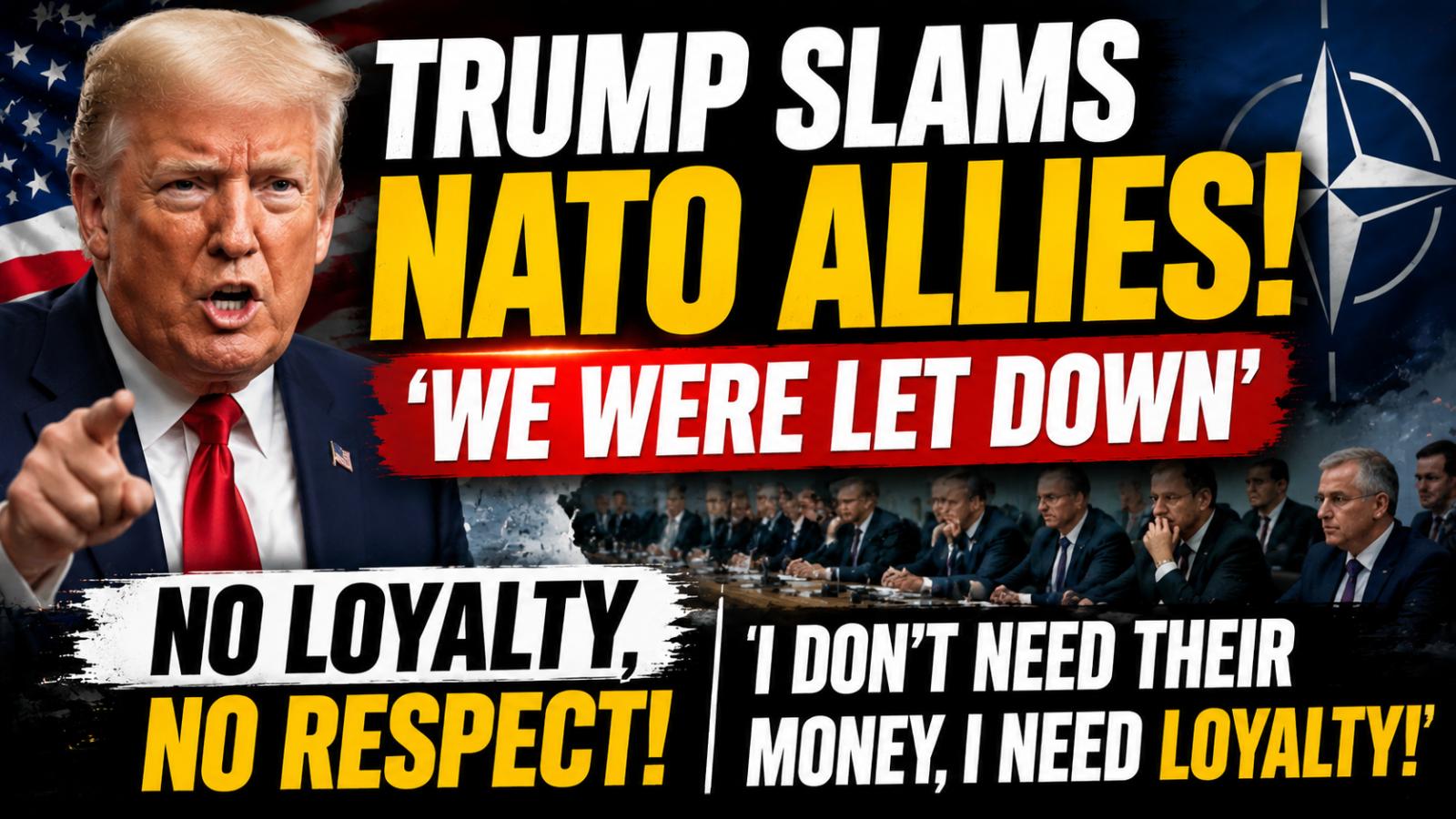
US President Donald Trump on Friday sharply criticized NATO allies, accusing them of failing to support Washington and Israel during the ongoing conflict with Iran, while also expressing frustration over their stance on rising oil prices. His remarks highlight growing tensions between the United States and its traditional partners amid escalating instability in the Middle East. In a social media post, Trump described NATO as ineffective without US leadership, calling the alliance a “paper
Trump criticizes NATO allies over Iran conflict support and oil concerns
US President Donald Trump on Friday sharply criticized NATO allies, accusing them of failing to support Washington and Israel during the ongoing conflict with Iran, while also expressing frustration over their stance on rising oil prices. His remarks highlight growing tensions between the United States and its traditional partners amid escalating instability in the Middle East. In a social media post, Trump described NATO as ineffective without US leadership, calling the alliance a “paper
Europe must unite capital markets or risk losing to US, warns Norway wealth fund chief
Europe’s financial markets are facing a critical moment and must urgently reform to remain competitive in a rapidly shifting global investment landscape, according to the head of the world’s largest sovereign wealth fund. Nicolai Tangen, chief executive of Norges Bank Investment Management, which oversees Norway’s $2 trillion wealth fund, has issued a stark warning that Europe risks falling further behind unless it addresses long-standing structural issues in its capital markets. Speaking
Europe must unite capital markets or risk losing to US, warns Norway wealth fund chief
Europe’s financial markets are facing a critical moment and must urgently reform to remain competitive in a rapidly shifting global investment landscape, according to the head of the world’s largest sovereign wealth fund. Nicolai Tangen, chief executive of Norges Bank Investment Management, which oversees Norway’s $2 trillion wealth fund, has issued a stark warning that Europe risks falling further behind unless it addresses long-standing structural issues in its capital markets. Speaking
Jaishankar discusses Ukraine, West Asia and Indo-Pacific with EU ministers in Brussels
India’s External Affairs Minister S Jaishankar held extensive discussions with foreign ministers from the 27 member states of the European Union during a meeting of the Foreign Affairs Council in Brussels on Monday. The talks focused on key global developments, including the ongoing conflict in Ukraine, tensions in West Asia, evolving strategic dynamics in the Indo-Pacific region and the future trajectory of India-EU relations. Jaishankar attended the meeting at the invitation of
Jaishankar discusses Ukraine, West Asia and Indo-Pacific with EU ministers in Brussels
India’s External Affairs Minister S Jaishankar held extensive discussions with foreign ministers from the 27 member states of the European Union during a meeting of the Foreign Affairs Council in Brussels on Monday. The talks focused on key global developments, including the ongoing conflict in Ukraine, tensions in West Asia, evolving strategic dynamics in the Indo-Pacific region and the future trajectory of India-EU relations. Jaishankar attended the meeting at the invitation of
Qatar LNG exports disrupted as Strait of Hormuz tensions escalate
The escalating tensions around the Strait of Hormuz are raising serious concerns for global energy markets, with analysts warning that the liquefied natural gas sector could be more severely affected than crude oil if the shipping route remains disrupted. While oil shipments have been partially redirected through alternative pipelines, LNG faces unique challenges due to its dependence on specialized tankers and highly centralized production, particularly in Qatar. Roughly 20 percent o
Qatar LNG exports disrupted as Strait of Hormuz tensions escalate
The escalating tensions around the Strait of Hormuz are raising serious concerns for global energy markets, with analysts warning that the liquefied natural gas sector could be more severely affected than crude oil if the shipping route remains disrupted. While oil shipments have been partially redirected through alternative pipelines, LNG faces unique challenges due to its dependence on specialized tankers and highly centralized production, particularly in Qatar. Roughly 20 percent o