Regulators eye prediction markets after suspicious betting activity
Prediction markets, digital platforms that allow users to wager on future events, are drawing increasing scrutiny amid concerns over suspicious trading activity and the potential misuse of sensitive information. The issue has gained prominence following a case involving a US Army special forces soldier accused of leveraging classified intelligence to place bets linked to a mission targeting Venezuelan President Nicolas Maduro. What are prediction markets? Prediction markets such as Polymarket and Kalshi operate in a manner similar to gambling platforms, but instead of sports, they focus on real-world events. Users place wagers on outcomes ranging from political developments and economic shifts to weather patterns and online activity. Participants earn profits if their predictions are accurate, while platforms generate revenue through transaction fees. With millions of users globally, these platforms now facilitate billions of dollars in wagers across diverse subjects including elections, tariffs, and commodity prices. Are these markets legal? The legal status of prediction markets varies by region. Globally, many jurisdictions permit such platforms, but the regulatory framework in the United States remains complex. Polymarket had been restricted domestically for several years before resuming limited operations, while Kalshi operates under oversight from the Commodity Futures Trading Commission. Some users attempt to bypass restrictions through virtual private networks, raising additional compliance concerns. Unlike traditional bookmakers, these platforms position themselves as exchanges that enable trading rather than setting odds. Can prediction markets accurately forecast events? Research suggests that collective forecasting, often described as the “wisdom of crowds,” can provide valuable insights. By aggregating diverse opinions, prediction markets can sometimes outperform individual experts in anticipating political, economic, and global outcomes. What are the risks involved? Concerns have intensified regarding the potential use of insider information. In the recent case, the US soldier allegedly earned more than $400,000 by betting on outcomes tied to a military operation. Similar patterns have been observed before major geopolitical and entertainment events, where unusual betting activity accurately predicted outcomes. Such incidents have raised questions about whether privileged information is influencing market behavior. Regulatory response and growing oversight Authorities are responding to these developments with increased vigilance. Several US states have initiated measures to restrict or ban prediction markets, while platforms like Kalshi and Polymarket have introduced safeguards to prevent misuse. Kalshi has prohibited political candidates from betting on their own elections, and government agencies have cautioned officials against using insider knowledge for financial gain. A concept with historical roots Despite recent attention, prediction markets are not a new phenomenon. Early models such as the Iowa Electronic Markets, established in 1988, focused on political forecasting. In 2003, the Pentagon explored launching a platform to predict geopolitical events, including potential security threats, but the initiative was abandoned following public criticism. As scrutiny intensifies, the future of prediction markets will likely depend on how effectively regulators and platforms address concerns surrounding transparency, legality, and the ethical use of information.
Regulators eye prediction markets after suspicious betting activity
Prediction markets, digital platforms that allow users to wager on future events, are drawing increasing scrutiny amid concerns over suspicious trading activity and the potential misuse of sensitive information. The issue has gained prominence following a case involving a US Army special forces soldier accused of leveraging classified intelligence to place bets linked to a mission targeting Venezuelan President Nicolas Maduro. What are prediction markets? Prediction markets such as Polymarket and Kalshi operate in a manner similar to gambling platforms, but instead of sports, they focus on real-world events. Users place wagers on outcomes ranging from political developments and economic shifts to weather patterns and online activity. Participants earn profits if their predictions are accurate, while platforms generate revenue through transaction fees. With millions of users globally, these platforms now facilitate billions of dollars in wagers across diverse subjects including elections, tariffs, and commodity prices. Are these markets legal? The legal status of prediction markets varies by region. Globally, many jurisdictions permit such platforms, but the regulatory framework in the United States remains complex. Polymarket had been restricted domestically for several years before resuming limited operations, while Kalshi operates under oversight from the Commodity Futures Trading Commission. Some users attempt to bypass restrictions through virtual private networks, raising additional compliance concerns. Unlike traditional bookmakers, these platforms position themselves as exchanges that enable trading rather than setting odds. Can prediction markets accurately forecast events? Research suggests that collective forecasting, often described as the “wisdom of crowds,” can provide valuable insights. By aggregating diverse opinions, prediction markets can sometimes outperform individual experts in anticipating political, economic, and global outcomes. What are the risks involved? Concerns have intensified regarding the potential use of insider information. In the recent case, the US soldier allegedly earned more than $400,000 by betting on outcomes tied to a military operation. Similar patterns have been observed before major geopolitical and entertainment events, where unusual betting activity accurately predicted outcomes. Such incidents have raised questions about whether privileged information is influencing market behavior. Regulatory response and growing oversight Authorities are responding to these developments with increased vigilance. Several US states have initiated measures to restrict or ban prediction markets, while platforms like Kalshi and Polymarket have introduced safeguards to prevent misuse. Kalshi has prohibited political candidates from betting on their own elections, and government agencies have cautioned officials against using insider knowledge for financial gain. A concept with historical roots Despite recent attention, prediction markets are not a new phenomenon. Early models such as the Iowa Electronic Markets, established in 1988, focused on political forecasting. In 2003, the Pentagon explored launching a platform to predict geopolitical events, including potential security threats, but the initiative was abandoned following public criticism. As scrutiny intensifies, the future of prediction markets will likely depend on how effectively regulators and platforms address concerns surrounding transparency, legality, and the ethical use of information.
What happened to Paytm Payments Bank? RBI cancels its license after violations
Regulatory action culminates in license cancellation What happened to Paytm Payments Bank? RBI cancels its license after violations forms the central development in India’s financial sector, as the Reserve Bank of India revoked the banking license of Paytm Payments Bank Ltd wi
What happened to Paytm Payments Bank? RBI cancels its license after violations
Regulatory action culminates in license cancellation What happened to Paytm Payments Bank? RBI cancels its license after violations forms the central development in India’s financial sector, as the Reserve Bank of India revoked the banking license of Paytm Payments Bank Ltd wi
Nirmala Sitharaman Warns Banks On AI Threat From Anthropic Claude Mythos
Union Finance Minister Nirmala Sitharaman on Thursday, April 24, 2026, raised serious concerns over emerging cybersecurity risks posed by advanced artificial intelligence systems, particularly Claude Mythos developed by
Nirmala Sitharaman Warns Banks On AI Threat From Anthropic Claude Mythos
Union Finance Minister Nirmala Sitharaman on Thursday, April 24, 2026, raised serious concerns over emerging cybersecurity risks posed by advanced artificial intelligence systems, particularly Claude Mythos developed by
Federal Charges Filed in Case of Military Insider Trading and Crypto Bets
A United States Army soldier has been indicted on multiple federal charges after authorities alleged he used classified information tied to a covert military operation for personal financial gain. The case centers on claims that sensitive intelligence was exploited to place high-value prediction market bets before key developments became public. According to federal prosecutors, the accused, identified as Gannon Ken Van Dyke, was stationed in North Carolina and had access to restric
Federal Charges Filed in Case of Military Insider Trading and Crypto Bets
A United States Army soldier has been indicted on multiple federal charges after authorities alleged he used classified information tied to a covert military operation for personal financial gain. The case centers on claims that sensitive intelligence was exploited to place high-value prediction market bets before key developments became public. According to federal prosecutors, the accused, identified as Gannon Ken Van Dyke, was stationed in North Carolina and had access to restric
EU approves $105 billion Ukraine loan and new Russia sanctions after deadlock ends
EU approves major Ukraine aid and new Russia sanctions after resolving internal disputes, strengthening Kyiv’s position and increasing pressure on Moscow amid ongoing war. EU approves $105 billion Ukraine loan and new Russia sanctions after deadlock ends. The European Union on Thursday, April 23, 2026, granted final approval to a €90 billion ($105 billion) loan for Ukraine and endorsed a new round of sanctions against Russia, marking a significant shift
EU approves $105 billion Ukraine loan and new Russia sanctions after deadlock ends
EU approves major Ukraine aid and new Russia sanctions after resolving internal disputes, strengthening Kyiv’s position and increasing pressure on Moscow amid ongoing war. EU approves $105 billion Ukraine loan and new Russia sanctions after deadlock ends. The European Union on Thursday, April 23, 2026, granted final approval to a €90 billion ($105 billion) loan for Ukraine and endorsed a new round of sanctions against Russia, marking a significant shift
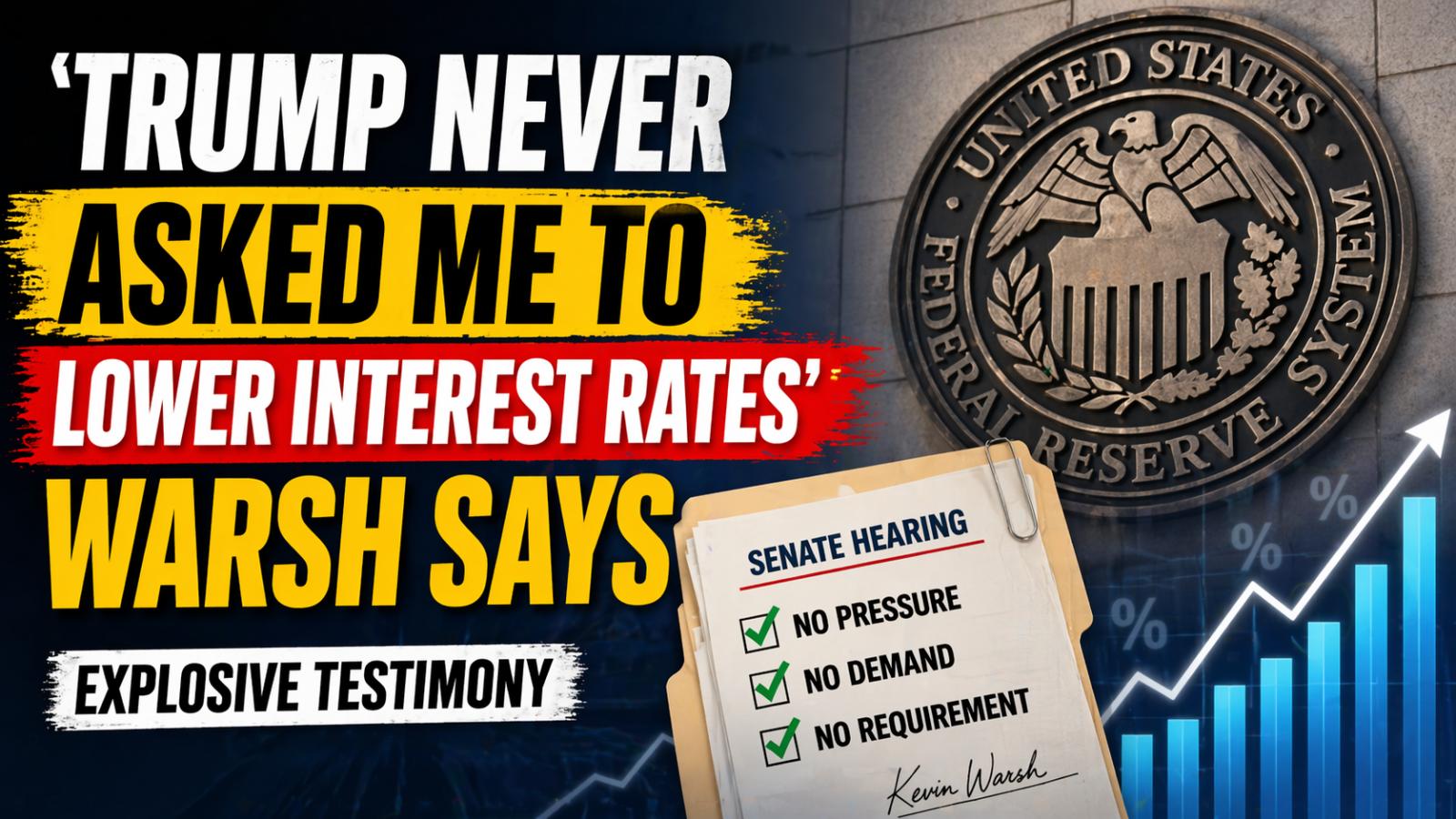
Trump interest rate controversy: Warsh denies pressure in explosive testimony
The Trump interest rate controversy has taken a new turn after Kevin Warsh firmly denied being pressured by US President Donald Trump regarding monetary policy. His testimony has sparked fresh debate over the independence of the Federal Reserve and political influence on economic decisions. What happened and why it matters On April 22, 2026, Kevin Warsh s
Trump interest rate controversy: Warsh denies pressure in explosive testimony
The Trump interest rate controversy has taken a new turn after Kevin Warsh firmly denied being pressured by US President Donald Trump regarding monetary policy. His testimony has sparked fresh debate over the independence of the Federal Reserve and political influence on economic decisions. What happened and why it matters On April 22, 2026, Kevin Warsh s
Kerala Loan Fraud Exposed: How Fake Apps Are Targeting Students and Homemakers
A major loan app scam in Kerala has come to light, with students and homemakers emerging as the worst affected groups. The fraudulent operation involves illegal digital lending apps that lure users with quick and easy loans, often requiring minimal documentation. Once individuals sign up, they are trapped in a cycle of harassment, high interest rates, and threats. Authorities have revealed that these apps operate without proper registration and violate financial regulations. Victims

Kerala Loan Fraud Exposed: How Fake Apps Are Targeting Students and Homemakers
A major loan app scam in Kerala has come to light, with students and homemakers emerging as the worst affected groups. The fraudulent operation involves illegal digital lending apps that lure users with quick and easy loans, often requiring minimal documentation. Once individuals sign up, they are trapped in a cycle of harassment, high interest rates, and threats. Authorities have revealed that these apps operate without proper registration and violate financial regulations. Victims

California refund debit cards near expiration leave millions unclaimed
Millions of debit cards issued under California’s Middle Class Tax Refund program in 2022 are set to expire on April 30, leaving hundreds of millions of dollars at risk of going unclaimed, according to state records. The looming deadline has raised concerns for consumers who may still have unused balances but face difficulties accessing their funds. Data from the California Franchise Tax Board shows that only 43% of the distributed cards have been fully used, while approximately 10% have never been activated. That translates to roughly 960,000 cards still holding an estimated $400 million that could revert to the state if not claimed before the expiration date. Some cardholders report unexpected issues when attempting to use their remaining balances. In certain cases, cards that initially worked were later declined despite having available funds. Attempts to withdraw money at banks have also been unsuccessful for some users, with reports indicating that accounts were inaccessible or cards had been deactivated without clear explanation. Consumers have described ongoing challenges in resolving these problems through customer service channels. Calls to the program’s card provider, Money Network, have sometimes resulted in long wait times or difficulty reaching assistance. The company’s parent, Fiserv, said in a statement that it is implementing program changes in accordance with California requirements and the Better for Families Act. State officials note that some cards may be deactivated or funds frozen due to fraud prevention measures. They advise cardholders experiencing issues to contact customer service directly during weekday business hours, from 8:00 AM to 5:00 PM. Assistance will only be available through April 30. With the deadline approaching, officials are urging residents to check for unused cards and confirm balances as soon as possible. Any remaining funds not accessed before expiration could be returned to state lawmakers, underscoring the importance of prompt action for those who may still be eligible to use the money.

California refund debit cards near expiration leave millions unclaimed
Millions of debit cards issued under California’s Middle Class Tax Refund program in 2022 are set to expire on April 30, leaving hundreds of millions of dollars at risk of going unclaimed, according to state records. The looming deadline has raised concerns for consumers who may still have unused balances but face difficulties accessing their funds. Data from the California Franchise Tax Board shows that only 43% of the distributed cards have been fully used, while approximately 10% have never been activated. That translates to roughly 960,000 cards still holding an estimated $400 million that could revert to the state if not claimed before the expiration date. Some cardholders report unexpected issues when attempting to use their remaining balances. In certain cases, cards that initially worked were later declined despite having available funds. Attempts to withdraw money at banks have also been unsuccessful for some users, with reports indicating that accounts were inaccessible or cards had been deactivated without clear explanation. Consumers have described ongoing challenges in resolving these problems through customer service channels. Calls to the program’s card provider, Money Network, have sometimes resulted in long wait times or difficulty reaching assistance. The company’s parent, Fiserv, said in a statement that it is implementing program changes in accordance with California requirements and the Better for Families Act. State officials note that some cards may be deactivated or funds frozen due to fraud prevention measures. They advise cardholders experiencing issues to contact customer service directly during weekday business hours, from 8:00 AM to 5:00 PM. Assistance will only be available through April 30. With the deadline approaching, officials are urging residents to check for unused cards and confirm balances as soon as possible. Any remaining funds not accessed before expiration could be returned to state lawmakers, underscoring the importance of prompt action for those who may still be eligible to use the money.

Instant Payments, Rising Risks: Digital Fraud Surges in India
India’s rapid digital transformation has made financial transactions faster and more convenient, but it has also led to a sharp rise in online fraud cases. Over the past decade, digital payments have grown exponentially, with platforms like Unified Payments Interface becoming a part of everyday life. However, this growth has been accompanied by a surge in fra
Instant Payments, Rising Risks: Digital Fraud Surges in India
India’s rapid digital transformation has made financial transactions faster and more convenient, but it has also led to a sharp rise in online fraud cases. Over the past decade, digital payments have grown exponentially, with platforms like Unified Payments Interface becoming a part of everyday life. However, this growth has been accompanied by a surge in fra
NRI term insurance demand doubles as younger buyers drive growth
A new report from Policybazaar highlights a significant rise in term insurance purchases by non-resident Indians (NRIs), with overall demand doubling over the past two years and younger buyers playing an increasingly central role in the trend. According to the findings, individuals between the ages of 25 and 35 now account for 54% of total demand, up from 44% in 2024. This shift underscor
NRI term insurance demand doubles as younger buyers drive growth
A new report from Policybazaar highlights a significant rise in term insurance purchases by non-resident Indians (NRIs), with overall demand doubling over the past two years and younger buyers playing an increasingly central role in the trend. According to the findings, individuals between the ages of 25 and 35 now account for 54% of total demand, up from 44% in 2024. This shift underscor
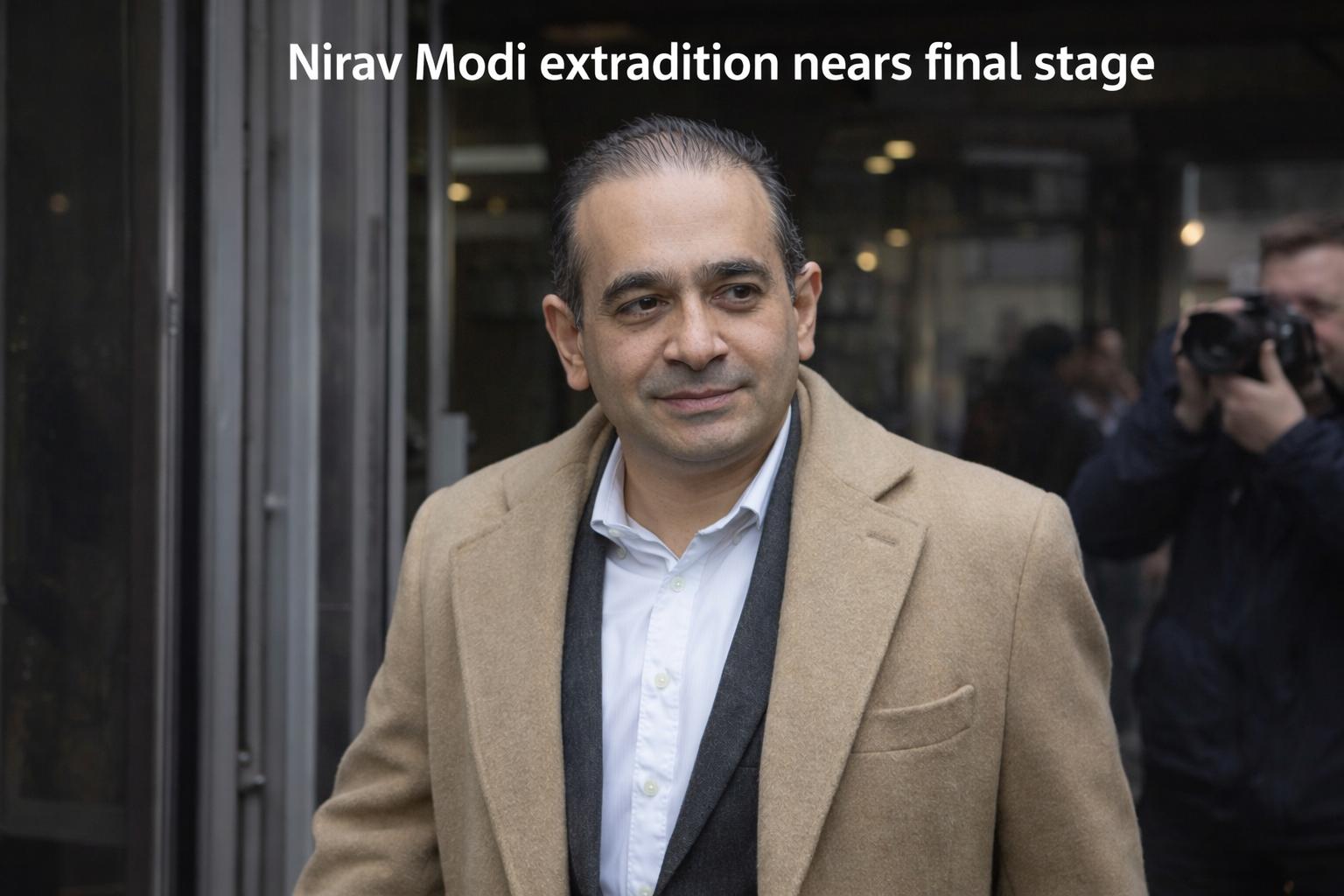
Nirav Modi extradition enters final phase as CBI teams reach London
In a major step forward in one of India’s most closely watched financial crime cases, fugitive businessman Nirav Modi could soon be extradited from the United Kingdom, according to senior government sources familiar with the matter. Officials indicate that the process has entered its final phase, with operational preparations now underway to facilitate his return to India. Teams from In
Nirav Modi extradition enters final phase as CBI teams reach London
In a major step forward in one of India’s most closely watched financial crime cases, fugitive businessman Nirav Modi could soon be extradited from the United Kingdom, according to senior government sources familiar with the matter. Officials indicate that the process has entered its final phase, with operational preparations now underway to facilitate his return to India. Teams from In
Married filing jointly vs separately: what couples should know for 2025 taxes
Married couples across the United States face an important decision each tax season: whether to file taxes jointly or separately. That choice could have new implications for the 2025 tax year following recent policy changes introduced under former President Donald Trump’s legislation. In most cases, the tax system favors married filing jointly, which allows couples to combine income, deductions, and credits into a single return. This approach typically results in lower overall incom


Married filing jointly vs separately: what couples should know for 2025 taxes
Married couples across the United States face an important decision each tax season: whether to file taxes jointly or separately. That choice could have new implications for the 2025 tax year following recent policy changes introduced under former President Donald Trump’s legislation. In most cases, the tax system favors married filing jointly, which allows couples to combine income, deductions, and credits into a single return. This approach typically results in lower overall incom
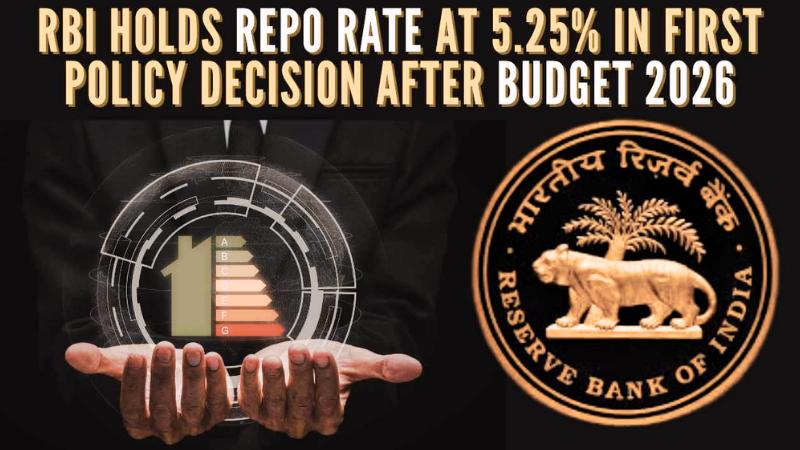
RBI Keeps Repo Rate Steady at 5.25% in First FY27 Monetary Policy
The Reserve Bank of India has kept the policy repo rate unchanged at 5.25% in its first monetary policy announcement for the financial year 2026–27. The decision was announced by RBI Governor Sanjay Malhotra following a detaile
RBI Keeps Repo Rate Steady at 5.25% in First FY27 Monetary Policy
The Reserve Bank of India has kept the policy repo rate unchanged at 5.25% in its first monetary policy announcement for the financial year 2026–27. The decision was announced by RBI Governor Sanjay Malhotra following a detaile
Why the 50% Wage Rule is Impacting Your Take-Home Pay
You might be receiving the same CTC as before, but a closer look at your bank account could reveal that your take-home pay has dropped. This change is likely due to the new 50% wage rule, which has been introduced under India's revised Labour Codes. While the Cost to Company (CTC) remains unchanged, this rule is quietly reshaping how salaries are structured, particularly the proportion allocated to basic pay, dearness allowance, and retaining allowance. Under the new rule, basic pay
Why the 50% Wage Rule is Impacting Your Take-Home Pay
You might be receiving the same CTC as before, but a closer look at your bank account could reveal that your take-home pay has dropped. This change is likely due to the new 50% wage rule, which has been introduced under India's revised Labour Codes. While the Cost to Company (CTC) remains unchanged, this rule is quietly reshaping how salaries are structured, particularly the proportion allocated to basic pay, dearness allowance, and retaining allowance. Under the new rule, basic pay
The Impact of Global Tensions and Falling Crude Prices on India’s Sensex Surge
On April 8, 2026, India’s stock markets experienced a remarkable surge, with the BSE Sensex climbing over 2,700 points, marking a 3.66% increase, and the Nifty rising by more than 3.4%. Investor wealth swelled by over Rs 14 lakh crore during the early trade, signaling a sharp recovery after a period of volatility. This rally was fueled by multiple factors, including easing global geopolitical tensions, softer crude prices, and an increase in investor confidence. The biggest trigge
The Impact of Global Tensions and Falling Crude Prices on India’s Sensex Surge
On April 8, 2026, India’s stock markets experienced a remarkable surge, with the BSE Sensex climbing over 2,700 points, marking a 3.66% increase, and the Nifty rising by more than 3.4%. Investor wealth swelled by over Rs 14 lakh crore during the early trade, signaling a sharp recovery after a period of volatility. This rally was fueled by multiple factors, including easing global geopolitical tensions, softer crude prices, and an increase in investor confidence. The biggest trigge
Oracle Appoints Hilary Maxson as New CFO, Effective April 6, 2026, Amid Tech Expansion
Oracle Corporation has announced the appointment of Hilary Maxson as its new Chief Financial Officer (CFO), effective April 6, 2026. Maxson will take charge of Oracle’s global finance organization, reporting directly to co‑CEO Clay Magouyrk. This appointment marks a pivotal leadership change for the company as it continues to strengthen its position in the cloud computing and artificial intelligence (AI) markets. Maxson, who brings extensive experience in corporate finance and technology leadership, joins Oracle from Schneider Electric, where she served as the Executive Vice President and Group CFO. Her appointment is seen as a strategic move to bolster Oracle’s financial operations amid its ongoing expansion in AI and cloud services. As the company focuses heavily on AI-driven solutions and cloud infrastructure, Maxson’s expertise will be key in navigating the complexities of the evolving tech landscape. With demand for cloud services and AI technologies surging, Oracle is focused on scaling its operations to meet the growing market needs. Maxson’s leadership will guide Oracle through this critical phase, ensuring financial stability while supporting the company’s ambitious growth objectives. Oracle’s investment in AI and cloud technologies has positioned it as a major player in these sectors, and Maxson’s financial oversight will be essential as the company continues to innovate and expand its global footprint. The timing of this leadership change is significant, as Oracle is also undergoing a restructuring process. Recently, the company has faced workforce layoffs, a strategic move to streamline its operations and focus on the most promising areas for future growth. With Maxson at the helm of the finance team, Oracle is poised to make smart financial decisions that will fuel its continued success in the competitive tech sector. Maxson’s appointment underscores Oracle’s commitment to adapting to industry trends and ensuring its leadership is well-equipped to manage the challenges and opportunities in the rapidly changing tech landscape. As she steps into her new role, Maxson’s focus will be on aligning Oracle’s financial strategies with its long-term goals, driving profitability, and supporting the company’s continued leadership in cloud computing and AI.
Oracle Appoints Hilary Maxson as New CFO, Effective April 6, 2026, Amid Tech Expansion
Oracle Corporation has announced the appointment of Hilary Maxson as its new Chief Financial Officer (CFO), effective April 6, 2026. Maxson will take charge of Oracle’s global finance organization, reporting directly to co‑CEO Clay Magouyrk. This appointment marks a pivotal leadership change for the company as it continues to strengthen its position in the cloud computing and artificial intelligence (AI) markets. Maxson, who brings extensive experience in corporate finance and technology leadership, joins Oracle from Schneider Electric, where she served as the Executive Vice President and Group CFO. Her appointment is seen as a strategic move to bolster Oracle’s financial operations amid its ongoing expansion in AI and cloud services. As the company focuses heavily on AI-driven solutions and cloud infrastructure, Maxson’s expertise will be key in navigating the complexities of the evolving tech landscape. With demand for cloud services and AI technologies surging, Oracle is focused on scaling its operations to meet the growing market needs. Maxson’s leadership will guide Oracle through this critical phase, ensuring financial stability while supporting the company’s ambitious growth objectives. Oracle’s investment in AI and cloud technologies has positioned it as a major player in these sectors, and Maxson’s financial oversight will be essential as the company continues to innovate and expand its global footprint. The timing of this leadership change is significant, as Oracle is also undergoing a restructuring process. Recently, the company has faced workforce layoffs, a strategic move to streamline its operations and focus on the most promising areas for future growth. With Maxson at the helm of the finance team, Oracle is poised to make smart financial decisions that will fuel its continued success in the competitive tech sector. Maxson’s appointment underscores Oracle’s commitment to adapting to industry trends and ensuring its leadership is well-equipped to manage the challenges and opportunities in the rapidly changing tech landscape. As she steps into her new role, Maxson’s focus will be on aligning Oracle’s financial strategies with its long-term goals, driving profitability, and supporting the company’s continued leadership in cloud computing and AI.
Average US tax refunds rise by $350 in 2026, IRS data shows
The average tax refund for U.S. filers has increased by roughly $350 during the 2026 tax season, according to the latest data released by the Internal Revenue Service on Friday, March 27, 2026. The IRS reported that the average refund reached $3,521 as of that date, compared with $3,170 during the same period in 2025, reflecting a noticeable rise in payouts to taxpayers. The data shows that approximately 88.4 million individual tax returns had been received by Friday, March 27, 2026,
Average US tax refunds rise by $350 in 2026, IRS data shows
The average tax refund for U.S. filers has increased by roughly $350 during the 2026 tax season, according to the latest data released by the Internal Revenue Service on Friday, March 27, 2026. The IRS reported that the average refund reached $3,521 as of that date, compared with $3,170 during the same period in 2025, reflecting a noticeable rise in payouts to taxpayers. The data shows that approximately 88.4 million individual tax returns had been received by Friday, March 27, 2026,
Chelsea reports record £262.4 million loss despite major trophy wins
Chelsea Football Club reported a record pre-tax loss of £262.4 million ($349.3 million) for the financial year ending Monday, June 30, 2025, the club confirmed on Wednesday, April 1, 2026. The announcement comes despite a successful period on the field, where the London-based club secured two major trophies within the same 12-month span. During the reporting period, Chelsea won the FIFA Club World Cup in the United States and lifted the UEFA Europa Conference League title, becoming
Chelsea reports record £262.4 million loss despite major trophy wins
Chelsea Football Club reported a record pre-tax loss of £262.4 million ($349.3 million) for the financial year ending Monday, June 30, 2025, the club confirmed on Wednesday, April 1, 2026. The announcement comes despite a successful period on the field, where the London-based club secured two major trophies within the same 12-month span. During the reporting period, Chelsea won the FIFA Club World Cup in the United States and lifted the UEFA Europa Conference League title, becoming
Millions must switch repayment plans after SAVE program shutdown
The U.S. Department of Education announced on Friday, March 27, 2026, that millions of federal student loan borrowers will be removed from the Saving on a Valuable Education (SAVE) repayment plan, following a federal appeals court decision earlier in March that blocked the program after nearly two years of legal challenges. The SAVE plan, introduced in 2023 under the Biden administration, aimed to reduce monthly payments and expand loan forgiveness. However, several Republican-led
Millions must switch repayment plans after SAVE program shutdown
The U.S. Department of Education announced on Friday, March 27, 2026, that millions of federal student loan borrowers will be removed from the Saving on a Valuable Education (SAVE) repayment plan, following a federal appeals court decision earlier in March that blocked the program after nearly two years of legal challenges. The SAVE plan, introduced in 2023 under the Biden administration, aimed to reduce monthly payments and expand loan forgiveness. However, several Republican-led
Rupee Falls to Record Low of 95.20 Against US Dollar Despite RBI Measures
The Indian rupee slipped past the 95 mark against the US dollar on March 30, 2026, hitting an all-time low of 95.20 per dollar, a decline of 0.3% for the day. This drop occurred despite the Reserve Bank of India's (RBI) recent intervention aimed at curbing currency volatility. The currency has been under pressure from a mix of global factors, sustained foreign outflows, and rising oil prices. The RBI had introduced measures to support the rupee by tightening limits on banks' foreign exchange positions. As of late Friday, the central bank directed banks to cap their net open rupee positions in the foreign exchange market at $100 million by the end of each business day, with compliance required by April 10. While this move offered temporary relief, the impact was limited as analysts pointed out that underlying factors, such as persistent foreign outflows and high crude oil prices, continued to weigh on the rupee. Foreign portfolio outflows have been one of the major contributors to the rupee's weakness. These outflows, coupled with high global oil prices, have put pressure on India’s current account deficit, thus exerting more pressure on the currency. The rising oil prices are linked to geopolitical tensions, such as the ongoing conflict in Iran, which has exacerbated market volatility. Additionally, the wider spread between the onshore and non-deliverable forward (NDF) markets, due to increasing volatility, has contributed to the rupee’s decline. Despite the RBI’s directive, the rupee continued its downward spiral, reflecting broader economic challenges. The currency has fallen over 4% in March alone, marking its worst monthly performance in over seven years. The Nifty 50 index also reflected the market's overall weakness, dropping by about 2% on Monday, with a looming risk of its worst monthly decline since March 2020. In this uncertain climate, analysts predict that unless there is a significant drop in oil prices or a reversal in foreign fund flows, the pressure on the rupee is likely to persist. The continued outflows from emerging markets and heightened global uncertainty have created a negative sentiment surrounding India’s economic outlook, which, in turn, has kept the rupee under significant pressure.
Rupee Falls to Record Low of 95.20 Against US Dollar Despite RBI Measures
The Indian rupee slipped past the 95 mark against the US dollar on March 30, 2026, hitting an all-time low of 95.20 per dollar, a decline of 0.3% for the day. This drop occurred despite the Reserve Bank of India's (RBI) recent intervention aimed at curbing currency volatility. The currency has been under pressure from a mix of global factors, sustained foreign outflows, and rising oil prices. The RBI had introduced measures to support the rupee by tightening limits on banks' foreign exchange positions. As of late Friday, the central bank directed banks to cap their net open rupee positions in the foreign exchange market at $100 million by the end of each business day, with compliance required by April 10. While this move offered temporary relief, the impact was limited as analysts pointed out that underlying factors, such as persistent foreign outflows and high crude oil prices, continued to weigh on the rupee. Foreign portfolio outflows have been one of the major contributors to the rupee's weakness. These outflows, coupled with high global oil prices, have put pressure on India’s current account deficit, thus exerting more pressure on the currency. The rising oil prices are linked to geopolitical tensions, such as the ongoing conflict in Iran, which has exacerbated market volatility. Additionally, the wider spread between the onshore and non-deliverable forward (NDF) markets, due to increasing volatility, has contributed to the rupee’s decline. Despite the RBI’s directive, the rupee continued its downward spiral, reflecting broader economic challenges. The currency has fallen over 4% in March alone, marking its worst monthly performance in over seven years. The Nifty 50 index also reflected the market's overall weakness, dropping by about 2% on Monday, with a looming risk of its worst monthly decline since March 2020. In this uncertain climate, analysts predict that unless there is a significant drop in oil prices or a reversal in foreign fund flows, the pressure on the rupee is likely to persist. The continued outflows from emerging markets and heightened global uncertainty have created a negative sentiment surrounding India’s economic outlook, which, in turn, has kept the rupee under significant pressure.