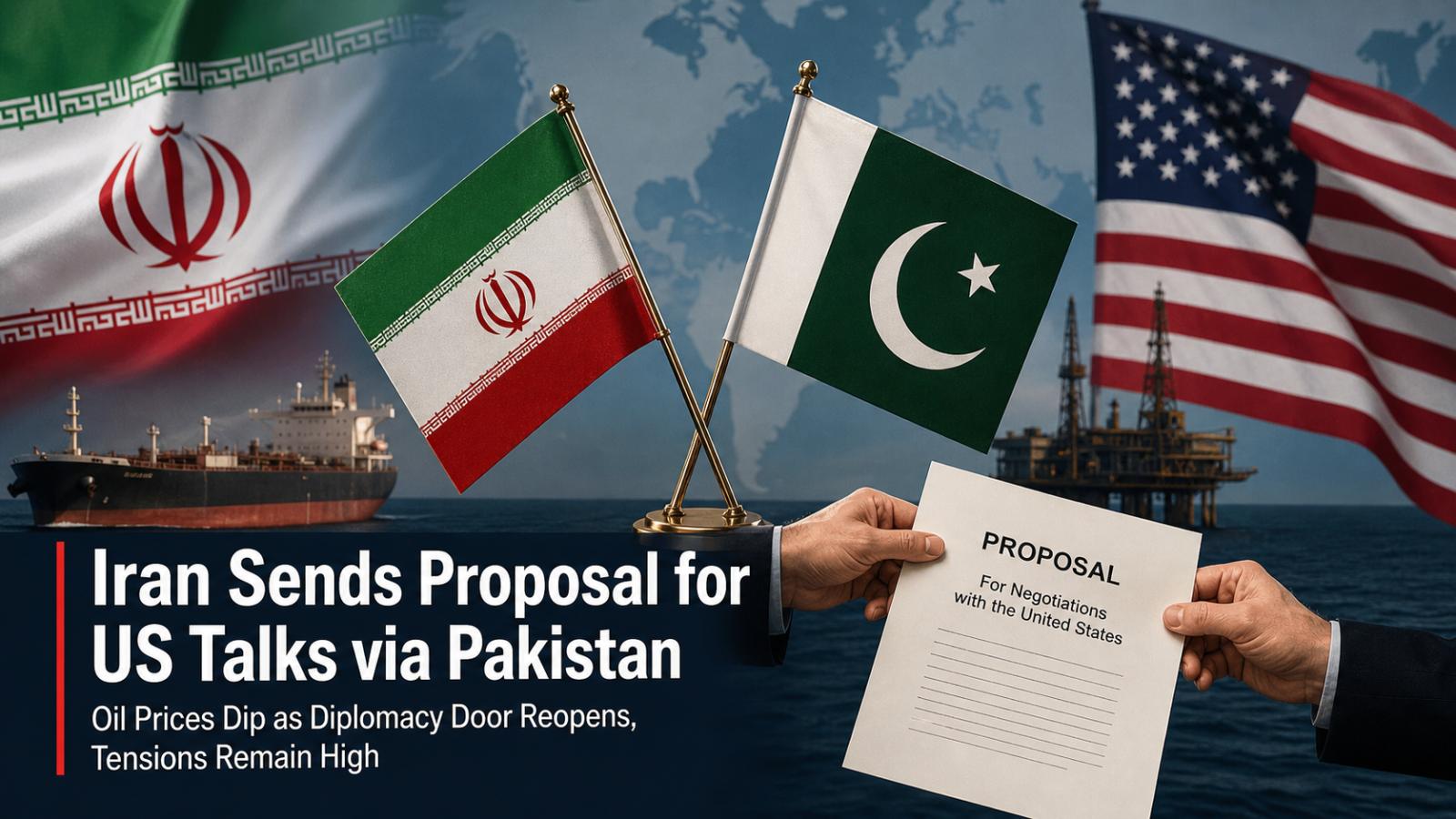
US-Iran war talks in Pakistan: What Trump’s peace push means for global tensions
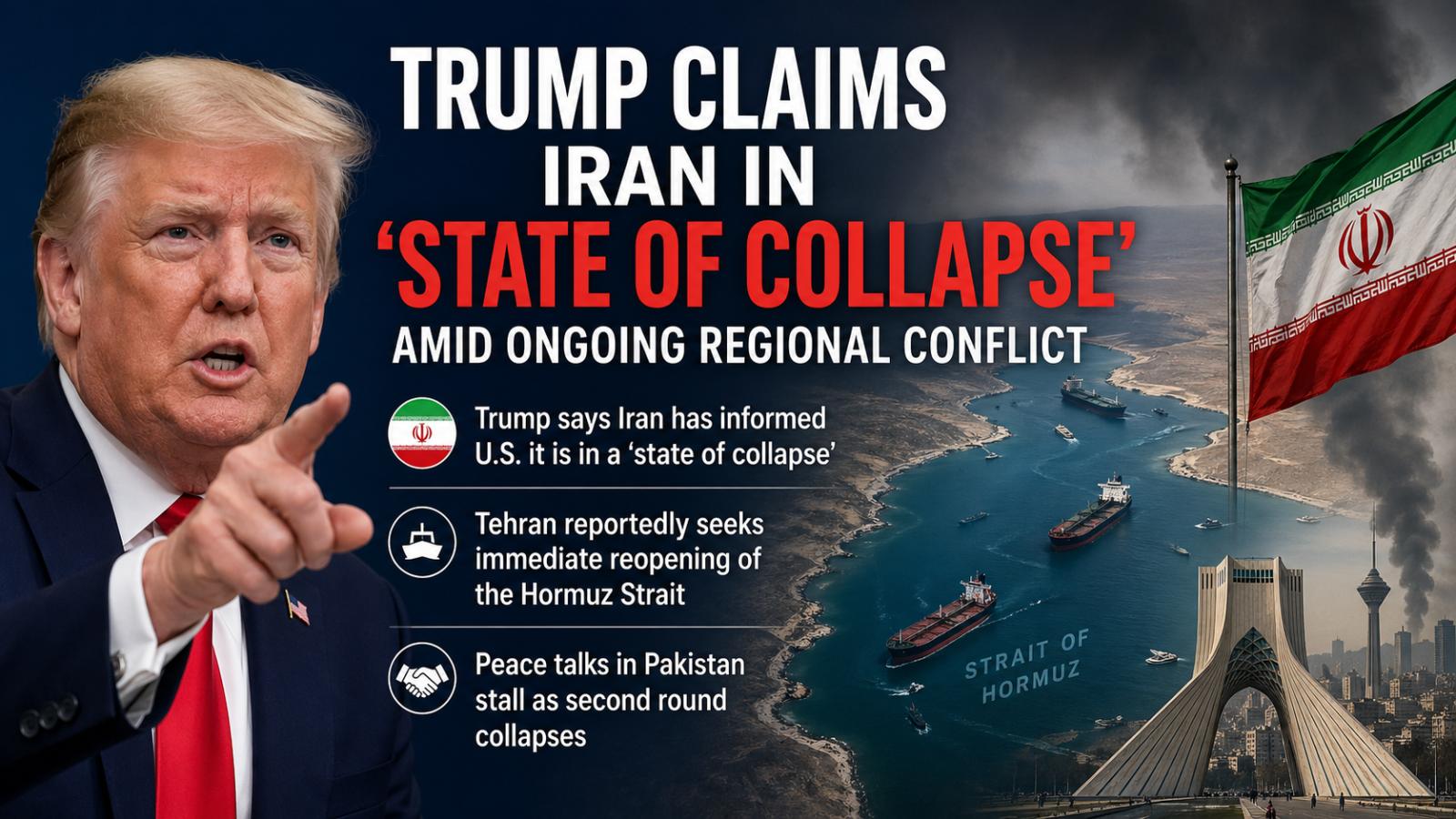
US-Iran war talks in Pakistan signal crucial diplomatic moment The US-Iran war talks in Pakistan are emerging as a critical step toward easing tensions as the fragile ceasefire deadline approaches. With the conflict entering its eighth week, both sides are showing cautious optimism, even as major differences remain unresolved. The latest US-Iran peace talks come at a time when global markets are closely wa
US-Iran war talks in Pakistan: What Trump’s peace push means for global tensions
US-Iran war talks in Pakistan signal crucial diplomatic moment The US-Iran war talks in Pakistan are emerging as a critical step toward easing tensions as the fragile ceasefire deadline approaches. With the conflict entering its eighth week, both sides are showing cautious optimism, even as major differences remain unresolved. The latest US-Iran peace talks come at a time when global markets are closely wa
North Korea Fires Multiple Ballistic Missiles Toward Eastern Waters, South Korea Alerts
Tensions on the Korean Peninsula have escalated once again after North Korea launched multiple ballistic missiles toward its eastern waters, according to officials from South Korea. The launches, which were detected and tracked by South Korea’s military, have raised fresh concerns over regional security
North Korea Fires Multiple Ballistic Missiles Toward Eastern Waters, South Korea Alerts
Tensions on the Korean Peninsula have escalated once again after North Korea launched multiple ballistic missiles toward its eastern waters, according to officials from South Korea. The launches, which were detected and tracked by South Korea’s military, have raised fresh concerns over regional security
Strait of Hormuz crisis deepens: Iran may prioritize paid shipping access amid rising tensions
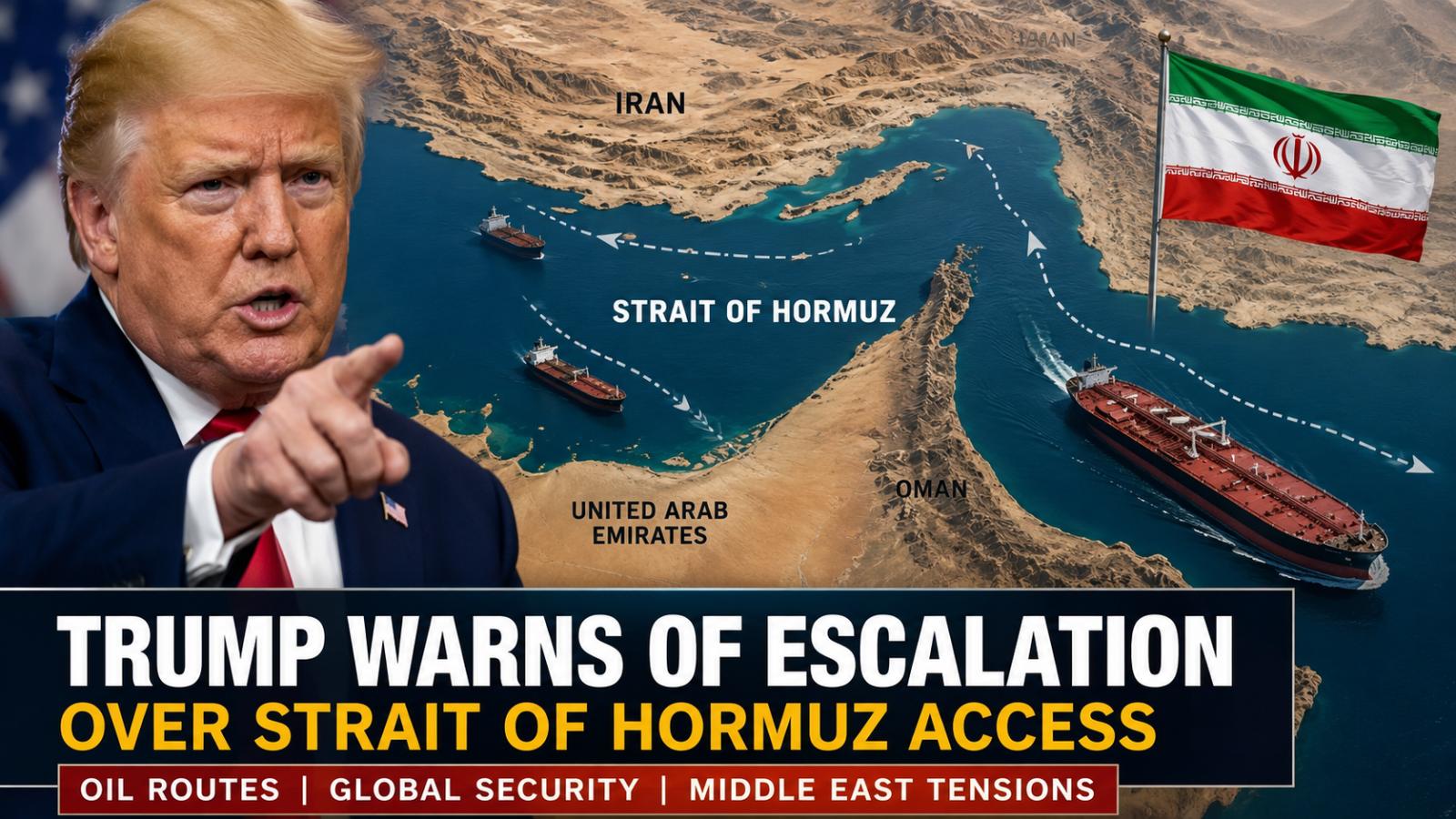
Strait of Hormuz crisis intensifies amid shipping threats and stalled diplomacy The Strait of Hormuz crisis has escalated sharply as Iran appears to tighten its control over the strategic waterway, raising concerns about global oil supply and maritime security. Reports suggest Tehran may prioritize passage for select vessels, while tensions with the United States continue to grow.The
Strait of Hormuz crisis deepens: Iran may prioritize paid shipping access amid rising tensions
Strait of Hormuz crisis intensifies amid shipping threats and stalled diplomacy The Strait of Hormuz crisis has escalated sharply as Iran appears to tighten its control over the strategic waterway, raising concerns about global oil supply and maritime security. Reports suggest Tehran may prioritize passage for select vessels, while tensions with the United States continue to grow.The
Iran Responds to Donald Trump With Turn Off Phone, Block Bibi Remark
Iran has dismissed recent claims made by former US President Donald Trump, responding with sarcasm to his remarks on ongoing geopolitical developments. In an unusually sharp diplomatic exchange, Iran’s embassy in Zimbabwe mocke
Iran Responds to Donald Trump With Turn Off Phone, Block Bibi Remark
Iran has dismissed recent claims made by former US President Donald Trump, responding with sarcasm to his remarks on ongoing geopolitical developments. In an unusually sharp diplomatic exchange, Iran’s embassy in Zimbabwe mocke
Iran Rejects Trump’s Claim on Enriched Uranium Transfer, Confirms No Such Plan
Iran has denied reports suggesting any plans to transfer its enriched uranium, rejecting recent claims attributed to former US President Donald Trump regarding a possible agreement on the issue. Foreign Ministry spokesperson Ismael B
Iran Rejects Trump’s Claim on Enriched Uranium Transfer, Confirms No Such Plan
Iran has denied reports suggesting any plans to transfer its enriched uranium, rejecting recent claims attributed to former US President Donald Trump regarding a possible agreement on the issue. Foreign Ministry spokesperson Ismael B
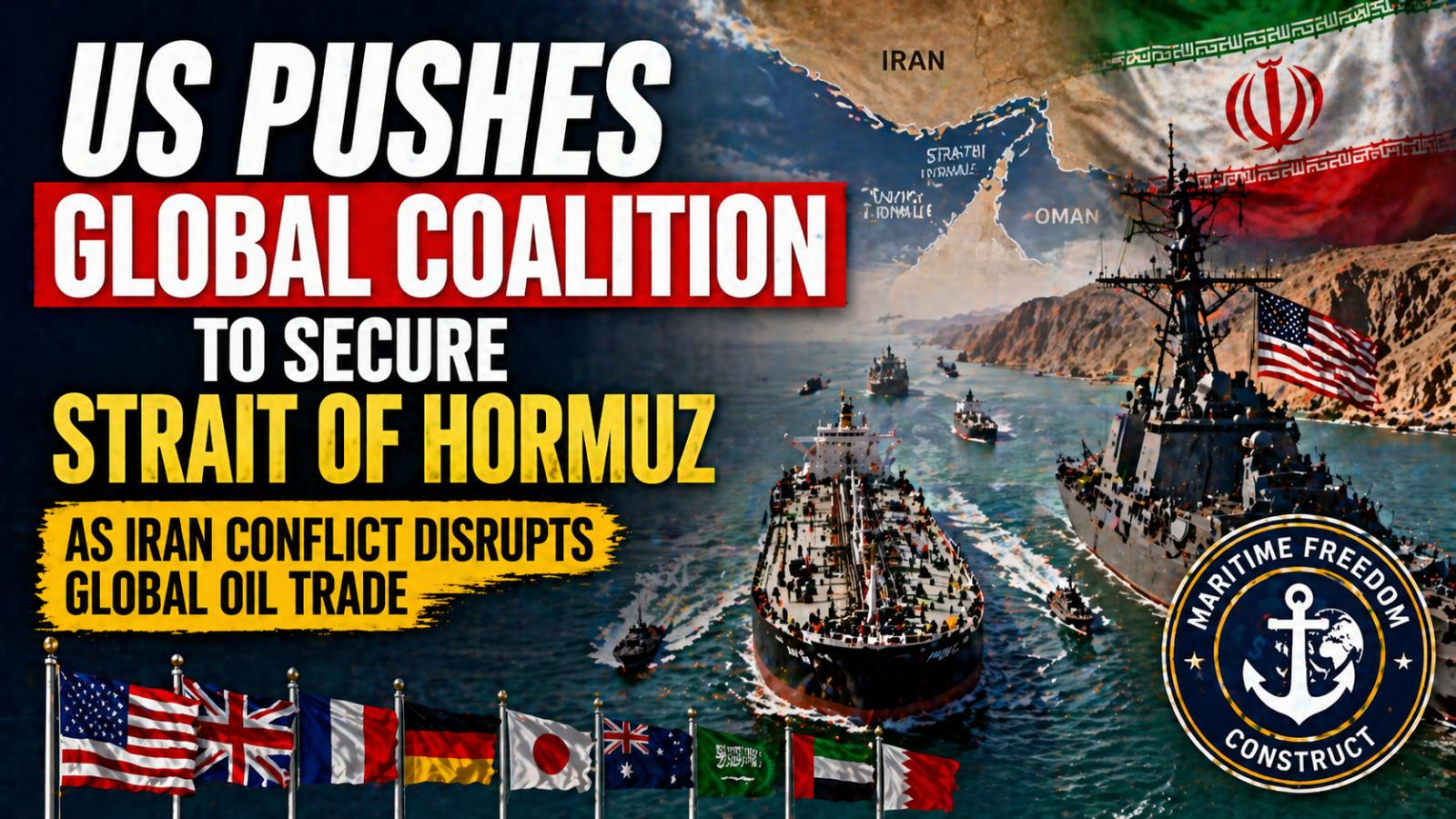
US-Iran Standoff Deepens with Blockade and Hormuz Threats
Donald Trump indicated that the United States may not extend its ceasefire with Iran, as tensions continue to rise over maritime security and regional control. Speaking to reporters, he said the naval blockade of Iranian ports would remain in place regardless of whether the ceasefire expires, signaling a f
US-Iran Standoff Deepens with Blockade and Hormuz Threats
Donald Trump indicated that the United States may not extend its ceasefire with Iran, as tensions continue to rise over maritime security and regional control. Speaking to reporters, he said the naval blockade of Iranian ports would remain in place regardless of whether the ceasefire expires, signaling a f
Trump Administration Reverses Russian Oil Sanctions Waiver Decision
The United States has issued a fresh month-long sanctions waiver permitting transactions involving Russian crude oil already in transit, marking a notable policy reversal within days of signaling a stricter stance. The waiver allows purchases of oil loaded onto vessels as of April 17 to continue until May 16, providing limited flexibility to global buyers amid ongoing disruptions in the energy market. The decision comes shortly after earlier statements ruled out any extension, highlighting the pressure created by rising fuel costs and tightening supply conditions. With gasoline prices climbing and geopolitical tensions affecting key supply routes, the move reflects an effort to stabilize markets rather than signal a broader policy shift. Importantly, the waiver applies only to cargo already at sea and does not authorize new purchases, reinforcing its temporary and targeted nature. For India, one of the largest importers of Russian crude, the extension offers short-term operational relief. Russian supplies currently account for nearly 38 to 40 percent of India’s total crude imports, making them a critical component of the country’s energy mix. Given that India relies on imports for more than 88 percent of its energy needs, even minor disruptions can have significant economic implications. Indian refiners had previously indicated their intent to continue sourcing Russian oil regardless of external sanctions frameworks, emphasizing that energy procurement remains a sovereign decision. The waiver, however, reduces immediate logistical and financial uncertainties by ensuring smoother completion of shipments already underway. As geopolitical tensions continue to reshape global energy flows, the temporary waiver underscores the balancing act between policy objectives and market realities. For India, it reinforces the importance of maintaining diversified supply channels while navigating an increasingly complex international energy landscape.
Trump Administration Reverses Russian Oil Sanctions Waiver Decision
The United States has issued a fresh month-long sanctions waiver permitting transactions involving Russian crude oil already in transit, marking a notable policy reversal within days of signaling a stricter stance. The waiver allows purchases of oil loaded onto vessels as of April 17 to continue until May 16, providing limited flexibility to global buyers amid ongoing disruptions in the energy market. The decision comes shortly after earlier statements ruled out any extension, highlighting the pressure created by rising fuel costs and tightening supply conditions. With gasoline prices climbing and geopolitical tensions affecting key supply routes, the move reflects an effort to stabilize markets rather than signal a broader policy shift. Importantly, the waiver applies only to cargo already at sea and does not authorize new purchases, reinforcing its temporary and targeted nature. For India, one of the largest importers of Russian crude, the extension offers short-term operational relief. Russian supplies currently account for nearly 38 to 40 percent of India’s total crude imports, making them a critical component of the country’s energy mix. Given that India relies on imports for more than 88 percent of its energy needs, even minor disruptions can have significant economic implications. Indian refiners had previously indicated their intent to continue sourcing Russian oil regardless of external sanctions frameworks, emphasizing that energy procurement remains a sovereign decision. The waiver, however, reduces immediate logistical and financial uncertainties by ensuring smoother completion of shipments already underway. As geopolitical tensions continue to reshape global energy flows, the temporary waiver underscores the balancing act between policy objectives and market realities. For India, it reinforces the importance of maintaining diversified supply channels while navigating an increasingly complex international energy landscape.
How are U.S. oil blockades impacting global tensions? They raise risks with China and Russia
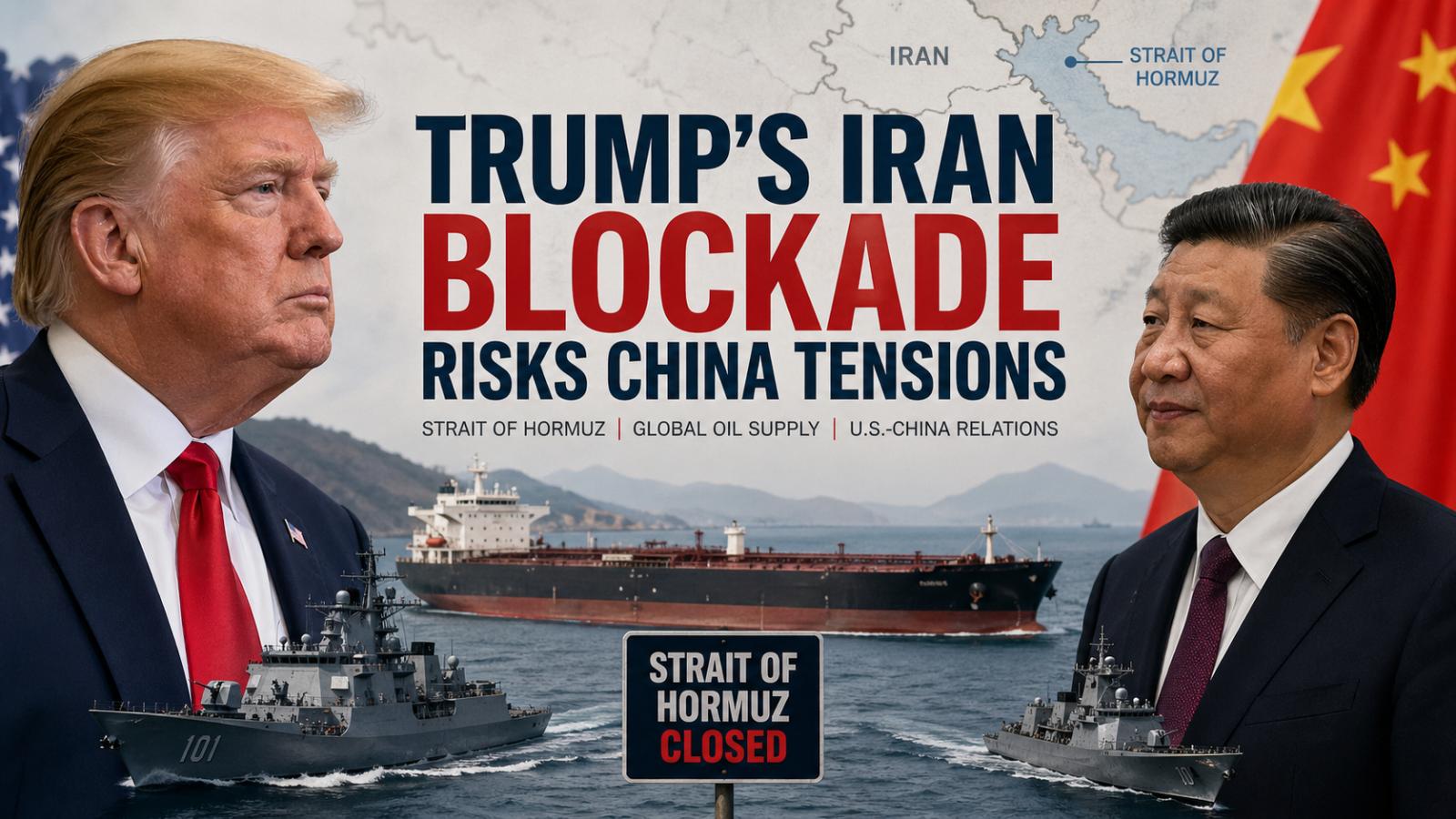
The United States has intensified its use of energy shipments as a foreign policy tool, launching parallel efforts aimed at Iran in the Middle East and Cuba in the Caribbean. Under President Donald Trump, a naval blockade targeting Iranian vessels in and around the Strait of Hormuz began on Monday, marking a significant escalation despite a ceasefire agreement reached on April 7 between regional actors. At the same time, Washington has imposed a de facto fuel blockade on Cuba, warn
How are U.S. oil blockades impacting global tensions? They raise risks with China and Russia
The United States has intensified its use of energy shipments as a foreign policy tool, launching parallel efforts aimed at Iran in the Middle East and Cuba in the Caribbean. Under President Donald Trump, a naval blockade targeting Iranian vessels in and around the Strait of Hormuz began on Monday, marking a significant escalation despite a ceasefire agreement reached on April 7 between regional actors. At the same time, Washington has imposed a de facto fuel blockade on Cuba, warn
Trump confirms Iran blockade despite Strait of Hormuz reopening
U.S. President Donald Trump said the United States will continue its naval blockade targeting Iran, even after the Strait of Hormuz was reopened for commercial passage. The statement underscores that the broader conflict involving the United States, Iran, and Israel remains unresolved. In a public message, Trump acknowledged Iran’s move to reopen the strategic waterway, a critical route
Trump confirms Iran blockade despite Strait of Hormuz reopening
U.S. President Donald Trump said the United States will continue its naval blockade targeting Iran, even after the Strait of Hormuz was reopened for commercial passage. The statement underscores that the broader conflict involving the United States, Iran, and Israel remains unresolved. In a public message, Trump acknowledged Iran’s move to reopen the strategic waterway, a critical route
US warns Iran of strikes on energy infrastructure ahead of cease-fire deadline
Defense Secretary Pete Hegseth issued a stark warning on Thursday, April 16, 2026, from the Pentagon, stating that the United States could target Iran’s energy infrastructure if its leadership does not agree to a peace deal before a temporary cease-fire expires in the coming days. The remarks underscore escalating tensions as Washington intensifies pressure on
US warns Iran of strikes on energy infrastructure ahead of cease-fire deadline
Defense Secretary Pete Hegseth issued a stark warning on Thursday, April 16, 2026, from the Pentagon, stating that the United States could target Iran’s energy infrastructure if its leadership does not agree to a peace deal before a temporary cease-fire expires in the coming days. The remarks underscore escalating tensions as Washington intensifies pressure on
Chinese social media mocks US blockade of Iran as “second toll booth”
Chinese social media platforms have erupted with criticism and satire following the United States’ decision to impose a blockade on Iran, with many users describing the move as a “second toll booth” controlled by Washington. The reactions come amid escalating geopolitical tensions after the United States and Israel launched strikes on Iran on Friday, February 28, 2026, prompting Tehran to leverage its geographic position to restrict access through the strategically vital Strait of Hormuz.
Chinese social media mocks US blockade of Iran as “second toll booth”
Chinese social media platforms have erupted with criticism and satire following the United States’ decision to impose a blockade on Iran, with many users describing the move as a “second toll booth” controlled by Washington. The reactions come amid escalating geopolitical tensions after the United States and Israel launched strikes on Iran on Friday, February 28, 2026, prompting Tehran to leverage its geographic position to restrict access through the strategically vital Strait of Hormuz.
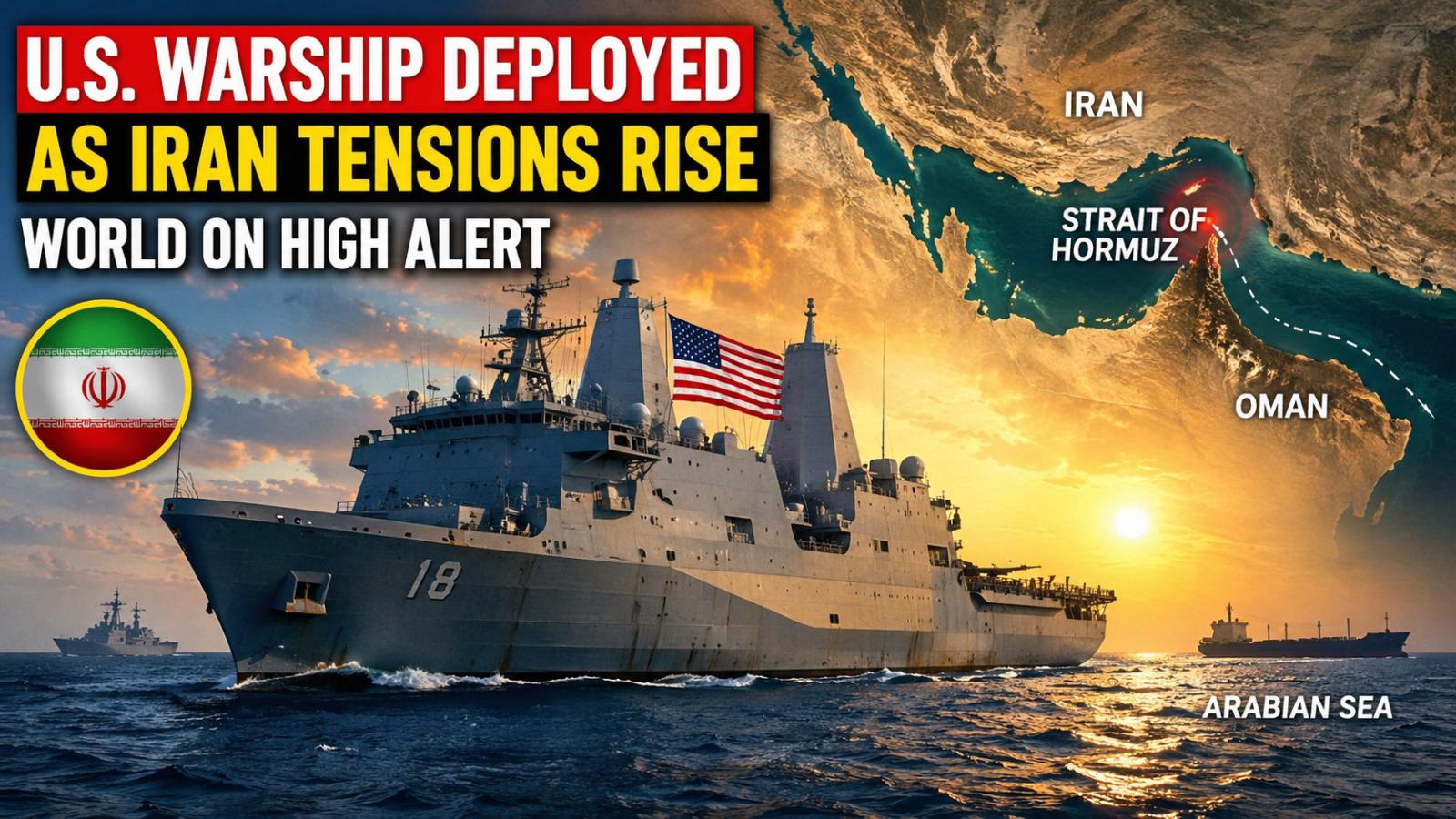
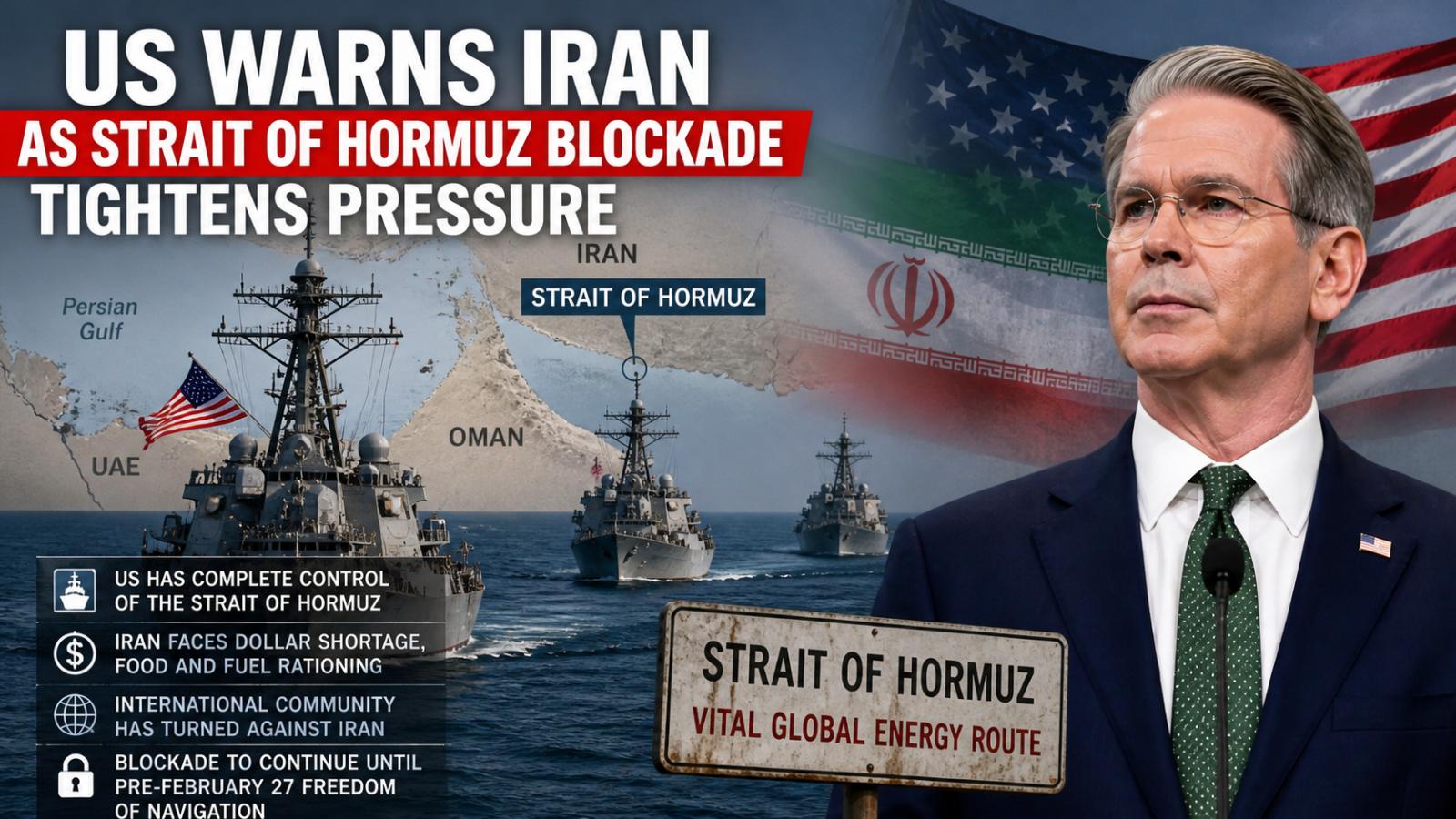
US escalates pressure on Iran with Strait of Hormuz blockade
The United States has initiated a naval blockade of Iranian ports, significantly escalating tensions in the Middle East following the collapse of recent diplomatic efforts. The move came into effect at 2:00 PM GMT on Monday, April 14, 2026, according to US military officials, after weekend negotiations with Iran concluded without a breakthrough. The blockade applies to all Iranian ports along the Persian Gulf, restricting maritime access and placing additional pressure on Tehran am
US escalates pressure on Iran with Strait of Hormuz blockade
The United States has initiated a naval blockade of Iranian ports, significantly escalating tensions in the Middle East following the collapse of recent diplomatic efforts. The move came into effect at 2:00 PM GMT on Monday, April 14, 2026, according to US military officials, after weekend negotiations with Iran concluded without a breakthrough. The blockade applies to all Iranian ports along the Persian Gulf, restricting maritime access and placing additional pressure on Tehran am
Modi-Trump call highlights rising tensions in Iran conflict
Indian Prime Minister Narendra Modi and U.S. President Donald Trump held a nearly 40-minute phone conversation on Tuesday, April 14, 2026, according to official reports. The call took place as tensions continue to rise amid the ongoing Iran conflict. The discussion comes shortly after peace talks betwee
Modi-Trump call highlights rising tensions in Iran conflict
Indian Prime Minister Narendra Modi and U.S. President Donald Trump held a nearly 40-minute phone conversation on Tuesday, April 14, 2026, according to official reports. The call took place as tensions continue to rise amid the ongoing Iran conflict. The discussion comes shortly after peace talks betwee
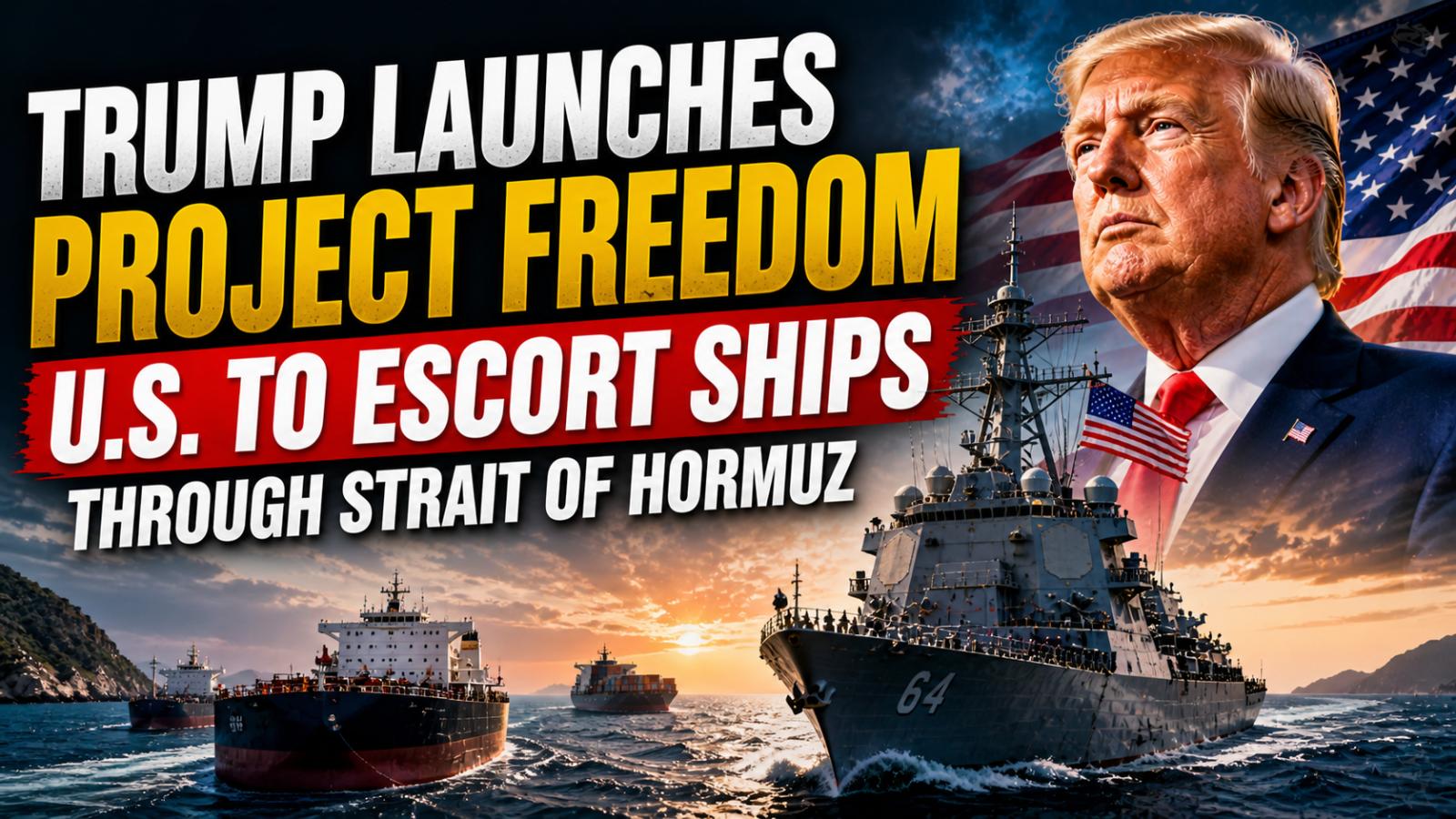
Donald Trump’s Strait of Hormuz Blockade Raises Fears of Iran War
Following unsuccessful diplomatic talks, Donald Trump announced a U.S. naval blockade in the Strait of Hormuz, a critical route for global energy trade. The move is aimed at increasing pressure on
Donald Trump’s Strait of Hormuz Blockade Raises Fears of Iran War
Following unsuccessful diplomatic talks, Donald Trump announced a U.S. naval blockade in the Strait of Hormuz, a critical route for global energy trade. The move is aimed at increasing pressure on
Wall Street falls as Iran talks collapse and oil tops $100
U.S. stock markets opened lower on Monday, April 13, 2026, as investor sentiment weakened following the collapse of high-stakes negotiations between the United States and Iran and a sharp rebound in global oil prices. The downturn reflected rising geopolitical uncertainty after talks aimed at easing tensions ended without agreement over the weekend. As of 9:40 AM ET on April 13, 2026, the Dow Jones Industrial Average fell 0.72 percent, while the S&P 500 declined 0.33 percent and the Nasdaq Composite dropped 0.36 percent. At the same time, oil markets surged, with Brent crude rising nearly 6 percent to above $100 per barrel and U.S. West Texas Intermediate also climbing past the $100 mark, signaling renewed pressure on global energy markets. Market volatility increased as the CBOE Volatility Index rose to 20.61, indicating heightened investor caution. Analysts noted a shift toward a “risk-off” environment, as traders reacted to escalating tensions in the Strait of Hormuz, a critical channel for global oil supply. The market reaction followed the U.S. Navy’s move to begin restricting maritime activity linked to Iran after negotiations held in Islamabad failed to produce a ceasefire or nuclear agreement. The blockade targets vessels associated with Iranian ports, intensifying concerns over potential disruptions to global trade and energy flows. Despite the geopolitical strain, some analysts said the market response remained relatively contained compared to the scale of the crisis. However, the continued rise in oil prices and uncertainty over supply routes could pose longer-term risks for both equity markets and the broader global economy.
Wall Street falls as Iran talks collapse and oil tops $100
U.S. stock markets opened lower on Monday, April 13, 2026, as investor sentiment weakened following the collapse of high-stakes negotiations between the United States and Iran and a sharp rebound in global oil prices. The downturn reflected rising geopolitical uncertainty after talks aimed at easing tensions ended without agreement over the weekend. As of 9:40 AM ET on April 13, 2026, the Dow Jones Industrial Average fell 0.72 percent, while the S&P 500 declined 0.33 percent and the Nasdaq Composite dropped 0.36 percent. At the same time, oil markets surged, with Brent crude rising nearly 6 percent to above $100 per barrel and U.S. West Texas Intermediate also climbing past the $100 mark, signaling renewed pressure on global energy markets. Market volatility increased as the CBOE Volatility Index rose to 20.61, indicating heightened investor caution. Analysts noted a shift toward a “risk-off” environment, as traders reacted to escalating tensions in the Strait of Hormuz, a critical channel for global oil supply. The market reaction followed the U.S. Navy’s move to begin restricting maritime activity linked to Iran after negotiations held in Islamabad failed to produce a ceasefire or nuclear agreement. The blockade targets vessels associated with Iranian ports, intensifying concerns over potential disruptions to global trade and energy flows. Despite the geopolitical strain, some analysts said the market response remained relatively contained compared to the scale of the crisis. However, the continued rise in oil prices and uncertainty over supply routes could pose longer-term risks for both equity markets and the broader global economy.
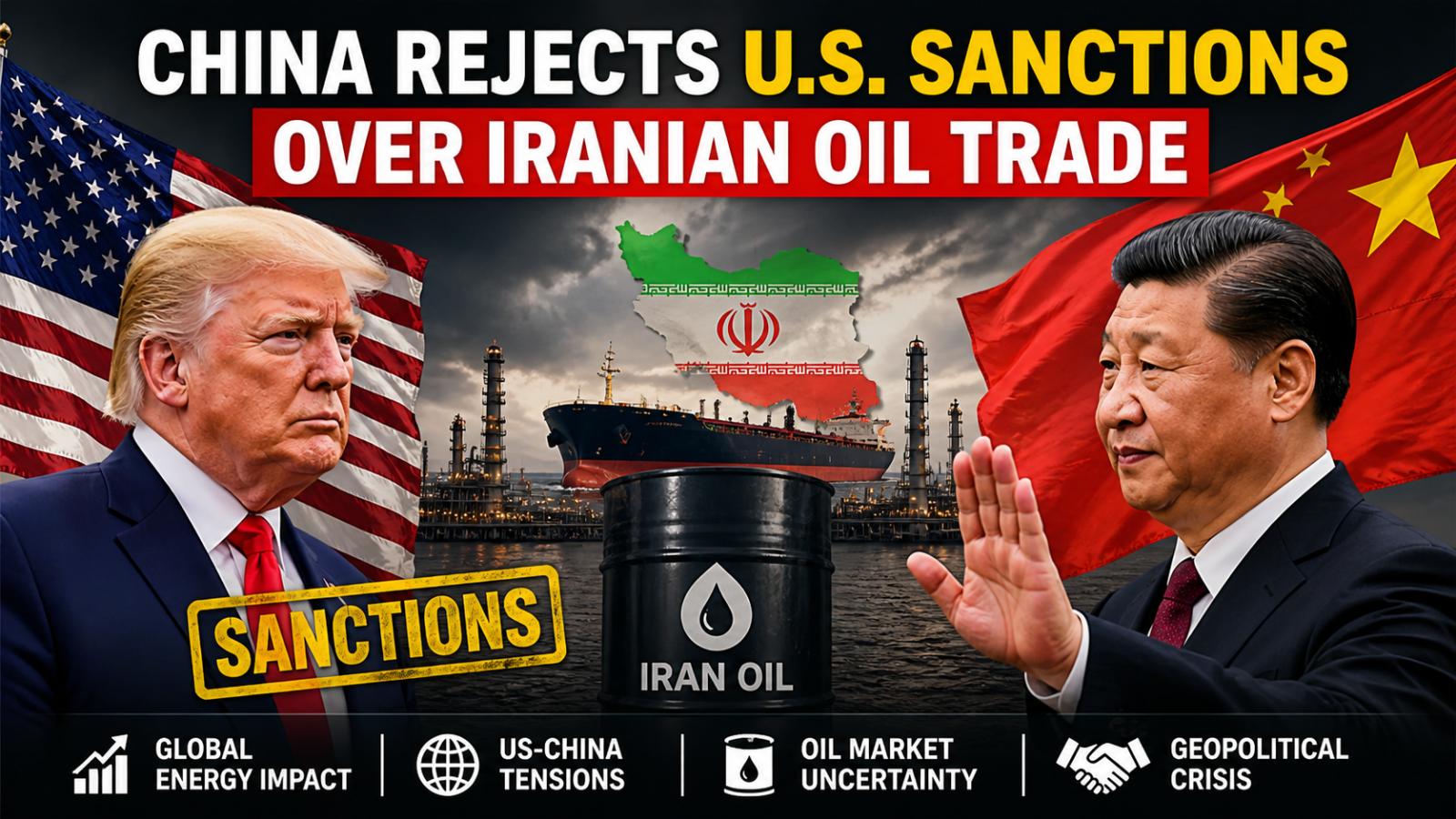
Trump warns China of 50% tariffs over alleged Iran military support
U.S. President Donald Trump on Sunday, April 12, 2026, warned that the United States could impose steep new tariffs on China if Beijing is found to be providing military assistance to Iran during the ongoing West As
Trump warns China of 50% tariffs over alleged Iran military support
U.S. President Donald Trump on Sunday, April 12, 2026, warned that the United States could impose steep new tariffs on China if Beijing is found to be providing military assistance to Iran during the ongoing West As
Israel strikes in Lebanon threaten fragile US-Iran ceasefire
Israel’s intensified military campaign in Lebanon is raising concerns about the stability of a fragile ceasefire between the United States and Iran, with both sides disputing whether Lebanon was included in the agreement. Iranian officials argue that Israeli strikes violate the truce, while U.S. and Israeli authorities maintain the deal does not extend to Lebanon. The disagreement comes as Israeli airstrikes across Lebanon, including Beirut, caused widespread destruction and signi
Israel strikes in Lebanon threaten fragile US-Iran ceasefire
Israel’s intensified military campaign in Lebanon is raising concerns about the stability of a fragile ceasefire between the United States and Iran, with both sides disputing whether Lebanon was included in the agreement. Iranian officials argue that Israeli strikes violate the truce, while U.S. and Israeli authorities maintain the deal does not extend to Lebanon. The disagreement comes as Israeli airstrikes across Lebanon, including Beirut, caused widespread destruction and signi
US-Iran talks in Pakistan end without agreement, raising ceasefire concerns
U.S. Vice President JD Vance said no agreement was reached with Iran following extended negotiations held in Pakistan, signaling a setback after Washington presented what it described as its “final and best offer.” Iranian officials also expressed dissatisfaction, with their lead negotiator stating that U.S. representatives failed to build sufficient trust during the discussions. The outcome leaves significant uncertainty around the fragile ceasefire that began Tuesday, though no specific date was provided for the start of the truce. Without a clear commitment from Iran to reopen the Strait of Hormuz, concerns are growing over continued disruptions to global energy markets, as the strategic waterway remains a critical route for oil shipments. Regional tensions remain elevated beyond the stalled talks. Diplomatic engagement between Israeli and Lebanese officials is expected in the coming week, even as hostilities persist. Israeli forces reported overnight strikes in southern Lebanon, stating they targeted and destroyed a rocket launcher prepared for imminent use. The strikes reportedly resulted in casualties, underscoring the ongoing volatility in the region. The lack of progress in negotiations highlights broader challenges in restoring stability, with both diplomatic and military developments shaping an increasingly uncertain outlook.

US-Iran talks in Pakistan end without agreement, raising ceasefire concerns
U.S. Vice President JD Vance said no agreement was reached with Iran following extended negotiations held in Pakistan, signaling a setback after Washington presented what it described as its “final and best offer.” Iranian officials also expressed dissatisfaction, with their lead negotiator stating that U.S. representatives failed to build sufficient trust during the discussions. The outcome leaves significant uncertainty around the fragile ceasefire that began Tuesday, though no specific date was provided for the start of the truce. Without a clear commitment from Iran to reopen the Strait of Hormuz, concerns are growing over continued disruptions to global energy markets, as the strategic waterway remains a critical route for oil shipments. Regional tensions remain elevated beyond the stalled talks. Diplomatic engagement between Israeli and Lebanese officials is expected in the coming week, even as hostilities persist. Israeli forces reported overnight strikes in southern Lebanon, stating they targeted and destroyed a rocket launcher prepared for imminent use. The strikes reportedly resulted in casualties, underscoring the ongoing volatility in the region. The lack of progress in negotiations highlights broader challenges in restoring stability, with both diplomatic and military developments shaping an increasingly uncertain outlook.


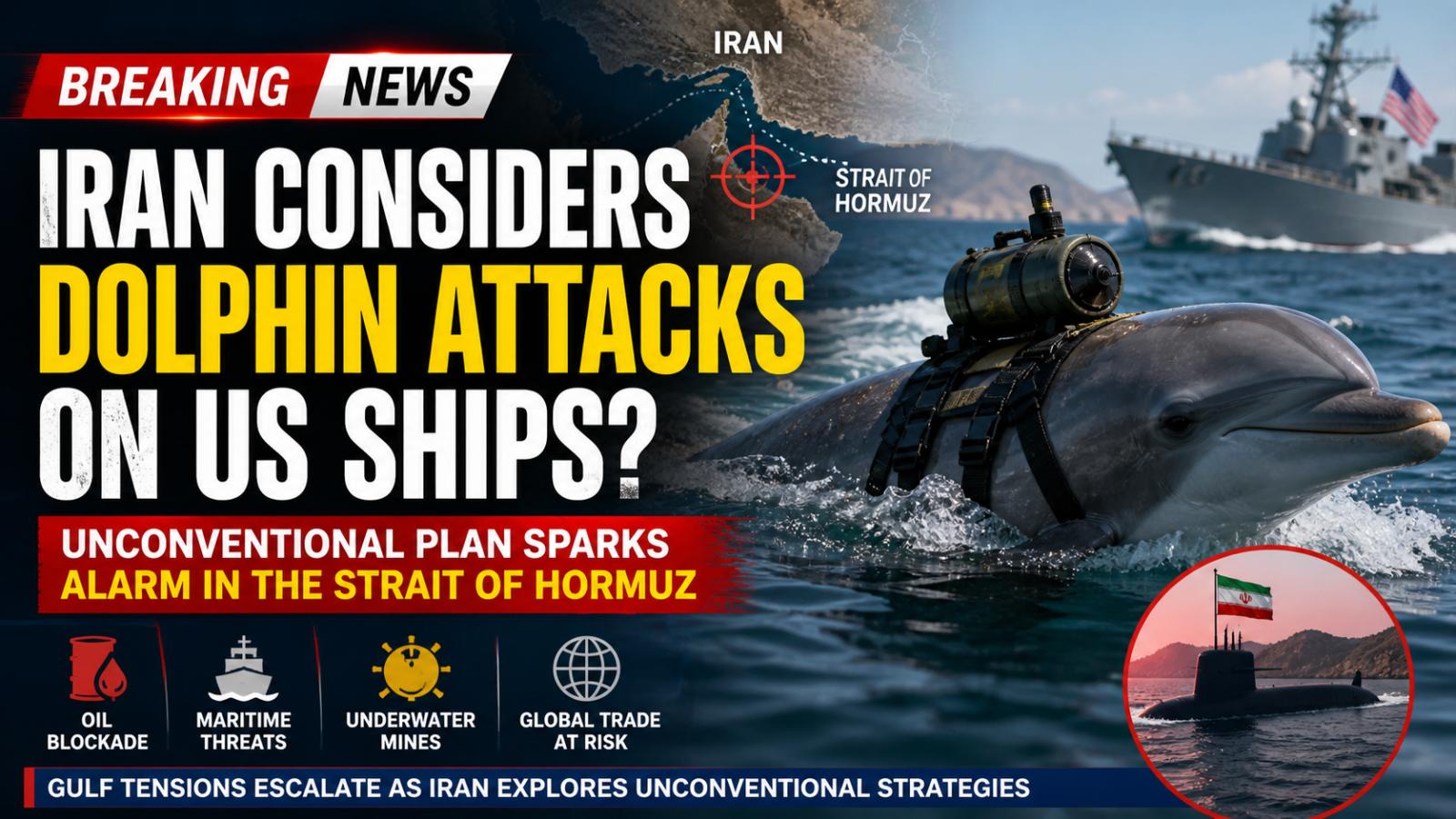
Strait of Hormuz reopening delayed amid Iran mine clearance challenges
The reopening of the strategically critical Strait of Hormuz is expected to face further delays as Iran encounters challenges in locating and clearing sea mines reportedly deployed during recent hostilities, according to U.S. officials cited in a report by
Strait of Hormuz reopening delayed amid Iran mine clearance challenges
The reopening of the strategically critical Strait of Hormuz is expected to face further delays as Iran encounters challenges in locating and clearing sea mines reportedly deployed during recent hostilities, according to U.S. officials cited in a report by
US-India ties face strategic reality as Pakistan plays facilitator role
The United States’ decision to engage Pakistan as a facilitator in a recent two-week ceasefire has sparked debate in India, but analysts say the move reflects broader strategic calculations rather than a slight against New Delhi. The discussion over why India was not selected overlooks the evolving nature of global power dynamics, where decisions are driven less by status and more by immediate geopolitical utility. In today’s international system, major powers—including the U
US-India ties face strategic reality as Pakistan plays facilitator role
The United States’ decision to engage Pakistan as a facilitator in a recent two-week ceasefire has sparked debate in India, but analysts say the move reflects broader strategic calculations rather than a slight against New Delhi. The discussion over why India was not selected overlooks the evolving nature of global power dynamics, where decisions are driven less by status and more by immediate geopolitical utility. In today’s international system, major powers—including the U