

















Russia signals unlimited energy supply to India, ambassador says
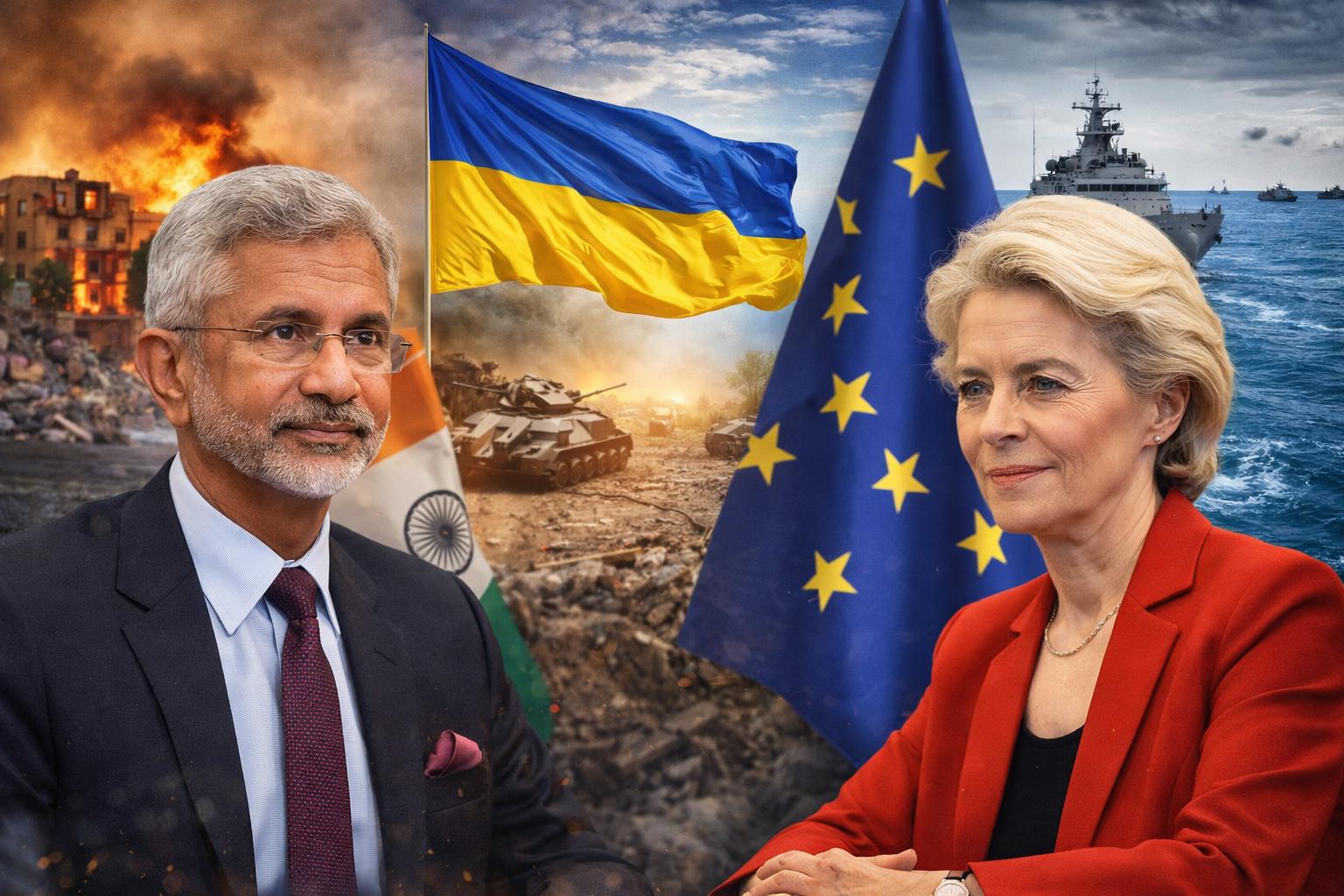
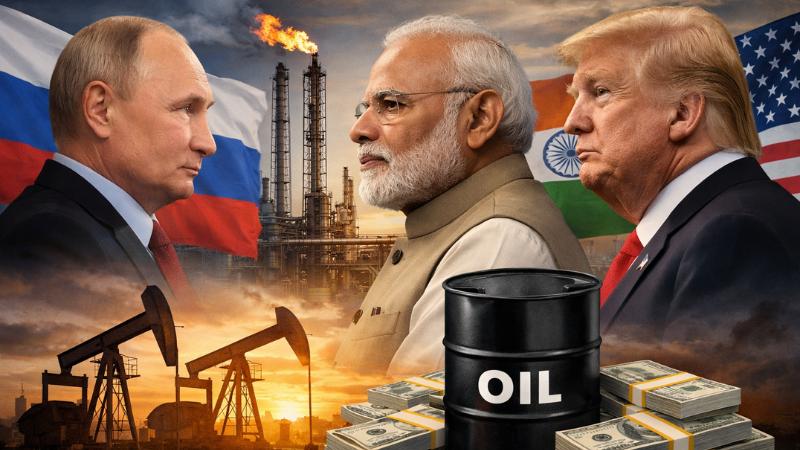
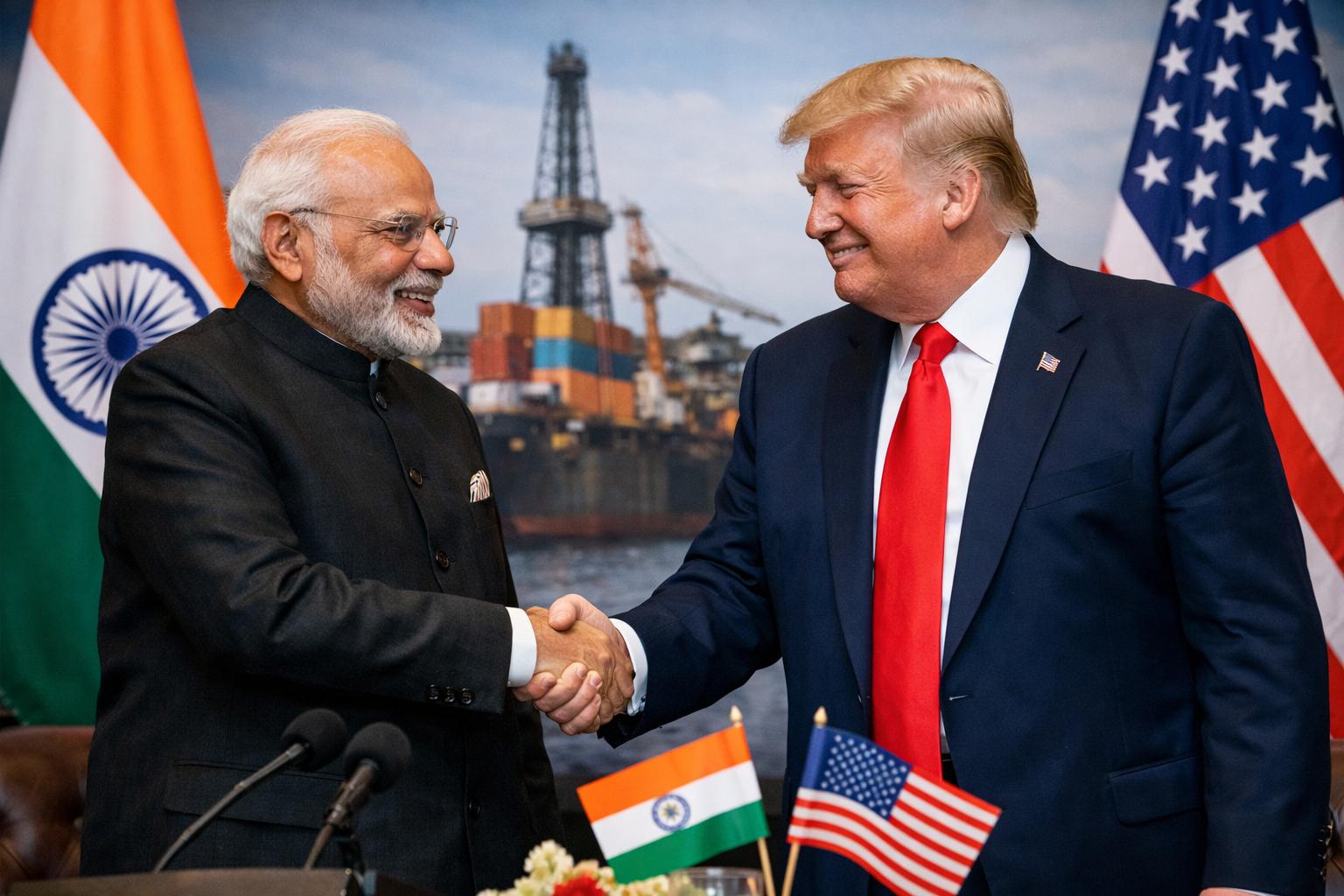
Russia has signaled its readiness to expand energy exports to India, reinforcing a long-standing strategic partnership that continues to evolve across multiple sectors. In remarks made during a recent interaction, Russian Ambassador to India Denis Alipov emphasized Moscow’s willingness to supply “as much energy as India wants,” underscoring the central role of energy cooperation in bilateral ties. Alipov also pointed to upcoming high-level engagements that are expected to furthe
Russia signals unlimited energy supply to India, ambassador says
Russia has signaled its readiness to expand energy exports to India, reinforcing a long-standing strategic partnership that continues to evolve across multiple sectors. In remarks made during a recent interaction, Russian Ambassador to India Denis Alipov emphasized Moscow’s willingness to supply “as much energy as India wants,” underscoring the central role of energy cooperation in bilateral ties. Alipov also pointed to upcoming high-level engagements that are expected to furthe
India maintains oil imports strategy as West Asia conflict disrupts global shipping routes
India reaffirmed its strategy of sourcing oil from a wide range of suppliers to safeguard its energy needs amid ongoing geopolitical tensions affecting global trade routes. Speaking at an inter-ministerial briefing in New Delhi on Wednesday, April 15, 2026, at 6:29 PM IST, Ministry of External Affairs spokesperson Randhir Jaiswal emphasized that the country’s approach is guided by the need to ensure energy security for its population of 1.4 billion while adapting to evolving internati
India maintains oil imports strategy as West Asia conflict disrupts global shipping routes
India reaffirmed its strategy of sourcing oil from a wide range of suppliers to safeguard its energy needs amid ongoing geopolitical tensions affecting global trade routes. Speaking at an inter-ministerial briefing in New Delhi on Wednesday, April 15, 2026, at 6:29 PM IST, Ministry of External Affairs spokesperson Randhir Jaiswal emphasized that the country’s approach is guided by the need to ensure energy security for its population of 1.4 billion while adapting to evolving internati
Venezuela, Hormuz, Malacca: The US-China energy conflict intensifies in 2026
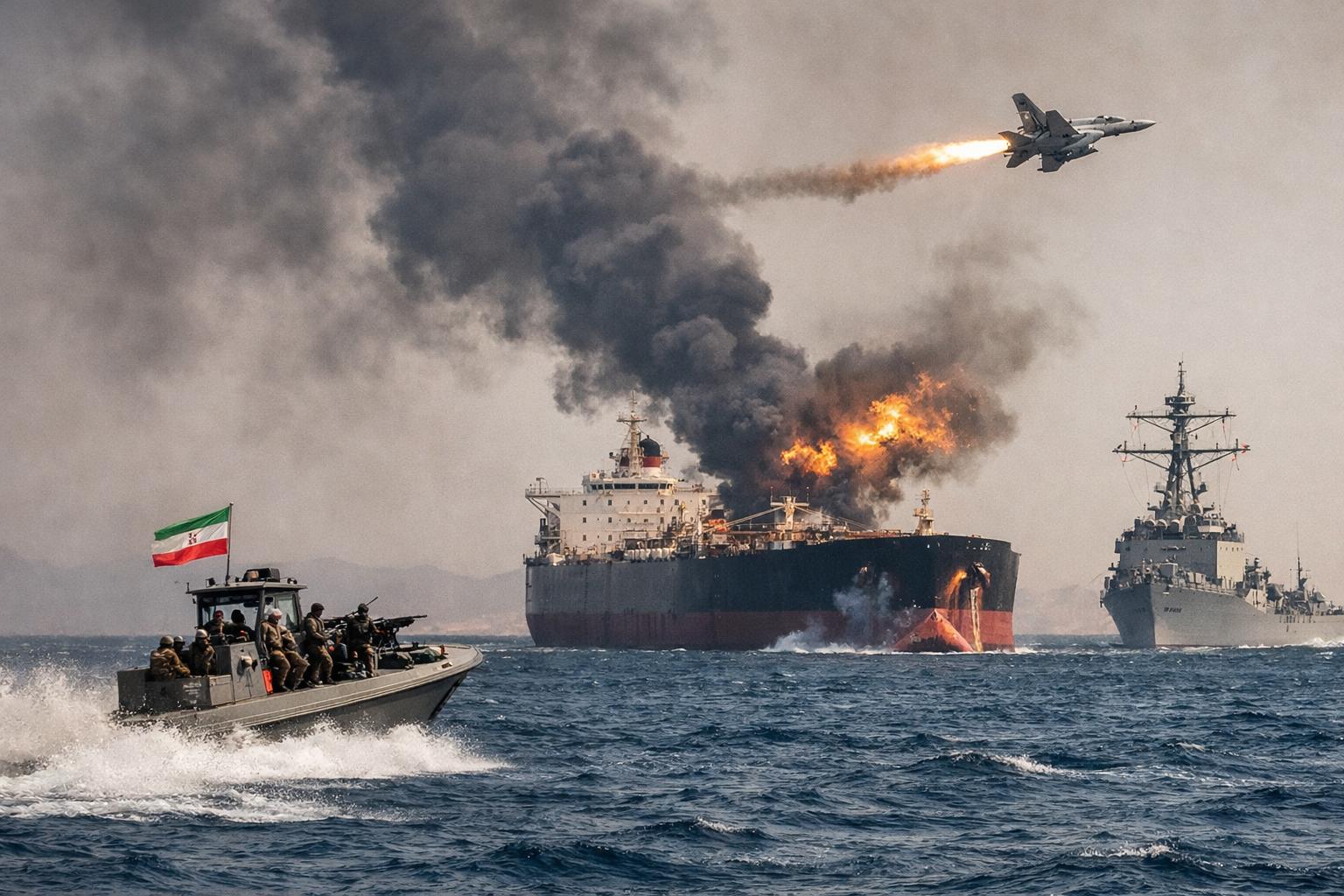
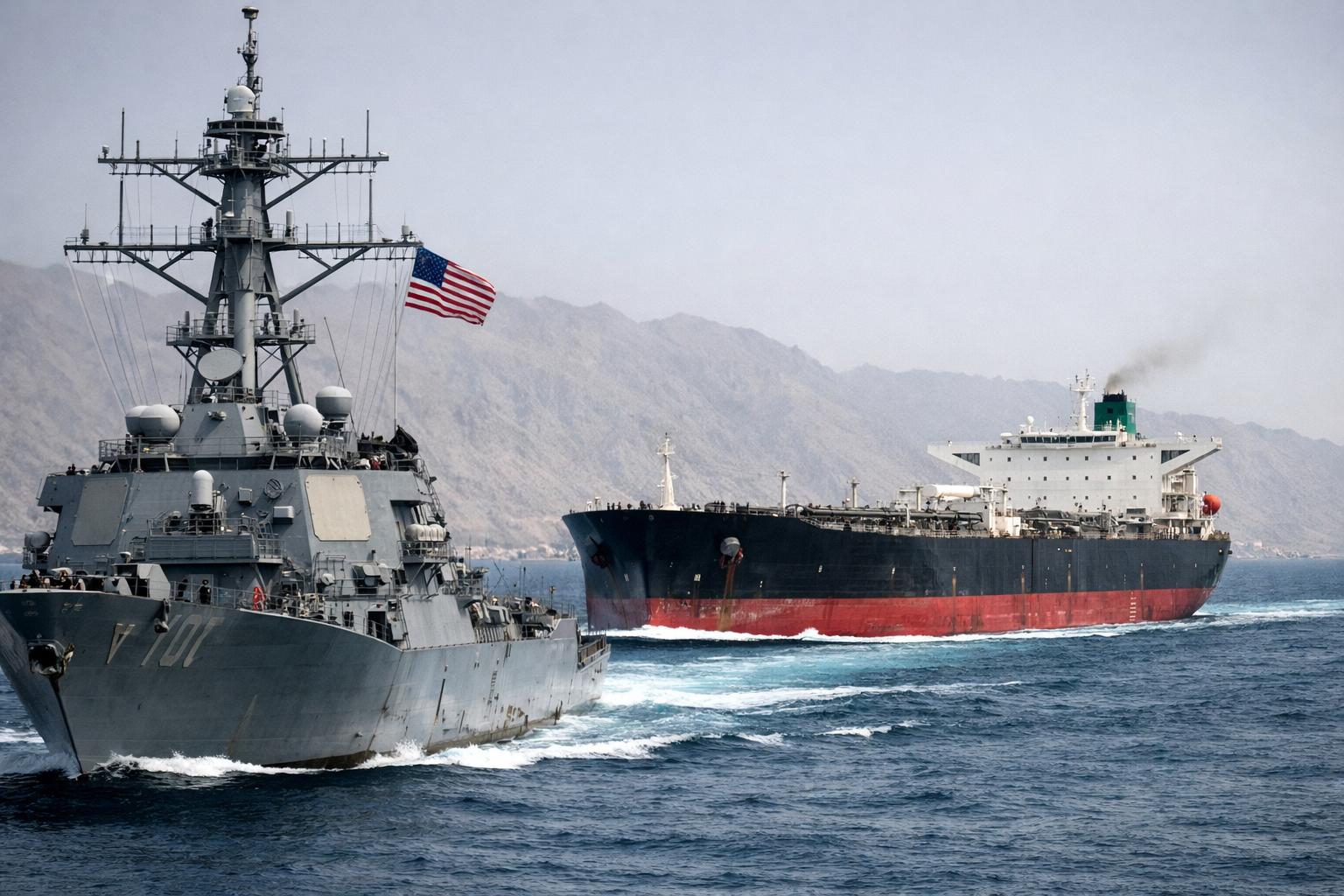
The geopolitical struggle for control over global oil supply routes escalated in early 2026, as the United States moved to strategically target key energy chokepoints in an attempt to disrupt China’s oil flow. With major oil reserves located in Venezuela, the strategic Strait of Hormuz, and the Malacca Strait, the US appears to be building a complex energy blockade aimed at China, using military force and economic pressure to shift the balance of power. In January 2026, the US took a bold step by moving its military presence to Venezuela, home to the world’s largest proven oil reserves. The operation involved an elite force that captured former Venezuelan President Nicolas Maduro, potentially altering the country’s political landscape and controlling access to its vast oil reserves. With an estimated 303 billion barrels of oil at stake, Venezuela became the first of many critical points in this evolving global energy chess game. The next move came in February 2026, when the US extended its reach into the Strait of Hormuz. This chokepoint, through which 20 to 25 percent of the world’s seaborne crude oil passes, became a target as the US launched air strikes on Iranian military and energy infrastructure. The subsequent blockade of Hormuz raised the stakes even higher, as China, a major oil importer, relies heavily on this route for its energy needs. Despite Trump’s assertion that the US no longer needed Hormuz oil due to domestic production, the global impact was undeniable, with oil prices rising sharply. By March 2026, the US had expanded its strategy to the Malacca Strait, one of the world’s busiest shipping lanes and a vital route for Chinese oil imports. Through a new deal with Indonesia, the US gained increased access to the region’s airspace, strengthening its surveillance and control capabilities. This move escalated the geopolitical pressure on China, which had already been preparing for such scenarios by building overland pipeline infrastructure to mitigate risks associated with maritime routes. China’s response to these strategic moves has been multifaceted. In Venezuela, it quickly adapted to the US military action, tapping into shadow fleets and using alternative routes to maintain its crude supply. Furthermore, China’s vast reserves, along with its investments in Russian and Iranian oil, have provided it with a buffer to withstand the pressure from the US blockade. With over 1.3 billion barrels in emergency reserves, China has the capacity to play the waiting game, absorbing the initial shocks to its oil supply. As the US tightens its grip on these strategic chokepoints, the geopolitical chessboard continues to shift. China’s ability to reroute oil through its vast pipeline network and shadow tanker fleet provides a buffer, but it remains to be seen which side will blink first in this high-stakes game. While the US hopes to achieve its goals through escalating energy denial, China’s resilience and strategic planning indicate that this global oil conflict is far from over. The Malacca Strait, a vital point in this strategic maneuvering, serves as the final battleground. With its ability to influence both regional and global shipping routes, the US’s efforts to control this chokepoint may prove pivotal. However, China’s efforts to secure alternative oil sources and protect its interests in the region suggest that the true outcome of this energy conflict will depend on the endurance and tactical flexibility of both superpowers.
Venezuela, Hormuz, Malacca: The US-China energy conflict intensifies in 2026
The geopolitical struggle for control over global oil supply routes escalated in early 2026, as the United States moved to strategically target key energy chokepoints in an attempt to disrupt China’s oil flow. With major oil reserves located in Venezuela, the strategic Strait of Hormuz, and the Malacca Strait, the US appears to be building a complex energy blockade aimed at China, using military force and economic pressure to shift the balance of power. In January 2026, the US took a bold step by moving its military presence to Venezuela, home to the world’s largest proven oil reserves. The operation involved an elite force that captured former Venezuelan President Nicolas Maduro, potentially altering the country’s political landscape and controlling access to its vast oil reserves. With an estimated 303 billion barrels of oil at stake, Venezuela became the first of many critical points in this evolving global energy chess game. The next move came in February 2026, when the US extended its reach into the Strait of Hormuz. This chokepoint, through which 20 to 25 percent of the world’s seaborne crude oil passes, became a target as the US launched air strikes on Iranian military and energy infrastructure. The subsequent blockade of Hormuz raised the stakes even higher, as China, a major oil importer, relies heavily on this route for its energy needs. Despite Trump’s assertion that the US no longer needed Hormuz oil due to domestic production, the global impact was undeniable, with oil prices rising sharply. By March 2026, the US had expanded its strategy to the Malacca Strait, one of the world’s busiest shipping lanes and a vital route for Chinese oil imports. Through a new deal with Indonesia, the US gained increased access to the region’s airspace, strengthening its surveillance and control capabilities. This move escalated the geopolitical pressure on China, which had already been preparing for such scenarios by building overland pipeline infrastructure to mitigate risks associated with maritime routes. China’s response to these strategic moves has been multifaceted. In Venezuela, it quickly adapted to the US military action, tapping into shadow fleets and using alternative routes to maintain its crude supply. Furthermore, China’s vast reserves, along with its investments in Russian and Iranian oil, have provided it with a buffer to withstand the pressure from the US blockade. With over 1.3 billion barrels in emergency reserves, China has the capacity to play the waiting game, absorbing the initial shocks to its oil supply. As the US tightens its grip on these strategic chokepoints, the geopolitical chessboard continues to shift. China’s ability to reroute oil through its vast pipeline network and shadow tanker fleet provides a buffer, but it remains to be seen which side will blink first in this high-stakes game. While the US hopes to achieve its goals through escalating energy denial, China’s resilience and strategic planning indicate that this global oil conflict is far from over. The Malacca Strait, a vital point in this strategic maneuvering, serves as the final battleground. With its ability to influence both regional and global shipping routes, the US’s efforts to control this chokepoint may prove pivotal. However, China’s efforts to secure alternative oil sources and protect its interests in the region suggest that the true outcome of this energy conflict will depend on the endurance and tactical flexibility of both superpowers.
India’s Growth Outlook Remains Strong at 6.5% in 2026, Says IMF Report
The International Monetary Fund (IMF) has revised its growth projections for India, forecasting a robust 6.5% growth for both 2026 and 2027, despite the global economic disruptions caused by the ongoing war in West Asia. India remains the fastest-growing major economy, although the IMF's global growth forecast has been downgraded to 3.1% for 2026, a decline from its January projection. The IMF report highlights the toll the war has taken on global markets and supply chains, especially in sect
India’s Growth Outlook Remains Strong at 6.5% in 2026, Says IMF Report
The International Monetary Fund (IMF) has revised its growth projections for India, forecasting a robust 6.5% growth for both 2026 and 2027, despite the global economic disruptions caused by the ongoing war in West Asia. India remains the fastest-growing major economy, although the IMF's global growth forecast has been downgraded to 3.1% for 2026, a decline from its January projection. The IMF report highlights the toll the war has taken on global markets and supply chains, especially in sect
Modi and Trump discuss Hormuz security amid US-Iran ceasefire
Indian Prime Minister Narendra Modi held a phone conversation with U.S. President Donald Trump on Tuesday, April 14, 2026, marking their first discussion since a ceasefire between the United States and Iran took effect on Tuesday, April 8, 2026, following nearly 39 days of intense conflict that disrupted ener
Modi and Trump discuss Hormuz security amid US-Iran ceasefire
Indian Prime Minister Narendra Modi held a phone conversation with U.S. President Donald Trump on Tuesday, April 14, 2026, marking their first discussion since a ceasefire between the United States and Iran took effect on Tuesday, April 8, 2026, following nearly 39 days of intense conflict that disrupted ener
Airline disruptions loom as oil supply crisis threatens Europe flights
Europe’s airline industry is facing the risk of a widespread jet fuel shortage within weeks as disruptions in the Strait of Hormuz continue to strain global oil supply chains, according to energy analysts and aviation experts. The situation has intensified following escalating tensions involving the United States, Iran, and Israel, raising concerns about significant flight reductions across the region during the upcoming peak travel season. Claudio Galimberti, chief economist at
Airline disruptions loom as oil supply crisis threatens Europe flights
Europe’s airline industry is facing the risk of a widespread jet fuel shortage within weeks as disruptions in the Strait of Hormuz continue to strain global oil supply chains, according to energy analysts and aviation experts. The situation has intensified following escalating tensions involving the United States, Iran, and Israel, raising concerns about significant flight reductions across the region during the upcoming peak travel season. Claudio Galimberti, chief economist at
Ken Griffin warns prolonged Hormuz closure could trigger global recession
Ken Griffin, founder and chief executive of Citadel, warned that a prolonged closure of the Strait of Hormuz could push the global economy into a recession, underscoring the fragile balance of energy markets and geopolitical stability. Speaking at the Semafor World Economy conference in Washington, D.C., on Tuesday, April 14, 2026, Griffin said that if the critical shipping route remains shut for an extended period, the economic consequences would be unavoidable. He noted that a disruption lasting between six and 12 months would almost certainly result in a global downturn, given the strait’s importance as a key transit point for oil shipments. The Strait of Hormuz handles a significant portion of the world’s crude oil supply, and any sustained blockage would likely drive oil prices higher, intensifying inflationary pressures across major economies. While oil prices have eased slightly from peak levels reached during recent tensions, they remain elevated at around $100 per barrel, compared to under $70 before the conflict began. Griffin emphasized that global markets have so far shown resilience, with stock prices recovering to levels seen prior to earlier U.S. military actions in the region. However, he cautioned that investor confidence remains highly dependent on the duration and scope of the conflict. Many market participants, he said, may be underestimating the risk of further escalation and its potential impact on global growth. He also pointed to heightened vulnerability in Asian economies, which rely heavily on energy imports and are particularly sensitive to oil price fluctuations. A sustained increase in fuel costs could slow industrial output and consumer demand across the region. At the same time, Griffin suggested that prolonged disruption could accelerate a structural shift toward alternative energy sources, including wind, solar, and nuclear power, as countries seek to reduce reliance on volatile supply routes. His remarks highlight growing concerns among financial leaders that geopolitical instability in critical energy corridors could have far-reaching consequences for global economic stability.
Ken Griffin warns prolonged Hormuz closure could trigger global recession
Ken Griffin, founder and chief executive of Citadel, warned that a prolonged closure of the Strait of Hormuz could push the global economy into a recession, underscoring the fragile balance of energy markets and geopolitical stability. Speaking at the Semafor World Economy conference in Washington, D.C., on Tuesday, April 14, 2026, Griffin said that if the critical shipping route remains shut for an extended period, the economic consequences would be unavoidable. He noted that a disruption lasting between six and 12 months would almost certainly result in a global downturn, given the strait’s importance as a key transit point for oil shipments. The Strait of Hormuz handles a significant portion of the world’s crude oil supply, and any sustained blockage would likely drive oil prices higher, intensifying inflationary pressures across major economies. While oil prices have eased slightly from peak levels reached during recent tensions, they remain elevated at around $100 per barrel, compared to under $70 before the conflict began. Griffin emphasized that global markets have so far shown resilience, with stock prices recovering to levels seen prior to earlier U.S. military actions in the region. However, he cautioned that investor confidence remains highly dependent on the duration and scope of the conflict. Many market participants, he said, may be underestimating the risk of further escalation and its potential impact on global growth. He also pointed to heightened vulnerability in Asian economies, which rely heavily on energy imports and are particularly sensitive to oil price fluctuations. A sustained increase in fuel costs could slow industrial output and consumer demand across the region. At the same time, Griffin suggested that prolonged disruption could accelerate a structural shift toward alternative energy sources, including wind, solar, and nuclear power, as countries seek to reduce reliance on volatile supply routes. His remarks highlight growing concerns among financial leaders that geopolitical instability in critical energy corridors could have far-reaching consequences for global economic stability.
Donald Trump’s Strait of Hormuz Blockade Raises Fears of Iran War
Following unsuccessful diplomatic talks, Donald Trump announced a U.S. naval blockade in the Strait of Hormuz, a critical route for global energy trade. The move is aimed at increasing pressure on
Donald Trump’s Strait of Hormuz Blockade Raises Fears of Iran War
Following unsuccessful diplomatic talks, Donald Trump announced a U.S. naval blockade in the Strait of Hormuz, a critical route for global energy trade. The move is aimed at increasing pressure on
India to supply petroleum to Mauritius amid West Asia conflict concerns
Port Louis, Mauritius — Mauritius Foreign Minister Dhananjay Ramful announced that India is expected to supply approximately 1.2 million tonnes of petroleum products annually to the island nation, as global supply chains remain strained due to the ongoing conflict in West Asia. The agreement, currently in the form of a memorandum of understanding with the Government of India, is pending final approva
India to supply petroleum to Mauritius amid West Asia conflict concerns
Port Louis, Mauritius — Mauritius Foreign Minister Dhananjay Ramful announced that India is expected to supply approximately 1.2 million tonnes of petroleum products annually to the island nation, as global supply chains remain strained due to the ongoing conflict in West Asia. The agreement, currently in the form of a memorandum of understanding with the Government of India, is pending final approva
US-India ties face strategic reality as Pakistan plays facilitator role
The United States’ decision to engage Pakistan as a facilitator in a recent two-week ceasefire has sparked debate in India, but analysts say the move reflects broader strategic calculations rather than a slight against New Delhi. The discussion over why India was not selected overlooks the evolving nature of global power dynamics, where decisions are driven less by status and more by immediate geopolitical utility. In today’s international system, major powers—including the U
US-India ties face strategic reality as Pakistan plays facilitator role
The United States’ decision to engage Pakistan as a facilitator in a recent two-week ceasefire has sparked debate in India, but analysts say the move reflects broader strategic calculations rather than a slight against New Delhi. The discussion over why India was not selected overlooks the evolving nature of global power dynamics, where decisions are driven less by status and more by immediate geopolitical utility. In today’s international system, major powers—including the U
Iran accepts two-week ceasefire amid US pressure on Hormuz Strait
Iran has agreed to a proposed two-week ceasefire amid escalating tensions in the Middle East, following a statement by Donald Trump indicating that the United States would suspend further military action if Tehran fully reopens the strategically critical Strait of Hormuz. The announcement signals a potential pause in hostilities linked to ongoing Iran-Israel tensions, while also highlighting the broader geopolitical stakes tied to global energy security and maritime access. The Strait of Hormuz, a vital passage for a significant portion of the world’s oil supply, has remained at the center of international concern. US officials have made it clear that maintaining open navigation through the waterway is a key condition for de-escalation. The ceasefire agreement is being viewed as a temporary but important step toward reducing immediate risks in the region, particularly for global oil markets and allied economies. At the same time, Washington has underscored that any long-term easing of economic sanctions on Iran will depend on a complete halt to its uranium enrichment activities. The proposed framework reflects a broader US foreign policy approach that links economic relief directly to nuclear compliance, requiring Iran to scale back its nuclear program in exchange for reduced tariffs and sanctions. This conditional strategy is expected to shape the next phase of diplomatic negotiations. The development follows diplomatic outreach from Shehbaz Sharif, who urged an extension of the negotiation timeline and called on Iran to ensure uninterrupted access through the Strait of Hormuz. Pakistan’s involvement underscores the wider regional implications of the crisis and the importance of multilateral engagement. Meanwhile, Iran’s Islamic Revolutionary Guard Corps has issued a strong warning, stating that any US strikes on civilian infrastructure would provoke a response extending beyond the immediate region. The group cautioned that such actions could disrupt oil and gas supplies to the United States and its allies for an extended period, further raising concerns about global energy stability. While the ceasefire offers a temporary reprieve, the situation remains fluid, with key issues surrounding nuclear policy, sanctions, and regional security still unresolved.
Iran accepts two-week ceasefire amid US pressure on Hormuz Strait
Iran has agreed to a proposed two-week ceasefire amid escalating tensions in the Middle East, following a statement by Donald Trump indicating that the United States would suspend further military action if Tehran fully reopens the strategically critical Strait of Hormuz. The announcement signals a potential pause in hostilities linked to ongoing Iran-Israel tensions, while also highlighting the broader geopolitical stakes tied to global energy security and maritime access. The Strait of Hormuz, a vital passage for a significant portion of the world’s oil supply, has remained at the center of international concern. US officials have made it clear that maintaining open navigation through the waterway is a key condition for de-escalation. The ceasefire agreement is being viewed as a temporary but important step toward reducing immediate risks in the region, particularly for global oil markets and allied economies. At the same time, Washington has underscored that any long-term easing of economic sanctions on Iran will depend on a complete halt to its uranium enrichment activities. The proposed framework reflects a broader US foreign policy approach that links economic relief directly to nuclear compliance, requiring Iran to scale back its nuclear program in exchange for reduced tariffs and sanctions. This conditional strategy is expected to shape the next phase of diplomatic negotiations. The development follows diplomatic outreach from Shehbaz Sharif, who urged an extension of the negotiation timeline and called on Iran to ensure uninterrupted access through the Strait of Hormuz. Pakistan’s involvement underscores the wider regional implications of the crisis and the importance of multilateral engagement. Meanwhile, Iran’s Islamic Revolutionary Guard Corps has issued a strong warning, stating that any US strikes on civilian infrastructure would provoke a response extending beyond the immediate region. The group cautioned that such actions could disrupt oil and gas supplies to the United States and its allies for an extended period, further raising concerns about global energy stability. While the ceasefire offers a temporary reprieve, the situation remains fluid, with key issues surrounding nuclear policy, sanctions, and regional security still unresolved.
Saudi oil pipeline hit in Iranian attack, raising global energy concerns
Saudi Arabia’s critical East-West oil pipeline, a key route for crude exports, was struck in an Iranian attack, according to an industry source on Wednesday. The pipeline, currently serving as the kingdom’s primary export outlet after disruptions in the Strait of Hormuz, was among several oil-related facilities targeted across the country. The East-West pipeline plays a central role in maintaining Saudi Arabia’s oil supply chain, transporting approximately 7 million barrels per
Saudi oil pipeline hit in Iranian attack, raising global energy concerns
Saudi Arabia’s critical East-West oil pipeline, a key route for crude exports, was struck in an Iranian attack, according to an industry source on Wednesday. The pipeline, currently serving as the kingdom’s primary export outlet after disruptions in the Strait of Hormuz, was among several oil-related facilities targeted across the country. The East-West pipeline plays a central role in maintaining Saudi Arabia’s oil supply chain, transporting approximately 7 million barrels per
India growth forecast raised to 6.6% as South Asia faces economic uncertainty
India is expected to remain the central driver of economic growth in South Asia, even as global uncertainties continue to pressure the broader region, according to the latest outlook from the World Bank. The institution has revised India’s growth forecast for the 2026–27 fiscal year upward to 6.6 percent, an increase from its earlier estimate of 6.3 percent, underscoring confidence in the country’s economic resilience. The updated projection comes amid a challenging global environment shaped by geopolitical tensions, shifting trade dynamics, and volatility in energy markets. These factors have weighed on growth expectations across South Asia, where several economies are projected to experience slower expansion in the coming years. Despite these headwinds, India’s performance continues to stand out, supported by strong domestic demand, policy stability, and ongoing structural reforms. For U.S.-based observers and global investors, India’s upgraded outlook signals a relatively stable growth engine within emerging markets in Asia. As economic uncertainty persists worldwide, India’s trajectory offers a degree of predictability that contrasts with the broader regional slowdown. Analysts note that while external risks remain significant, including supply chain disruptions and energy price fluctuations, India’s diversified economy positions it to better absorb global shocks. The World Bank’s revision highlights India’s role as a stabilizing force in South Asia’s economic landscape. While neighboring economies face mounting fiscal and external pressures, India is expected to continue contributing the largest share of regional growth. This dynamic reinforces the country’s importance not only within Asia but also in the context of the global economy, where emerging markets are increasingly influential. Overall, the revised forecast reflects cautious optimism. While challenges persist, India’s economic fundamentals and growth momentum suggest it will remain a key pillar of regional and global economic stability in the years ahead.
India growth forecast raised to 6.6% as South Asia faces economic uncertainty
India is expected to remain the central driver of economic growth in South Asia, even as global uncertainties continue to pressure the broader region, according to the latest outlook from the World Bank. The institution has revised India’s growth forecast for the 2026–27 fiscal year upward to 6.6 percent, an increase from its earlier estimate of 6.3 percent, underscoring confidence in the country’s economic resilience. The updated projection comes amid a challenging global environment shaped by geopolitical tensions, shifting trade dynamics, and volatility in energy markets. These factors have weighed on growth expectations across South Asia, where several economies are projected to experience slower expansion in the coming years. Despite these headwinds, India’s performance continues to stand out, supported by strong domestic demand, policy stability, and ongoing structural reforms. For U.S.-based observers and global investors, India’s upgraded outlook signals a relatively stable growth engine within emerging markets in Asia. As economic uncertainty persists worldwide, India’s trajectory offers a degree of predictability that contrasts with the broader regional slowdown. Analysts note that while external risks remain significant, including supply chain disruptions and energy price fluctuations, India’s diversified economy positions it to better absorb global shocks. The World Bank’s revision highlights India’s role as a stabilizing force in South Asia’s economic landscape. While neighboring economies face mounting fiscal and external pressures, India is expected to continue contributing the largest share of regional growth. This dynamic reinforces the country’s importance not only within Asia but also in the context of the global economy, where emerging markets are increasingly influential. Overall, the revised forecast reflects cautious optimism. While challenges persist, India’s economic fundamentals and growth momentum suggest it will remain a key pillar of regional and global economic stability in the years ahead.
Oil prices rise as Trump warns Iran ahead of Hormuz deadline
Oil prices climbed sharply on Tuesday (date not sp
Oil prices rise as Trump warns Iran ahead of Hormuz deadline
Oil prices climbed sharply on Tuesday (date not sp
US-Israel strikes hit Iran’s Kharg Island, raising global oil concerns
Missile strikes by United States and Israeli forces have reportedly targeted Iran’s strategically vital Kharg Island, significantly escalating tensions in West Asia. According to Iran’s Mehr News, the strikes were reported on Tuesday, April 7, 2026, marking a critical development in the ongoing military campaign known as Operation Epic Fury. Kharg Island, often described as Tehran’s economic lifeline, handles nearly 90% of Iran’s crude oil exports, making it central to globa
US-Israel strikes hit Iran’s Kharg Island, raising global oil concerns
Missile strikes by United States and Israeli forces have reportedly targeted Iran’s strategically vital Kharg Island, significantly escalating tensions in West Asia. According to Iran’s Mehr News, the strikes were reported on Tuesday, April 7, 2026, marking a critical development in the ongoing military campaign known as Operation Epic Fury. Kharg Island, often described as Tehran’s economic lifeline, handles nearly 90% of Iran’s crude oil exports, making it central to globa
Rising LPG costs threaten Brazil’s free cooking gas initiative
RIO DE JANEIRO — Monday, April 6, 2026 — Surging energy prices linked to global geopolitical tensions are putting pressure on Brazil’s flagship cooking gas subsidy program, raising concerns about its sustainability just months ahead of the country’s presidential election. The initiative, known as “People’s Gas,” was launched by President Luiz Inacio Lula da Silva in November 2025 as a central component of his energy policy, aiming to provide free liquefied petroleum g
Rising LPG costs threaten Brazil’s free cooking gas initiative
RIO DE JANEIRO — Monday, April 6, 2026 — Surging energy prices linked to global geopolitical tensions are putting pressure on Brazil’s flagship cooking gas subsidy program, raising concerns about its sustainability just months ahead of the country’s presidential election. The initiative, known as “People’s Gas,” was launched by President Luiz Inacio Lula da Silva in November 2025 as a central component of his energy policy, aiming to provide free liquefied petroleum g
Strait of Hormuz explained: why this narrow route affects the whole world
The Strait of Hormuz, a narrow waterway connecting the Persian Gulf to the open ocean, remains one of the most strategically important routes in the global economy. Located between Iran and Oman, this passage serves as a critical channel for transporting oil from major producing countries to markets around the world. A significant portion of the world’s oil supply moves through this route each day, making it essential for maintaining stable energy markets. Because many countries r
Strait of Hormuz explained: why this narrow route affects the whole world
The Strait of Hormuz, a narrow waterway connecting the Persian Gulf to the open ocean, remains one of the most strategically important routes in the global economy. Located between Iran and Oman, this passage serves as a critical channel for transporting oil from major producing countries to markets around the world. A significant portion of the world’s oil supply moves through this route each day, making it essential for maintaining stable energy markets. Because many countries r
Iran rejects ceasefire proposal, demands permanent end to conflict
TEHRAN, Iran — Iran has rejected a proposed ceasefire agreement and is instead calling for a permanent end to hostilities, intensifying an already volatile situation in the Middle East. The development was reported on Monday, April 6, 2026, local time in Iran, amid rising pressure from the United States and escalating military actions involving Israel. Mojtaba Ferdousi Pour, head of Iran’s diplomatic mission in Cairo, stated that Tehran would not agree to a temporary truce without guarantees of long-term security. He emphasized that Iran seeks a definitive end to the conflict with assurances that future attacks would not occur. According to Iranian officials, the country conveyed its position through Pakistan, which has been acting as a key mediator in ongoing diplomatic efforts. The rejection comes as U.S. President Donald Trump has imposed a deadline tied to the reopening of the Strait of Hormuz, a critical global shipping route through which roughly 20% of the world’s oil supply passes during peacetime. Iranian and Omani officials are reportedly working on a mechanism to manage traffic through the strategic waterway. Disruptions in the strait have already contributed to rising oil prices and heightened concerns about the global economy. Tensions further escalated following Israeli strikes on Iran’s South Pars natural gas field, a major energy hub shared with Qatar and vital to Iran’s electricity production. The strikes also reportedly killed senior figures within Iran’s Revolutionary Guard, including intelligence chief Maj. Gen. Majid Khademi and a commander linked to the Quds Force. Israeli officials indicated that targeting Iran’s economic and military infrastructure remains a priority. Simultaneously, explosions were reported across Tehran, with residents describing sustained aerial activity, including drones and low-flying aircraft. Israeli forces also claimed to have struck multiple airports in the Iranian capital, damaging military assets. Efforts by mediators from Egypt, Pakistan, and Turkey to broker a 45-day ceasefire and reopen the Strait of Hormuz are ongoing, though progress appears uncertain. Iranian officials have reiterated that negotiations cannot proceed under threats or ultimatums. Regional tensions have also spread to neighboring Gulf countries, with Kuwait, the United Arab Emirates, and Saudi Arabia activating air defenses in response to Iranian missile and drone activity. In Israel, missile strikes reportedly hit residential areas in Haifa, resulting in civilian casualties. The situation continues to evolve, with significant implications for global energy markets and regional stability.
Iran rejects ceasefire proposal, demands permanent end to conflict
TEHRAN, Iran — Iran has rejected a proposed ceasefire agreement and is instead calling for a permanent end to hostilities, intensifying an already volatile situation in the Middle East. The development was reported on Monday, April 6, 2026, local time in Iran, amid rising pressure from the United States and escalating military actions involving Israel. Mojtaba Ferdousi Pour, head of Iran’s diplomatic mission in Cairo, stated that Tehran would not agree to a temporary truce without guarantees of long-term security. He emphasized that Iran seeks a definitive end to the conflict with assurances that future attacks would not occur. According to Iranian officials, the country conveyed its position through Pakistan, which has been acting as a key mediator in ongoing diplomatic efforts. The rejection comes as U.S. President Donald Trump has imposed a deadline tied to the reopening of the Strait of Hormuz, a critical global shipping route through which roughly 20% of the world’s oil supply passes during peacetime. Iranian and Omani officials are reportedly working on a mechanism to manage traffic through the strategic waterway. Disruptions in the strait have already contributed to rising oil prices and heightened concerns about the global economy. Tensions further escalated following Israeli strikes on Iran’s South Pars natural gas field, a major energy hub shared with Qatar and vital to Iran’s electricity production. The strikes also reportedly killed senior figures within Iran’s Revolutionary Guard, including intelligence chief Maj. Gen. Majid Khademi and a commander linked to the Quds Force. Israeli officials indicated that targeting Iran’s economic and military infrastructure remains a priority. Simultaneously, explosions were reported across Tehran, with residents describing sustained aerial activity, including drones and low-flying aircraft. Israeli forces also claimed to have struck multiple airports in the Iranian capital, damaging military assets. Efforts by mediators from Egypt, Pakistan, and Turkey to broker a 45-day ceasefire and reopen the Strait of Hormuz are ongoing, though progress appears uncertain. Iranian officials have reiterated that negotiations cannot proceed under threats or ultimatums. Regional tensions have also spread to neighboring Gulf countries, with Kuwait, the United Arab Emirates, and Saudi Arabia activating air defenses in response to Iranian missile and drone activity. In Israel, missile strikes reportedly hit residential areas in Haifa, resulting in civilian casualties. The situation continues to evolve, with significant implications for global energy markets and regional stability.
India confirms seafarers safe amid Strait of Hormuz tensions and oil surge
At an inter-ministerial press conference held on Monday, April 6, 2026, in India (IST), Mukesh Mangal, Secretary in the Ministry of Ports, Shipping and Waterways, confirmed that Indian seafarers operating in the conflict-affected West Asia region remain safe, even as escalating geopolitical tensions continue to disrupt global energy markets. Mangal stated that no incidents involving Indian-flagged vessels had been reported in the preceding 24 hours, underscoring the government’s ong
India confirms seafarers safe amid Strait of Hormuz tensions and oil surge
At an inter-ministerial press conference held on Monday, April 6, 2026, in India (IST), Mukesh Mangal, Secretary in the Ministry of Ports, Shipping and Waterways, confirmed that Indian seafarers operating in the conflict-affected West Asia region remain safe, even as escalating geopolitical tensions continue to disrupt global energy markets. Mangal stated that no incidents involving Indian-flagged vessels had been reported in the preceding 24 hours, underscoring the government’s ong


