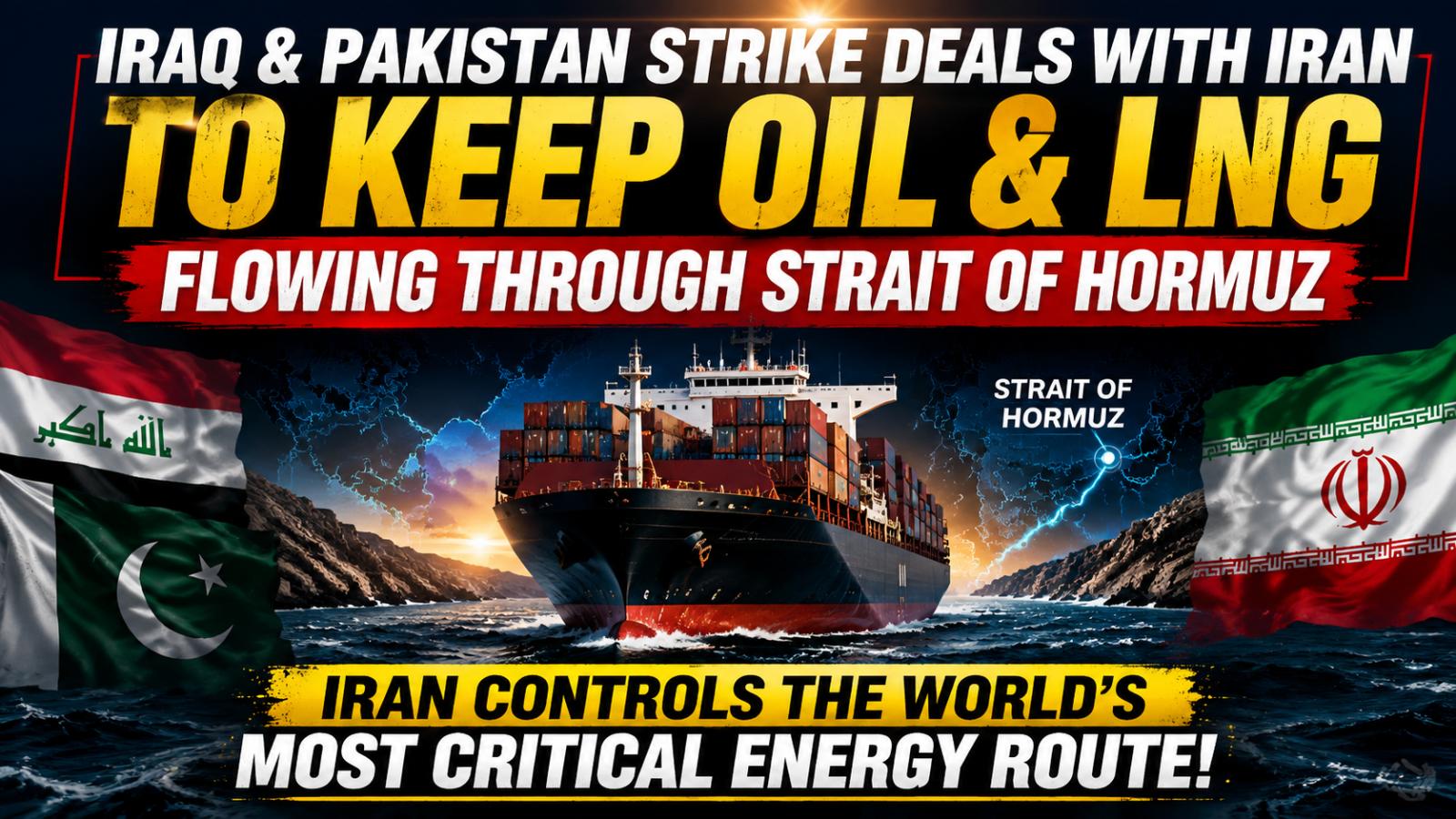
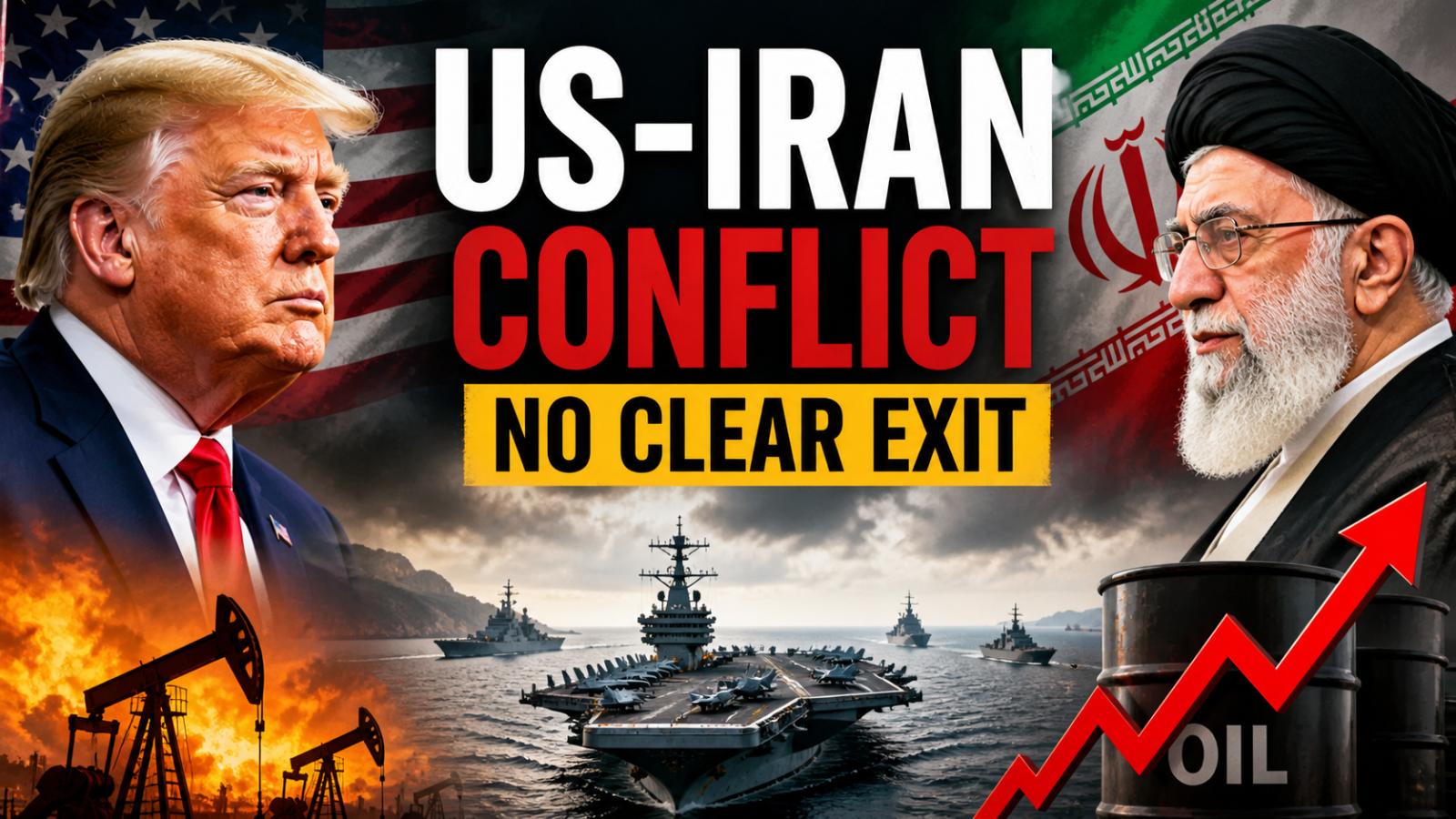
Iran Strait of Hormuz Oil Price Warning Sparks Global Concerns
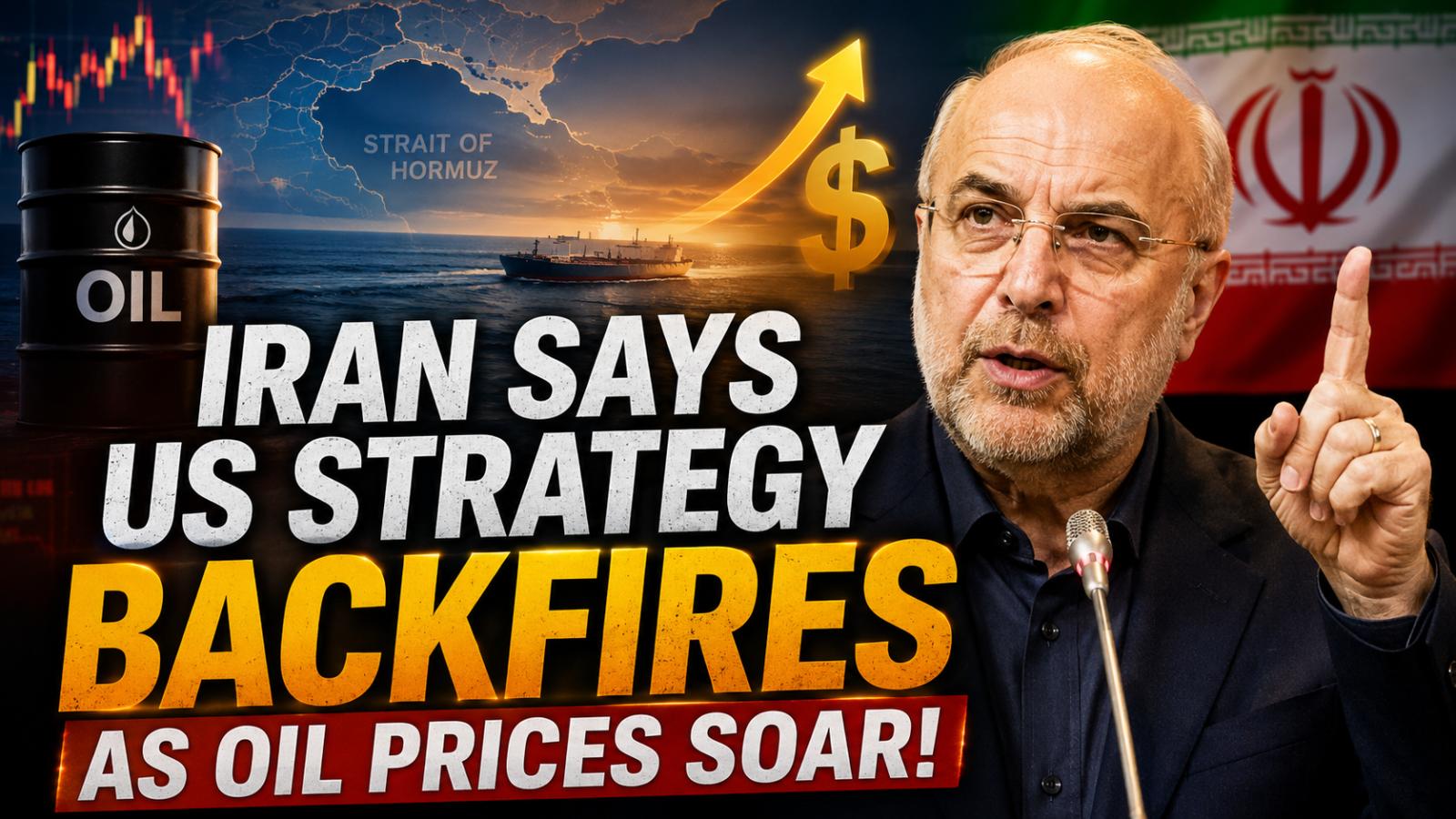
Iran Strait of Hormuz oil price warning has reignited global attention after Parliament Speaker Mohammad Bagher Ghalibaf argued that US pressure on Tehran has instead pushed oil prices higher. As Brent crude briefly crossed $100 a barrel, markets, governments and investors are closely watching developments around one of the world's most critical energy routes.
Iran Strait of Hormuz Oil Price Warning Sparks Global Concerns
Iran Strait of Hormuz oil price warning has reignited global attention after Parliament Speaker Mohammad Bagher Ghalibaf argued that US pressure on Tehran has instead pushed oil prices higher. As Brent crude briefly crossed $100 a barrel, markets, governments and investors are closely watching developments around one of the world's most critical energy routes.
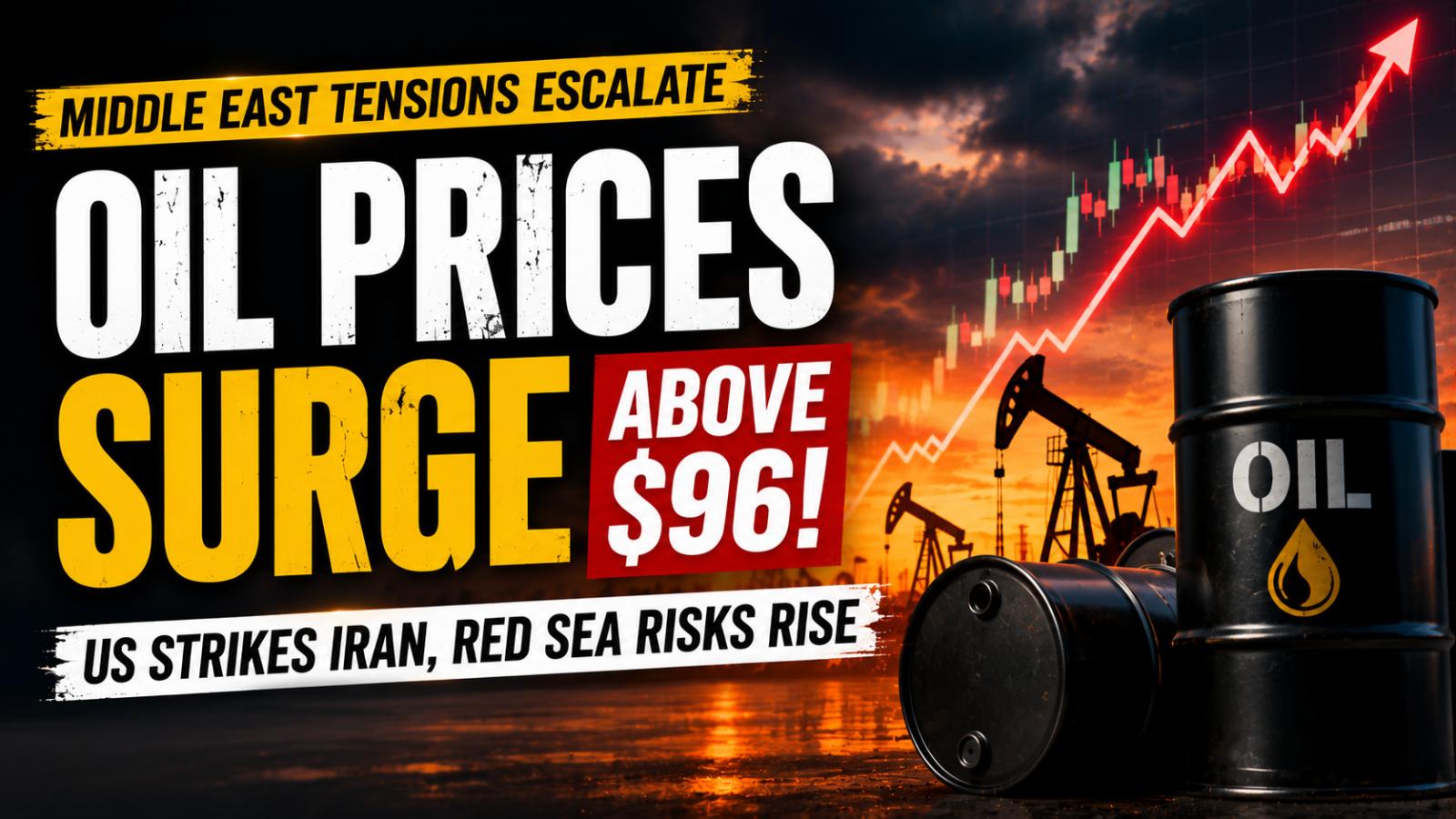
Oil Prices Rise as US Strikes Iran and Red Sea Tensions Grow
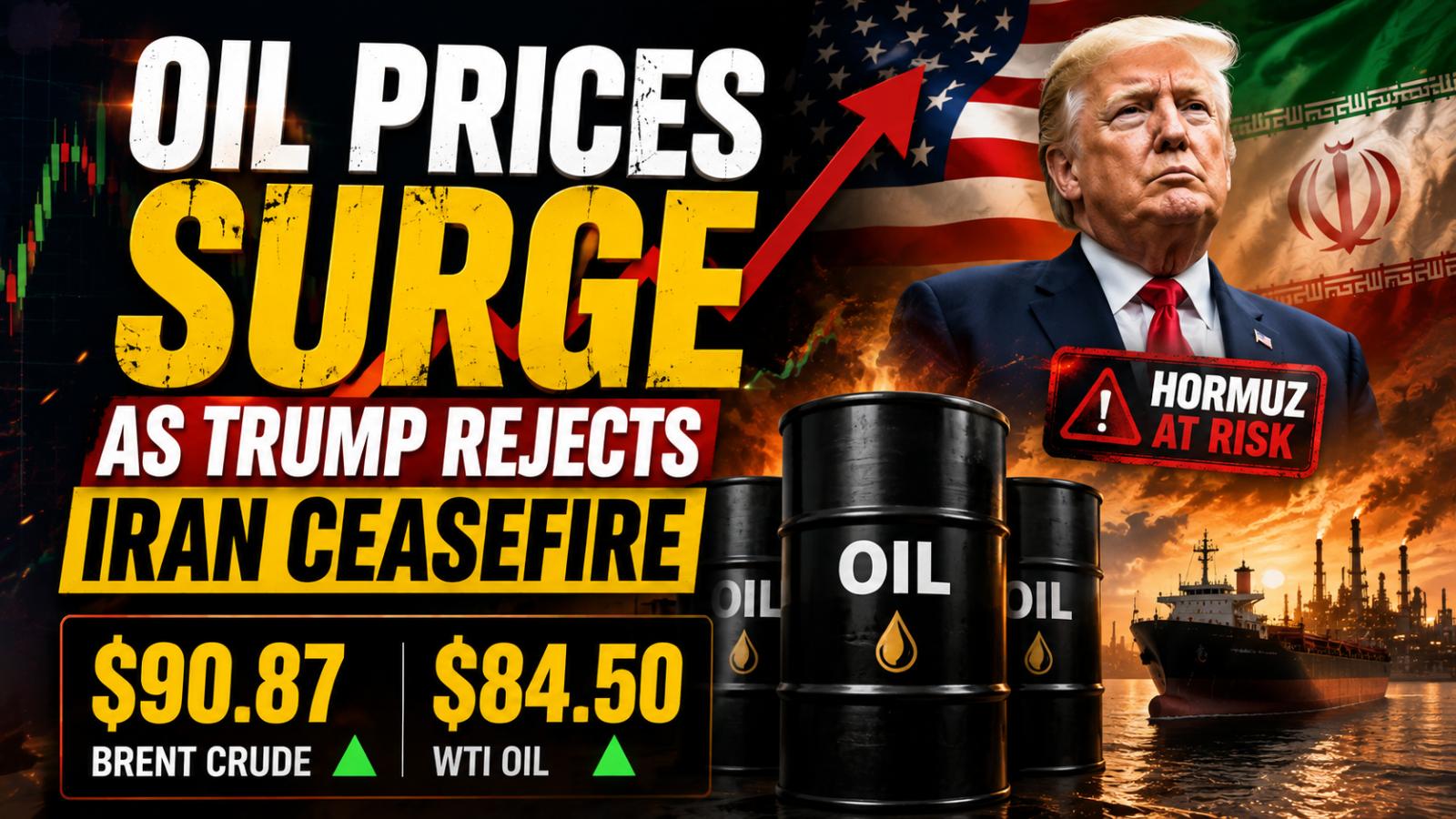
Oil prices rise as US strikes Iran and renewed attacks on Houthi targets heighten concerns over global energy supplies. Brent crude climbed above $96 a barrel while WTI gained sharply as traders reacted to escalating military tensions in the Middle East and potential risks to key shipping routes. Brent crude climbs above $96 Global oil prices extended their rally on Thursday, July 23, after ren
Oil Prices Rise as US Strikes Iran and Red Sea Tensions Grow
Oil prices rise as US strikes Iran and renewed attacks on Houthi targets heighten concerns over global energy supplies. Brent crude climbed above $96 a barrel while WTI gained sharply as traders reacted to escalating military tensions in the Middle East and potential risks to key shipping routes. Brent crude climbs above $96 Global oil prices extended their rally on Thursday, July 23, after ren
Andy Burnham becomes UK prime minister amid policy questions
Andy Burnham has formally become the United Kingdom’s new prime minister after King Charles III invited him to form a government. The former Greater Manchester mayor enters Downing Street as investors assess his economic plans, energy policy and proposals for public services. Burnham takes office after Starmer’s departure Burnham succeeds Keir Starmer, who resigned after two years in office following internal Labour pressure, declining public support and damaging local election results. Burnham became Labour leader without facing a rival after securing overwhelming support among the party’s members of Parliament. His appointment makes him Britain’s seventh prime minister since 2016, underlining a decade of political instability. After meeting the King at Buckingham Palace, Burnham was expected to enter Downing Street, begin appointing his Cabinet and outline his priorities in his first speech as prime minister. Burnham recently returned to Parliament after winning the Makerfield by-election. Before that, he served for nearly a decade as mayor of Greater Manchester and previously held Cabinet roles under Labour prime ministers Tony Blair and Gordon Brown. Burnham policy agenda faces early scrutiny Burnham has promised to address major structural problems, including social care, housing, regional inequality and the management of essential public services. He has argued that political power became too concentrated in Westminster while economic control shifted away from local communities. His emerging agenda includes stronger public involvement in energy, transport and water, as well as a major expansion of council housing. Reports suggest his government may also consider changes to inheritance tax and council tax, although the details have not yet been formally announced. Burnham has said economic growth will be essential to fund his plans. However, investors want clarity on whether large infrastructure and public-service programmes will require higher taxation, additional borrowing or greater issuance of UK government bonds. UK bond markets watch spending plans Financial markets previously showed concern that Burnham could pursue a more expansionary fiscal programme than Starmer. Those fears have eased, but gilt investors remain focused on whether the new government will continue Labour’s existing fiscal rules. The main uncertainty surrounds how Burnham would finance public ownership, housebuilding and social-care reforms. Higher borrowing could increase pressure on government bond yields and complicate efforts to control public debt. Markets are therefore likely to examine Burnham’s first Budget, spending review and Cabinet appointments for evidence of whether he will follow a cautious fiscal approach or move toward substantially higher public spending. North Sea oil policy draws Trump’s attention U.S. President Donald Trump has publicly praised reports that Burnham could accelerate oil and gas development in the North Sea. Trump described the region’s energy resources as valuable and argued that greater production could strengthen the British economy. However, Burnham is expected to maintain Labour’s ban on issuing new exploration licences. His government may instead support faster development of projects that already hold licences, including possible tieback drilling connected to existing fields. This distinction is important because it does not amount to opening the entire North Sea to unrestricted new exploration. New prime minister must provide policy clarity Burnham enters office with broad ambitions but limited detail on how his programme will be funded. His immediate challenge will be convincing voters that he can improve living standards while reassuring investors that public borrowing will remain under control. His first speech, Cabinet choices and upcoming fiscal announcements should provide a clearer picture of his approach. Until then, questions over taxation, nationalisation, housing investment, energy development and government spending will remain central to the UK’s political and economic debate.
Andy Burnham becomes UK prime minister amid policy questions
Andy Burnham has formally become the United Kingdom’s new prime minister after King Charles III invited him to form a government. The former Greater Manchester mayor enters Downing Street as investors assess his economic plans, energy policy and proposals for public services. Burnham takes office after Starmer’s departure Burnham succeeds Keir Starmer, who resigned after two years in office following internal Labour pressure, declining public support and damaging local election results. Burnham became Labour leader without facing a rival after securing overwhelming support among the party’s members of Parliament. His appointment makes him Britain’s seventh prime minister since 2016, underlining a decade of political instability. After meeting the King at Buckingham Palace, Burnham was expected to enter Downing Street, begin appointing his Cabinet and outline his priorities in his first speech as prime minister. Burnham recently returned to Parliament after winning the Makerfield by-election. Before that, he served for nearly a decade as mayor of Greater Manchester and previously held Cabinet roles under Labour prime ministers Tony Blair and Gordon Brown. Burnham policy agenda faces early scrutiny Burnham has promised to address major structural problems, including social care, housing, regional inequality and the management of essential public services. He has argued that political power became too concentrated in Westminster while economic control shifted away from local communities. His emerging agenda includes stronger public involvement in energy, transport and water, as well as a major expansion of council housing. Reports suggest his government may also consider changes to inheritance tax and council tax, although the details have not yet been formally announced. Burnham has said economic growth will be essential to fund his plans. However, investors want clarity on whether large infrastructure and public-service programmes will require higher taxation, additional borrowing or greater issuance of UK government bonds. UK bond markets watch spending plans Financial markets previously showed concern that Burnham could pursue a more expansionary fiscal programme than Starmer. Those fears have eased, but gilt investors remain focused on whether the new government will continue Labour’s existing fiscal rules. The main uncertainty surrounds how Burnham would finance public ownership, housebuilding and social-care reforms. Higher borrowing could increase pressure on government bond yields and complicate efforts to control public debt. Markets are therefore likely to examine Burnham’s first Budget, spending review and Cabinet appointments for evidence of whether he will follow a cautious fiscal approach or move toward substantially higher public spending. North Sea oil policy draws Trump’s attention U.S. President Donald Trump has publicly praised reports that Burnham could accelerate oil and gas development in the North Sea. Trump described the region’s energy resources as valuable and argued that greater production could strengthen the British economy. However, Burnham is expected to maintain Labour’s ban on issuing new exploration licences. His government may instead support faster development of projects that already hold licences, including possible tieback drilling connected to existing fields. This distinction is important because it does not amount to opening the entire North Sea to unrestricted new exploration. New prime minister must provide policy clarity Burnham enters office with broad ambitions but limited detail on how his programme will be funded. His immediate challenge will be convincing voters that he can improve living standards while reassuring investors that public borrowing will remain under control. His first speech, Cabinet choices and upcoming fiscal announcements should provide a clearer picture of his approach. Until then, questions over taxation, nationalisation, housing investment, energy development and government spending will remain central to the UK’s political and economic debate.
IRGC Claims Two Oil Tankers Exploded Near Strait of Hormuz
IRGC claims two oil tankers exploded near the Strait of Hormuz after entering what it described as a mined area. The allegations, which have not been independently verified, come as military tensions between the United States and Iran continue to raise concerns over global shipping and energy security. IRGC Claims Two Oil Tankers Exploded Near Strait of Hormuz
IRGC Claims Two Oil Tankers Exploded Near Strait of Hormuz
IRGC claims two oil tankers exploded near the Strait of Hormuz after entering what it described as a mined area. The allegations, which have not been independently verified, come as military tensions between the United States and Iran continue to raise concerns over global shipping and energy security. IRGC Claims Two Oil Tankers Exploded Near Strait of Hormuz
US-Iran Conflict Pushes Oil Prices Higher This Week
Oil prices jump as US-Iran conflict intensifies, raising fears of disruptions to global energy supplies through the Strait of Hormuz and the Red Sea. Brent crude and WTI posted strong weekly gains as traders priced in growing geopolitical risks while the International Energy Agency warned that prolonged instability could threaten energy security. Oil Prices J
US-Iran Conflict Pushes Oil Prices Higher This Week
Oil prices jump as US-Iran conflict intensifies, raising fears of disruptions to global energy supplies through the Strait of Hormuz and the Red Sea. Brent crude and WTI posted strong weekly gains as traders priced in growing geopolitical risks while the International Energy Agency warned that prolonged instability could threaten energy security. Oil Prices J
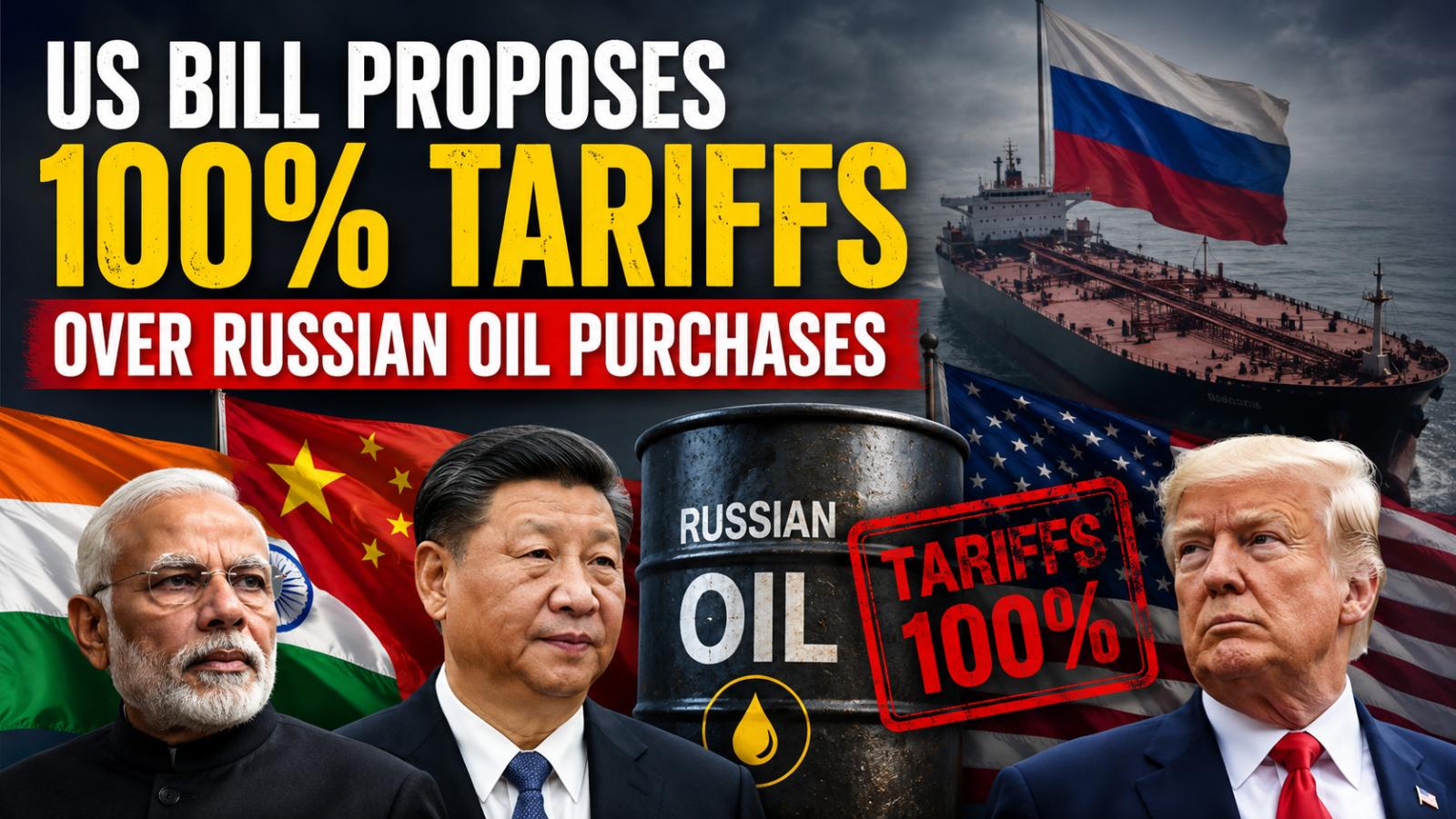
US Bill Proposes 100% Tariffs Over Russian Oil Purchases
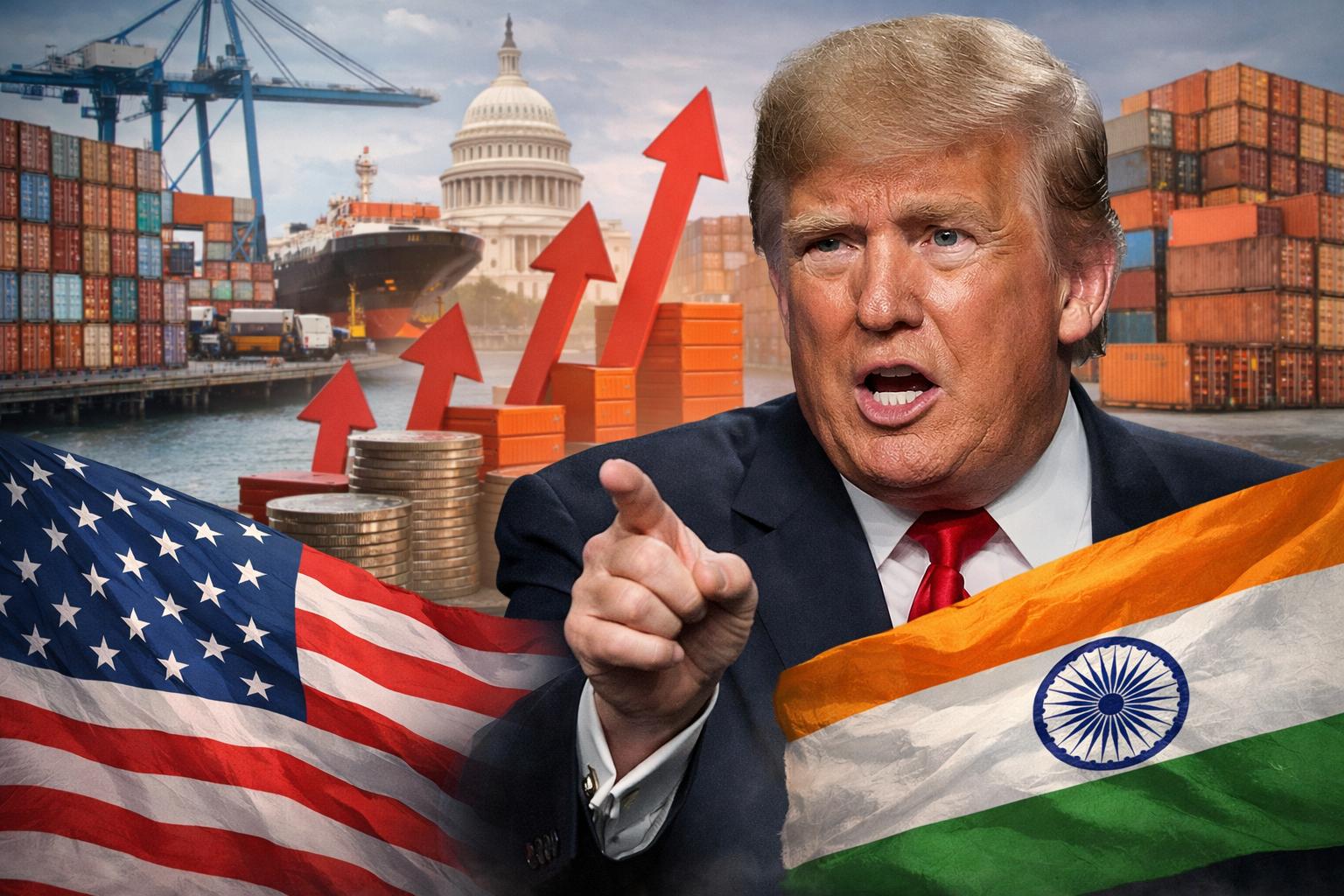
A bipartisan group of US senators has introduced a revised sanctions bill that could impose tariffs of up to 100% on goods from countries purchasing large amounts of Russian oil and gas. India and China are among the five countries specifically targeted, placing renewed pressure on their energy trade with Moscow while raising questions about the future of India-US commercial relations. India tariff threat under revised US bill
US Bill Proposes 100% Tariffs Over Russian Oil Purchases
A bipartisan group of US senators has introduced a revised sanctions bill that could impose tariffs of up to 100% on goods from countries purchasing large amounts of Russian oil and gas. India and China are among the five countries specifically targeted, placing renewed pressure on their energy trade with Moscow while raising questions about the future of India-US commercial relations. India tariff threat under revised US bill
India Russian Oil Tariff Risk Grows Under Revised US Bill
India faces renewed pressure over its Russian oil purchases after US President Donald Trump backed legislation designed to penalise countries that continue buying Russian energy. Although an earlier version proposed tariffs as high as 500%, the revised measure reportedly limits the maximum rate to 100%, making the original 500% figure outdated. US sanctions bill targets Russian energy buyers The legislation was
India Russian Oil Tariff Risk Grows Under Revised US Bill
India faces renewed pressure over its Russian oil purchases after US President Donald Trump backed legislation designed to penalise countries that continue buying Russian energy. Although an earlier version proposed tariffs as high as 500%, the revised measure reportedly limits the maximum rate to 100%, making the original 500% figure outdated. US sanctions bill targets Russian energy buyers The legislation was
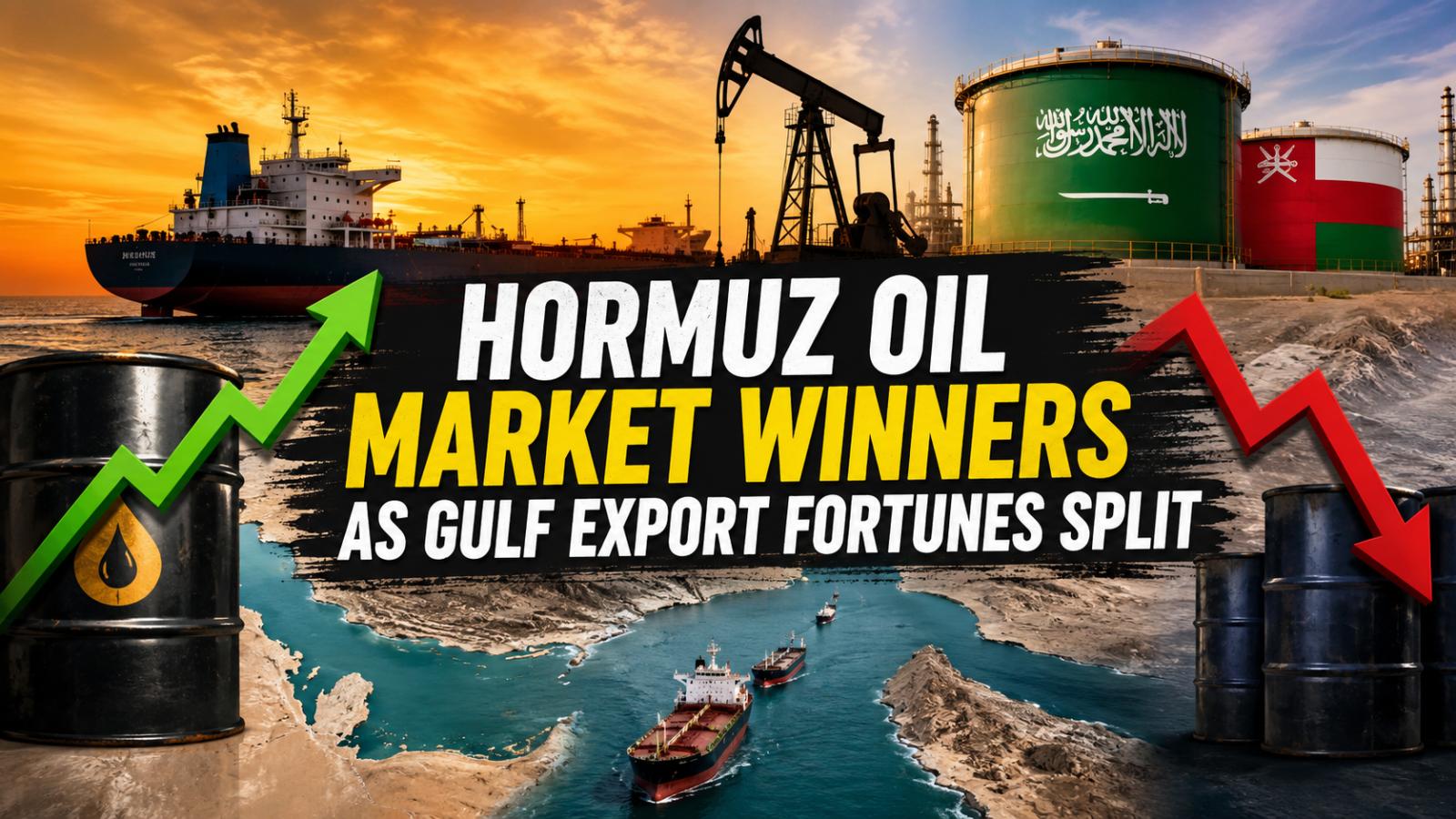
Hormuz Oil Market Winners as Gulf Export Fortunes Split
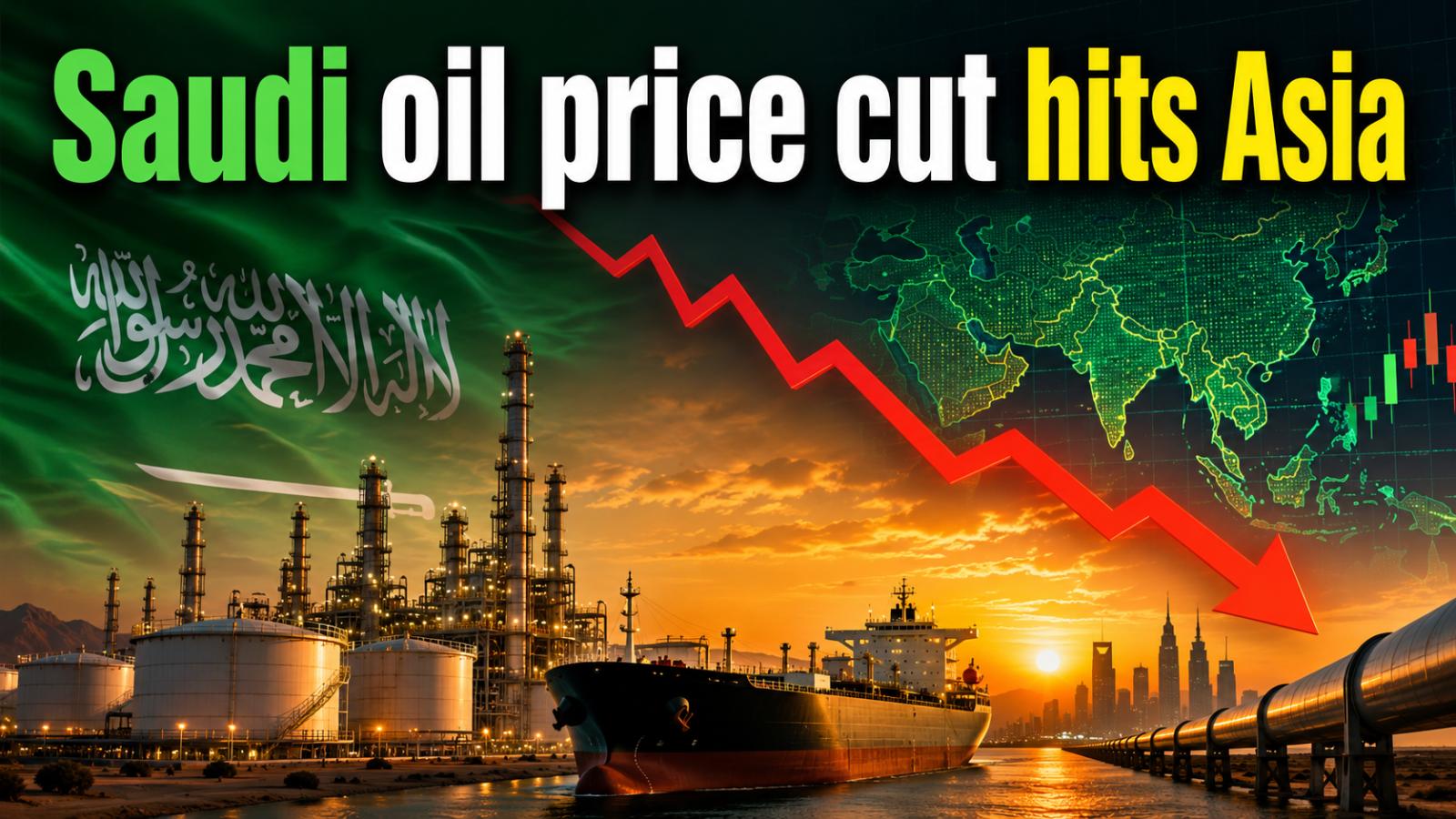
The disruption around the Strait of Hormuz has created sharply different outcomes across the global oil market. Saudi Arabia and Oman have benefited from higher prices and alternative export access, while Iraq, Kuwait and other Gulf producers remain constrained by geography. Refiners and non-Gulf exporters have also gained from changing crude and fuel prices. Saudi Route Creates an Export Advantage Saudi Arabia
Hormuz Oil Market Winners as Gulf Export Fortunes Split
The disruption around the Strait of Hormuz has created sharply different outcomes across the global oil market. Saudi Arabia and Oman have benefited from higher prices and alternative export access, while Iraq, Kuwait and other Gulf producers remain constrained by geography. Refiners and non-Gulf exporters have also gained from changing crude and fuel prices. Saudi Route Creates an Export Advantage Saudi Arabia
Trump-Backed Russia Bill Puts 100% Tariff Risk on India
Trump-Backed Russia Bill Puts 100% Tariff Risk on India India could face tariffs of up to 100% under a revised US sanctions bill aimed at countries that remain major buyers of Russian oil and gas. President Donald Trump has backed the legislation, which would give the White House broad authority to use trade penalties to reduce the energy revenue available to Moscow. The updated proposal is
Trump-Backed Russia Bill Puts 100% Tariff Risk on India
Trump-Backed Russia Bill Puts 100% Tariff Risk on India India could face tariffs of up to 100% under a revised US sanctions bill aimed at countries that remain major buyers of Russian oil and gas. President Donald Trump has backed the legislation, which would give the White House broad authority to use trade penalties to reduce the energy revenue available to Moscow. The updated proposal is
India Japan cooperation expands into AI and energy pact
India and Japan have moved to broaden their strategic cooperation with a new framework focused on technology, energy security and resilient supply chains. The latest engagement signals a shift from traditional diplomatic alignment toward deeper economic and innovation-driven collaboration aimed at long-term stability in the Indo-Pacific region. Focus shifts toward AI and digit
India Japan cooperation expands into AI and energy pact
India and Japan have moved to broaden their strategic cooperation with a new framework focused on technology, energy security and resilient supply chains. The latest engagement signals a shift from traditional diplomatic alignment toward deeper economic and innovation-driven collaboration aimed at long-term stability in the Indo-Pacific region. Focus shifts toward AI and digit
India Japan carbon credit deal boosts clean energy projects
India and Japan are using a joint framework to connect climate action with investment flows. Instead of treating emission cuts as isolated national efforts, both countries are aligning projects where funding, technology, and verified reductions move together. This approach is built to support long-term decarbonisation while still allowing industrial growth in emerging markets like India.
India Japan carbon credit deal boosts clean energy projects
India and Japan are using a joint framework to connect climate action with investment flows. Instead of treating emission cuts as isolated national efforts, both countries are aligning projects where funding, technology, and verified reductions move together. This approach is built to support long-term decarbonisation while still allowing industrial growth in emerging markets like India.
India Japan summit to review 10-year joint vision roadmap cooperation
India-Japan Summit to Review Long-Term Strategic Roadmap India is set to host Japanese Prime Minister Sanae Takaichi from July 1 to 3 for the 16th India-Japan Annual Summit, where both sides are expected to review progress under the Japan-India Joint Vision for the Next Decade. The framework, signed in Tokyo in August 2025, outlines a long-term roadmap aimed at streng
India Japan summit to review 10-year joint vision roadmap cooperation
India-Japan Summit to Review Long-Term Strategic Roadmap India is set to host Japanese Prime Minister Sanae Takaichi from July 1 to 3 for the 16th India-Japan Annual Summit, where both sides are expected to review progress under the Japan-India Joint Vision for the Next Decade. The framework, signed in Tokyo in August 2025, outlines a long-term roadmap aimed at streng
India’s Russian Crude Imports in June Could Reach Record High
India’s Russian crude imports in June could reach a monthly record as more tankers travel toward major refining ports, according to energy economist Anas Alhajji. Alhajji, chief economist at NGP Energy Capital Management, cited the unusually large number of vessels carrying Russian crude to India. He also shared a Kpler map showing tankers headed to ports across the country. India Russian Crude Imports in June: What the Data Shows The outlook
India’s Russian Crude Imports in June Could Reach Record High
India’s Russian crude imports in June could reach a monthly record as more tankers travel toward major refining ports, according to energy economist Anas Alhajji. Alhajji, chief economist at NGP Energy Capital Management, cited the unusually large number of vessels carrying Russian crude to India. He also shared a Kpler map showing tankers headed to ports across the country. India Russian Crude Imports in June: What the Data Shows The outlook
Russia Ukraine war losses rise amid drone escalation
The Russia–Ukraine conflict continues to evolve into a high-intensity war of attrition, with rising casualties reported among newly deployed troops and increasing strain on military systems. The nature of combat has shifted significantly, with rapid deployments and constant surveillance reducing operational margins for survival on key frontlines. Rapid deployment and shrink
Russia Ukraine war losses rise amid drone escalation
The Russia–Ukraine conflict continues to evolve into a high-intensity war of attrition, with rising casualties reported among newly deployed troops and increasing strain on military systems. The nature of combat has shifted significantly, with rapid deployments and constant surveillance reducing operational margins for survival on key frontlines. Rapid deployment and shrink
Iran frozen funds begin transfer via Qatar under deal talks
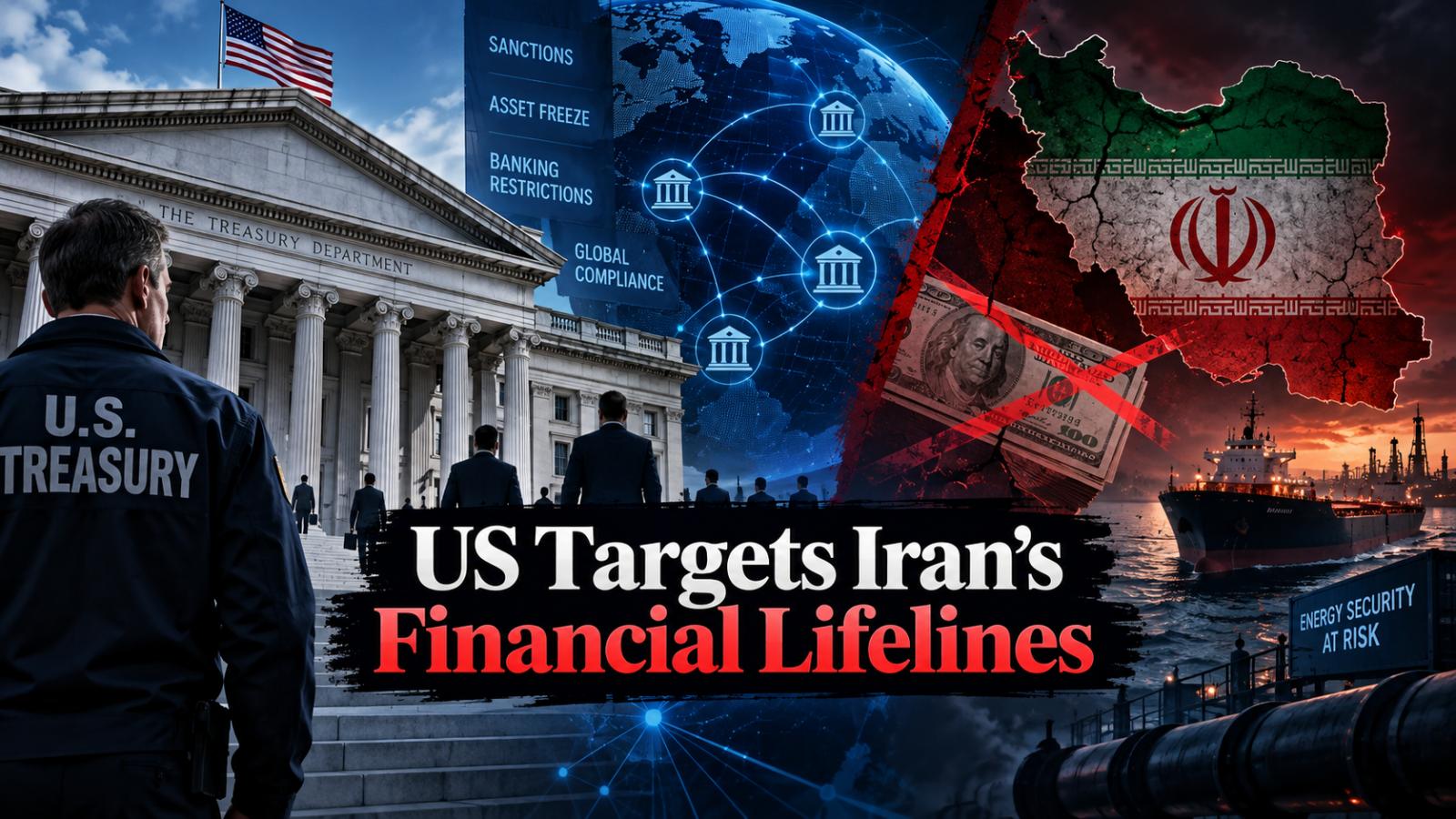
A phased release of long-restricted Iranian financial assets has begun under a monitored arrangement involving Qatar and the United States, marking a cautious shift in ongoing diplomatic engagement. Nearly $6 billion in previously inaccessible funds are being routed through controlled channels in Doha as part of a broader effort to ease financial pressure while maintaining oversight on compliance mechanisms. The development comes after months of indirect discussions aimed at stabilising tensions around energy exports, banking restrictions, and regional security concerns that have shaped Iran’s access to global markets. Structured financial transfer mechanism Officials familiar with the arrangement say the funds are not being released in a single transaction. Instead, they are being moved in stages through designated banking pathways in Qatar under strict monitoring conditions. The approach is designed to reduce systemic risk in international financial networks while allowing gradual access to blocked reserves. Qatar’s role as intermediary has been central due to its established diplomatic communication channels with both Tehran and Washington. The structure reflects an attempt to balance economic relief with regulatory safeguards, particularly in sectors linked to oil and petrochemical revenues that remain under sanctions pressure. Doha’s role in ongoing negotiations The latest financial movement is tied to continuing discussions in Doha, where technical teams are expected to refine implementation details of earlier understandings between involved parties. Qatari mediators have maintained active coordination to ensure communication remains open and to prevent breakdowns in the negotiation process. The talks are viewed as part of a wider diplomatic track that has periodically resurfaced amid regional tensions and shifting geopolitical priorities. While no final settlement has been confirmed, the current phase signals that both sides are still engaging through indirect channels rather than moving toward confrontation. Economic implications remain limited for now The partial release of funds may provide short-term liquidity support for Iran, but analysts caution that it does not represent a full resolution of broader economic constraints. Long-standing sanctions, limited access to global banking systems, and uncertainty in energy trade continue to shape the country’s financial outlook. Any meaningful improvement would depend on sustained diplomatic progress and longer-term policy alignment across negotiating parties. Outlook Qatar’s increasing role as a financial and diplomatic bridge highlights its growing influence in regional mediation efforts. However, the situation remains fluid, with outcomes dependent on how upcoming discussions in Doha evolve and whether trust between negotiating sides can be maintained through successive stages of implementation.
Iran frozen funds begin transfer via Qatar under deal talks
A phased release of long-restricted Iranian financial assets has begun under a monitored arrangement involving Qatar and the United States, marking a cautious shift in ongoing diplomatic engagement. Nearly $6 billion in previously inaccessible funds are being routed through controlled channels in Doha as part of a broader effort to ease financial pressure while maintaining oversight on compliance mechanisms. The development comes after months of indirect discussions aimed at stabilising tensions around energy exports, banking restrictions, and regional security concerns that have shaped Iran’s access to global markets. Structured financial transfer mechanism Officials familiar with the arrangement say the funds are not being released in a single transaction. Instead, they are being moved in stages through designated banking pathways in Qatar under strict monitoring conditions. The approach is designed to reduce systemic risk in international financial networks while allowing gradual access to blocked reserves. Qatar’s role as intermediary has been central due to its established diplomatic communication channels with both Tehran and Washington. The structure reflects an attempt to balance economic relief with regulatory safeguards, particularly in sectors linked to oil and petrochemical revenues that remain under sanctions pressure. Doha’s role in ongoing negotiations The latest financial movement is tied to continuing discussions in Doha, where technical teams are expected to refine implementation details of earlier understandings between involved parties. Qatari mediators have maintained active coordination to ensure communication remains open and to prevent breakdowns in the negotiation process. The talks are viewed as part of a wider diplomatic track that has periodically resurfaced amid regional tensions and shifting geopolitical priorities. While no final settlement has been confirmed, the current phase signals that both sides are still engaging through indirect channels rather than moving toward confrontation. Economic implications remain limited for now The partial release of funds may provide short-term liquidity support for Iran, but analysts caution that it does not represent a full resolution of broader economic constraints. Long-standing sanctions, limited access to global banking systems, and uncertainty in energy trade continue to shape the country’s financial outlook. Any meaningful improvement would depend on sustained diplomatic progress and longer-term policy alignment across negotiating parties. Outlook Qatar’s increasing role as a financial and diplomatic bridge highlights its growing influence in regional mediation efforts. However, the situation remains fluid, with outcomes dependent on how upcoming discussions in Doha evolve and whether trust between negotiating sides can be maintained through successive stages of implementation.
Iran proposal on shipping charges draws US criticism
A proposal linked to Iran suggesting charges on vessels passing through the Strait of Hormuz has triggered renewed international attention on one of the world’s most sensitive maritime corridors. The passage connects the Persian Gulf to open oceans and handles a major share of global crude oil shipments, making even minor policy changes capable of influencing energy markets. Proposed fee structure and stated objectives The idea under discussion involves introducing a structured fee system for ships using the route. The proposal frames the charges as payments for services such as navigation safety, maritime monitoring, and environmental management. Early estimates circulating in policy discussions suggest the mechanism could generate substantial annual revenue if implemented at scale. However, the concept also raises immediate legal and operational questions, particularly regarding jurisdiction over international waters and the practicality of enforcing such a system on heavily trafficked global shipping lanes. Regional outreach and diplomatic positioning Reports indicate that discussions around the proposal have included outreach to several regional and global stakeholders, including major energy-importing nations. The objective appears to be building support for a shared governance or cost-sharing model for maritime traffic management in the region. Some interpretations suggest the plan is part of a broader effort to increase regional leverage over strategic trade routes. Others view it as an attempt to formalize compensation mechanisms for security responsibilities in a highly militarized shipping corridor. International reaction and US opposition The proposal has drawn clear resistance from the United States, which maintains that key international waterways must remain free for unrestricted commercial passage. US officials argue that introducing toll-like systems could disrupt global supply chains and increase volatility in energy pricing. Concerns have also been raised by other maritime stakeholders who rely heavily on stable passage through the Strait of Hormuz for crude oil and liquefied natural gas transport. Any change in cost structure or transit policy is seen as having a direct impact on insurance premiums and shipping routes. Wider implications for global energy markets The debate comes at a time when global energy markets remain highly sensitive to geopolitical developments in the Gulf region. Even the perception of restricted access or added transit costs can influence oil price expectations and shipping risk assessments. Analysts note that the discussion highlights ongoing tensions between strategic control of critical chokepoints and the principle of open international navigation. The outcome of such proposals could shape future frameworks governing global energy transport corridors.
Iran proposal on shipping charges draws US criticism
A proposal linked to Iran suggesting charges on vessels passing through the Strait of Hormuz has triggered renewed international attention on one of the world’s most sensitive maritime corridors. The passage connects the Persian Gulf to open oceans and handles a major share of global crude oil shipments, making even minor policy changes capable of influencing energy markets. Proposed fee structure and stated objectives The idea under discussion involves introducing a structured fee system for ships using the route. The proposal frames the charges as payments for services such as navigation safety, maritime monitoring, and environmental management. Early estimates circulating in policy discussions suggest the mechanism could generate substantial annual revenue if implemented at scale. However, the concept also raises immediate legal and operational questions, particularly regarding jurisdiction over international waters and the practicality of enforcing such a system on heavily trafficked global shipping lanes. Regional outreach and diplomatic positioning Reports indicate that discussions around the proposal have included outreach to several regional and global stakeholders, including major energy-importing nations. The objective appears to be building support for a shared governance or cost-sharing model for maritime traffic management in the region. Some interpretations suggest the plan is part of a broader effort to increase regional leverage over strategic trade routes. Others view it as an attempt to formalize compensation mechanisms for security responsibilities in a highly militarized shipping corridor. International reaction and US opposition The proposal has drawn clear resistance from the United States, which maintains that key international waterways must remain free for unrestricted commercial passage. US officials argue that introducing toll-like systems could disrupt global supply chains and increase volatility in energy pricing. Concerns have also been raised by other maritime stakeholders who rely heavily on stable passage through the Strait of Hormuz for crude oil and liquefied natural gas transport. Any change in cost structure or transit policy is seen as having a direct impact on insurance premiums and shipping routes. Wider implications for global energy markets The debate comes at a time when global energy markets remain highly sensitive to geopolitical developments in the Gulf region. Even the perception of restricted access or added transit costs can influence oil price expectations and shipping risk assessments. Analysts note that the discussion highlights ongoing tensions between strategic control of critical chokepoints and the principle of open international navigation. The outcome of such proposals could shape future frameworks governing global energy transport corridors.
Trump criticizes Democrats amid Iran talks progress
US President Donald Trump intensified political debate around ongoing Iran negotiations while addressing broader security and trade concerns tied to global energy routes. Speaking alongside NATO Secretary General Mark Rutte, he presented the current stage of Iran discussions as advancing, while sharply criticizing domestic political opponents for their foreign policy stance. I


Trump criticizes Democrats amid Iran talks progress
US President Donald Trump intensified political debate around ongoing Iran negotiations while addressing broader security and trade concerns tied to global energy routes. Speaking alongside NATO Secretary General Mark Rutte, he presented the current stage of Iran discussions as advancing, while sharply criticizing domestic political opponents for their foreign policy stance. I
Europe heatwave intensifies as blocking system traps hot air
A strong and slow-moving atmospheric pattern is keeping large parts of Europe locked under unusually hot and dry conditions. The system is preventing cooler Atlantic air from entering the region, allowing heat to build up day after day. As a result, temperatures are climbing far above seasonal averages across Western and Central Europe, with multiple countries reporting prolonged heat stress rather than short heat spikes.
Europe heatwave intensifies as blocking system traps hot air
A strong and slow-moving atmospheric pattern is keeping large parts of Europe locked under unusually hot and dry conditions. The system is preventing cooler Atlantic air from entering the region, allowing heat to build up day after day. As a result, temperatures are climbing far above seasonal averages across Western and Central Europe, with multiple countries reporting prolonged heat stress rather than short heat spikes.
G7 leaders confront iran conflict and global energy shock
The G7 summit in France unfolded under the shadow of growing instability linked to tensions involving Iran and wider regional security concerns. While political disagreements remained in the background, the more immediate concern for leaders was the economic impact spreading across global energy markets. Rising uncertainty around shipping routes and oil supply quickly turned the discussions toward inflation, fuel pricing, and trade resilience.
G7 leaders confront iran conflict and global energy shock
The G7 summit in France unfolded under the shadow of growing instability linked to tensions involving Iran and wider regional security concerns. While political disagreements remained in the background, the more immediate concern for leaders was the economic impact spreading across global energy markets. Rising uncertainty around shipping routes and oil supply quickly turned the discussions toward inflation, fuel pricing, and trade resilience.
G7 summit backs Ukraine, supports US–Iran deal and global AI rules
G7 Summit Focuses on Global Security and Economic Stability The three-day G7 summit in Évian, France brought together world leaders to address key global challenges including the Ukraine war, the US–Iran agreement, artificial intelligence governance, migration pressures, and economic stability. The meeting took place amid ongoing geopolitical tensions, particularly in West Asia, where differing views amo
G7 summit backs Ukraine, supports US–Iran deal and global AI rules
G7 Summit Focuses on Global Security and Economic Stability The three-day G7 summit in Évian, France brought together world leaders to address key global challenges including the Ukraine war, the US–Iran agreement, artificial intelligence governance, migration pressures, and economic stability. The meeting took place amid ongoing geopolitical tensions, particularly in West Asia, where differing views amo