Qatar Air Defences Stop Missile Attack, Ministry Confirms
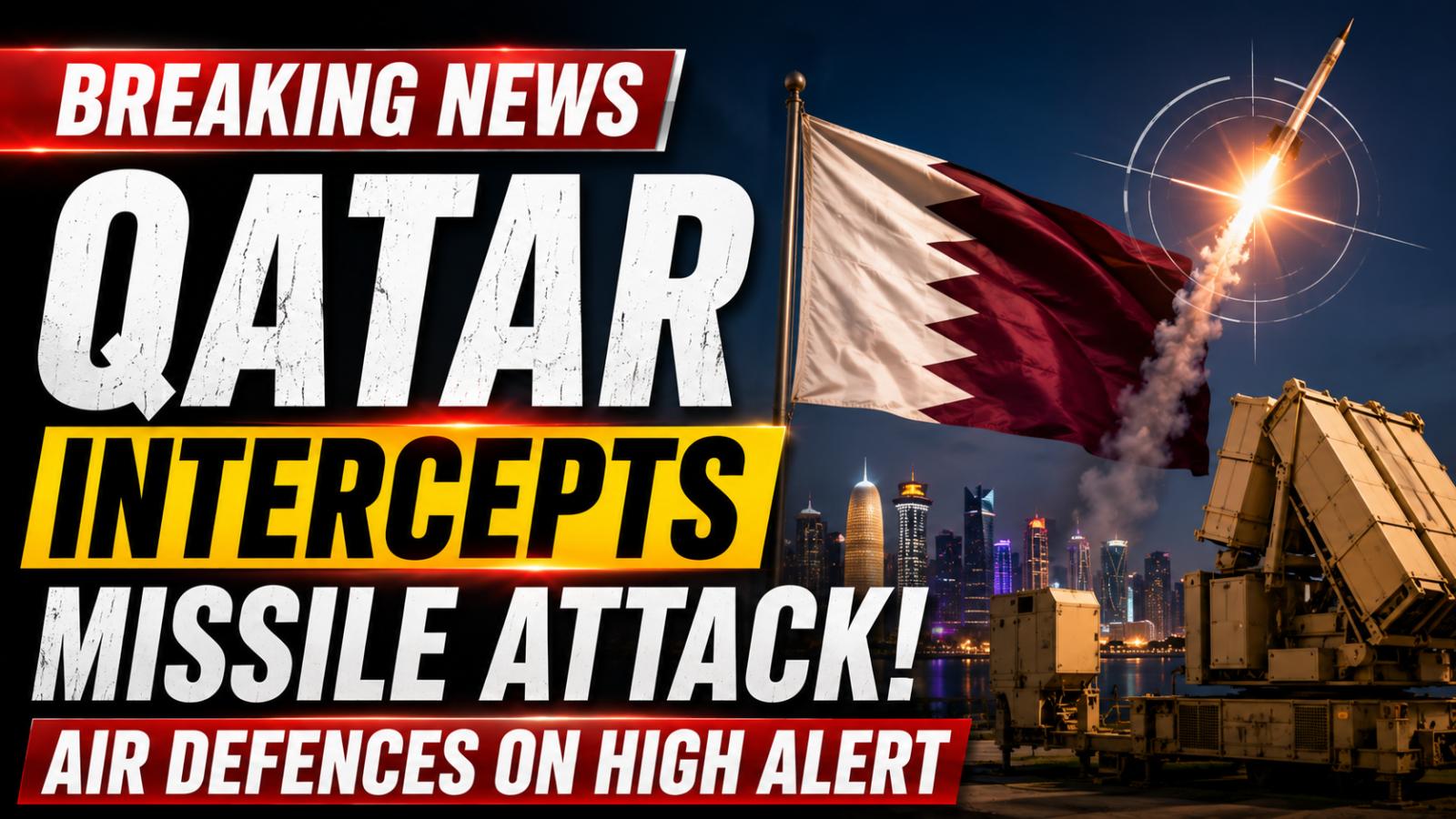
Qatar intercepts missile attack after the country's armed forces successfully stopped an incoming threat, according to the Ministry of Defence. The incident comes as military tensions continue to rise across the Gulf, keeping regional defence forces on heightened alert. Qatar Intercepts Missile Attack Qatar's Ministry of Defence announced
Qatar Air Defences Stop Missile Attack, Ministry Confirms
Qatar intercepts missile attack after the country's armed forces successfully stopped an incoming threat, according to the Ministry of Defence. The incident comes as military tensions continue to rise across the Gulf, keeping regional defence forces on heightened alert. Qatar Intercepts Missile Attack Qatar's Ministry of Defence announced
Iraqi Group Claims $10 Million Trump Bounty
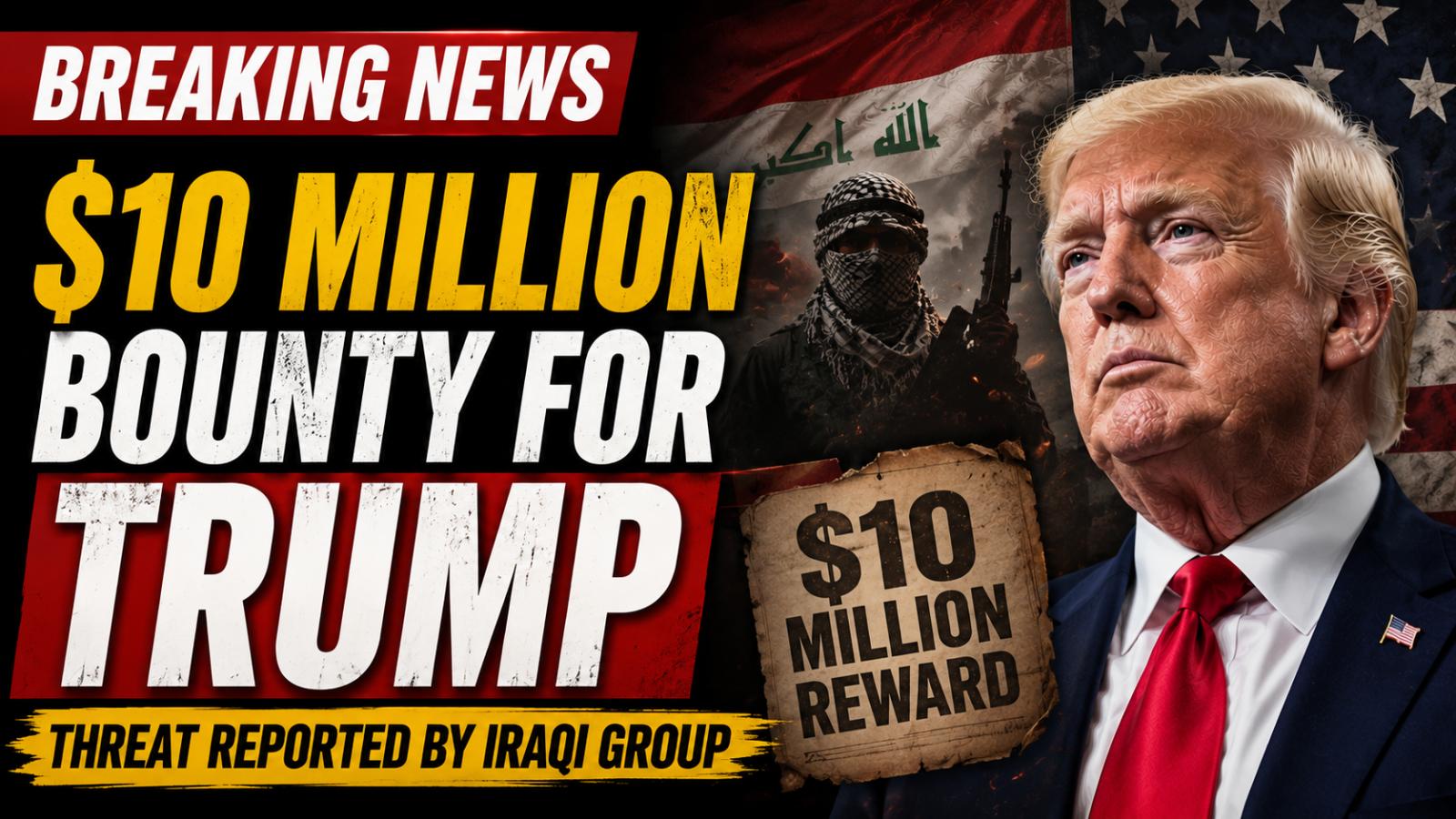
An Iraqi armed group has reportedly announced a $10 million bounty targeting US President Donald Trump, according to reports carried by Iran's IRNA and Russia's RT. The claim has not been independently verified, and US officials had not publicly responded at the time of publication. Iraqi Group Claims Trump Bounty An armed group identifying itself as the Islamic Resistance in
Iraqi Group Claims $10 Million Trump Bounty
An Iraqi armed group has reportedly announced a $10 million bounty targeting US President Donald Trump, according to reports carried by Iran's IRNA and Russia's RT. The claim has not been independently verified, and US officials had not publicly responded at the time of publication. Iraqi Group Claims Trump Bounty An armed group identifying itself as the Islamic Resistance in
Pakistan Security Forces Foil Suicide Attack in South Waziristan
Pakistan security forces foil suicide attack in South Waziristan after terrorists attempted to ram an explosives-laden vehicle into a military post in Wana. The incident underscores the continuing threat from TTP militants and ongoing counter-terrorism operations across Khyber Pakhtunkhwa and border regions. Pakistan Security Forces Foil Suicide Attack in South Waziristan Pakistan security forces successfully foiled a suicide attack after terrorists attempted to drive an explosives-laden vehicle into a military post in the Kari Kot area of Wana, Lower South Waziristan, on Thursday. According to official security officials quoted by Dawn, troops responded immediately, killing four terrorists before they could reach the target. No military personnel were injured during the attack, and security forces quickly secured the area before launching clearance operations. Authorities have placed the surrounding region under heightened security while teams continue searching for any remaining militants or explosive materials. Officials said the prompt response prevented what could have been a major attack on the military installation. Wana Attack Highlights Ongoing Terror Threat South Waziristan has remained one of Pakistan's most sensitive security regions since the former Federally Administered Tribal Areas (FATA) were merged into Khyber Pakhtunkhwa. Militant violence has continued despite repeated military campaigns aimed at restoring stability. The latest incident follows a similar attempted suicide attack near Azam Warsak Bazaar in May, where one civilian lost his life and fifteen others were injured after terrorists targeted another military post. In November 2025, security forces also stopped an assault on Cadet College Wana before attackers could reach students and staff, preventing what officials described as a potentially devastating incident. These repeated attacks demonstrate that militant groups continue to view South Waziristan as a strategic target despite sustained military pressure. Operation Shaban Intensifies Counter-Terror Efforts Pakistan's security agencies have expanded Operation Shaban across border districts of Khyber Pakhtunkhwa to eliminate militant networks operating near the Afghanistan border. The campaign involves coordinated operations by the Pakistan Army, Frontier Corps, police, and intelligence agencies. Officials say dozens of militants have been killed since early July, with some reports placing the combined death toll from recent operations close to one hundred. Security checkpoints have also been strengthened across vulnerable border routes to disrupt militant movement and prevent cross-border infiltration. According to the Pakistan Institute for Conflict and Security Studies, terrorist violence increased significantly during May, particularly in Khyber Pakhtunkhwa and Balochistan, reflecting the continuing security challenges facing the country. TTP Militants Remain the Primary Threat The Tehrik-i-Taliban Pakistan (TTP), officially referred to by the Pakistani government as Fitna al-Khawarij, remains the country's most active militant organization. The group intensified attacks following the Taliban's return to power in Afghanistan in 2021 and has expanded operations further during 2024 and 2025. Alongside TTP, splinter militant factions and the Islamic State Khorasan Province (ISKP) continue to operate across the rugged border region. Security analysts say these organizations exploit difficult terrain and cross-border movement to launch attacks against security forces and, in some cases, civilian targets. Pakistani authorities have reaffirmed that counter-terrorism operations will continue until militant networks are dismantled. Officials stated that intelligence-based operations, stronger border security, and coordination among military and law enforcement agencies remain central to efforts aimed at improving long-term stability in South Waziristan and neighboring districts. Information in this report is based on statements from Pakistani security officials and reporting by Dawn. Readers interested in related developments may also explore internal coverage on Global News, Terrorism & Security, Pakistan News, South Asia, and Border Security.
Pakistan Security Forces Foil Suicide Attack in South Waziristan
Pakistan security forces foil suicide attack in South Waziristan after terrorists attempted to ram an explosives-laden vehicle into a military post in Wana. The incident underscores the continuing threat from TTP militants and ongoing counter-terrorism operations across Khyber Pakhtunkhwa and border regions. Pakistan Security Forces Foil Suicide Attack in South Waziristan Pakistan security forces successfully foiled a suicide attack after terrorists attempted to drive an explosives-laden vehicle into a military post in the Kari Kot area of Wana, Lower South Waziristan, on Thursday. According to official security officials quoted by Dawn, troops responded immediately, killing four terrorists before they could reach the target. No military personnel were injured during the attack, and security forces quickly secured the area before launching clearance operations. Authorities have placed the surrounding region under heightened security while teams continue searching for any remaining militants or explosive materials. Officials said the prompt response prevented what could have been a major attack on the military installation. Wana Attack Highlights Ongoing Terror Threat South Waziristan has remained one of Pakistan's most sensitive security regions since the former Federally Administered Tribal Areas (FATA) were merged into Khyber Pakhtunkhwa. Militant violence has continued despite repeated military campaigns aimed at restoring stability. The latest incident follows a similar attempted suicide attack near Azam Warsak Bazaar in May, where one civilian lost his life and fifteen others were injured after terrorists targeted another military post. In November 2025, security forces also stopped an assault on Cadet College Wana before attackers could reach students and staff, preventing what officials described as a potentially devastating incident. These repeated attacks demonstrate that militant groups continue to view South Waziristan as a strategic target despite sustained military pressure. Operation Shaban Intensifies Counter-Terror Efforts Pakistan's security agencies have expanded Operation Shaban across border districts of Khyber Pakhtunkhwa to eliminate militant networks operating near the Afghanistan border. The campaign involves coordinated operations by the Pakistan Army, Frontier Corps, police, and intelligence agencies. Officials say dozens of militants have been killed since early July, with some reports placing the combined death toll from recent operations close to one hundred. Security checkpoints have also been strengthened across vulnerable border routes to disrupt militant movement and prevent cross-border infiltration. According to the Pakistan Institute for Conflict and Security Studies, terrorist violence increased significantly during May, particularly in Khyber Pakhtunkhwa and Balochistan, reflecting the continuing security challenges facing the country. TTP Militants Remain the Primary Threat The Tehrik-i-Taliban Pakistan (TTP), officially referred to by the Pakistani government as Fitna al-Khawarij, remains the country's most active militant organization. The group intensified attacks following the Taliban's return to power in Afghanistan in 2021 and has expanded operations further during 2024 and 2025. Alongside TTP, splinter militant factions and the Islamic State Khorasan Province (ISKP) continue to operate across the rugged border region. Security analysts say these organizations exploit difficult terrain and cross-border movement to launch attacks against security forces and, in some cases, civilian targets. Pakistani authorities have reaffirmed that counter-terrorism operations will continue until militant networks are dismantled. Officials stated that intelligence-based operations, stronger border security, and coordination among military and law enforcement agencies remain central to efforts aimed at improving long-term stability in South Waziristan and neighboring districts. Information in this report is based on statements from Pakistani security officials and reporting by Dawn. Readers interested in related developments may also explore internal coverage on Global News, Terrorism & Security, Pakistan News, South Asia, and Border Security.
Damascus bombings cell linked to Islamic State
Damascus bombings cell traced by investigators Syrian authorities say preliminary findings have linked the cell accused of carrying out the July 7 Damascus bombings to the Islamic State group. Officials said investigators identified the wider network after tracking one suspected member, while the Interior Ministry confirmed that the entire cell had been detained. The twin explosions occurred near Syria’s Mini
Damascus bombings cell linked to Islamic State
Damascus bombings cell traced by investigators Syrian authorities say preliminary findings have linked the cell accused of carrying out the July 7 Damascus bombings to the Islamic State group. Officials said investigators identified the wider network after tracking one suspected member, while the Interior Ministry confirmed that the entire cell had been detained. The twin explosions occurred near Syria’s Mini
Macron safe after Damascus blasts during Syria visit
French President Emmanuel Macron was reported safe after explosions were heard in central Damascus during his visit to Syria on Tuesday, July 7. The blasts took place as Macron was in the capital for talks with Syrian President Ahmad al-Sharaa, turning a high-profile diplomatic visit into a major security concern. The explosions were reported near the Four Seasons Damascus area, where Macron was said to be staying during the trip. Smoke wa
Macron safe after Damascus blasts during Syria visit
French President Emmanuel Macron was reported safe after explosions were heard in central Damascus during his visit to Syria on Tuesday, July 7. The blasts took place as Macron was in the capital for talks with Syrian President Ahmad al-Sharaa, turning a high-profile diplomatic visit into a major security concern. The explosions were reported near the Four Seasons Damascus area, where Macron was said to be staying during the trip. Smoke wa
Pakistan army vows action on Indus water share
Pakistan military raises Indus water issue Pakistan’s top military leadership has said it will take “all measures necessary” to secure the country’s water share under the Indus Waters Treaty, months after India placed the decades-old pact in abeyance following the April 22, 2025, Pahalgam terror attack. The statement was issued after the 276th Corps Commanders’ Conference in Rawalpindi, chaired by
Pakistan army vows action on Indus water share
Pakistan military raises Indus water issue Pakistan’s top military leadership has said it will take “all measures necessary” to secure the country’s water share under the Indus Waters Treaty, months after India placed the decades-old pact in abeyance following the April 22, 2025, Pahalgam terror attack. The statement was issued after the 276th Corps Commanders’ Conference in Rawalpindi, chaired by
NATO chief manages Trump tensions before Ankara summit
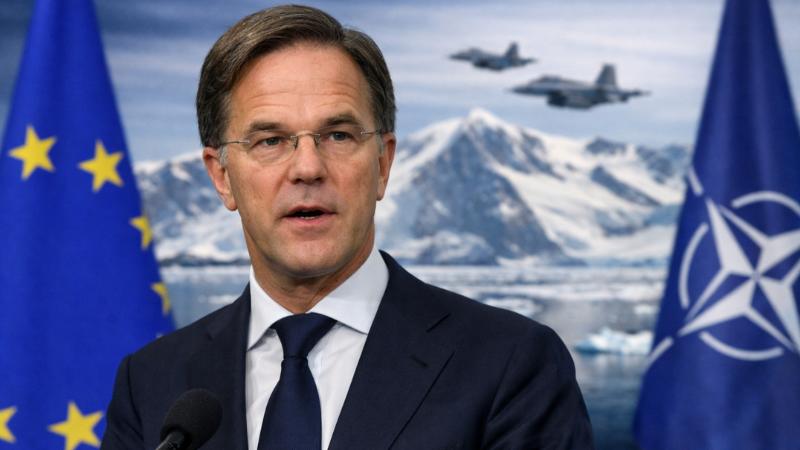
Rutte’s Trump strategy faces new NATO test NATO Secretary General Mark Rutte’s careful management of President Donald Trump is facing a fresh test ahead of the alliance’s Ankara summit, where defence spending, US commitment and European security are expected to dominate discussions. During a recent Washington visit, Rutte presented Trump with charts highlighting
NATO chief manages Trump tensions before Ankara summit
Rutte’s Trump strategy faces new NATO test NATO Secretary General Mark Rutte’s careful management of President Donald Trump is facing a fresh test ahead of the alliance’s Ankara summit, where defence spending, US commitment and European security are expected to dominate discussions. During a recent Washington visit, Rutte presented Trump with charts highlighting
PM Modi Melbourne Event Faces Probe Over Reported Online Threat
Australian authorities are investigating a reported online threat aimed at Indian Prime Minister Narendra Modi before a planned community event in Melbourne, according to media reports. The event, titled “Melbourne Meets Modi,” is scheduled for 3:30 p.m. AEST on Thursday, July 9, 2026, at Marvel Stadium, based on the event details provided. PM Modi Melbourne Event Under Security Review The reported threat appeared in a comment under a Faceb
PM Modi Melbourne Event Faces Probe Over Reported Online Threat
Australian authorities are investigating a reported online threat aimed at Indian Prime Minister Narendra Modi before a planned community event in Melbourne, according to media reports. The event, titled “Melbourne Meets Modi,” is scheduled for 3:30 p.m. AEST on Thursday, July 9, 2026, at Marvel Stadium, based on the event details provided. PM Modi Melbourne Event Under Security Review The reported threat appeared in a comment under a Faceb
JD Vance says Iran-US relations at critical turning point
Washington Signals Uncertain Phase in Iran Relations US Vice President JD Vance has suggested that the coming weeks could play a decisive role in shaping future relations between Washington and Tehran, while emphasizing that outcomes remain highly uncertain. Speaking on a media program, he described the current situation as a potentially significant turning point in l
JD Vance says Iran-US relations at critical turning point
Washington Signals Uncertain Phase in Iran Relations US Vice President JD Vance has suggested that the coming weeks could play a decisive role in shaping future relations between Washington and Tehran, while emphasizing that outcomes remain highly uncertain. Speaking on a media program, he described the current situation as a potentially significant turning point in l
Afghan Air Force conducts strikes inside Pakistan targeting ISIS bases
Cross-border military strikes reported The Afghan Air Force has carried out airstrikes inside Pakistan, targeting what it described as ISIS-linked centres allegedly used to plan and coordinate attacks against civilians in Afghanistan. According to the Taliban-run Defence Ministry and reports cited by Tolo News, the strikes were aimed at dismantling operational hubs connected to cross-border militant activity. T
Afghan Air Force conducts strikes inside Pakistan targeting ISIS bases
Cross-border military strikes reported The Afghan Air Force has carried out airstrikes inside Pakistan, targeting what it described as ISIS-linked centres allegedly used to plan and coordinate attacks against civilians in Afghanistan. According to the Taliban-run Defence Ministry and reports cited by Tolo News, the strikes were aimed at dismantling operational hubs connected to cross-border militant activity. T
India-US defence ties remain stable amid Indo-Pacific changes
India and the United States continue to maintain stable defence cooperation despite recent adjustments in how Washington refers to its Indo-Pacific military structure. US Ambassador Sergio Gor reiterated that operational collaboration between the two countries is unaffected by the change in terminology, stressing continuity over symbolism. Military engagement remains active According to Gor, defence interaction between both nations is not only ongoing but expanding. Joint exercises, training programs, and coordinated operational planning continue across multiple domains. He noted that India remains one of the most frequently engaged partners in US military exercises globally, reflecting long-term strategic alignment rather than short-term political messaging. Indo-Pacific command terminology shift The discussion gained attention after the US reverted from the “Indo-Pacific Command” branding to its earlier designation. While the naming change sparked speculation about shifting priorities, officials clarified that command responsibilities and regional engagement remain unchanged. The operational scope still spans a vast area covering key maritime and security corridors in Asia-Pacific. Interpretation and political reactions The naming adjustment has been interpreted in different ways across policy circles, with some viewing it as symbolic recalibration. However, US officials have consistently pushed back on that narrative, arguing that defence cooperation with India is driven by shared strategic interests rather than administrative labels. Leadership relations and diplomatic tone Gor also highlighted the working relationship between former US President Donald Trump and Indian Prime Minister Narendra Modi, describing it as direct and pragmatic. He pointed to informal diplomatic interactions as evidence of sustained trust and coordination between leadership levels, which continues to influence broader strategic engagement. Long-term partnership outlook Despite periodic debates over terminology and diplomatic optics, both nations continue to prioritize defence, technology collaboration, and regional security coordination. The emphasis remains on sustained engagement in the Indo-Pacific region, where shared concerns over maritime security and strategic balance continue to drive cooperation rather than divergence.

India-US defence ties remain stable amid Indo-Pacific changes
India and the United States continue to maintain stable defence cooperation despite recent adjustments in how Washington refers to its Indo-Pacific military structure. US Ambassador Sergio Gor reiterated that operational collaboration between the two countries is unaffected by the change in terminology, stressing continuity over symbolism. Military engagement remains active According to Gor, defence interaction between both nations is not only ongoing but expanding. Joint exercises, training programs, and coordinated operational planning continue across multiple domains. He noted that India remains one of the most frequently engaged partners in US military exercises globally, reflecting long-term strategic alignment rather than short-term political messaging. Indo-Pacific command terminology shift The discussion gained attention after the US reverted from the “Indo-Pacific Command” branding to its earlier designation. While the naming change sparked speculation about shifting priorities, officials clarified that command responsibilities and regional engagement remain unchanged. The operational scope still spans a vast area covering key maritime and security corridors in Asia-Pacific. Interpretation and political reactions The naming adjustment has been interpreted in different ways across policy circles, with some viewing it as symbolic recalibration. However, US officials have consistently pushed back on that narrative, arguing that defence cooperation with India is driven by shared strategic interests rather than administrative labels. Leadership relations and diplomatic tone Gor also highlighted the working relationship between former US President Donald Trump and Indian Prime Minister Narendra Modi, describing it as direct and pragmatic. He pointed to informal diplomatic interactions as evidence of sustained trust and coordination between leadership levels, which continues to influence broader strategic engagement. Long-term partnership outlook Despite periodic debates over terminology and diplomatic optics, both nations continue to prioritize defence, technology collaboration, and regional security coordination. The emphasis remains on sustained engagement in the Indo-Pacific region, where shared concerns over maritime security and strategic balance continue to drive cooperation rather than divergence.

Iran emphasizes nuclear deterrence to counter U.S. and Israel
Iran Highlights Nuclear Deterrence as Strategic Priority A commentary published by Iran’s semi-official Fars news agency has presented a position suggesting the country may need to pursue nuclear deterrence to protect itself from potential military threats. The unsigned article asserts that nuclear capabilities would ensure Iran can negotiate from a position of strength, reducing the likelihood of armed conflict and increasing leverage in future disputes.
Iran emphasizes nuclear deterrence to counter U.S. and Israel
Iran Highlights Nuclear Deterrence as Strategic Priority A commentary published by Iran’s semi-official Fars news agency has presented a position suggesting the country may need to pursue nuclear deterrence to protect itself from potential military threats. The unsigned article asserts that nuclear capabilities would ensure Iran can negotiate from a position of strength, reducing the likelihood of armed conflict and increasing leverage in future disputes.
Modi Seychelles Visit: Maritime Security and $175M Projects in Focus
The Modi Seychelles visit is expected to deepen maritime security, infrastructure, trade and tourism ties as Seychelles marks 50 years of independence and the two countries commemorate five decades of diplomatic relations. Seychelles Foreign Minister Barry Faure said the trip could lift the partnership to a “qualitatively higher level” as both sides advance plans discussed during President Patrick Herminie’s February visit to India. Modi Seychelles visit put
Modi Seychelles Visit: Maritime Security and $175M Projects in Focus
The Modi Seychelles visit is expected to deepen maritime security, infrastructure, trade and tourism ties as Seychelles marks 50 years of independence and the two countries commemorate five decades of diplomatic relations. Seychelles Foreign Minister Barry Faure said the trip could lift the partnership to a “qualitatively higher level” as both sides advance plans discussed during President Patrick Herminie’s February visit to India. Modi Seychelles visit put
Gaza peace plan divides leaders over disarmament terms
Fresh diplomatic discussions around a proposed Gaza peace framework have exposed deep divisions over how the territory should transition after conflict. The draft outlines a multi-step roadmap covering security arrangements, reconstruction and political governance, but key stakeholders remain split on the order in which these steps should take place. At the center of the disagreement is whether armed groups should be required to disarm before any political transition begins, or whether political recognition and state-building guarantees must come first to ensure balance in negotiations. Disarmament conditions trigger political tension One version of the proposal places disarmament as a prerequisite for rebuilding efforts and formal governance structures. Supporters of this approach argue that long-term stability cannot be achieved without removing weapons from non-state actors first. Opponents reject this sequencing, warning that it could leave Palestinian authorities without leverage in future talks. They argue that political rights and institutional recognition must be secured alongside any security commitments, not after them. This divide has become one of the most sensitive issues in the ongoing talks. Aid and reconstruction tied to compliance terms Another contested element involves humanitarian aid and reconstruction funding. Some draft interpretations suggest that international assistance could be linked to compliance with security benchmarks under the proposed roadmap. Critics say this risks turning basic recovery needs into conditional political tools, potentially slowing down urgently needed rebuilding efforts. Supporters argue that conditionality is necessary to prevent renewed escalation and ensure accountability during the transition phase. Governance model and external oversight concerns The proposed framework also includes the idea of an international oversight structure to stabilize post-conflict Gaza. While intended to support security coordination and administrative rebuilding, the concept has raised concerns about long-term external control. Questions remain unanswered over who would lead local governance, how authority would be transferred over time, and what limits would be placed on external involvement. These unresolved issues continue to slow consensus-building. Trust gap widens between negotiating sides Beyond policy disagreements, a broader trust deficit is shaping the talks. Each side interprets the roadmap differently, particularly on what constitutes compliance and political progress. This lack of shared definition has made it difficult to establish a clear sequence for implementation. Analysts note that without agreed enforcement mechanisms, even minor disputes could delay or derail the entire process. Fragile outlook for ceasefire implementation While discussions continue, the overall outlook remains uncertain. The success of any ceasefire arrangement depends on whether both sides can align on sequencing, accountability, and political guarantees. Without that alignment, observers warn that the proposed roadmap risks remaining a draft framework rather than becoming an actionable peace agreement.


Gaza peace plan divides leaders over disarmament terms
Fresh diplomatic discussions around a proposed Gaza peace framework have exposed deep divisions over how the territory should transition after conflict. The draft outlines a multi-step roadmap covering security arrangements, reconstruction and political governance, but key stakeholders remain split on the order in which these steps should take place. At the center of the disagreement is whether armed groups should be required to disarm before any political transition begins, or whether political recognition and state-building guarantees must come first to ensure balance in negotiations. Disarmament conditions trigger political tension One version of the proposal places disarmament as a prerequisite for rebuilding efforts and formal governance structures. Supporters of this approach argue that long-term stability cannot be achieved without removing weapons from non-state actors first. Opponents reject this sequencing, warning that it could leave Palestinian authorities without leverage in future talks. They argue that political rights and institutional recognition must be secured alongside any security commitments, not after them. This divide has become one of the most sensitive issues in the ongoing talks. Aid and reconstruction tied to compliance terms Another contested element involves humanitarian aid and reconstruction funding. Some draft interpretations suggest that international assistance could be linked to compliance with security benchmarks under the proposed roadmap. Critics say this risks turning basic recovery needs into conditional political tools, potentially slowing down urgently needed rebuilding efforts. Supporters argue that conditionality is necessary to prevent renewed escalation and ensure accountability during the transition phase. Governance model and external oversight concerns The proposed framework also includes the idea of an international oversight structure to stabilize post-conflict Gaza. While intended to support security coordination and administrative rebuilding, the concept has raised concerns about long-term external control. Questions remain unanswered over who would lead local governance, how authority would be transferred over time, and what limits would be placed on external involvement. These unresolved issues continue to slow consensus-building. Trust gap widens between negotiating sides Beyond policy disagreements, a broader trust deficit is shaping the talks. Each side interprets the roadmap differently, particularly on what constitutes compliance and political progress. This lack of shared definition has made it difficult to establish a clear sequence for implementation. Analysts note that without agreed enforcement mechanisms, even minor disputes could delay or derail the entire process. Fragile outlook for ceasefire implementation While discussions continue, the overall outlook remains uncertain. The success of any ceasefire arrangement depends on whether both sides can align on sequencing, accountability, and political guarantees. Without that alignment, observers warn that the proposed roadmap risks remaining a draft framework rather than becoming an actionable peace agreement.

Israel shifts defence strategy amid US political strain
Tensions between Israel and the United States over regional security priorities have added pressure on Prime Minister Benjamin Netanyahu’s government to accelerate its push for greater military independence. The discussion has gained momentum as Israel continues operations linked to Iran-backed groups while simultaneously responding to diplomatic developments involving Washington and Tehran. Netanyahu recently emphasized that Israel cannot depend entirely on external military supply chains for long-term security needs. His remarks were delivered during a meeting with reserve officers in the West Bank, where he highlighted the importance of strengthening domestic defence production and reducing strategic vulnerabilities linked to foreign policy shifts. Domestic defence capacity becomes a strategic priority Israeli leadership is increasingly focused on expanding its local defence manufacturing ecosystem. The plan includes scaling up production of advanced weapon systems, improving technological innovation within the military sector, and reducing delays caused by international procurement dependencies. Officials argue that while US military support remains critical, future conflict scenarios require Israel to maintain uninterrupted access to essential defence capabilities without external constraints. This shift reflects broader concerns about regional instability and the speed at which security threats evolve. Diplomatic friction over regional agreements Recent US-led diplomatic efforts involving Iran have added another layer of complexity to the relationship. Israeli policymakers have expressed concern that regional understandings may not fully address threats posed by groups such as Hezbollah, which continue to operate along Israel’s northern border. From Israel’s perspective, security decisions tied to immediate threats cannot be constrained by broader international agreements. This difference in approach has created periodic friction between Washington and Jerusalem, even as both sides publicly reaffirm their strategic partnership. Political messaging highlights diverging priorities Netanyahu’s statements also reflect internal political messaging aimed at reinforcing a doctrine of strategic independence. While maintaining that the US remains Israel’s most important ally, he has repeatedly stressed that national security decisions must ultimately remain under Israeli control. The debate has also been reflected in wider political discourse, including commentary associated with US political figures and shifting positions on Middle East engagement. Although both governments continue coordination on defence matters, differences in threat assessment and timing of responses remain evident. Strategic autonomy framed as long-term necessity Israeli officials describe the current shift not as a break from alliances but as a recalibration of priorities. The focus is on ensuring that Israel can respond rapidly to evolving threats in a region marked by proxy conflicts, cross-border tensions, and shifting diplomatic alignments. The emerging strategy positions defence self-reliance as a structural requirement rather than a temporary policy adjustment, signaling a longer-term transformation in how Israel plans its security framework.
Israel shifts defence strategy amid US political strain
Tensions between Israel and the United States over regional security priorities have added pressure on Prime Minister Benjamin Netanyahu’s government to accelerate its push for greater military independence. The discussion has gained momentum as Israel continues operations linked to Iran-backed groups while simultaneously responding to diplomatic developments involving Washington and Tehran. Netanyahu recently emphasized that Israel cannot depend entirely on external military supply chains for long-term security needs. His remarks were delivered during a meeting with reserve officers in the West Bank, where he highlighted the importance of strengthening domestic defence production and reducing strategic vulnerabilities linked to foreign policy shifts. Domestic defence capacity becomes a strategic priority Israeli leadership is increasingly focused on expanding its local defence manufacturing ecosystem. The plan includes scaling up production of advanced weapon systems, improving technological innovation within the military sector, and reducing delays caused by international procurement dependencies. Officials argue that while US military support remains critical, future conflict scenarios require Israel to maintain uninterrupted access to essential defence capabilities without external constraints. This shift reflects broader concerns about regional instability and the speed at which security threats evolve. Diplomatic friction over regional agreements Recent US-led diplomatic efforts involving Iran have added another layer of complexity to the relationship. Israeli policymakers have expressed concern that regional understandings may not fully address threats posed by groups such as Hezbollah, which continue to operate along Israel’s northern border. From Israel’s perspective, security decisions tied to immediate threats cannot be constrained by broader international agreements. This difference in approach has created periodic friction between Washington and Jerusalem, even as both sides publicly reaffirm their strategic partnership. Political messaging highlights diverging priorities Netanyahu’s statements also reflect internal political messaging aimed at reinforcing a doctrine of strategic independence. While maintaining that the US remains Israel’s most important ally, he has repeatedly stressed that national security decisions must ultimately remain under Israeli control. The debate has also been reflected in wider political discourse, including commentary associated with US political figures and shifting positions on Middle East engagement. Although both governments continue coordination on defence matters, differences in threat assessment and timing of responses remain evident. Strategic autonomy framed as long-term necessity Israeli officials describe the current shift not as a break from alliances but as a recalibration of priorities. The focus is on ensuring that Israel can respond rapidly to evolving threats in a region marked by proxy conflicts, cross-border tensions, and shifting diplomatic alignments. The emerging strategy positions defence self-reliance as a structural requirement rather than a temporary policy adjustment, signaling a longer-term transformation in how Israel plans its security framework.
Netanyahu rejects claims Trump controls Israel decisions
Netanyahu rejects influence claims Israeli Prime Minister Benjamin Netanyahu has rejected claims that US President Donald Trump controls his decisions or that he directs Trump’s actions, saying both leaders act independently in the interests of their own countries. Speaking at the JNS Summit in Jerusalem on Sunday, June 21, Netanyahu addressed speculation over whether the two leaders influence each other’s positions on the Iran war and br
Netanyahu rejects claims Trump controls Israel decisions
Netanyahu rejects influence claims Israeli Prime Minister Benjamin Netanyahu has rejected claims that US President Donald Trump controls his decisions or that he directs Trump’s actions, saying both leaders act independently in the interests of their own countries. Speaking at the JNS Summit in Jerusalem on Sunday, June 21, Netanyahu addressed speculation over whether the two leaders influence each other’s positions on the Iran war and br
US Troop Review in Europe Shapes NATO Ukraine Air Defense Talks
BRUSSELS — A US troop review in Europe is reshaping NATO discussions over Ukraine’s air defenses and the alliance’s long-term security responsibilities. Defense ministers meeting in Brussels on Thursday, June 18, 2026, considered additional weapons, missile interceptors and air-defense support for Ukraine as Washington began reassessing the scale and structure of American military deployments across Europe. US Troop Review in Europe Puts Pressure on NATO All
US Troop Review in Europe Shapes NATO Ukraine Air Defense Talks
BRUSSELS — A US troop review in Europe is reshaping NATO discussions over Ukraine’s air defenses and the alliance’s long-term security responsibilities. Defense ministers meeting in Brussels on Thursday, June 18, 2026, considered additional weapons, missile interceptors and air-defense support for Ukraine as Washington began reassessing the scale and structure of American military deployments across Europe. US Troop Review in Europe Puts Pressure on NATO All
Taiwan presses US for $14bn arms approval amid China tensions
Taiwan has renewed its push for approval of a proposed $14 billion defense package from the United States, arguing that its security environment has become increasingly unstable. The request comes at a time when military activity and political messaging across the Taiwan Strait have intensified, placing additional pressure on Washington’s strategic decision-making. US officials are currently evaluating the proposal through standard defense export channels, weighing supply constrai
Taiwan presses US for $14bn arms approval amid China tensions
Taiwan has renewed its push for approval of a proposed $14 billion defense package from the United States, arguing that its security environment has become increasingly unstable. The request comes at a time when military activity and political messaging across the Taiwan Strait have intensified, placing additional pressure on Washington’s strategic decision-making. US officials are currently evaluating the proposal through standard defense export channels, weighing supply constrai
US pushes NATO 3.0 shift toward stronger defence model
The debate around NATO’s future direction has intensified after renewed US pressure on allies to strengthen their military commitments. The discussion, often referred to as a “NATO 3.0” shift, centers on moving the alliance toward a more force-driven structure focused on deterrence and rapid response rather than political coordination alone. The push reflects growing concerns in Washington over uneven defence contributions across member states.
US pushes NATO 3.0 shift toward stronger defence model
The debate around NATO’s future direction has intensified after renewed US pressure on allies to strengthen their military commitments. The discussion, often referred to as a “NATO 3.0” shift, centers on moving the alliance toward a more force-driven structure focused on deterrence and rapid response rather than political coordination alone. The push reflects growing concerns in Washington over uneven defence contributions across member states.
Trump says US and Iran could sign agreement within 48 hours amid G7 talks
Trump Signals Imminent US–Iran Agreement US President Donald Trump has stated that Washington and Tehran could finalize and sign an agreement within the next 48 hours, signaling that negotiations aimed at ending nearly four months of conflict are approaching a critical conclusion. Speaking to reporters in Paris during the G7 summit in France, Trump said the deal could be signed “tomorrow, maybe the next
Trump says US and Iran could sign agreement within 48 hours amid G7 talks
Trump Signals Imminent US–Iran Agreement US President Donald Trump has stated that Washington and Tehran could finalize and sign an agreement within the next 48 hours, signaling that negotiations aimed at ending nearly four months of conflict are approaching a critical conclusion. Speaking to reporters in Paris during the G7 summit in France, Trump said the deal could be signed “tomorrow, maybe the next