India-US defence ties remain stable amid Indo-Pacific changes
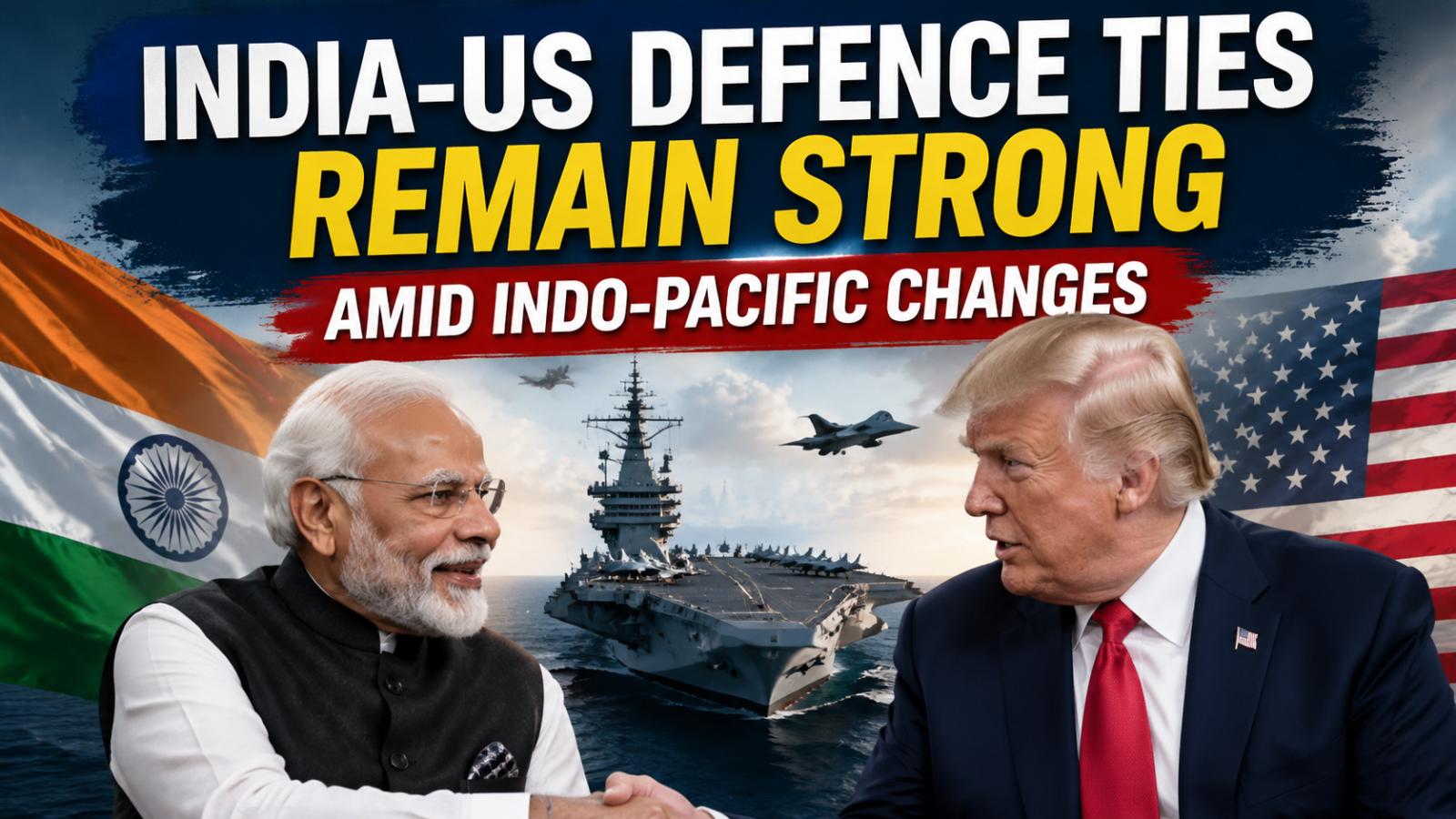
India and the United States continue to maintain stable defence cooperation despite recent adjustments in how Washington refers to its Indo-Pacific military structure. US Ambassador Sergio Gor reiterated that operational collaboration between the two countries is unaffected by the change in terminology, stressing continuity over symbolism. Military engagement remains active According to Gor, defence interaction between both nations is not only ongoing but expanding. Joint exercises, training programs, and coordinated operational planning continue across multiple domains. He noted that India remains one of the most frequently engaged partners in US military exercises globally, reflecting long-term strategic alignment rather than short-term political messaging. Indo-Pacific command terminology shift The discussion gained attention after the US reverted from the “Indo-Pacific Command” branding to its earlier designation. While the naming change sparked speculation about shifting priorities, officials clarified that command responsibilities and regional engagement remain unchanged. The operational scope still spans a vast area covering key maritime and security corridors in Asia-Pacific. Interpretation and political reactions The naming adjustment has been interpreted in different ways across policy circles, with some viewing it as symbolic recalibration. However, US officials have consistently pushed back on that narrative, arguing that defence cooperation with India is driven by shared strategic interests rather than administrative labels. Leadership relations and diplomatic tone Gor also highlighted the working relationship between former US President Donald Trump and Indian Prime Minister Narendra Modi, describing it as direct and pragmatic. He pointed to informal diplomatic interactions as evidence of sustained trust and coordination between leadership levels, which continues to influence broader strategic engagement. Long-term partnership outlook Despite periodic debates over terminology and diplomatic optics, both nations continue to prioritize defence, technology collaboration, and regional security coordination. The emphasis remains on sustained engagement in the Indo-Pacific region, where shared concerns over maritime security and strategic balance continue to drive cooperation rather than divergence.
India-US defence ties remain stable amid Indo-Pacific changes
India and the United States continue to maintain stable defence cooperation despite recent adjustments in how Washington refers to its Indo-Pacific military structure. US Ambassador Sergio Gor reiterated that operational collaboration between the two countries is unaffected by the change in terminology, stressing continuity over symbolism. Military engagement remains active According to Gor, defence interaction between both nations is not only ongoing but expanding. Joint exercises, training programs, and coordinated operational planning continue across multiple domains. He noted that India remains one of the most frequently engaged partners in US military exercises globally, reflecting long-term strategic alignment rather than short-term political messaging. Indo-Pacific command terminology shift The discussion gained attention after the US reverted from the “Indo-Pacific Command” branding to its earlier designation. While the naming change sparked speculation about shifting priorities, officials clarified that command responsibilities and regional engagement remain unchanged. The operational scope still spans a vast area covering key maritime and security corridors in Asia-Pacific. Interpretation and political reactions The naming adjustment has been interpreted in different ways across policy circles, with some viewing it as symbolic recalibration. However, US officials have consistently pushed back on that narrative, arguing that defence cooperation with India is driven by shared strategic interests rather than administrative labels. Leadership relations and diplomatic tone Gor also highlighted the working relationship between former US President Donald Trump and Indian Prime Minister Narendra Modi, describing it as direct and pragmatic. He pointed to informal diplomatic interactions as evidence of sustained trust and coordination between leadership levels, which continues to influence broader strategic engagement. Long-term partnership outlook Despite periodic debates over terminology and diplomatic optics, both nations continue to prioritize defence, technology collaboration, and regional security coordination. The emphasis remains on sustained engagement in the Indo-Pacific region, where shared concerns over maritime security and strategic balance continue to drive cooperation rather than divergence.
Japan PM visit pushes India Japan tech and defence cooperation
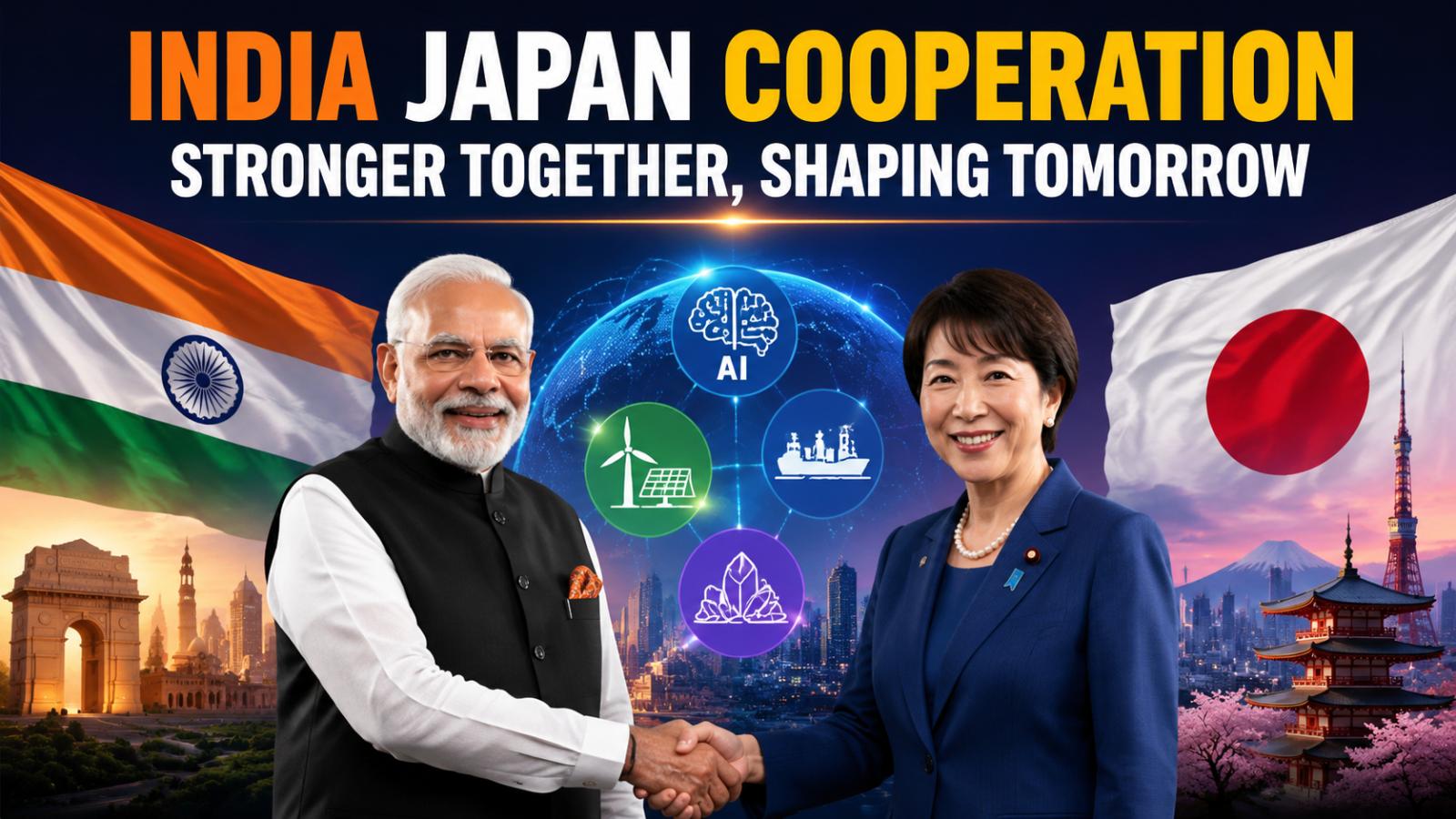
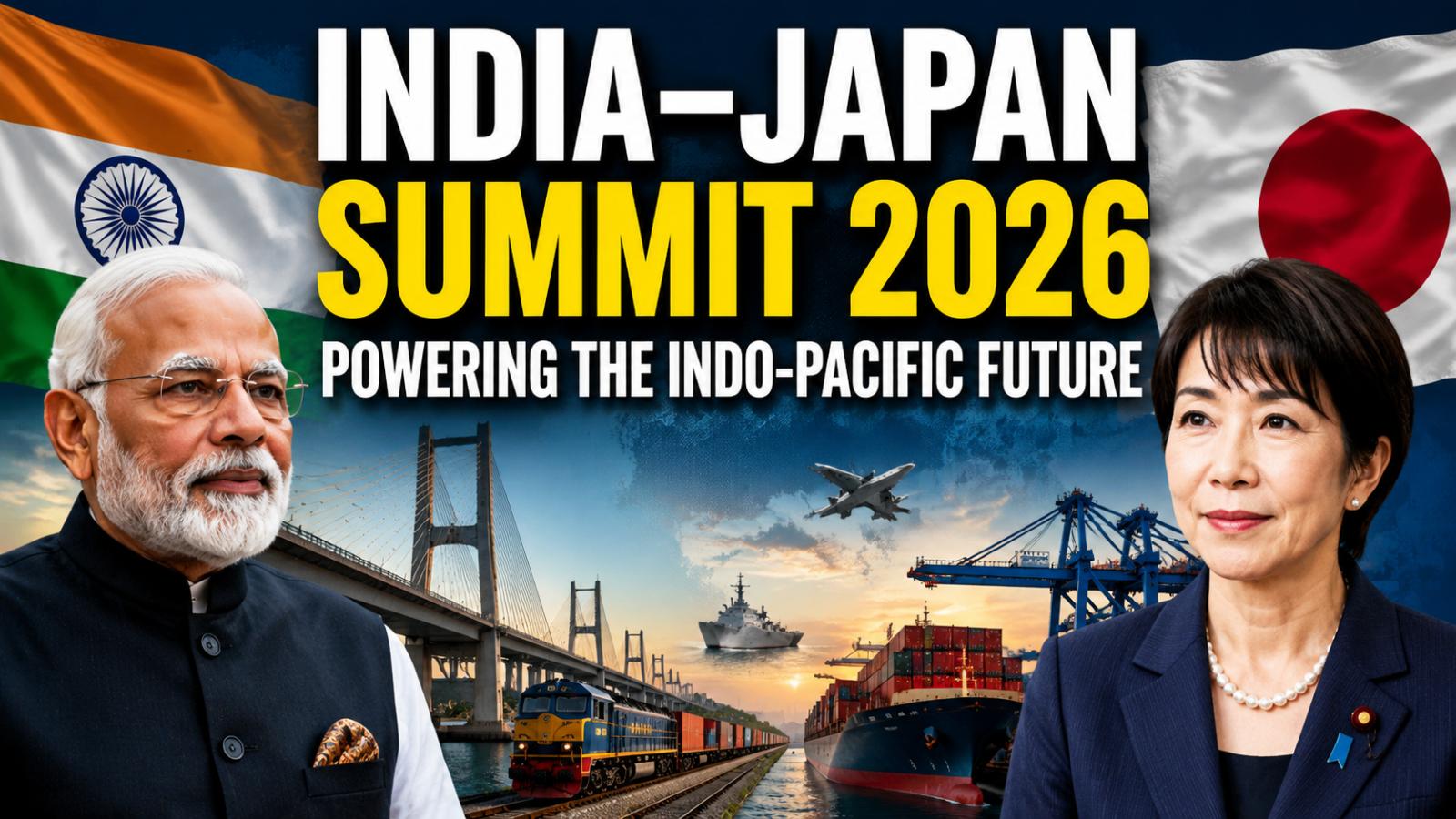
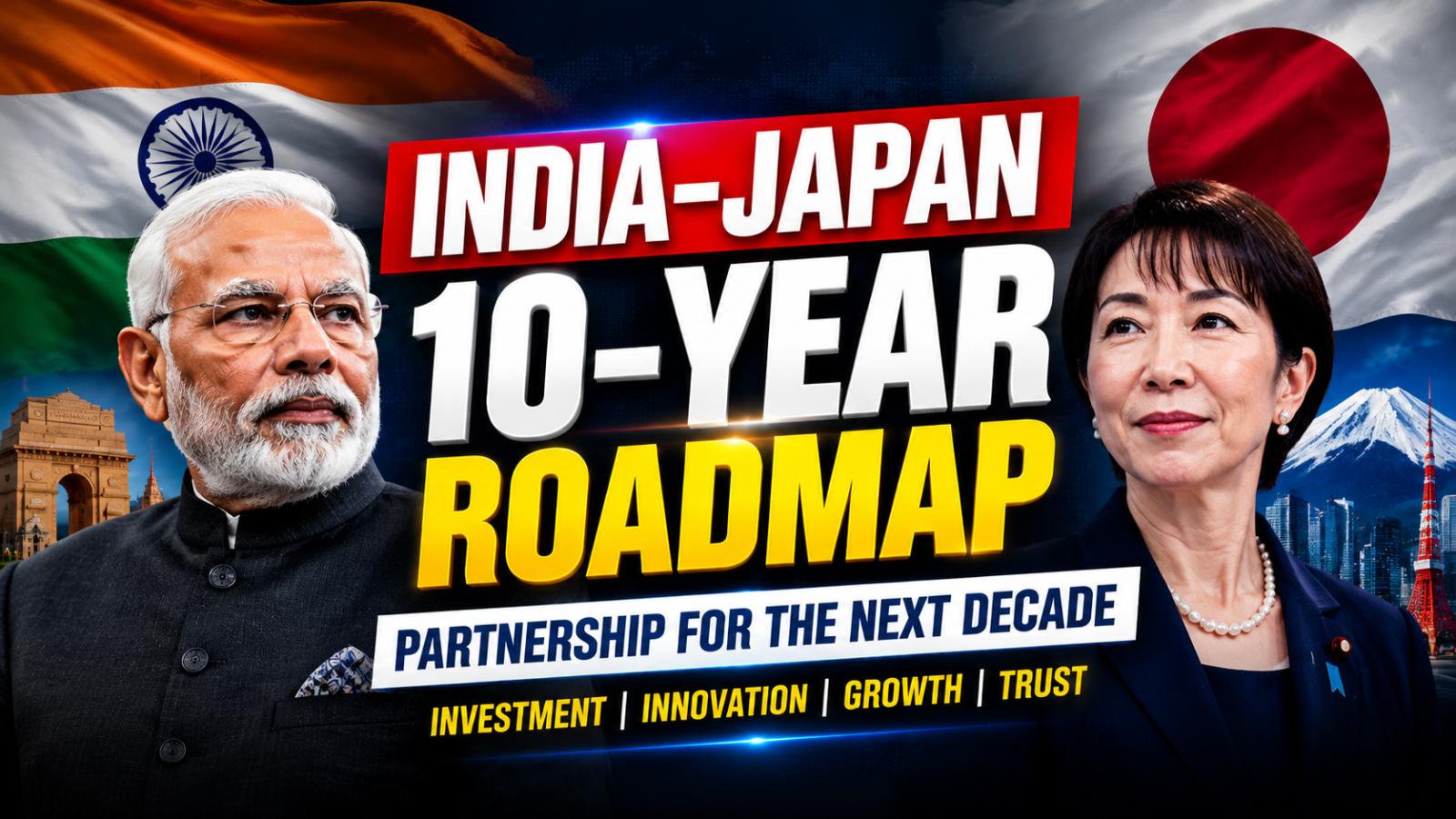
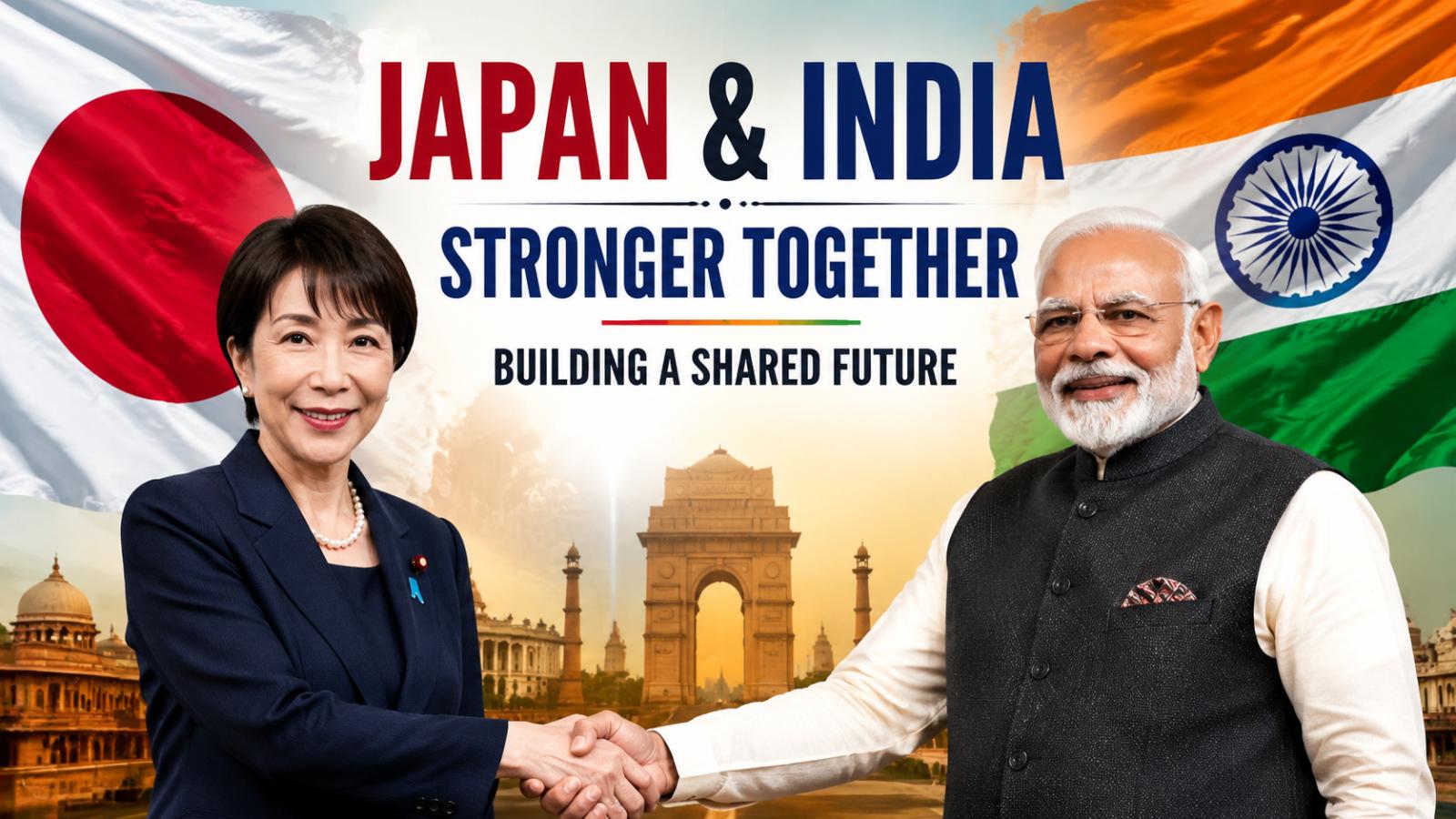
India and Japan have taken another step toward strengthening their long-term strategic relationship as high-level discussions were held in New Delhi focused on expanding cooperation across trade, defence, technology, and infrastructure. The engagement reflects a broader effort by both nations to build resilience in supply chains and increase coordination in the Indo-Pacific region amid shifting global economic and security dynamics. Rather than treating the relationship as routine diplomacy, both sides are increasingly positioning it as a structured partnership tied to economic security, innovation, and regional stability. Trade and investment becoming the core growth driver Economic cooperation continues to act as the backbone of the relationship. Japan remains one of India’s key foreign investors, with long-term commitments spread across manufacturing, transport, and urban development sectors. Japanese companies continue to expand their presence in India, particularly in automotive, electronics, and industrial technology. Infrastructure development remains a central pillar, with ongoing support for metro systems, freight corridors, and high-speed rail projects. Financial and institutional backing through Japanese development agencies has played a major role in shaping large-scale connectivity projects across Indian cities. However, both sides still face structural challenges such as slow project execution timelines and regulatory bottlenecks, which limit the speed of capital deployment despite strong political alignment. Defence cooperation expands beyond symbolic engagement Security collaboration between India and Japan has gradually shifted from occasional exercises to more consistent operational coordination. Joint drills such as maritime exercises and regional security training programs have strengthened interoperability between the two defence forces. The focus is increasingly on maritime domain awareness, especially in the Indo-Pacific region where strategic sea lanes remain critical for global trade. Both countries are also exploring ways to improve defence technology exchange, although this area remains sensitive due to regulatory and strategic constraints. Despite progress, defence cooperation is still relatively cautious compared to economic engagement, reflecting differing strategic thresholds and domestic policy considerations. Northeast India emerges as a strategic connectivity zone One of the most notable areas of cooperation is India’s northeastern region, which has gained attention as a key connectivity and development corridor. Japanese-supported infrastructure projects have contributed to road development, bridge construction, and logistics improvement in the region. Beyond physical infrastructure, skill development initiatives are also being introduced to improve employment readiness and cross-border workforce mobility. The region is increasingly being viewed as a bridge between South Asia and Southeast Asia, aligning with broader Indo-Pacific connectivity goals. Still, the region continues to face challenges including terrain constraints, limited industrial base, and slower private sector participation. Technology, AI and future-oriented collaboration Both countries are expanding cooperation in advanced technologies including artificial intelligence, clean energy systems, and digital infrastructure. Joint initiatives are being explored in areas such as smart manufacturing, automation, and next-generation communication systems. There is also growing interest in building more resilient supply chains for critical sectors like semiconductors and green energy technologies. This reflects a shared concern over global supply disruptions and overdependence on concentrated manufacturing hubs. While ambitions are high, actual implementation will depend on regulatory alignment and private sector participation, which remain uneven across sectors. Strategic outlook for the partnership The India–Japan relationship is increasingly being shaped by long-term geopolitical and economic considerations rather than short-term diplomatic exchanges. Both countries appear aligned on maintaining stability in the Indo-Pacific while expanding economic integration. However, the partnership is still evolving and remains uneven across sectors—strong in trade and infrastructure, moderate in defence, and still developing in advanced technology cooperation. The next phase will depend on execution efficiency and the ability to convert policy agreements into large-scale operational outcomes.
Japan PM visit pushes India Japan tech and defence cooperation
India and Japan have taken another step toward strengthening their long-term strategic relationship as high-level discussions were held in New Delhi focused on expanding cooperation across trade, defence, technology, and infrastructure. The engagement reflects a broader effort by both nations to build resilience in supply chains and increase coordination in the Indo-Pacific region amid shifting global economic and security dynamics. Rather than treating the relationship as routine diplomacy, both sides are increasingly positioning it as a structured partnership tied to economic security, innovation, and regional stability. Trade and investment becoming the core growth driver Economic cooperation continues to act as the backbone of the relationship. Japan remains one of India’s key foreign investors, with long-term commitments spread across manufacturing, transport, and urban development sectors. Japanese companies continue to expand their presence in India, particularly in automotive, electronics, and industrial technology. Infrastructure development remains a central pillar, with ongoing support for metro systems, freight corridors, and high-speed rail projects. Financial and institutional backing through Japanese development agencies has played a major role in shaping large-scale connectivity projects across Indian cities. However, both sides still face structural challenges such as slow project execution timelines and regulatory bottlenecks, which limit the speed of capital deployment despite strong political alignment. Defence cooperation expands beyond symbolic engagement Security collaboration between India and Japan has gradually shifted from occasional exercises to more consistent operational coordination. Joint drills such as maritime exercises and regional security training programs have strengthened interoperability between the two defence forces. The focus is increasingly on maritime domain awareness, especially in the Indo-Pacific region where strategic sea lanes remain critical for global trade. Both countries are also exploring ways to improve defence technology exchange, although this area remains sensitive due to regulatory and strategic constraints. Despite progress, defence cooperation is still relatively cautious compared to economic engagement, reflecting differing strategic thresholds and domestic policy considerations. Northeast India emerges as a strategic connectivity zone One of the most notable areas of cooperation is India’s northeastern region, which has gained attention as a key connectivity and development corridor. Japanese-supported infrastructure projects have contributed to road development, bridge construction, and logistics improvement in the region. Beyond physical infrastructure, skill development initiatives are also being introduced to improve employment readiness and cross-border workforce mobility. The region is increasingly being viewed as a bridge between South Asia and Southeast Asia, aligning with broader Indo-Pacific connectivity goals. Still, the region continues to face challenges including terrain constraints, limited industrial base, and slower private sector participation. Technology, AI and future-oriented collaboration Both countries are expanding cooperation in advanced technologies including artificial intelligence, clean energy systems, and digital infrastructure. Joint initiatives are being explored in areas such as smart manufacturing, automation, and next-generation communication systems. There is also growing interest in building more resilient supply chains for critical sectors like semiconductors and green energy technologies. This reflects a shared concern over global supply disruptions and overdependence on concentrated manufacturing hubs. While ambitions are high, actual implementation will depend on regulatory alignment and private sector participation, which remain uneven across sectors. Strategic outlook for the partnership The India–Japan relationship is increasingly being shaped by long-term geopolitical and economic considerations rather than short-term diplomatic exchanges. Both countries appear aligned on maintaining stability in the Indo-Pacific while expanding economic integration. However, the partnership is still evolving and remains uneven across sectors—strong in trade and infrastructure, moderate in defence, and still developing in advanced technology cooperation. The next phase will depend on execution efficiency and the ability to convert policy agreements into large-scale operational outcomes.
EU India trade talks near final approval stage
The proposed free trade agreement between the European Union and India has moved into its last procedural stage after years of negotiation. Both sides have already agreed on the core framework, and the current focus is on legal refinement and institutional clearance before formal approval. Officials describe this phase as technical but decisive, as even small wording changes can affect implementation across sectors. The agreement is being revi
EU India trade talks near final approval stage
The proposed free trade agreement between the European Union and India has moved into its last procedural stage after years of negotiation. Both sides have already agreed on the core framework, and the current focus is on legal refinement and institutional clearance before formal approval. Officials describe this phase as technical but decisive, as even small wording changes can affect implementation across sectors. The agreement is being revi
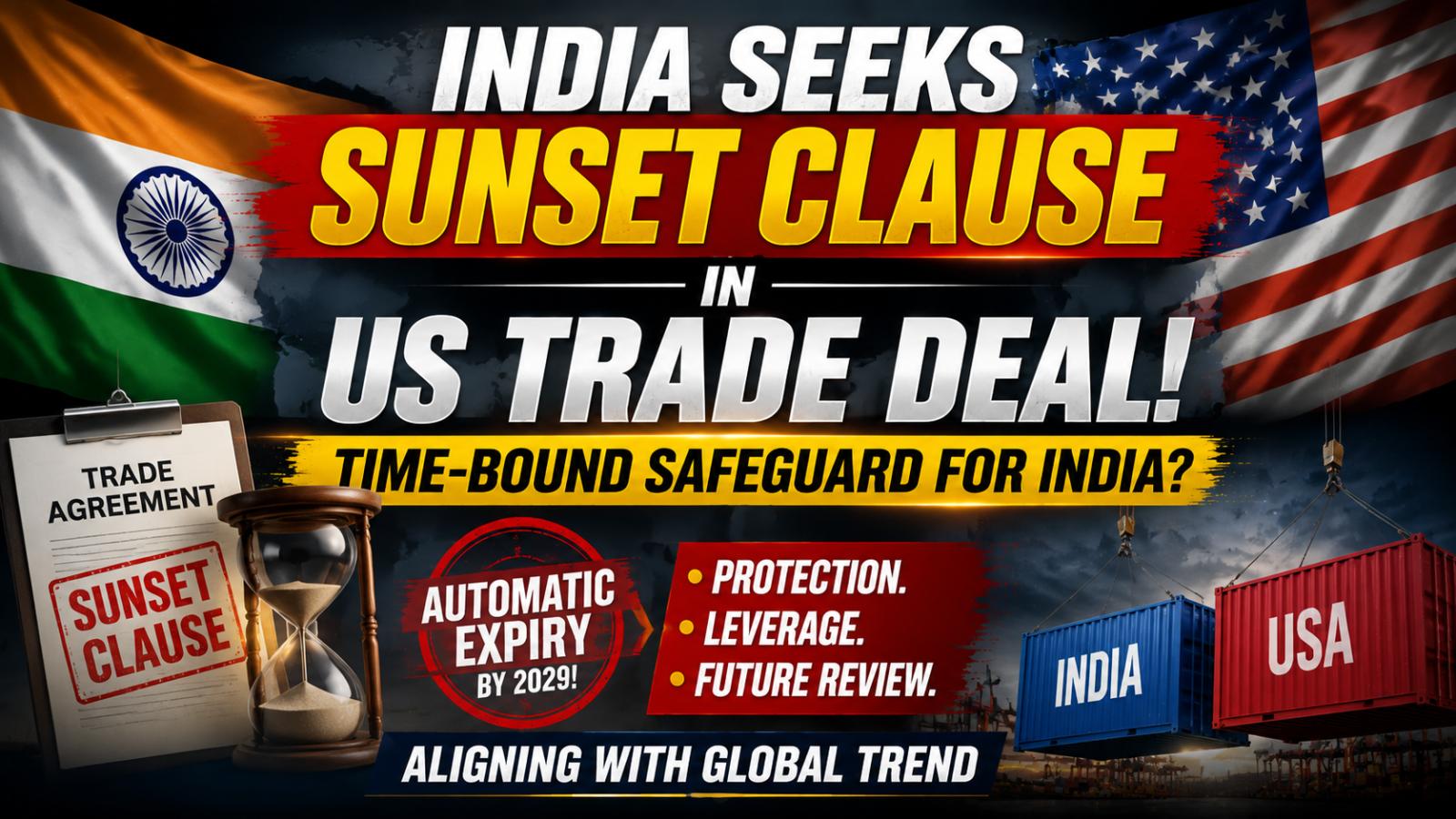
India pushes sunset clause in proposed US trade deal
India considers expiry safeguard in US trade talks India is reportedly preparing to seek a sunset clause in its proposed interim trade agreement with the United States, reflecting a growing global trend among trading partners to build expiry mechanisms into major economic deals. The move aligns closely with recent developments in European Union–US trade arrangements, where similar provisions have been introduced to limit long-term exposure
India pushes sunset clause in proposed US trade deal
India considers expiry safeguard in US trade talks India is reportedly preparing to seek a sunset clause in its proposed interim trade agreement with the United States, reflecting a growing global trend among trading partners to build expiry mechanisms into major economic deals. The move aligns closely with recent developments in European Union–US trade arrangements, where similar provisions have been introduced to limit long-term exposure
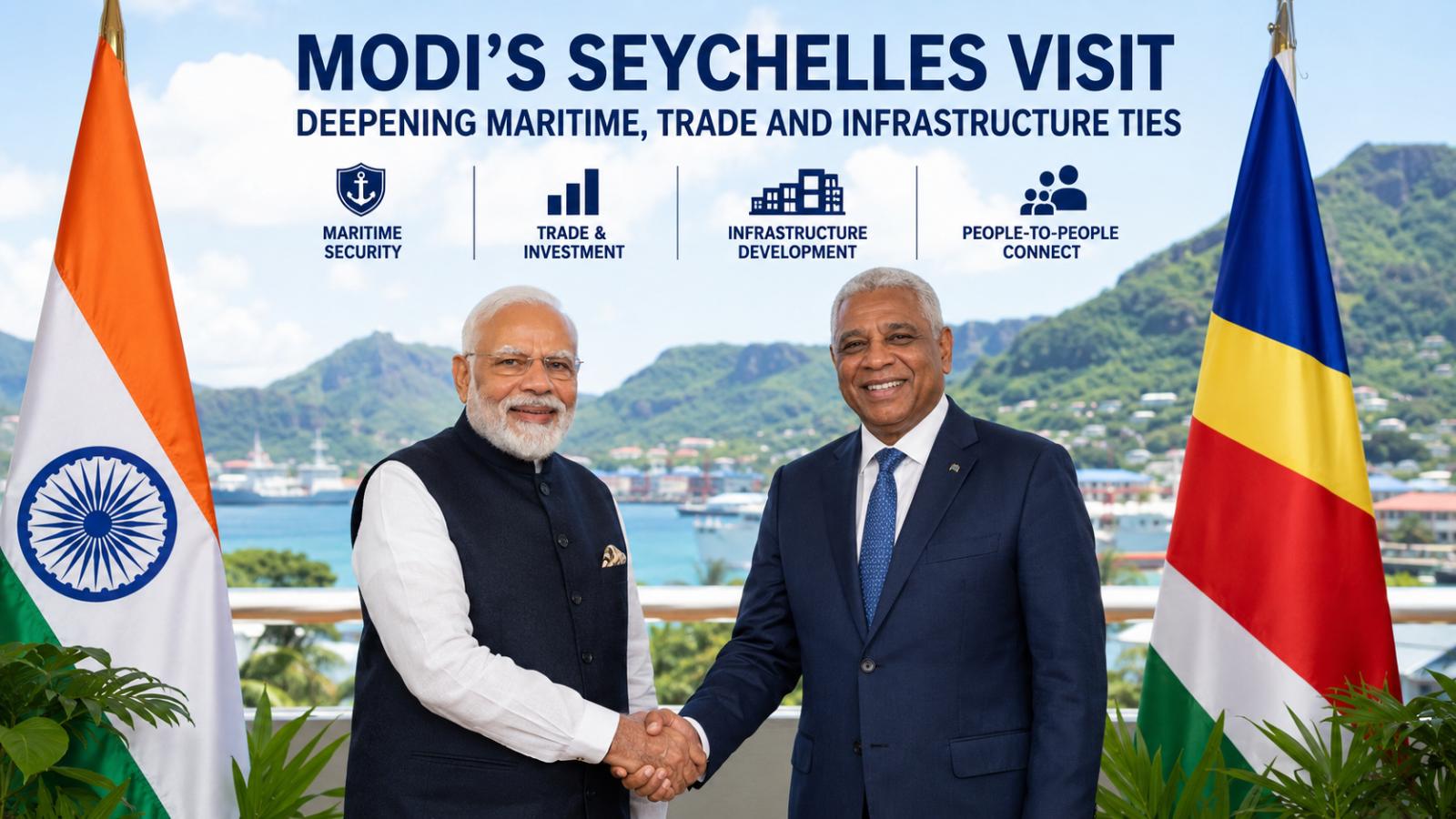
Modi Seychelles Visit: Maritime Security and $175M Projects in Focus
The Modi Seychelles visit is expected to deepen maritime security, infrastructure, trade and tourism ties as Seychelles marks 50 years of independence and the two countries commemorate five decades of diplomatic relations. Seychelles Foreign Minister Barry Faure said the trip could lift the partnership to a “qualitatively higher level” as both sides advance plans discussed during President Patrick Herminie’s February visit to India. Modi Seychelles visit put
Modi Seychelles Visit: Maritime Security and $175M Projects in Focus
The Modi Seychelles visit is expected to deepen maritime security, infrastructure, trade and tourism ties as Seychelles marks 50 years of independence and the two countries commemorate five decades of diplomatic relations. Seychelles Foreign Minister Barry Faure said the trip could lift the partnership to a “qualitatively higher level” as both sides advance plans discussed during President Patrick Herminie’s February visit to India. Modi Seychelles visit put
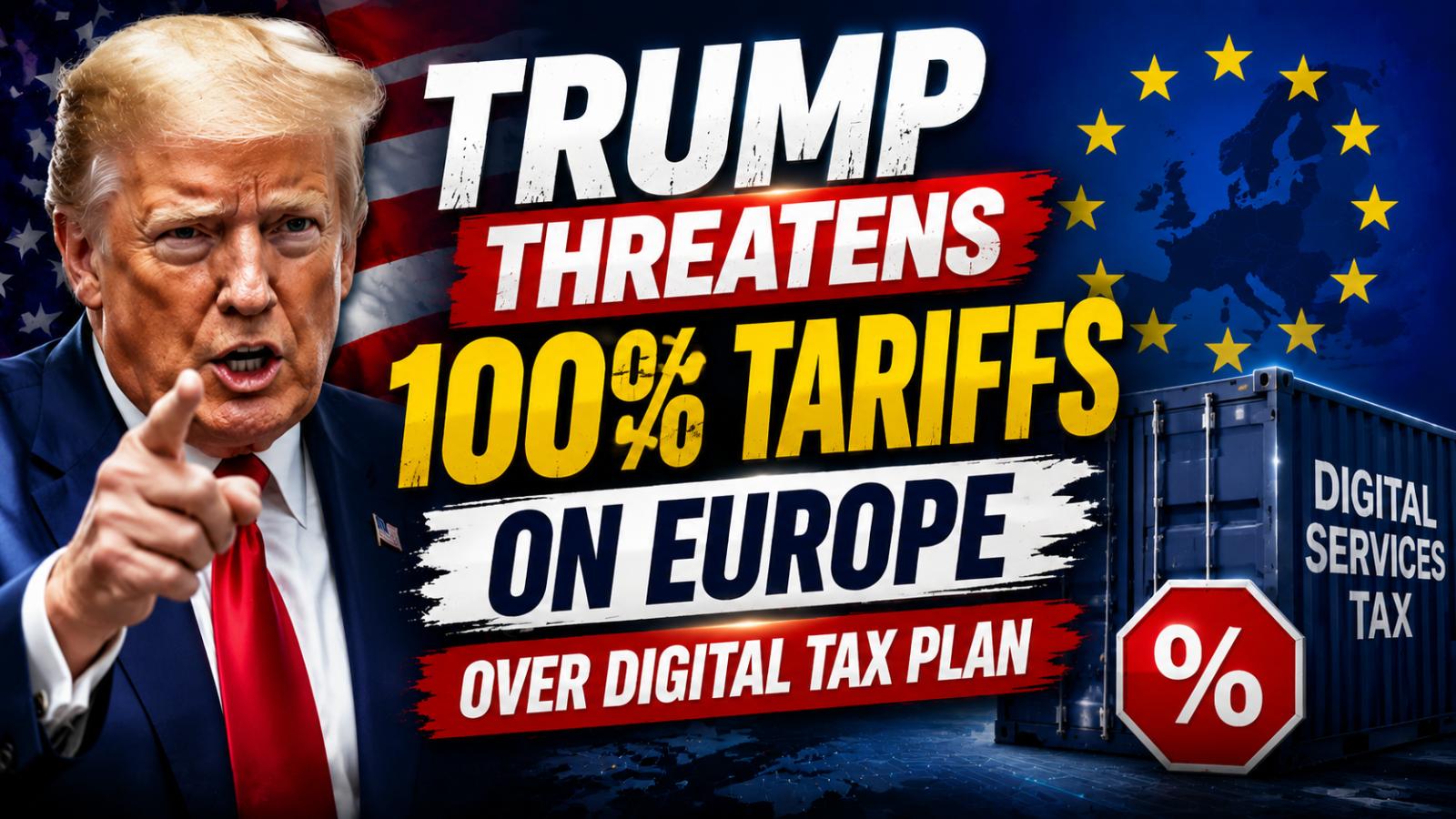
US–Europe trade tensions rise as Trump targets digital services taxes
US–Europe tensions escalate over digital taxation dispute US President Donald Trump has renewed tariff threats against European countries over proposed Digital Services Taxes targeting large technology companies. In a statement posted on his social media platform, he warned that nations introducing such taxes could face tariffs of up to 100 percent on goods exported

US–Europe trade tensions rise as Trump targets digital services taxes
US–Europe tensions escalate over digital taxation dispute US President Donald Trump has renewed tariff threats against European countries over proposed Digital Services Taxes targeting large technology companies. In a statement posted on his social media platform, he warned that nations introducing such taxes could face tariffs of up to 100 percent on goods exported

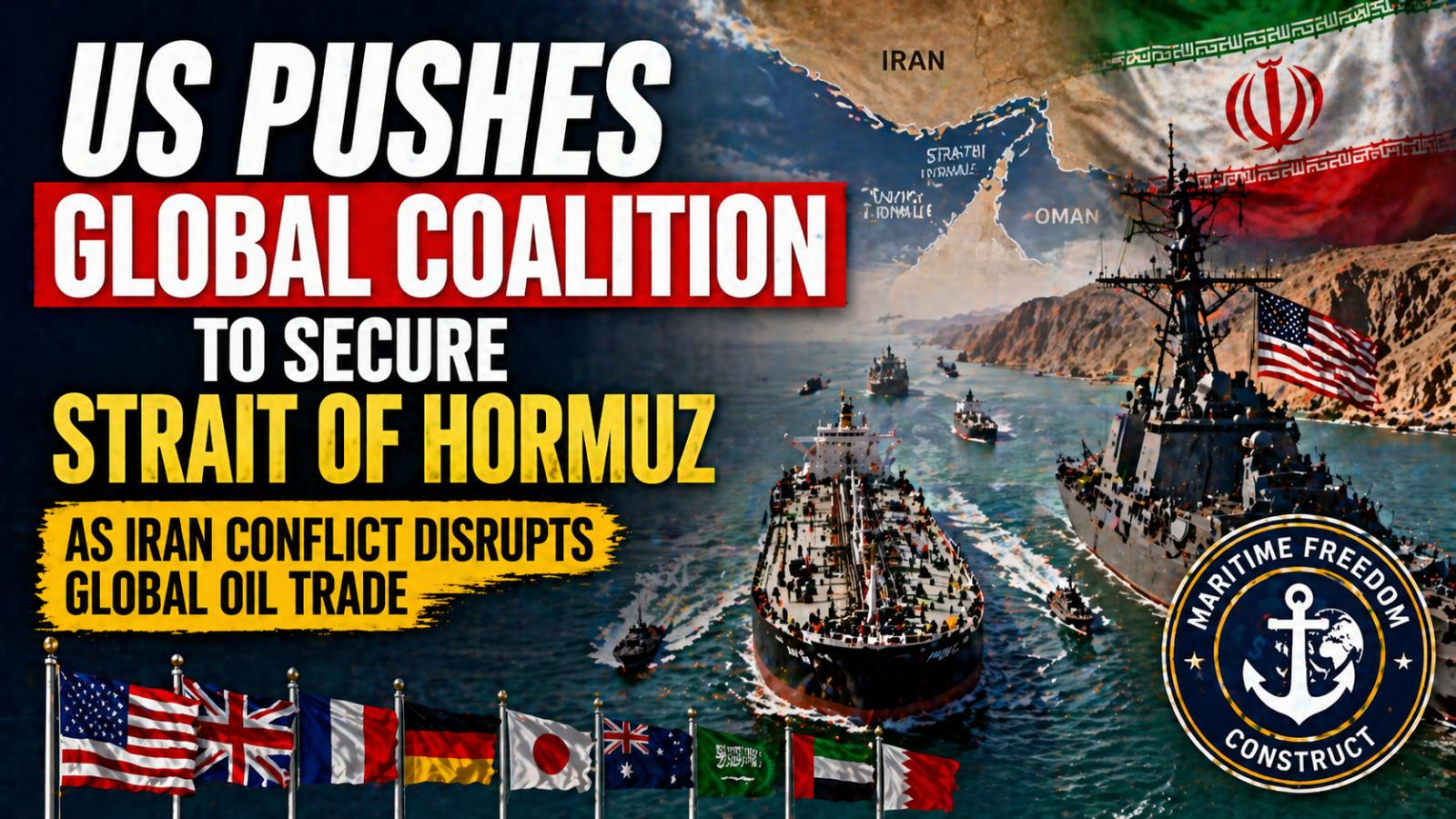
Strait of Hormuz drone strike damages cargo vessel near Oman
A commercial vessel sailing through waters near the Strait of Hormuz was damaged after being struck by a drone-type projectile, triggering renewed concerns over the safety of one of the world’s most critical maritime trade routes. The Singapore-flagged cargo ship Ever Lovely was affected while transiting close to Oman’s maritime zone after exiting the narrow passage. Authorities confirmed the vessel sustained structural damage, but all crew members

Strait of Hormuz drone strike damages cargo vessel near Oman
A commercial vessel sailing through waters near the Strait of Hormuz was damaged after being struck by a drone-type projectile, triggering renewed concerns over the safety of one of the world’s most critical maritime trade routes. The Singapore-flagged cargo ship Ever Lovely was affected while transiting close to Oman’s maritime zone after exiting the narrow passage. Authorities confirmed the vessel sustained structural damage, but all crew members
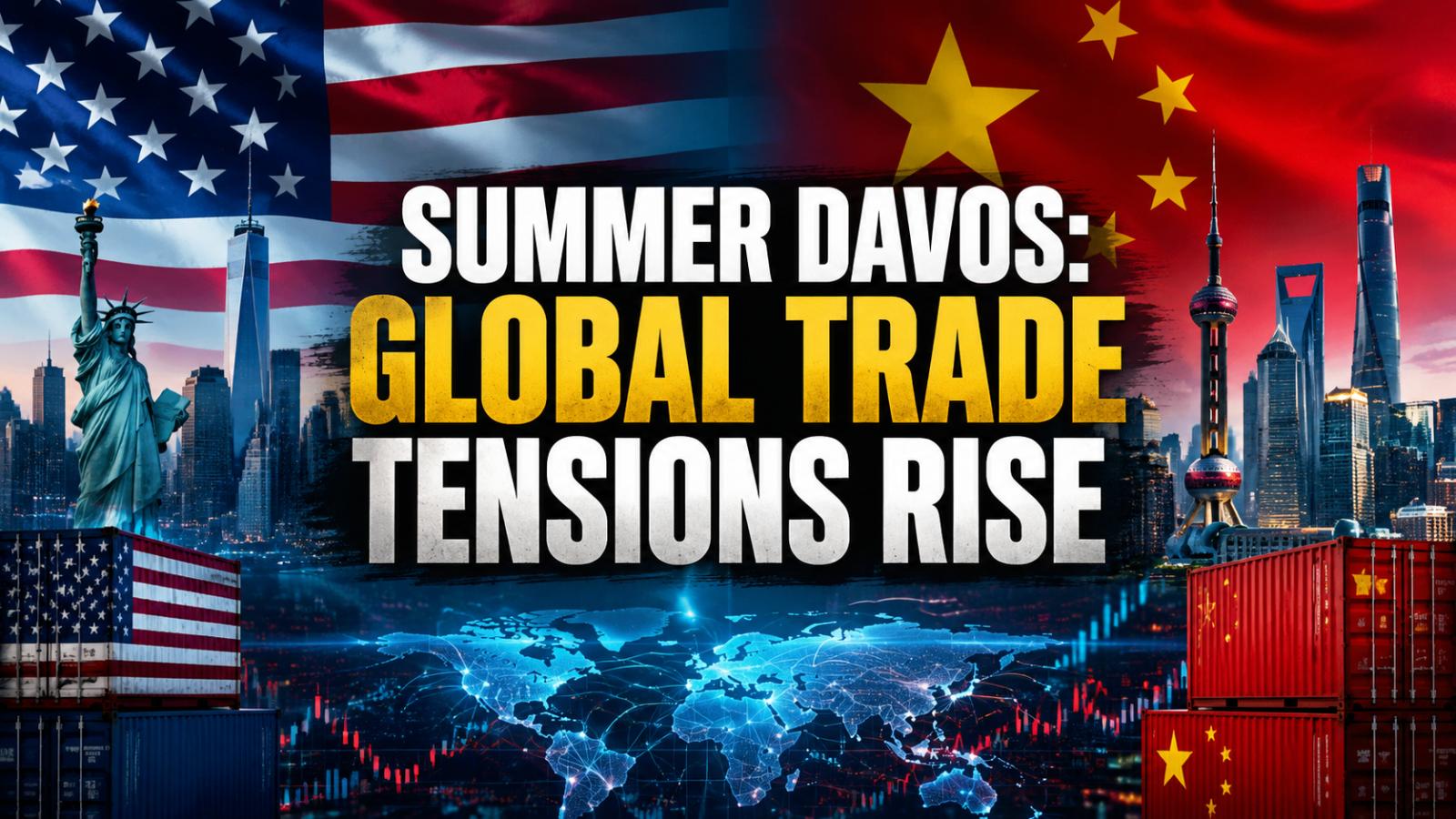
Summer Davos spotlights US China economic friction
The gathering in Dalian under the World Economic Forum’s “Summer Davos” platform brought together policymakers, business leaders and economists at a time when global growth signals are weakening. The discussions reflected a clear shift in tone: confidence in stable trade expansion is fading, replaced by concern over fragmentation and competing economic blocs. US–China
Summer Davos spotlights US China economic friction
The gathering in Dalian under the World Economic Forum’s “Summer Davos” platform brought together policymakers, business leaders and economists at a time when global growth signals are weakening. The discussions reflected a clear shift in tone: confidence in stable trade expansion is fading, replaced by concern over fragmentation and competing economic blocs. US–China
IRGC Navy Declares Approved Shipping Routes in Strait of Hormuz Mandatory
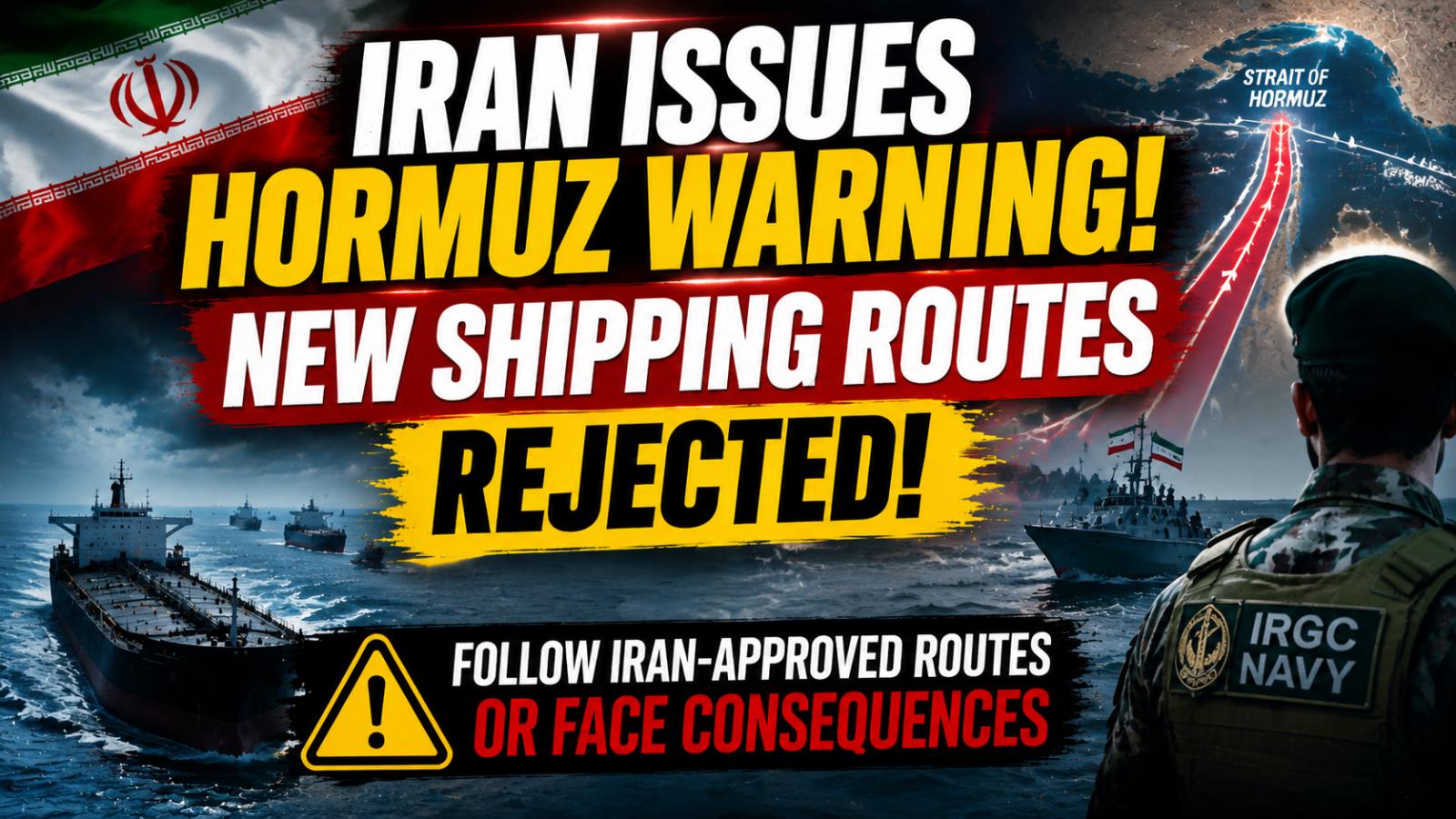
IRGC Issues Warning Over Strait of Hormuz Navigation Routes Iran’s Islamic Revolutionary Guard Corps Navy has issued a warning to vessels transiting the Strait of Hormuz, stating that ships must strictly follow navigation routes designated by Tehran. According to a statement carried by Iranian state media, any deviation from the approved lanes will be considered dan
IRGC Navy Declares Approved Shipping Routes in Strait of Hormuz Mandatory
IRGC Issues Warning Over Strait of Hormuz Navigation Routes Iran’s Islamic Revolutionary Guard Corps Navy has issued a warning to vessels transiting the Strait of Hormuz, stating that ships must strictly follow navigation routes designated by Tehran. According to a statement carried by Iranian state media, any deviation from the approved lanes will be considered dan
Takaichi visit signals deeper Japan India strategic cooperation
The visit of Sanae Takaichi to New Delhi marks a renewed phase in relations between Japan and India. Her meeting with
Takaichi visit signals deeper Japan India strategic cooperation
The visit of Sanae Takaichi to New Delhi marks a renewed phase in relations between Japan and India. Her meeting with
Ajit Doval and Wang Yi hold talks before BRICS meet
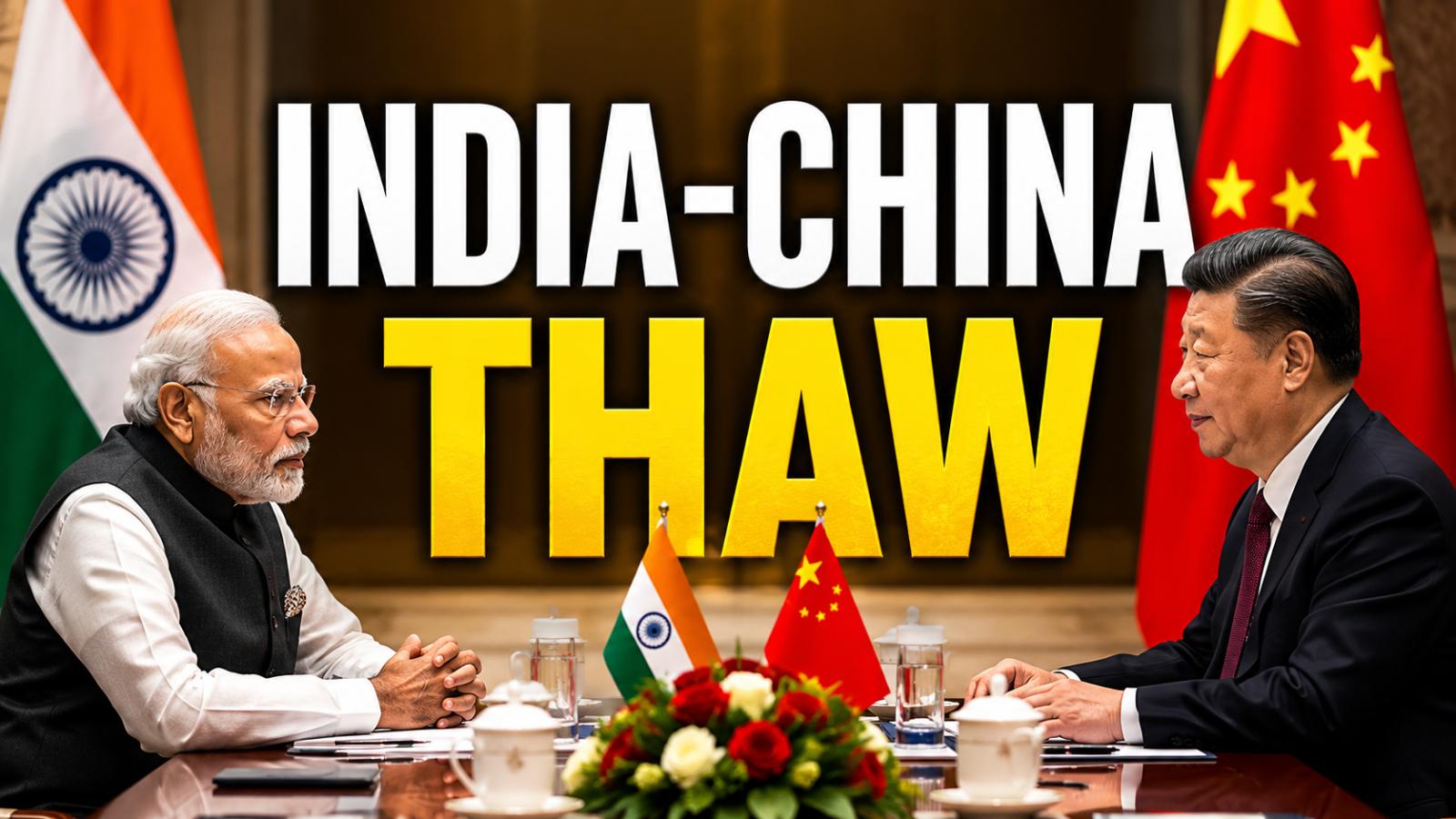
Doval and Wang Yi hold talks in New Delhi India’s National Security Adviser Ajit Doval and Chinese Foreign Minister Wang Yi held constructive and forward-looking talks in New Delhi on Monday, June 22,2026 ahead of the BRICS National Security Advisers’ meeting. Both sides reviewed recent developments in India China relations and noted progress toward gradual normalisation after years of strain following the 2020 border clashes in eastern L
Ajit Doval and Wang Yi hold talks before BRICS meet
Doval and Wang Yi hold talks in New Delhi India’s National Security Adviser Ajit Doval and Chinese Foreign Minister Wang Yi held constructive and forward-looking talks in New Delhi on Monday, June 22,2026 ahead of the BRICS National Security Advisers’ meeting. Both sides reviewed recent developments in India China relations and noted progress toward gradual normalisation after years of strain following the 2020 border clashes in eastern L
PM Modi strengthens India global ties at G7 Summit in France 2026
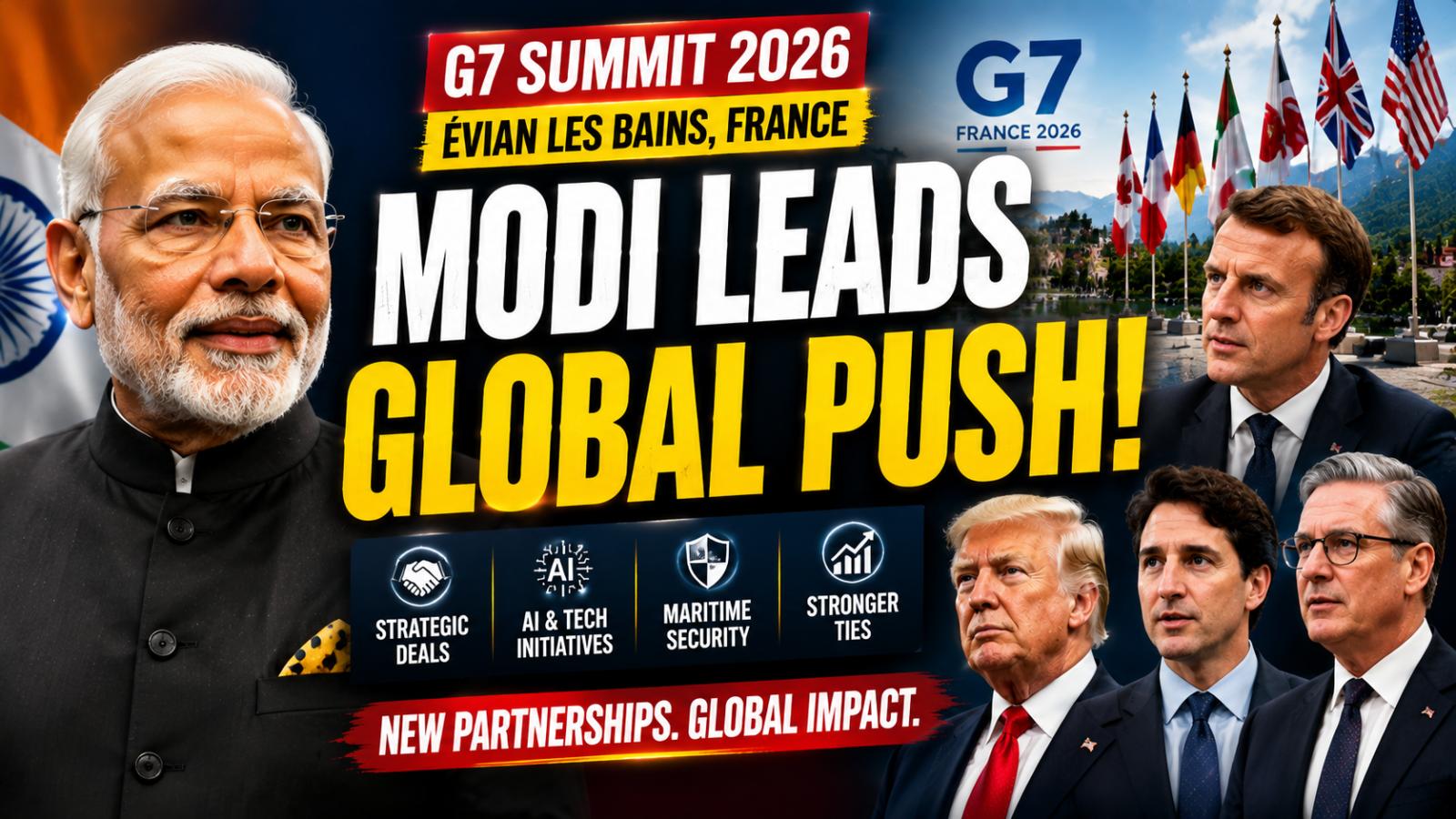
Modi’s G7 Visit Highlights India’s Expanding Global Role Prime Minister Narendra Modi’s participation in the 2026 G7 Summit in Évian-les-Bains, France marked a significant moment in India’s global diplomacy, with discussions focusing on economic cooperation, emerging technologies, maritime security and global governance. India positioned itself as a key voice for the Global South while engaging clos
PM Modi strengthens India global ties at G7 Summit in France 2026
Modi’s G7 Visit Highlights India’s Expanding Global Role Prime Minister Narendra Modi’s participation in the 2026 G7 Summit in Évian-les-Bains, France marked a significant moment in India’s global diplomacy, with discussions focusing on economic cooperation, emerging technologies, maritime security and global governance. India positioned itself as a key voice for the Global South while engaging clos
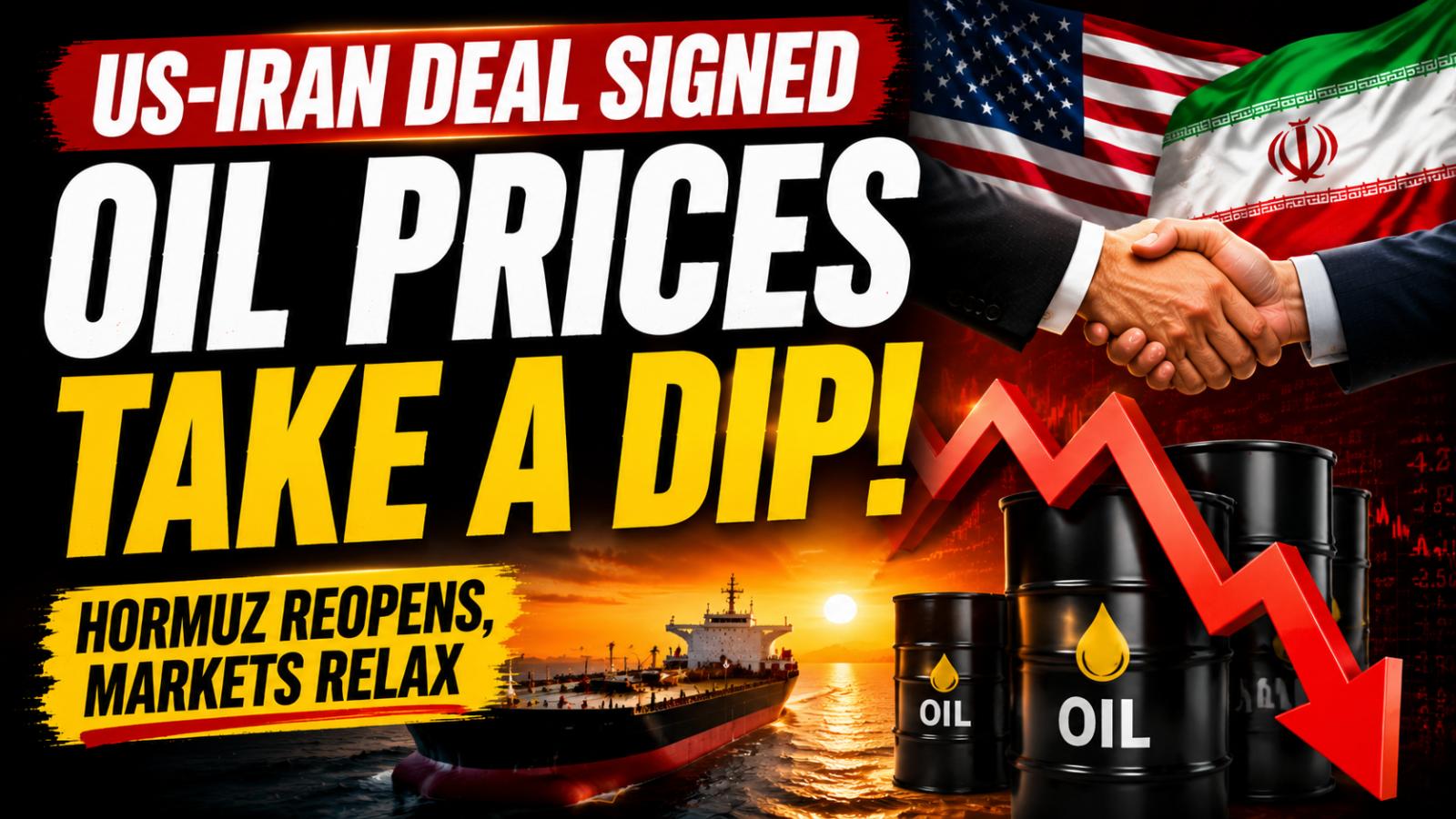
Oil prices fall after US-Iran deal eases Hormuz tensions
Oil Markets Fall After US-Iran Interim Agreement Global oil prices slipped in early trading on Thursday,June 18,2026 following the announcement of an interim agreement between the United States and Iran aimed at ending the conflict in the Middle East. The development has eased immediate concerns over supply disruptions through one of the world’s most critical energy corridors, the Strait of Hormuz.
Oil prices fall after US-Iran deal eases Hormuz tensions
Oil Markets Fall After US-Iran Interim Agreement Global oil prices slipped in early trading on Thursday,June 18,2026 following the announcement of an interim agreement between the United States and Iran aimed at ending the conflict in the Middle East. The development has eased immediate concerns over supply disruptions through one of the world’s most critical energy corridors, the Strait of Hormuz.
Iran Signals New Strait of Hormuz Fee After US Deal Dispute
Iran Reaffirms Post-Deal Position on Strait of Hormuz Iran has indicated that it will proceed with plans to impose charges on vessels passing through the Strait of Hormuz after the 60-day fee-free period outlined in its memorandum of understanding with the United States. The announcement comes amid growing uncertainty over the interpretation of the recently signed agreement aimed at stabilising maritime mov
Iran Signals New Strait of Hormuz Fee After US Deal Dispute
Iran Reaffirms Post-Deal Position on Strait of Hormuz Iran has indicated that it will proceed with plans to impose charges on vessels passing through the Strait of Hormuz after the 60-day fee-free period outlined in its memorandum of understanding with the United States. The announcement comes amid growing uncertainty over the interpretation of the recently signed agreement aimed at stabilising maritime mov
Trump Calls Modi ‘Tough Negotiator’ at 2026 G7 Meeting
U.S. President Donald Trump called Indian Prime Minister Narendra Modi a “tough negotiator” following their meeting at the 2026 G7 summit in Évian-les-Bains, France. The Trump-Modi G7 meeting on Wednesday, June 17, 2026, focused on U.S.-India trade negotiations, bilateral relations and the safety of Indian seafarers operating near the Strait of Hormuz. Trump-Modi G7 Meeting Focuses on Trade Speaking to reporters after the bilateral discuss
Trump Calls Modi ‘Tough Negotiator’ at 2026 G7 Meeting
U.S. President Donald Trump called Indian Prime Minister Narendra Modi a “tough negotiator” following their meeting at the 2026 G7 summit in Évian-les-Bains, France. The Trump-Modi G7 meeting on Wednesday, June 17, 2026, focused on U.S.-India trade negotiations, bilateral relations and the safety of Indian seafarers operating near the Strait of Hormuz. Trump-Modi G7 Meeting Focuses on Trade Speaking to reporters after the bilateral discuss
G7 summit: India flags risks to global sea trade routes
At the G7 summit in Evian, India placed maritime safety and the protection of seafarers at the center of global discussions. Prime Minister Narendra Modi raised concerns over rising risks faced by commercial shipping crews, particularly those operating through sensitive international sea lanes. He emphasized that disruptions at sea are no longer isolated incidents but a growing threat to global trade stability and human safety.
G7 summit: India flags risks to global sea trade routes
At the G7 summit in Evian, India placed maritime safety and the protection of seafarers at the center of global discussions. Prime Minister Narendra Modi raised concerns over rising risks faced by commercial shipping crews, particularly those operating through sensitive international sea lanes. He emphasized that disruptions at sea are no longer isolated incidents but a growing threat to global trade stability and human safety.
US intelligence says Iran may control Strait of Hormuz leverage after conflict
US Intelligence Flags Iran’s Strategic Leverage in Strait of Hormuz US intelligence agencies have assessed that Iran has gained significant leverage over the Strait of Hormuz following the recent conflict involving the United States and Israel, according to reports citing multiple sources. The assessment suggests that Tehran now holds the capability to disrupt or restrict movement through one of the world??
US intelligence says Iran may control Strait of Hormuz leverage after conflict
US Intelligence Flags Iran’s Strategic Leverage in Strait of Hormuz US intelligence agencies have assessed that Iran has gained significant leverage over the Strait of Hormuz following the recent conflict involving the United States and Israel, according to reports citing multiple sources. The assessment suggests that Tehran now holds the capability to disrupt or restrict movement through one of the world??
India-Canada talks in Evian focus on trade and CEPA progress
India-Canada Relations Strengthen at G7 Meeting Prime Minister Narendra Modi and Canadian Prime Minister Mark Carney held detailed bilateral talks in Evian on the sidelines of the G7 Summit, focusing on strengthening cooperation across trade, energy, technology, education and defence. The meeting marked another step in improving ties between the two countries, with both leaders reviewing ongoing progress in
India-Canada talks in Evian focus on trade and CEPA progress
India-Canada Relations Strengthen at G7 Meeting Prime Minister Narendra Modi and Canadian Prime Minister Mark Carney held detailed bilateral talks in Evian on the sidelines of the G7 Summit, focusing on strengthening cooperation across trade, energy, technology, education and defence. The meeting marked another step in improving ties between the two countries, with both leaders reviewing ongoing progress in
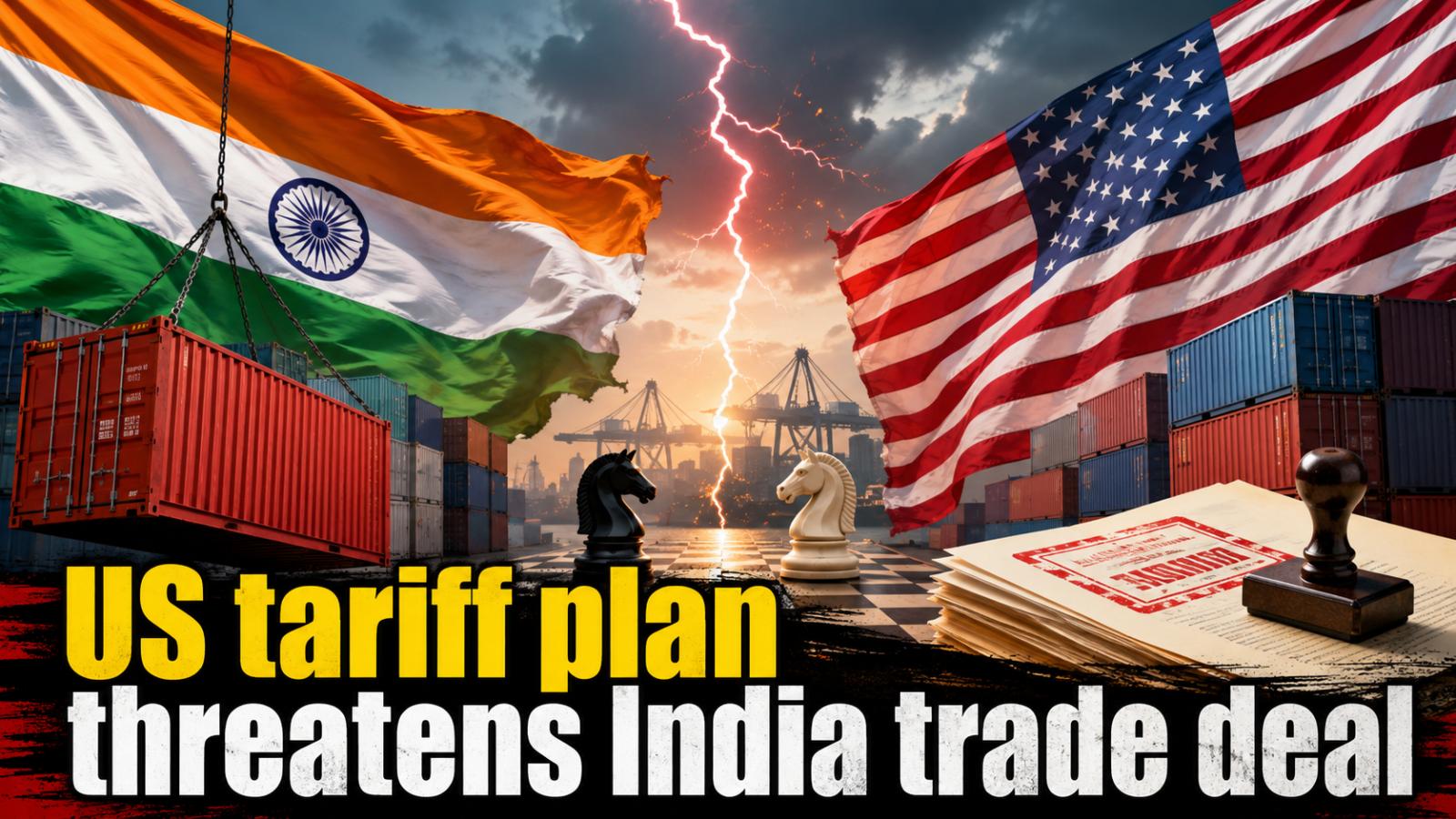
US-India trade deal enters final stage ahead of Modi-Trump meeting
US-India Trade Deal Nears Final Stage The United States and India are approaching the final phase of a long-anticipated trade agreement, with officials indicating that negotiations are now in their “last mile” and could conclude within weeks. The development comes just ahead of a high-profile bilateral meeting between Prime Minister Narendra Modi and US President Donald Trump on the sidelines of the G7 s
US-India trade deal enters final stage ahead of Modi-Trump meeting
US-India Trade Deal Nears Final Stage The United States and India are approaching the final phase of a long-anticipated trade agreement, with officials indicating that negotiations are now in their “last mile” and could conclude within weeks. The development comes just ahead of a high-profile bilateral meeting between Prime Minister Narendra Modi and US President Donald Trump on the sidelines of the G7 s
India-US Trade Talks June 23-24: First BTA Phase Nears Completion
India-US bilateral trade agreement talks will resume in India on Tuesday, June 23, 2026, and continue through Wednesday, June 24, 2026, as officials seek to complete the first phase of a proposed trade pact. A delegation from the Office of the United States Trade Representative is scheduled to meet Commerce and Industry Minister Piyush Goyal and other Indian officials. Commerce Secretary Rajesh Agrawal said the two sides expect to give final touches to the first tranche while contin
India-US Trade Talks June 23-24: First BTA Phase Nears Completion
India-US bilateral trade agreement talks will resume in India on Tuesday, June 23, 2026, and continue through Wednesday, June 24, 2026, as officials seek to complete the first phase of a proposed trade pact. A delegation from the Office of the United States Trade Representative is scheduled to meet Commerce and Industry Minister Piyush Goyal and other Indian officials. Commerce Secretary Rajesh Agrawal said the two sides expect to give final touches to the first tranche while contin