






Russia drone strike on Ukraine market kills 5, injures 19
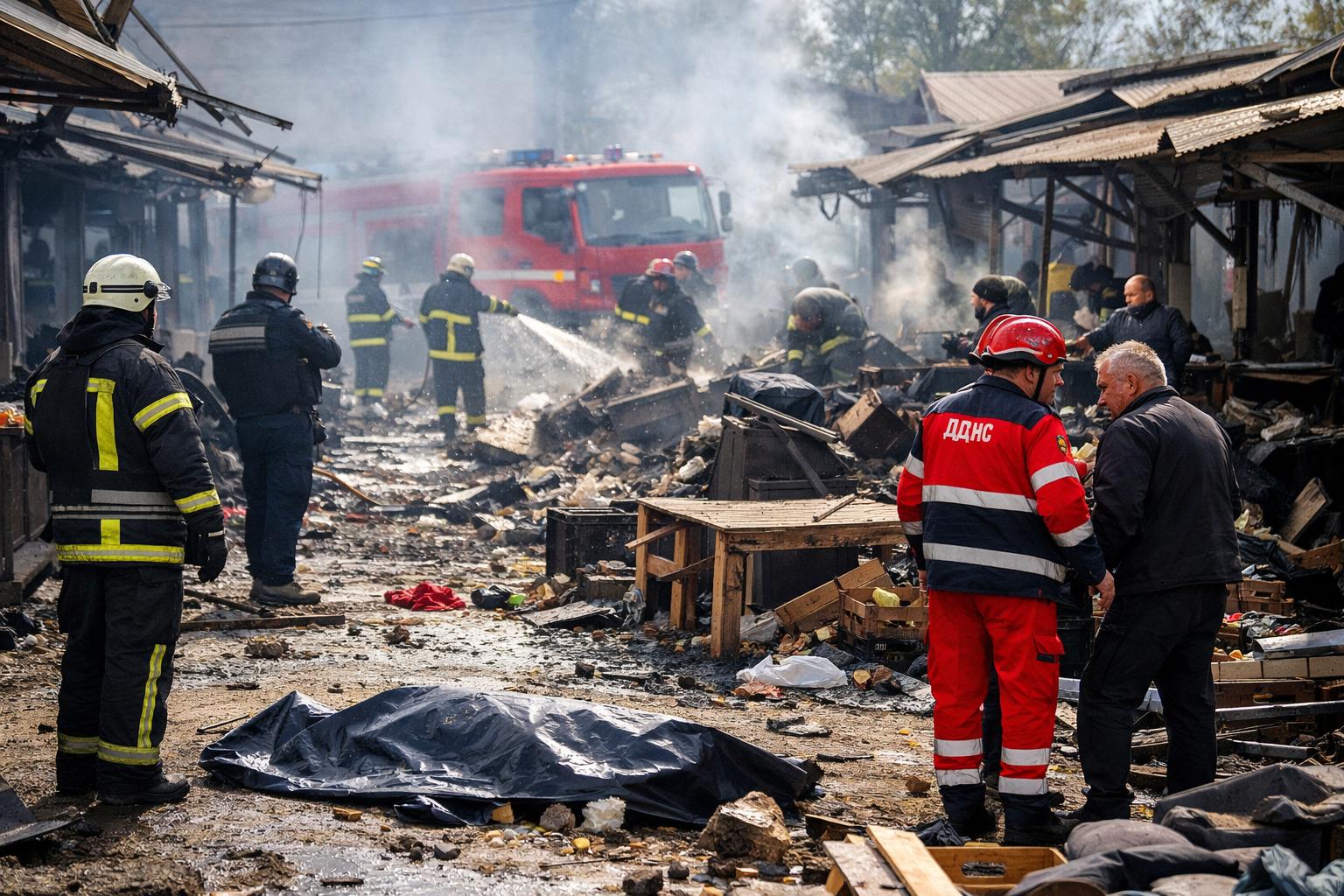
A Russian drone strike targeted a market area in the Ukrainian city of Nikopol on Saturday, April 4, 2026, in the morning local time, resulting in at least five fatalities and leaving 19 others injured, according to local authorities. The attack marks another escalation in the ongoing Russia-Ukraine war, with civilian areas increasingly affected by aerial assaults. Officials reported that the strike hit a busy marketplace during daytime hours, causing significant destruction to surrounding infrastructure and disrupting daily life for residents. Emergency services were deployed immediately after the attack to assist the injured and assess damage, while rescue operations continued in the aftermath. Nikopol, located in southeastern Ukraine, has been frequently subjected to shelling and drone attacks due to its proximity to contested regions. The latest incident highlights the persistent risks faced by civilians living near active conflict zones, where strikes have repeatedly impacted residential and commercial areas. Ukrainian authorities condemned the attack, describing it as a deliberate strike on civilian infrastructure. They emphasized the growing humanitarian toll of the conflict, noting that marketplaces and public gathering areas remain particularly vulnerable to such incidents. The Russia-Ukraine conflict, now in a prolonged phase, continues to see the use of drone warfare as a key tactic. These unmanned aerial systems have been deployed across multiple regions, contributing to rising civilian casualties and widespread damage. International observers have expressed concern over the continued targeting of populated areas, urging restraint and adherence to international humanitarian laws. As the conflict persists, attacks like the one in Nikopol underscore the ongoing instability in the region and the enduring impact on civilian populations.
Russia drone strike on Ukraine market kills 5, injures 19
A Russian drone strike targeted a market area in the Ukrainian city of Nikopol on Saturday, April 4, 2026, in the morning local time, resulting in at least five fatalities and leaving 19 others injured, according to local authorities. The attack marks another escalation in the ongoing Russia-Ukraine war, with civilian areas increasingly affected by aerial assaults. Officials reported that the strike hit a busy marketplace during daytime hours, causing significant destruction to surrounding infrastructure and disrupting daily life for residents. Emergency services were deployed immediately after the attack to assist the injured and assess damage, while rescue operations continued in the aftermath. Nikopol, located in southeastern Ukraine, has been frequently subjected to shelling and drone attacks due to its proximity to contested regions. The latest incident highlights the persistent risks faced by civilians living near active conflict zones, where strikes have repeatedly impacted residential and commercial areas. Ukrainian authorities condemned the attack, describing it as a deliberate strike on civilian infrastructure. They emphasized the growing humanitarian toll of the conflict, noting that marketplaces and public gathering areas remain particularly vulnerable to such incidents. The Russia-Ukraine conflict, now in a prolonged phase, continues to see the use of drone warfare as a key tactic. These unmanned aerial systems have been deployed across multiple regions, contributing to rising civilian casualties and widespread damage. International observers have expressed concern over the continued targeting of populated areas, urging restraint and adherence to international humanitarian laws. As the conflict persists, attacks like the one in Nikopol underscore the ongoing instability in the region and the enduring impact on civilian populations.
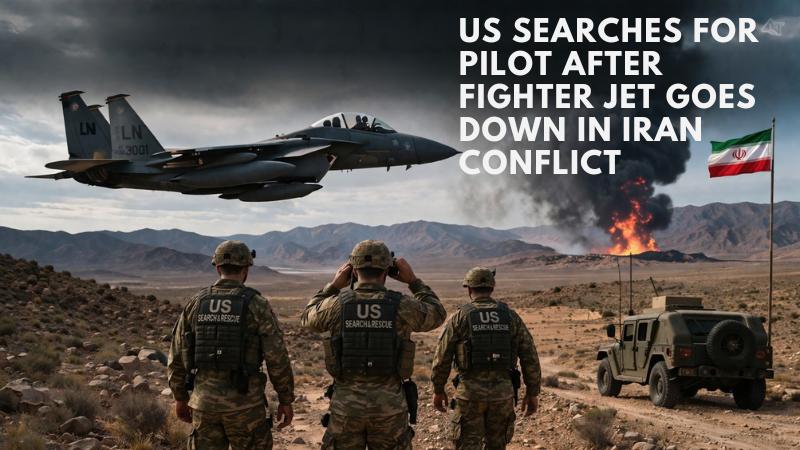
American fighter jet lost in Iran as US intensifies military operations
The United States is searching for the crew of an American fighter jet that went down in Iran during ongoing military operations, according to a U.S. official. The exact date and time of the incident have not been publicly confirmed by U.S. authorities, and officials have not released additional operational details. Authorities have not clarified whether the aircraft was shot down or experienced a technical failure, leaving the cause of the incident under investigation. The Pentagon and U.S. Central Command have not issued formal statements, and no independent confirmation has been provided regarding claims surrounding the circumstances of the crash. If confirmed, the loss would mark the first known downing of a U.S. fighter jet inside Iran since the current conflict began in late February. The war has now extended beyond a month, with continued air operations and heightened military engagement across the region. The development comes at a sensitive moment, as the conflict continues to disrupt activity in the Strait of Hormuz, one of the world’s most critical maritime routes for energy shipments. Reduced tanker movement through the strait has raised global concerns about the supply of crude oil, fertilizer, and other key commodities, potentially impacting international markets. Amid escalating tensions, U.S. President Donald Trump has indicated a willingness to intensify military action. In recent public remarks, he suggested that the United States could reopen the strategic waterway and secure access to oil resources. He also warned of possible expanded strikes targeting Iranian infrastructure, including bridges and electrical facilities. In earlier statements, Trump signaled a more aggressive posture, stating that the United States could significantly escalate its response if necessary. These remarks highlight the growing volatility of the situation and the potential for further military escalation as the conflict continues.
American fighter jet lost in Iran as US intensifies military operations
The United States is searching for the crew of an American fighter jet that went down in Iran during ongoing military operations, according to a U.S. official. The exact date and time of the incident have not been publicly confirmed by U.S. authorities, and officials have not released additional operational details. Authorities have not clarified whether the aircraft was shot down or experienced a technical failure, leaving the cause of the incident under investigation. The Pentagon and U.S. Central Command have not issued formal statements, and no independent confirmation has been provided regarding claims surrounding the circumstances of the crash. If confirmed, the loss would mark the first known downing of a U.S. fighter jet inside Iran since the current conflict began in late February. The war has now extended beyond a month, with continued air operations and heightened military engagement across the region. The development comes at a sensitive moment, as the conflict continues to disrupt activity in the Strait of Hormuz, one of the world’s most critical maritime routes for energy shipments. Reduced tanker movement through the strait has raised global concerns about the supply of crude oil, fertilizer, and other key commodities, potentially impacting international markets. Amid escalating tensions, U.S. President Donald Trump has indicated a willingness to intensify military action. In recent public remarks, he suggested that the United States could reopen the strategic waterway and secure access to oil resources. He also warned of possible expanded strikes targeting Iranian infrastructure, including bridges and electrical facilities. In earlier statements, Trump signaled a more aggressive posture, stating that the United States could significantly escalate its response if necessary. These remarks highlight the growing volatility of the situation and the potential for further military escalation as the conflict continues.
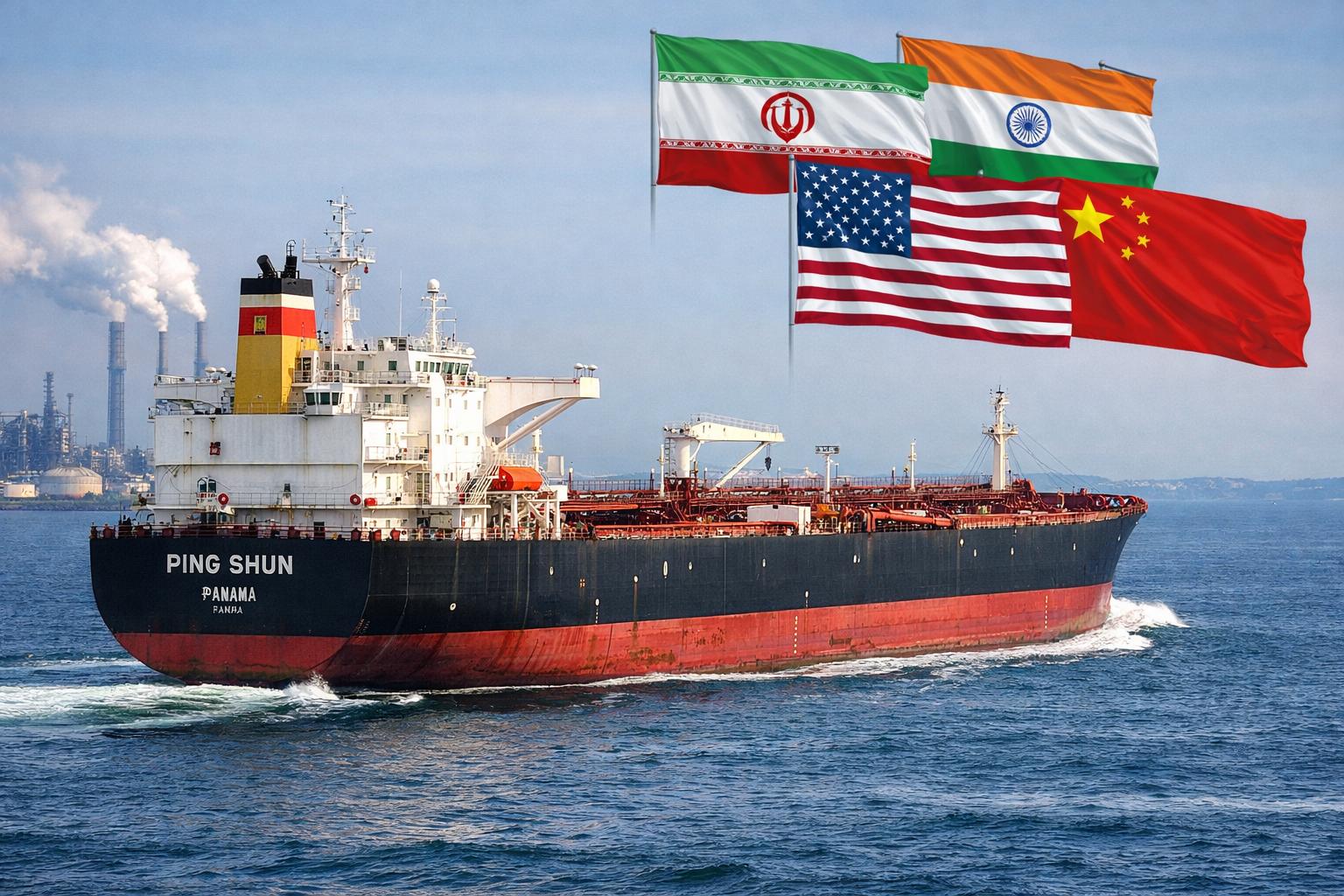
Sanctioned tanker diverts Iranian crude from India to China amid payment concerns
A U.S.-sanctioned oil tanker carrying Iranian crude has changed course from India to China, raising uncertainty over what could have been India’s first Iranian oil import in nearly seven years. The Aframax tanker Ping Shun, built in 2002 and sanctioned by the United States in 2025, is now signaling Dongying, China, as its destination instead of Vadinar in Gujarat, according to data from Kpler.
Sanctioned tanker diverts Iranian crude from India to China amid payment concerns
A U.S.-sanctioned oil tanker carrying Iranian crude has changed course from India to China, raising uncertainty over what could have been India’s first Iranian oil import in nearly seven years. The Aframax tanker Ping Shun, built in 2002 and sanctioned by the United States in 2025, is now signaling Dongying, China, as its destination instead of Vadinar in Gujarat, according to data from Kpler.
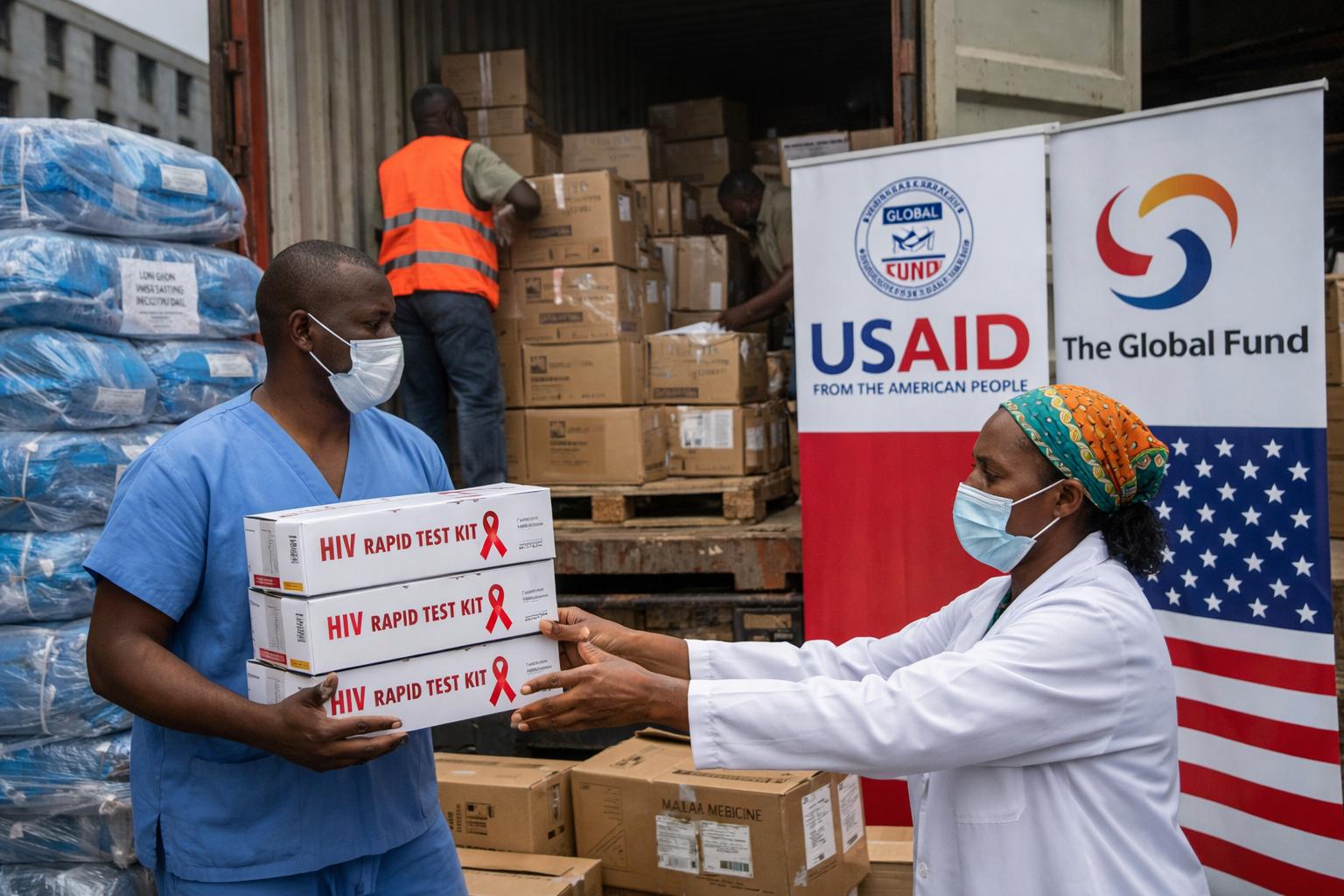
Changes to U.S. medical aid system may risk HIV and malaria supply chains
NAIROBI/LONDON — Friday, April 3, 2026 — The United States is restructuring how it delivers critical medical supplies for diseases such as HIV and malaria to lower-income countries, a move that officials and experts warn could disrupt life-saving services across multiple regions. For nearly a decade, the U.S. managed its medical aid through the Global Health Supply Chain Program, overseen by private contractor Chemonics. Between 2016 and 2024, the program distributed more than $5 billion worth of HIV and malaria treatments and prevention tools to roughly 90 countries, primarily in sub-Saharan Africa and parts of Asia. That system was first disrupted in January 2025, when President Donald Trump halted international aid on the first day of his presidency. The decision left large quantities of medical supplies stranded in ports and warehouses, including antiretroviral drugs and insecticide-treated bed nets. Although a waiver later allowed the resumption of some life-saving shipments, uncertainty has persisted. The latest shift comes as the administration reduces foreign aid spending, dismantles the U.S. Agency for International Development (USAID), and transitions away from contractor-led programs toward direct agreements with recipient governments. According to multiple sources, the U.S. State Department instructed staff in 17 African countries and Haiti via an internal email sent on Tuesday, April 1, 2026, to begin phasing out the current supply program by Friday, May 30, 2026. The same communication noted that the Chemonics contract would end on Tuesday, September 30, 2026, aligning with broader USAID program closures. However, officials cautioned that a rushed transition could create immediate risks to service continuity, potentially leading to shortages of essential medicines. Experts familiar with the process say the timeline is particularly challenging because procuring and delivering medical products to remote regions can take up to a year. Rapid changes could therefore interrupt treatment for patients relying on consistent access to HIV medications and malaria prevention tools. The U.S. government is reportedly exploring collaboration with the Global Fund to Fight AIDS, Tuberculosis and Malaria, which already manages approximately $2 billion in annual health procurement. Still, negotiations remain unclear, and earlier discussions had anticipated a transition closer to November 2027. The administration’s broader “America First” global health strategy emphasizes direct funding to national governments and increased use of private logistics firms. Officials argue the previous system was inefficient and costly, while critics warn that abrupt structural changes could weaken established supply chains. Recent bilateral agreements have been signed with several countries, including Kenya, Rwanda, and Uganda, though implementation details are still under negotiation. Legal and administrative challenges in some regions continue to delay progress, adding to concerns about potential disruptions in critical healthcare delivery systems.
Changes to U.S. medical aid system may risk HIV and malaria supply chains
NAIROBI/LONDON — Friday, April 3, 2026 — The United States is restructuring how it delivers critical medical supplies for diseases such as HIV and malaria to lower-income countries, a move that officials and experts warn could disrupt life-saving services across multiple regions. For nearly a decade, the U.S. managed its medical aid through the Global Health Supply Chain Program, overseen by private contractor Chemonics. Between 2016 and 2024, the program distributed more than $5 billion worth of HIV and malaria treatments and prevention tools to roughly 90 countries, primarily in sub-Saharan Africa and parts of Asia. That system was first disrupted in January 2025, when President Donald Trump halted international aid on the first day of his presidency. The decision left large quantities of medical supplies stranded in ports and warehouses, including antiretroviral drugs and insecticide-treated bed nets. Although a waiver later allowed the resumption of some life-saving shipments, uncertainty has persisted. The latest shift comes as the administration reduces foreign aid spending, dismantles the U.S. Agency for International Development (USAID), and transitions away from contractor-led programs toward direct agreements with recipient governments. According to multiple sources, the U.S. State Department instructed staff in 17 African countries and Haiti via an internal email sent on Tuesday, April 1, 2026, to begin phasing out the current supply program by Friday, May 30, 2026. The same communication noted that the Chemonics contract would end on Tuesday, September 30, 2026, aligning with broader USAID program closures. However, officials cautioned that a rushed transition could create immediate risks to service continuity, potentially leading to shortages of essential medicines. Experts familiar with the process say the timeline is particularly challenging because procuring and delivering medical products to remote regions can take up to a year. Rapid changes could therefore interrupt treatment for patients relying on consistent access to HIV medications and malaria prevention tools. The U.S. government is reportedly exploring collaboration with the Global Fund to Fight AIDS, Tuberculosis and Malaria, which already manages approximately $2 billion in annual health procurement. Still, negotiations remain unclear, and earlier discussions had anticipated a transition closer to November 2027. The administration’s broader “America First” global health strategy emphasizes direct funding to national governments and increased use of private logistics firms. Officials argue the previous system was inefficient and costly, while critics warn that abrupt structural changes could weaken established supply chains. Recent bilateral agreements have been signed with several countries, including Kenya, Rwanda, and Uganda, though implementation details are still under negotiation. Legal and administrative challenges in some regions continue to delay progress, adding to concerns about potential disruptions in critical healthcare delivery systems.

Israel says 1,000 Hezbollah fighters killed as Iran claims Amazon site strike
The Israeli military said it has killed approximately 1,000 Hezbollah operatives in Lebanon as hostilities intensify in parallel with escalating tensions involving Iran. The Israel Defense Forces (IDF) stated that the casualties include hundreds of members from Hezbollah’s elite Radwan Force, a key unit within the Iran-backed group. The announcement was made as cross-border exchanges between Israel and Hezbollah continue to increase in frequency and intensity. According to the IDF, Hezbollah launched around 130 rockets into Israeli territory over the previous 24-hour period. Israeli defense systems intercepted the majority of the projectiles, while others landed in open areas. However, several rockets struck populated areas, causing property damage and leaving multiple individuals with minor injuries. The developments were reported at 8:59 PM IST on Thursday, April 2, 2026. The situation reflects a broader escalation across the Middle East, with tensions extending beyond Israel and Lebanon. In a separate development, Iran’s Islamic Revolutionary Guard Corps (IRGC) claimed responsibility for an attack targeting an Amazon cloud computing facility in Bahrain. The claim was reported by Iranian state-affiliated media, which described the operation as part of the third phase of what it called the “90th wave” of Operation True Promise 4. The reported cyber or infrastructure-related strike comes amid heightened rhetoric from Iran. On Wednesday, April 1, 2026, the IRGC warned that it could target multiple major international companies, including Microsoft, Google, Apple, Intel, IBM, Tesla, and Boeing, citing their regional presence. These overlapping developments underscore the widening scope of the conflict, raising concerns about regional stability and the potential for broader international implications. While Israel continues military operations against Hezbollah, Iran’s actions and warnings suggest an expanding dimension that could involve both conventional and cyber domains.
Israel says 1,000 Hezbollah fighters killed as Iran claims Amazon site strike
The Israeli military said it has killed approximately 1,000 Hezbollah operatives in Lebanon as hostilities intensify in parallel with escalating tensions involving Iran. The Israel Defense Forces (IDF) stated that the casualties include hundreds of members from Hezbollah’s elite Radwan Force, a key unit within the Iran-backed group. The announcement was made as cross-border exchanges between Israel and Hezbollah continue to increase in frequency and intensity. According to the IDF, Hezbollah launched around 130 rockets into Israeli territory over the previous 24-hour period. Israeli defense systems intercepted the majority of the projectiles, while others landed in open areas. However, several rockets struck populated areas, causing property damage and leaving multiple individuals with minor injuries. The developments were reported at 8:59 PM IST on Thursday, April 2, 2026. The situation reflects a broader escalation across the Middle East, with tensions extending beyond Israel and Lebanon. In a separate development, Iran’s Islamic Revolutionary Guard Corps (IRGC) claimed responsibility for an attack targeting an Amazon cloud computing facility in Bahrain. The claim was reported by Iranian state-affiliated media, which described the operation as part of the third phase of what it called the “90th wave” of Operation True Promise 4. The reported cyber or infrastructure-related strike comes amid heightened rhetoric from Iran. On Wednesday, April 1, 2026, the IRGC warned that it could target multiple major international companies, including Microsoft, Google, Apple, Intel, IBM, Tesla, and Boeing, citing their regional presence. These overlapping developments underscore the widening scope of the conflict, raising concerns about regional stability and the potential for broader international implications. While Israel continues military operations against Hezbollah, Iran’s actions and warnings suggest an expanding dimension that could involve both conventional and cyber domains.
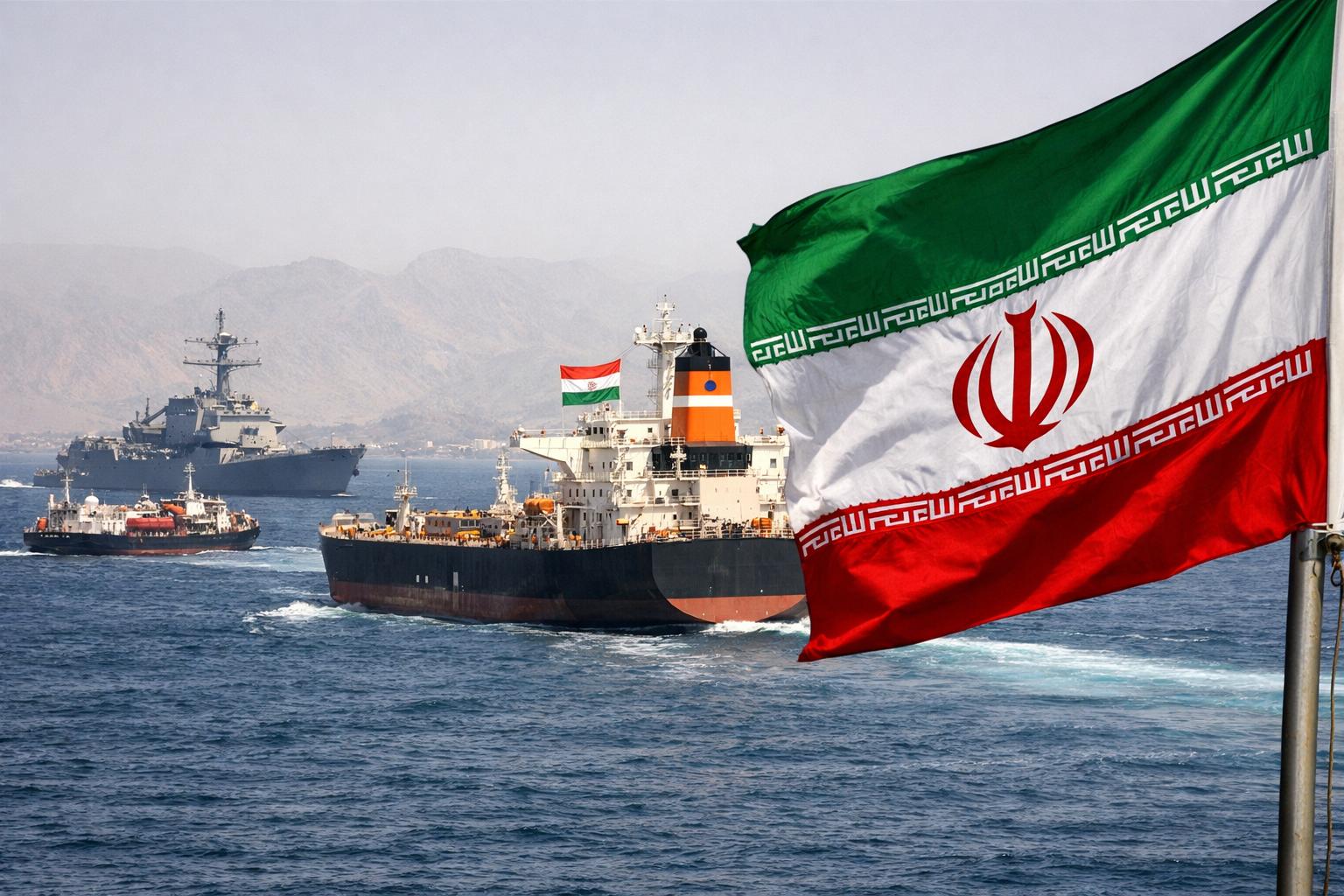
No Iran toll plan for Indian ships, India says amid shipping concerns
India’s government on Thursday, April 2, 2026 (IST), said there have been no discussions with Iran regarding the imposition of tolls on Indian ships transiting the Strait of Hormuz, dismissing recent reports circulating amid heightened tensions in West Asia. Speaking at a media briefing in New Delhi, Ministry of External Affairs spokesperson Randhir Jaiswal stated that no such proposal has been discussed between the two countries, countering speculation that had raised concerns over shipping c
No Iran toll plan for Indian ships, India says amid shipping concerns
India’s government on Thursday, April 2, 2026 (IST), said there have been no discussions with Iran regarding the imposition of tolls on Indian ships transiting the Strait of Hormuz, dismissing recent reports circulating amid heightened tensions in West Asia. Speaking at a media briefing in New Delhi, Ministry of External Affairs spokesperson Randhir Jaiswal stated that no such proposal has been discussed between the two countries, countering speculation that had raised concerns over shipping c
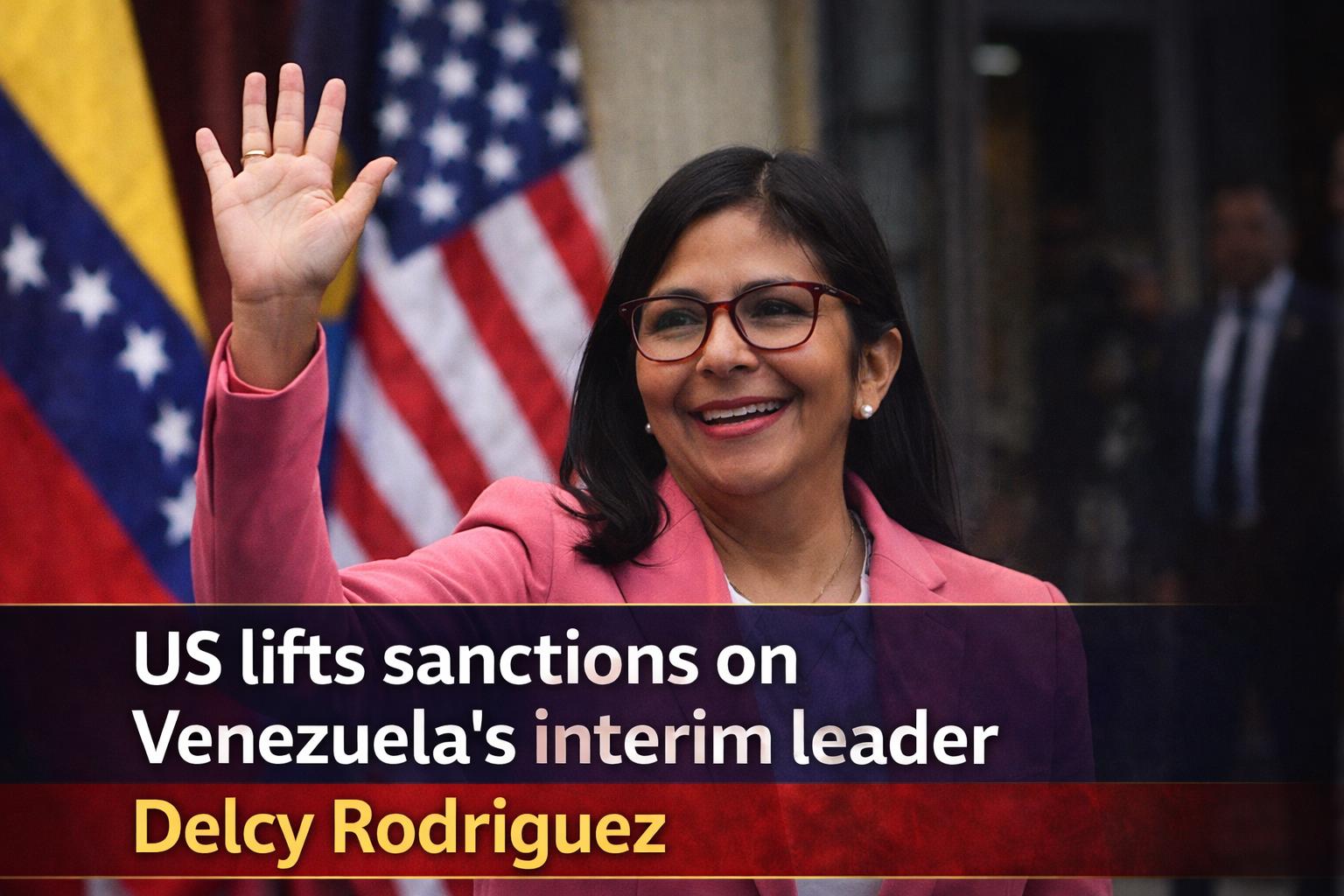
US lifts sanctions on Venezuela’s interim leader Delcy Rodríguez
The United States has lifted sanctions on Venezuela’s interim president Delcy Rodríguez, signaling a significant shift in diplomatic relations between the two countries. The decision follows a series of developments after US forces removed former leader Nicolás Maduro from power in a military operation in Caracas and brought him to New York to face drug trafficking charges. Rodríguez, a longtime ally of Maduro and former vice president, had been under US sanctions since 2018 ov
US lifts sanctions on Venezuela’s interim leader Delcy Rodríguez
The United States has lifted sanctions on Venezuela’s interim president Delcy Rodríguez, signaling a significant shift in diplomatic relations between the two countries. The decision follows a series of developments after US forces removed former leader Nicolás Maduro from power in a military operation in Caracas and brought him to New York to face drug trafficking charges. Rodríguez, a longtime ally of Maduro and former vice president, had been under US sanctions since 2018 ov

What birthright citizenship means and why Trump wants to end it
The US Supreme Court is reviewing a major legal challenge to President Donald Trump’s January 2025 executive order seeking to end birthright citizenship. During a hearing on Wednesday, April 1, 2026, justices examined whether the policy aligns with the US Constitution and federal law. Birthright citizenship is based on the 14th Amendment, which states that anyone born in the United States is automatically a citizen, regardless of their parents’ immigration status. This principle
What birthright citizenship means and why Trump wants to end it
The US Supreme Court is reviewing a major legal challenge to President Donald Trump’s January 2025 executive order seeking to end birthright citizenship. During a hearing on Wednesday, April 1, 2026, justices examined whether the policy aligns with the US Constitution and federal law. Birthright citizenship is based on the 14th Amendment, which states that anyone born in the United States is automatically a citizen, regardless of their parents’ immigration status. This principle
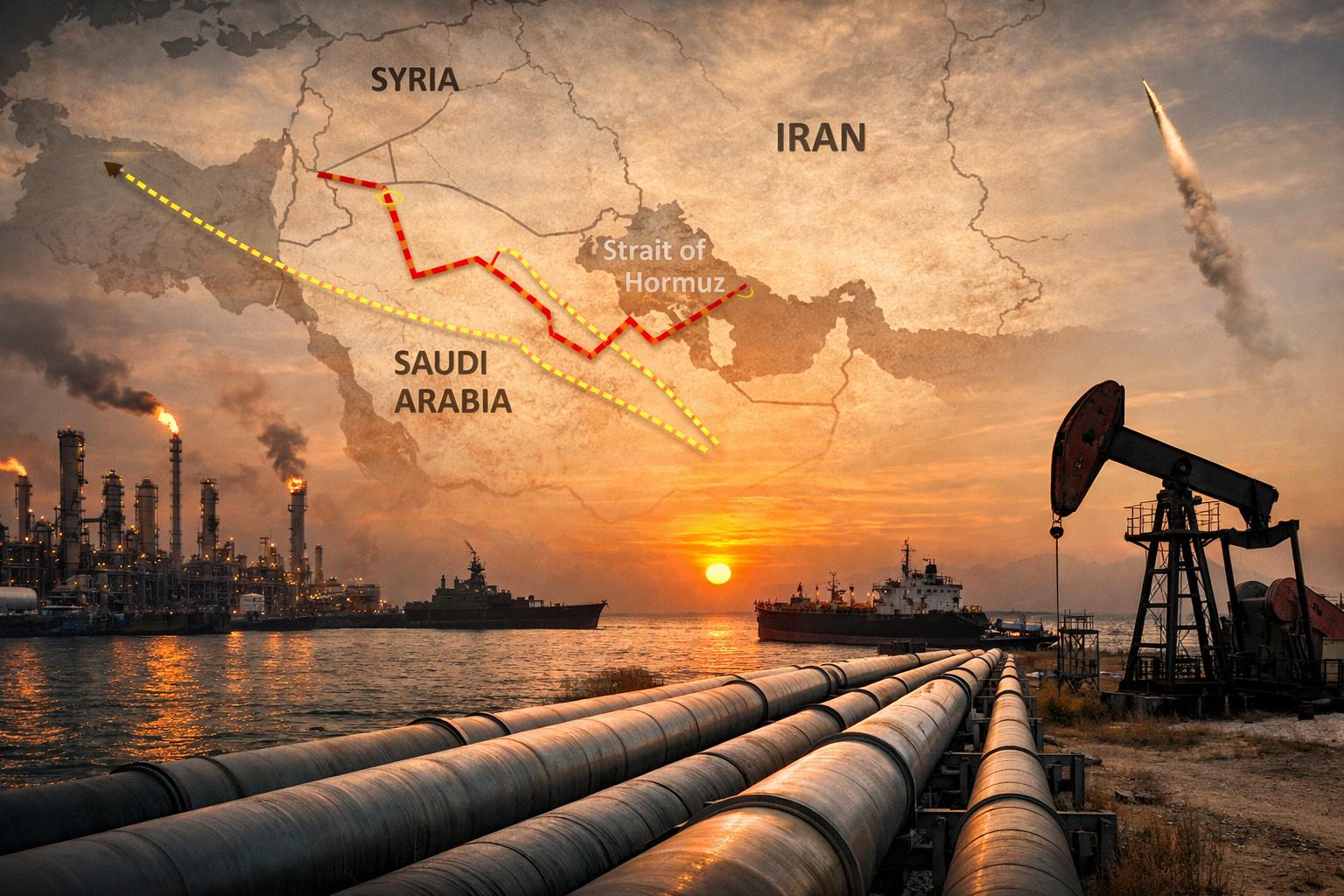
Gulf nations explore new oil routes after Strait of Hormuz closure
Gulf nations are accelerating discussions on building alternative oil and gas pipelines after Iran’s closure of the Strait of Hormuz disrupted a critical global energy corridor, halting exports from most countries in the region and cutting off roughly 20 percent of the world’s oil and gas supply. The blockade has exposed the region’s heavy dependence on the narrow maritime route, prompting officials and industry leaders to reconsider long-term infrastructure strategies. Saudi Arabia ha
Gulf nations explore new oil routes after Strait of Hormuz closure
Gulf nations are accelerating discussions on building alternative oil and gas pipelines after Iran’s closure of the Strait of Hormuz disrupted a critical global energy corridor, halting exports from most countries in the region and cutting off roughly 20 percent of the world’s oil and gas supply. The blockade has exposed the region’s heavy dependence on the narrow maritime route, prompting officials and industry leaders to reconsider long-term infrastructure strategies. Saudi Arabia ha
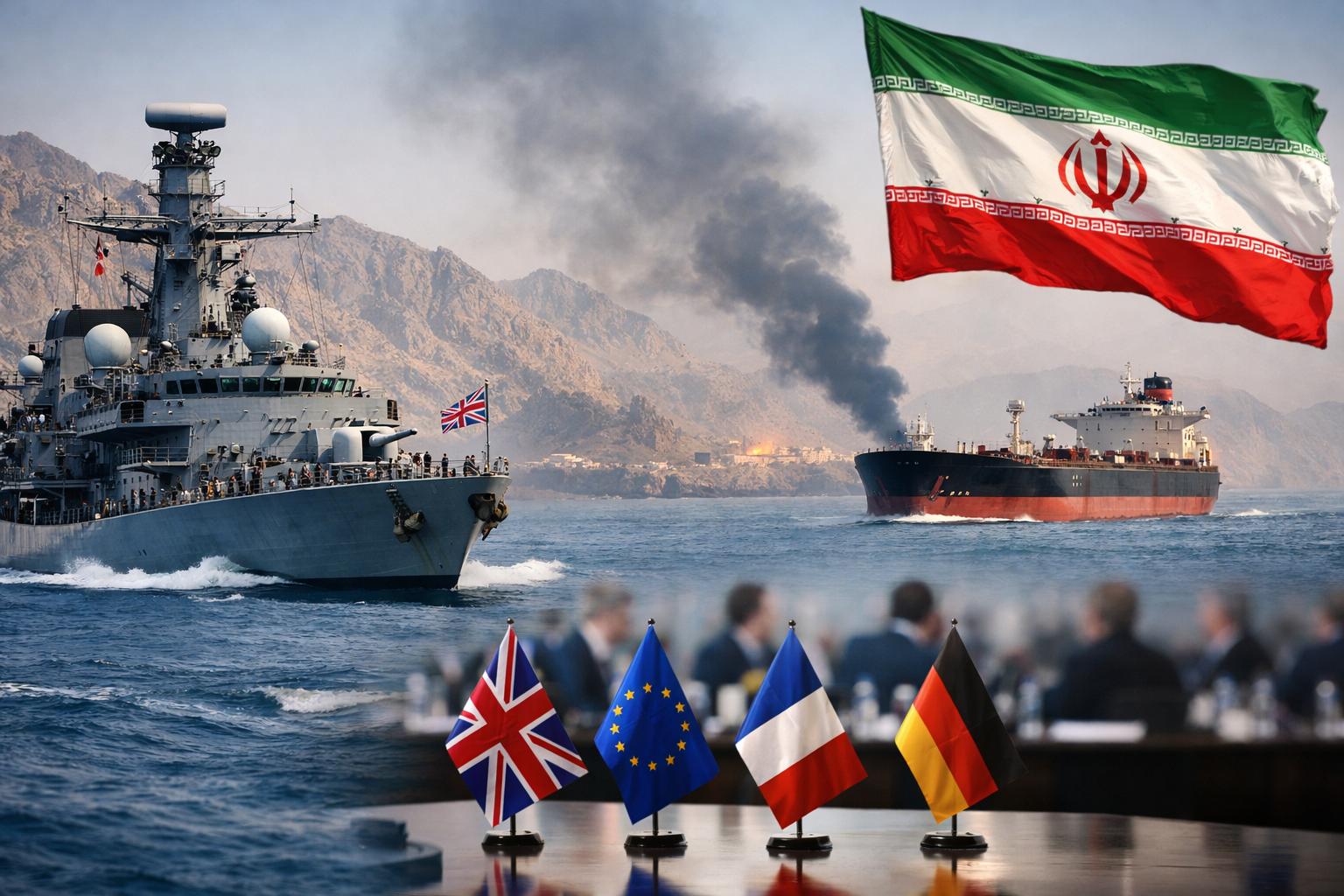
UK condemns Iran over Strait of Hormuz disruption amid global oil concerns
LONDON — The United Kingdom on Thursday, April 2, 2026, convened a virtual meeting of foreign ministers from roughly 35 nations to address escalating disruptions in the Strait of Hormuz, with UK Foreign Secretary Yvette Cooper sharply criticizing Iran’s actions as a threat to global economic stability. Speaking in opening remarks broadcast before the closed-door session, Cooper accused Iran of “hijacking an international shipping route” and warned that such actions were effectively h
UK condemns Iran over Strait of Hormuz disruption amid global oil concerns
LONDON — The United Kingdom on Thursday, April 2, 2026, convened a virtual meeting of foreign ministers from roughly 35 nations to address escalating disruptions in the Strait of Hormuz, with UK Foreign Secretary Yvette Cooper sharply criticizing Iran’s actions as a threat to global economic stability. Speaking in opening remarks broadcast before the closed-door session, Cooper accused Iran of “hijacking an international shipping route” and warned that such actions were effectively h

FIFA Under Fire as World Cup Final Tickets Hit Rs 10 Lakh, Fans Slam Disgusting Greed
FIFA has come under heavy criticism after ticket prices for the 2026 World Cup final surged to over Rs 10 lakh in the latest sales phase, sparking widespread backlash among fans. The tournament, scheduled to be jointly hosted by the United States, Mexico, and Canada, has seen rising ticket costs amid FIFA’s dynamic pricing model. Premium tickets for the final have reportedly climbed to $10,990, up from around $8,700 in an earlier phase, raising concerns over affordability for regu
FIFA Under Fire as World Cup Final Tickets Hit Rs 10 Lakh, Fans Slam Disgusting Greed
FIFA has come under heavy criticism after ticket prices for the 2026 World Cup final surged to over Rs 10 lakh in the latest sales phase, sparking widespread backlash among fans. The tournament, scheduled to be jointly hosted by the United States, Mexico, and Canada, has seen rising ticket costs amid FIFA’s dynamic pricing model. Premium tickets for the final have reportedly climbed to $10,990, up from around $8,700 in an earlier phase, raising concerns over affordability for regu

Stock Market : Dow, Nasdaq Futures
U.S. stock markets closed weaker as investors reacted to escalating geopolitical uncertainty. Major indices, including the Dow Jones Industrial Average, S&P 500, and Nasdaq, fell following comments from U.S. leadership that the conflict with Iran will continue in the coming weeks, which kept risk sentiment subdued. The S&P 500, which tracks 500 of the largest U.S. companies, declined nearly 0.9% on the day. Broader equity benchmarks weakened as stock buyers remained cautious
Stock Market : Dow, Nasdaq Futures
U.S. stock markets closed weaker as investors reacted to escalating geopolitical uncertainty. Major indices, including the Dow Jones Industrial Average, S&P 500, and Nasdaq, fell following comments from U.S. leadership that the conflict with Iran will continue in the coming weeks, which kept risk sentiment subdued. The S&P 500, which tracks 500 of the largest U.S. companies, declined nearly 0.9% on the day. Broader equity benchmarks weakened as stock buyers remained cautious

2026 World Cup lineup finalized as 48 teams confirmed
he lineup for the 2026 FIFA World Cup is now complete, marking a historic expansion to 48 teams for the first time. The tournament will take place across the United States, Canada, and Mexico from Thursday, June 11, 2026, to Sunday, July 19, 2026. The final qualifying spots were secured on Monday, March 31, 2026, following a long qualification process that began in September 2023 and included teams from six global confederations. DR Congo and Iraq were among the last nations to conf
2026 World Cup lineup finalized as 48 teams confirmed
he lineup for the 2026 FIFA World Cup is now complete, marking a historic expansion to 48 teams for the first time. The tournament will take place across the United States, Canada, and Mexico from Thursday, June 11, 2026, to Sunday, July 19, 2026. The final qualifying spots were secured on Monday, March 31, 2026, following a long qualification process that began in September 2023 and included teams from six global confederations. DR Congo and Iraq were among the last nations to conf
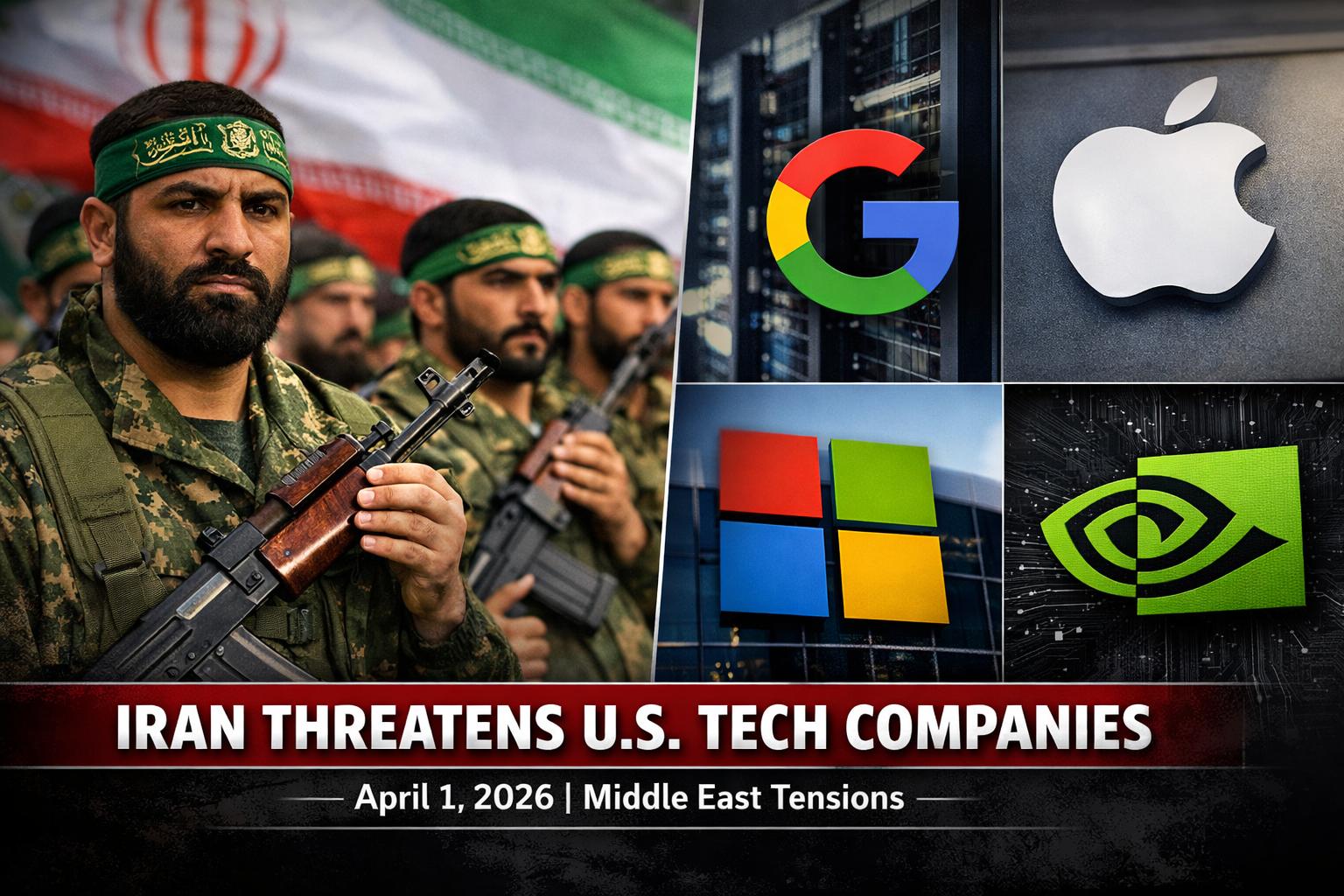
Iran issues April 1 deadline for attacks on Nvidia, Apple, Microsoft
Iran’s Islamic Revolutionary Guard Corps has issued a direct warning targeting major U.S. technology companies operating in the Middle East, signaling a potential escalation in geopolitical tensions that could extend into corporate and digital infrastructure. In a statement released on Wednesday, April 1, 2026, the Guard declared that at least 18 international companies would be considered “legitimate targets” following recent U.S. and Israeli military actions against Iran. The
Iran issues April 1 deadline for attacks on Nvidia, Apple, Microsoft
Iran’s Islamic Revolutionary Guard Corps has issued a direct warning targeting major U.S. technology companies operating in the Middle East, signaling a potential escalation in geopolitical tensions that could extend into corporate and digital infrastructure. In a statement released on Wednesday, April 1, 2026, the Guard declared that at least 18 international companies would be considered “legitimate targets” following recent U.S. and Israeli military actions against Iran. The
Iran denies ceasefire request claim made by Donald Trump
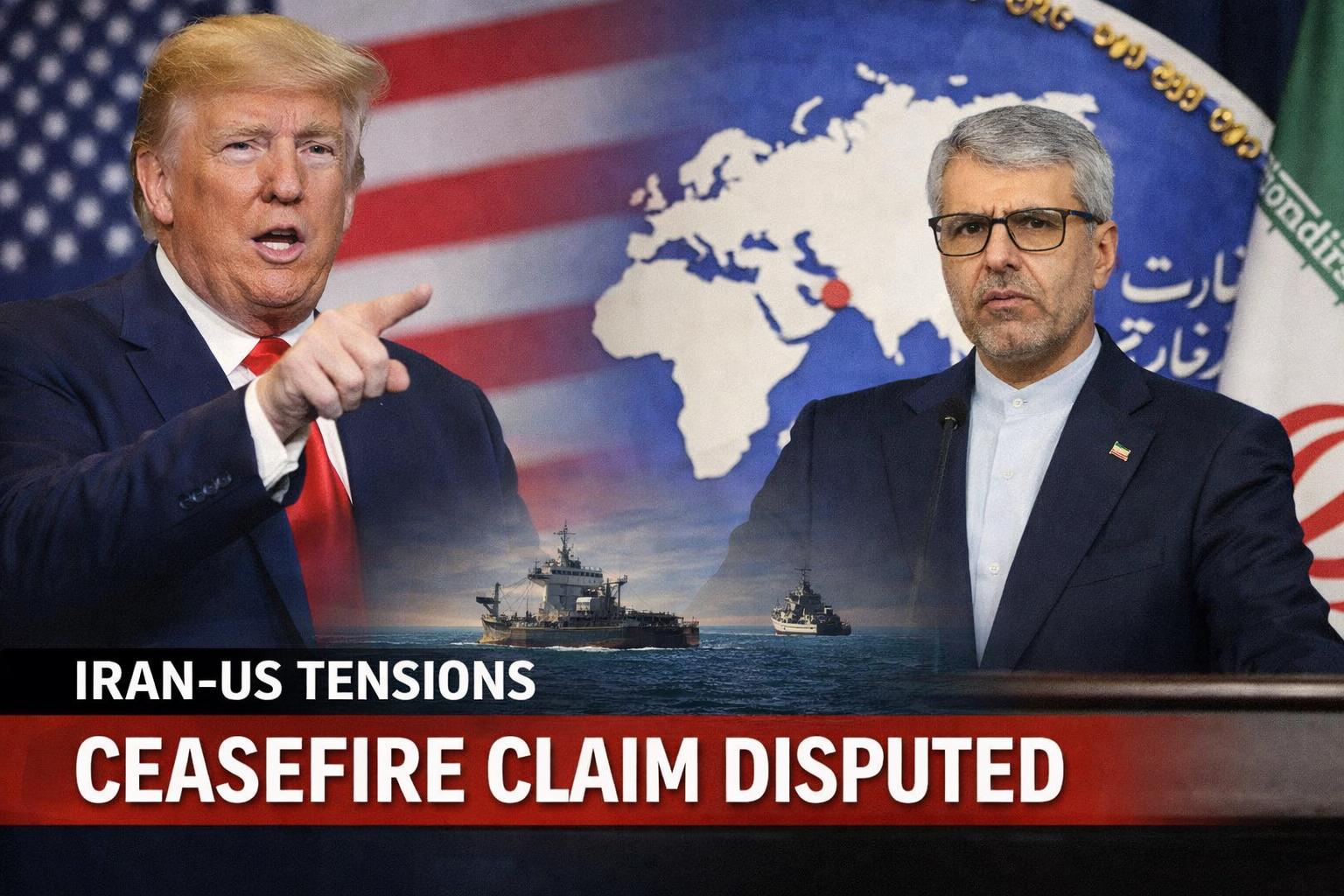
Iran has firmly rejected claims that it sought a ceasefire with the United States, calling recent remarks by U.S. President Donald Trump “false and baseless.” The statement was issued by Iran’s foreign ministry spokesman Esmaeil Baqaei and broadcast on Iranian state television, amid heightened geopolitical tensions in the Middle East. Trump had earlier stated on his social media platform that Iran had requested a ceasefire, referring to what he described as the country’s “new regime president,” though he did not provide a name. He added that any consideration of a ceasefire would depend on the Strait of Hormuz being “open, free, and clear,” highlighting the strategic importance of the waterway. Iran’s foreign ministry swiftly denied the claim, emphasizing that no such request had been made to Washington. Officials described the statement as misleading and reiterated that there are currently no ceasefire negotiations underway between the two nations. The response underscores the strained relationship between Iran and the United States, particularly at a time when tensions surrounding the Strait of Hormuz remain elevated. The Strait of Hormuz is a critical global shipping route through which a significant portion of the world’s oil supply passes. Any disruption in this region can have immediate and far-reaching effects on global energy markets and international trade. Recent developments have already contributed to concerns about oil supply stability and rising fuel costs. The conflicting statements from both sides reflect the broader uncertainty surrounding the current geopolitical climate. While Trump’s comments suggested the possibility of diplomatic engagement, Iran’s denial indicates that no formal communication regarding a ceasefire has taken place. As tensions continue to unfold, the situation remains closely monitored by governments and analysts worldwide. The absence of confirmed negotiations highlights the fragile nature of U.S.-Iran relations and the ongoing challenges in achieving stability in the region.
Iran denies ceasefire request claim made by Donald Trump
Iran has firmly rejected claims that it sought a ceasefire with the United States, calling recent remarks by U.S. President Donald Trump “false and baseless.” The statement was issued by Iran’s foreign ministry spokesman Esmaeil Baqaei and broadcast on Iranian state television, amid heightened geopolitical tensions in the Middle East. Trump had earlier stated on his social media platform that Iran had requested a ceasefire, referring to what he described as the country’s “new regime president,” though he did not provide a name. He added that any consideration of a ceasefire would depend on the Strait of Hormuz being “open, free, and clear,” highlighting the strategic importance of the waterway. Iran’s foreign ministry swiftly denied the claim, emphasizing that no such request had been made to Washington. Officials described the statement as misleading and reiterated that there are currently no ceasefire negotiations underway between the two nations. The response underscores the strained relationship between Iran and the United States, particularly at a time when tensions surrounding the Strait of Hormuz remain elevated. The Strait of Hormuz is a critical global shipping route through which a significant portion of the world’s oil supply passes. Any disruption in this region can have immediate and far-reaching effects on global energy markets and international trade. Recent developments have already contributed to concerns about oil supply stability and rising fuel costs. The conflicting statements from both sides reflect the broader uncertainty surrounding the current geopolitical climate. While Trump’s comments suggested the possibility of diplomatic engagement, Iran’s denial indicates that no formal communication regarding a ceasefire has taken place. As tensions continue to unfold, the situation remains closely monitored by governments and analysts worldwide. The absence of confirmed negotiations highlights the fragile nature of U.S.-Iran relations and the ongoing challenges in achieving stability in the region.

Iran conflict drives global fuel crisis, Australia unveils emergency measures
Australia is experiencing the ripple effects of a growing global fuel crisis linked to the ongoing Iran conflict, with Prime Minister Anthony Albanese warning that the economic disruption could persist for months. In a rare national address, Albanese emphasized that while Australia is not directly involved in the conflict, its economic consequences are already placing pressure on households and businesses across the country. The most immediate impact has been a sharp increase in petrol and d
Iran conflict drives global fuel crisis, Australia unveils emergency measures
Australia is experiencing the ripple effects of a growing global fuel crisis linked to the ongoing Iran conflict, with Prime Minister Anthony Albanese warning that the economic disruption could persist for months. In a rare national address, Albanese emphasized that while Australia is not directly involved in the conflict, its economic consequences are already placing pressure on households and businesses across the country. The most immediate impact has been a sharp increase in petrol and d

PM Modi Leads CCS Meeting to Assess Economic and Energy Impact of West Asia War
Prime Minister Narendra Modi is set to chair an extended meeting of the Cabinet Committee on Security (CCS) on 1st April 2026 at 7 pm, aiming to review the ongoing situation in West Asia and its potential consequences for India’s energy security, supply chains, and overall macroeconomic stability. The meeting comes shortly after the March 22 review, where the government conducted an assessment of essential commodities like food, fertilisers, fuel, and power in light of the escalating confli
PM Modi Leads CCS Meeting to Assess Economic and Energy Impact of West Asia War
Prime Minister Narendra Modi is set to chair an extended meeting of the Cabinet Committee on Security (CCS) on 1st April 2026 at 7 pm, aiming to review the ongoing situation in West Asia and its potential consequences for India’s energy security, supply chains, and overall macroeconomic stability. The meeting comes shortly after the March 22 review, where the government conducted an assessment of essential commodities like food, fertilisers, fuel, and power in light of the escalating confli
Middle East conflict widens with Houthi entry, oil markets disrupted
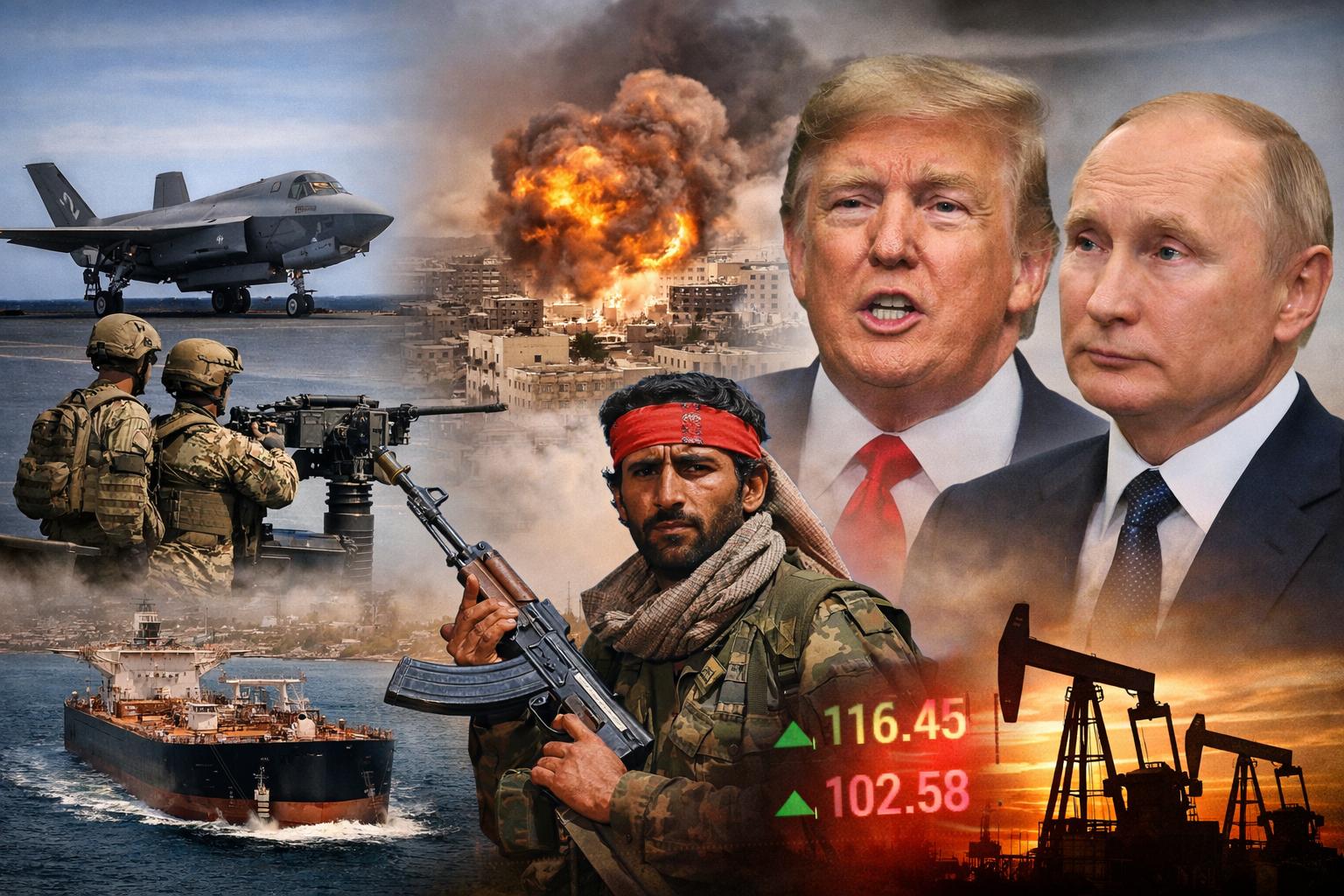
The ongoing conflict involving the United States, Israel, and Iran has extended beyond a month, intensifying geopolitical tensions and significantly impacting global energy markets. As of Tuesday, March 31, 2026, the situation shows few signs of de-escalation, with escalating military activity and limited diplomatic progress raising concerns across international observers. The conflict widened further over the weekend when Yemen’s Houthi rebels entered the fray, adding a new dimension to a
Middle East conflict widens with Houthi entry, oil markets disrupted
The ongoing conflict involving the United States, Israel, and Iran has extended beyond a month, intensifying geopolitical tensions and significantly impacting global energy markets. As of Tuesday, March 31, 2026, the situation shows few signs of de-escalation, with escalating military activity and limited diplomatic progress raising concerns across international observers. The conflict widened further over the weekend when Yemen’s Houthi rebels entered the fray, adding a new dimension to a
Iran IRGC threatens US companies after killing of senior military official
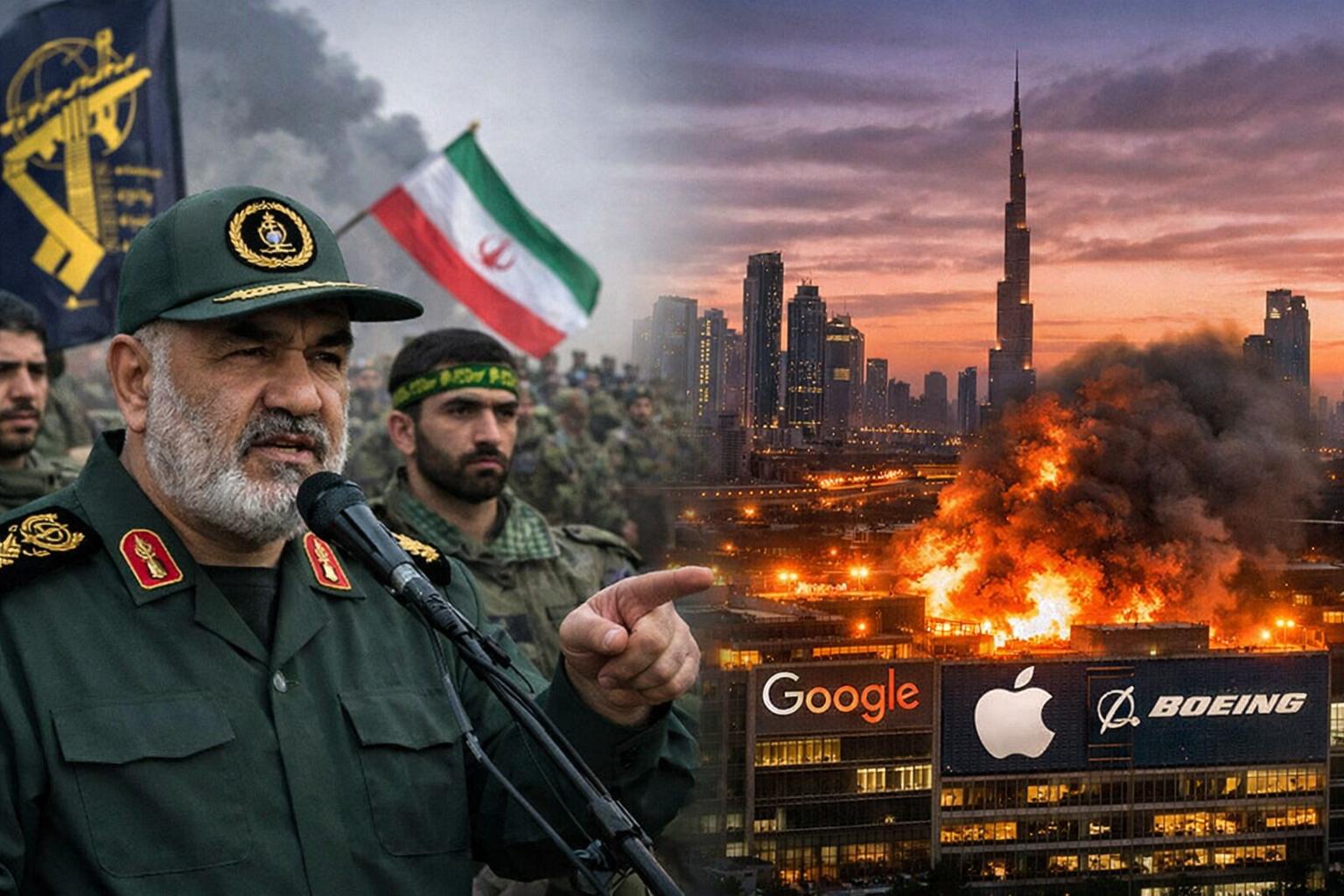
Iran’s Islamic Revolutionary Guard Corps (IRGC) issued a warning on Tuesday, March 31, 2026, stating it would target major American companies operating across West Asia and the Gulf if further Iranian leaders are killed in what it described as “targeted assassinations.” The statement marks a significant escalation in tensions, as the IRGC directly named 18 prominent U.S.-based firms and warned of potential retaliation against their regional facilities. Among the companies identified we
Iran IRGC threatens US companies after killing of senior military official
Iran’s Islamic Revolutionary Guard Corps (IRGC) issued a warning on Tuesday, March 31, 2026, stating it would target major American companies operating across West Asia and the Gulf if further Iranian leaders are killed in what it described as “targeted assassinations.” The statement marks a significant escalation in tensions, as the IRGC directly named 18 prominent U.S.-based firms and warned of potential retaliation against their regional facilities. Among the companies identified we

Reports of Oracle layoffs emerge amid shift toward AI investments
Reports circulating across online platforms indicate that Oracle Corporation may have initiated a fresh round of layoffs affecting employees in multiple regions, including India and Mexico, though the company has not issued an official confirmation regarding the scale or timing of these actions. Employees posting on professional forums such as Blind and Reddit described receiving early morning emails informing them that their positions had been eliminated with immediate effect. Several individuals reported that these notifications arrived as early as 5:00 AM or 6:00 AM local time, though the exact date of these communications has not been independently verified. Many said the messages were sent directly from company leadership without prior notice, formal HR discussions, or communication from direct managers. Accounts shared online suggest that access to internal systems was revoked shortly after the emails were delivered, leaving affected employees without a transition period. Some posts indicate that roles within cloud computing and engineering teams may have been impacted, although the full scope of departments involved remains unclear. Unverified claims circulating on social media suggest that between 20,000 and 30,000 employees could be affected, representing a significant portion of Oracle’s global workforce of approximately 162,000. However, these figures remain speculative and have not been confirmed by the company. The reported layoffs come at a time when Oracle continues to expand its investments in artificial intelligence infrastructure and data centers. Industry observers note that many technology companies are restructuring operations to prioritize AI-driven initiatives and cloud services, which may involve reallocating resources and reducing roles in other areas. Similar workforce reductions have been observed across the broader tech industry in recent months, as companies reassess hiring strategies following periods of rapid expansion. While some analysts link these layoffs to increased spending on AI, others suggest they reflect efforts to correct overhiring during earlier growth cycles. In the absence of an official statement, the full extent and impact of the reported layoffs at Oracle remain uncertain, with affected employees continuing to share their experiences across online platforms.
Reports of Oracle layoffs emerge amid shift toward AI investments
Reports circulating across online platforms indicate that Oracle Corporation may have initiated a fresh round of layoffs affecting employees in multiple regions, including India and Mexico, though the company has not issued an official confirmation regarding the scale or timing of these actions. Employees posting on professional forums such as Blind and Reddit described receiving early morning emails informing them that their positions had been eliminated with immediate effect. Several individuals reported that these notifications arrived as early as 5:00 AM or 6:00 AM local time, though the exact date of these communications has not been independently verified. Many said the messages were sent directly from company leadership without prior notice, formal HR discussions, or communication from direct managers. Accounts shared online suggest that access to internal systems was revoked shortly after the emails were delivered, leaving affected employees without a transition period. Some posts indicate that roles within cloud computing and engineering teams may have been impacted, although the full scope of departments involved remains unclear. Unverified claims circulating on social media suggest that between 20,000 and 30,000 employees could be affected, representing a significant portion of Oracle’s global workforce of approximately 162,000. However, these figures remain speculative and have not been confirmed by the company. The reported layoffs come at a time when Oracle continues to expand its investments in artificial intelligence infrastructure and data centers. Industry observers note that many technology companies are restructuring operations to prioritize AI-driven initiatives and cloud services, which may involve reallocating resources and reducing roles in other areas. Similar workforce reductions have been observed across the broader tech industry in recent months, as companies reassess hiring strategies following periods of rapid expansion. While some analysts link these layoffs to increased spending on AI, others suggest they reflect efforts to correct overhiring during earlier growth cycles. In the absence of an official statement, the full extent and impact of the reported layoffs at Oracle remain uncertain, with affected employees continuing to share their experiences across online platforms.