

































Trump loses $1b white house ballroom funding in senate bill
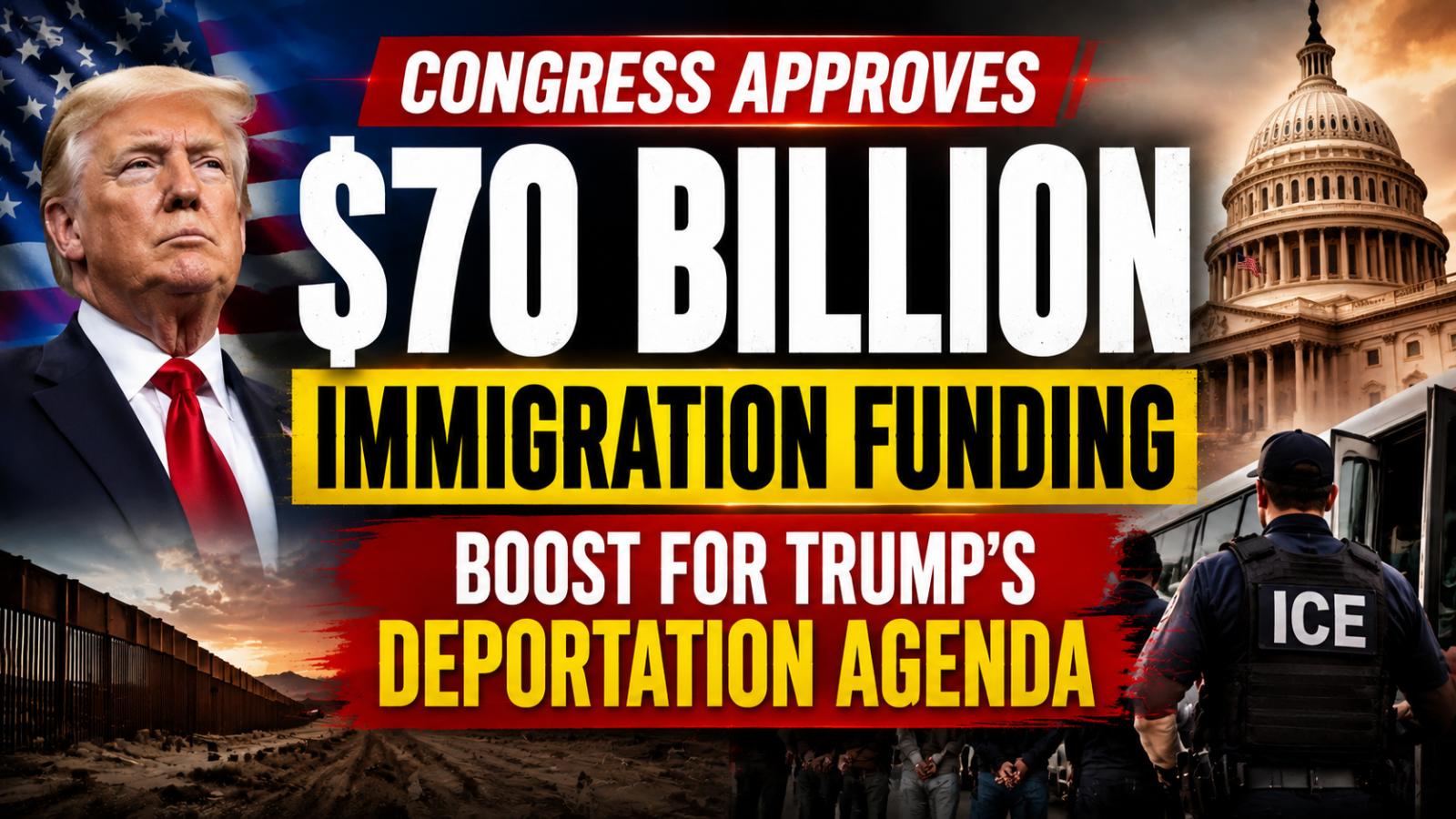
On May 20, the Senate removed $1 billion in funding for the White House ballroom project from a larger immigration bill, marking a notable political setback for former President Donald Trump. The funding was intended to cover Secret Service security upgrades for the East Wing, including modernized infrastructure and underground enhancements. The decision followed guidance from Senate Parliamentarian Elizabeth MacDonough, who flagged the allocation as incompatible with budget reconciliation ru
Trump loses $1b white house ballroom funding in senate bill
On May 20, the Senate removed $1 billion in funding for the White House ballroom project from a larger immigration bill, marking a notable political setback for former President Donald Trump. The funding was intended to cover Secret Service security upgrades for the East Wing, including modernized infrastructure and underground enhancements. The decision followed guidance from Senate Parliamentarian Elizabeth MacDonough, who flagged the allocation as incompatible with budget reconciliation ru
Reverse Migration Fear: 30K Kerala Students May Return Amid Global Visa Crackdown
Reverse migration concerns are growing rapidly in Kerala as countries like the United Kingdom, Canada, Australia, and several European nations tighten immigration and student visa policies. Education experts and overseas consultancy agencies estimate that nearly 30,000 Malayali students could return home over the coming years due to stricter migration rules, reduced work opportunities, and changing settlement regulations abroad. The issue is creating anxiety among students and families who once viewed overseas education as a stable path toward global careers and permanent residency. For many years, Kerala witnessed a sharp rise in students moving abroad for higher education, attracted by better salaries, international exposure, and long-term settlement opportunities. However, recent policy changes in foreign nations are creating uncertainty for thousands of students who invested heavily through education loans and family savings. Many students now fear limited job opportunities and uncertain residency prospects after completing their courses. Countries such as the UK have introduced tighter dependent visa restrictions and stricter financial eligibility rules for international students. Canada has announced caps on student permits, while Australia has increased scrutiny in visa approvals and raised language and financial requirements for applicants. These changes are making it harder for students to secure employment and permanent residency after graduation, forcing many to reconsider their future plans abroad. The possibility of large-scale reverse migration is raising concerns about Kerala’s economy and employment sector. Returning graduates may struggle to find jobs that match their international qualifications and work experience. Education consultants in Kochi, Thiruvananthapuram, Kozhikode, and other cities report that students are becoming more cautious while selecting foreign destinations, increasingly preferring countries with stable immigration pathways. Experts believe Kerala may eventually need stronger employment programs, startup incentives, and skill-based opportunities to support returning graduates and prevent rising unemployment.
Reverse Migration Fear: 30K Kerala Students May Return Amid Global Visa Crackdown
Reverse migration concerns are growing rapidly in Kerala as countries like the United Kingdom, Canada, Australia, and several European nations tighten immigration and student visa policies. Education experts and overseas consultancy agencies estimate that nearly 30,000 Malayali students could return home over the coming years due to stricter migration rules, reduced work opportunities, and changing settlement regulations abroad. The issue is creating anxiety among students and families who once viewed overseas education as a stable path toward global careers and permanent residency. For many years, Kerala witnessed a sharp rise in students moving abroad for higher education, attracted by better salaries, international exposure, and long-term settlement opportunities. However, recent policy changes in foreign nations are creating uncertainty for thousands of students who invested heavily through education loans and family savings. Many students now fear limited job opportunities and uncertain residency prospects after completing their courses. Countries such as the UK have introduced tighter dependent visa restrictions and stricter financial eligibility rules for international students. Canada has announced caps on student permits, while Australia has increased scrutiny in visa approvals and raised language and financial requirements for applicants. These changes are making it harder for students to secure employment and permanent residency after graduation, forcing many to reconsider their future plans abroad. The possibility of large-scale reverse migration is raising concerns about Kerala’s economy and employment sector. Returning graduates may struggle to find jobs that match their international qualifications and work experience. Education consultants in Kochi, Thiruvananthapuram, Kozhikode, and other cities report that students are becoming more cautious while selecting foreign destinations, increasingly preferring countries with stable immigration pathways. Experts believe Kerala may eventually need stronger employment programs, startup incentives, and skill-based opportunities to support returning graduates and prevent rising unemployment.
Chicago: Terminally Ill Teen Seeks Reunion With Detained Parents
A terminally ill 18-year-old from Chicago is seeking a final reunion with his parents, who are being held in U.S. immigration custody in Arizona, family members and officials said this week. Kevin Gonzalez, a U.S. citizen receiving end-of-life care in Durango, has stage four colon cancer and has asked authorities to allow his parents’ release so he can see them before he dies. His parents were detained earlier this year after attempting to reenter the United States without authorization, according to federal officials. Their prior visa applications had been denied due to earlier immigration violations. The family said they sought humanitarian consideration following Kevin’s diagnosis, but their request was not approved. His condition has since worsened, with the cancer spreading to multiple organs, and doctors have shifted to palliative care. Kevin had lived in Chicago with relatives after his parents were deported in 2011, the family said. His mother briefly returned to the United States in 2024 before being deported again. The case has drawn attention from the Mexican consulate and U.S. lawmakers, who have urged authorities to weigh humanitarian factors. The parents are scheduled to appear before an immigration judge in Arizona on Thursday. Officials said the outcome could determine whether the parents are deported and allowed to reunite with their son in Mexico, or remain in custody pending further proceedings. Kevin’s request remains under review as his condition continues to deteriorate, relatives said.
Chicago: Terminally Ill Teen Seeks Reunion With Detained Parents
A terminally ill 18-year-old from Chicago is seeking a final reunion with his parents, who are being held in U.S. immigration custody in Arizona, family members and officials said this week. Kevin Gonzalez, a U.S. citizen receiving end-of-life care in Durango, has stage four colon cancer and has asked authorities to allow his parents’ release so he can see them before he dies. His parents were detained earlier this year after attempting to reenter the United States without authorization, according to federal officials. Their prior visa applications had been denied due to earlier immigration violations. The family said they sought humanitarian consideration following Kevin’s diagnosis, but their request was not approved. His condition has since worsened, with the cancer spreading to multiple organs, and doctors have shifted to palliative care. Kevin had lived in Chicago with relatives after his parents were deported in 2011, the family said. His mother briefly returned to the United States in 2024 before being deported again. The case has drawn attention from the Mexican consulate and U.S. lawmakers, who have urged authorities to weigh humanitarian factors. The parents are scheduled to appear before an immigration judge in Arizona on Thursday. Officials said the outcome could determine whether the parents are deported and allowed to reunite with their son in Mexico, or remain in custody pending further proceedings. Kevin’s request remains under review as his condition continues to deteriorate, relatives said.
Trump Supports Proposal to Rename ICE to NICE Amid Immigration Debate
US President Donald Trump has generated significant attention on social media after sharing a proposed logo design for a rebranded version of the US Immigration and Customs Enforcement (ICE). The new design features a prominent eagle with outstretched wings, styled in gold and black, holding arrows and an olive branch. At the center, a shield with stars and stripes is flanked by stars above and below, with the acronym ‘NICE’ boldly displayed in the center. The proposal to rename ICE to th
Trump Supports Proposal to Rename ICE to NICE Amid Immigration Debate
US President Donald Trump has generated significant attention on social media after sharing a proposed logo design for a rebranded version of the US Immigration and Customs Enforcement (ICE). The new design features a prominent eagle with outstretched wings, styled in gold and black, holding arrows and an olive branch. At the center, a shield with stars and stripes is flanked by stars above and below, with the acronym ‘NICE’ boldly displayed in the center. The proposal to rename ICE to th
GOP’s $1B White House Security Bill Fuels Trump Ballroom Fight
GOP Bill Seeks $1B for White House Security Upgrades Senate Republicans are pushing a $1 billion White House security funding plan tied to President Donald Trump’s proposed ballroom project, setting up a sharp fight in Congress. The money would go to the U.S. Secret Service for “security adjustments and upgrades” around the White House complex, including above-ground and below-ground protections. Officials said the funding is meant for security work, not bal
GOP’s $1B White House Security Bill Fuels Trump Ballroom Fight
GOP Bill Seeks $1B for White House Security Upgrades Senate Republicans are pushing a $1 billion White House security funding plan tied to President Donald Trump’s proposed ballroom project, setting up a sharp fight in Congress. The money would go to the U.S. Secret Service for “security adjustments and upgrades” around the White House complex, including above-ground and below-ground protections. Officials said the funding is meant for security work, not bal
Indian student’s death in Chicago highlights mental health and visa stress
A 26-year-old Indian student from Andhra Pradesh died by suicide in Chicago after struggling to find a job post-graduation. Facing financial pressure and emotional stress, he left messages before his death. A fundraiser is underway to support repatriation and assist his family. Indian student’s death in Chicago highlights mental health and visa stress as Iraganaboyina Chandu, a 26-year-old graduate from Andhra Pradesh, died by suicide at his residence in Chicago
Indian student’s death in Chicago highlights mental health and visa stress
A 26-year-old Indian student from Andhra Pradesh died by suicide in Chicago after struggling to find a job post-graduation. Facing financial pressure and emotional stress, he left messages before his death. A fundraiser is underway to support repatriation and assist his family. Indian student’s death in Chicago highlights mental health and visa stress as Iraganaboyina Chandu, a 26-year-old graduate from Andhra Pradesh, died by suicide at his residence in Chicago
Trump administration accelerates denaturalisation cases across the US
The United States Justice Department is currently pursuing at least 300 foreign-born American citizens as part of an intensified denaturalisation effort, marking what officials describe as the largest such initiative in the country’s history. The legal process, which allows authorities to revoke citizenship obtained through fraud or concealment, has traditionally been used sparingly but is now being applied on an unprecedented scale. A senior offi
Trump administration accelerates denaturalisation cases across the US
The United States Justice Department is currently pursuing at least 300 foreign-born American citizens as part of an intensified denaturalisation effort, marking what officials describe as the largest such initiative in the country’s history. The legal process, which allows authorities to revoke citizenship obtained through fraud or concealment, has traditionally been used sparingly but is now being applied on an unprecedented scale. A senior offi
Trump shares Michael Savage post on birthright citizenship: Who he is and why it’s controversial
Why did Donald Trump reshare Michael Savage’s post, and what impact did it have? The controversy began when Donald Trump reshared a detailed po
Trump shares Michael Savage post on birthright citizenship: Who he is and why it’s controversial
Why did Donald Trump reshare Michael Savage’s post, and what impact did it have? The controversy began when Donald Trump reshared a detailed po
“Butter Chicken Tsunami” Comment Triggers Debate Over Immigration and Trade
Comments by New Zealand lawmaker Shane Jones have sparked criticism from the Indian community and political leaders, highlighting tensions within the ruling coalition over immigration and a proposed trade agreement with India. Jones referred to the potential deal as a “butter chicken tsunami” during a radio interview, a remark that quickly drew backlash across political and community circles. Prime Minister Christopher Luxon described the statement as unhelpful but stopped short of labeling it discriminatory. The proposed agreement between New Zealand and India is already facing political hurdles, as Jones’s party, New Zealand First, has voiced opposition. This stance could force the governing party to seek support from the opposition Labour Party to secure parliamentary approval. Jones defended his position by raising concerns about immigration, arguing that unrestricted inflows could impact wages, infrastructure, and public services. His remarks have reignited broader debates about immigration policy and economic priorities, especially as the country navigates its trade relationships. Community leaders expressed strong concern over the tone of the comments. Representatives from Indian associations emphasized the contributions of Indians, who form one of the largest ethnic groups in the country. They argued that such rhetoric risks undermining social cohesion and creating unnecessary divisions within a multicultural society. The controversy has also drawn reactions from political opponents. Labour leader Chris Hipkins criticized the remarks, calling for more responsible discourse from public officials. Business representatives echoed similar sentiments, suggesting that policymakers should focus on constructive dialogue rather than rhetoric that could damage bilateral ties. Jones later acknowledged that colleagues had advised him to moderate his language, though he maintained that his comments were intended to emphasize concerns. As debate continues, the episode underscores the challenges facing New Zealand’s leadership in balancing trade ambitions, immigration policy, and maintaining unity within a diverse population.
“Butter Chicken Tsunami” Comment Triggers Debate Over Immigration and Trade
Comments by New Zealand lawmaker Shane Jones have sparked criticism from the Indian community and political leaders, highlighting tensions within the ruling coalition over immigration and a proposed trade agreement with India. Jones referred to the potential deal as a “butter chicken tsunami” during a radio interview, a remark that quickly drew backlash across political and community circles. Prime Minister Christopher Luxon described the statement as unhelpful but stopped short of labeling it discriminatory. The proposed agreement between New Zealand and India is already facing political hurdles, as Jones’s party, New Zealand First, has voiced opposition. This stance could force the governing party to seek support from the opposition Labour Party to secure parliamentary approval. Jones defended his position by raising concerns about immigration, arguing that unrestricted inflows could impact wages, infrastructure, and public services. His remarks have reignited broader debates about immigration policy and economic priorities, especially as the country navigates its trade relationships. Community leaders expressed strong concern over the tone of the comments. Representatives from Indian associations emphasized the contributions of Indians, who form one of the largest ethnic groups in the country. They argued that such rhetoric risks undermining social cohesion and creating unnecessary divisions within a multicultural society. The controversy has also drawn reactions from political opponents. Labour leader Chris Hipkins criticized the remarks, calling for more responsible discourse from public officials. Business representatives echoed similar sentiments, suggesting that policymakers should focus on constructive dialogue rather than rhetoric that could damage bilateral ties. Jones later acknowledged that colleagues had advised him to moderate his language, though he maintained that his comments were intended to emphasize concerns. As debate continues, the episode underscores the challenges facing New Zealand’s leadership in balancing trade ambitions, immigration policy, and maintaining unity within a diverse population.
UK visa hurdles disrupt career of Indian professional, highlights broader issue
A young Indian professional’s experience reflects a broader reality faced by many Indians working abroad, especially in countries like the UK. After spending several years building a career overseas, many Indian workers hope to transition into long-term roles. However, visa restrictions often become a major hurdle. As work visas near expiration, professionals must secure jobs that offer sponsorship—something that is not always easy to find. Many companies are hesitant to sponsor for
UK visa hurdles disrupt career of Indian professional, highlights broader issue
A young Indian professional’s experience reflects a broader reality faced by many Indians working abroad, especially in countries like the UK. After spending several years building a career overseas, many Indian workers hope to transition into long-term roles. However, visa restrictions often become a major hurdle. As work visas near expiration, professionals must secure jobs that offer sponsorship—something that is not always easy to find. Many companies are hesitant to sponsor for
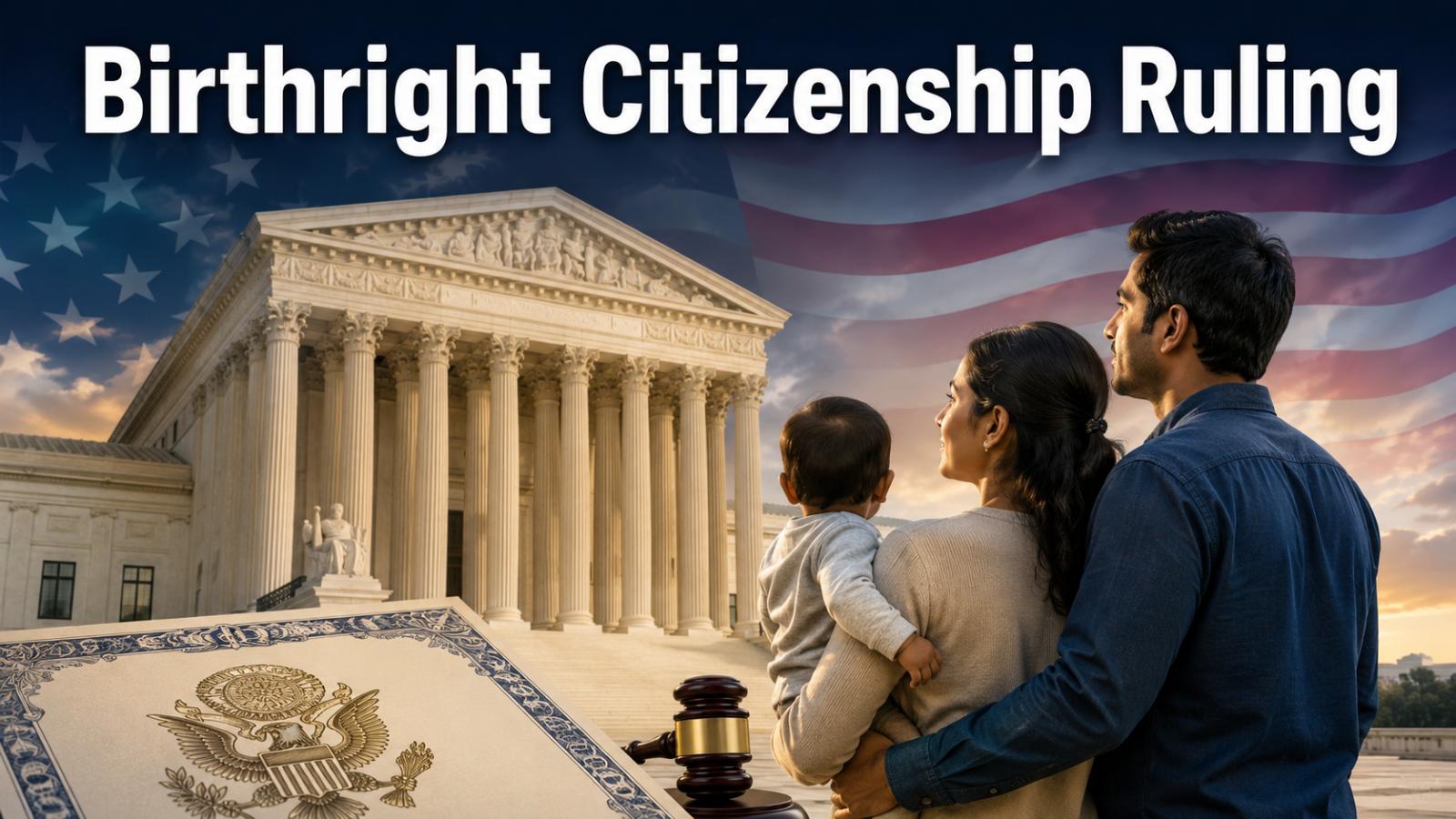
What birthright citizenship means and why Trump wants to end it
The US Supreme Court is reviewing a major legal challenge to President Donald Trump’s January 2025 executive order seeking to end birthright citizenship. During a hearing on Wednesday, April 1, 2026, justices examined whether the policy aligns with the US Constitution and federal law. Birthright citizenship is based on the 14th Amendment, which states that anyone born in the United States is automatically a citizen, regardless of their parents’ immigration status. This principle
What birthright citizenship means and why Trump wants to end it
The US Supreme Court is reviewing a major legal challenge to President Donald Trump’s January 2025 executive order seeking to end birthright citizenship. During a hearing on Wednesday, April 1, 2026, justices examined whether the policy aligns with the US Constitution and federal law. Birthright citizenship is based on the 14th Amendment, which states that anyone born in the United States is automatically a citizen, regardless of their parents’ immigration status. This principle
ACLU argues birthright citizenship using WWII internment example
An attorney for the American Civil Liberties Union argued before the U.S. Supreme Court that historical precedent supports granting citizenship to individuals born on American soil, referencing births during World War II-era Japanese internment as a key example. During an exchange with Justice Amy Coney Barrett, ACLU lawyer Wang pointed to the treatment of children born in U.S. detention camps, emphasizing that such individuals were widely recognized as American citizens under existing law.
ACLU argues birthright citizenship using WWII internment example
An attorney for the American Civil Liberties Union argued before the U.S. Supreme Court that historical precedent supports granting citizenship to individuals born on American soil, referencing births during World War II-era Japanese internment as a key example. During an exchange with Justice Amy Coney Barrett, ACLU lawyer Wang pointed to the treatment of children born in U.S. detention camps, emphasizing that such individuals were widely recognized as American citizens under existing law.
Trump names Markwayne Mullin as homeland security secretary starting March 31
US President Donald Trump on Thursday announced that Senator Markwayne Mullin will become the next United States Secretary of Homeland Security, with the appointment set to take effect on March 31, 2026. The announcement was made through a post on Truth Social, where Trump also revealed that the current secretary, Kristi Noem, will transition to a new role as special envoy for a forthcoming regional security initiative known as “The Shield of the Americas.” According to the pres
Trump names Markwayne Mullin as homeland security secretary starting March 31
US President Donald Trump on Thursday announced that Senator Markwayne Mullin will become the next United States Secretary of Homeland Security, with the appointment set to take effect on March 31, 2026. The announcement was made through a post on Truth Social, where Trump also revealed that the current secretary, Kristi Noem, will transition to a new role as special envoy for a forthcoming regional security initiative known as “The Shield of the Americas.” According to the pres
Tahawwur Rana case: Canada points to fraud grounds for revoking citizenship
Canada’s immigration authorities have declined to comment on the specific citizenship case of Tahawwur Hussain Rana, a Pakistani-born Canadian citizen accused of involvement in the 2008 Mumbai terror attacks, citing privacy laws and respect for ongoing legal proceedings. However, officials have reiterated that fraud and misrepresentation remain valid grounds for citizenship revocation under Canadian law. In a statement, Immigration, Refugees and Citizenship Canada (IRCC) said it c
Tahawwur Rana case: Canada points to fraud grounds for revoking citizenship
Canada’s immigration authorities have declined to comment on the specific citizenship case of Tahawwur Hussain Rana, a Pakistani-born Canadian citizen accused of involvement in the 2008 Mumbai terror attacks, citing privacy laws and respect for ongoing legal proceedings. However, officials have reiterated that fraud and misrepresentation remain valid grounds for citizenship revocation under Canadian law. In a statement, Immigration, Refugees and Citizenship Canada (IRCC) said it c
Roxbury residents protest planned ICE detention center in vacant warehouse
Tensions are rising in Roxbury, New Jersey, after Immigration and Customs Enforcement moved forward with plans to convert a vacant warehouse into an immigration detention center despite strong opposition from residents and local officials. Community members have staged protests in recent weeks and voiced concerns during town council meetings, arguing the proposed facility raises humanitarian, financial and neighborhood safety issues. Many residents say they oppose the ICE detention
Roxbury residents protest planned ICE detention center in vacant warehouse
Tensions are rising in Roxbury, New Jersey, after Immigration and Customs Enforcement moved forward with plans to convert a vacant warehouse into an immigration detention center despite strong opposition from residents and local officials. Community members have staged protests in recent weeks and voiced concerns during town council meetings, arguing the proposed facility raises humanitarian, financial and neighborhood safety issues. Many residents say they oppose the ICE detention
San Jose policy on police identification remains in effect despite federal ruling
San Jose officials say the city’s efforts to regulate immigration enforcement activities remain firmly in place, even as a recent federal court decision temporarily paused a related California law. Local leaders emphasized that the ruling does not weaken San Jose’s existing requirements for law enforcement officers to clearly identify themselves while on duty. The Ninth Circuit Court of Appeals issued a decision Thursday that put California’s No Vigilantes Act on hold pending
San Jose policy on police identification remains in effect despite federal ruling
San Jose officials say the city’s efforts to regulate immigration enforcement activities remain firmly in place, even as a recent federal court decision temporarily paused a related California law. Local leaders emphasized that the ruling does not weaken San Jose’s existing requirements for law enforcement officers to clearly identify themselves while on duty. The Ninth Circuit Court of Appeals issued a decision Thursday that put California’s No Vigilantes Act on hold pending
Canada Updates Express Entry Rules, Adds Military And Aviation Jobs
Canada has announced major changes to its Express Entry immigration system in 2026, introducing new priority categories to attract skilled professionals in key sectors such as healthcare, aviation, research, and defence. The revised immigration policy also includes highly skilled foreign military applicants, marking a significant shift in Canada’s strategy to strengthen its workforce and national security. The government stated that these changes are designed to ensure immigration remains s
Canada Updates Express Entry Rules, Adds Military And Aviation Jobs
Canada has announced major changes to its Express Entry immigration system in 2026, introducing new priority categories to attract skilled professionals in key sectors such as healthcare, aviation, research, and defence. The revised immigration policy also includes highly skilled foreign military applicants, marking a significant shift in Canada’s strategy to strengthen its workforce and national security. The government stated that these changes are designed to ensure immigration remains s
Green card holders barred from SBA small business loans under new US rules
Green card holders will no longer be eligible for government-backed small business loans in the United States beginning March 1, 2026, following a policy change by the US Small Business Administration that tightens citizenship and residency requirements for borrowers. The revised rules limit access to key SBA lending programs exclusively to US citizens and nationals who maintain their principal residence within the country or its territories, effectively barring lawful permanent residents from participation. According to an official policy notice issued in early February, the agency updated its Standard Operating Procedure 50 10 8, the framework that governs lender and development company loan programs. The revision rescinds earlier procedural guidance that permitted limited ownership by foreign nationals or certain residents living outside the United States. Under the new language, every direct and indirect owner of a small business applicant must meet the citizenship criteria. The SBA said the updated rules require 100 percent of ownership interests in any applicant or borrowing entity to be held by eligible US citizens or nationals. As a result, even minority ownership by a legal permanent resident will disqualify a company from receiving SBA-backed financing. The policy applies broadly to applicants, operating companies, and entities tied to the loan structure, leaving little flexibility for mixed-ownership businesses. The change is expected to affect a wide range of small and early-stage firms that rely on SBA loans for working capital, equipment purchases, and expansion. Many startups and family-owned enterprises depend on these lending programs because they offer lower interest rates and government guarantees that make financing more accessible. With the new restrictions in place, businesses that include green card holders among their owners may need to reconsider ownership arrangements or seek alternative sources of credit from private lenders. Agency officials indicated that the revisions align loan eligibility standards with existing federal regulations and a recent executive directive emphasizing stricter residency compliance. The policy will take effect for all new applications submitted on or after the effective date. Existing and prospective borrowers are being advised to review their ownership structures carefully to ensure continued eligibility under the updated requirements. The move marks a significant shift in how federal small business lending programs define qualification, narrowing access to public funds and reshaping the financing landscape for immigrant entrepreneurs. As the implementation date approaches, legal and financial advisers expect increased demand for guidance from affected business owners who must evaluate their options within the new framework.
Green card holders barred from SBA small business loans under new US rules
Green card holders will no longer be eligible for government-backed small business loans in the United States beginning March 1, 2026, following a policy change by the US Small Business Administration that tightens citizenship and residency requirements for borrowers. The revised rules limit access to key SBA lending programs exclusively to US citizens and nationals who maintain their principal residence within the country or its territories, effectively barring lawful permanent residents from participation. According to an official policy notice issued in early February, the agency updated its Standard Operating Procedure 50 10 8, the framework that governs lender and development company loan programs. The revision rescinds earlier procedural guidance that permitted limited ownership by foreign nationals or certain residents living outside the United States. Under the new language, every direct and indirect owner of a small business applicant must meet the citizenship criteria. The SBA said the updated rules require 100 percent of ownership interests in any applicant or borrowing entity to be held by eligible US citizens or nationals. As a result, even minority ownership by a legal permanent resident will disqualify a company from receiving SBA-backed financing. The policy applies broadly to applicants, operating companies, and entities tied to the loan structure, leaving little flexibility for mixed-ownership businesses. The change is expected to affect a wide range of small and early-stage firms that rely on SBA loans for working capital, equipment purchases, and expansion. Many startups and family-owned enterprises depend on these lending programs because they offer lower interest rates and government guarantees that make financing more accessible. With the new restrictions in place, businesses that include green card holders among their owners may need to reconsider ownership arrangements or seek alternative sources of credit from private lenders. Agency officials indicated that the revisions align loan eligibility standards with existing federal regulations and a recent executive directive emphasizing stricter residency compliance. The policy will take effect for all new applications submitted on or after the effective date. Existing and prospective borrowers are being advised to review their ownership structures carefully to ensure continued eligibility under the updated requirements. The move marks a significant shift in how federal small business lending programs define qualification, narrowing access to public funds and reshaping the financing landscape for immigrant entrepreneurs. As the implementation date approaches, legal and financial advisers expect increased demand for guidance from affected business owners who must evaluate their options within the new framework.
Senate Democrats threaten DHS funding block as shutdown risk rises
Senate Democrats signaled they are prepared to block a sweeping federal spending measure that includes funding for the Department of Homeland Security, escalating a budget standoff that could bring the federal government closer to a partial shutdown by the end of the week. The dispute centers on Democratic demands for new limits on the administration’s expanded immigration enforcement operations, which Republicans and the White House have so far resisted. The legislation, scheduled for a key procedural vote Thursday morning, would finance Homeland Security along with several other federal agencies. Without Democratic support, the bill lacks the votes needed to advance, setting the stage for a lapse in funding at midnight Friday. Democrats have made clear that unless changes are made to immigration enforcement practices, they will withhold their backing even if it means triggering a shutdown. Late Wednesday, there were indications that negotiations could still yield a temporary solution. According to a person familiar with the private discussions, the White House expressed openness to separating Homeland Security funding from the broader spending package. Under the idea being explored, Homeland Security would receive short-term funding while negotiations continue on Democratic demands, while other agencies covered by the bill would be funded through the end of September. The source spoke on condition of anonymity due to the sensitive nature of the talks. The confrontation has intensified following the deaths of two protesters in Minneapolis, who were fatally shot during encounters with federal agents. The incident has sharpened Democratic criticism of immigration enforcement tactics and added urgency to their push for new restrictions. In response, Senate Democrats outlined specific conditions they want included before allowing the funding bill to move forward. These include requirements for officers to remove face coverings, clearly identify themselves, and obtain warrants before making arrests. Democratic leaders argue that these measures are necessary to restore public trust and ensure accountability. They say support for border security and law enforcement does not extend to practices they describe as excessive or opaque. Without agreement on these points, Democrats insist they are willing to block the bill, even as the deadline to keep the government open approaches. Republicans counter that tying immigration enforcement conditions to must-pass funding legislation risks unnecessary disruption and uncertainty for federal agencies. They maintain that existing laws already provide appropriate oversight and warn that a shutdown would have far-reaching consequences, including delayed services and furloughed workers. The current impasse recalls a government shutdown earlier this year, when lawmakers failed to reach consensus over expiring federal health care subsidies. That standoff resulted in a 43-day shutdown after negotiations collapsed. Although a small group of moderates eventually brokered a deal to reopen the government, party leaders acknowledge that the political dynamics are different this time. Democrats appear more unified, galvanized by recent events and determined to force changes to immigration policy through the budget process. With hours remaining before the funding deadline, the outcome remains uncertain. Negotiators on both sides continue to weigh whether a short-term compromise can avert another shutdown or whether the standoff will once again disrupt federal operations nationwide.
Senate Democrats threaten DHS funding block as shutdown risk rises
Senate Democrats signaled they are prepared to block a sweeping federal spending measure that includes funding for the Department of Homeland Security, escalating a budget standoff that could bring the federal government closer to a partial shutdown by the end of the week. The dispute centers on Democratic demands for new limits on the administration’s expanded immigration enforcement operations, which Republicans and the White House have so far resisted. The legislation, scheduled for a key procedural vote Thursday morning, would finance Homeland Security along with several other federal agencies. Without Democratic support, the bill lacks the votes needed to advance, setting the stage for a lapse in funding at midnight Friday. Democrats have made clear that unless changes are made to immigration enforcement practices, they will withhold their backing even if it means triggering a shutdown. Late Wednesday, there were indications that negotiations could still yield a temporary solution. According to a person familiar with the private discussions, the White House expressed openness to separating Homeland Security funding from the broader spending package. Under the idea being explored, Homeland Security would receive short-term funding while negotiations continue on Democratic demands, while other agencies covered by the bill would be funded through the end of September. The source spoke on condition of anonymity due to the sensitive nature of the talks. The confrontation has intensified following the deaths of two protesters in Minneapolis, who were fatally shot during encounters with federal agents. The incident has sharpened Democratic criticism of immigration enforcement tactics and added urgency to their push for new restrictions. In response, Senate Democrats outlined specific conditions they want included before allowing the funding bill to move forward. These include requirements for officers to remove face coverings, clearly identify themselves, and obtain warrants before making arrests. Democratic leaders argue that these measures are necessary to restore public trust and ensure accountability. They say support for border security and law enforcement does not extend to practices they describe as excessive or opaque. Without agreement on these points, Democrats insist they are willing to block the bill, even as the deadline to keep the government open approaches. Republicans counter that tying immigration enforcement conditions to must-pass funding legislation risks unnecessary disruption and uncertainty for federal agencies. They maintain that existing laws already provide appropriate oversight and warn that a shutdown would have far-reaching consequences, including delayed services and furloughed workers. The current impasse recalls a government shutdown earlier this year, when lawmakers failed to reach consensus over expiring federal health care subsidies. That standoff resulted in a 43-day shutdown after negotiations collapsed. Although a small group of moderates eventually brokered a deal to reopen the government, party leaders acknowledge that the political dynamics are different this time. Democrats appear more unified, galvanized by recent events and determined to force changes to immigration policy through the budget process. With hours remaining before the funding deadline, the outcome remains uncertain. Negotiators on both sides continue to weigh whether a short-term compromise can avert another shutdown or whether the standoff will once again disrupt federal operations nationwide.
Federal agents placed on leave after fatal Minneapolis shooting amid immigration raids
The Department of Homeland Security confirmed on Wednesday that two federal agents involved in the fatal shooting of Alex Pretti in Minneapolis have been placed on administrative leave, a move the agency described as routine procedure following any deadly use of force by federal officers. The announcement comes amid mounting public anger over ongoing immigration enforcement actions in Minnesota and increasing political pressure on the White House to address concerns about federal conduct on t
Federal agents placed on leave after fatal Minneapolis shooting amid immigration raids
The Department of Homeland Security confirmed on Wednesday that two federal agents involved in the fatal shooting of Alex Pretti in Minneapolis have been placed on administrative leave, a move the agency described as routine procedure following any deadly use of force by federal officers. The announcement comes amid mounting public anger over ongoing immigration enforcement actions in Minnesota and increasing political pressure on the White House to address concerns about federal conduct on t


