US Sanctions Waivers on Russian and Iranian Oil: Impact on India’s Energy Supply
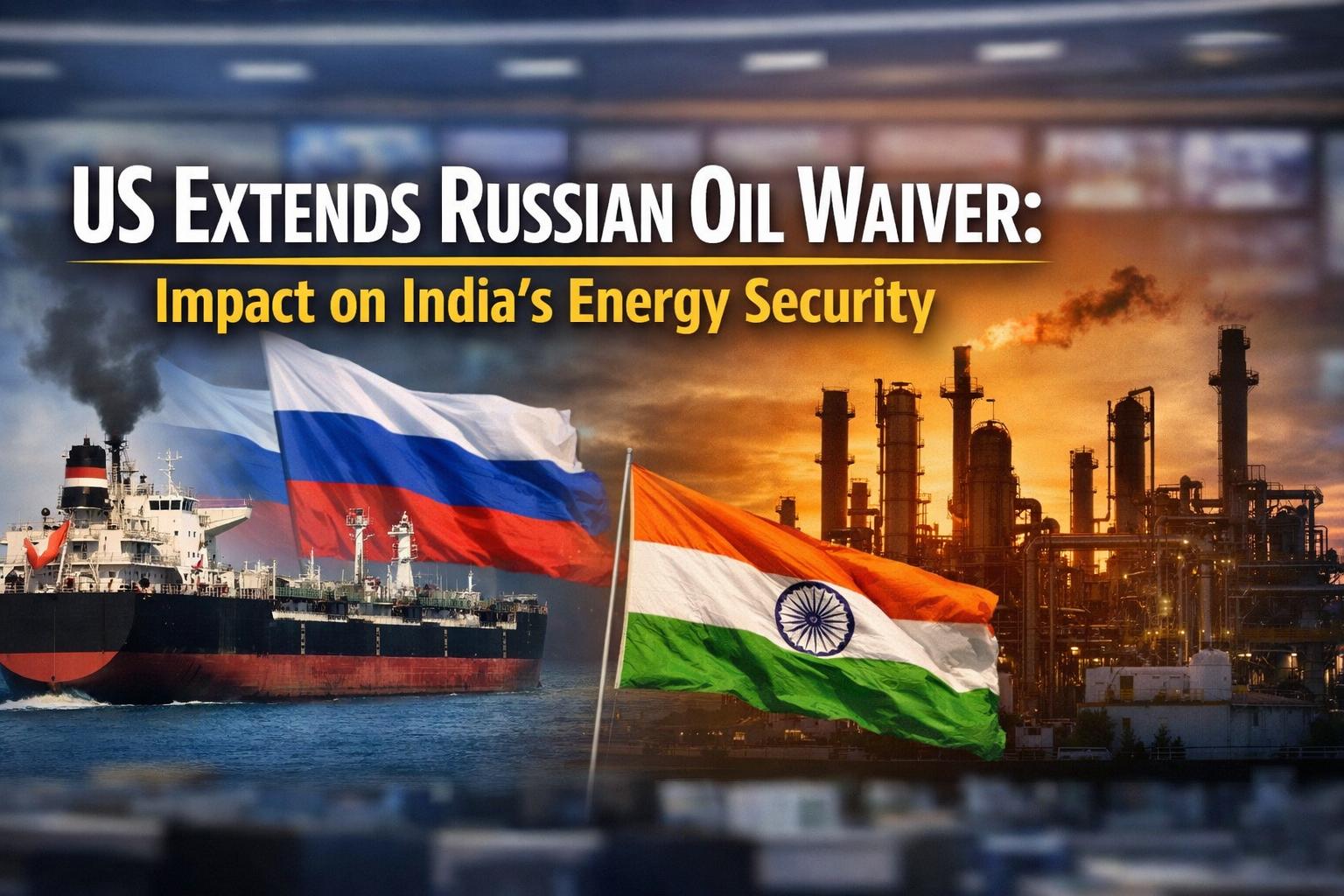
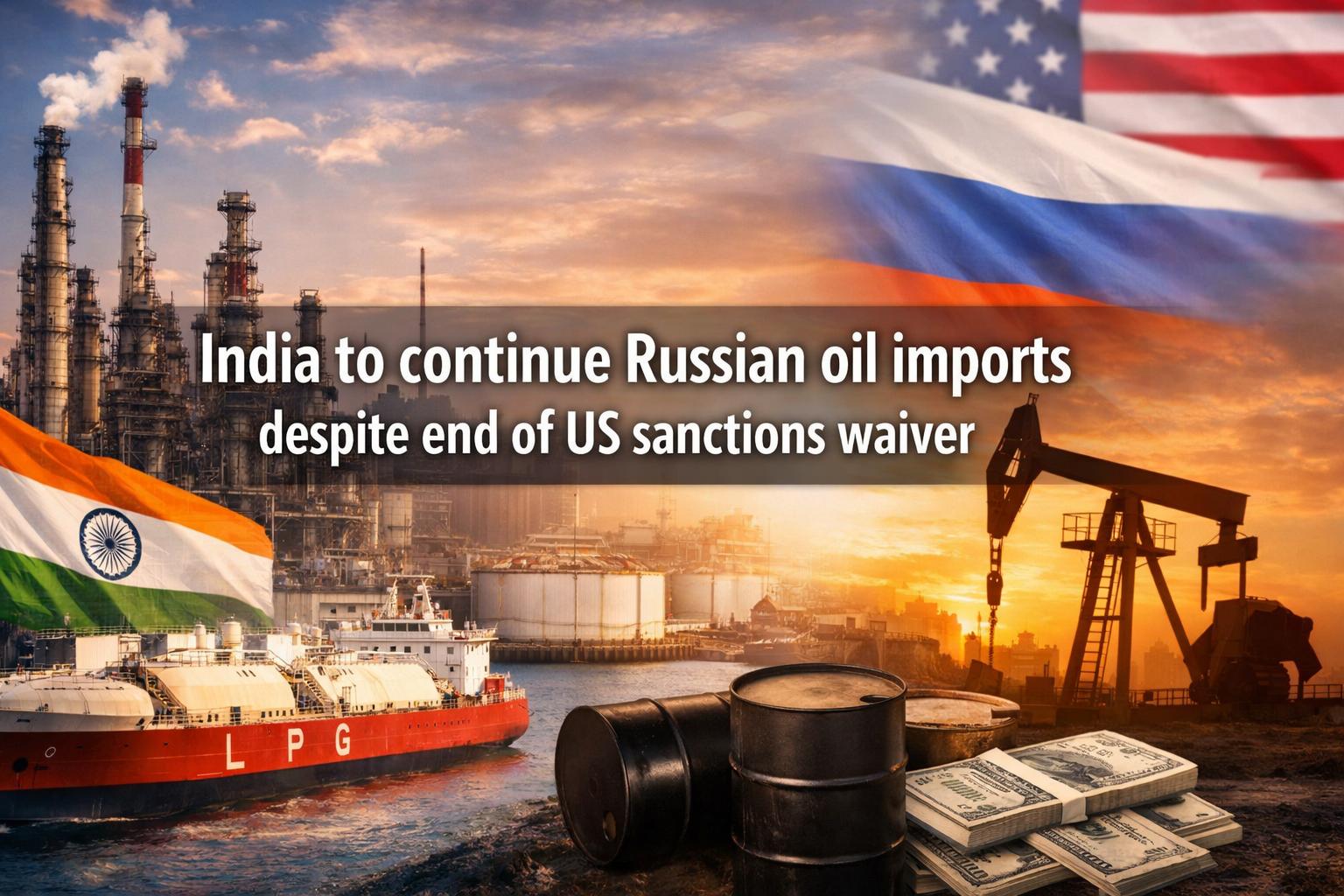
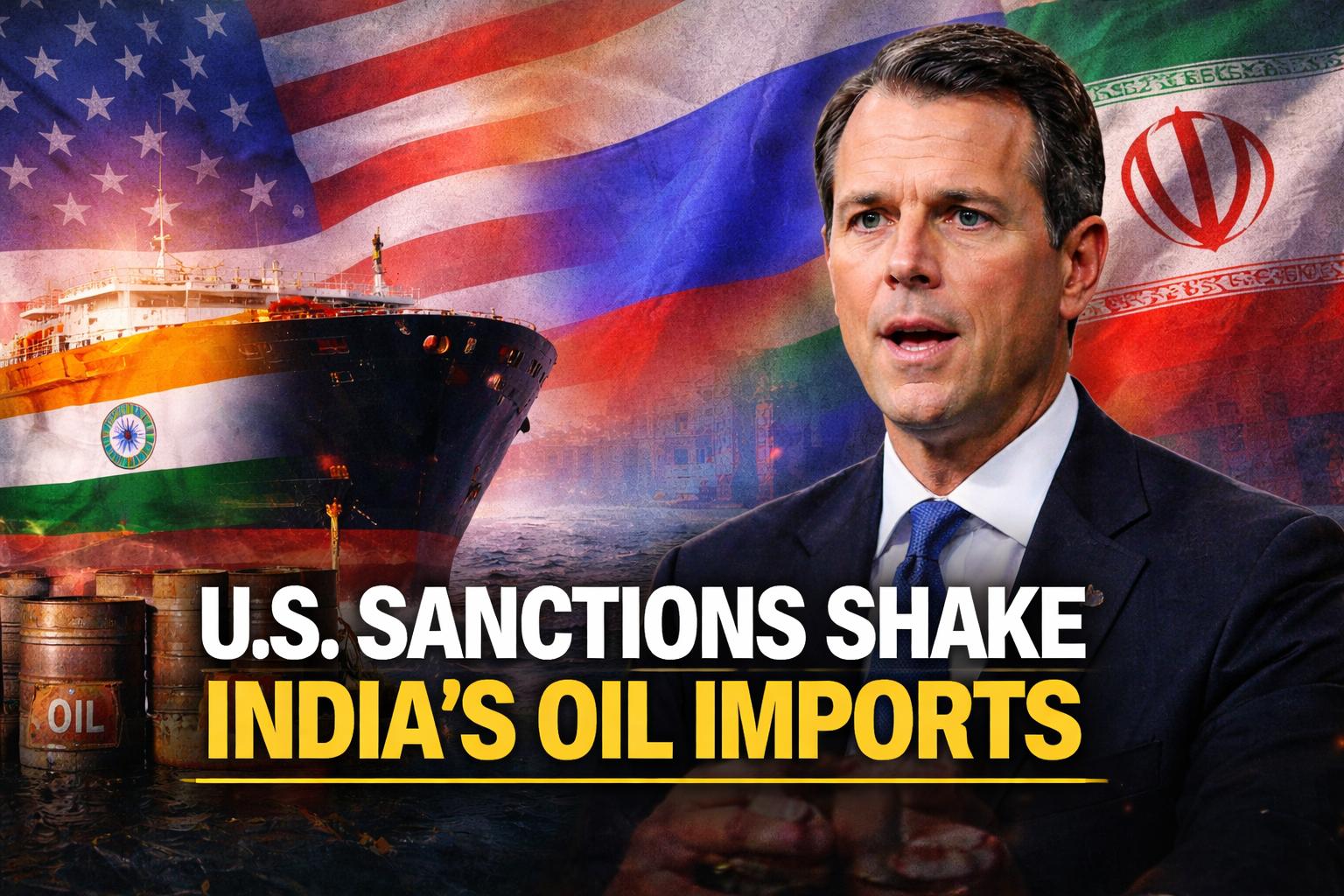
On April 15, US Treasury Secretary Scott Bessent announced that the US will no longer extend the sanctions waivers that allowed several countries to purchase oil from Russia and Iran. These waivers, which were initially intended to ease global oil supply disruptions, are now being revoked. Bessent emphasized that the move to not renew the general licenses on Russian and Iranian oil would lead to penalties for countries still involved in these transactions. He further warned that secondary san
US Sanctions Waivers on Russian and Iranian Oil: Impact on India’s Energy Supply
On April 15, US Treasury Secretary Scott Bessent announced that the US will no longer extend the sanctions waivers that allowed several countries to purchase oil from Russia and Iran. These waivers, which were initially intended to ease global oil supply disruptions, are now being revoked. Bessent emphasized that the move to not renew the general licenses on Russian and Iranian oil would lead to penalties for countries still involved in these transactions. He further warned that secondary san
Russia to Supply 9.5 Million Barrels of Oil to India as Middle East Tensions Escalate
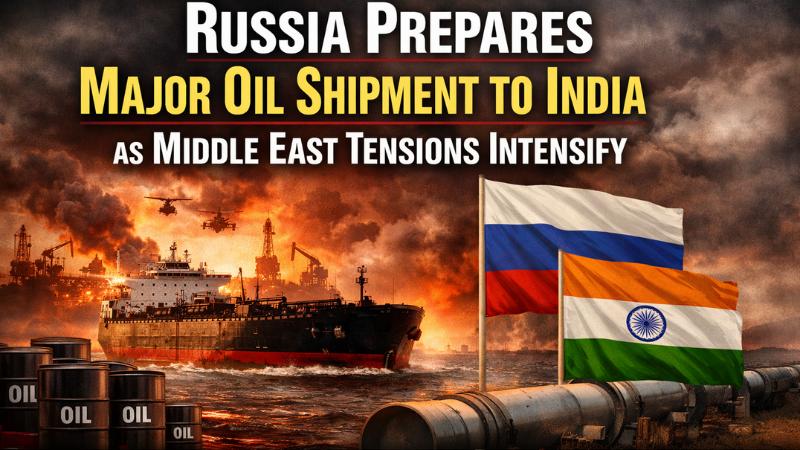
In response to the escalating crisis in the Middle East, Russia is preparing to ship 9.5 million barrels of crude oil to India. This move comes as India faces severe supply disruptions, particularly after Iranian attacks targeted vessels in the Strait of Hormuz, a critical oil route that handles 40% of India's crude imports. The current geopolitical tensions have left India vulnerable, as its crude stocks cover only about 25 days of demand, and inventories of refined products like gasoline, g
Russia to Supply 9.5 Million Barrels of Oil to India as Middle East Tensions Escalate
In response to the escalating crisis in the Middle East, Russia is preparing to ship 9.5 million barrels of crude oil to India. This move comes as India faces severe supply disruptions, particularly after Iranian attacks targeted vessels in the Strait of Hormuz, a critical oil route that handles 40% of India's crude imports. The current geopolitical tensions have left India vulnerable, as its crude stocks cover only about 25 days of demand, and inventories of refined products like gasoline, g
India Set to Buy Five More Russian S‑400 Air Defence Squadrons After Operation Sindoor Success
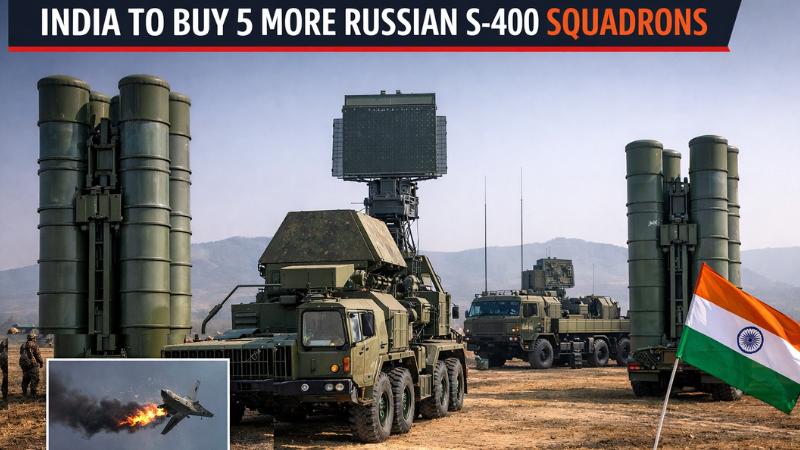
India is preparing to buy five additional squadrons of the Russian‑made S‑400 Triumf long‑range air defence missile system, a plan driven by the system’s highly effective performance during last year’s Operation Sindoor. The move aims to significantly bolster the Indian Air Force’s layered air defence network across both eastern and western fronts against evolving aerial threats. Defence ministry sources say the proposal from the Indian Air Force will soon be taken up fo
India Set to Buy Five More Russian S‑400 Air Defence Squadrons After Operation Sindoor Success
India is preparing to buy five additional squadrons of the Russian‑made S‑400 Triumf long‑range air defence missile system, a plan driven by the system’s highly effective performance during last year’s Operation Sindoor. The move aims to significantly bolster the Indian Air Force’s layered air defence network across both eastern and western fronts against evolving aerial threats. Defence ministry sources say the proposal from the Indian Air Force will soon be taken up fo
Top Court Limits Trump Tariff Powers Amid India-Russia Oil Dispute
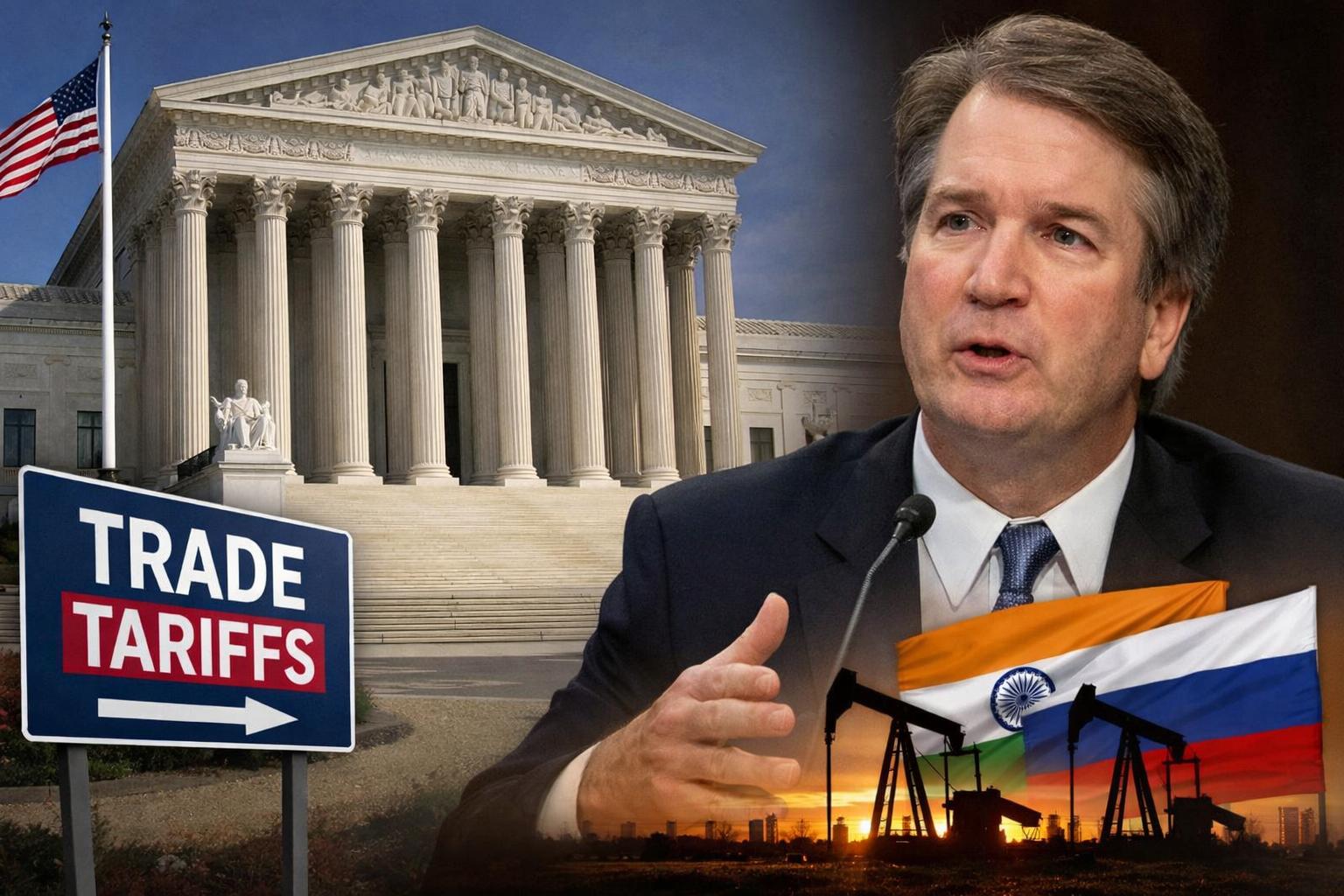
The United States Supreme Court on Friday struck down a series of broad tariffs imposed by President Donald Trump, ruling that the administration had exceeded its authority under federal law. In a closely watched 6–3 decision, the court determined that the International Emergency Economic Powers Act does not authorize the president to unilaterally impose sweeping duties on foreign imports, a finding that could have significant implications for future trade policy and executive power. The ruling addressed the legal limits of presidential authority under the IEEPA, a statute historically used to regulate economic activity during national emergencies. Writing for the majority, the court concluded that the law does not grant the executive branch the expansive tariff powers claimed by the administration. The decision effectively invalidates the contested measures and reinforces congressional oversight over major trade actions. In his dissent, Justice Brett Kavanaugh pointed to the administration’s use of tariffs as a tool of foreign policy leverage, including duties imposed on India over its purchases of Russian oil. He argued that the tariffs were part of sensitive international negotiations and should be viewed within the broader context of the president’s conduct of foreign affairs. Kavanaugh noted that the government had maintained the tariffs helped secure trade concessions from major partners such as China, the United Kingdom and Japan. According to the administration’s position, the measures were intended to open foreign markets to American businesses and support trade agreements valued in the trillions of dollars. The dissent specifically referenced the August 2025 decision to impose a 25 percent tariff on India for what the administration described as direct or indirect imports of Russian Federation oil. At the time, the White House framed the move as part of broader efforts tied to geopolitical negotiations and energy security concerns. The tariffs included a reciprocal component initially set at 25 percent and later reduced to 18 percent. Kavanaugh further observed that the administration subsequently eased the India-specific penalties in February 2026 after the government reported that New Delhi had committed to halting purchases of Russian oil and to increasing imports of American energy products. He argued that such developments demonstrated the traditional diplomatic use of tariffs as leverage in complex international negotiations. Despite these arguments, the majority held that statutory limits must guide the exercise of executive power, even in matters touching on foreign affairs and national security. The court emphasized that significant economic measures with wide domestic consequences require clear authorization from Congress. The decision marks a notable judicial check on presidential trade authority and is likely to influence how future administrations deploy tariffs in pursuit of foreign policy objectives. Legal analysts say the ruling reinforces the principle that emergency economic powers cannot be broadly interpreted to reshape global trade relationships without explicit legislative backing. While the immediate policy effects remain to be fully assessed, the judgment underscores ongoing tensions between the executive branch’s flexibility in foreign affairs and the constitutional role of Congress in regulating commerce. The case is expected to shape debates over trade strategy, energy diplomacy and the scope of presidential economic powers in the years ahead.
Top Court Limits Trump Tariff Powers Amid India-Russia Oil Dispute
The United States Supreme Court on Friday struck down a series of broad tariffs imposed by President Donald Trump, ruling that the administration had exceeded its authority under federal law. In a closely watched 6–3 decision, the court determined that the International Emergency Economic Powers Act does not authorize the president to unilaterally impose sweeping duties on foreign imports, a finding that could have significant implications for future trade policy and executive power. The ruling addressed the legal limits of presidential authority under the IEEPA, a statute historically used to regulate economic activity during national emergencies. Writing for the majority, the court concluded that the law does not grant the executive branch the expansive tariff powers claimed by the administration. The decision effectively invalidates the contested measures and reinforces congressional oversight over major trade actions. In his dissent, Justice Brett Kavanaugh pointed to the administration’s use of tariffs as a tool of foreign policy leverage, including duties imposed on India over its purchases of Russian oil. He argued that the tariffs were part of sensitive international negotiations and should be viewed within the broader context of the president’s conduct of foreign affairs. Kavanaugh noted that the government had maintained the tariffs helped secure trade concessions from major partners such as China, the United Kingdom and Japan. According to the administration’s position, the measures were intended to open foreign markets to American businesses and support trade agreements valued in the trillions of dollars. The dissent specifically referenced the August 2025 decision to impose a 25 percent tariff on India for what the administration described as direct or indirect imports of Russian Federation oil. At the time, the White House framed the move as part of broader efforts tied to geopolitical negotiations and energy security concerns. The tariffs included a reciprocal component initially set at 25 percent and later reduced to 18 percent. Kavanaugh further observed that the administration subsequently eased the India-specific penalties in February 2026 after the government reported that New Delhi had committed to halting purchases of Russian oil and to increasing imports of American energy products. He argued that such developments demonstrated the traditional diplomatic use of tariffs as leverage in complex international negotiations. Despite these arguments, the majority held that statutory limits must guide the exercise of executive power, even in matters touching on foreign affairs and national security. The court emphasized that significant economic measures with wide domestic consequences require clear authorization from Congress. The decision marks a notable judicial check on presidential trade authority and is likely to influence how future administrations deploy tariffs in pursuit of foreign policy objectives. Legal analysts say the ruling reinforces the principle that emergency economic powers cannot be broadly interpreted to reshape global trade relationships without explicit legislative backing. While the immediate policy effects remain to be fully assessed, the judgment underscores ongoing tensions between the executive branch’s flexibility in foreign affairs and the constitutional role of Congress in regulating commerce. The case is expected to shape debates over trade strategy, energy diplomacy and the scope of presidential economic powers in the years ahead.
Six injured in knife attack at Ufa university hostel, four Indian students among victims
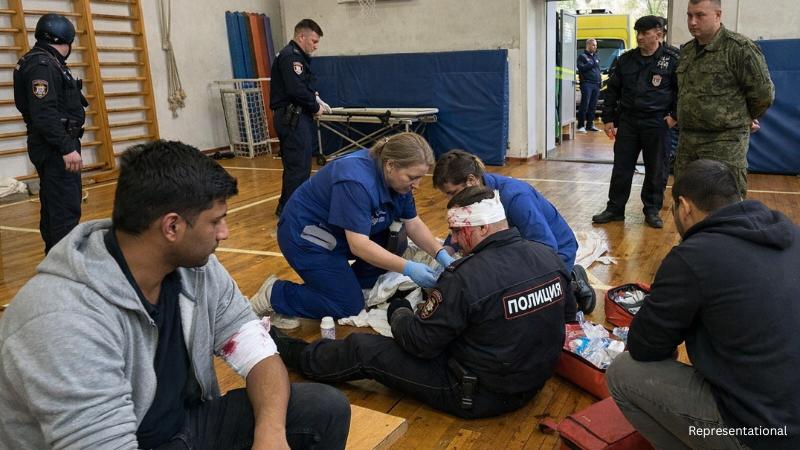
More than six people, including four Indian students and two police officers, were injured after a knife attack inside a foreign students’ hostel at a state medical university in Ufa, Russia, on Saturday, authorities said. The incident unfolded in the sports hall area of the dormitory when a teenage suspect allegedly entered the premises armed with a knife and began attacking those present, prompting an emergency response from law enforcement and medical teams. According to Russia’s Interior Ministry, the assailant forced his way into the hostel building and targeted students inside the hall. The situation escalated quickly as officers attempted to restrain and detain the suspect. During the arrest operation, the teenager reportedly resisted and stabbed two police officers before inflicting injuries on himself. Both officers sustained wounds while attempting to control the attacker, highlighting the volatility of the encounter. Officials have not immediately released the names or nationalities of all those injured, though early information confirmed that four Indian students were among the victims. The injured individuals were transported to nearby medical facilities for treatment. Local reports indicated that the students and officers were admitted to a clinical hospital in the city, while the 15-year-old suspect was taken to a children’s hospital and remains in serious condition. The motive behind the knife attack remains under investigation, and authorities are continuing to gather evidence and question witnesses to determine the circumstances leading up to the violence. Security has been tightened around the university campus and residential areas as a precaution, and police are reviewing surveillance footage from the hostel. The Indian Embassy in Russia confirmed the incident and said it is closely coordinating with local authorities to ensure assistance for the affected students. In a statement, the embassy said officials from its consulate in Kazan are traveling to Ufa to provide on-ground support, medical assistance, and consular help to those injured. The embassy described the episode as unfortunate and assured that it is monitoring the situation closely. The university administration has yet to issue a detailed statement, but sources indicated that counseling and support services may be offered to students shaken by the incident. The attack has raised concerns about campus safety and the security of international students living in hostels, prompting calls for strengthened measures to prevent similar incidents. As investigations continue, authorities are expected to provide further updates on the condition of the injured and the legal proceedings involving the suspect.


Six injured in knife attack at Ufa university hostel, four Indian students among victims
More than six people, including four Indian students and two police officers, were injured after a knife attack inside a foreign students’ hostel at a state medical university in Ufa, Russia, on Saturday, authorities said. The incident unfolded in the sports hall area of the dormitory when a teenage suspect allegedly entered the premises armed with a knife and began attacking those present, prompting an emergency response from law enforcement and medical teams. According to Russia’s Interior Ministry, the assailant forced his way into the hostel building and targeted students inside the hall. The situation escalated quickly as officers attempted to restrain and detain the suspect. During the arrest operation, the teenager reportedly resisted and stabbed two police officers before inflicting injuries on himself. Both officers sustained wounds while attempting to control the attacker, highlighting the volatility of the encounter. Officials have not immediately released the names or nationalities of all those injured, though early information confirmed that four Indian students were among the victims. The injured individuals were transported to nearby medical facilities for treatment. Local reports indicated that the students and officers were admitted to a clinical hospital in the city, while the 15-year-old suspect was taken to a children’s hospital and remains in serious condition. The motive behind the knife attack remains under investigation, and authorities are continuing to gather evidence and question witnesses to determine the circumstances leading up to the violence. Security has been tightened around the university campus and residential areas as a precaution, and police are reviewing surveillance footage from the hostel. The Indian Embassy in Russia confirmed the incident and said it is closely coordinating with local authorities to ensure assistance for the affected students. In a statement, the embassy said officials from its consulate in Kazan are traveling to Ufa to provide on-ground support, medical assistance, and consular help to those injured. The embassy described the episode as unfortunate and assured that it is monitoring the situation closely. The university administration has yet to issue a detailed statement, but sources indicated that counseling and support services may be offered to students shaken by the incident. The attack has raised concerns about campus safety and the security of international students living in hostels, prompting calls for strengthened measures to prevent similar incidents. As investigations continue, authorities are expected to provide further updates on the condition of the injured and the legal proceedings involving the suspect.



Russia questions India’s pledge to stop Russian crude after U.S. tariff agreement
Russia has said it has not received any official confirmation from India that the country plans to halt purchases of Russian oil, a day after U.S. President Donald Trump claimed New Delhi agreed to scale back those imports as part of a new trade agreement with Washington. Kremlin spokesperson Dmitry Peskov stated that Moscow had yet to hear directly from Indian authorities regarding any change in energy flows. While acknowledging the evolving relationship between the United States a
Russia questions India’s pledge to stop Russian crude after U.S. tariff agreement
Russia has said it has not received any official confirmation from India that the country plans to halt purchases of Russian oil, a day after U.S. President Donald Trump claimed New Delhi agreed to scale back those imports as part of a new trade agreement with Washington. Kremlin spokesperson Dmitry Peskov stated that Moscow had yet to hear directly from Indian authorities regarding any change in energy flows. While acknowledging the evolving relationship between the United States a
US treasury secretary says Europe funding war through Russian oil refined in India
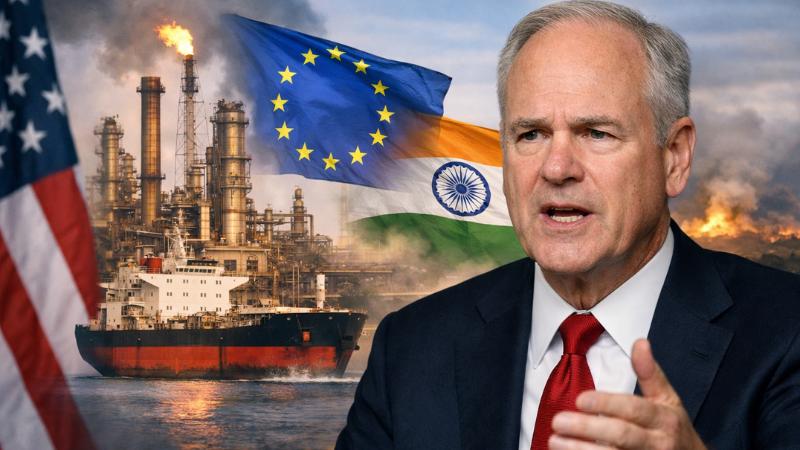
United States Treasury Secretary Scott Bessent has accused European nations of indirectly financing Russia’s war in Ukraine by purchasing refined oil products originating from Russian crude processed in India. His remarks come amid ongoing geopolitical tensions over energy trade and sanctions linked to the conflict in Eastern Europe. In an interview aired on Sunday, Bessent alleged that while European leaders publicly condemn Russia’s actions in Ukraine, their trade practices ar
US treasury secretary says Europe funding war through Russian oil refined in India
United States Treasury Secretary Scott Bessent has accused European nations of indirectly financing Russia’s war in Ukraine by purchasing refined oil products originating from Russian crude processed in India. His remarks come amid ongoing geopolitical tensions over energy trade and sanctions linked to the conflict in Eastern Europe. In an interview aired on Sunday, Bessent alleged that while European leaders publicly condemn Russia’s actions in Ukraine, their trade practices ar
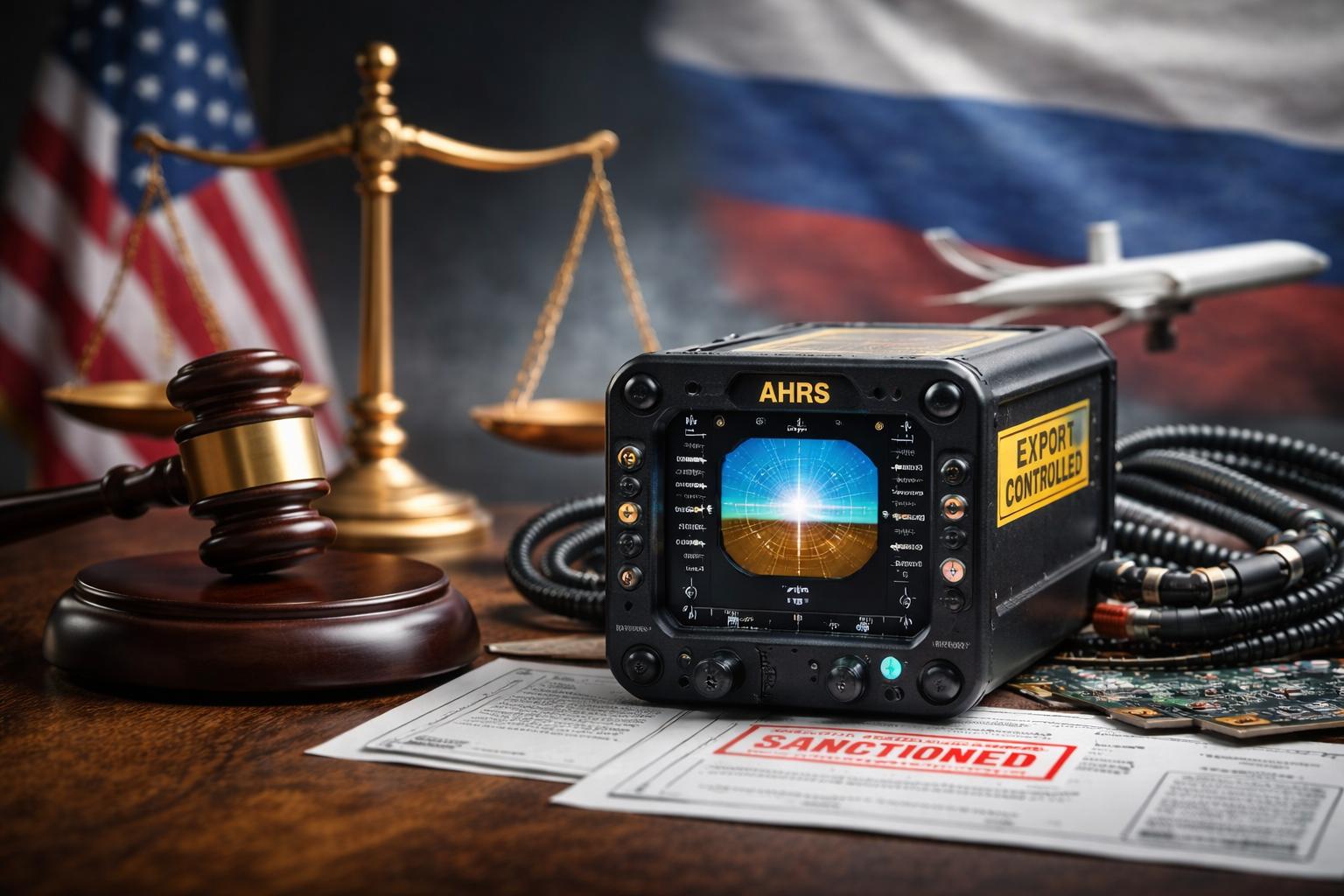
Indian businessman sentenced in US for illegal export of aviation technology to Russia
A United States federal court has sentenced an Indian businessman to 30 months in prison for orchestrating a scheme to illegally export controlled aviation technology to Russia, in violation of strict US export regulations introduced after the Ukraine conflict. The sentencing underscores Washington’s continued focus on disrupting global supply chains used to bypass sanctions and export controls aimed at safeguarding national security. Sanjay Kaushik, 58, a New Delhi-based aviation
Indian businessman sentenced in US for illegal export of aviation technology to Russia
A United States federal court has sentenced an Indian businessman to 30 months in prison for orchestrating a scheme to illegally export controlled aviation technology to Russia, in violation of strict US export regulations introduced after the Ukraine conflict. The sentencing underscores Washington’s continued focus on disrupting global supply chains used to bypass sanctions and export controls aimed at safeguarding national security. Sanjay Kaushik, 58, a New Delhi-based aviation
US commerce secretary says Modi did not call Trump, trade deal collapsed
The proposed India–US trade deal failed to materialise because Prime Minister Narendra Modi did not personally call US President Donald Trump, according to claims made by US Commerce Secretary Howard Lutnick. Speaking on a podcast, Lutnick said the final step required to close the agreement was direct communication between the two leaders, which did not happen, leading to the collapse of the negotiations. Lutnick stated that the framework of the deal had been completed and was rea
US commerce secretary says Modi did not call Trump, trade deal collapsed
The proposed India–US trade deal failed to materialise because Prime Minister Narendra Modi did not personally call US President Donald Trump, according to claims made by US Commerce Secretary Howard Lutnick. Speaking on a podcast, Lutnick said the final step required to close the agreement was direct communication between the two leaders, which did not happen, leading to the collapse of the negotiations. Lutnick stated that the framework of the deal had been completed and was rea
Trump claims India cut Russian oil imports after US imposed 50% tariffs
US President Donald Trump on Sunday, January 4, claimed that India has significantly reduced its purchases of Russian oil following the imposition of steep tariffs on Indian goods by Washington. Speaking aboard Air Force One, Trump said his administration’s decision to levy a 50 percent tariff had prompted a response from New Delhi, while also warning that the United States could escalate trade penalties further if necessary. Trump asserted that India’s leadership acted in respo
Trump claims India cut Russian oil imports after US imposed 50% tariffs
US President Donald Trump on Sunday, January 4, claimed that India has significantly reduced its purchases of Russian oil following the imposition of steep tariffs on Indian goods by Washington. Speaking aboard Air Force One, Trump said his administration’s decision to levy a 50 percent tariff had prompted a response from New Delhi, while also warning that the United States could escalate trade penalties further if necessary. Trump asserted that India’s leadership acted in respo
Trump weighs Core-5 global power bloc as potential alternative to the G7
US President Donald Trump is reported to be considering the formation of a new geopolitical grouping known as the “Core-5,” a proposed alliance that would bring together the United States, Russia, China, India, and Japan. The initiative is being explored as a potential alternative to the Group of Seven, signaling a significant shift in Washington’s approach to global leadership and alliance-building. If pursued, the Core-5 could represent one of the most powerful strategic blocs ever as
Trump weighs Core-5 global power bloc as potential alternative to the G7
US President Donald Trump is reported to be considering the formation of a new geopolitical grouping known as the “Core-5,” a proposed alliance that would bring together the United States, Russia, China, India, and Japan. The initiative is being explored as a potential alternative to the Group of Seven, signaling a significant shift in Washington’s approach to global leadership and alliance-building. If pursued, the Core-5 could represent one of the most powerful strategic blocs ever as
Putin In Delhi Today: BrahMos, S-500 Defence Talks And Big Trade Deals On The Table
Russian President Vladimir Putin lands in Delhi this evening for a crucial two-day state visit, his first trip to India since the Ukraine war and the first since 2021. The visit comes at the invitation of Prime Minister Narendra Modi as both nations celebrate 25 years of the India-Russia strategic partnership along with the 23rd bilateral summit. The leaders last met during the SCO Summit in Tianjin on September 1, and this visit is expected to see multiple agreements aimed at strengthening l
Putin In Delhi Today: BrahMos, S-500 Defence Talks And Big Trade Deals On The Table
Russian President Vladimir Putin lands in Delhi this evening for a crucial two-day state visit, his first trip to India since the Ukraine war and the first since 2021. The visit comes at the invitation of Prime Minister Narendra Modi as both nations celebrate 25 years of the India-Russia strategic partnership along with the 23rd bilateral summit. The leaders last met during the SCO Summit in Tianjin on September 1, and this visit is expected to see multiple agreements aimed at strengthening l
Russia says India’s reduced oil imports are temporary as Moscow plans higher supplies
Kremlin spokesman Dmitry Peskov said on Tuesday that the recent dip in India’s imports of Russian oil is expected to be short-lived, adding that Moscow plans to increase the volume of supplies to New Delhi in the coming months. He stated that Russia understands the external pressures faced by India, particularly in light of tariffs and policy constraints linked to its continued purchase of Russian crude. According to Peskov, Moscow views India’s approach toward its energy partnerships as
Russia says India’s reduced oil imports are temporary as Moscow plans higher supplies
Kremlin spokesman Dmitry Peskov said on Tuesday that the recent dip in India’s imports of Russian oil is expected to be short-lived, adding that Moscow plans to increase the volume of supplies to New Delhi in the coming months. He stated that Russia understands the external pressures faced by India, particularly in light of tariffs and policy constraints linked to its continued purchase of Russian crude. According to Peskov, Moscow views India’s approach toward its energy partnerships as
Putin to visit India for annual summit as S-400 defence talks gain momentum
Russian President Vladimir Putin is expected to travel to India on December 4 and 5 for the 23rd Annual Summit, marking his first visit since the start of the Russia-Ukraine conflict and India’s Operation Sindoor. The meeting between Prime Minister Narendra Modi and Putin is expected to place significant emphasis on strengthening defence cooperation, including discussions on a potential new S-400 air defence system contract. The visit comes at a critical time, as both countries reassess the
Putin to visit India for annual summit as S-400 defence talks gain momentum
Russian President Vladimir Putin is expected to travel to India on December 4 and 5 for the 23rd Annual Summit, marking his first visit since the start of the Russia-Ukraine conflict and India’s Operation Sindoor. The meeting between Prime Minister Narendra Modi and Putin is expected to place significant emphasis on strengthening defence cooperation, including discussions on a potential new S-400 air defence system contract. The visit comes at a critical time, as both countries reassess the
US may impose 500% tariffs on countries buying Russian oil under new bill
The United States is preparing a major escalation in its economic pressure campaign against Russia, with President Donald Trump announcing that he supports Senate legislation enabling Washington to impose tariffs of up to 500 percent on countries that continue significant trade with Moscow. The measure represents one of the most aggressive attempts yet to curtail Russian war funding and signals growing frustration in Washington over the prolonged conflict in Ukraine. Speaking before
US may impose 500% tariffs on countries buying Russian oil under new bill
The United States is preparing a major escalation in its economic pressure campaign against Russia, with President Donald Trump announcing that he supports Senate legislation enabling Washington to impose tariffs of up to 500 percent on countries that continue significant trade with Moscow. The measure represents one of the most aggressive attempts yet to curtail Russian war funding and signals growing frustration in Washington over the prolonged conflict in Ukraine. Speaking before
India confirms US sanctions will not impact Chabahar Port project in Iran
New Delhi: India’s Ministry of External Affairs (MEA) has clarified that the American sanctions imposed on Iran will not affect the Chabahar Port project, a critical component of India’s regional connectivity and trade strategy. The confirmation underscores New Delhi’s commitment to maintaining strategic investments in the port, even as it continues its dialogue with the United States on broader trade and diplomatic issues. The Chabahar Port, located on Iran’s southeastern c
India confirms US sanctions will not impact Chabahar Port project in Iran
New Delhi: India’s Ministry of External Affairs (MEA) has clarified that the American sanctions imposed on Iran will not affect the Chabahar Port project, a critical component of India’s regional connectivity and trade strategy. The confirmation underscores New Delhi’s commitment to maintaining strategic investments in the port, even as it continues its dialogue with the United States on broader trade and diplomatic issues. The Chabahar Port, located on Iran’s southeastern c
Trump sanctions Russian oil giants Rosneft and Lukoil amid Ukraine war escalation
In a significant policy reversal, U.S. President Donald Trump has imposed sweeping sanctions on Russia’s two largest oil producers, Rosneft and Lukoil, marking one of the most consequential economic measures against Moscow since the escalation of the war in Ukraine. The decision immediately triggered a 5% surge in global oil prices and prompted India, one of Russia’s biggest energy buyers, to reconsider its import strategy. The sanctions, announced on Wednesday, target companies
Trump sanctions Russian oil giants Rosneft and Lukoil amid Ukraine war escalation
In a significant policy reversal, U.S. President Donald Trump has imposed sweeping sanctions on Russia’s two largest oil producers, Rosneft and Lukoil, marking one of the most consequential economic measures against Moscow since the escalation of the war in Ukraine. The decision immediately triggered a 5% surge in global oil prices and prompted India, one of Russia’s biggest energy buyers, to reconsider its import strategy. The sanctions, announced on Wednesday, target companies
Trump claims India ending Russian oil imports; New Delhi emphasizes consumer priorities
Washington — U.S. President Donald Trump reiterated on Friday that India will no longer buy oil from Russia, asserting that the South Asian nation has already begun reducing its dependence on Moscow’s energy supplies. Speaking at the White House during a meeting with Ukrainian President Volodymyr Zelenskyy, Trump said the move reflects a broader international effort to isolate Russia economically over its invasion of Ukraine. “India will not be buying oil from Russia,” Trump
Trump claims India ending Russian oil imports; New Delhi emphasizes consumer priorities
Washington — U.S. President Donald Trump reiterated on Friday that India will no longer buy oil from Russia, asserting that the South Asian nation has already begun reducing its dependence on Moscow’s energy supplies. Speaking at the White House during a meeting with Ukrainian President Volodymyr Zelenskyy, Trump said the move reflects a broader international effort to isolate Russia economically over its invasion of Ukraine. “India will not be buying oil from Russia,” Trump
India Stands Firm Amid U.S. Pressure on Russian Oil
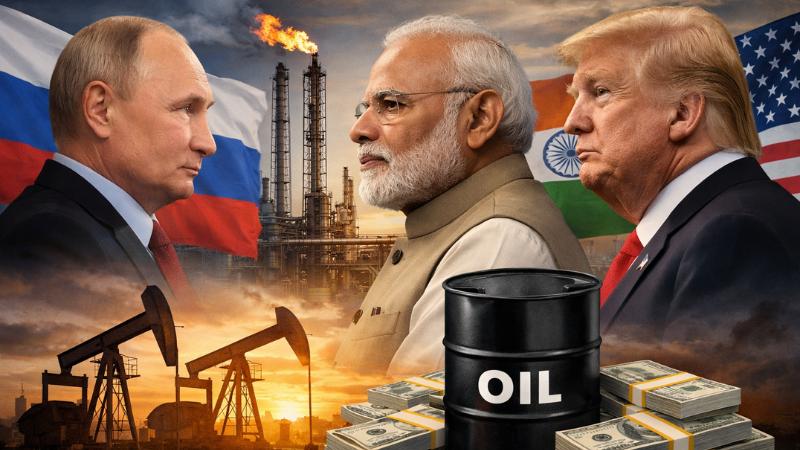
India is once again at the center of global diplomatic attention after former U.S. President Donald Trump claimed that Prime Minister Narendra Modi had agreed to halt Russian oil imports. The Indian government swiftly denied the statement, emphasizing that its energy decisions are made independently and based solely on national interest. This move highlights New Delhi’s determination to maintain strategic autonomy amid increasing international pressure. Over the past two years
India Stands Firm Amid U.S. Pressure on Russian Oil
India is once again at the center of global diplomatic attention after former U.S. President Donald Trump claimed that Prime Minister Narendra Modi had agreed to halt Russian oil imports. The Indian government swiftly denied the statement, emphasizing that its energy decisions are made independently and based solely on national interest. This move highlights New Delhi’s determination to maintain strategic autonomy amid increasing international pressure. Over the past two years
India responds to Trump’s claim about ending Russian oil imports
Hours after United States President Donald Trump asserted that Indian Prime Minister Narendra Modi had personally assured him that New Delhi would soon halt the purchase of oil from Russia, the Indian government issued a carefully worded statement reiterating its independent energy policy. The clarification underscored India’s commitment to protecting its national interests and consumers amid global price volatility, without directly confirming or denying Trump’s remarks. In a s
India responds to Trump’s claim about ending Russian oil imports
Hours after United States President Donald Trump asserted that Indian Prime Minister Narendra Modi had personally assured him that New Delhi would soon halt the purchase of oil from Russia, the Indian government issued a carefully worded statement reiterating its independent energy policy. The clarification underscored India’s commitment to protecting its national interests and consumers amid global price volatility, without directly confirming or denying Trump’s remarks. In a s